To build a dinner service, start with the pieces you will use twice a week, then add shapes that solve a real gap in the table setting. A dinner plate, a bowl, a cup, or a serving piece
Building A Table Over Time
Build the service around repeat use
To build a dinner service, start with the pieces you will use twice a week, then add shapes that solve a real gap in the table setting. A dinner plate, a bowl, a cup, or a serving piece can each become a useful anchor when it has a clear role. The aim is not to buy a complete table at once. It is to make each addition work with what is already in the cupboard and to let the service develop through regular meals.
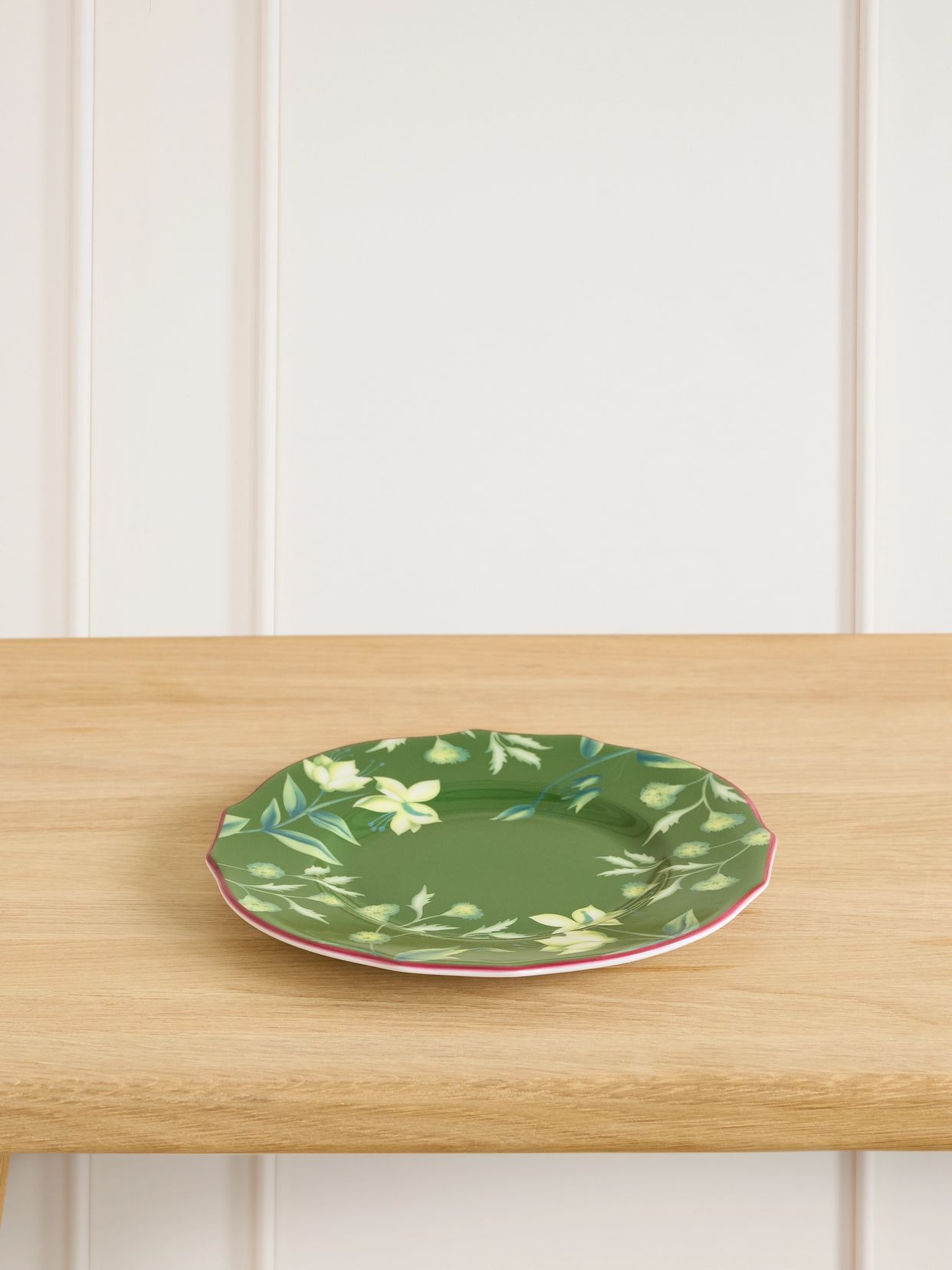
Ginori 1735's selection makes that approach easy to test. The Floreanza porcelain bread plate and Floreanza porcelain dessert plate begin with smaller formats, while the Porcelain dinner plate gives the main course its own centre. Antico Doccia porcelain bowl brings a deeper shape into the mix, and the Oriente Italiano serving bowl changes the scale for food placed in the middle of the table. The whole edit runs from $95 to $655. That is a broad spread, so begin with the piece that will earn its place most often, rather than choosing by price alone.
Plates and serveware
Floreanza porcelain bread plate
GINORI 1735
$95
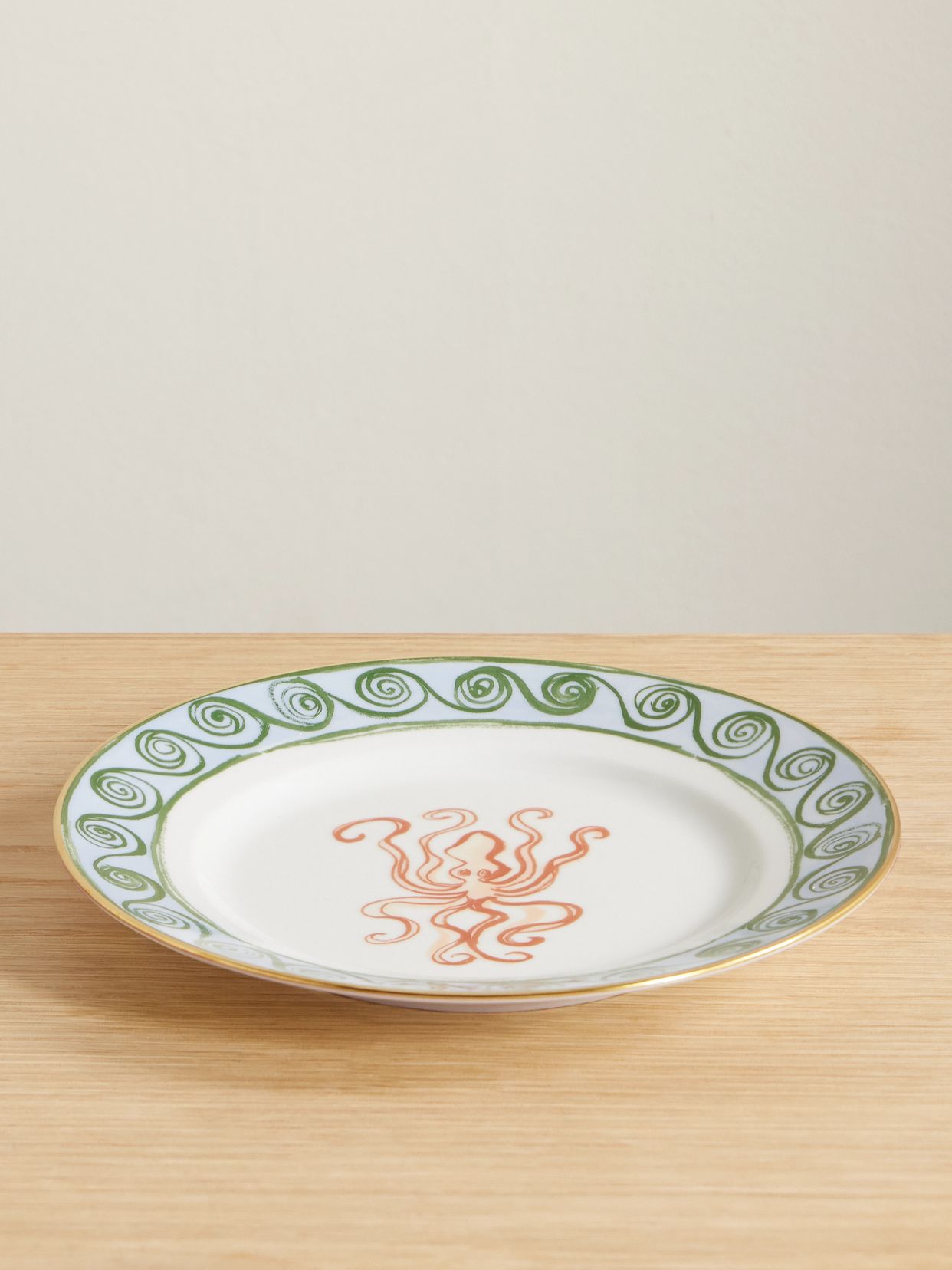
+ Luke Edward Hall Il Viaggio di Nettuno gold-plated porcelain dessert plate
GINORI 1735
$110
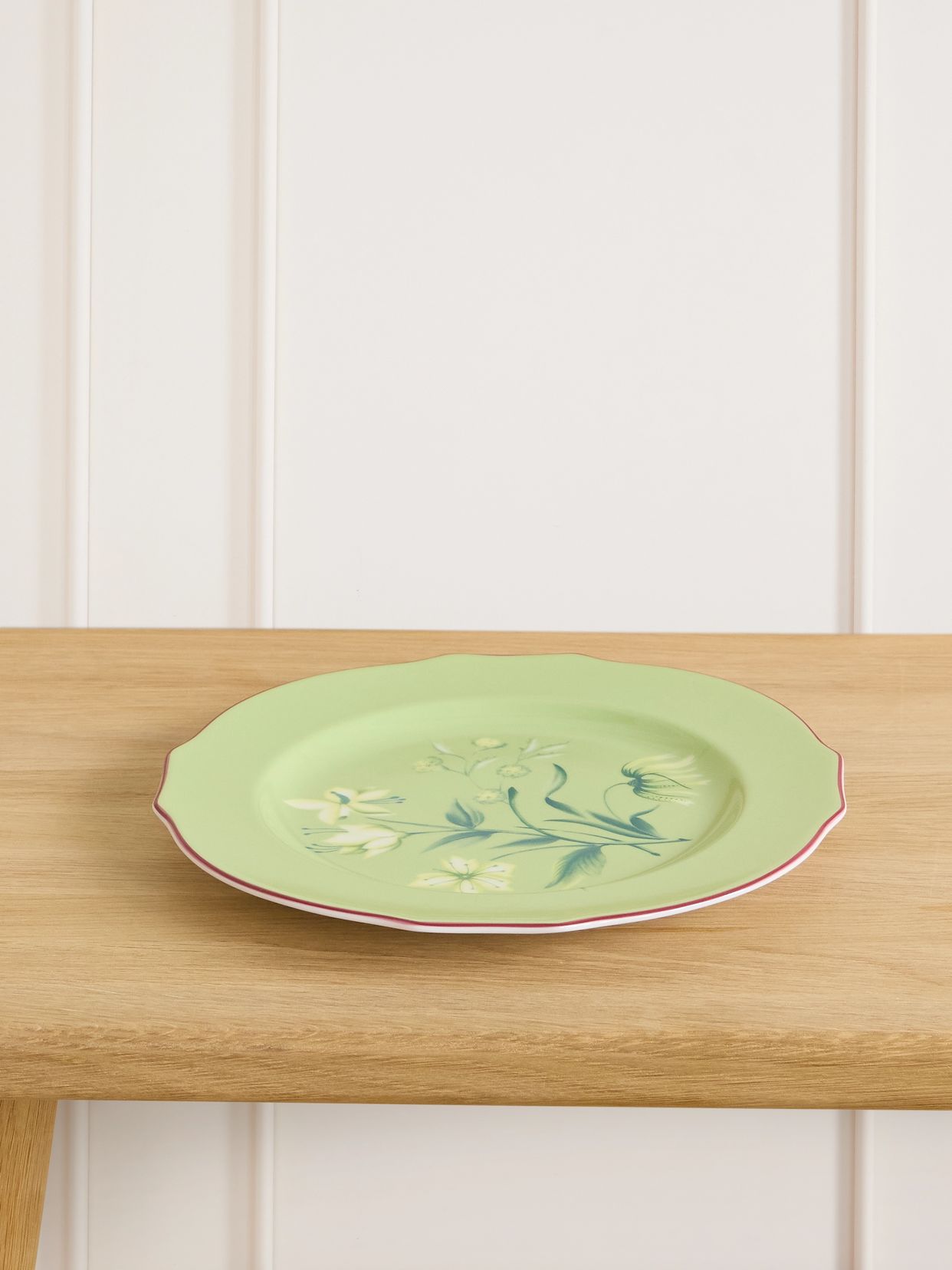
Floreanza porcelain dessert plate
GINORI 1735
$120
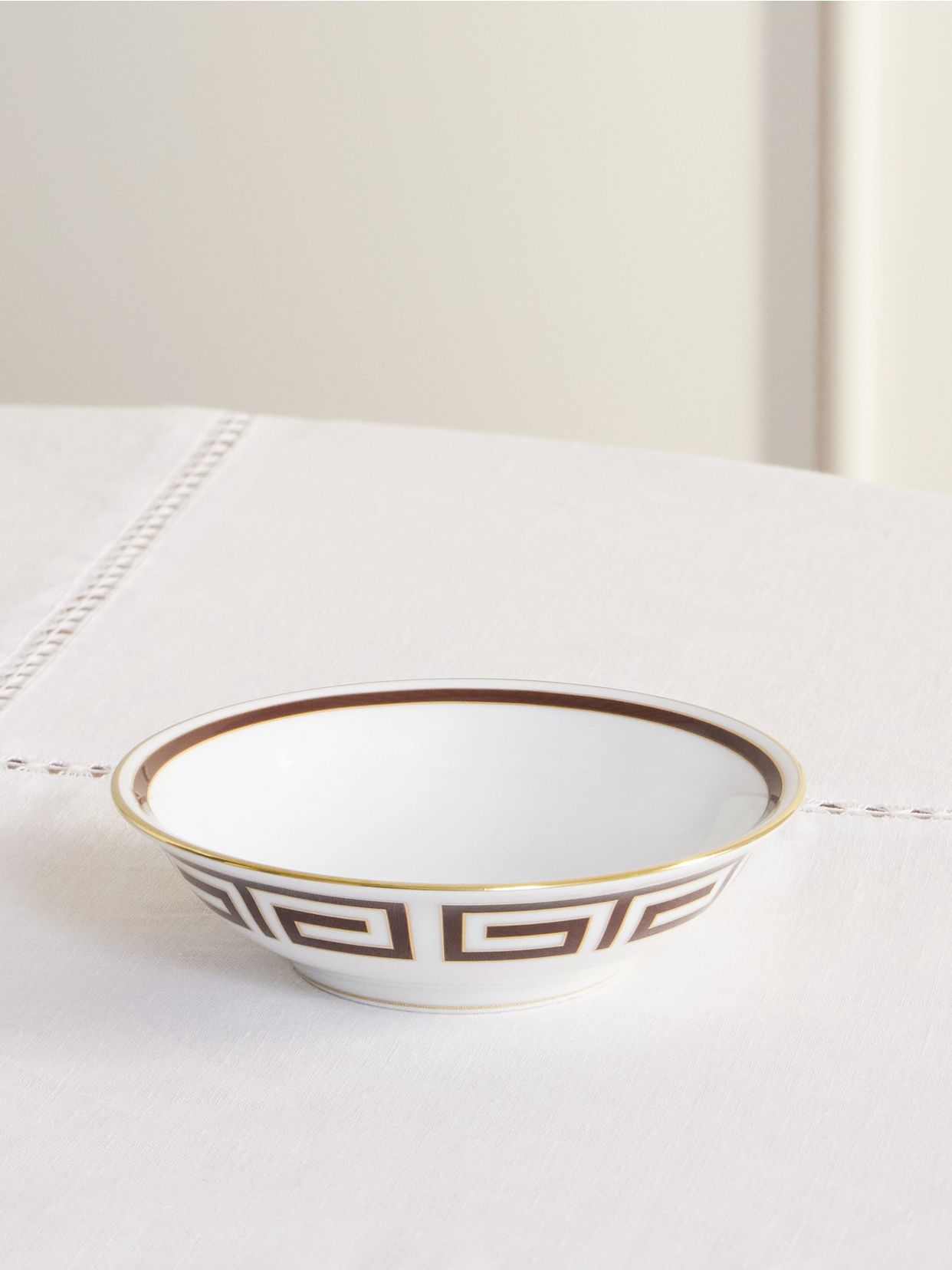
+ Gio Ponti Labirinto porcelain bowl
GINORI 1735
$130
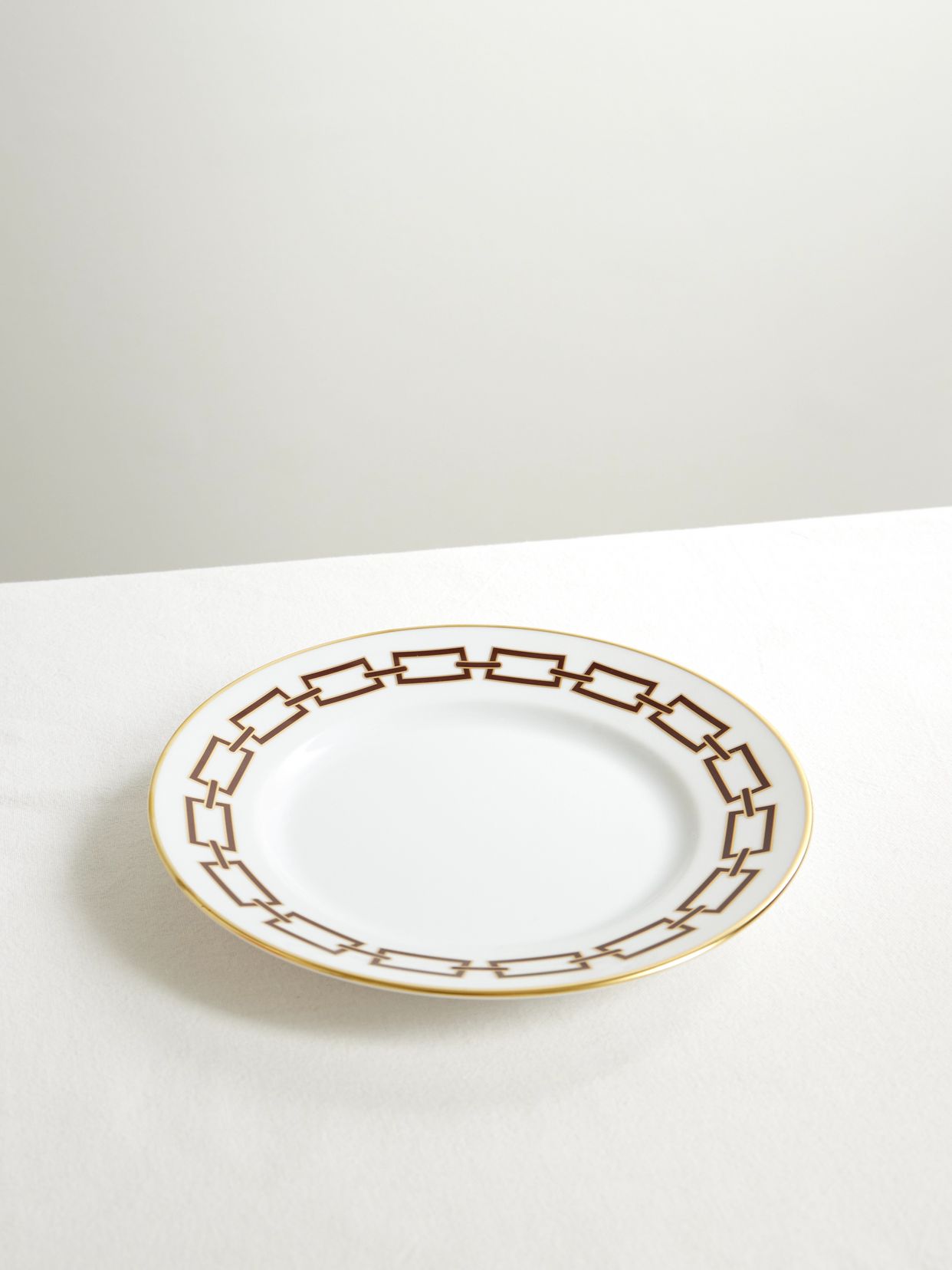
Catene gold-plated porcelain dessert plate
GINORI 1735
$140
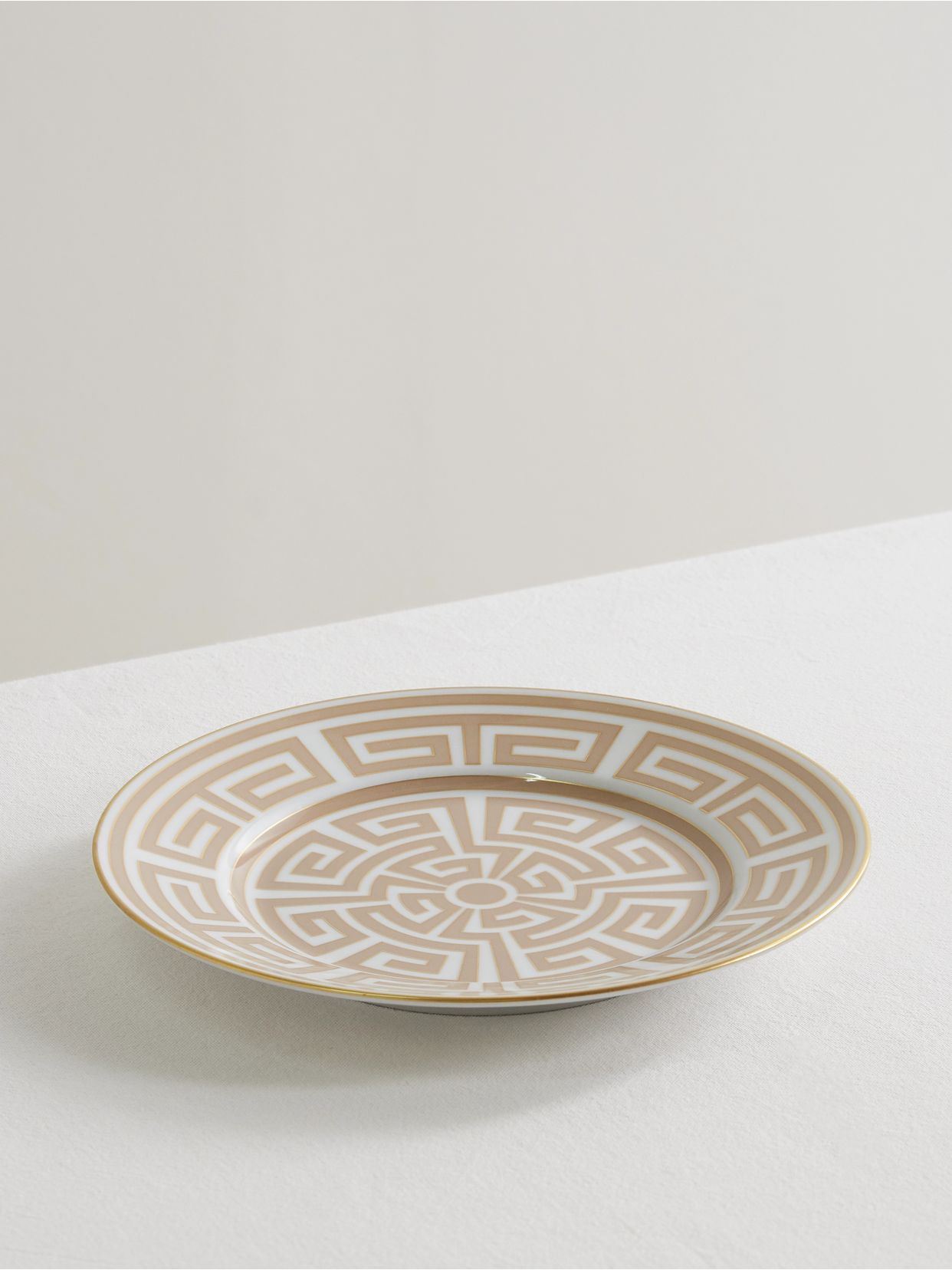
Labrinto gold-plated porcelain dessert plate
GINORI 1735
$140
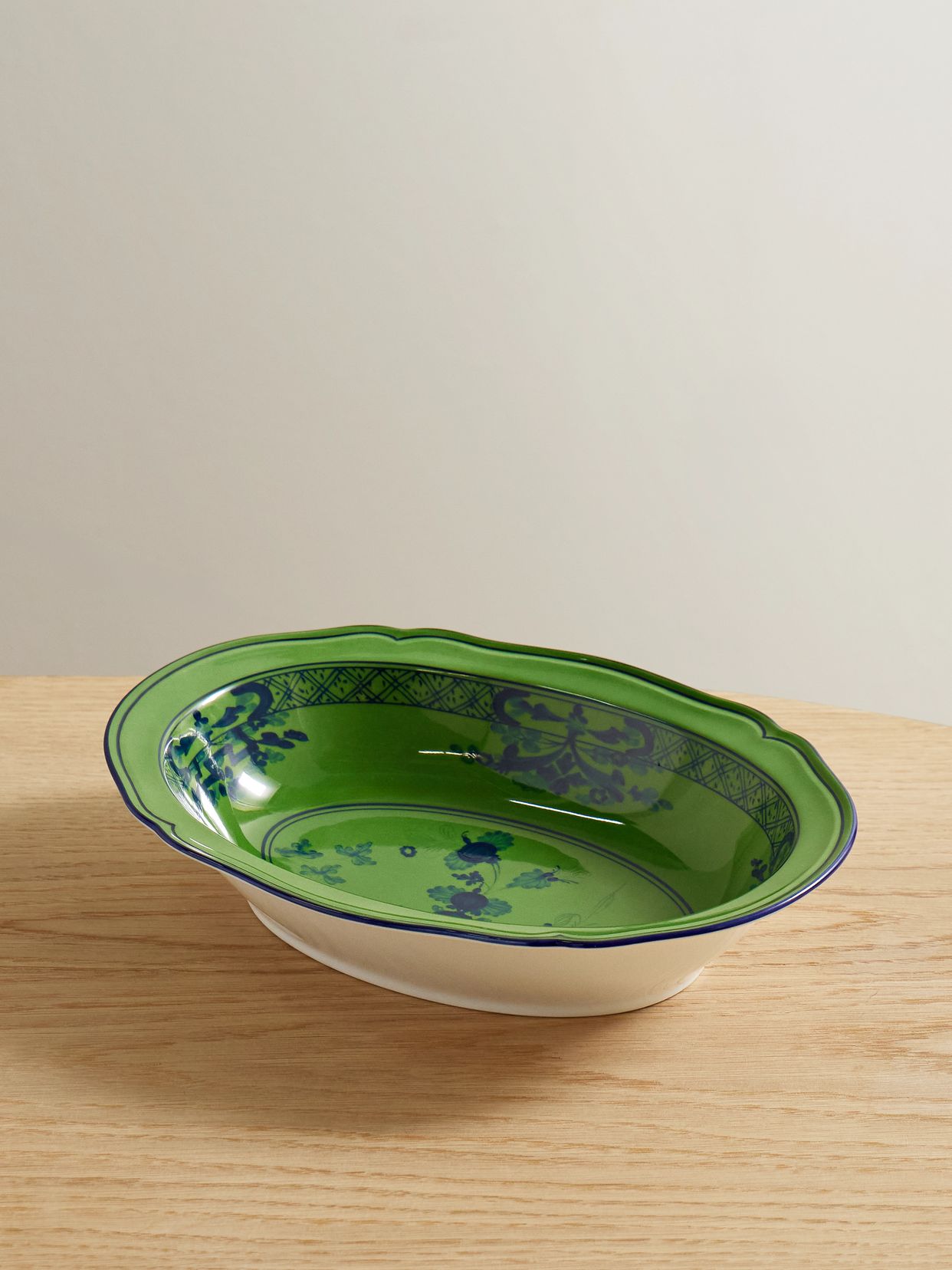
Antico Doccia porcelain bowl
GINORI 1735
$205
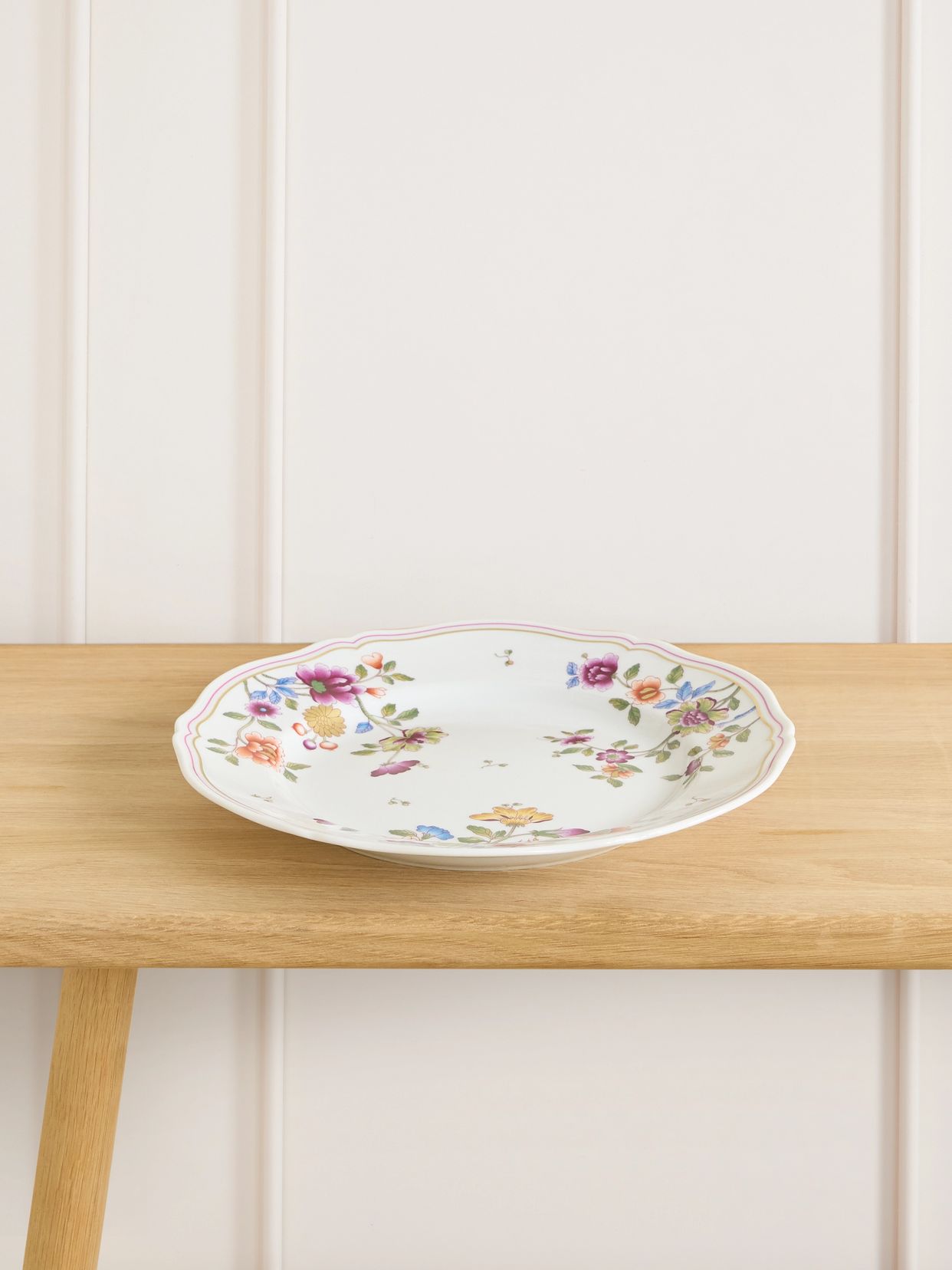
Porcelain dinner plate
GINORI 1735
$210
Let the first pieces set the rhythm
Plates and serveware is where a dinner service starts to feel coherent, because the main shapes establish the rhythm of a meal. Begin by comparing the Floreanza porcelain bread plate, Floreanza porcelain dessert plate, and Porcelain dinner plate as separate jobs rather than as a matching set. A bread plate can sit beside a place setting, a dessert plate can follow the main course, and a dinner plate can carry the central part of the meal. The Antico Doccia porcelain bowl and Oriente Italiano serving bowl give you another way to vary height and depth without adding a new category of object.
When deciding what comes next, look at the table you actually use. Measure the available space if a serving piece needs to sit among glasses and cutlery, and check how much room remains around a place setting. A larger piece should have enough visual and physical space to be handled without moving everything else. The Catene gold-plated porcelain dessert plate and Labrinto gold-plated porcelain dessert plate bring a more marked finish to this group, so they can act as a point of focus while the Floreanza pieces keep the arrangement connected. Choose the next plate or bowl when it changes the meal, not simply because it repeats a shape you already own.
$110 to $285
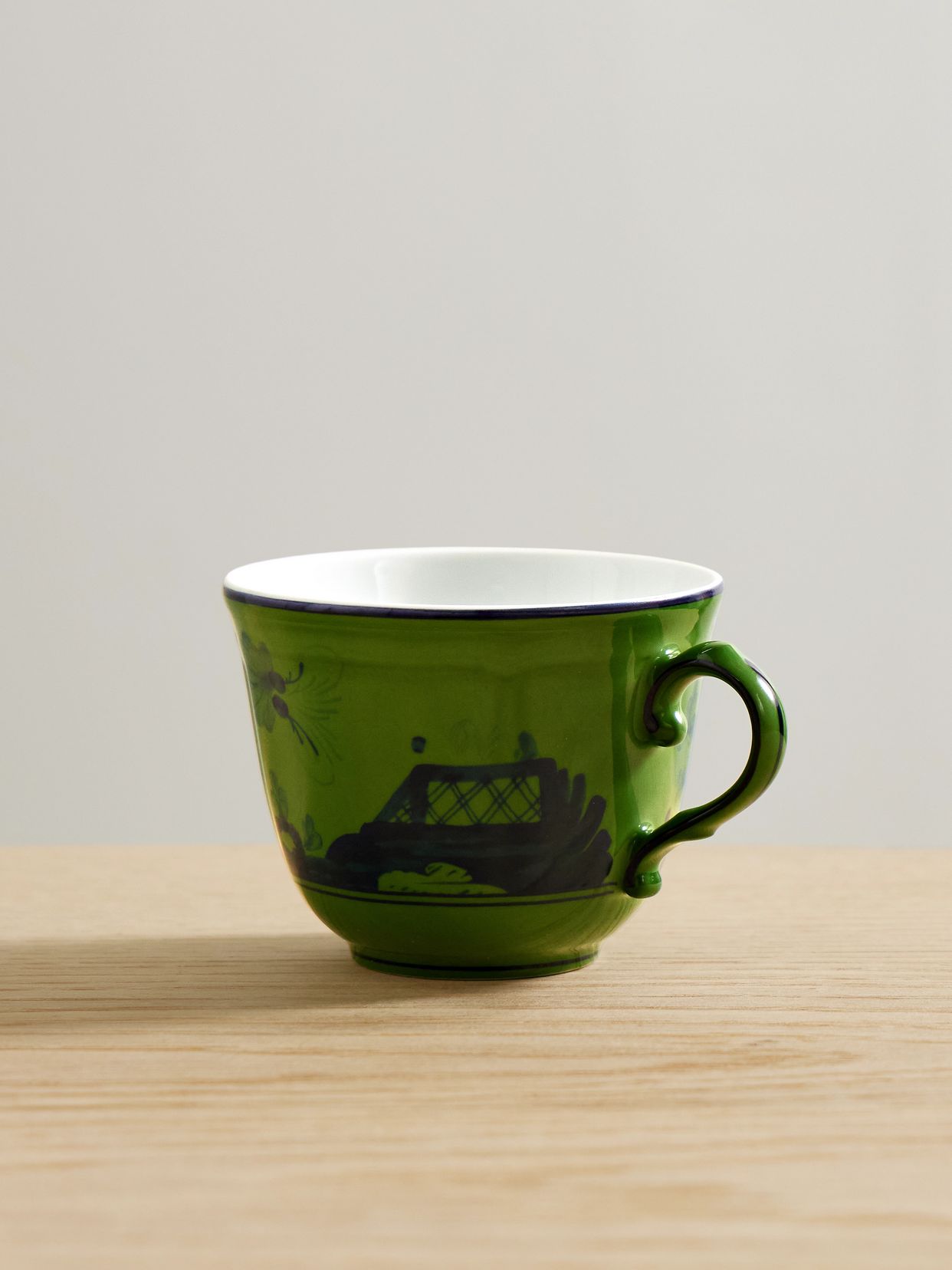
Antico Doccia porcelain espresso cup
GINORI 1735
$110
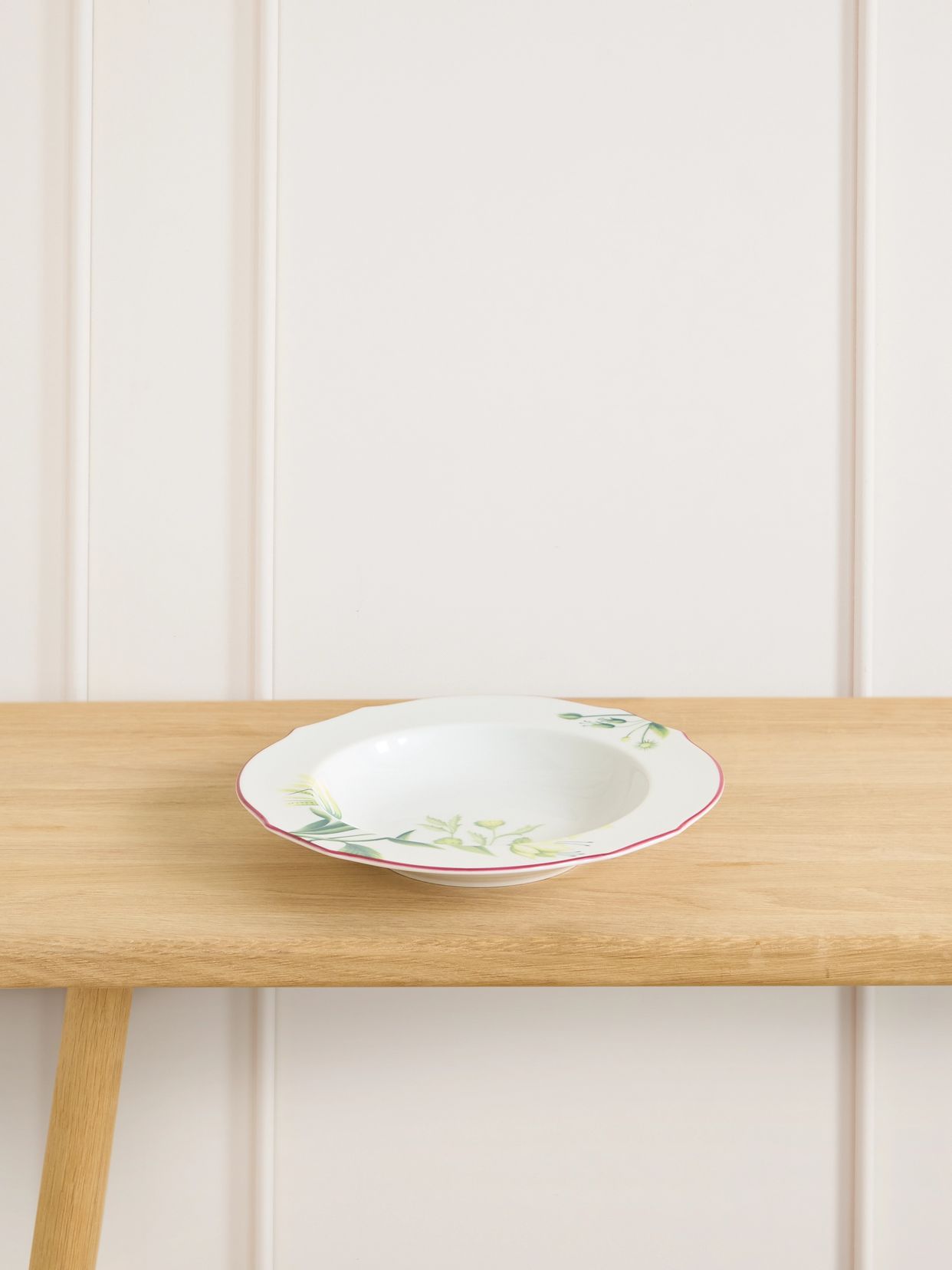
Floreanza porcelain soup plate
GINORI 1735
$120
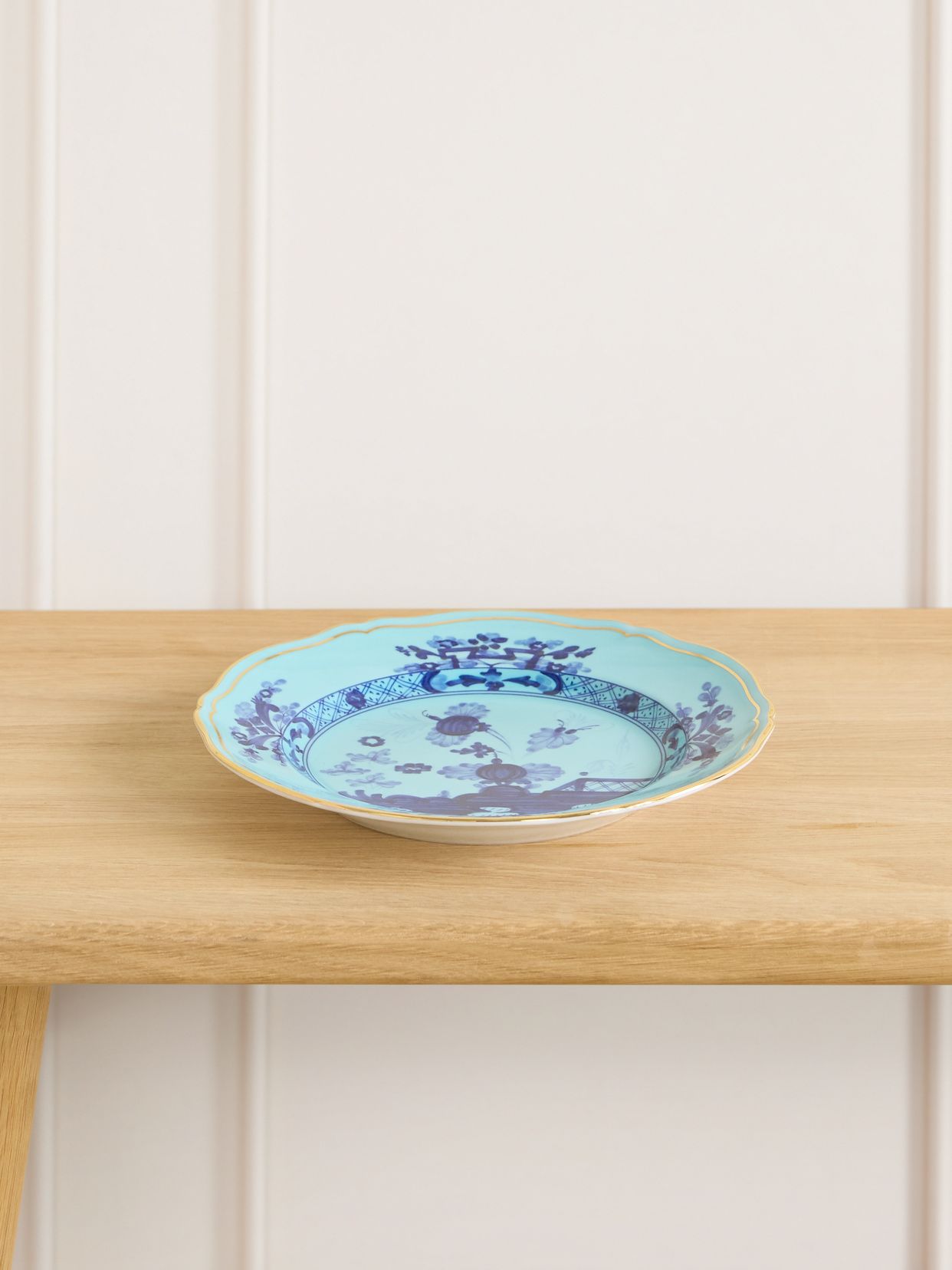
Oriente Italiano porcelain dessert plate
GINORI 1735
$160
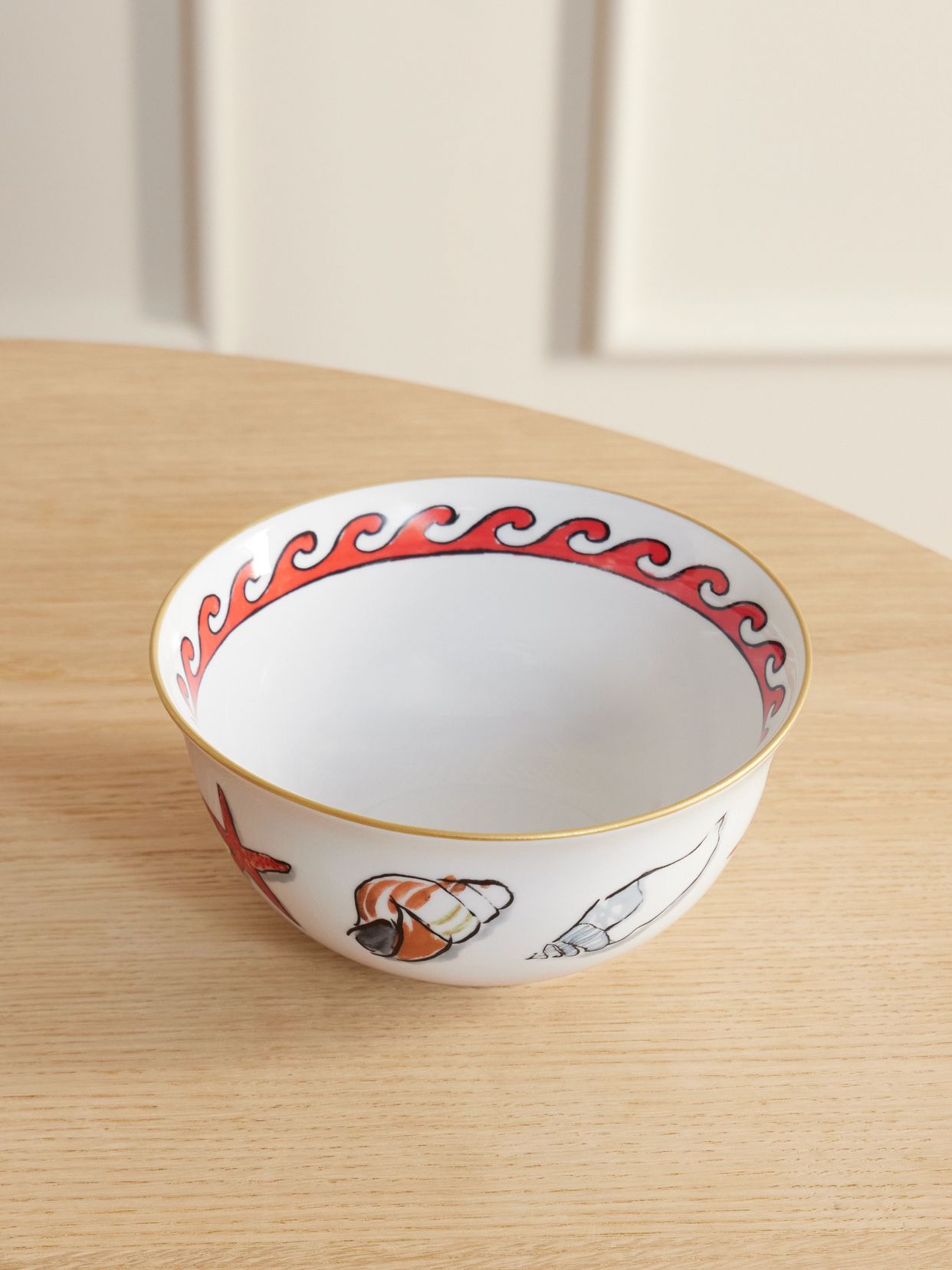
+ Luke Edward Hall Il Viaggio di Nettuno porcelain bowl
GINORI 1735
$160
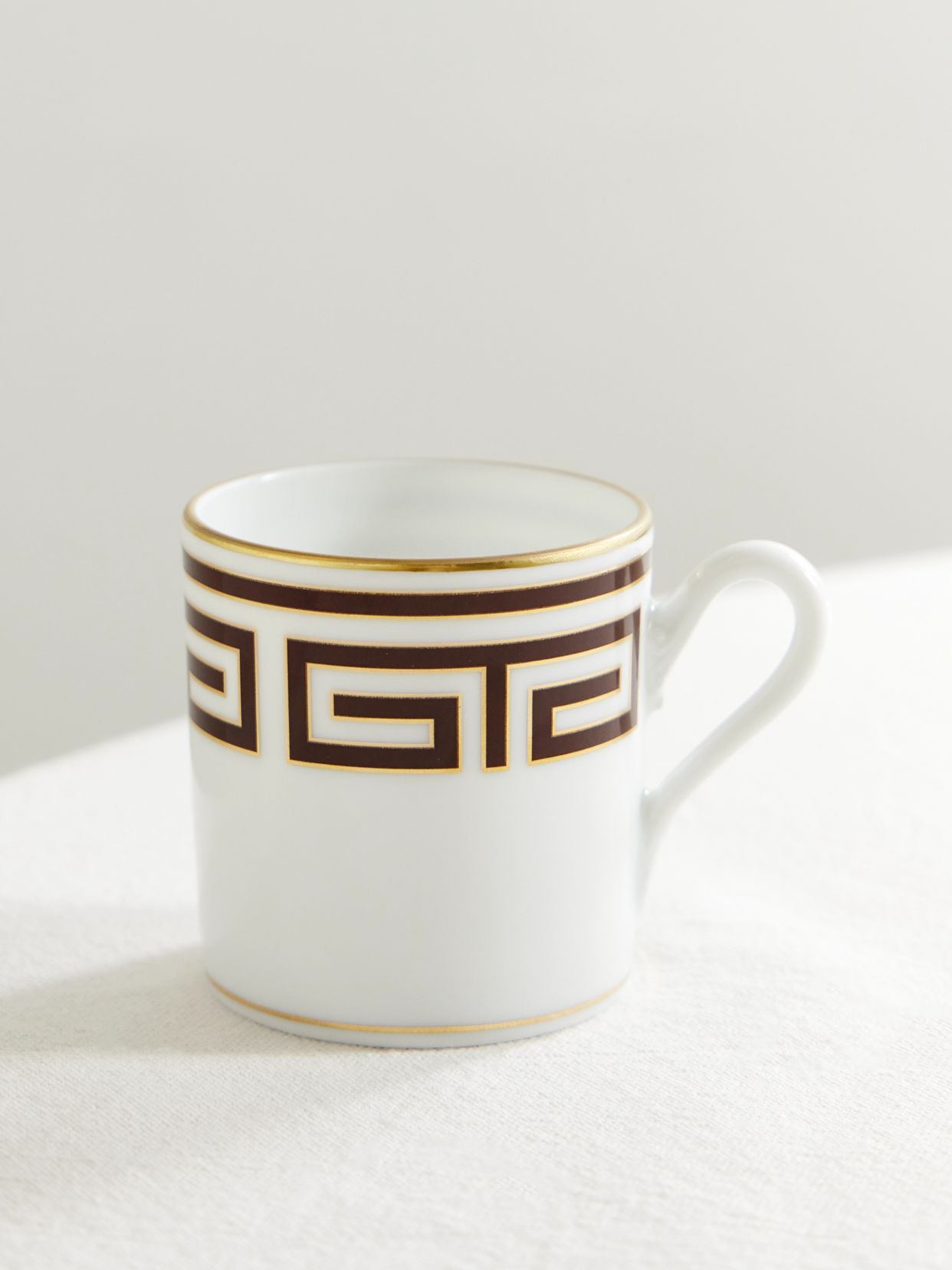
Labirinto gold-plated porcelain coffee cup
GINORI 1735
$170
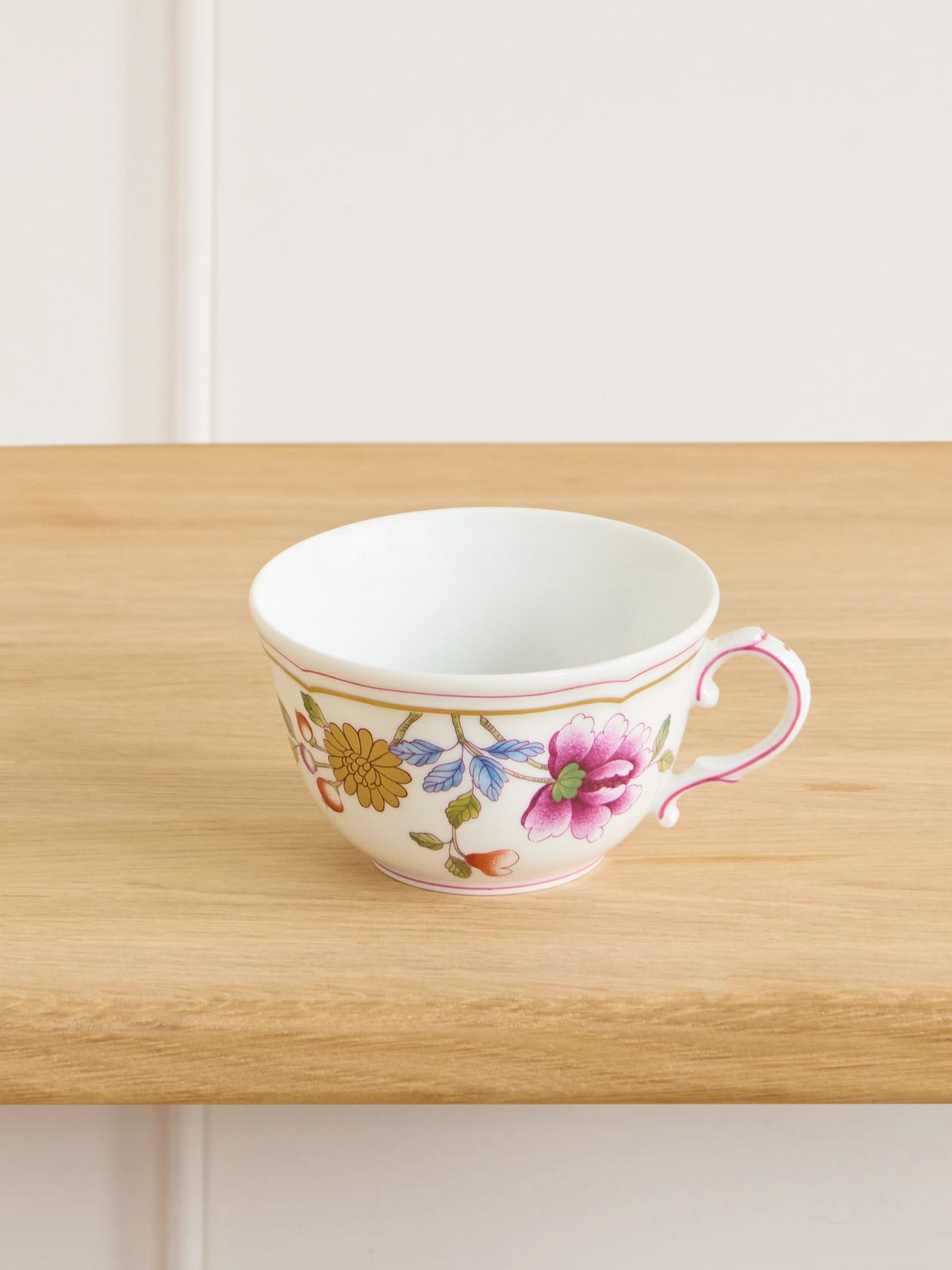
Porcelain tea cup
GINORI 1735
$200
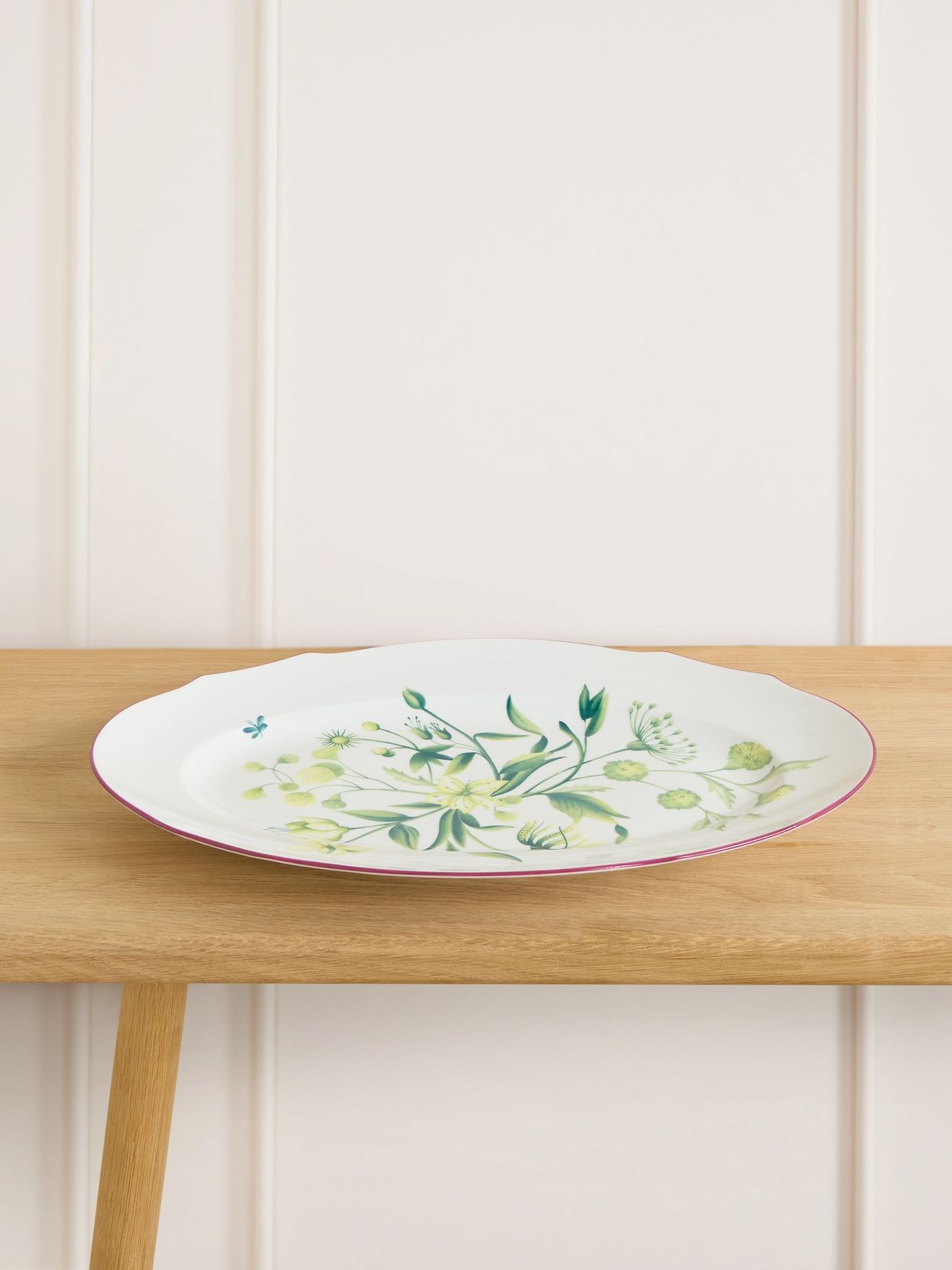
Floreanza porcelain platter
GINORI 1735
$260
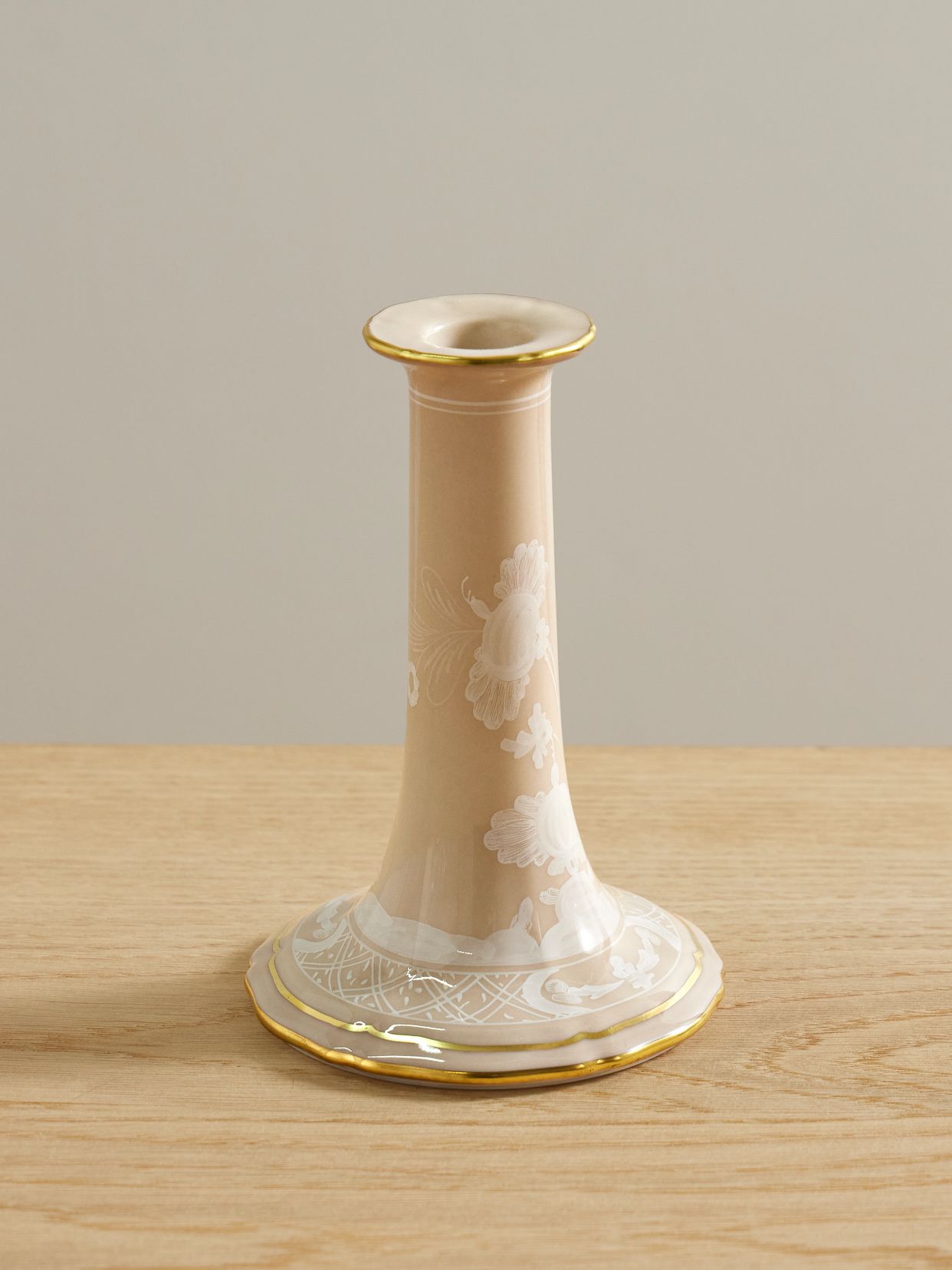
Antico Doccia gold-plated porcelain candleholder
GINORI 1735
$285
Add cups before the table gets busy
$110 to $285 is the useful middle for adding the smaller objects that make a service feel ready for more than one course. The Antico Doccia porcelain espresso cup gives coffee its own moment, while the Porcelain tea cup shifts the pause to a longer drink. The Floreanza porcelain soup plate and Oriente Italiano porcelain dessert plate extend the place setting, and the Antico Doccia porcelain bowl offers a deeper alternative for food that needs one. The Floreanza porcelain platter changes the scale again, giving the centre of the table a broader shape.
Use these pieces in order of frequency. If tea or espresso appears often, start there. If dessert is the part of the meal that needs more definition, choose the Oriente Italiano porcelain dessert plate. A platter makes sense when food is served to share, while the Antico Doccia gold-plated porcelain candleholder belongs to the table's atmosphere rather than a course. Keep that difference in mind so a decorative addition does not take the place of an object you will use every week. Once the everyday layer feels settled, the larger pieces can bring variation without making the table feel overfilled. The prices in this group run from $110 to $285, which makes it a clear band for comparing purpose and scale.
$300 to $655
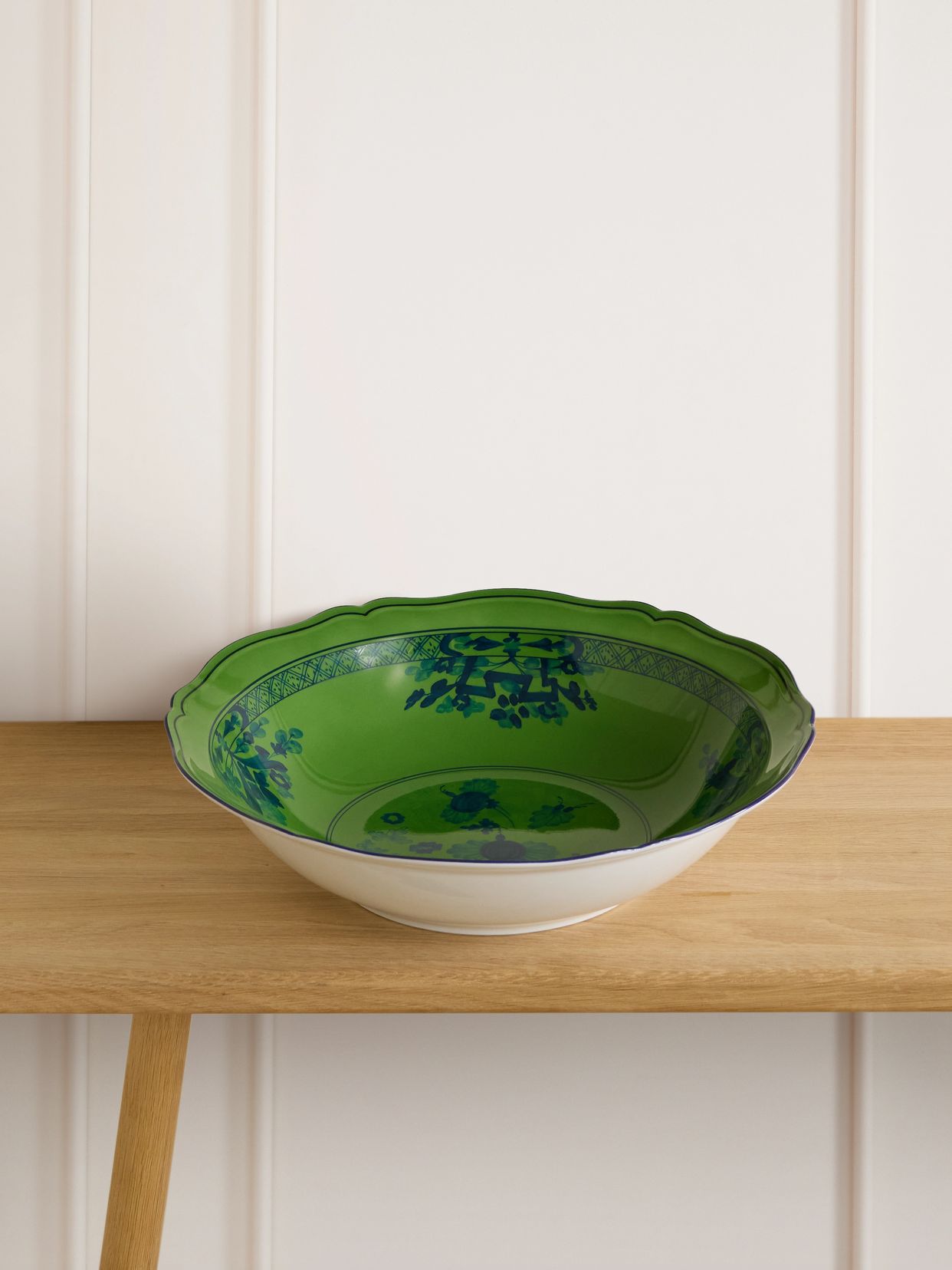
Oriente Italiano serving bowl
GINORI 1735
$300
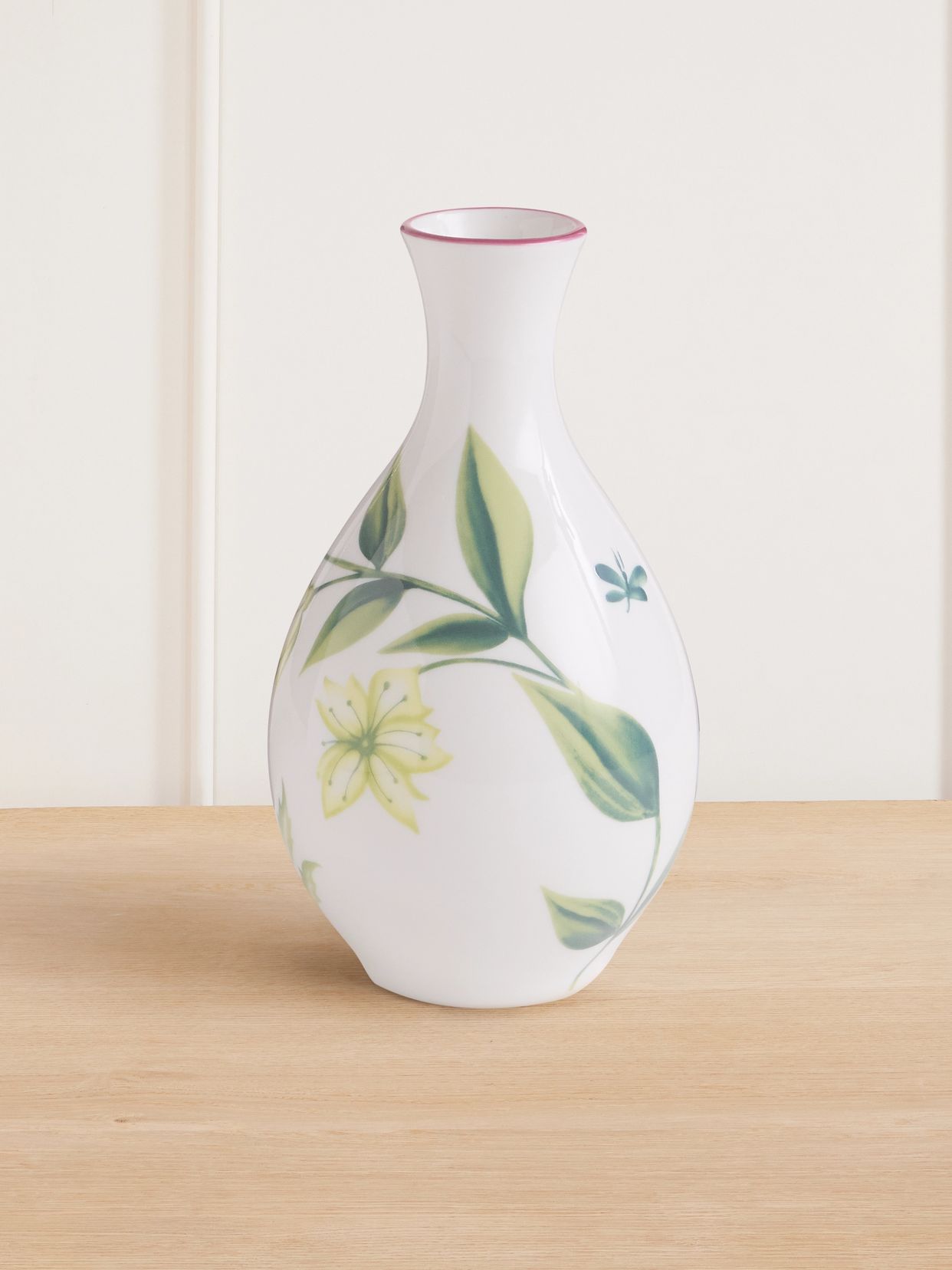
Florenza porcelain vase
GINORI 1735
$310
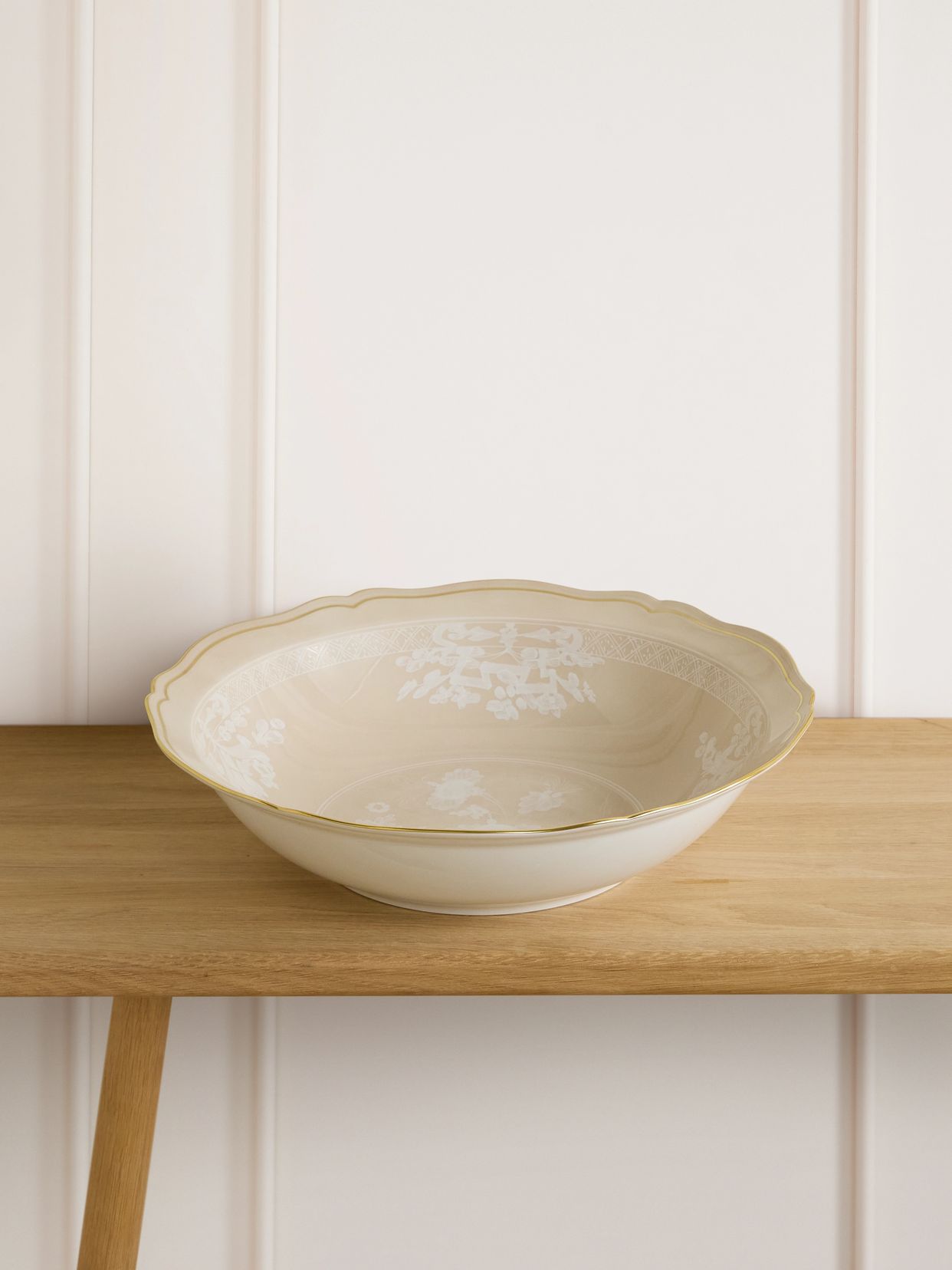
AOriente Italiano porcelain serving dish
GINORI 1735
$340
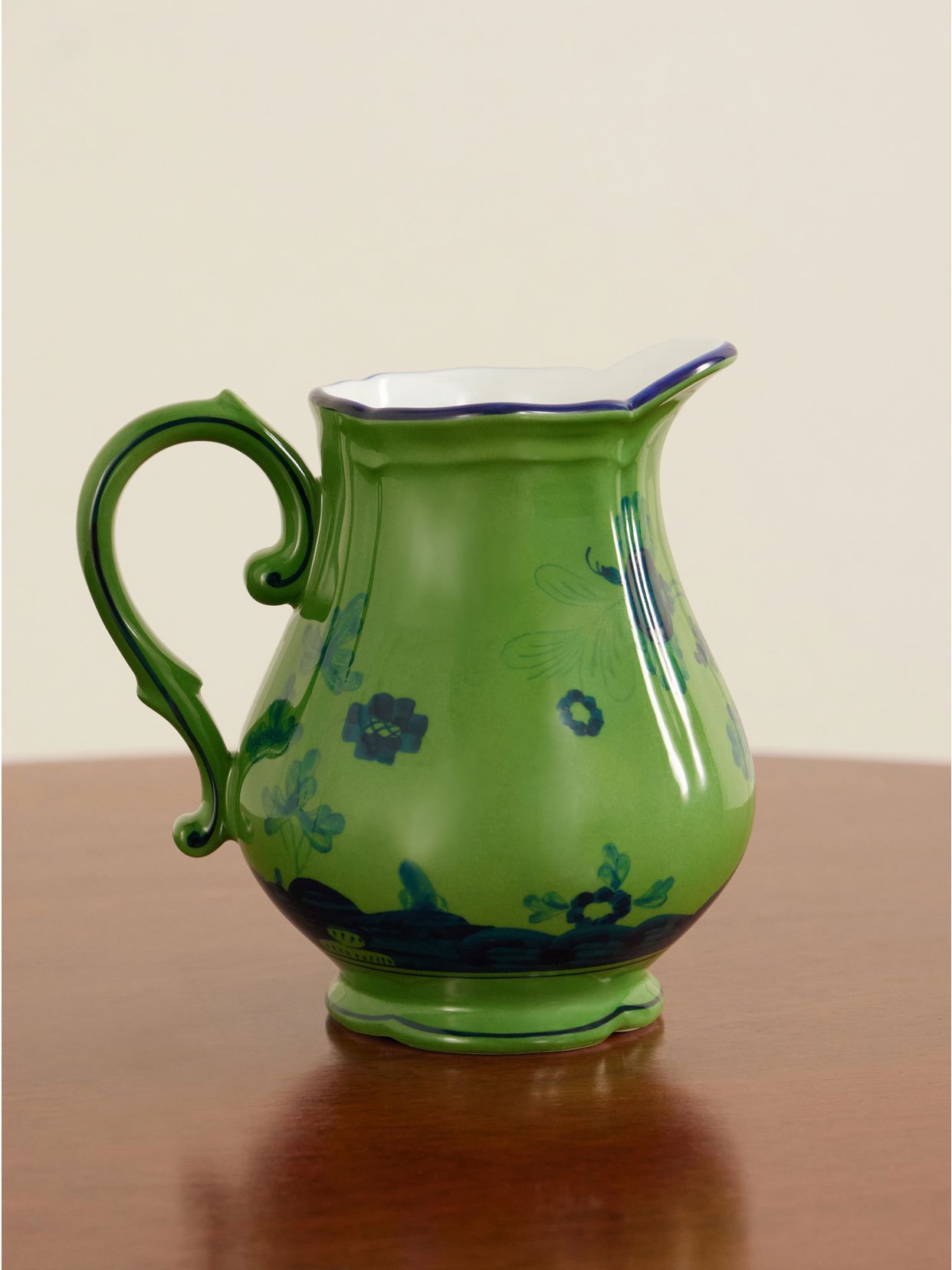
Oriente Italiano porcelain milk jug
GINORI 1735
$345
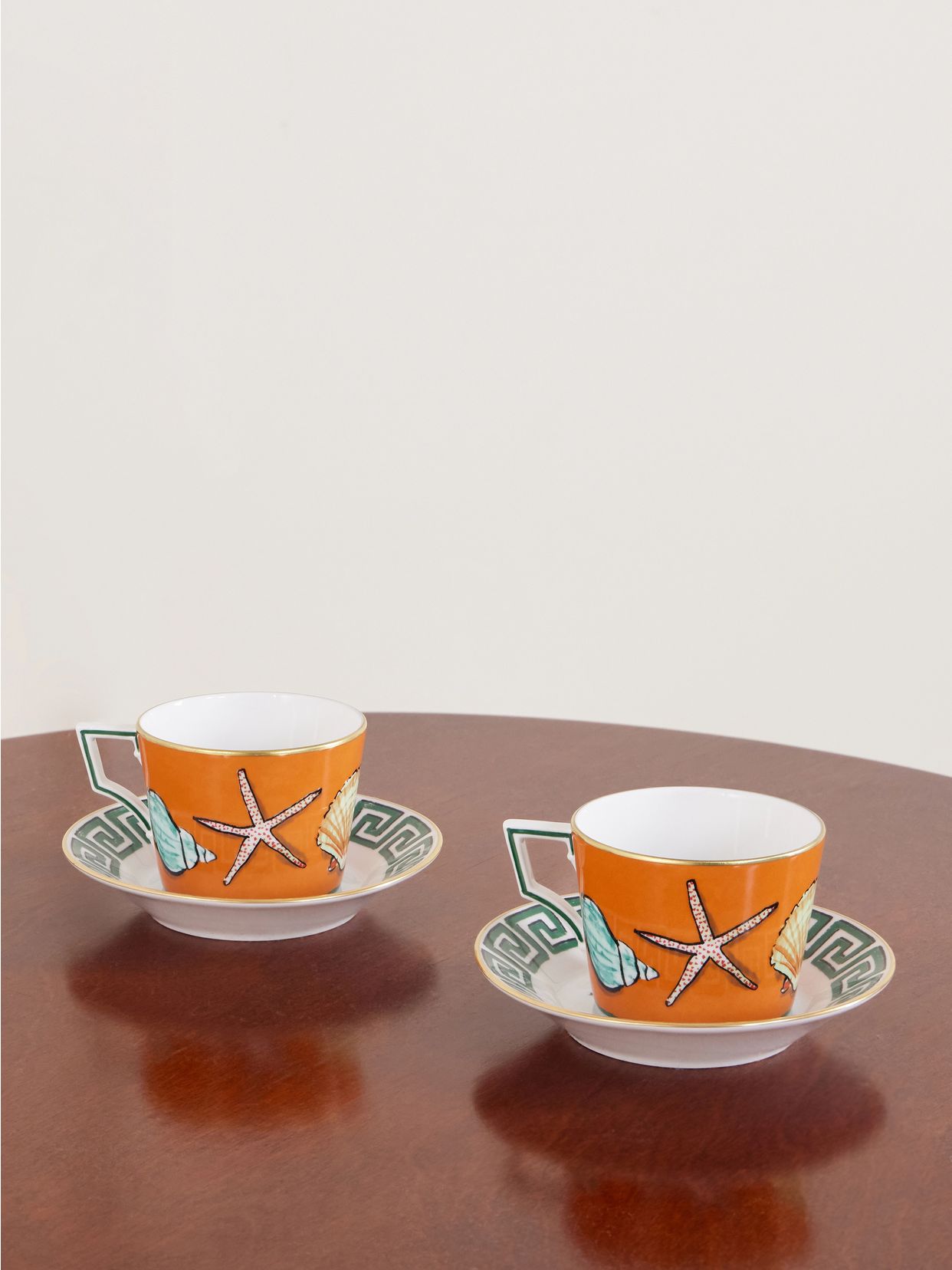
Il Viaggio di Nettuno printed porcelain teacup and saucers
GINORI 1735
$425
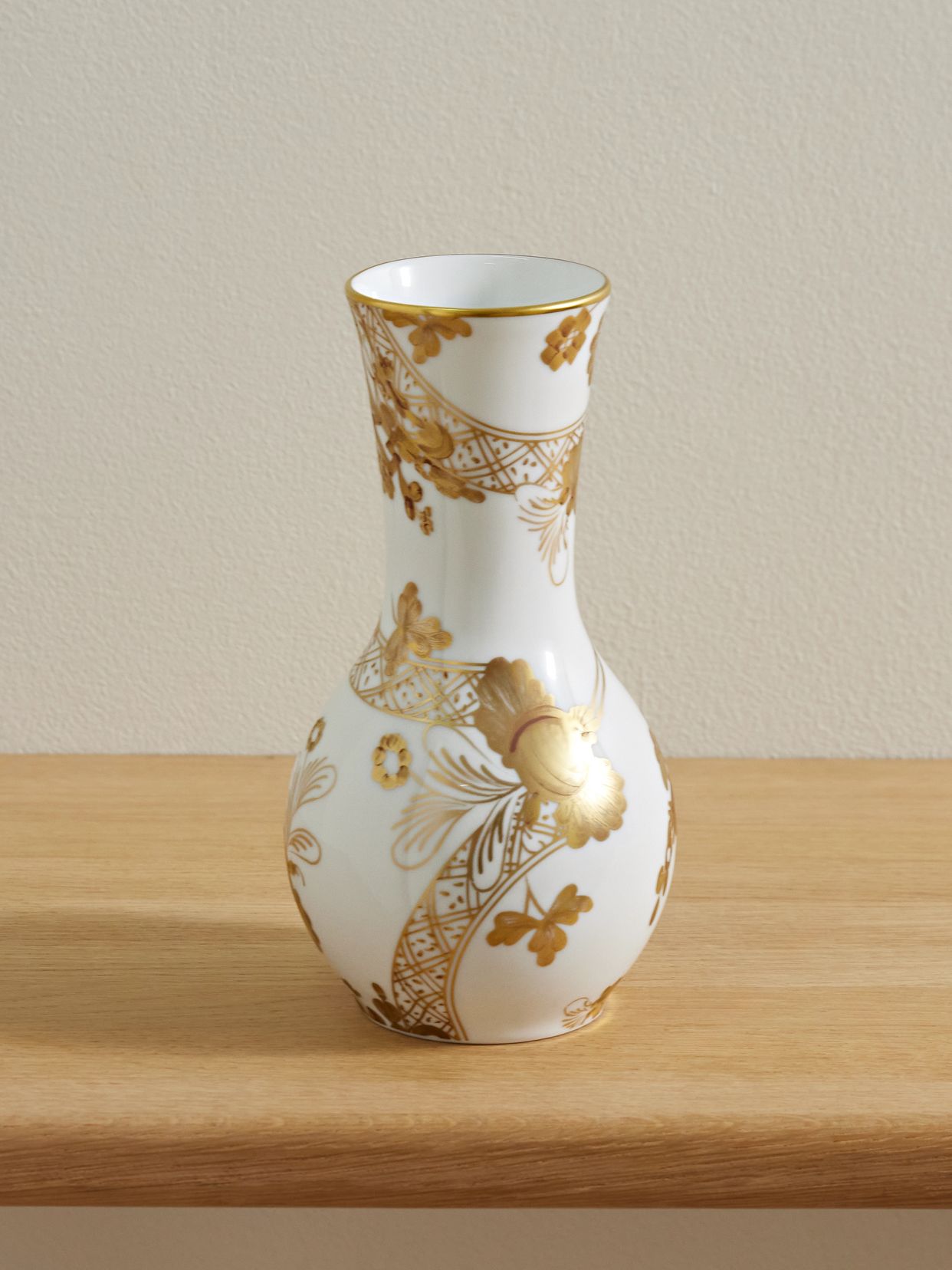
Tulip gold-plated porcelain vase
GINORI 1735
$495
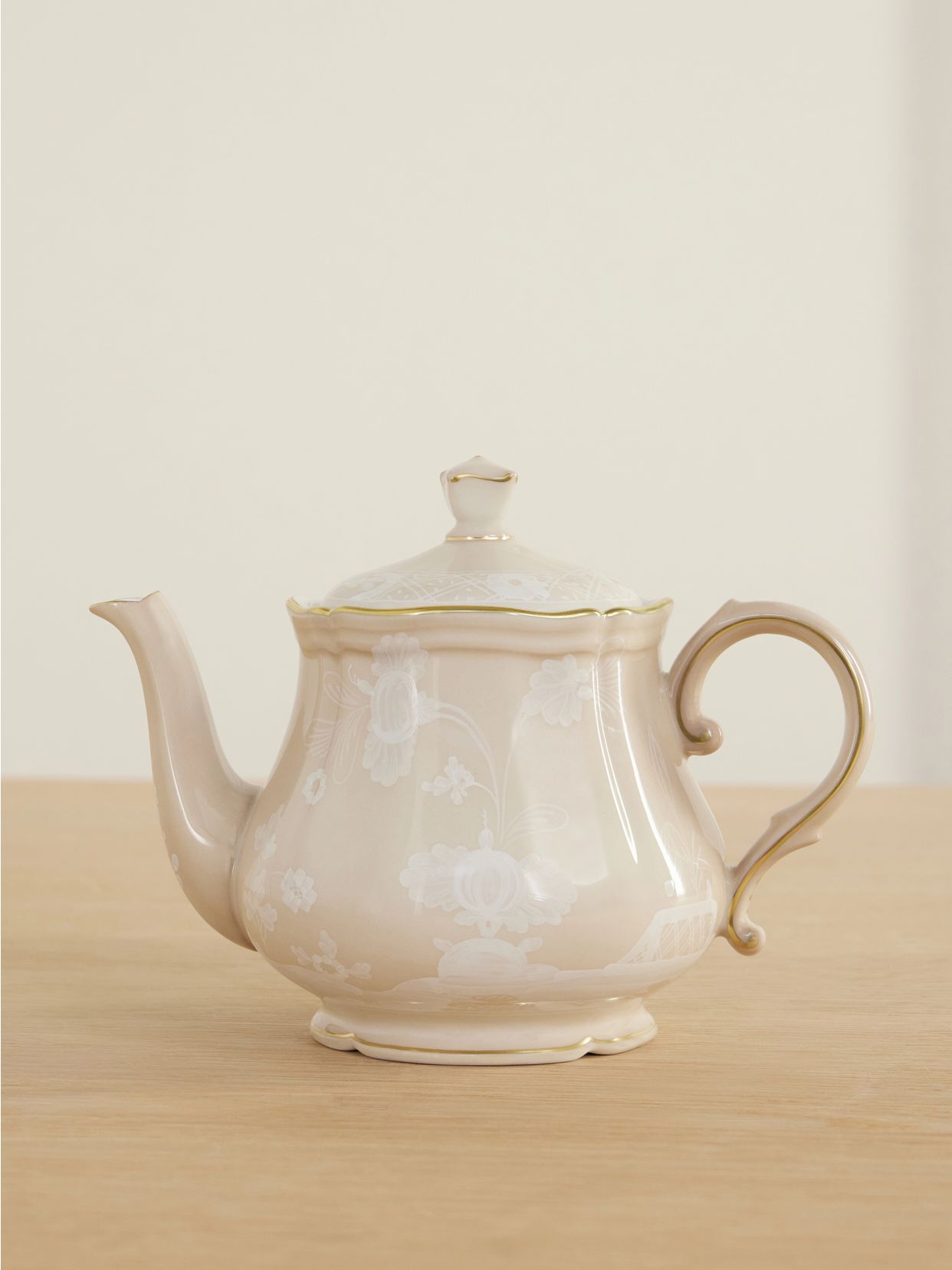
Oriente Italiano porcelain teapot
GINORI 1735
$605
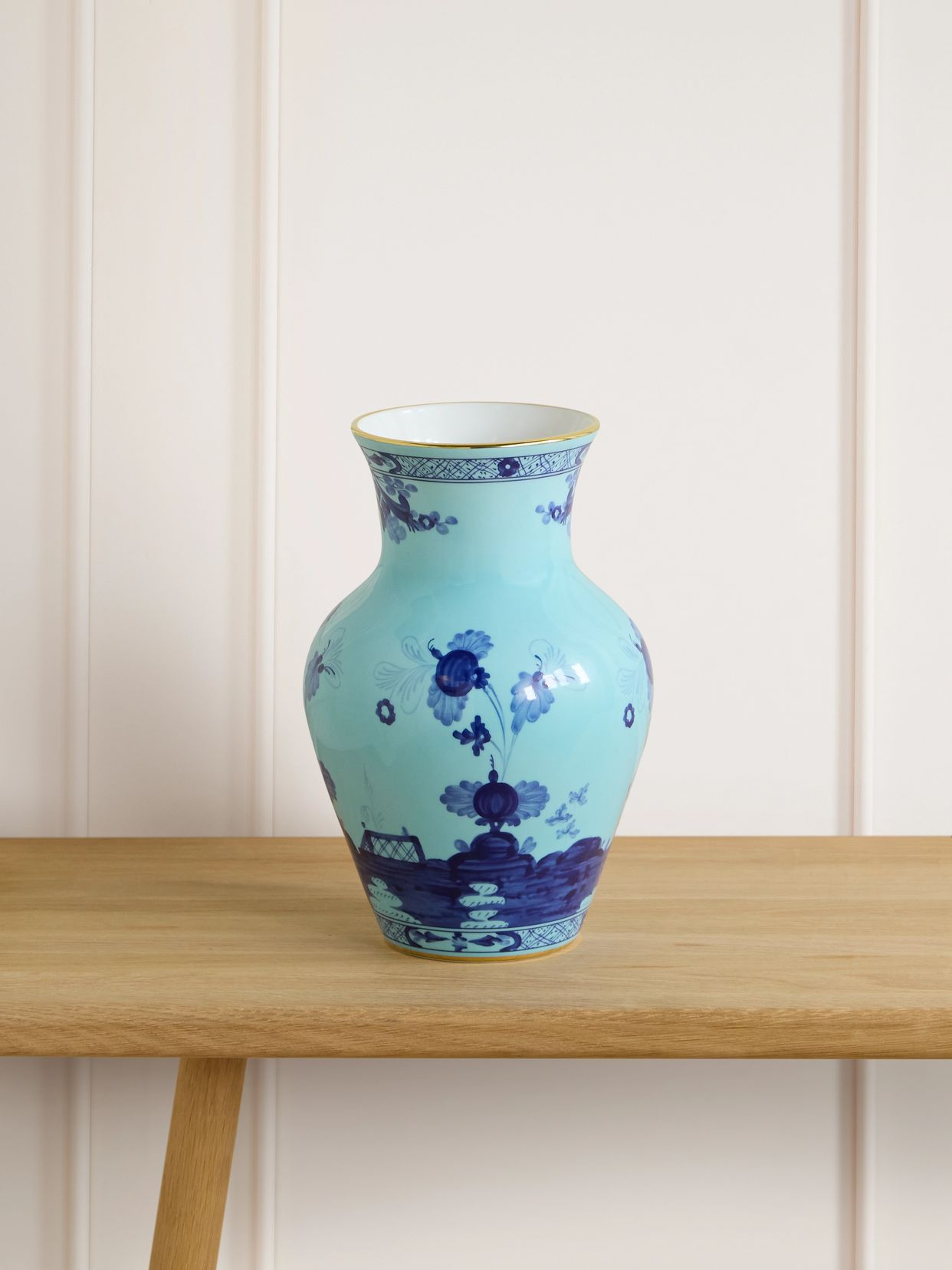
Oriente Italiano Ming Iris porcelain vase
GINORI 1735
$655
Our honest take
We would start with the Porcelain dinner plate, then add the Floreanza porcelain dessert plate and Antico Doccia porcelain espresso cup only if those moments recur in our meals. The Oriente Italiano serving bowl would be our next practical step, because a shared dish changes how the table works rather than simply adding another place setting. We would leave the vases and candleholder until the everyday pieces were settled, and skip anything that would sit unused. The full edit runs from $95 to $655, so there is no reason to rush toward the highest price. If you take one thing away: buy the piece that answers a repeated need, then let the rest of the service grow around it.
Next read
One Piece Or Bikini
For the question of one piece or bikini, neither is universally better. The right choice depends on how much coverage you want and how confidently the suit will stay put while you move. Eres makes the comparison useful
Read Editorial
Mini Dresses And Sitting Down
A mini dress is judged standing and worn sitting, so practicality depends on more than the hemline in a product name. Donde Esteban's edit helps because it places mini dresses beside longer shapes, giving you a clearer way