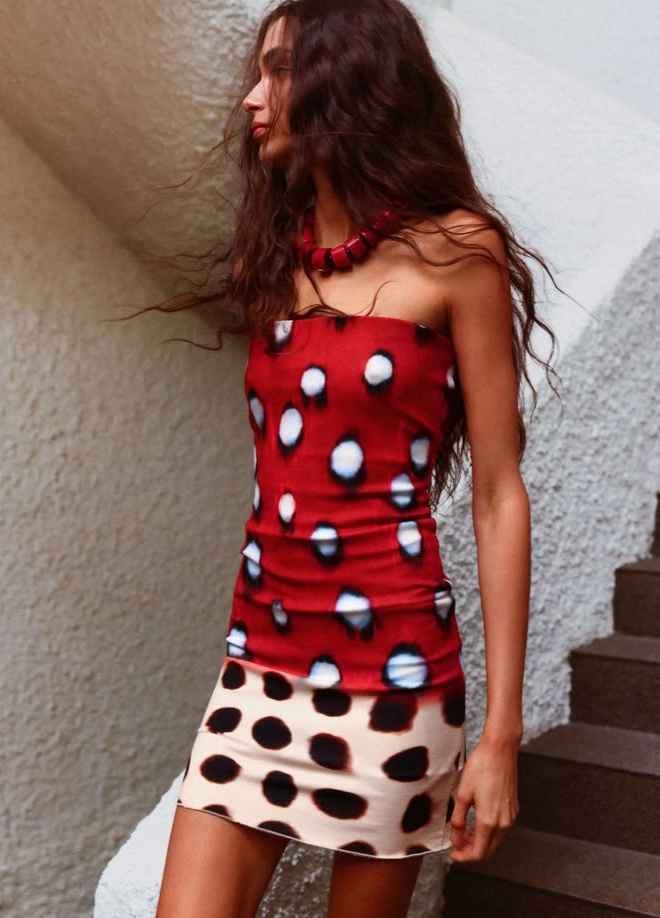
Structured bags for interviews and meetings, from top-handle shapes to slim totes and briefcases.
Structured Bags

Structure signals preparation
A bag that holds its own shape does something specific in a professional setting, which is to look like it was chosen rather than grabbed. A structured top handle or a slim tote stands up on a floor, does not slump when set on a chair and keeps a document flat. That last point is the practical one, since arriving with a folded page is a small failure that is entirely avoidable. The size to aim for holds A4 flat, which means around thirty two centimetres of internal width, and any bag narrower than that will bend a document or a notebook. A separate compartment or a padded sleeve for a laptop keeps the two apart. Beyond that, a top handle reads more formal and a shoulder strap is more practical for a commute, and a bag with both is the most useful.
Top-handle and structured

Azariah Satchel
Cult Gaia
$598

Raia Satchel
Cult Gaia
$648
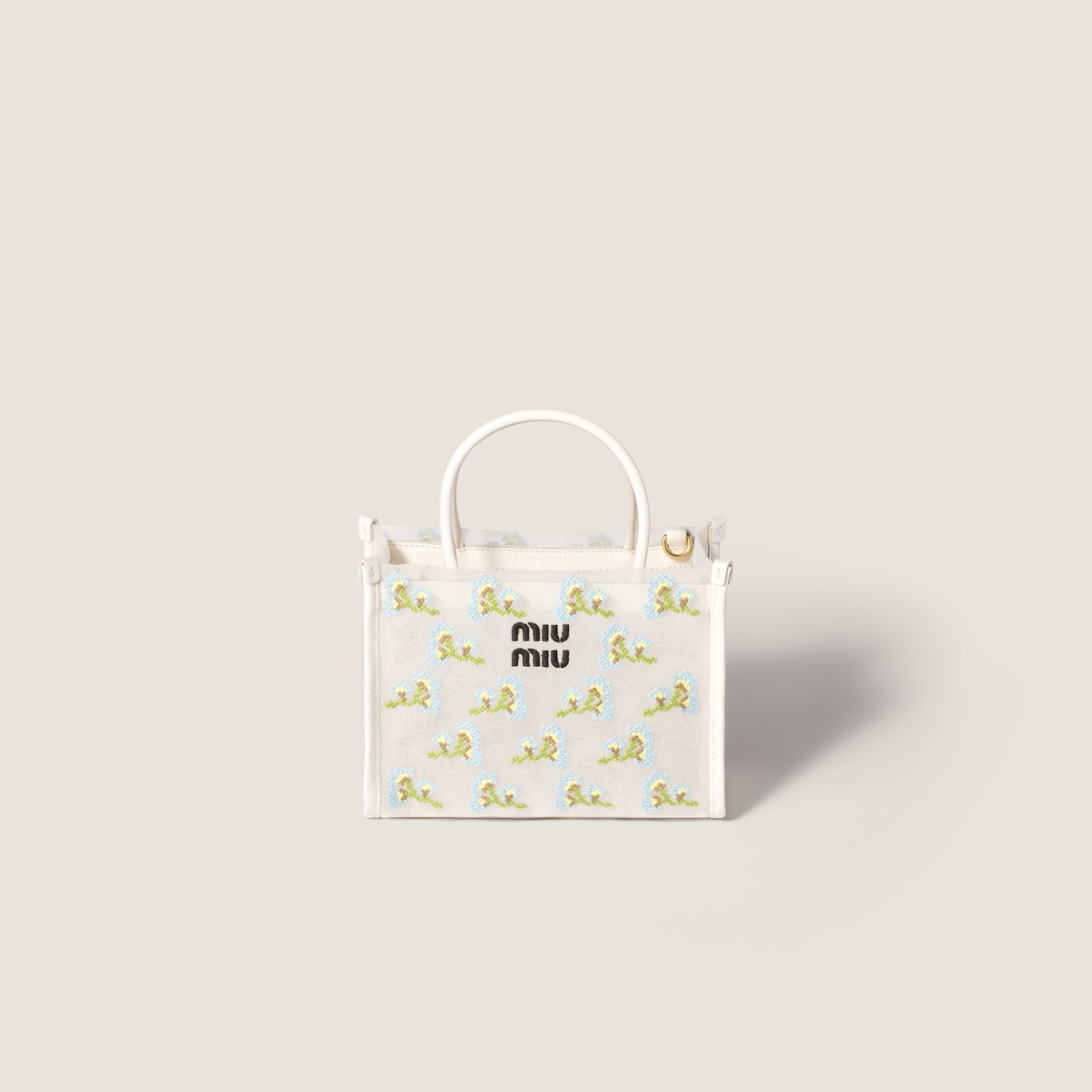
Embroidered mesh top-handle bag
Miu Miu
$1,950
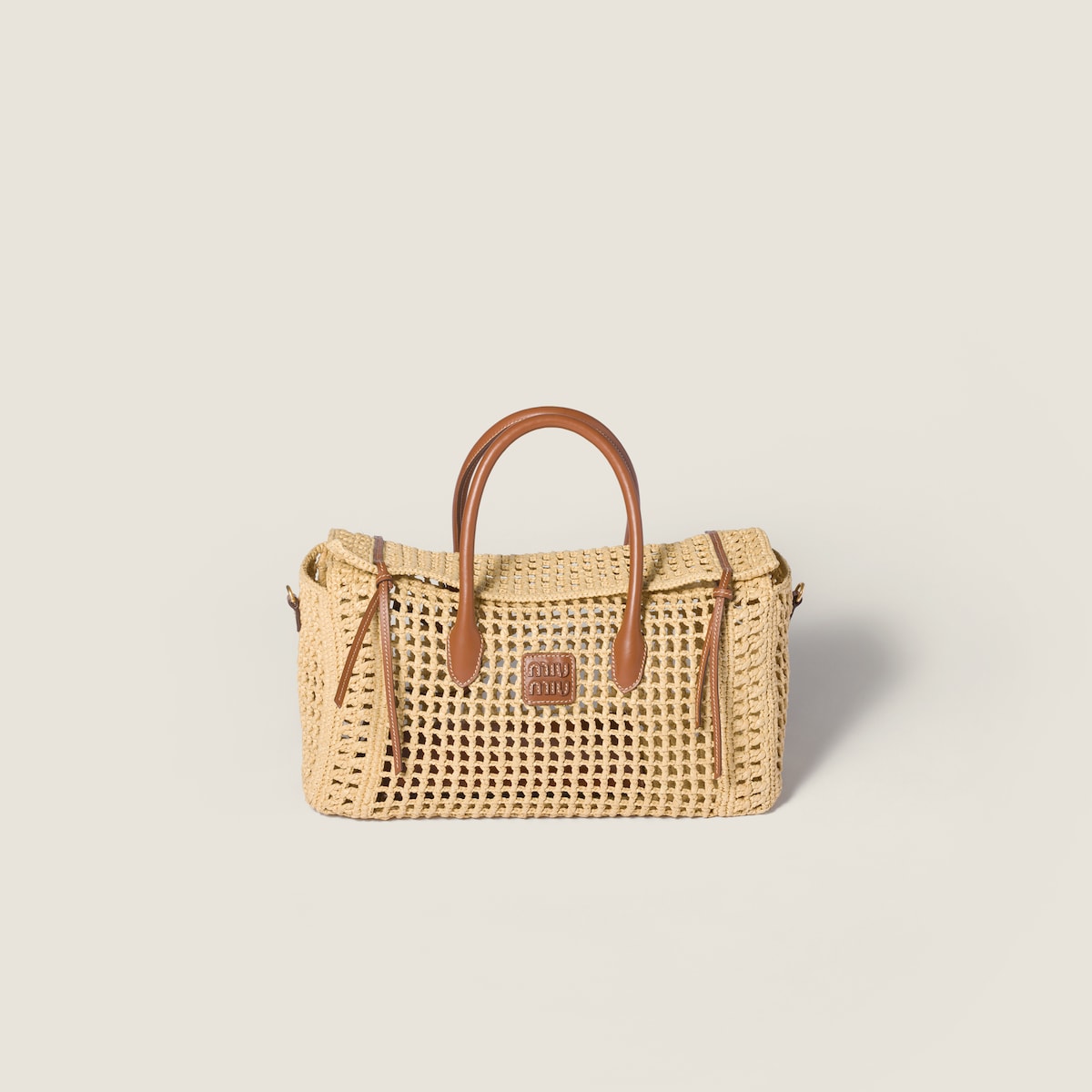
Raffia top-handle bag
Miu Miu
$3,300
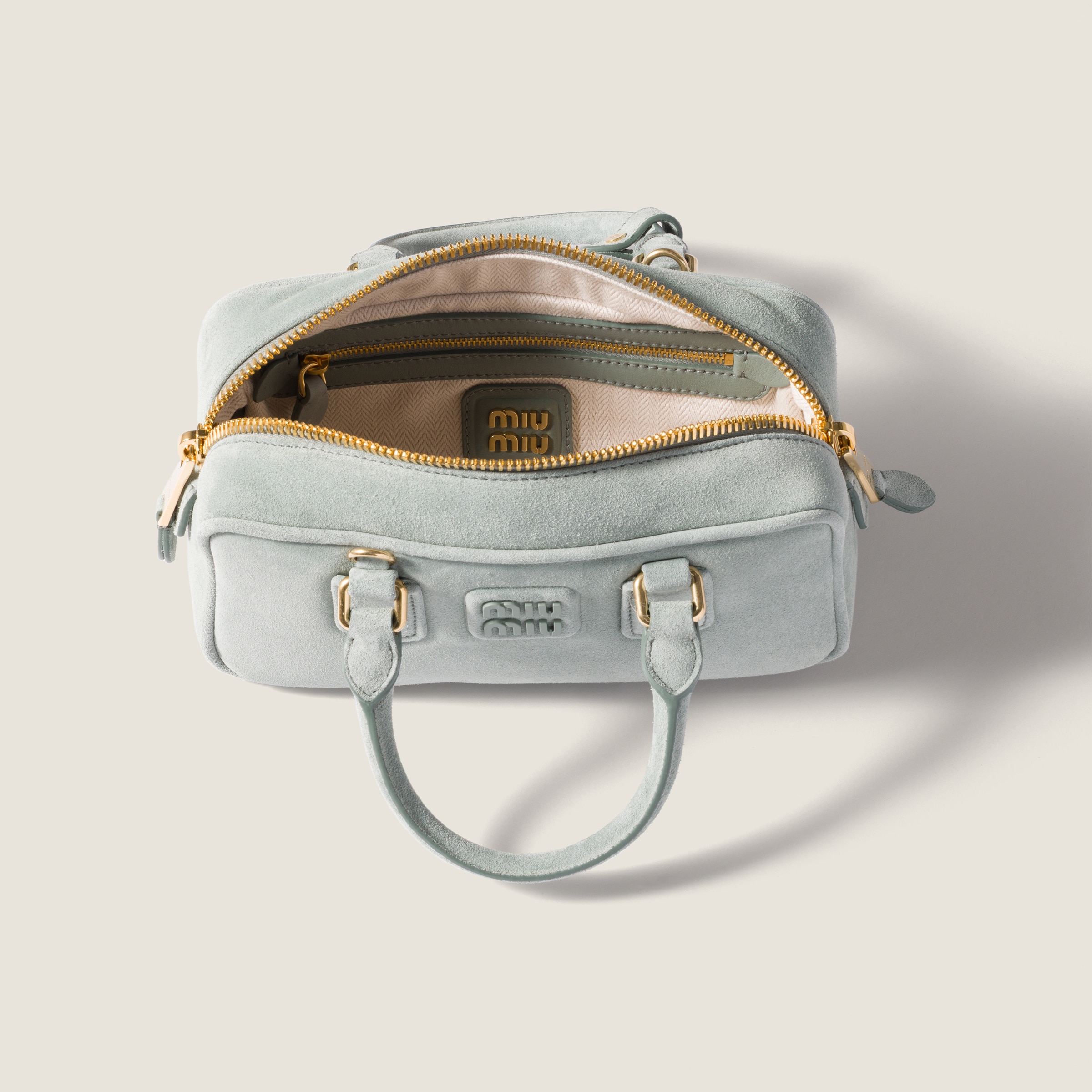
Arcadie padded suede top-handle bag
Miu Miu
$3,500
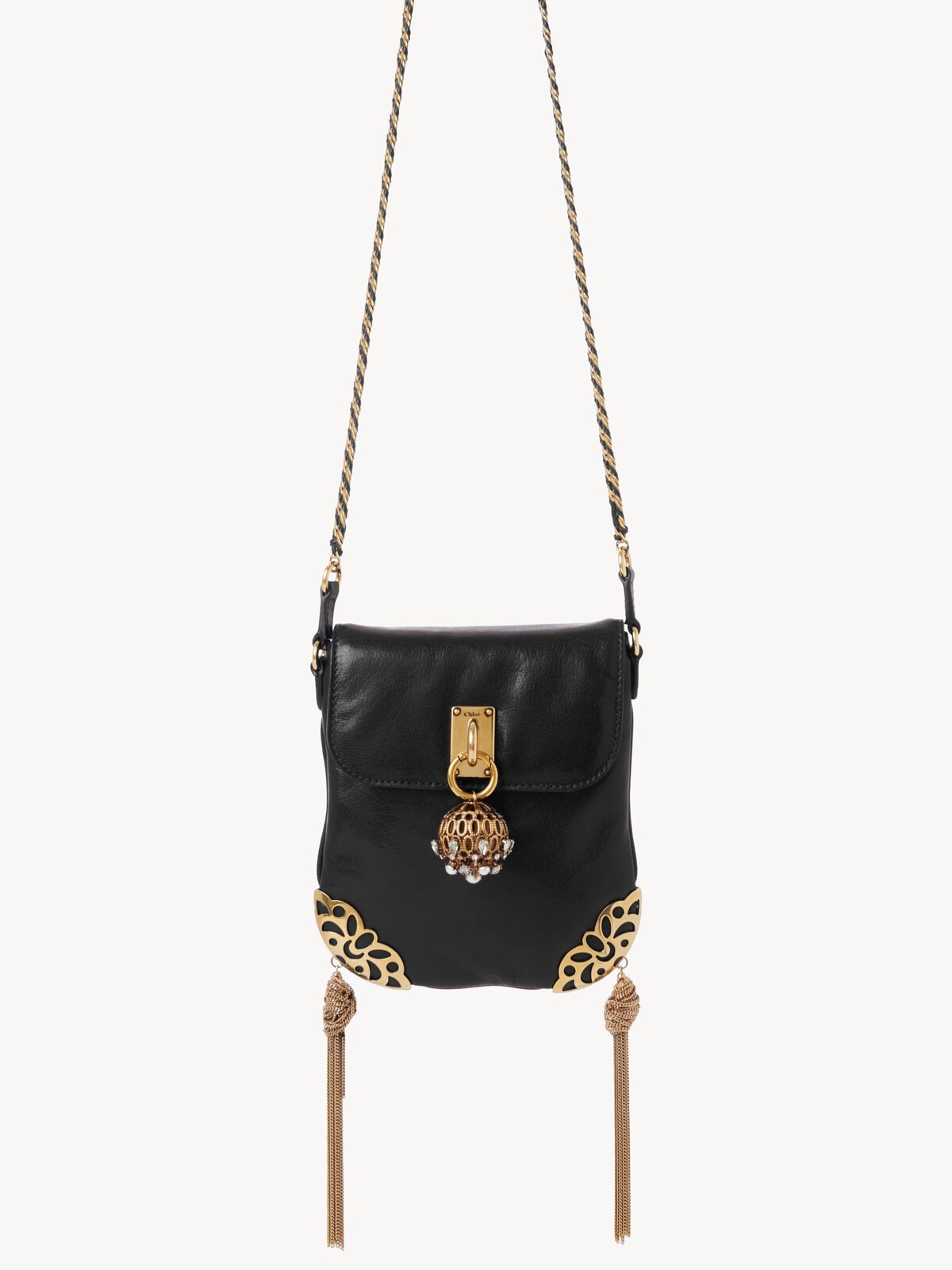
Château Treasures chain flap bag in grained leather
Chloé
$3,650
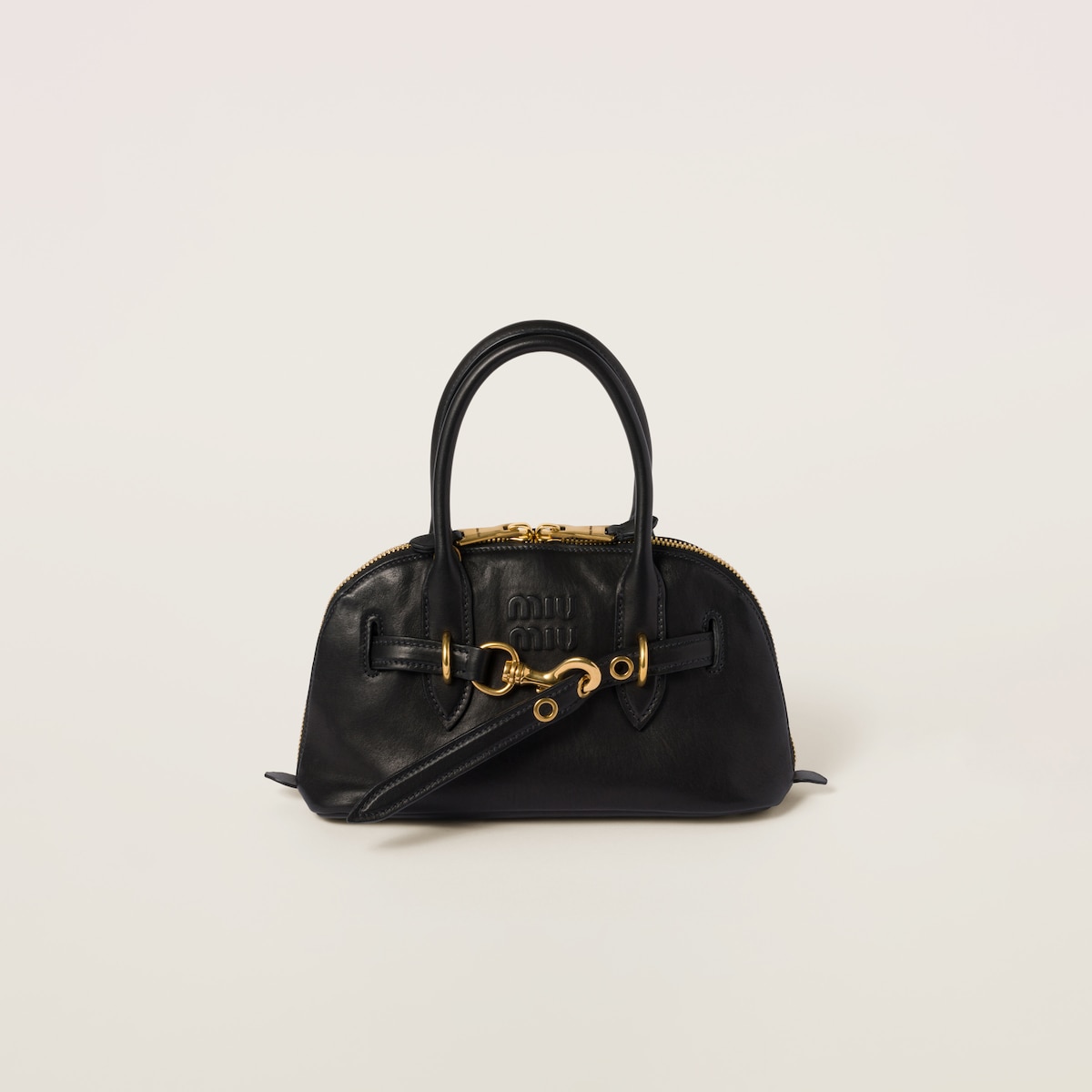
Aventure nappa leather top-handle bag
Miu Miu
$4,100
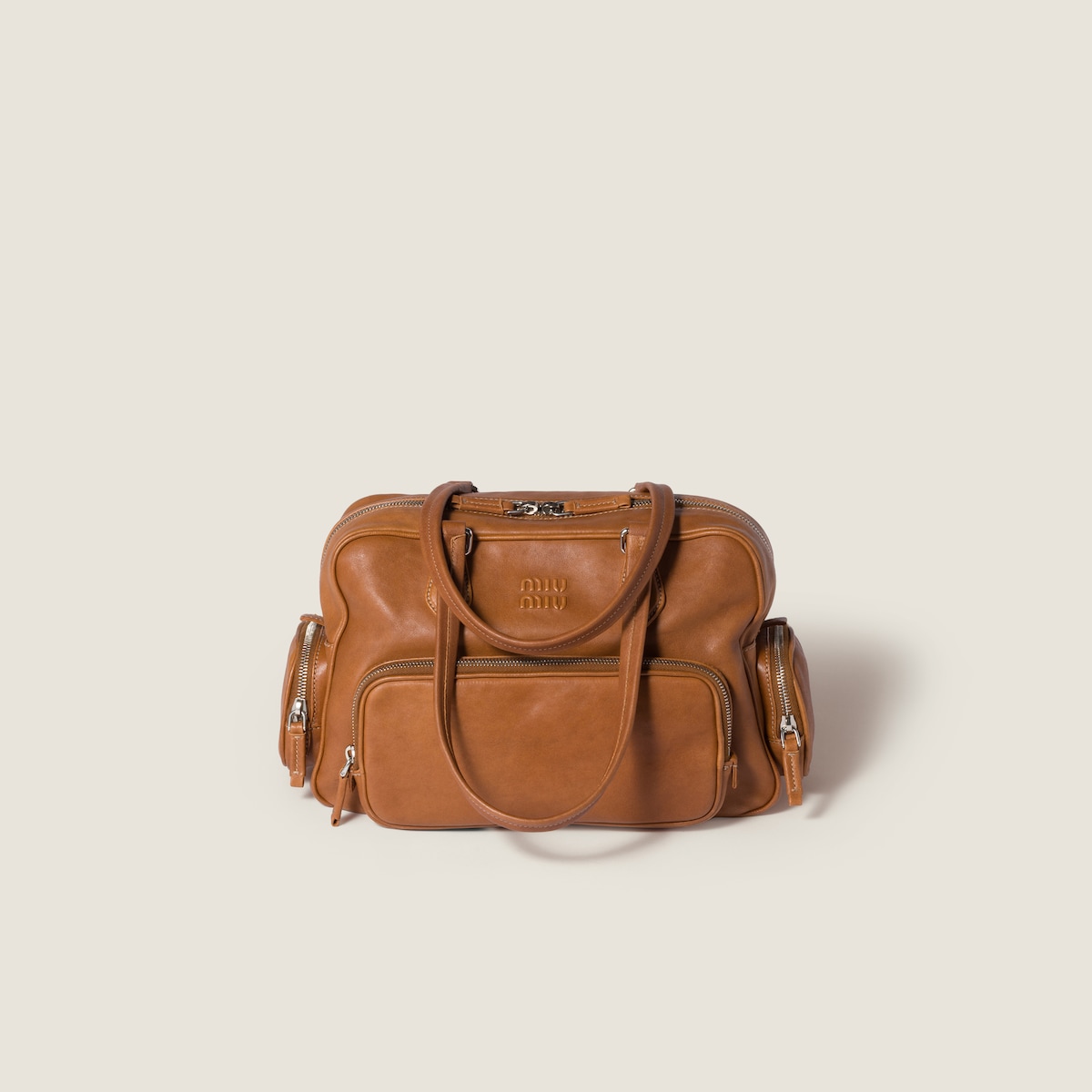
Pocket nappa leather top-handle bag
Miu Miu
$4,450
Material, hardware and colour
Firm smooth leather is the most reliable material, holding structure without a rigid frame and ageing predictably. Coated canvas is lighter and more durable in rain but reads slightly less formal. Patent and heavily textured leather draw attention and are the wrong choice when the point is not to be noticed. Hardware should be minimal and matte rather than bright, since polished gold hardware on a large bag is the loudest thing in a meeting room. On colour, black is safest, mid brown and navy are equally correct and less severe, and anything paler will mark against clothing. Check the base, because a structured bag without feet will scuff at the corners on a hard floor and that is the first place it will look worn.


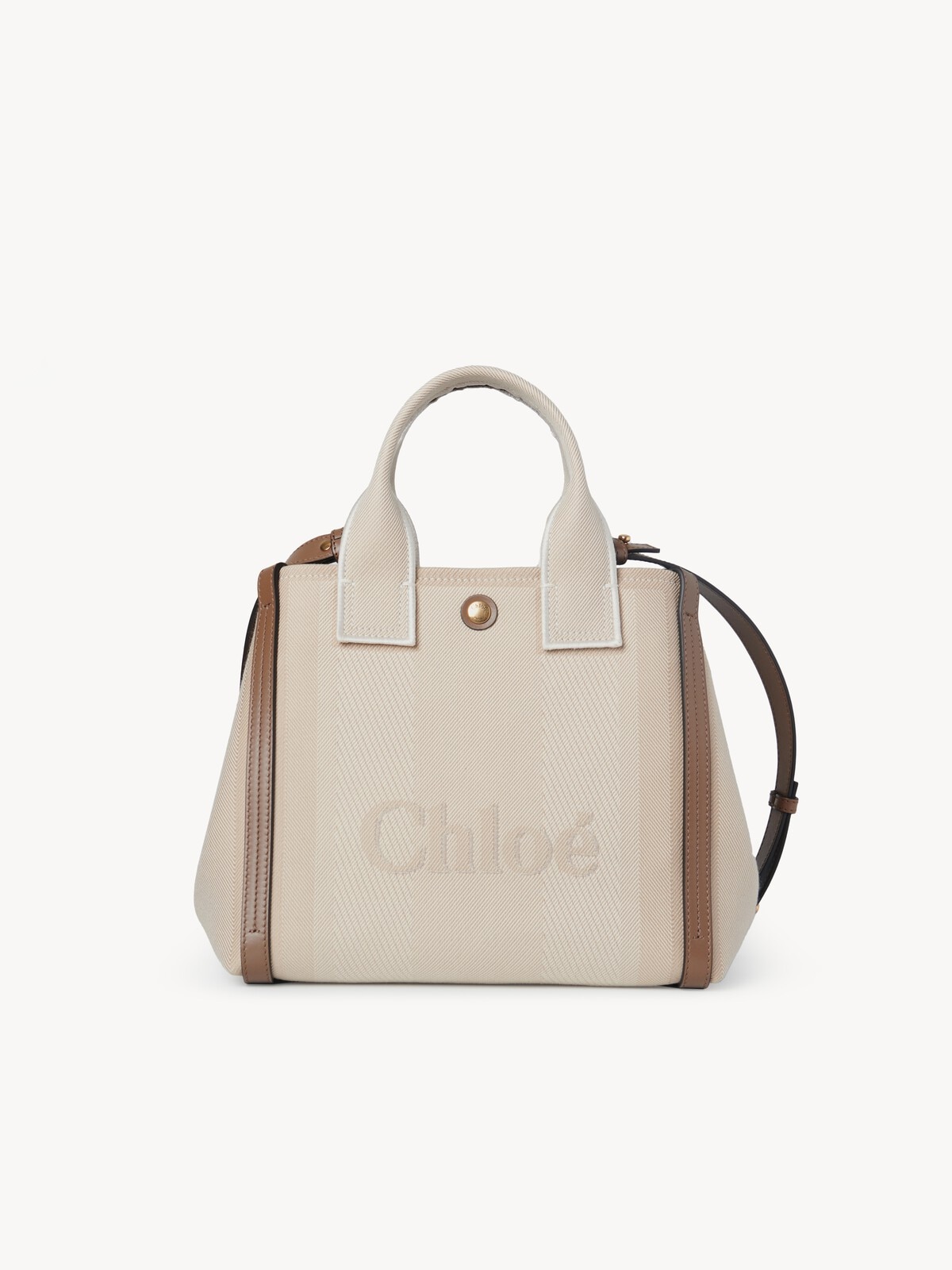
A note from the Phia editors
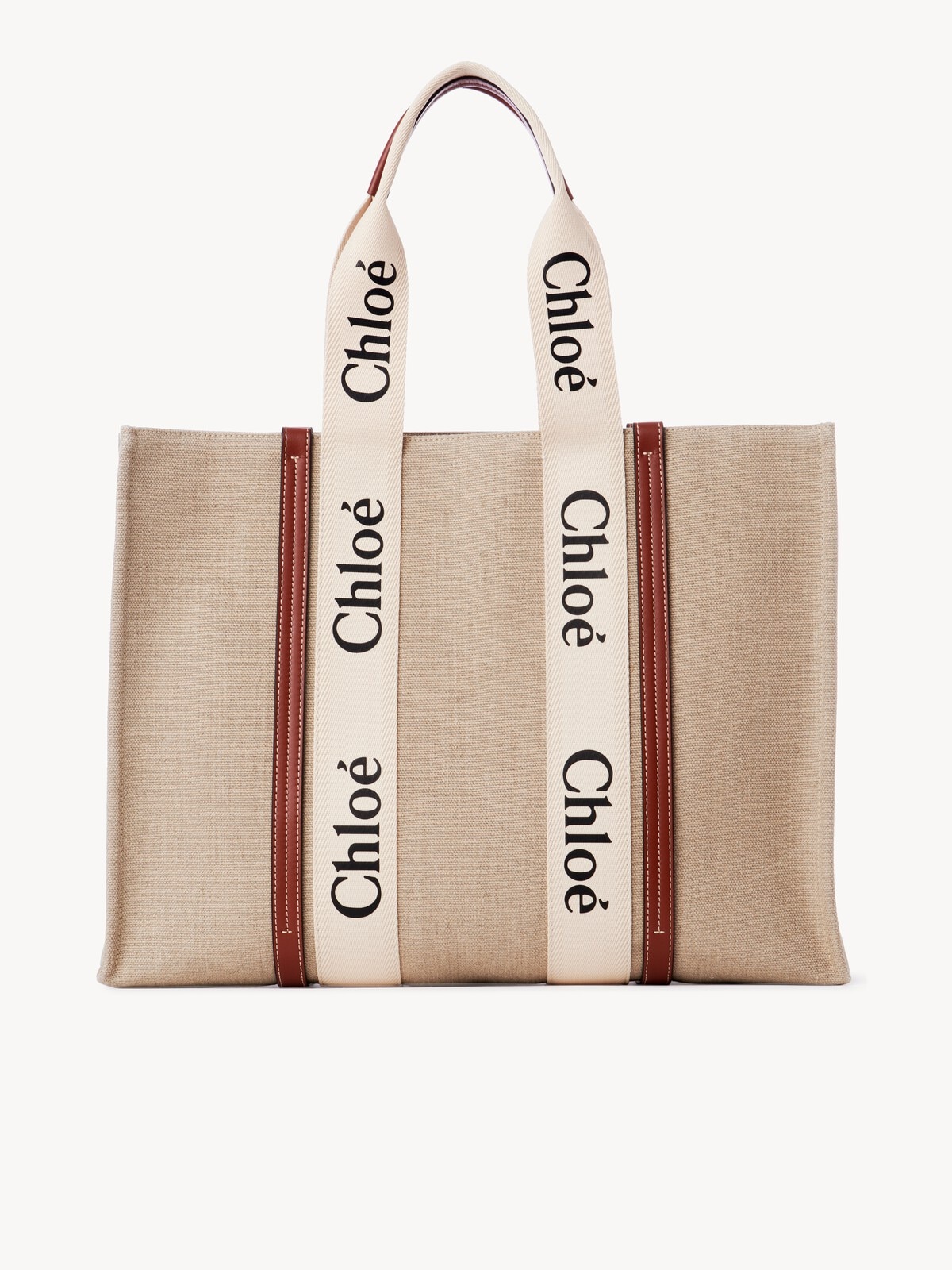
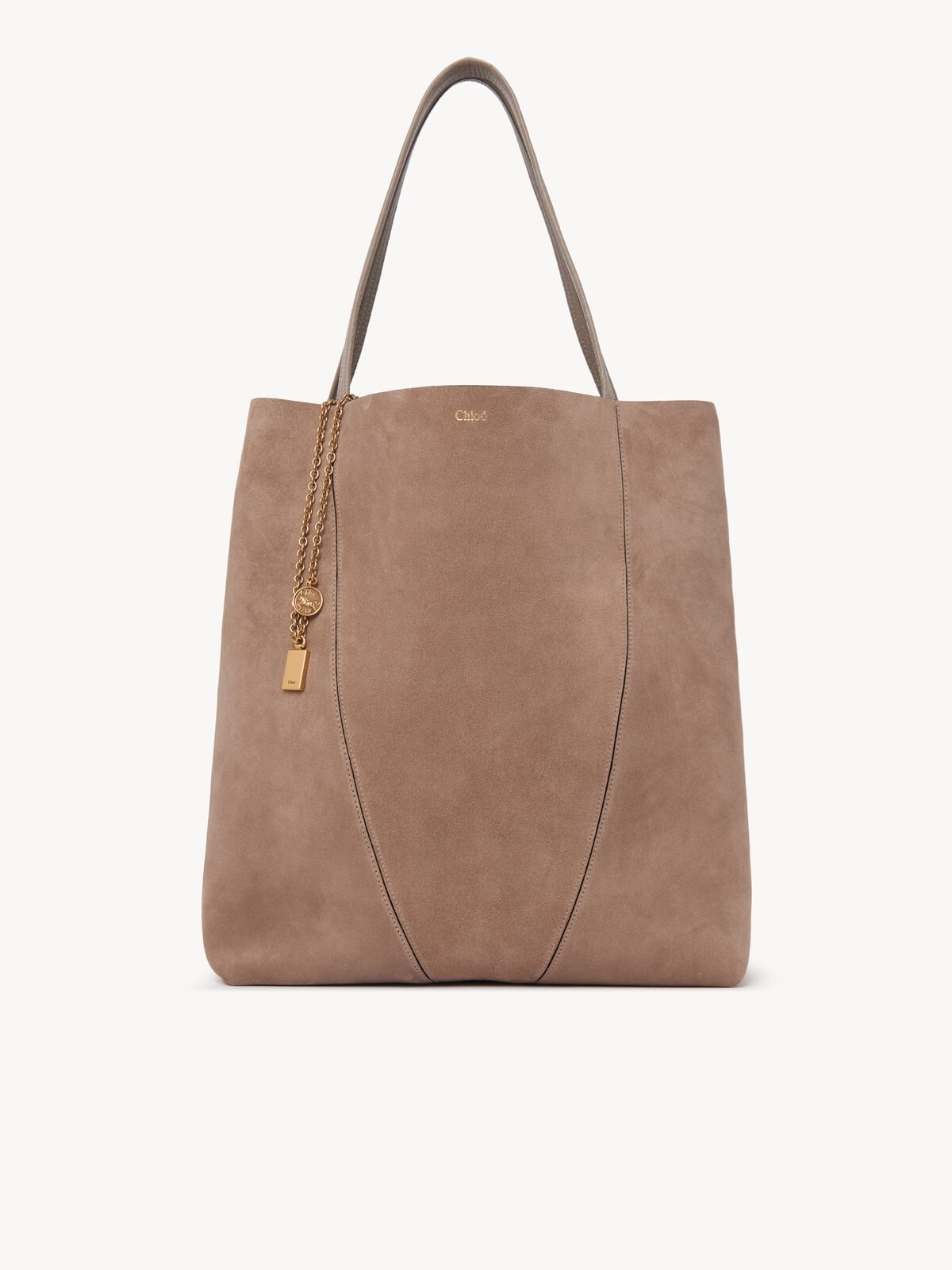
Our advice for an interview specifically is to carry one bag rather than two, which sounds obvious and is the mistake we see most, since a handbag plus a laptop bag creates a small logistical scene at the door. One structured tote that takes a laptop, a notebook and a phone is enough. We would also choose a bag that closes properly, because an open top tote spilling its contents forward when set down undoes a lot of preparation. If you take one thing away, test the bag with an A4 page and your laptop before the day, because a bag that cannot carry the things you are bringing is a distraction you do not need.