Upholstered dining chairs are more comfortable and more work. The honest trade off, plus the fabrics that survive real meals.
Are Upholstered Dining Chairs Practical
What you gain, stated plainly
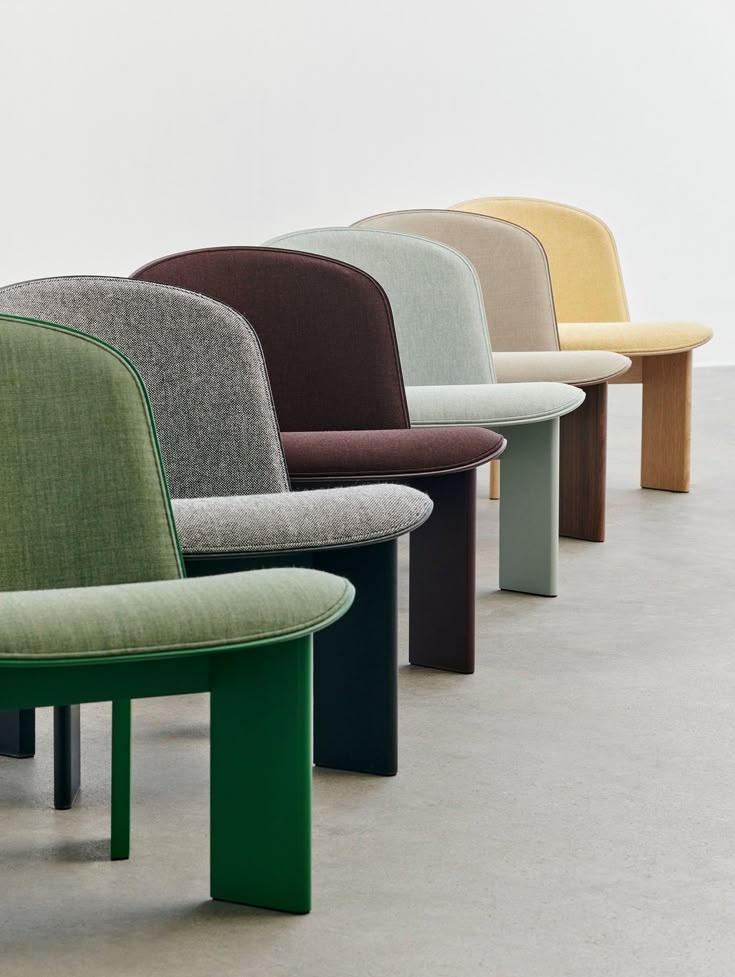
A padded seat and back change what a long meal feels like, and that is not a small thing in a house where the dining table is also where people work, do homework and sit talking after dinner. Upholstery also softens a hard room. A dining space with a stone floor, a big table and six wooden chairs sounds like a canteen, and fabric absorbs some of that. Chairs with upholstered backs are more comfortable to lean back into, which is what keeps people at the table. So the case for them is real and it is about time spent sitting, not about looks. The question is not whether they are nicer to sit in. They usually are. The question is what the upkeep costs in your particular household, and that depends far more on the fabric specification than on the shape of the chair.
Upholstered dining chairs
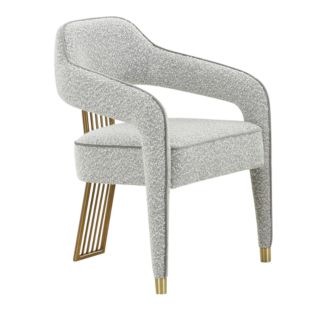
Corralis Performance Dining Chair
TOV Furniture
$515
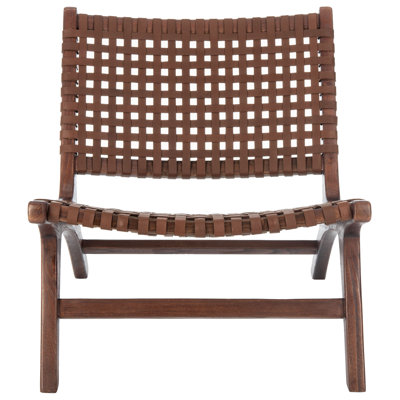
Denman Upholstered Side Chair
Wayfair
$499

1 Piece Performance Linen Stain Resistant Dining Chair
TOV Furniture
$398.75
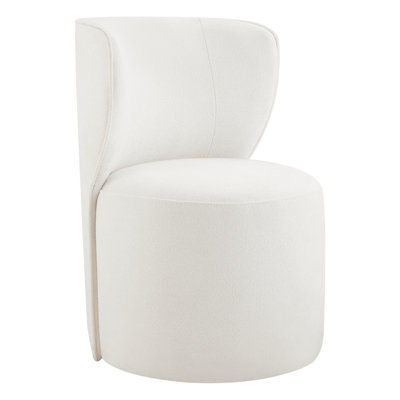
Luckett Upholstered Caster Dining Chair
Wayfair
$169.99
1 Piece Performance Linen Stain Resistant Dining Chair
TOV Furniture
$398.75
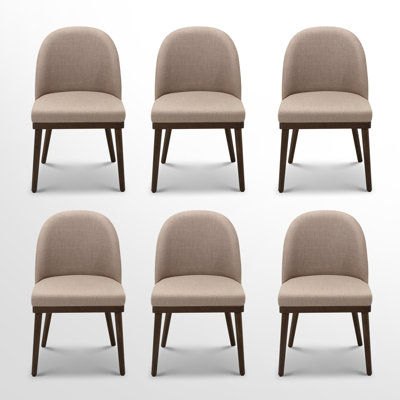
Upholstered Side Dining Chairs
Wayfair
$569.97
1 Piece Performance Linen Stain Resistant Dining Chair
TOV Furniture
$398.75
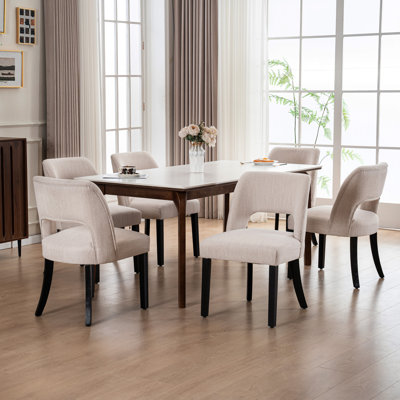
Isfried Upholstered Hollow Back Side Chair
Wayfair
$569.97
The specification that decides everything
Two things on a spec sheet predict how a dining chair ages. The first is the abrasion rating, usually quoted in Wyzenbeek double rubs in North America. Around 15,000 double rubs is a reasonable floor for a chair in regular home use, and higher is better on the seat that gets used every day. Treat it as a comparison between fabrics tested the same way rather than a promise of years. The second is the cleaning code. A W or WS code means water based cleaners are safe, which is what you want when something is spilled at dinner. An S code means solvent only, and an X code means vacuum only, which is a difficult thing to live with on a dining chair. Beyond that, tight flat weaves resist snagging and shed crumbs, hydrophobic fibres such as polyester and olefin repel liquid, and cotton and linen absorb it. Faux and top grain leather simply wipe.
Wipe clean faux leather and velvet dining seats

1 Pc. Rattan Arched Back Dining Chair
TOV Furniture
$448.75

Kamai Faux Leather Upholstered Side Chair with Carbon Steel Legs
Wayfair
$192.99
1 Pc. Rattan Arched Back Dining Chair
TOV Furniture
$448.75

Josman Faux Leather Upholstered Dining Chair with Steel Legs
Wayfair
$197.99
1 Pc. Rattan Arched Back Dining Chair
TOV Furniture
$448.75
1 Pc. Rattan Arched Back Dining Chair
TOV Furniture
$448.75

21"W Velvet Dining Chair
TOV Furniture
$423.75
Corralis Performance Dining Chair
TOV Furniture
$515
Practical ways to keep them
Removable, washable covers are the single most useful feature in this category and the one most often skipped. Failing that, a darker or patterned fabric hides far more than a pale plain one, and a seat pad in a wipeable material can be swapped without touching the frame. Choose a chair with a seat that does not trap food at the join between seat and back, since that gap is where crumbs live. Consider mixing: upholstered chairs at the ends where adults sit and wood, cane or metal chairs along the sides where children do, which keeps the comfort where it matters and the maintenance where it does not. If the chairs will be pulled in and out over a hard floor, check the feet, because a metal leg without a pad will mark a floor faster than any spill marks the fabric.
Wood, cane and metal dining chairs
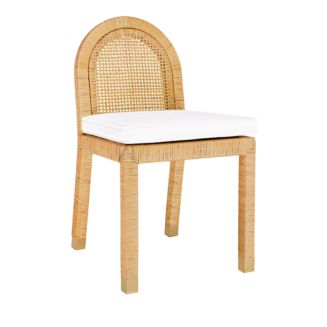
Amara Rattan and Performance Fabric Arched Back Dining Chair in Natural
TOV Furniture
$429

18.5" Seat Height Linen Blend Upholstered Solid Wood Legs Dining Chairs
Wayfair
$415
Amara Rattan and Performance Fabric Arched Back Dining Chair in Natural
TOV Furniture
$429

Marlow 19.1'' H Mid-Century Modern Tufted Leather Cantilever Dining Chair with Chrome Frame and Cane Rattan Back
Wayfair
$189.99

28" Outdoor Dining Chair
TOV Furniture
$336.25
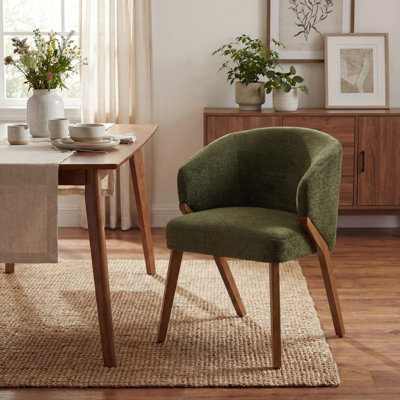
Upholstered Dining Chair with Wooden Legs
Wayfair
$197.99

Ginny Rattan Dining Chair
TOV Furniture
$319
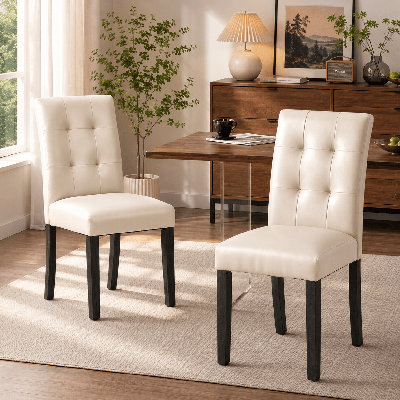
Faux Leather Upholstered Dining Chairs with Wood Legs
Wayfair
$127.99
A note from the Phia editors
If you take one thing away, upholstered dining chairs are practical if and only if you buy the fabric deliberately. A performance weave with a W or WS code and a decent abrasion rating in a mid tone is genuinely low effort, and we would put it in a house with children without hesitating. A pale open linen in the same shape is a different product with the same photograph, and that is the purchase people regret three months in. Two closing notes. Wipeable faux leather is the least glamorous answer and the one that survives real family meals best, so do not dismiss it out of hand. And whatever you choose, buy one extra chair if the range allows, because a single ruined seat is much easier to solve when the fabric is still available.
Shop brands in this edit

Next read
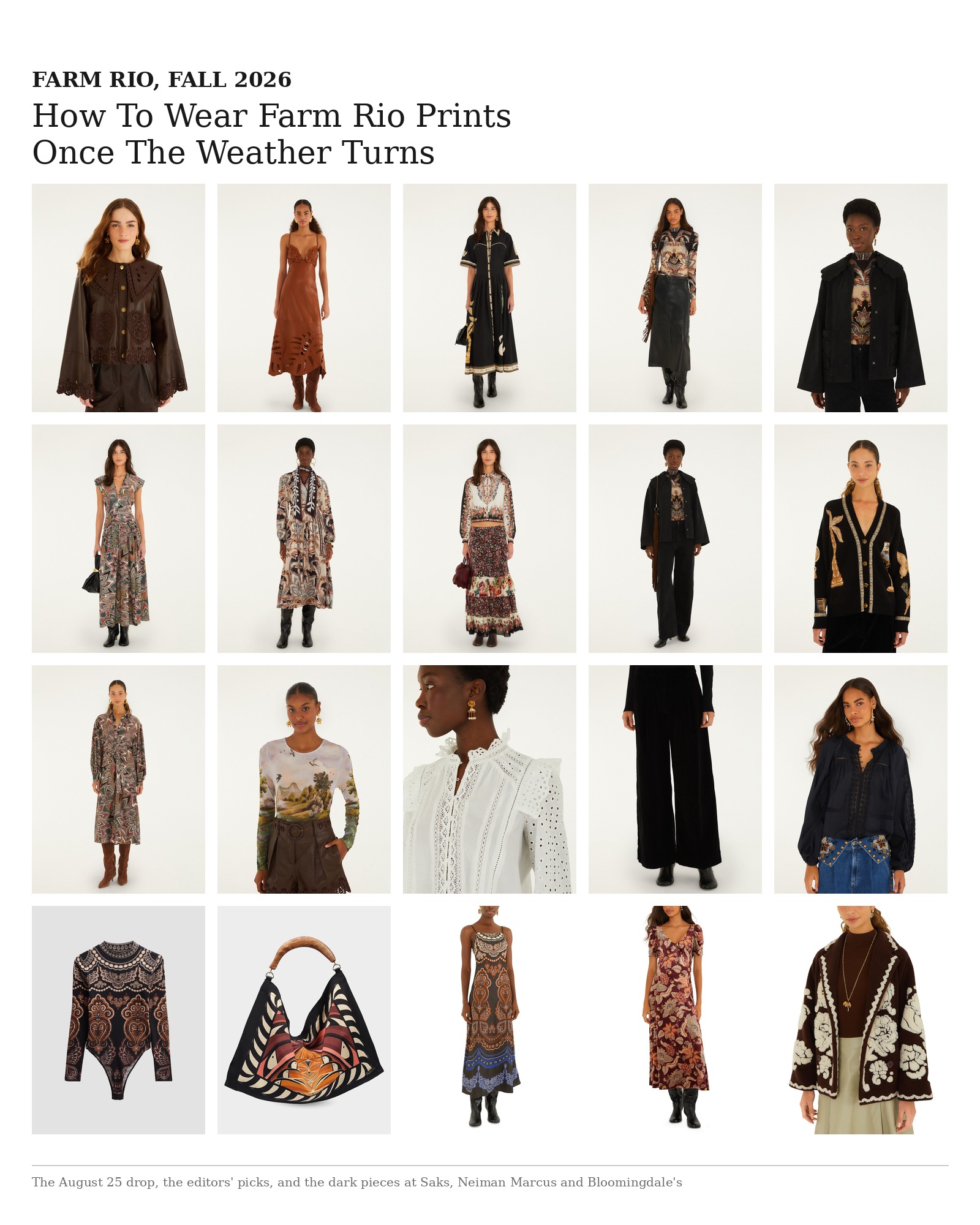
How To Wear Farm Rio Prints Once The Weather Turns
Farm Rio's fall drop trades tropical brights for chocolate leather, black denim and dark florals. Here is how to wear the prints past September, plus the dark pieces our editors are buying at Saks, Neiman Marcus and Bloomingdale's.
Read Editorial
Necklace Or Studs: Which To Buy First
Choosing necklaces first is usually the better buy when one piece should change several outfits, but choice depends on your neckline and daily habits. Start with placement