A balconette bra has a French pedigree, as the Underpinnings Museum records a Cadolle underwired bra from around the 1950s with a balconette cut. Herminie Cadolle founded the design house in 1878 as a shop for made-to-measure undergarments. Here is how to choose a balconette bra that lifts and lies flat under clothes.
Balconette Bra: Cadolle's Postwar Shape
The shape with a Paris address
The Underpinnings Museum records a French Cadolle underwired bra, dated to around the 1950s, whose bustline has a balconette cut. The Cadolle house was founded by Herminie Cadolle in 1878 as a shop specializing in made-to-measure undergarments, and the museum notes she is often credited with designing the first modern bra in 1889, though the attribution is contested. A balconette bra is a design that has stayed useful for seventy years.
What the cut does
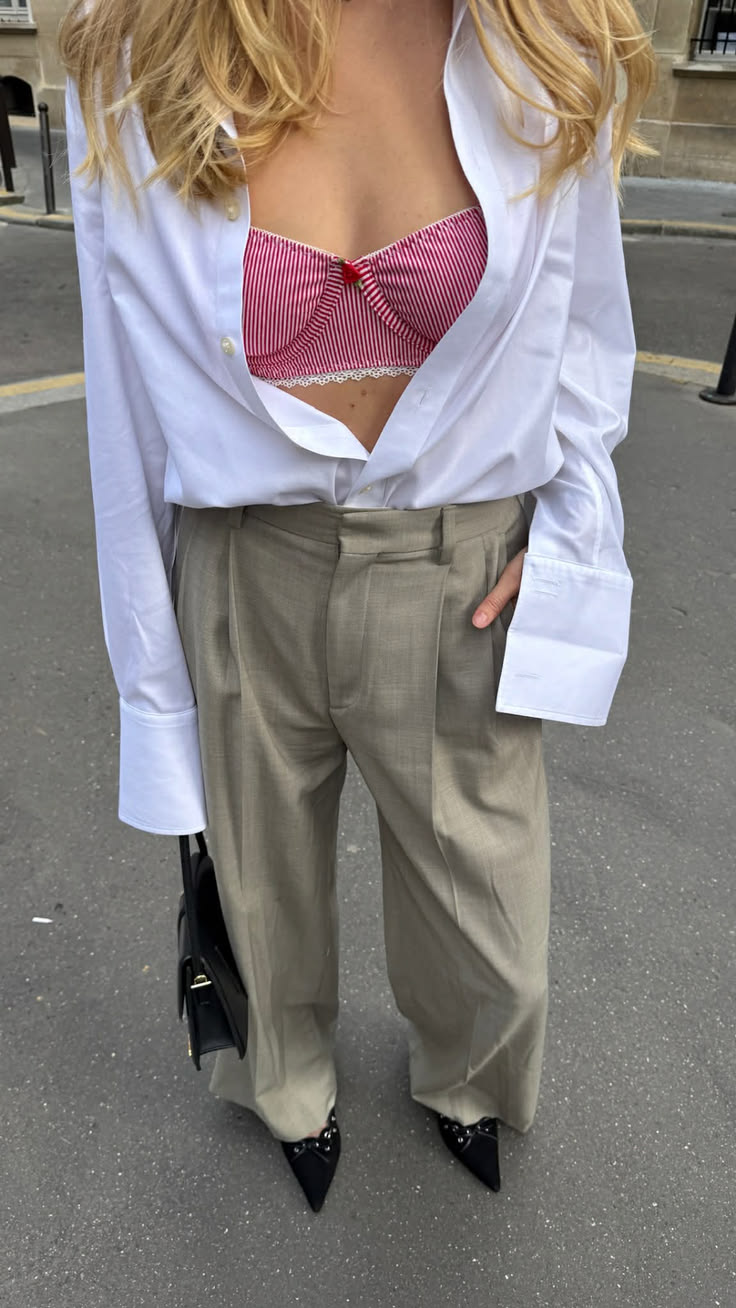
A balconette has wide-set straps and a horizontal neckline that lifts from beneath and gives a rounded shape. It works with square, wide and scoop necklines. The cups are typically shorter than a full-coverage bra. Check that the center gore lies flat on your breastbone and that the underwire sits on the ribs, not on the breast.


Getting the fit
The band should be firm and level around your back. Straps should stay put without digging. If the cup gaps at the top, try a smaller cup, and if the flesh spills over, try a larger one. Try on a few sizes. A good fitting is worth the time, since a bra worn properly feels comfortable all day.


Wearing it
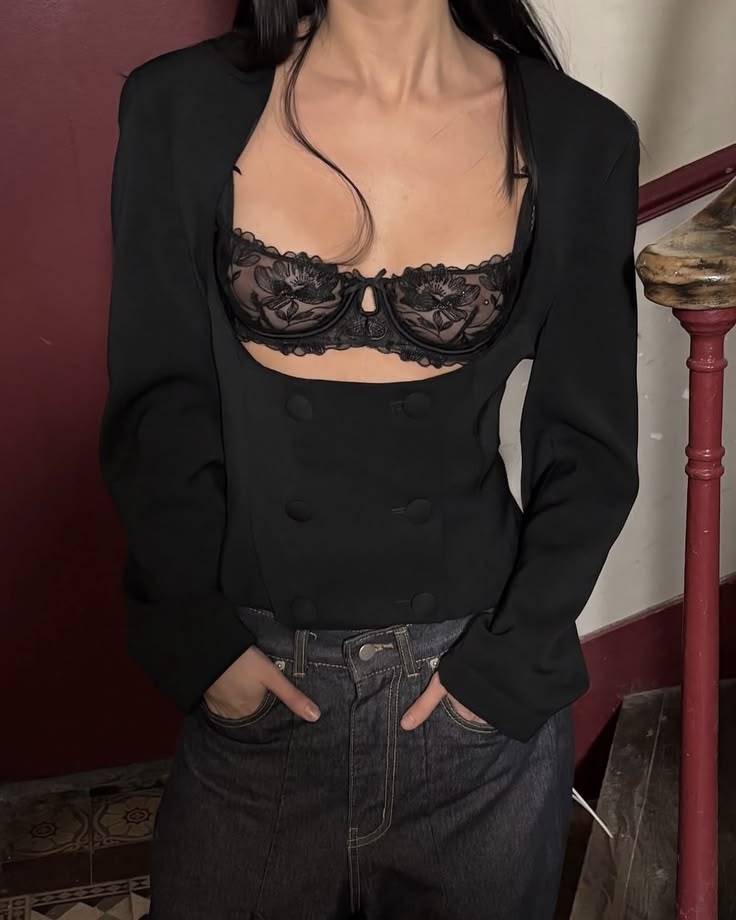
Balconette bras suit square necklines, off-the-shoulder tops and wide scoop necks. Convertible straps allow a halter or crossed style. Lace looks pretty and lightly padded styles smooth under knits. Hand wash and air dry to keep the wire straight.


What I would skip
I would skip a balconette with a wire that pokes at the side and straps that slip. A balconette bra should support gently and disappear under your clothes.