Sunrise alarm clocks range from Philips wake-up lights to Hatch sleep systems and compact bedside alarms, so choose by routine, controls, and sound.
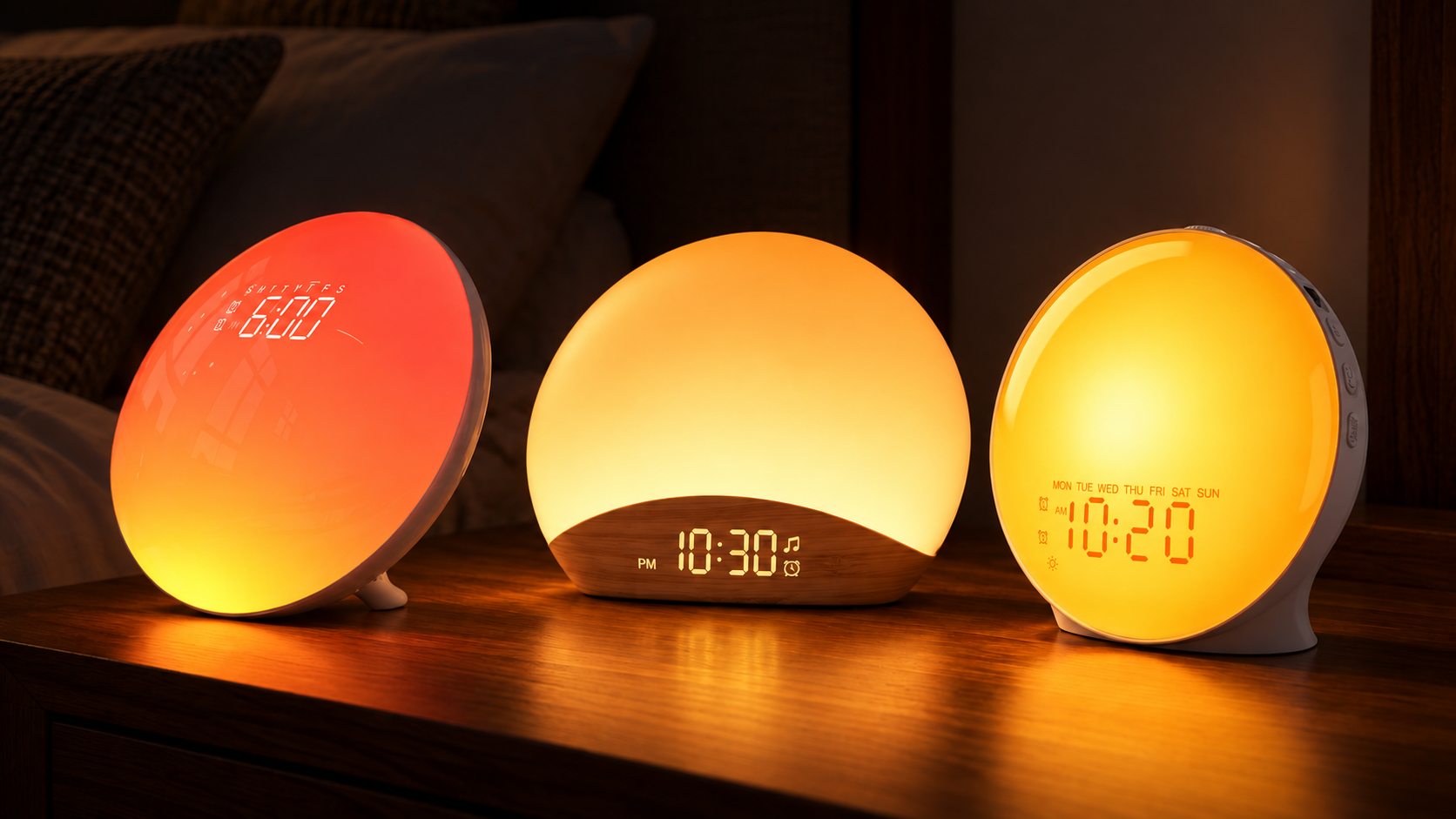
Best Sunrise Alarm Clocks
The light is the point, not the feature list
Sunrise alarms sell a lovely idea: the room brightens slowly, and waking stops feeling like an ambush. I like the light; I am less convinced by the expanding bedside systems that turn a simple alarm into another account, screen, and set of settings to manage. Philips SmartSleep keeps the premise focused, while Hatch Restore 3 pairs light with sleep audio for someone who actually wants a more structured routine. Those are different habits, not merely two versions of the same gadget. Before buying, ask whether you want a lamp that helps mark morning or a whole sleep setup that lives beside the bed. The quieter answer is often the better one. A good wake-up device should fade into the routine once it is set, not demand your attention the moment you open your eyes. That distinction matters more than a long feature checklist, because the morning is already full of decisions before the day even begins.

Philips SmartSleep Wake-up Light Colored Sunrise and Sunset Simulation HF3520/60
Philips
$108.37

Hatch Restore 3 Science-Backed Sleep Audio Circadian Lighting Putty
Hatch
$169.99

Hatch Sleep Clock Bedside Sleep Tracker Smart Light Sound Machine Greige
Hatch
$249.99

Amazon Echo Spot newest model Smart alarm clock Black
Amazon
$109.99
Choose the routine you will keep
I would start with the least complicated device that solves the actual annoyance. If a sharp sound is the problem, a gradual light may be enough; if winding down is part of the struggle, Hatch’s audio-led approach has a clearer reason to exist. Amazon Echo Spot brings a screen and connected controls, which is useful for some rooms and exactly what I would avoid in a bedroom that needs less stimulation. REACHER is the plainer bedside direction in this assortment, while JALL and Dekala appeal if adjustable settings are the point. Think about what you will use at 6 a.m., not what looks persuasive in a feature table. The best alarm is the one you can set without reopening your phone every night. Start the light early, keep the backup sound gentle, and give yourself a few days to decide whether the new ritual belongs in your room. A brighter clock cannot make up for a late bedtime, but it can make the transition feel less abrupt when the rest of the routine is steady.

REACHER Wood Grain Sunrise Alarm Clock and Sound Machine Nightlight
REACHER
$37.99

JALL Full-Screen Wake Up Light Sunrise Alarm Clock White Noise Machine
JALL
$39.99

Dekala Smart Sunrise Alarm Clock with App Control and Bluetooth Speaker Light
Dekala
$59.99

ecozy 3 in 1 Sunrise Alarm Clock White Noise Machine with Smart App Control
ecozy
$39.99