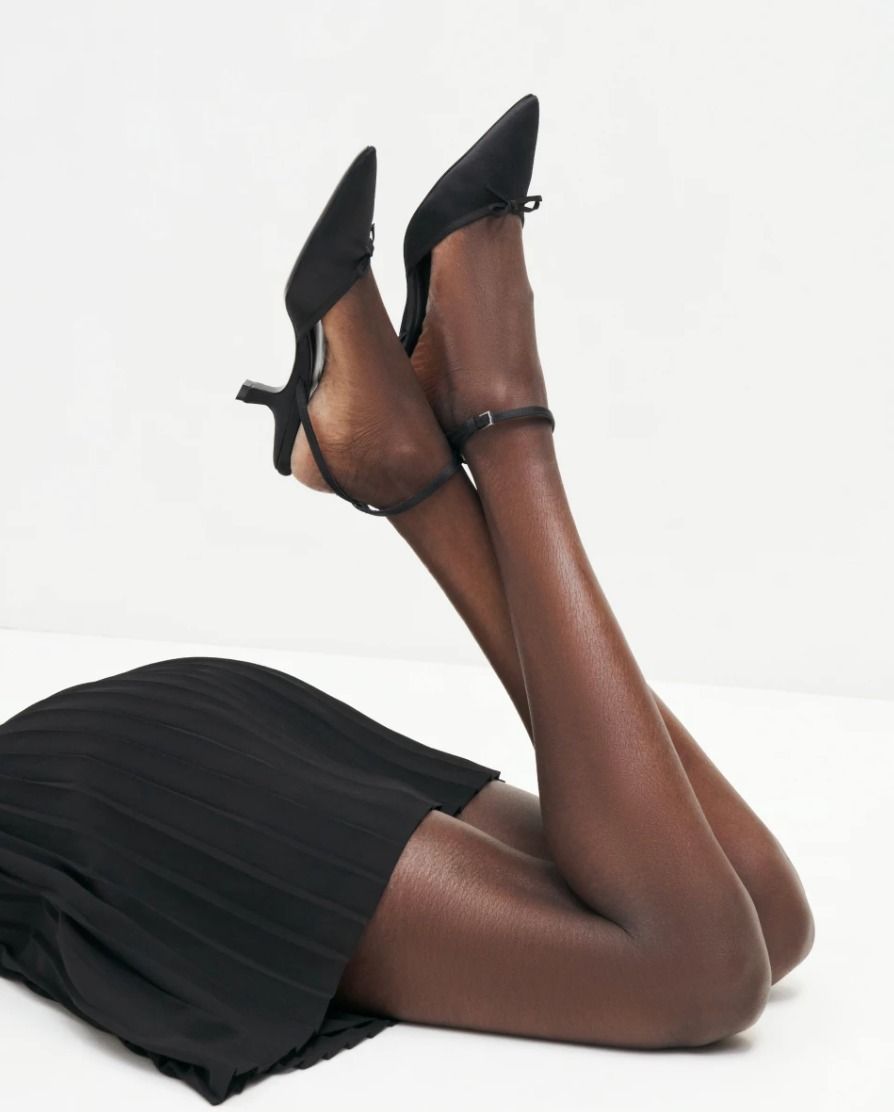
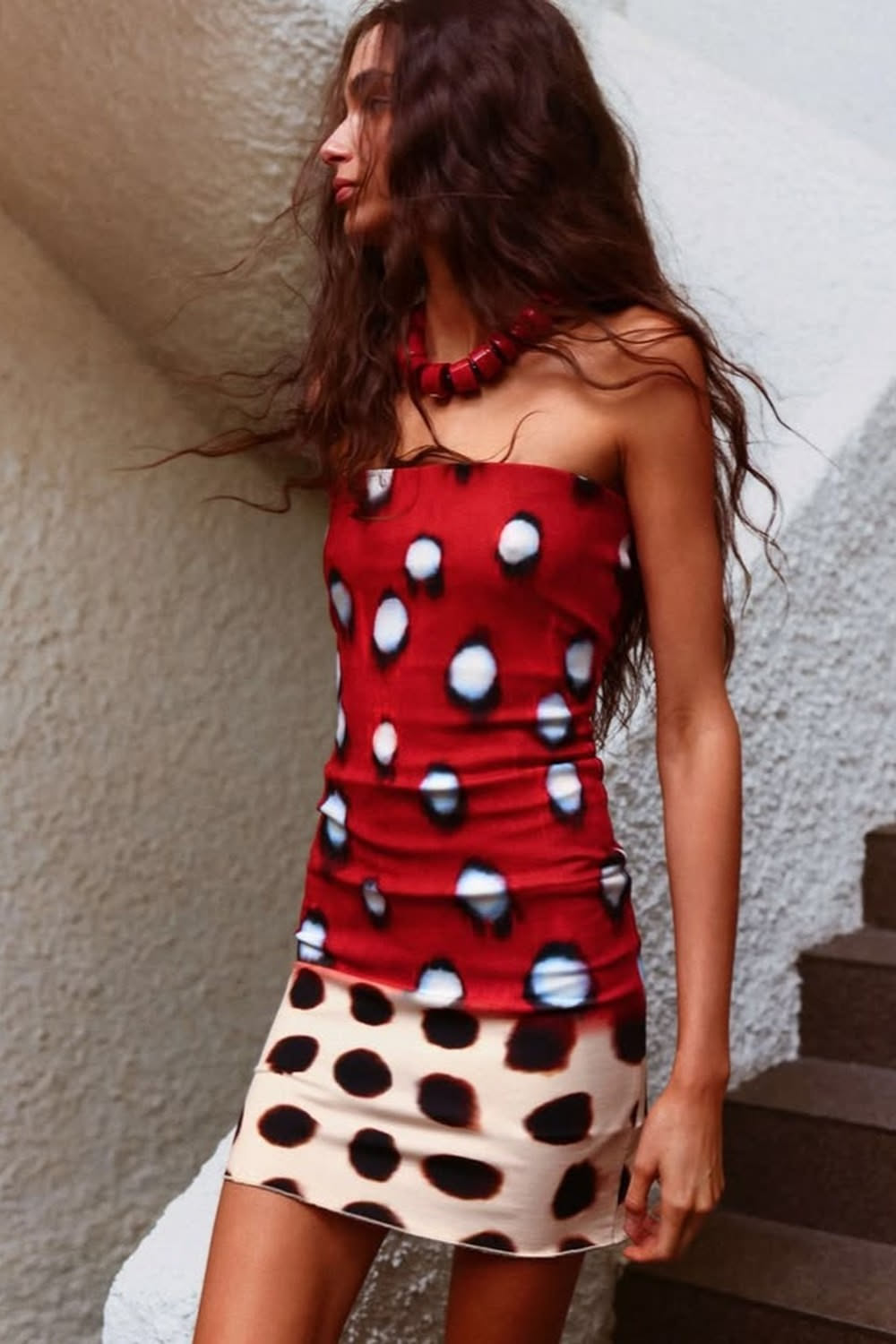
A loud print gets remembered, which is exactly the worry, but if done right they can be worn time and time again.
Bold Prints
THE ZIMMERMANN WAY
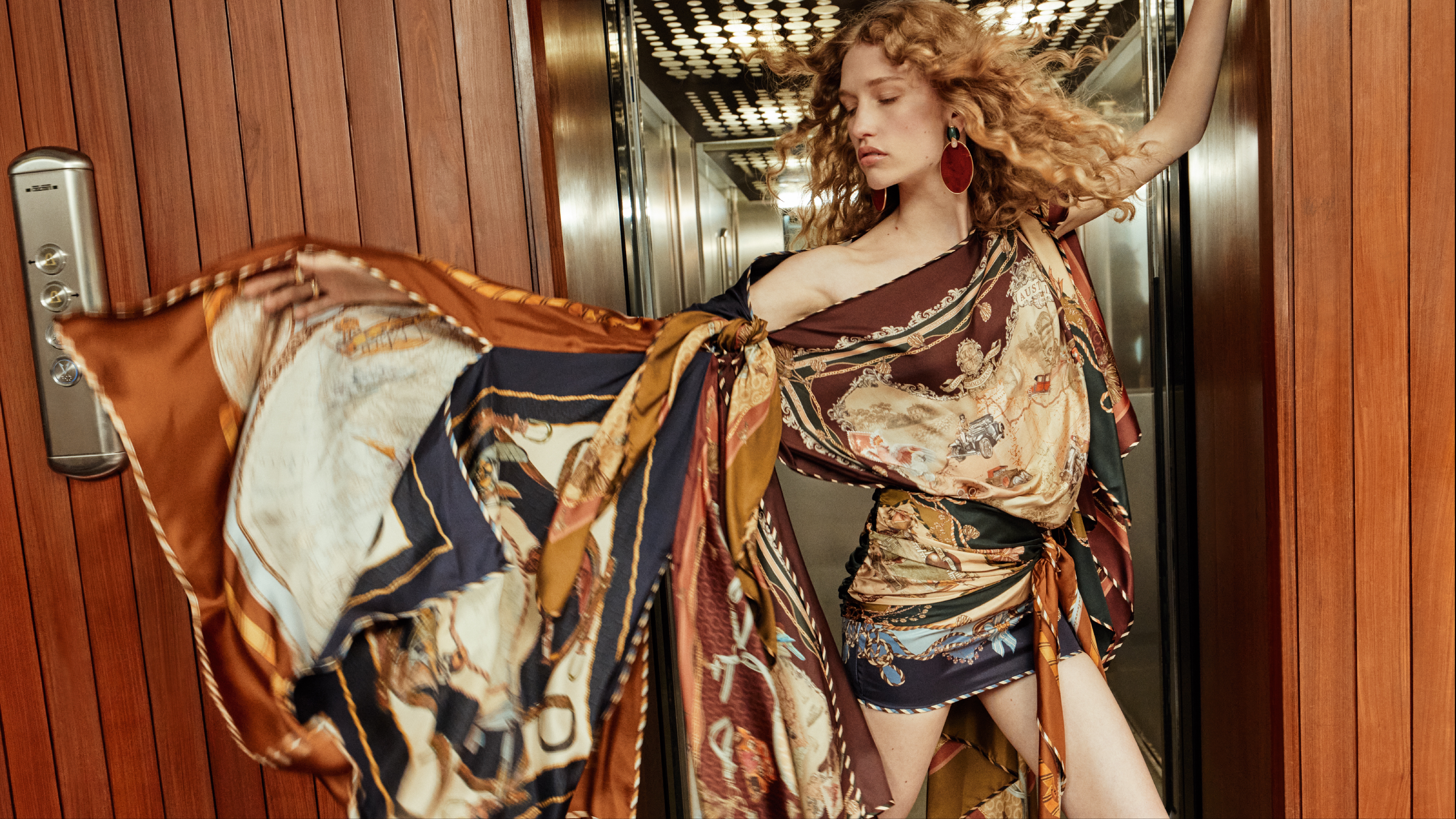
Why a print feels harder to repeat
A plain black dress can go out three weekends running and nobody clocks it. A large floral or a chevron stripe gets remembered by everyone who saw it the first time, and that is the real reason bold prints sit unworn. It is not that people stop liking the dress. It is that they think the dress has been used up.
Worth separating two things here. Being recognised is not the same as being overexposed. A print only reads as repetitive when the whole outfit repeats with it, because the print is doing all the memory work. Change the shoes, drop the belt, put a knit over the top and the same dress reads differently to the same room.
The prints below run from small allover florals at $950 to a spliced silk gown at $3,300. The cheaper end is not the more wearable end, which is the first useful thing to notice. Scale matters far more than price when you are working out how often something can come back out.
Florals and botanicals

Ascent Cascading Midi Dress
Zimmermann
$1,850

Ascent Tuck Midi Dress
Zimmermann
$1,050

Ascent Picnic Mini Dress
Zimmermann
$1,500

Ascent Sheath Dress
Zimmermann
$1,750

Ascent Corseted Mini Dress
Zimmermann
$1,650

Pleated Sleeved Mini Dress
Zimmermann
$950

Valiant Embellish Mini Dress
Zimmermann
$1,675

Solstice Lantern Mini Dress
Zimmermann
$995
Scale decides the repeat rate
Small allover prints behave almost like texture. Stand more than a few steps back and a fine botanical or a scattered daisy reads as a tone rather than a pattern, which is why these are the ones you can wear most often. They photograph as a colour, they sit under a coat without arguing, and they survive being seen twice in a month.
Large motifs are the opposite. One big placed bloom or a single sweeping panel is a specific image, and people remember images. Those are your two or three outings a season pieces, best spaced across different groups of people. That is not a flaw in the dress. It is what you are paying for when a print is engineered to sit in one place on the body rather than repeat over it.
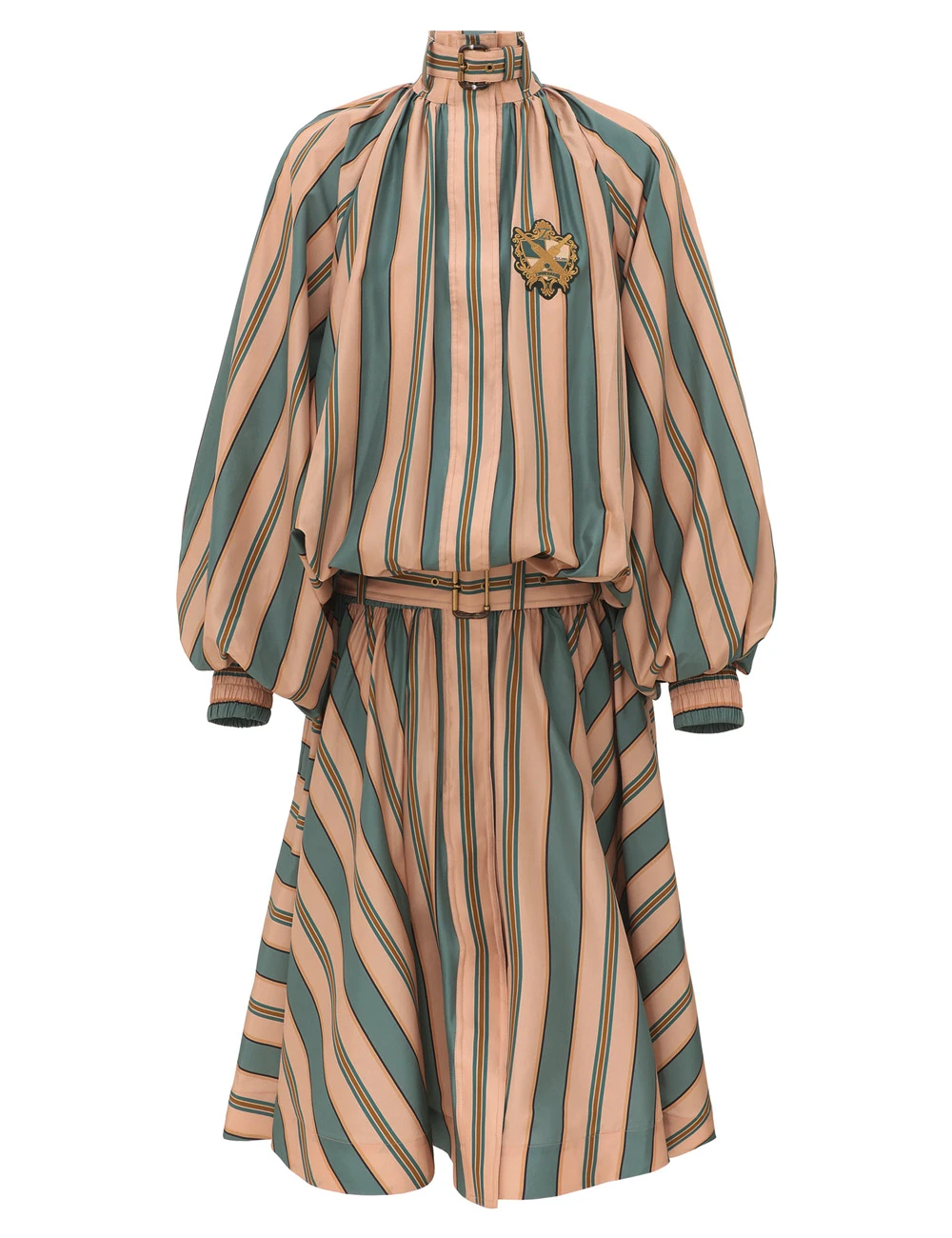
Stripes and geometrics land in between. A vertical stripe is regular enough to read as structure, so it repeats more comfortably than a floral of the same boldness. A patchwork or a chevron reads as a statement and behaves like one.
Stripes and geometric prints


Building around the print instead of matching it
The mistake is treating a printed dress as a finished outfit that only needs shoes. Pull one colour out of the print and use it for everything hard, meaning the bag, the shoe and the belt. The print then looks deliberate rather than decorated, and you have a second and third version of the same dress without buying anything.
Covering part of the print is the other lever. A knit over the shoulders, a jacket left open, a shirt knotted at the waist all reduce how much pattern is visible, which resets how loud the dress reads. A maxi that felt like a lot in July genuinely becomes a different garment under a coat in October.
Fabric matters for repeats too. Silk and fine cotton crease where they fold, and on a busy print a crease shows as a broken line in the pattern. If you plan to wear something often, look for a print that is dense enough to hide a fold and a fabric that recovers after a day of sitting down.


Our honest take
We would not buy a bold print as a wardrobe workhorse, and we think most disappointment comes from expecting one to be. The small allover florals in the first grid are the ones that behave like normal clothes. The large placed panels and the spliced silks are event pieces, and they earn their price in being memorable rather than in being frequent.
Be honest about which one you are buying. If you want something for a wedding, a birthday and a holiday dinner, the big print is right and three outings is a fine return. If you want a dress for ordinary Fridays, buy the quieter pattern and spend the difference on something you will actually reach for.
If you take one thing away, look at the print from across the room before you buy. Whatever you can still read clearly from six paces is what people will remember, and that is the thing that limits how often it comes back out.