A small, intentional wardrobe that covers your work week without overthinking it. Ten pieces, five days, endless combinations.
Building a Ten-Piece Workwear Capsule

The premise: ten pieces, one week, zero mornings of standing in front of your closet
A capsule wardrobe is not about owning less. It is about owning pieces that work together so you stop wasting mental energy on what to wear.
The workwear capsule is specific. These are pieces that can be layered, mixed, and repeated without looking like you are repeating. Navy trousers with a white blouse and a blazer on Monday is a different outfit than navy trousers with a patterned blouse and a cardigan on Wednesday, even though you wore the same pants twice.
The magic happens when you choose one color story. Stick to neutrals, one accent color, and one pattern rule. Limit yourself to two neutral bottoms, two neutral tops, one blazer, one cardigan, and one pair of shoes. Add three other pieces: a dress, a patterned top, or a second cardigan. That is your ten.
This prevents decision fatigue and prevents you from buying new things every week. In a week, you will wear five outfits. With ten pieces, you can generate dozens of combinations.
Neutral bottoms that layer


The core pieces that do most of the work
Two pairs of well-fitting trousers: one navy, one black. These are your anchors. You will wear these four days a week, minimum. They need to fit perfectly.
Two neutral blouses: one white, one cream or light grey. These are your invisible uniform. They rotate through the week, pressed clean each time.
One blazer in navy or camel. This goes over everything and reads instantly professional. It is your power piece.
One cardigan in a neutral or your accent color. This is for layering over blouses when you need softness instead of structure.
One pair of neutral flats or low heels. This is what you actually wear. Not aspirational shoes. Real shoes you want to walk in all day.
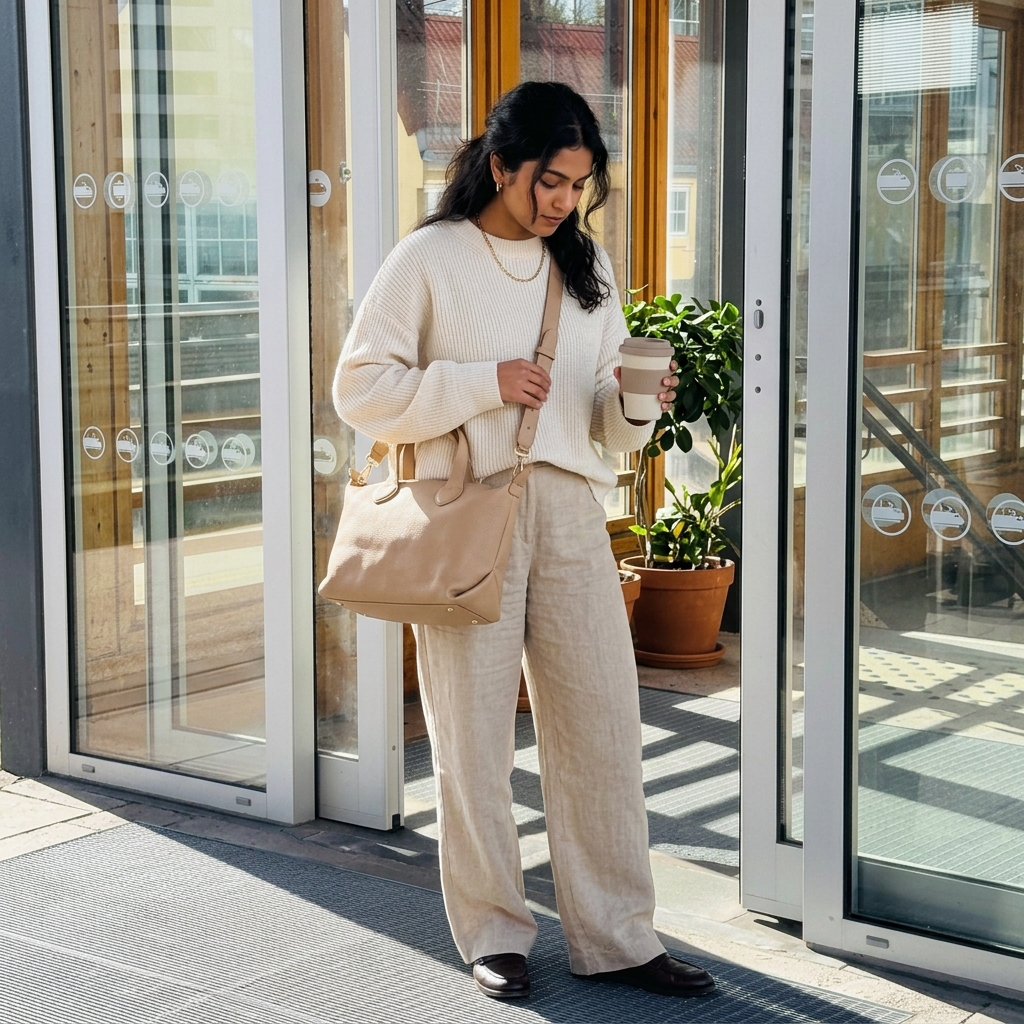
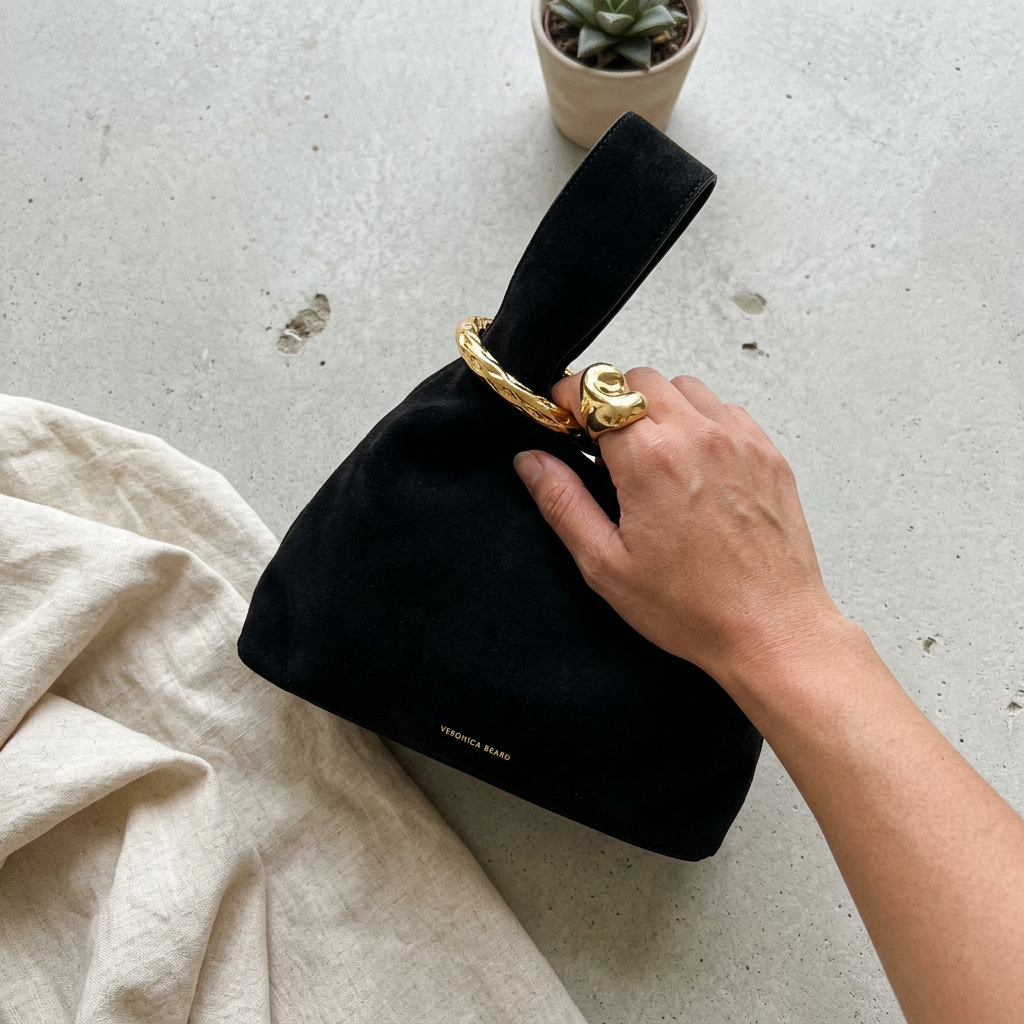
One neutral bag that closes. Leather, structured, nothing that sags. This carries your laptop and your lunch without looking chaotic.
That is seven pieces and you can already wear five very different outfits. You have three more pieces to customize: a dress, a patterned blouse, a second cardigan, or a second pair of shoes for variety.
Structured layers and covers


How to choose your accent pieces
Look at your workplace and your skin tone. If your workplace already reads creative, add a pattern: a small-print blouse, a stripe, a subtle plaid. If it is more conservative, add texture instead: a cashmere cardigan, a fine knit, a structured fabric.
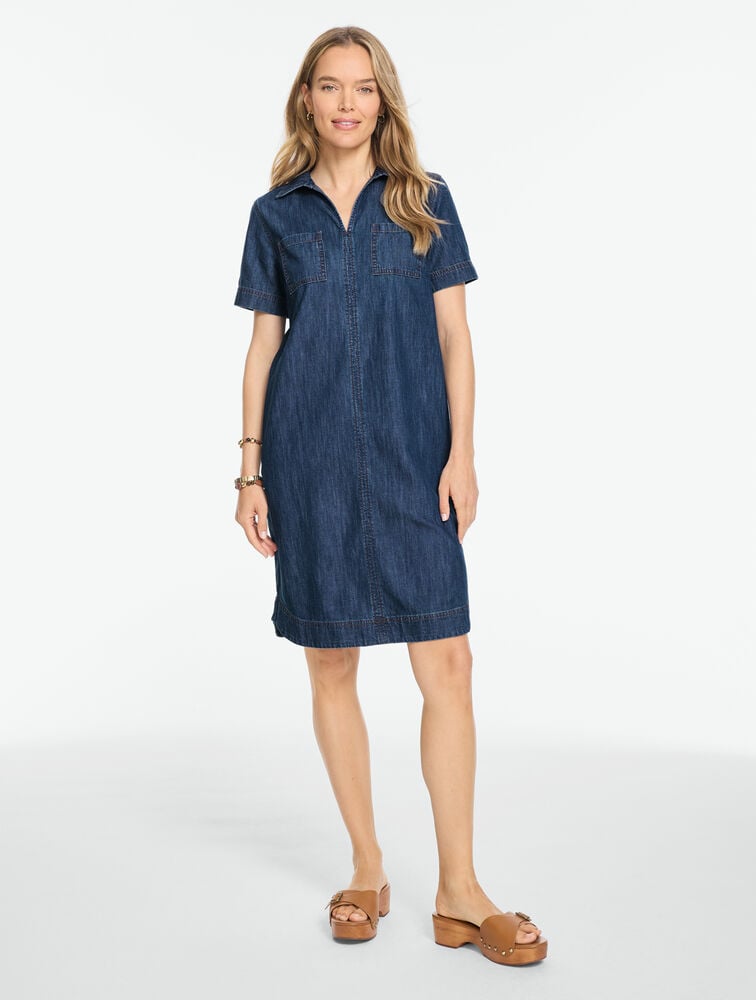
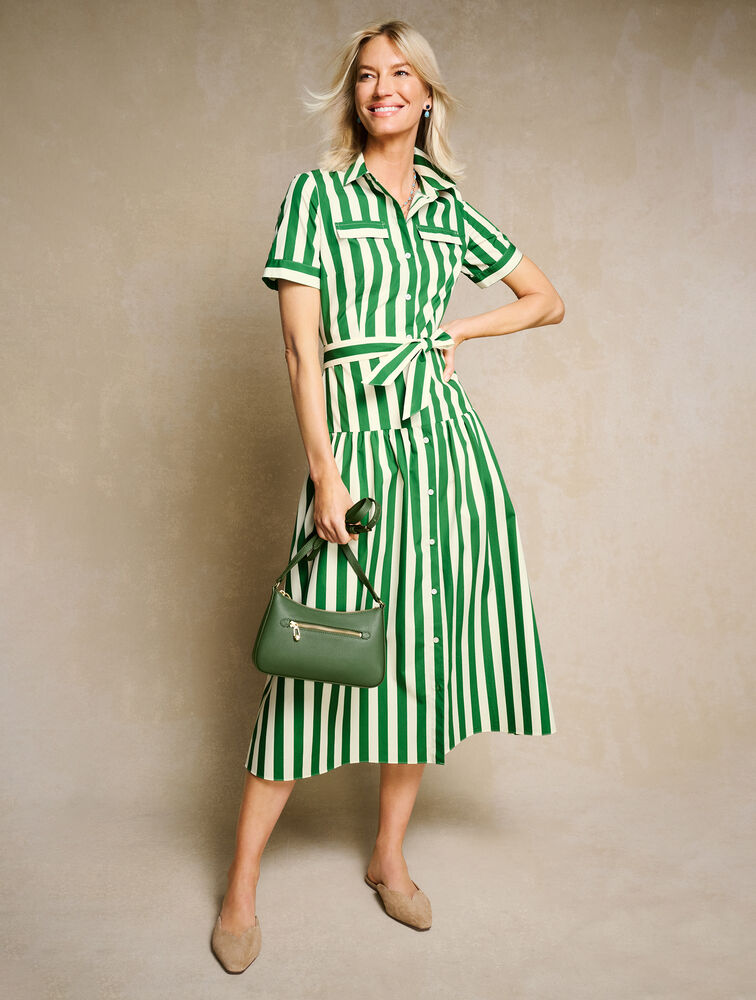
Choose one dress that works with everything. A shirt dress in a neutral works with your trousers and your blazer. A shift dress works with a cardigan. A simple midi dress can go to lunch or to an evening event if you add jewelry.
Add a second pair of shoes only if your workplace is very formal. For most places, one pair you actually enjoy wearing is enough. If you do add a second, make it one you genuinely like. Worn, painful backup shoes just sit there.
If you work somewhere that sees you in the same building every day, you can repeat pieces more often. If you work with different clients or in a public-facing role, rotate more visibly and add a second colored base layer: a grey to alternate with navy.
Your accent color should work with your skin tone and your neutrals. Navy works with most things. If you add a second layer, make it complementary, not chaotic.


How to actually wear this without getting bored
Monday: navy trousers, white blouse, blazer. You look pulled together and professional. Wear your good bag.
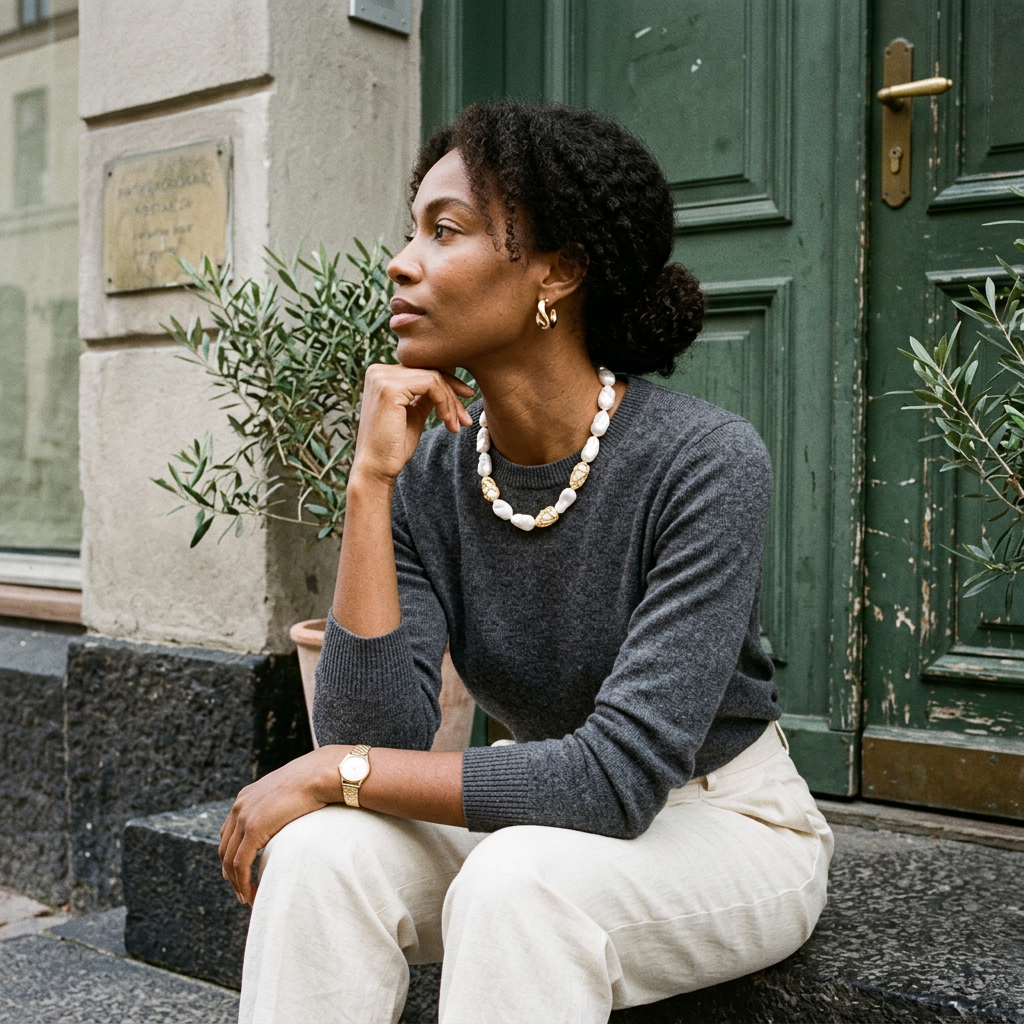
Tuesday: navy trousers, cream blouse, cardigan. You look softer but still polished. Add a necklace.
Wednesday: black trousers, patterned blouse, blazer. You look intentional and interesting. This is why you chose that specific pattern.
Thursday: your dress, cardigan, flats. You look complete without trying. One piece and you are done.
Friday: black trousers, white blouse, second layer. You end the week strong and polished.
Rotate your bag every other day. Accessories change constantly: necklace, earrings, scarf, watch. You are changing details while your core stays the same.
Wash your white and cream blouses frequently so they are always fresh. This is the secret: pristine basics look expensive and intentional. Worn, slightly dingy basics look sloppy, even if the fit is perfect.
After a month, you stop seeing the pieces and start seeing the combinations. Your mind stops using mental energy to choose and starts enjoying getting dressed.