Heel placement, toe box and the two things that cause most of the pain.
The Walkable Heels Edit

Comfort starts before height
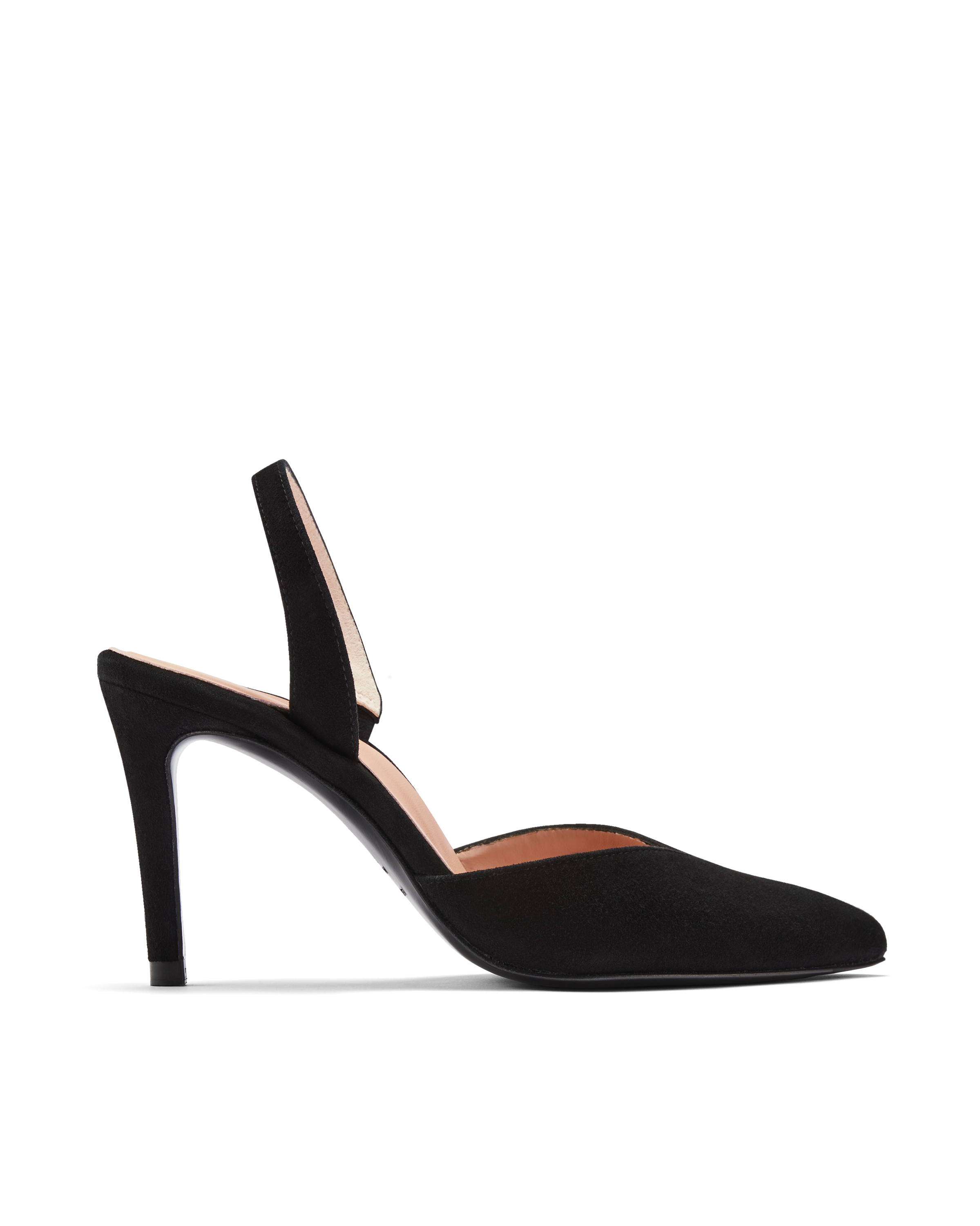
You can walk in heels all day more happily when the shoe fits your foot and the heel suits your route. Height matters, but the first sources of trouble are usually a pinched toe box and a heel that shifts as you move. Start with a low or mid heel if the day includes commuting, standing or uneven ground, then reserve greater height for plans with more sitting and fewer miles. The Palma: Dark Brown Woven Nappa offers texture without requiring a party outfit, and the Esma: Black Calf keeps the line simple when comfort is the priority. A lower heel does not remove every problem, but it gives your foot a more forgiving starting point. Pay attention to where your weight lands when you take a normal step. If you grip with your toes, shorten your stride and check the fit rather than trying to outlast the discomfort. Walk indoors on a clean surface before wearing a new pair outside. The aim is not to prove toughness. It is to make the shoe feel like part of your movement, so the day is about where you are going rather than what is happening under your feet.


Fix pressure before it becomes pain
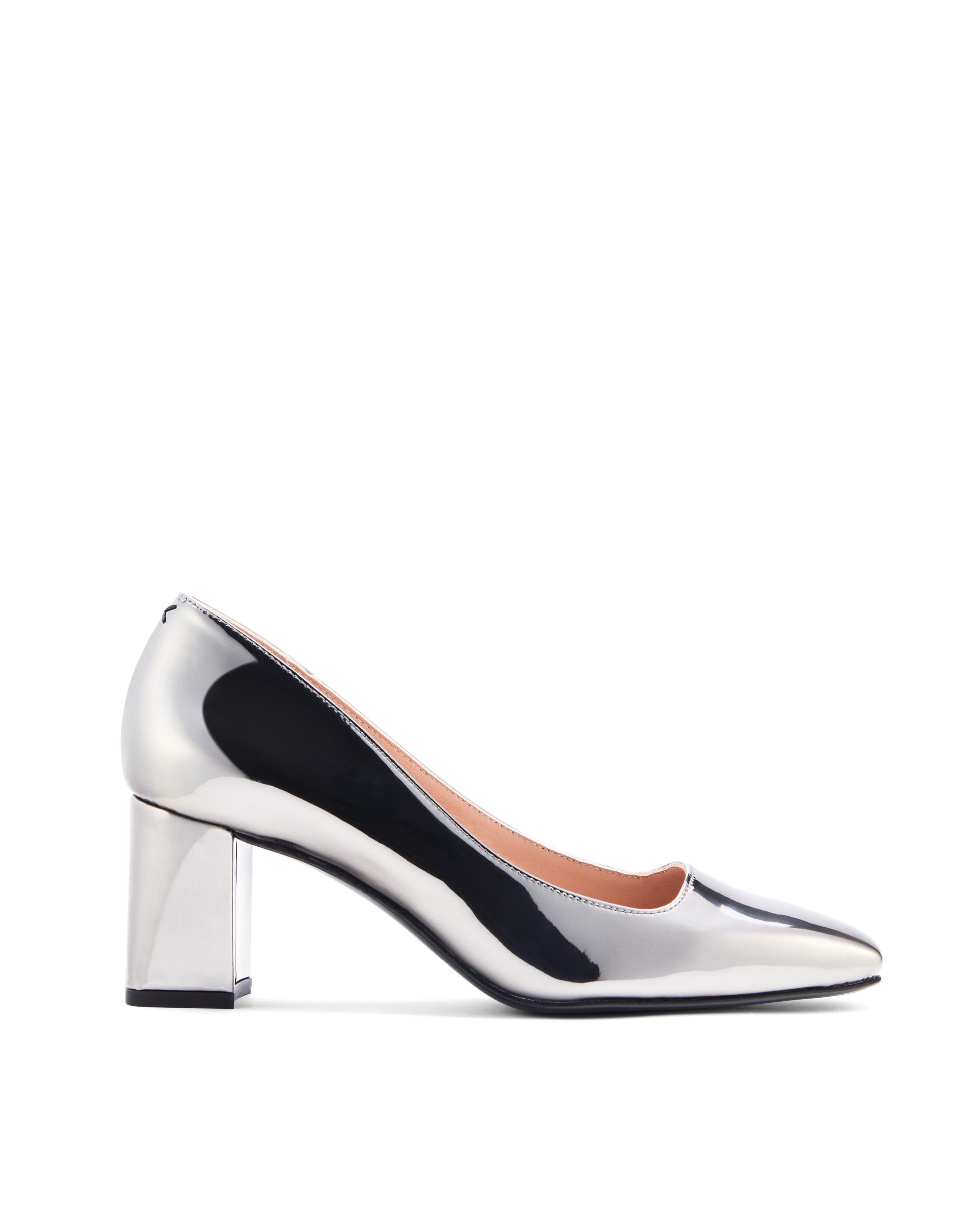
Two problems cause much of the misery in heels: pressure at the front of the foot and friction where the shoe moves against skin. A pointed or narrow front can leave toes crowded, while a loose back encourages rubbing and makes every step less secure. Check both when you try on a pair. Your toes should have room to rest without being pushed together, and the heel should stay reasonably close to the shoe as you walk. A 70mm style can still feel wrong if the proportions do not suit your foot, just as a higher heel can feel manageable for a short, planned evening. Materials change the experience too. Suede has a softer visual and tactile character, while patent and metallic surfaces hold a more structured look. Woven nappa can add flexibility to a simple outfit, but no finish can correct a poor fit. Wear the shoes around the house in short sessions, and notice any hot spot early. Keep the return rules in mind before marking the sole. Do not buy a pair that needs pain to become part of its care plan.




Plan the day around your feet
Comfort is also a scheduling decision. Wear the higher pair for the part of the day when it matters most, and make the journey there easier with a lower heel or a change of shoes. The Celine: Black Patent can give a tailored outfit a crisp finish, while the Coco: Black Nappa is a quieter option when you want polish without extra shine. With a midi skirt, let the ankle show and keep the upper clean. With wide-leg trousers, make sure the hem does not catch under the heel as you walk. If you choose a statement finish such as Frida: Gunmetal or Sofia: Gold Metallic, keep the rest of the outfit calm and let the shoe provide the focus. On a long day, take smaller steps on stairs and uneven ground, and avoid rushing simply because the heel is familiar. Give your feet a break whenever the schedule offers one. The best pair is not the one that survives a challenge for its own sake. It is the one that lets you move naturally, change pace and still want to wear it again next week.



A note from the Phia editors
There is no prize for making a painful heel last until the end of the night. We would not buy a pair that pinches at the front, slips at the back or requires a heroic stride to look stable. We would also skip a high heel for a day whose real itinerary is walking, even if the outfit seems to demand it. A lower shape and a planned change of shoes are signs of good judgement, not defeat. If you take one thing away: fit the toe box and heel security first, then choose the highest height that still lets you walk normally.