Colour, heel and material choices that survive past the one event.
Wedding Guest Shoes

Choose beyond the ceremony
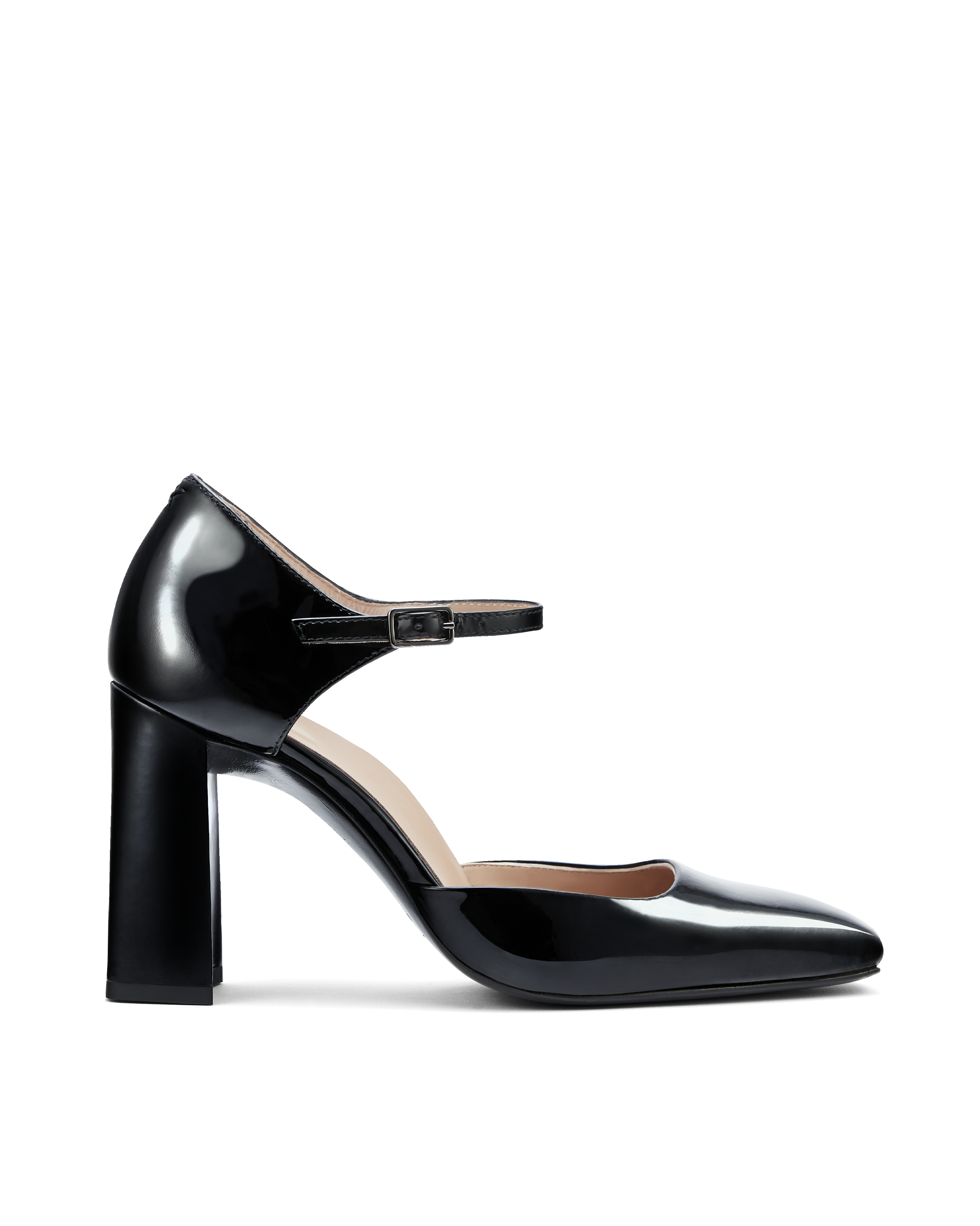
The shoes worth wearing to a wedding are the ones that still make sense with trousers, denim and a quieter dress afterwards. Start with a manageable heel and a colour that can move between occasions, rather than treating the ceremony as permission to buy something too precious for ordinary life. A mid heel is usually the safest place to look when the day includes travel, standing, photographs and a late finish. The Mia: Almond Nappa has the calm versatility of a neutral, while Celine: Burgundy Patent gives a darker outfit a clear point of interest without looking tied to one season. Higher heels can work, especially for an evening reception, but they should serve the event instead of dictating how long you stay. Metallics and crystals are not automatically one-wear choices. Their repeat value depends on restraint everywhere else. A softly silver shoe can work with tailoring, and a black patent pair can sharpen jeans as easily as it finishes a dress. The test is not whether the shoe looks wedding-ready. It is whether you can picture three non-wedding outfits before you buy it.


Make the material do the work
Material decides how far a pair can travel through your wardrobe. Nappa and calf have a composed finish that can sit beside workwear, knitwear and evening pieces without clashing. Suede brings a softer, less formal note, but it asks for more caution around wet pavements and marks. Patent has a sharper shine and can make a simple outfit look deliberate, though it can feel too rigid beside very delicate fabrics. Metallic finishes and crystals bring light to an evening look, so balance them with matte texture elsewhere. The Dani: Platinum Metallic with Crystals is best treated as a statement accent, not a neutral replacement for every shoe. Think about the surface of the venue as well as its dress code. Grass, gravel and long walks favour a lower heel and a secure fit. A smooth indoor floor gives you more freedom to wear a higher shape, but comfort still depends on the toe box and how firmly the heel stays in place. Try shoes with the tights or socks you expect to wear. Do not assume a familiar size will feel identical across nappa, suede, patent and satin.


Build three lives for one pair
Give the shoe a first life at the wedding, a second with tailoring and a third with something relaxed. A pair such as Yvonne: Rojo Capretto can bring colour to a cream or chocolate dress, then sit neatly beneath cropped navy trousers when the occasion has passed. Keep the rest of the wedding outfit simple if the shoe has crystals, metallic shine or a strong surface. For a dress with volume, a clean low or mid heel prevents the look from becoming overworked. For a slim column dress, a higher heel can echo its length, but leave enough ease to walk and sit naturally. Flats and low heels deserve equal attention. Esma: Toffee Suede can soften black trousers, denim or a printed skirt, and it will feel less tied to photographs than a pale satin shoe. A black calf style is a reliable partner for tailoring and travel, while burgundy or amber can replace jewellery as the outfit's colour note. Store occasion shoes away from rough accessories, and give delicate finishes their own space. Rewear begins with choosing a pair that has somewhere to go on Monday.


A note from the Phia editors
Do not buy a wedding shoe that only works beside the outfit you have already chosen. We would pass on a very delicate finish if the day involves grass, long transfers or uncertain weather, and we would avoid a heel that makes leaving early the sensible option. The right pair has enough character for photographs but enough restraint for an ordinary dinner. Metallics, patent and colour can all repeat when the shape is comfortable and the rest of the outfit is quieter. If you take one thing away: before buying for the ceremony, name three occasions on which you will wear the shoes again, then choose the pair that fits all three.