Scale, metal mixing and the number of pieces that reads as deliberate rather than accidental.
Bracelet Stacking: How Many Is Too Many

Start with a clear anchor
The right number of bracelets is the number that lets one piece lead, while the others give it rhythm. In practice, three is a dependable starting point, but scale matters more than the count. A slim bracelet, a medium chain and one wider cuff can look considered; three pieces with the same visual weight can feel crowded. Begin with the bracelet you most want noticed, then add one that echoes its shape rather than competing with it.
A 2mm or 3mm style brings a quiet line to the wrist. A 4mm design has enough presence to stand alone, while an 8mm or wider form becomes the centre of the stack. The Sculpted Cable Double Wrap Bracelet 8.5mm is therefore better treated as an anchor than as one item in a pile. Its width already supplies movement and texture. Pair it with a narrow bracelet on the opposite wrist, or add only one delicate companion on the same side.
The test is simple: if you can still see the outline of each bracelet when your arm is relaxed, the stack is doing its job. If every piece merges into one band, remove the least distinctive one.
Cable bracelets and cuffs
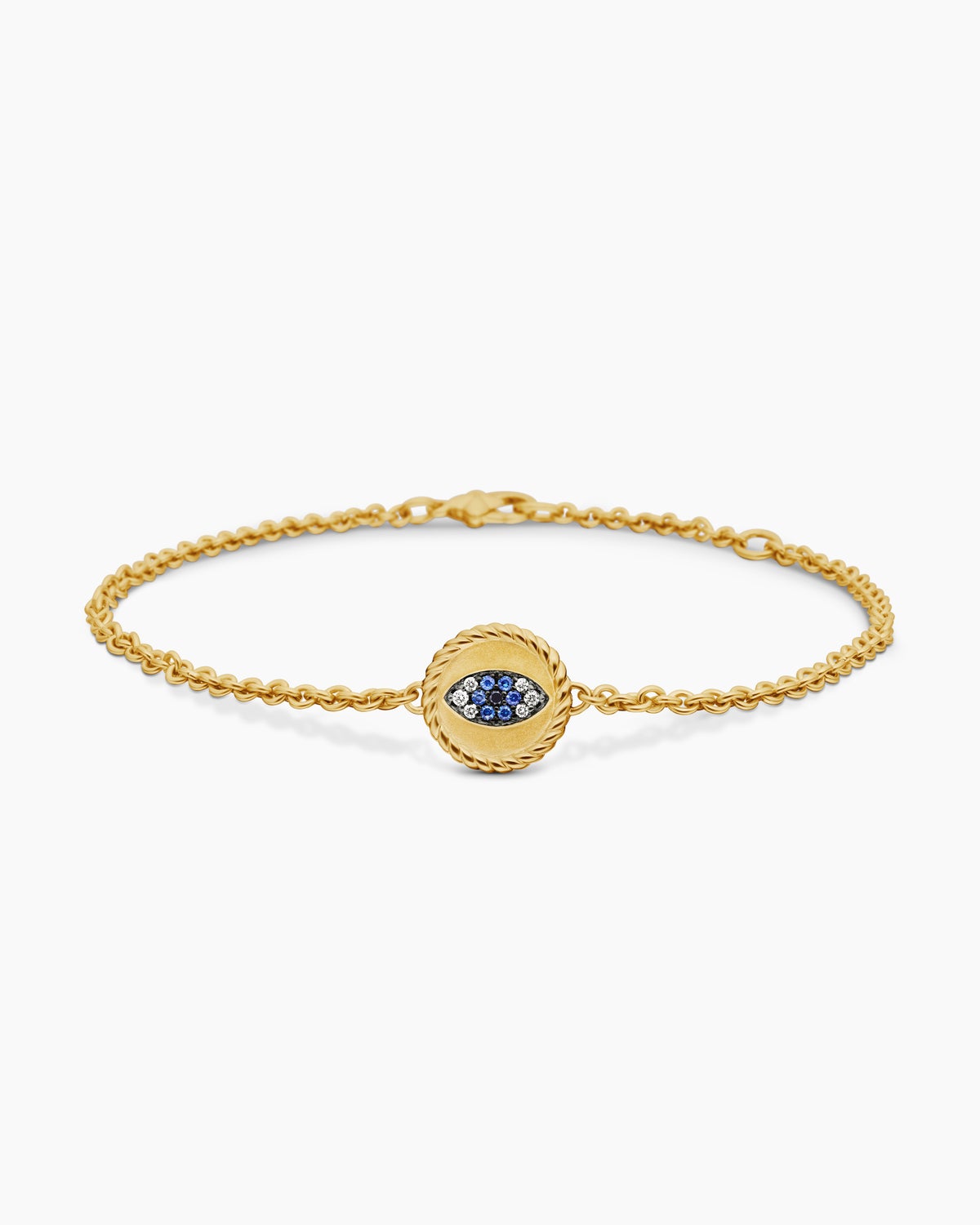
Cable Collectibles Evil Eye Bracelet 2mm
David Yurman
$1,900
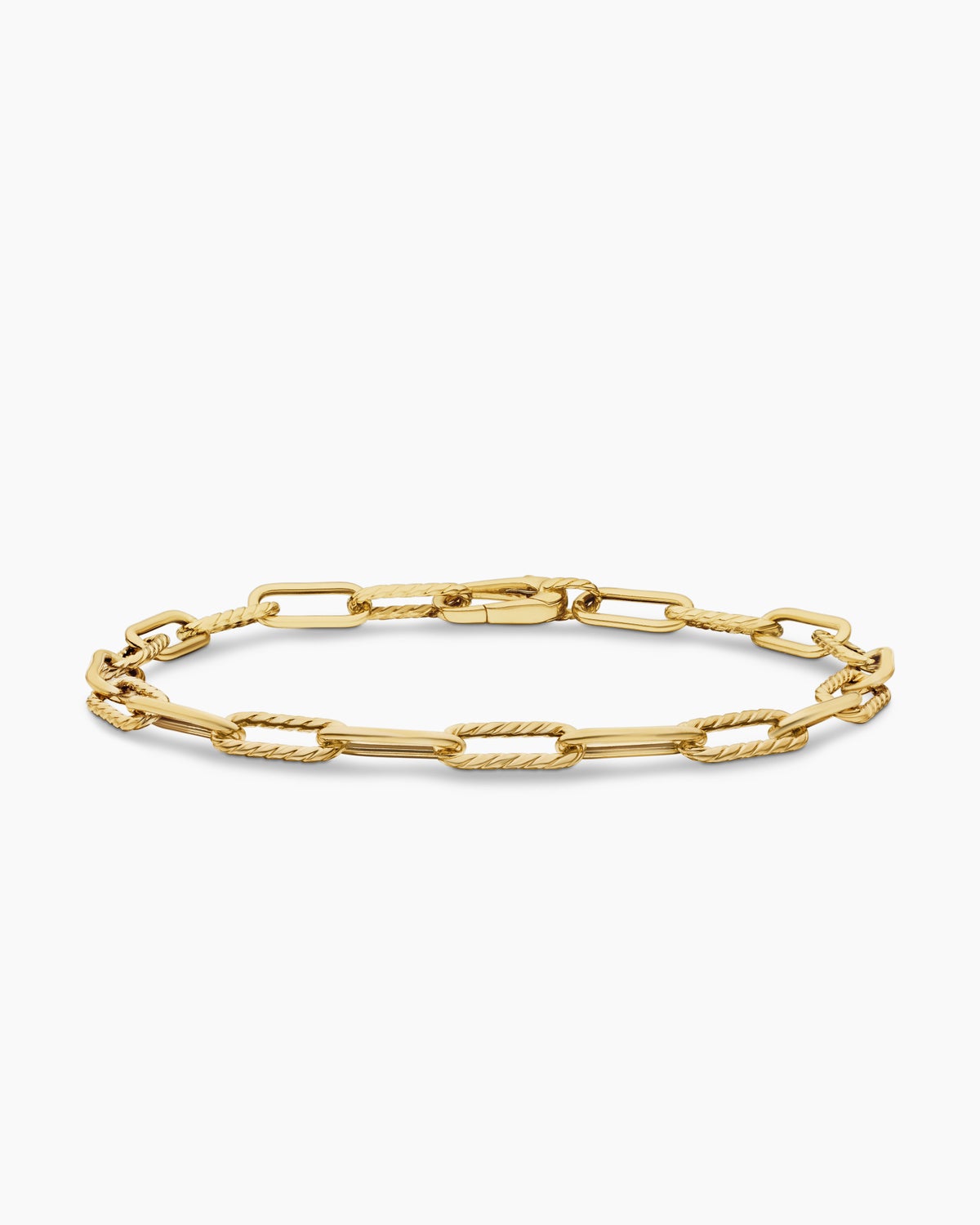
DY Madison Chain Bracelet 4mm
David Yurman
$1,900
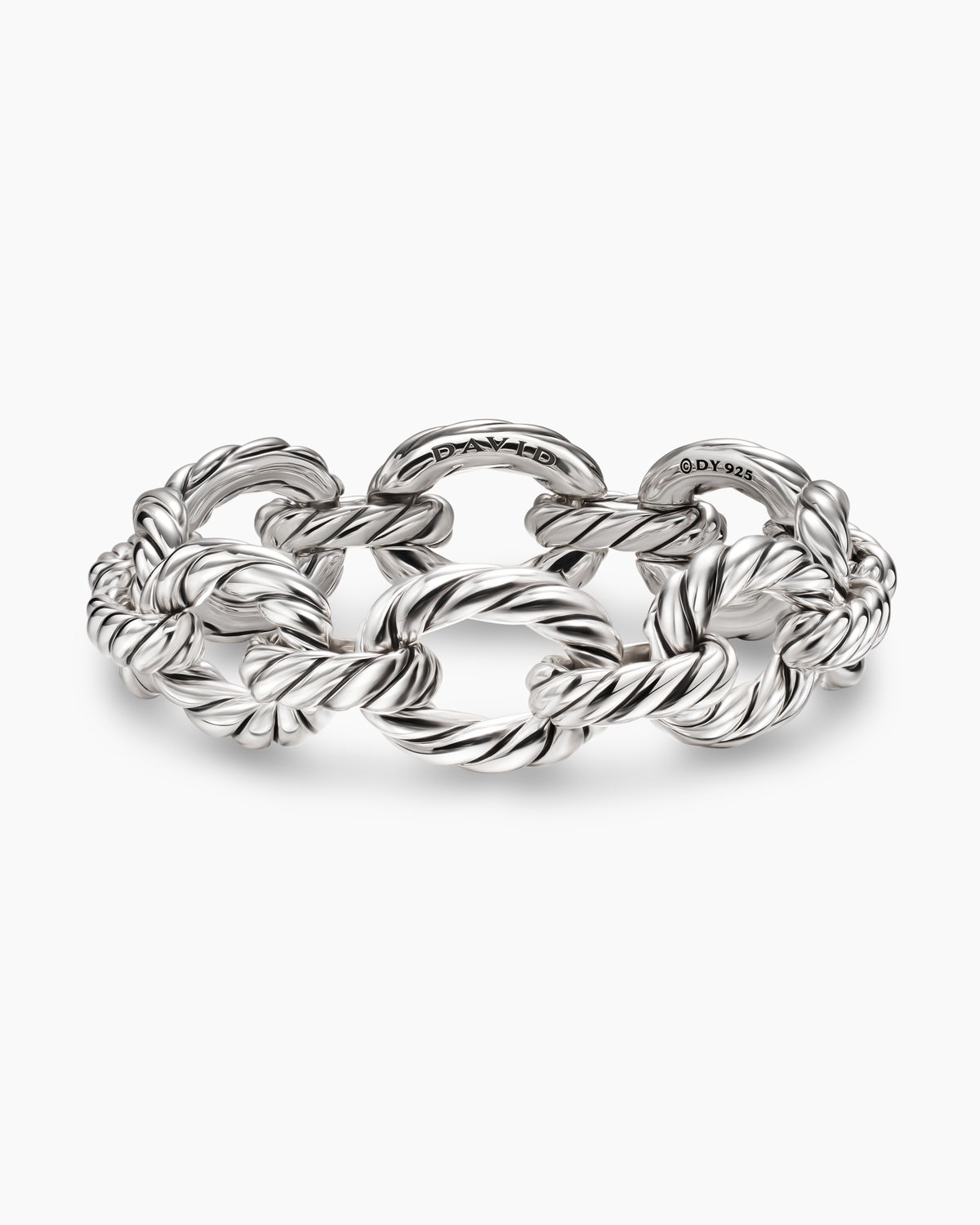
Sculpted Cable Oval Link Bracelet 18mm
David Yurman
$1,900
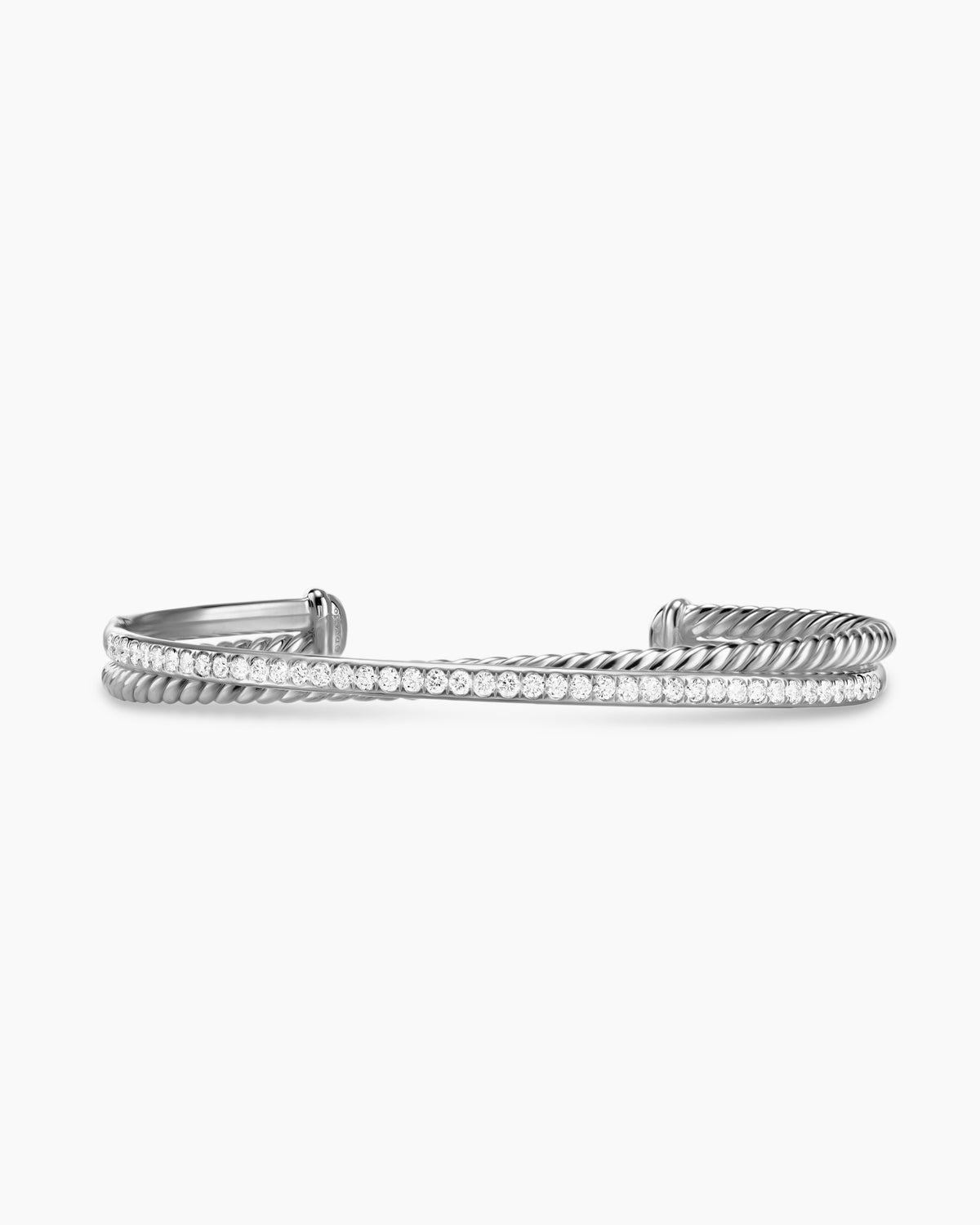
Crossover Two Row Bracelet 6mm
David Yurman
$1,950
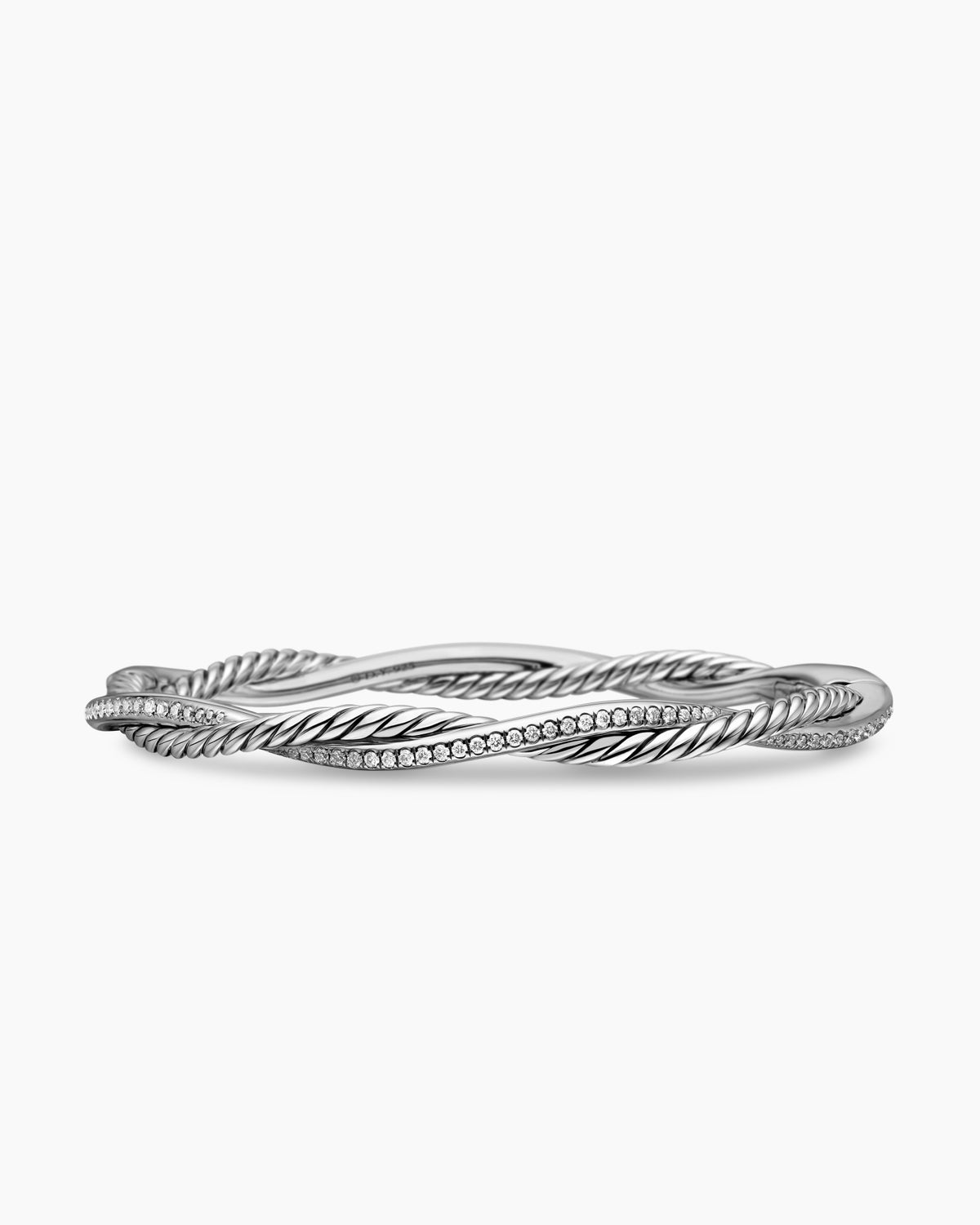
Petite Infinity Bracelet 4.4mm
David Yurman
$1,950
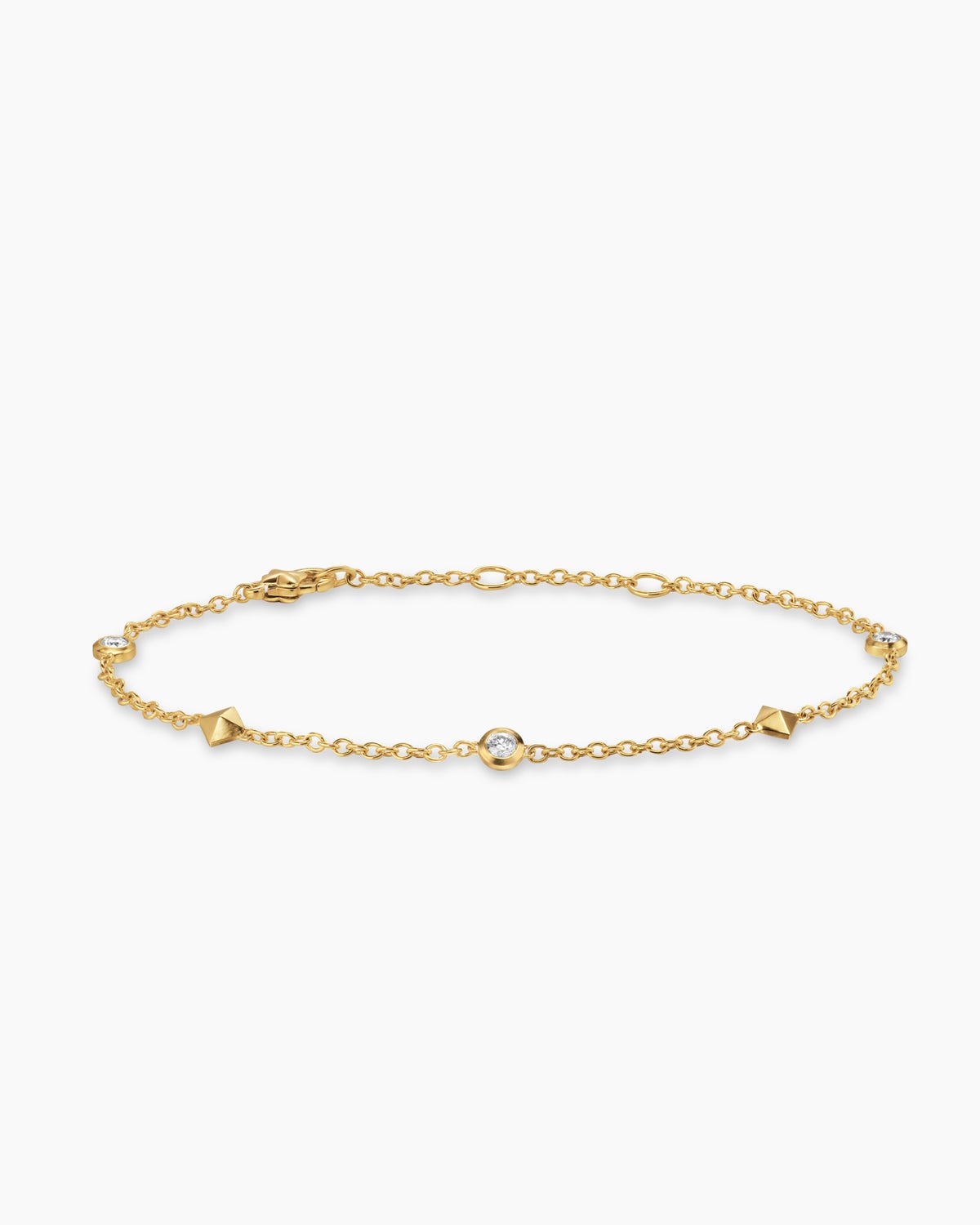
Petite Modern Renaissance Station Bracelet 4.6mm
David Yurman
$1,950
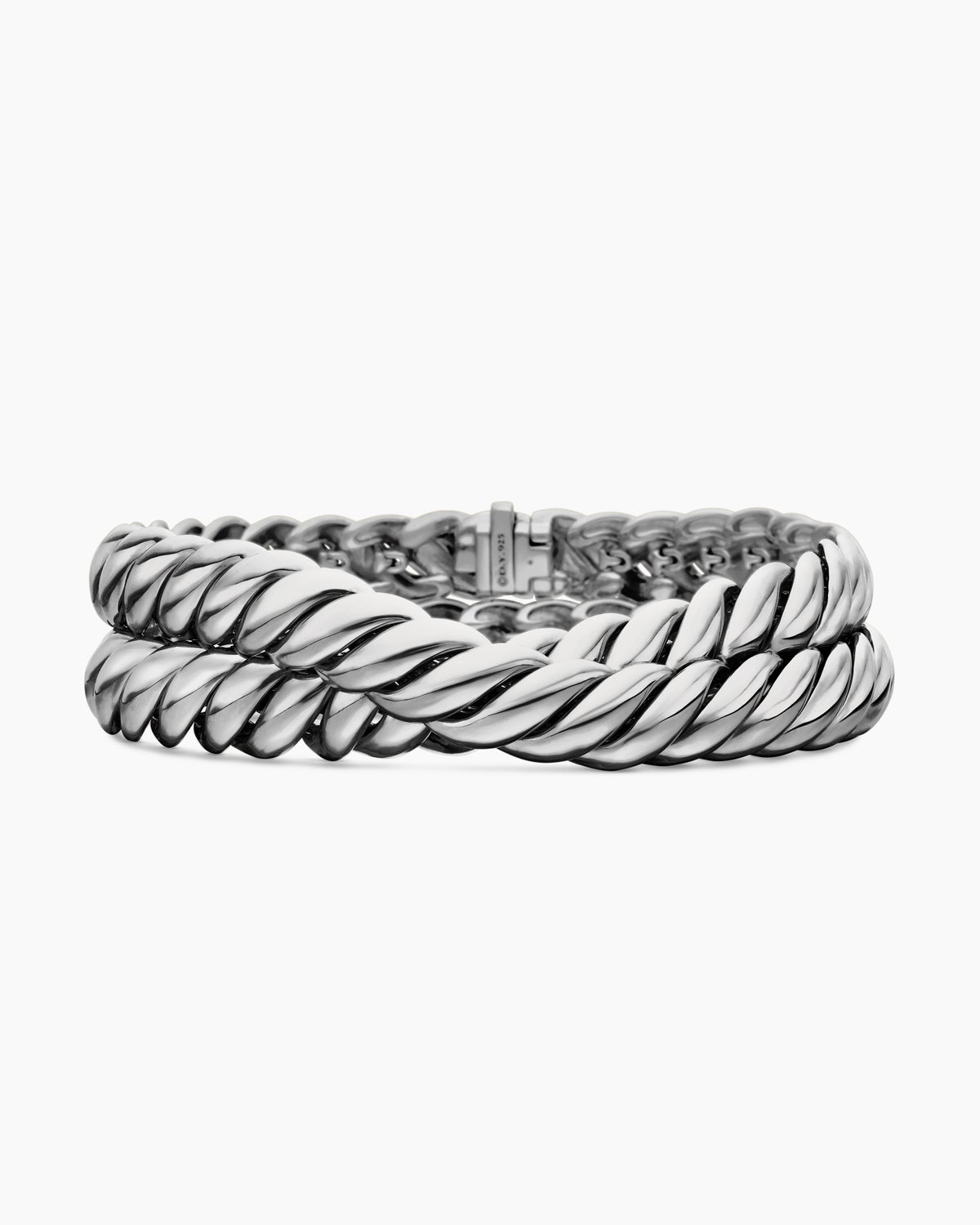
Sculpted Cable Double Wrap Bracelet 8.5mm
David Yurman
$1,850
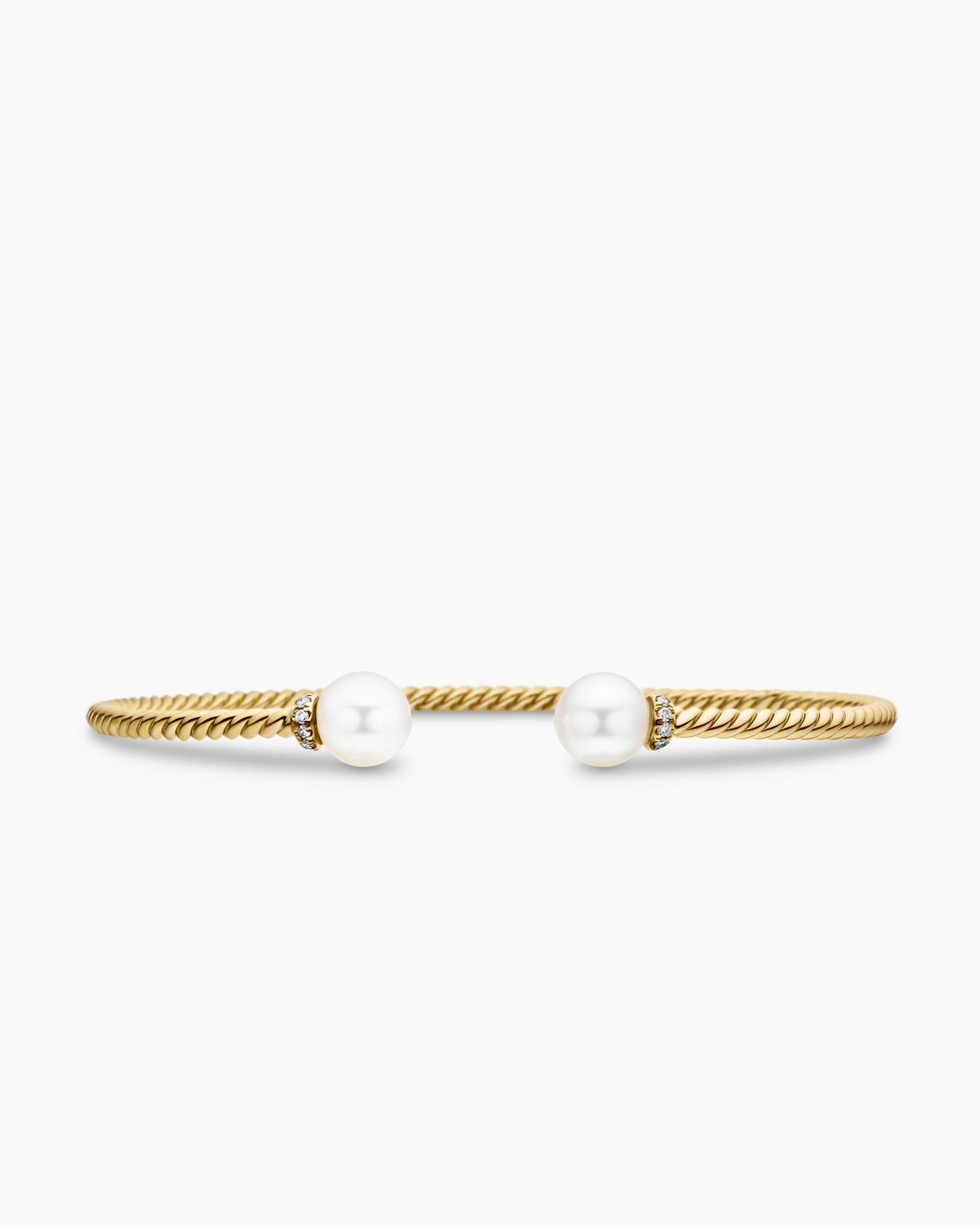
Solari Cablespira Bracelet 2.3mm
David Yurman
$1,850
Let width do the work
Bracelet stacking becomes easier when you treat width as a visual measurement, not a technical detail. Read the millimetres as a guide to spacing and proportion. A 2mm bracelet can sit close to a 4mm style without taking over. A 6mm piece needs more breathing room, especially beside a bold chain or a double-row design. The Crossover Two Row Bracelet 6mm has enough structure to anchor a restrained combination, so adding several equally assertive pieces would obscure the pattern.
Fit matters just as much. A stack should move slightly with the wrist, but it should not slide over the hand every time you reach for something. If you prefer a close, graphic arrangement, keep the widths lower and choose pieces that can sit together without twisting. If you like movement, leave a little space between the anchor and the slimmer bracelets. That gap makes each shape easier to read.
Mixing metals can work when the silhouettes share a detail, such as a cable texture, a repeated curve or a similar level of shine. Do not force a colour mix simply to make the stack look varied. One coherent metal with different widths usually feels more intentional than several finishes with no connecting idea.
Rings to echo them
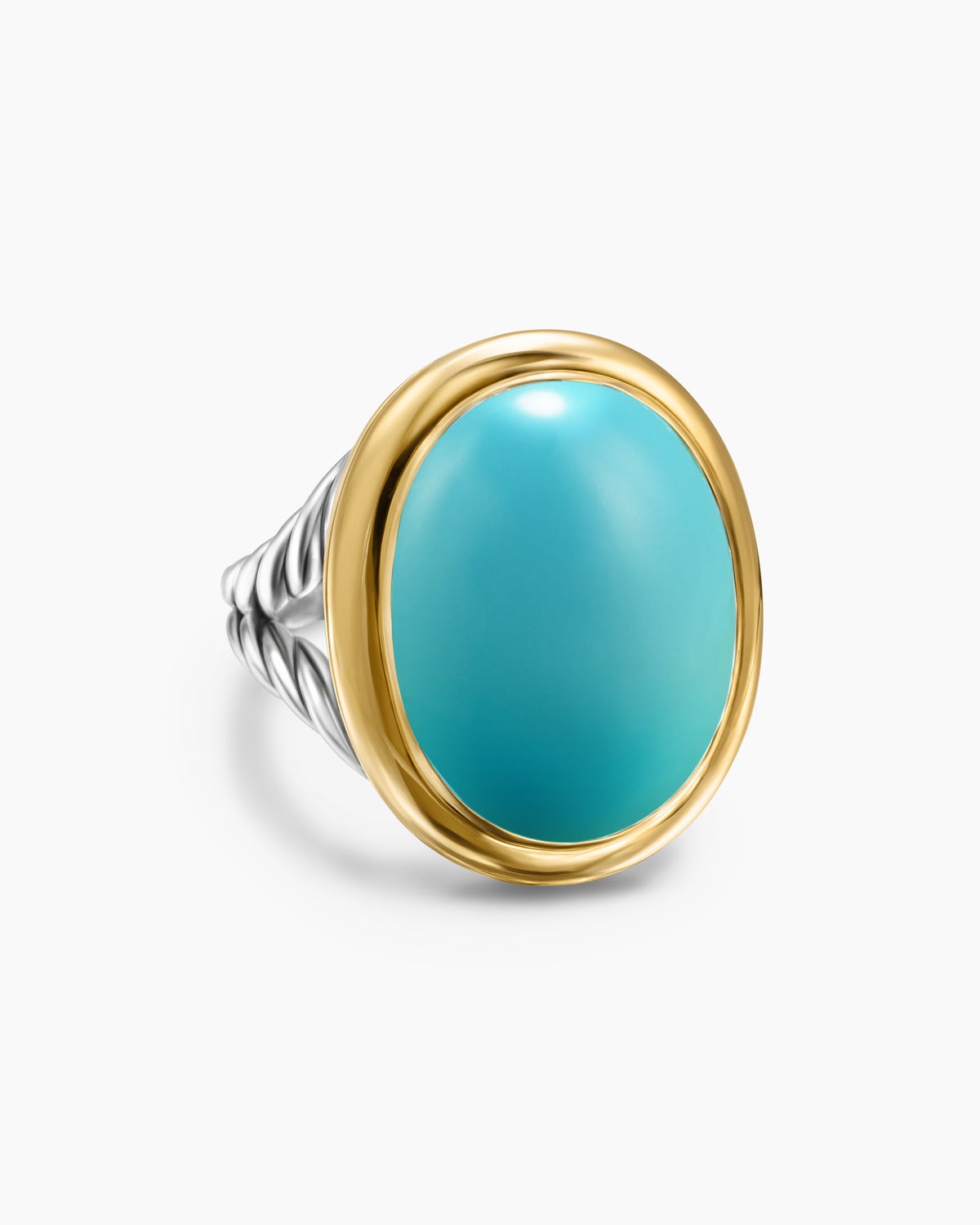
Albion Oval Ring 21mm
David Yurman
$2,250
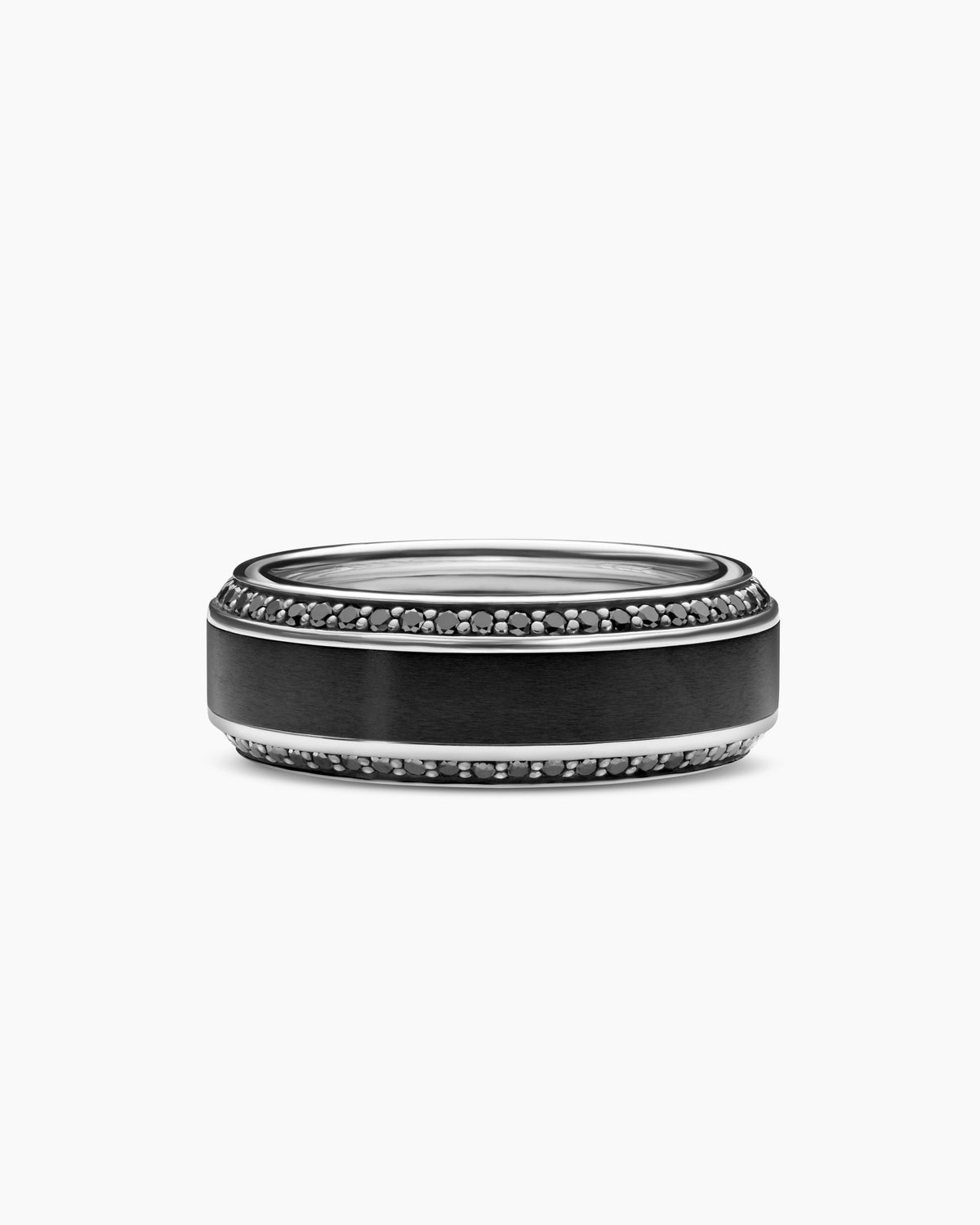
Beveled Band Ring 8mm
David Yurman
$2,200
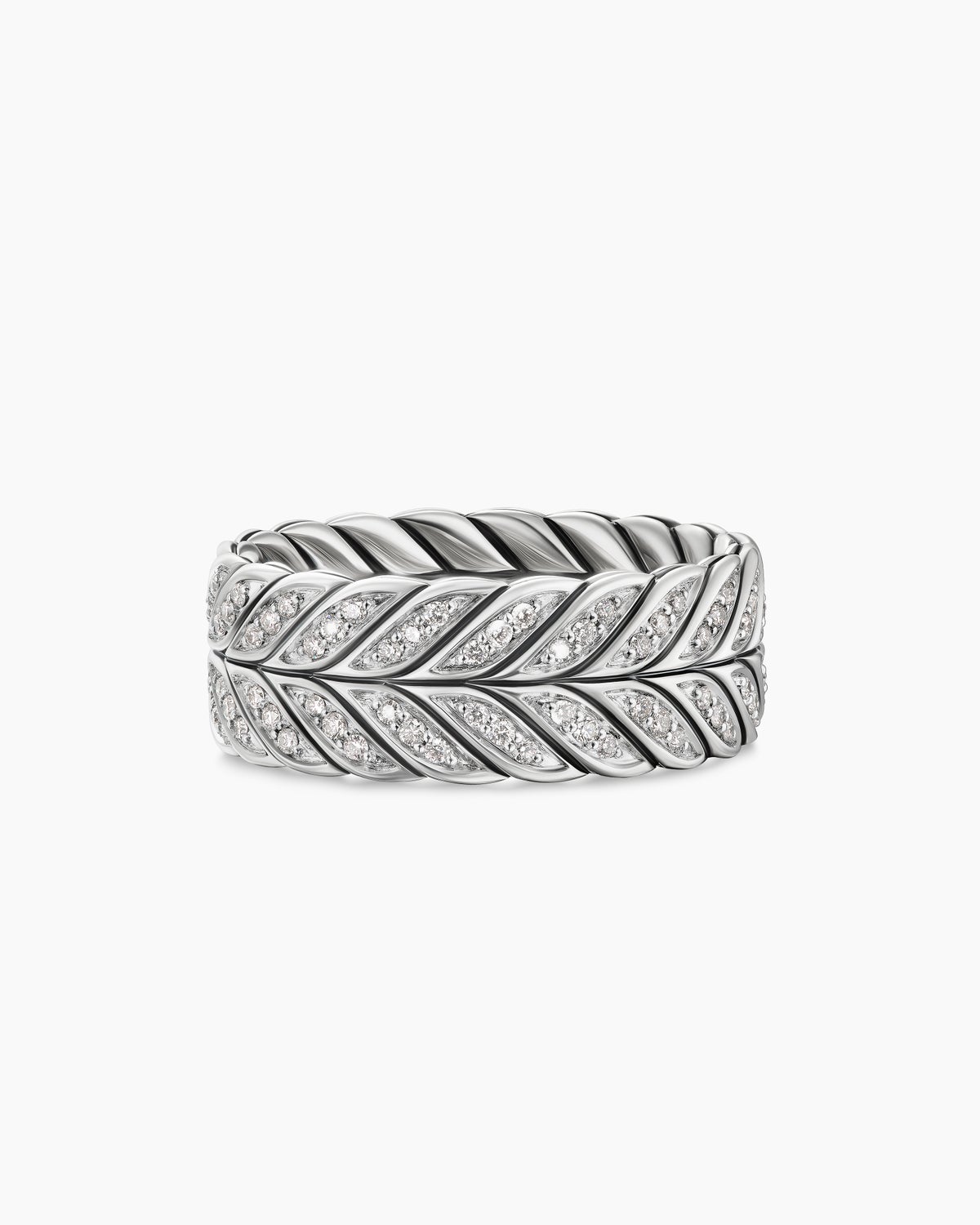
Chevron Pave Band Ring 9mm
David Yurman
$2,175
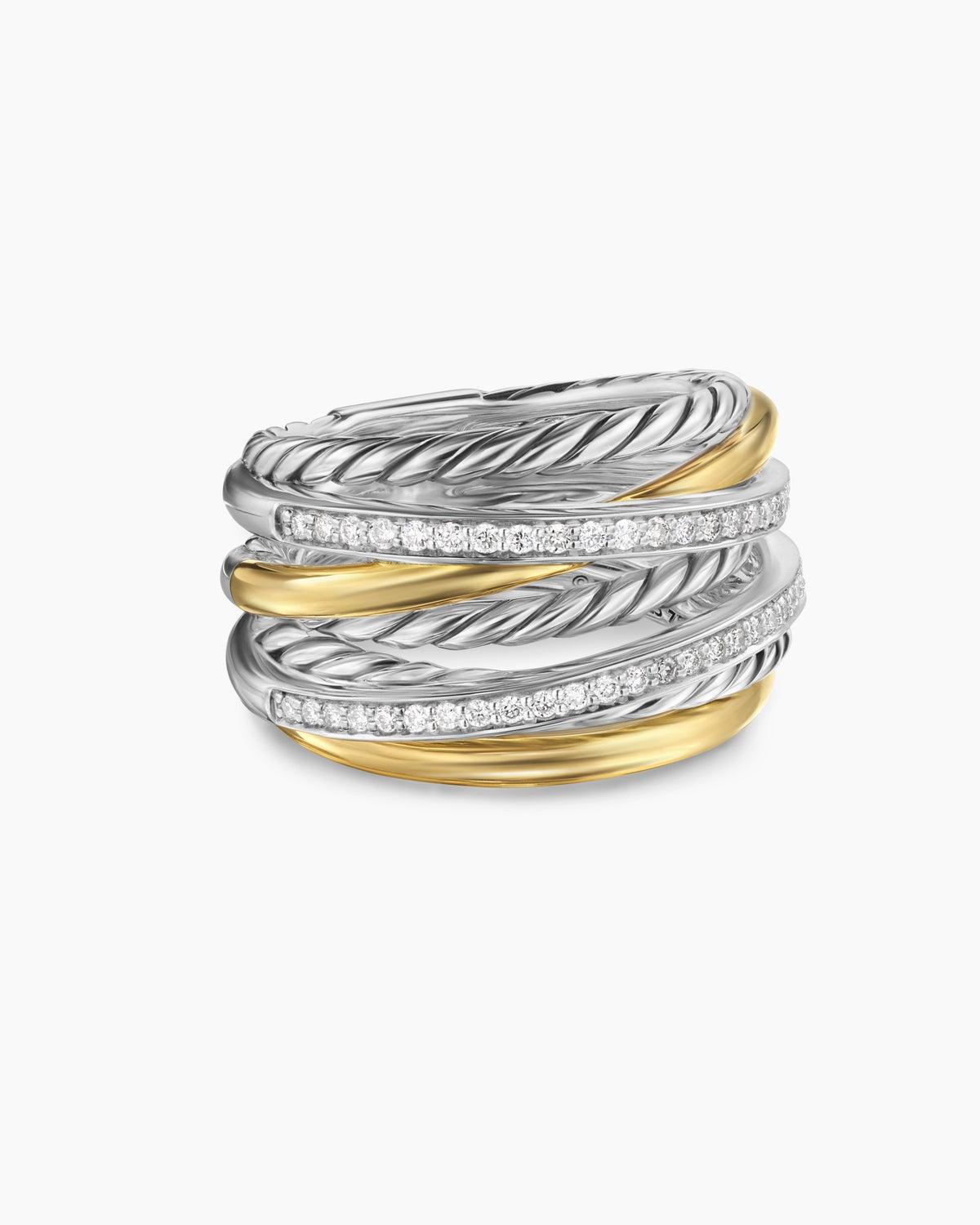
Crossover Seven Row Ring 16mm
David Yurman
$2,050
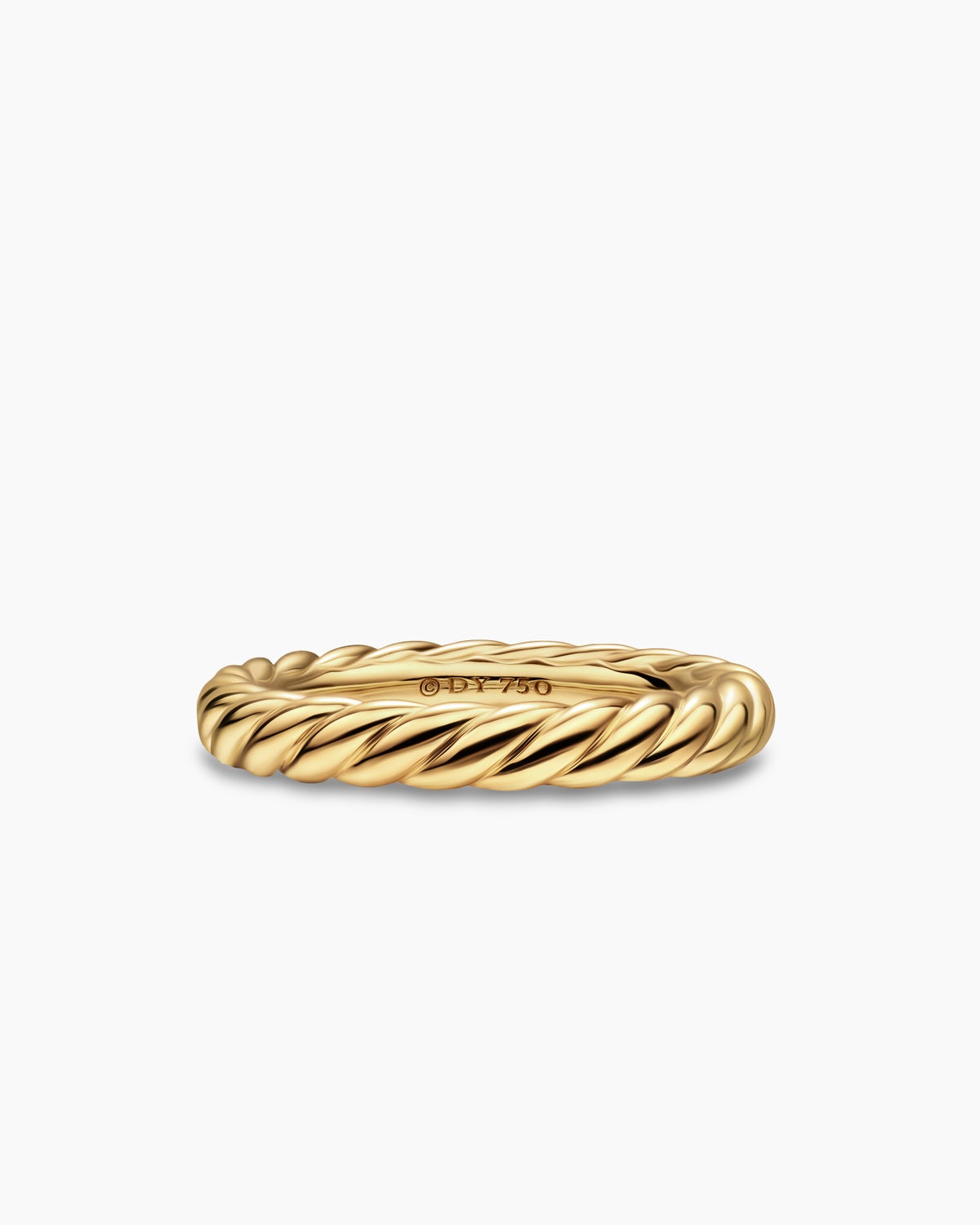
DY Cable Band Ring 3mm
David Yurman
$2,100
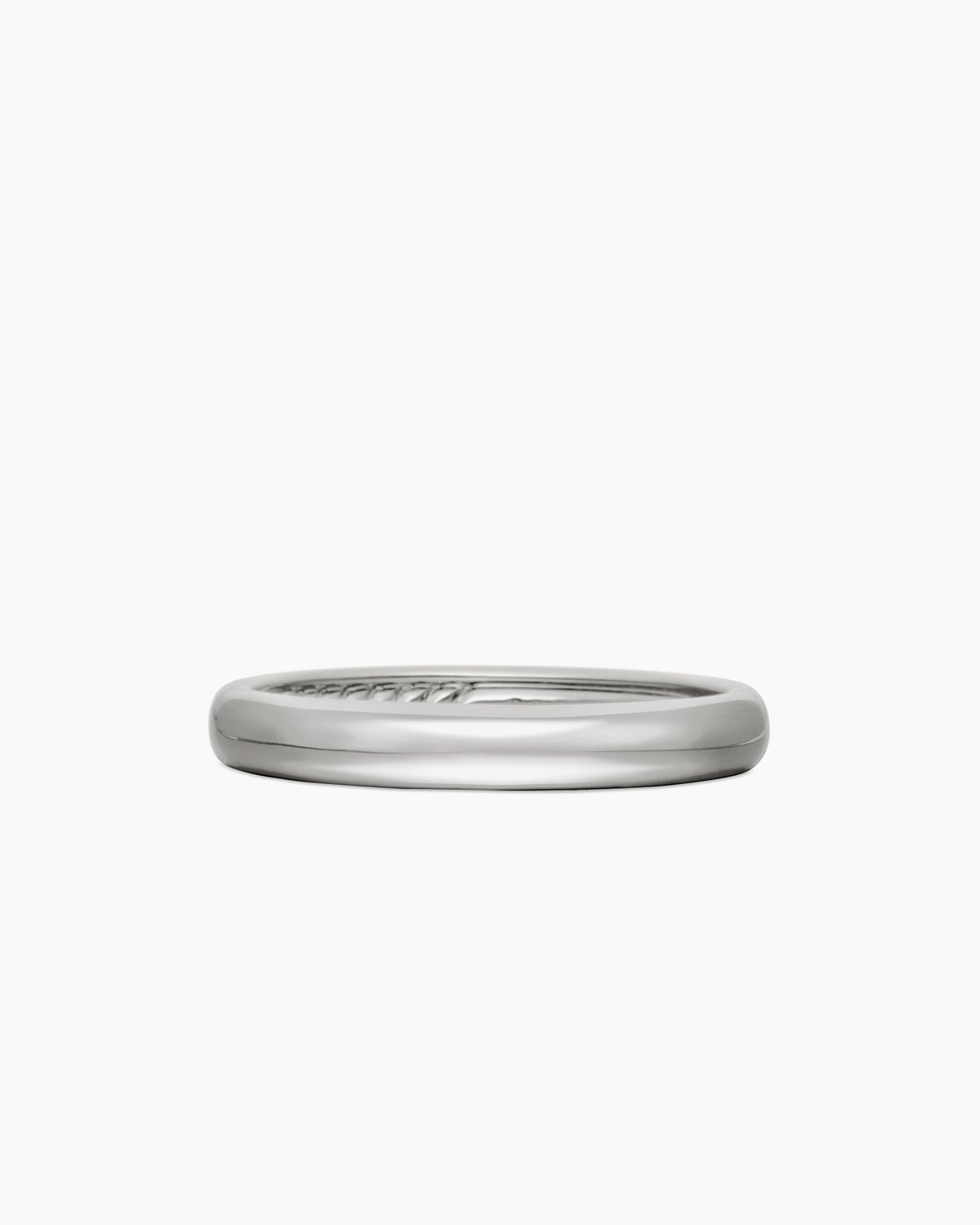
DY Classic Band Ring 3.5mm
David Yurman
$2,200
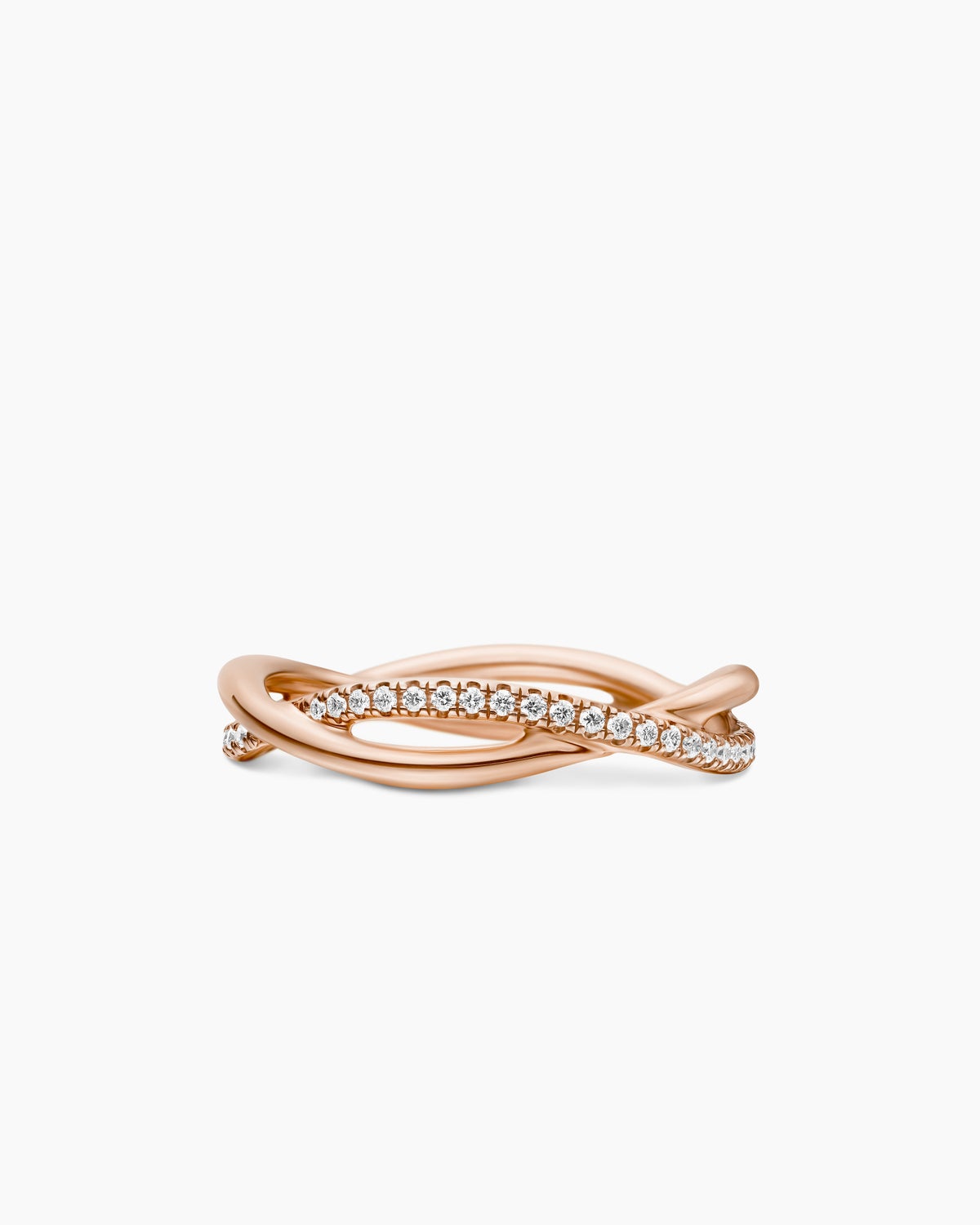
DY Infinity Band Ring 4.18mm
David Yurman
$1,995
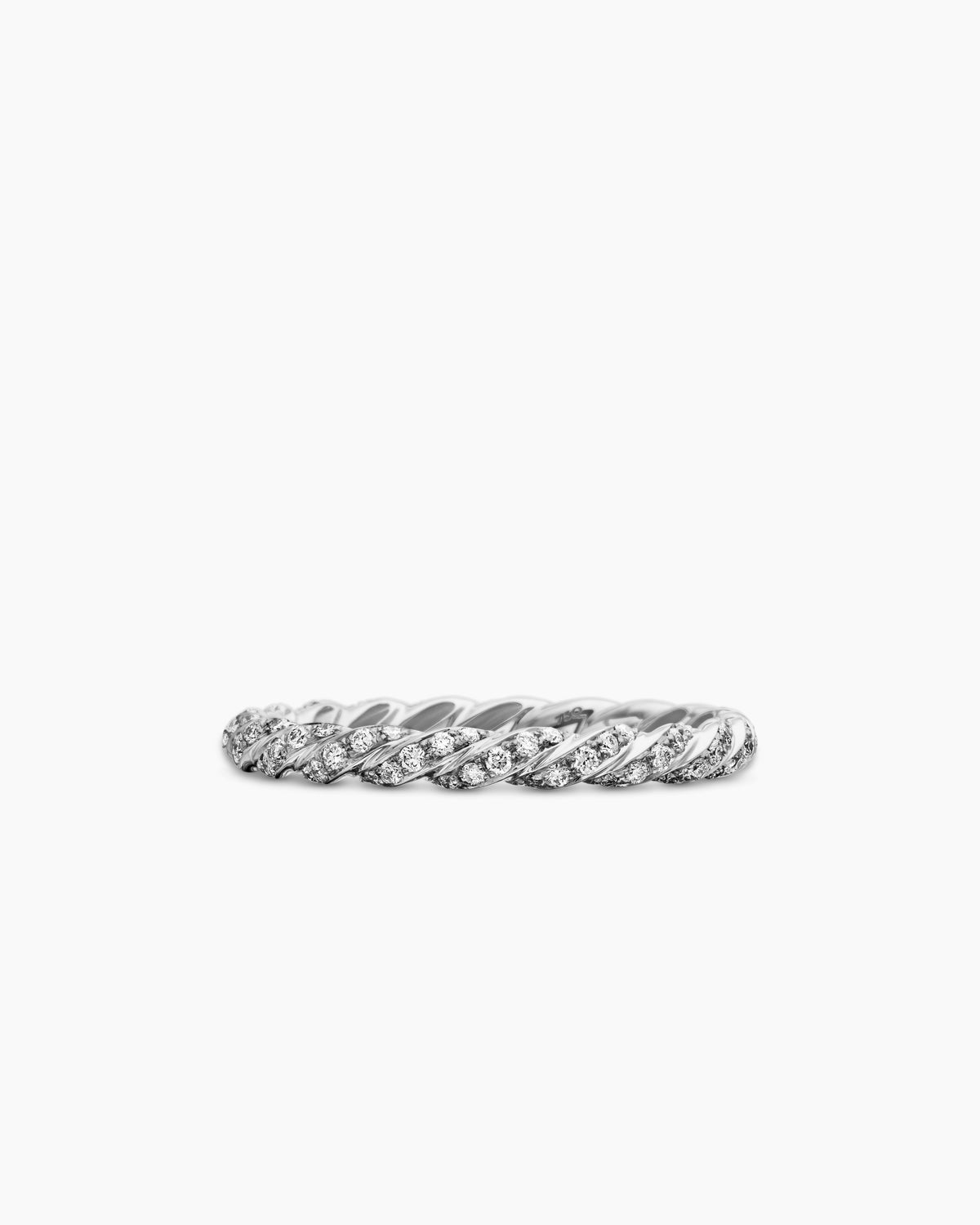
Pave Petite Band Ring 2.8mm
David Yurman
$2,200
Build the rest of the look
A bracelet stack is easiest to wear when the rest of the jewellery gives it room. Keep one other area of the body relatively quiet, then repeat a small detail so the wrist does not look stranded. A slim ring can connect the stack to the hand, while a pendant can draw the eye upward without adding another busy cluster. The Crossover Seven Row Ring 16mm has a strong profile, so it works best with a simpler wrist rather than beside the widest bracelet in the drawer.
For an everyday outfit, pair a narrow bracelet with a watch or a plain sleeve, leaving enough cuff visible to show the shapes. With a bare arm, a broader bracelet can carry more of the styling, especially with a clean shirt or a fine knit. For evening, use one substantial piece and one slender companion rather than building a full row of competing textures.
Think about movement, too. Long sleeves can catch on a crowded stack, and a desk can make a rigid combination feel awkward. If you type, travel or carry a bag all day, test the arrangement while doing those things before committing to it. The best stack is not the largest one. It is the one you stop noticing because it sits comfortably and still looks deliberate.
Necklaces and pendants above
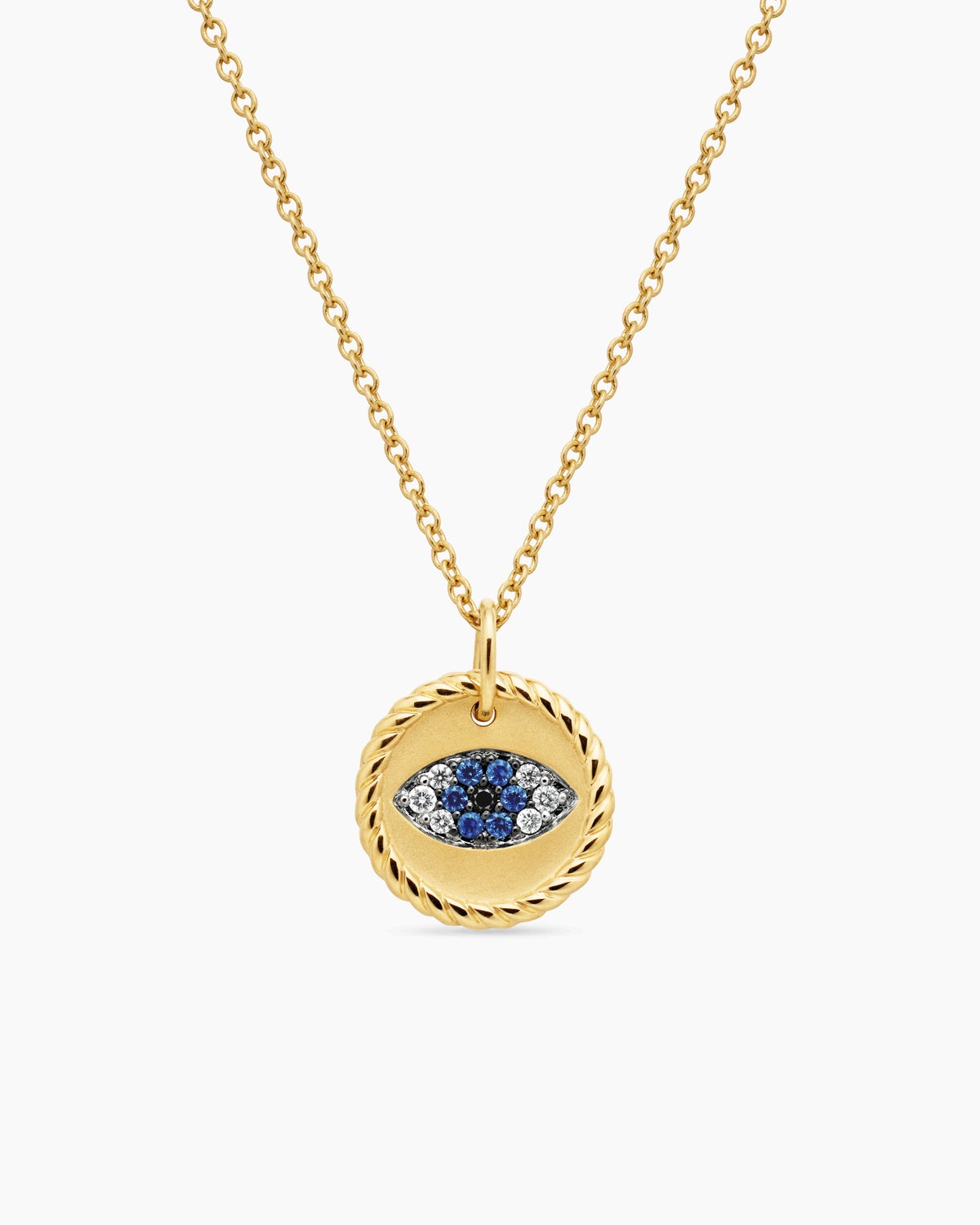
Cable Collectibles Evil Eye Necklace 11mm
David Yurman
$1,850
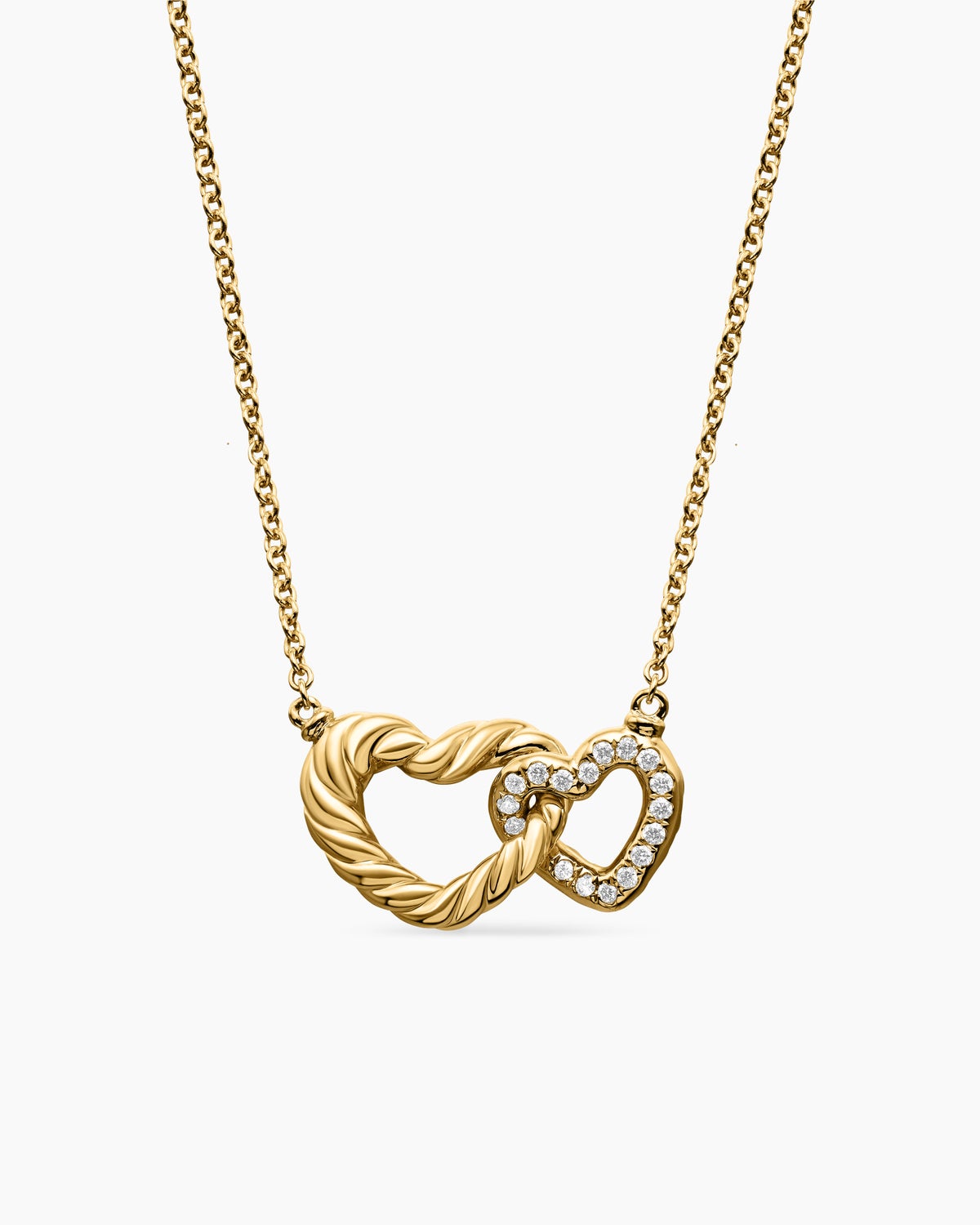
Cable Collectibles Interlocking Heart Necklace 20.6mm
David Yurman
$1,950
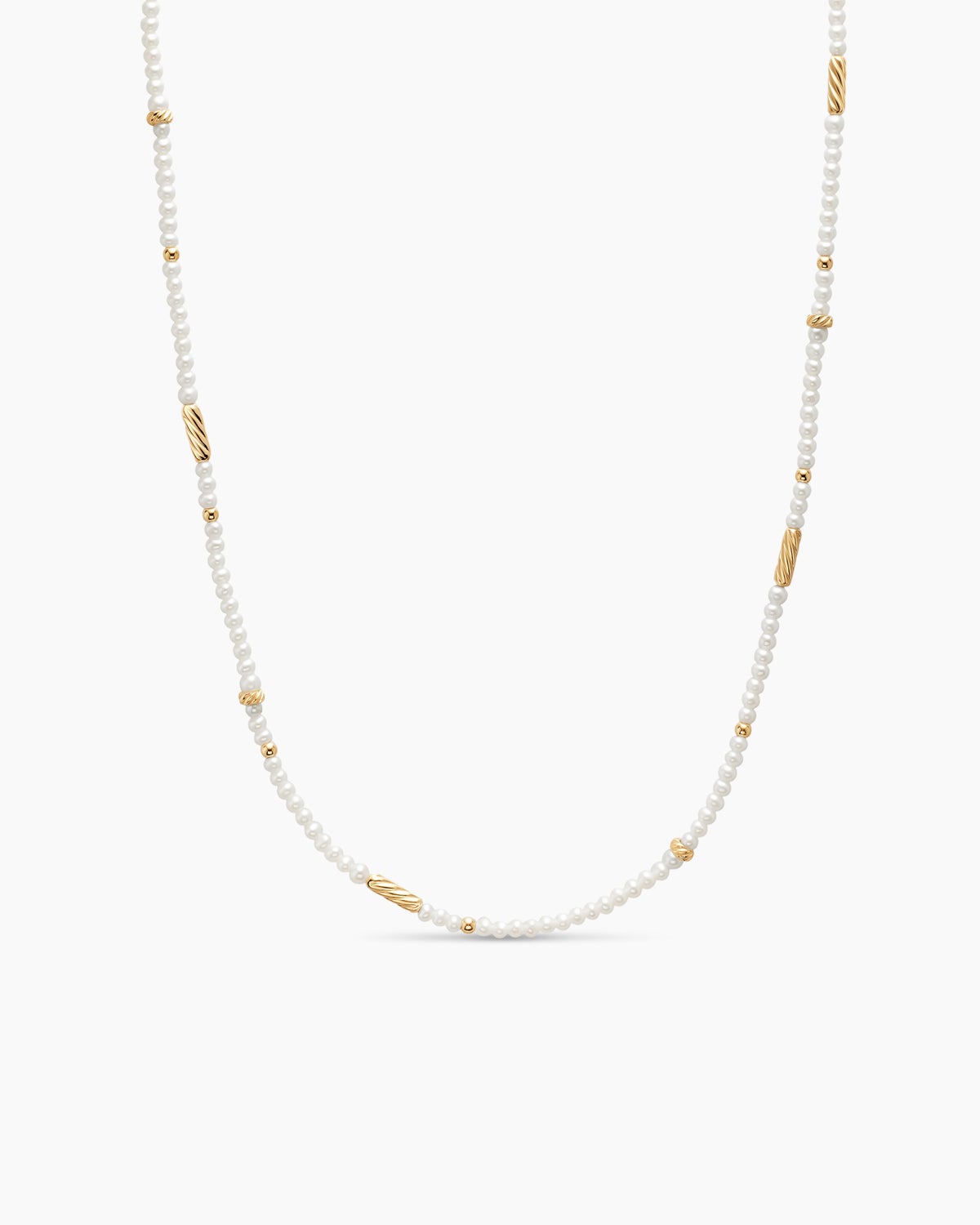
Color Bead Necklace 4mm
David Yurman
$2,100
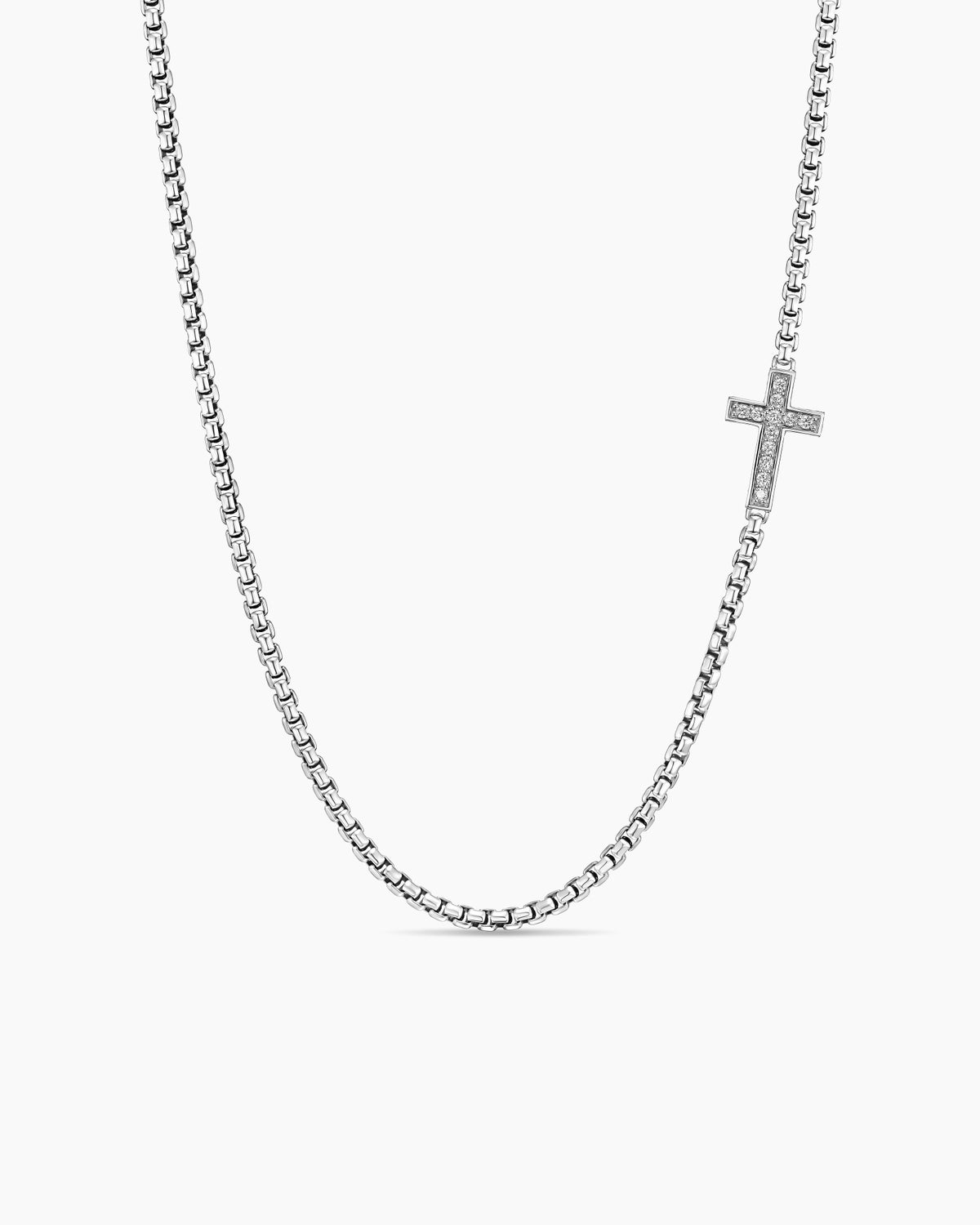
Cross Station Necklace 3.4mm
David Yurman
$1,750
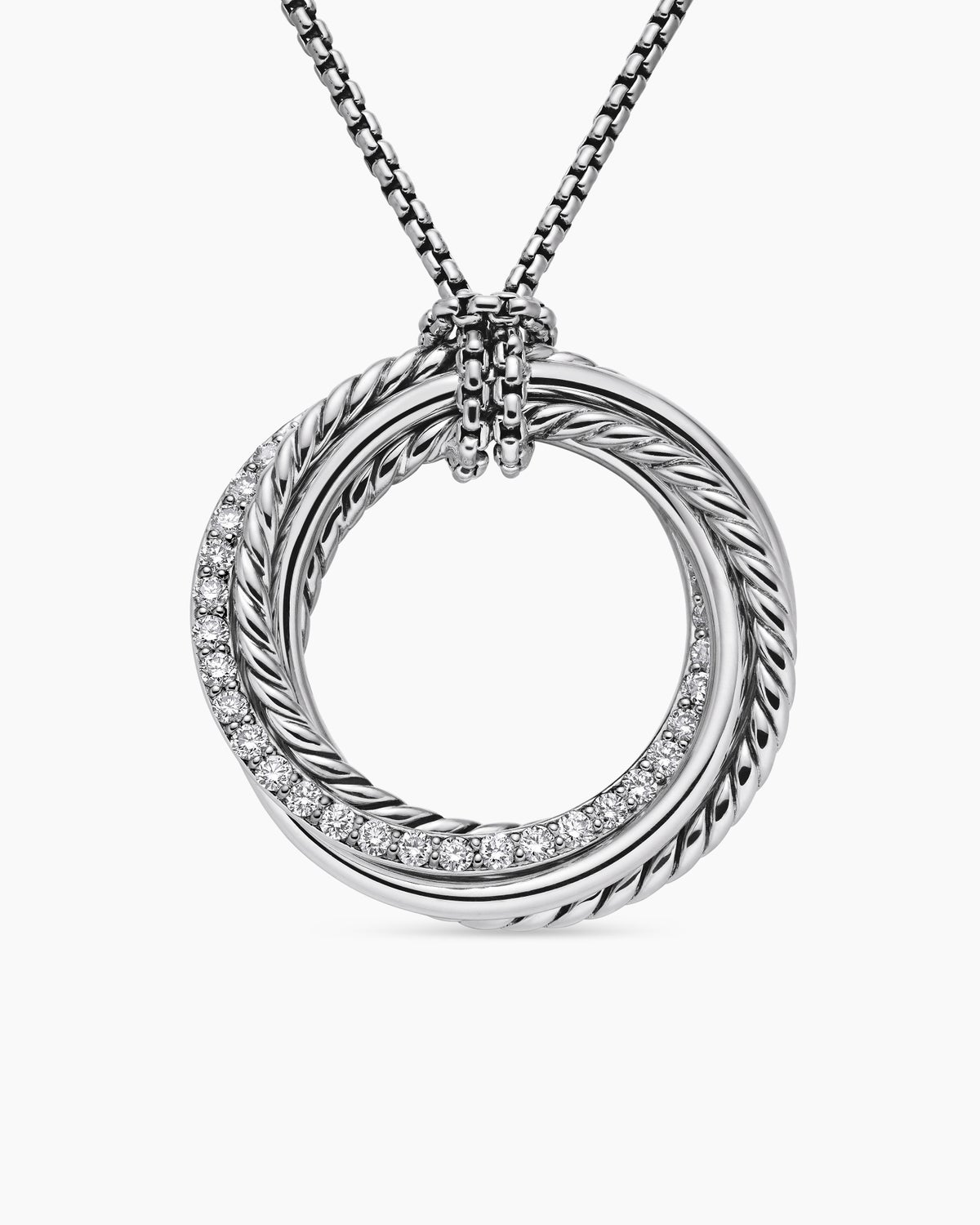
Crossover Pendant Necklace 26mm
David Yurman
$1,975
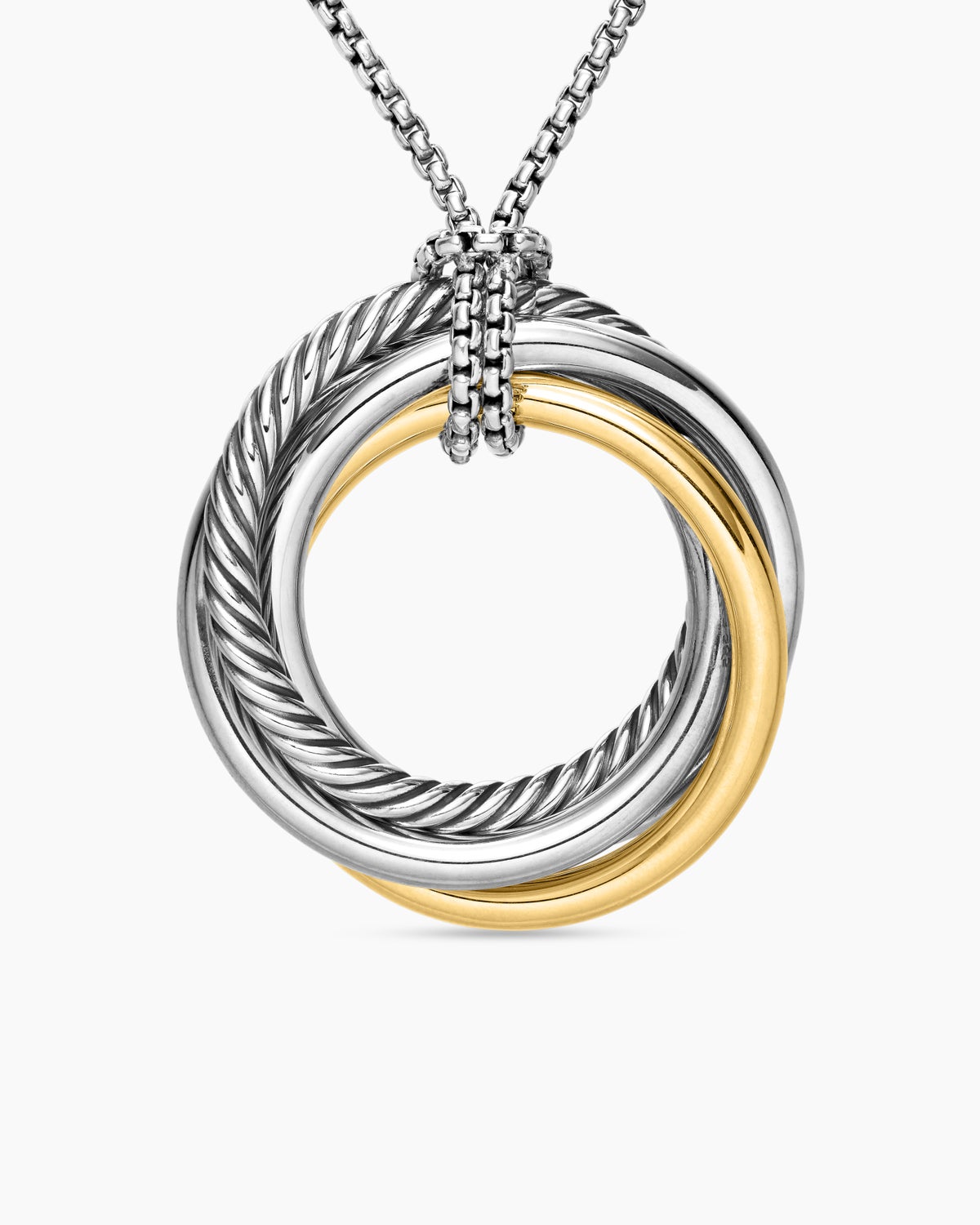
Crossover Pendant Necklace 37mm
David Yurman
$1,950
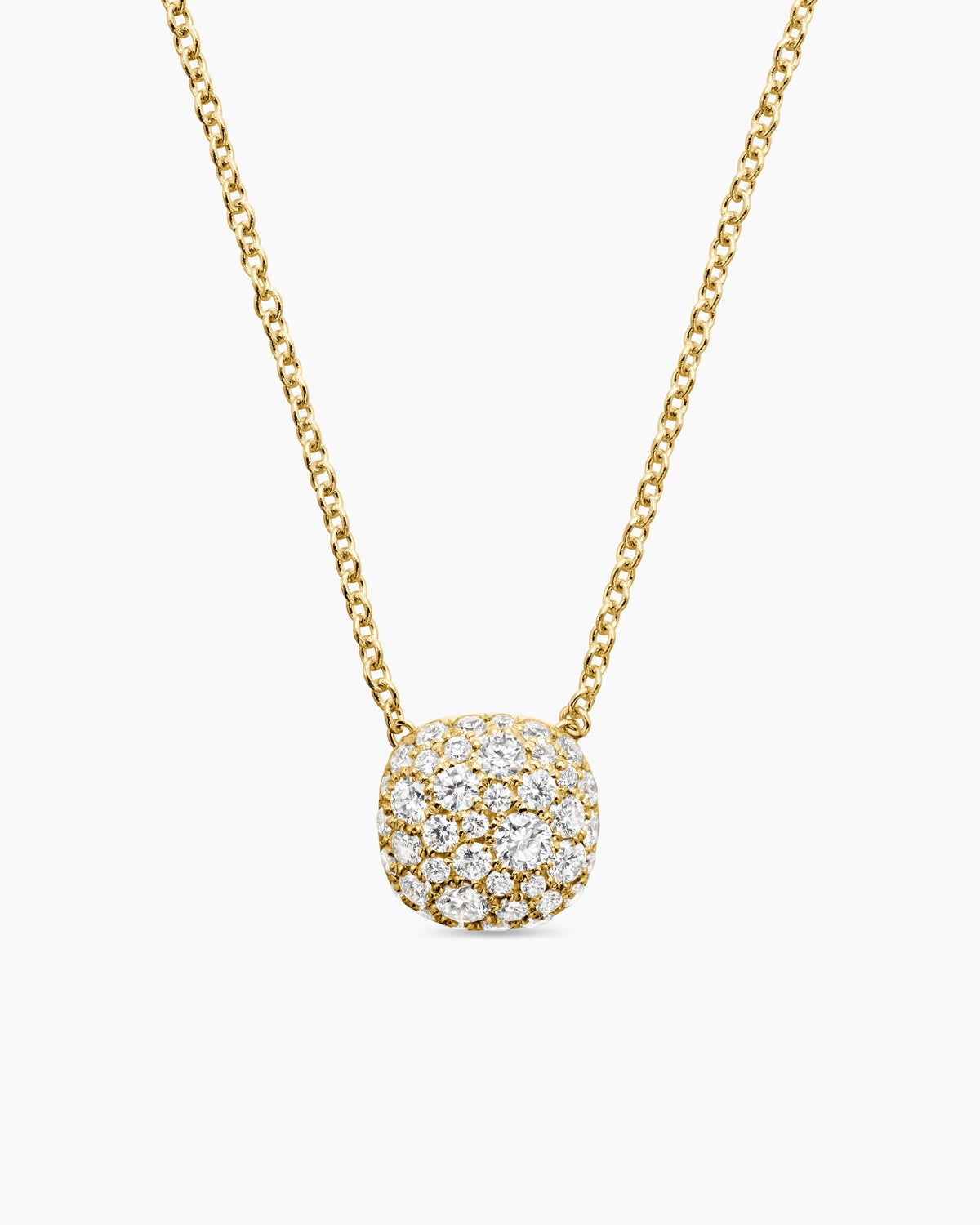
Cushion Pendant Necklace 8mm
David Yurman
$2,100
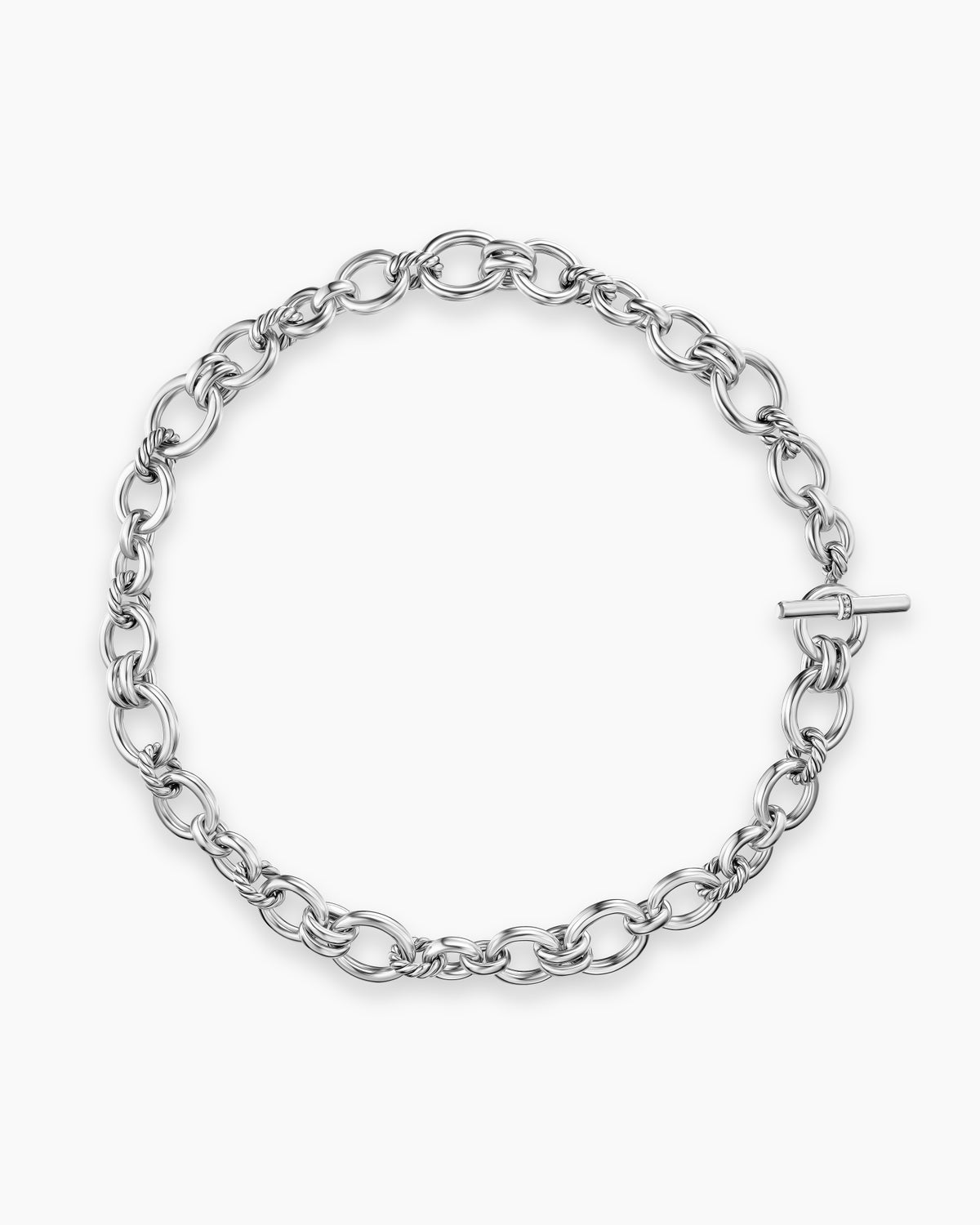
DY Mercer Chain Necklace 8mm
David Yurman
$2,000
A note from the Phia editors
More is not automatically more interesting. The weak stack is usually the one assembled from every favourite at once, with no anchor and no visible spacing. We would skip a wide bracelet if the plan is to add several other wide pieces, and we would not buy a narrow style solely to fill an empty gap. Start with one bracelet you would wear alone, then add only what improves its shape. If you take one thing away: choose the strongest width first, keep the supporting pieces slimmer, and remove one before leaving the house.



