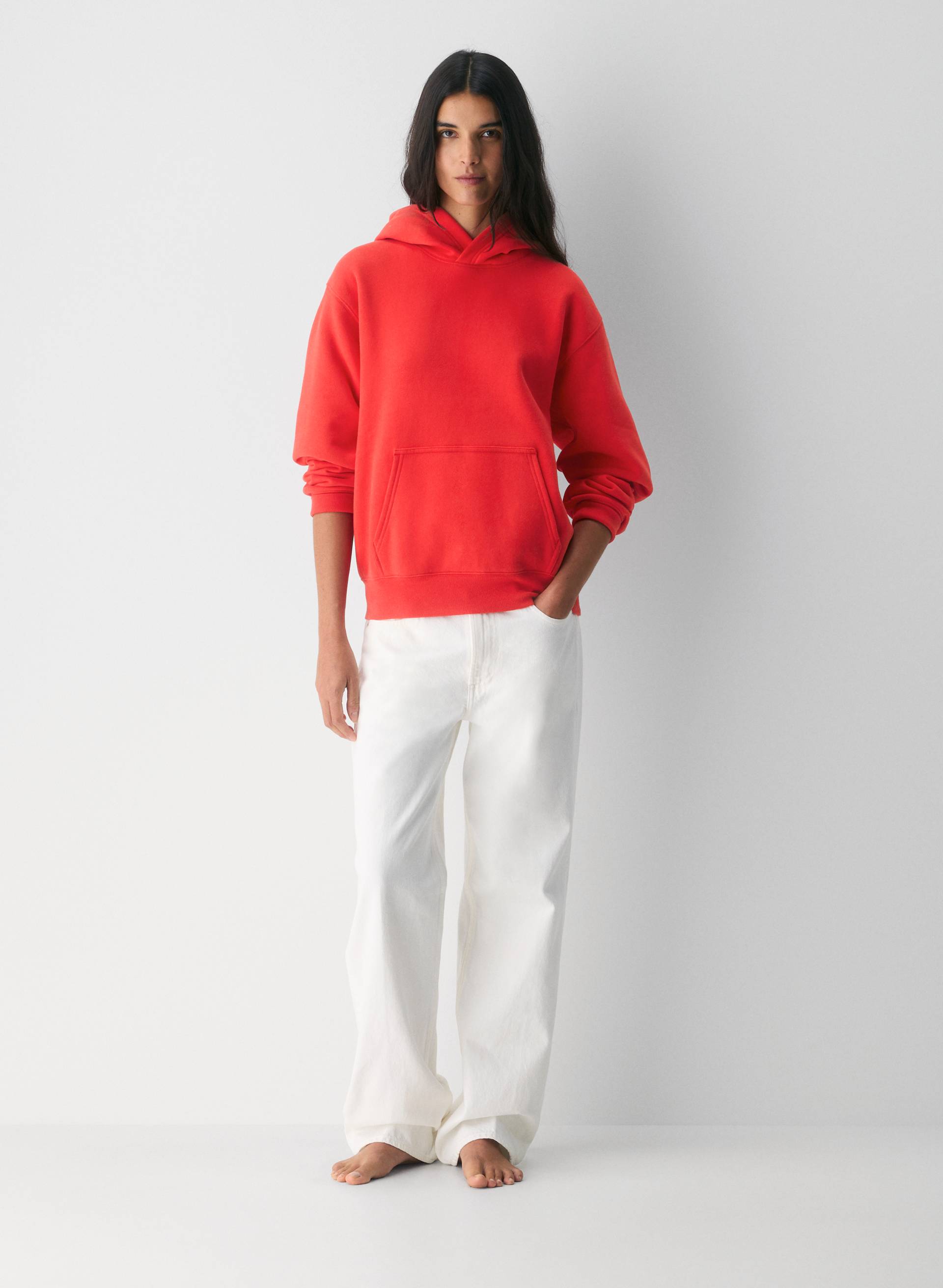
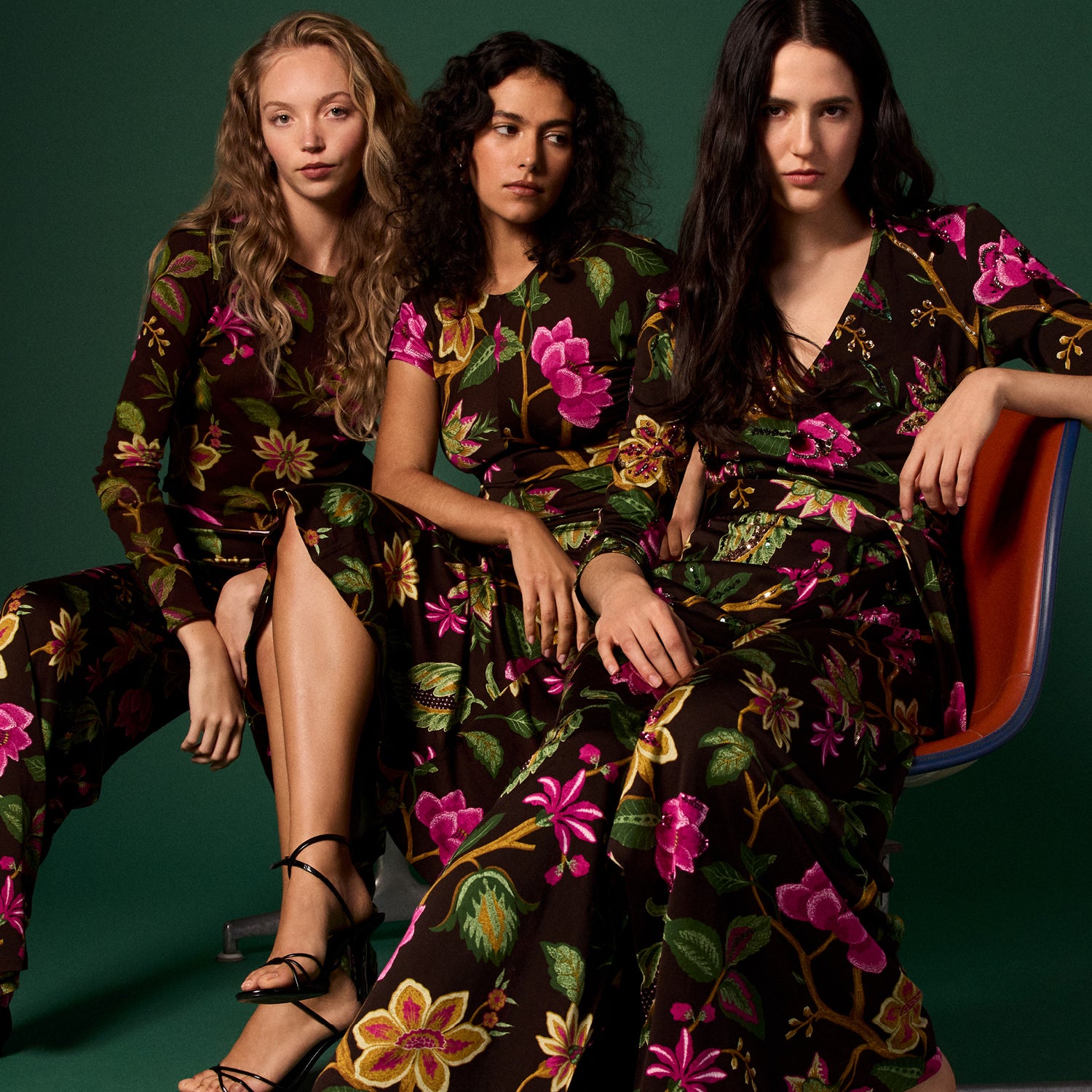
Business casual has drifted so far that the phrase no longer describes a single outfit. What it means in practice now, and the small number of pieces that satisfy every version of it.
Business Casual, Decoded: What the Dress Code Actually Means Now

The phrase means four different things
Business casual now covers everything from a suit without a tie to clean denim and a knit. Rather than guess, read the room in three places: what the most senior person in the building wears, what people wear to client meetings, and what people wear on the days nobody external is coming in. Your baseline should sit just above the middle of those three. In practice the reliable formula is a tailored bottom, a jacket that is not a suit jacket, and a top that would look finished without the jacket. That last part is what most people get wrong. If the outfit collapses the moment you take the blazer off at your desk, it is not really an outfit, it is a costume with a load-bearing layer. Trousers in a matte, structured fabric read as more formal than the same shape in jersey.
Trousers that read as tailored
Smith Straight Trouser - Italian Wool Twill :: Parisian Green
MM.LaFleur
$115

Vegan Stretch Leather Marilyn Straight Pants In Petite - Black
NYDJ
$91.98

Crepe Cotton Linen Capri Pants — Black
La Garconne
$470

Bronny Cummerbund Trouser - Porto Weave :: Black/White
MM.LaFleur
$150

Zelda Pull-On Pants - Oxford Navy
NYDJ
$99

Carter Silk Blend Pants in Zebra Isle Edge
J.McLaughlin
$119.9

Gala Wool Pant
La Garconne
$1,250
What makes a cheap piece look expensive
Three things: fabric weight, hem, and the shoulder. A trouser in a fabric with some body holds its crease and hangs straight; the same cut in thin jersey clings and bags at the knee by lunchtime. Hem length is the cheapest fix available and the one people skip. Trousers should break just above the shoe you actually wear to work, which means getting them shortened for flats if you wear flats. On a jacket, the shoulder seam should sit at the edge of your shoulder, and no tailor can move it cheaply, so it is the one measurement to buy for. Everything else, sleeves and waist and length, is adjustable. Check the lining on a jacket, since an unlined jacket is cooler and drapes softer while a lined one holds a sharper line. And check that you can cross your arms without the back pulling.
One jacket that finishes an outfit

Teddy Easy Jacket - Cotton Viscose :: Harbor Blue
MM.LaFleur
$303

Elbow Sleeve Blazer - Toasted Coconut
NYDJ
$120.98

Skye Linen Jacket
J.McLaughlin
$228

Poplin Double Shirt Jacket
La Garconne
$1,050

Yiyan Classic Blazer - Heritage Tweed :: Gray Multi
MM.LaFleur
$494

Celeste Jacket - Camryn Check
NYDJ
$149

Halo Lightweight Linen Jacket
J.McLaughlin
$129.9

Orsin Technical Jacket
La Garconne
$2,400
Building the smallest possible work wardrobe
Two trousers, one skirt or dress, one jacket, four tops, in a palette of two neutrals plus one colour. That is enough for a fortnight without repeating an outfit, and every piece works with every other. Buy the trousers first and buy two in the same fit if they work, because fit is the hard part and repeating it is not a failure. Keep one jacket that is slightly more formal than everything else for the days that go sideways. A fine knit does more work than a blouse, since it needs no ironing and reads as considered. Steam rather than dry-clean where you can, because dry-cleaning wears fabric faster than wearing it does. And keep a spare pair of flats under the desk.
Blouses and fine knits under it


Our honest take
Buy for the ninety percent of days, not the meeting you have twice a year. Most people build a work wardrobe around an imagined presentation and then wear a knit and trousers every actual Tuesday. Do not spend on a matching suit unless your job genuinely needs one. Do spend on the trousers, get them hemmed, and repeat them shamelessly, because nobody notices repeated trousers and everybody notices a bad hem. If you take one thing away: make the outfit work without the jacket, then treat the jacket as the thing you add when the day gets more serious.
Shop brands in this edit


Next read

Pilates, Running or Lifting: What to Wear for Each
Pilates, running and lifting ask for different clothes. Compression, coverage and fabric weight by activity, and the small kit that covers all three.
Read Editorial
Cashmere, Merino or Cotton: Which Knit for Which Weather
Cashmere, merino and cotton knits are not interchangeable. What each fibre does at what temperature, how to judge quality on a rail, and how to keep any of them alive.