Jewellery meant to be inherited is a different purchase from jewellery meant to be loved. What actually survives three generations, and what quietly does not.
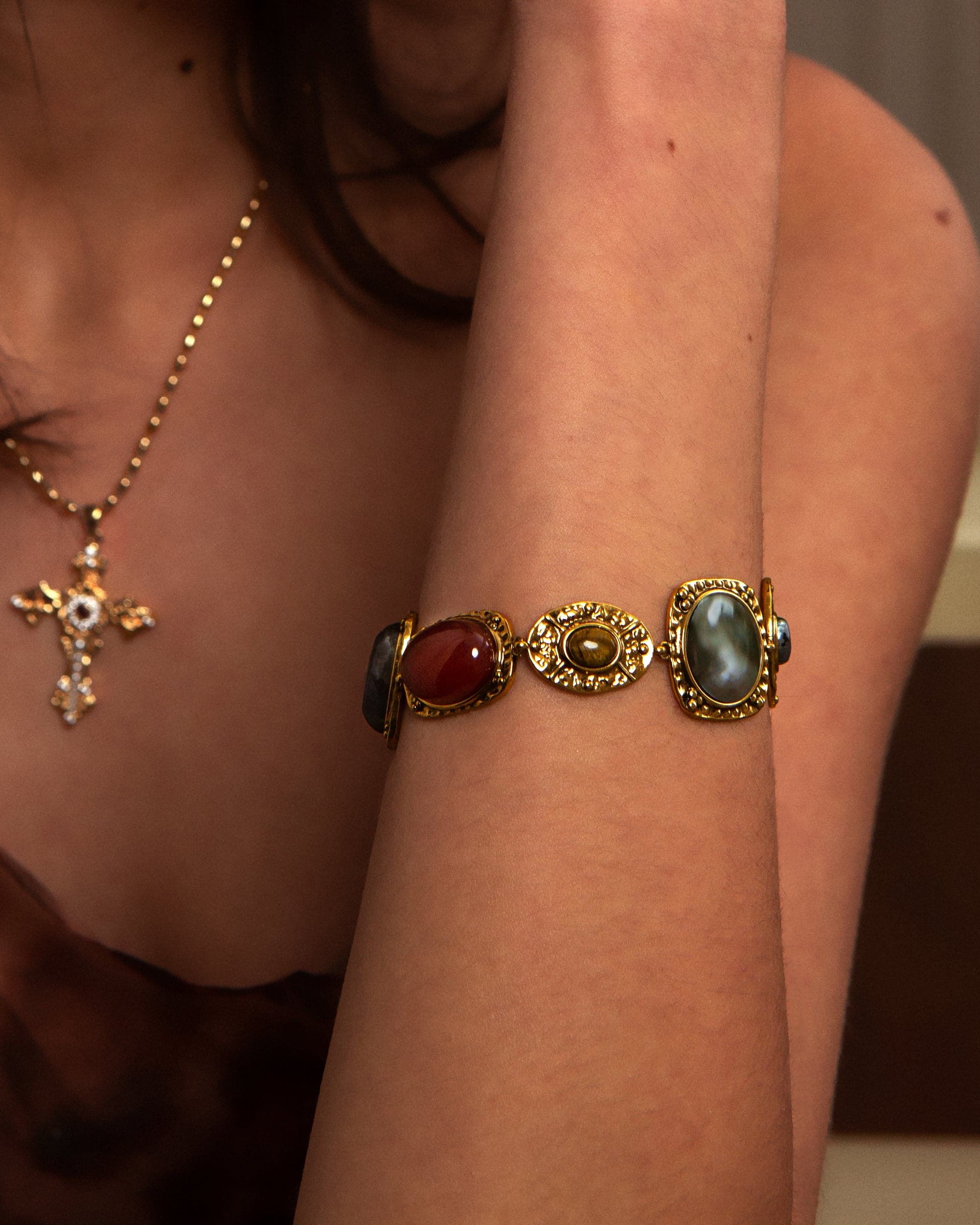
Buying Jewelry Meant to Be Inherited
Inheritance is a materials question first
A piece survives being handed down for unglamorous reasons. Solid metal rather than plated. Stones set in metal rather than glued. A construction that a jeweller in forty years will recognise and be able to repair. That is most of it. Plating is the single biggest reason a piece does not make it. A vermeil or gold-filled item can look identical to solid gold for several years and then wear through at the high points, and once the base metal shows there is no repair, only replating, which is not the same thing. Solid gold wears down too, but it wears down as gold. It gets softer and rounder and more obviously used, which is the quality people mean when they say a piece has patina. The other quiet failure is a hollow form. Hollow hoops and hollow chains are lighter and cheaper and they dent, and a dented hollow piece cannot be pushed back out. If you want a piece to last, weight is information.
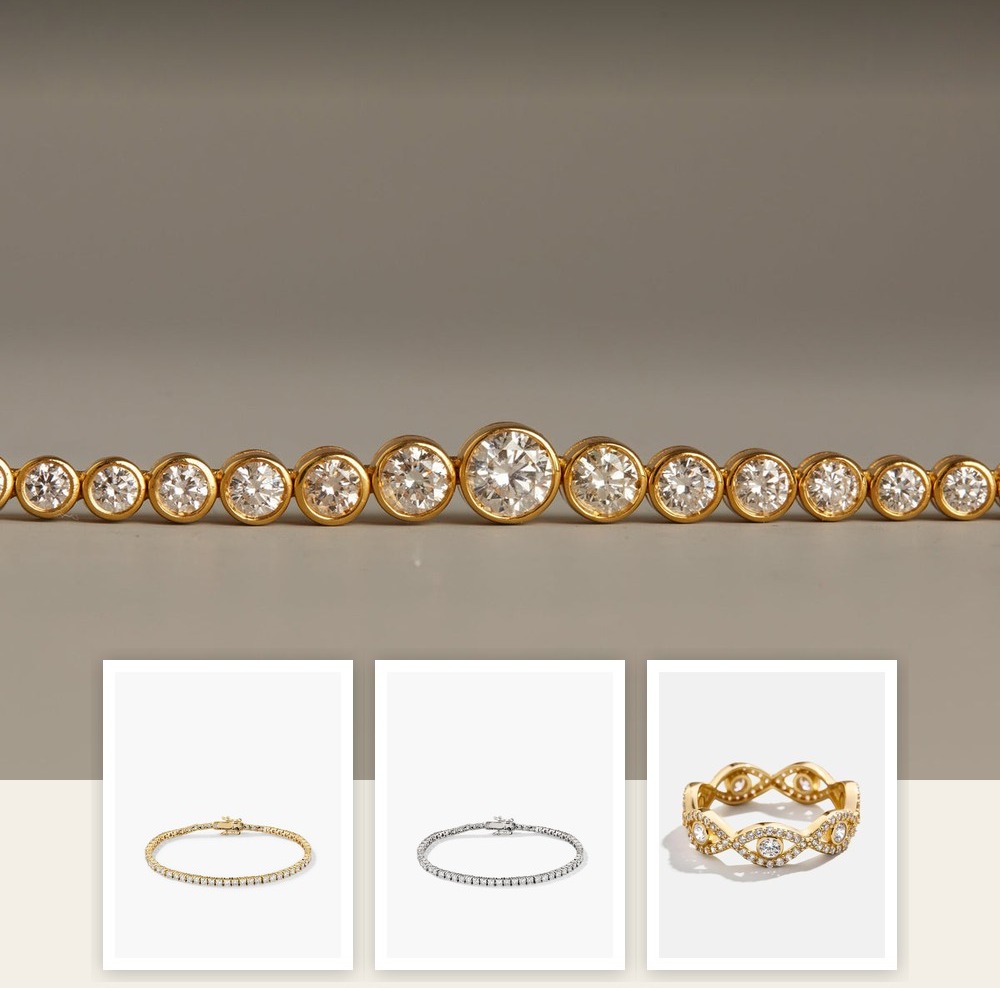
Built to be handed on

16ct Floating Lab Grown Diamond Tennis Necklace
Aurate New York
$17,225

10ct Multi Graduated Lab Grown Diamond Tennis Necklace
Aurate New York
$15,839

Classic Diamond Tennis Bracelet
Aurate New York
$13,198

10ct Luxury Lab Grown Diamond Tennis Bracelet
Aurate New York
$10,658

18K Yellow Gold Paradise Topaz Swiss Blue Topaz, London Blue Topaz & Diamond Lariat Necklace, 17.25"
Marco Bicego
$9,100

18K White & Yellow Gold Marrakech Diamond Solitaire Collar Necklace, 16.5"
Marco Bicego
$6,800

Baguette Baby Heart Lock + Pulley Chain 14-karat gold diamond bracelet
Marla Aaron
$5,850

Sterling Silver JH Lovestruck™ Lab Grown Diamond Oval Solitaire Ring
John Hardy
$950
Our honest take
Most jewellery bought as an heirloom is really bought as a gesture, and there is nothing wrong with that, but the two purchases look different. If you genuinely want a piece to travel, buy fewer things in solid metal and skip the plated version of the same design entirely, even though it is a fifth of the price. The plated one is a good purchase for a different reason. On stones, a lab grown diamond will hand down exactly as well as a mined one and nobody in two generations will be able to tell by looking. What will matter is whether the setting was well made. We would rather see a smaller stone in a properly built setting than a larger one in a thin mount, every time. If you take one thing away, pick the piece up before you buy it, because weight tells you more about longevity than the description does. If you want to keep browsing, I also put together Buying Vintage Jewelry Online Without Getting Burned and Gold-Filled, Vermeil, or Solid.