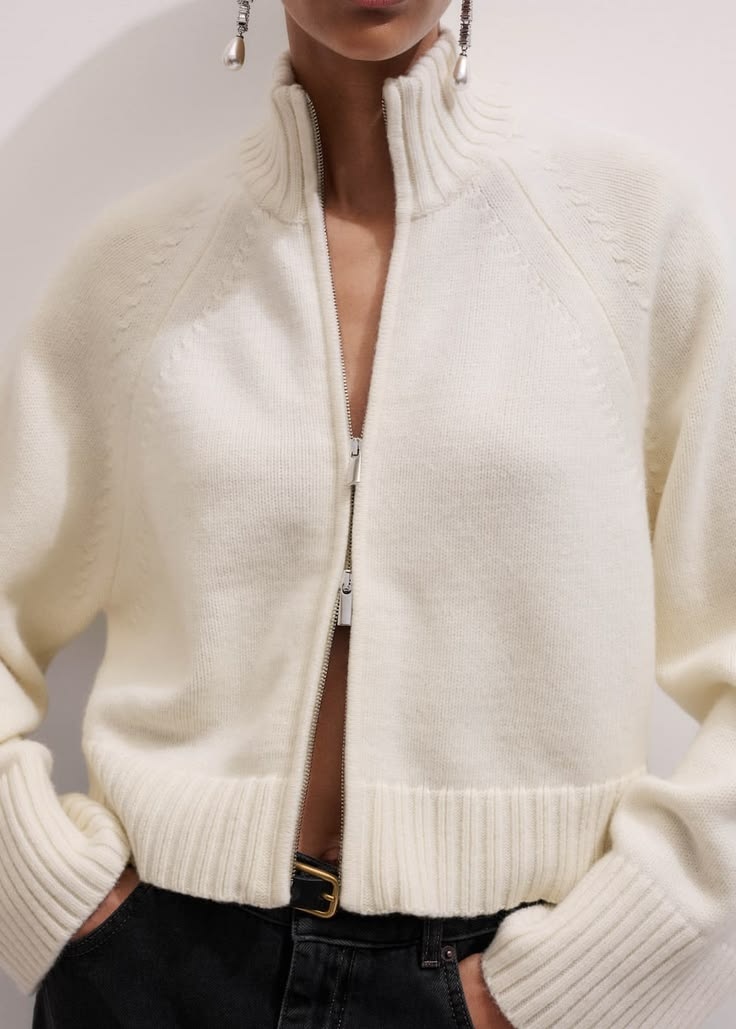
Cashmere and Geelong lambswool, compared honestly on warmth, pilling, durability and what each one is actually worth paying for.
Cashmere or Lambswool?
The difference that matters
Cashmere is softer and lighter. Lambswool is tougher and holds its shape for longer. That is the whole comparison, and which one is right depends on how hard the sweater has to work.
Cashmere is the fine undercoat of a cashmere goat, and the fibres are much thinner than sheep's wool, which is why it feels the way it does and why it insulates so well for its weight. Those same thin fibres are shorter and weaker, so they work loose and roll into pills. Any cashmere pills in the first weeks. Good cashmere pills less and then stops.
Lambswool is the first shearing of a young sheep, still soft but with longer, springier fibres. Geelong is a particular fine grade from Australian merino lambs, and it sits closer to cashmere in handle than ordinary lambswool does while keeping wool's resilience. It resists pilling better, takes colour brilliantly, and it will outlast an equivalent cashmere piece worn the same way.
Warmth is close. Cashmere wins per gram, lambswool wins per pound spent.


Which to buy for what
Buy cashmere for the things worn next to skin and under other layers: a fine crewneck, a v-neck under a coat, a t-shirt-weight knit for travel. It is also the right answer for accessories, because a cashmere scarf or hat delivers all the softness where you notice it most and takes very little friction.
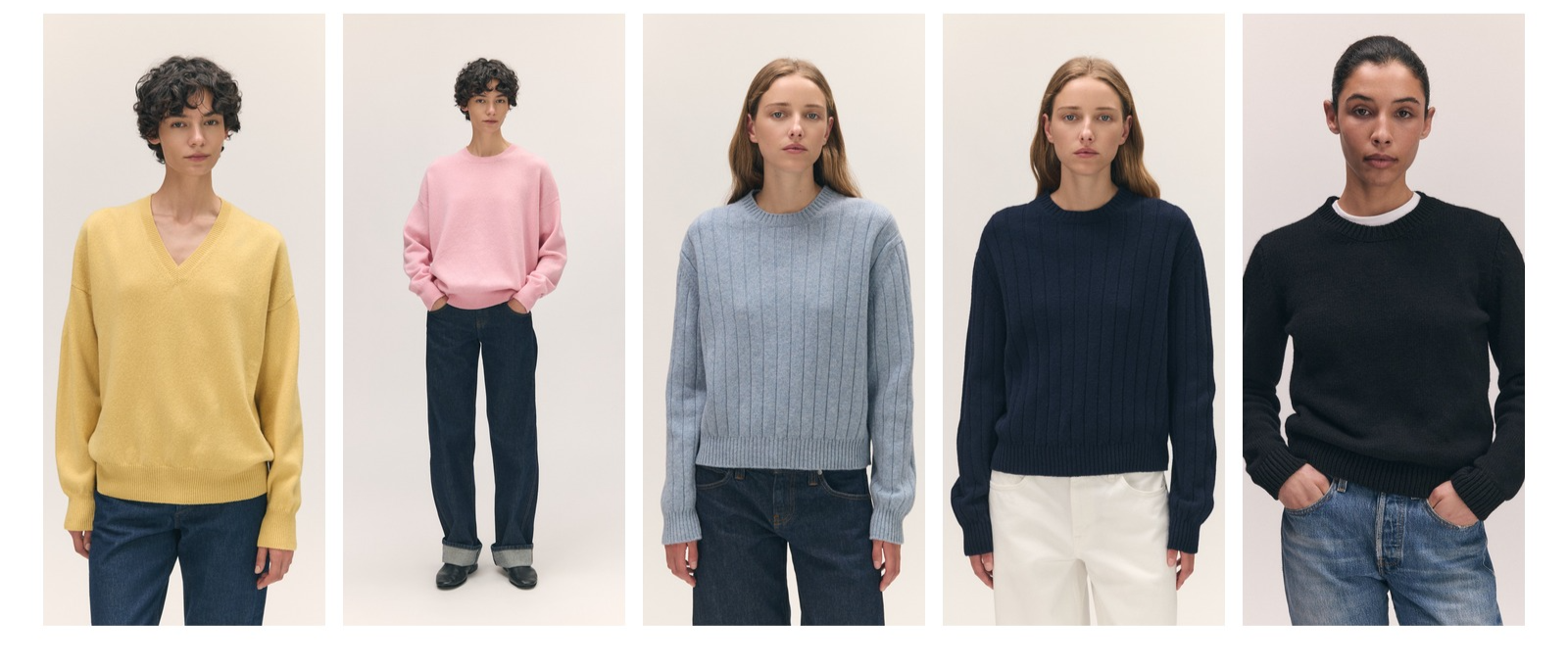
Buy lambswool for the piece you actually live in. A ribbed lambswool crewneck survives a rucksack strap, a car seatbelt and a winter of daily wear in a way that fine cashmere does not. If you are buying one sweater to wear twice a week for five years, buy the wool.
Gauge matters as much as fibre. A chunky rib in either fibre outlasts a fine gauge, because there is more structure holding each stitch in place. If you want cashmere that behaves like wool, buy it heavier.
On price: expect to pay more for cashmere at the same quality level, and be sceptical of cheap cashmere, which is usually short fibre that will pill badly and thin at the elbows within a season.


Our honest take
If you can only buy one, buy the lambswool. It costs less, it looks the same across a room, and it will still be a good sweater when a fine cashmere bought on the same day has gone thin at the elbows.
Buy cashmere second, and buy it for the specific jobs it is unbeatable at: the layer under everything else, the scarf, the travel knit that weighs nothing. In those roles it is genuinely worth the difference.
What we would avoid entirely is cheap cashmere. It is the one place in knitwear where paying less reliably gets you a worse object rather than a simpler one.
If you take one thing away: choose the fibre by how often the piece will be worn, not by which word sounds more luxurious.
Shop brands in this edit

Next read
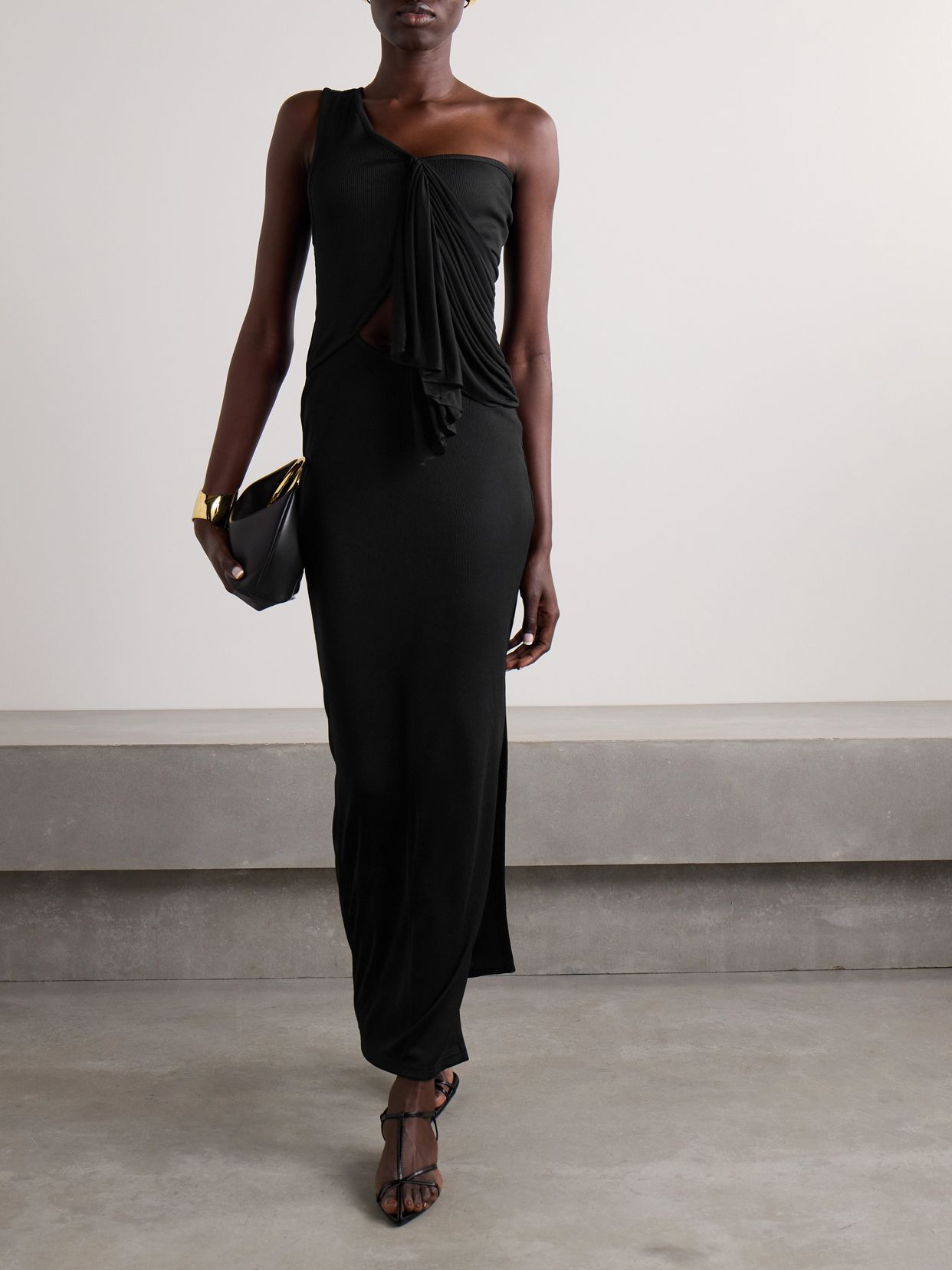
Ruching That Actually Flatters
Does ruching hide or highlight?
Read Editorial
One Piece Or Bikini
For the question of one piece or bikini, neither is universally better. The right choice depends on how much coverage you want and how confidently the suit will stay put while you move. Eres makes the comparison useful