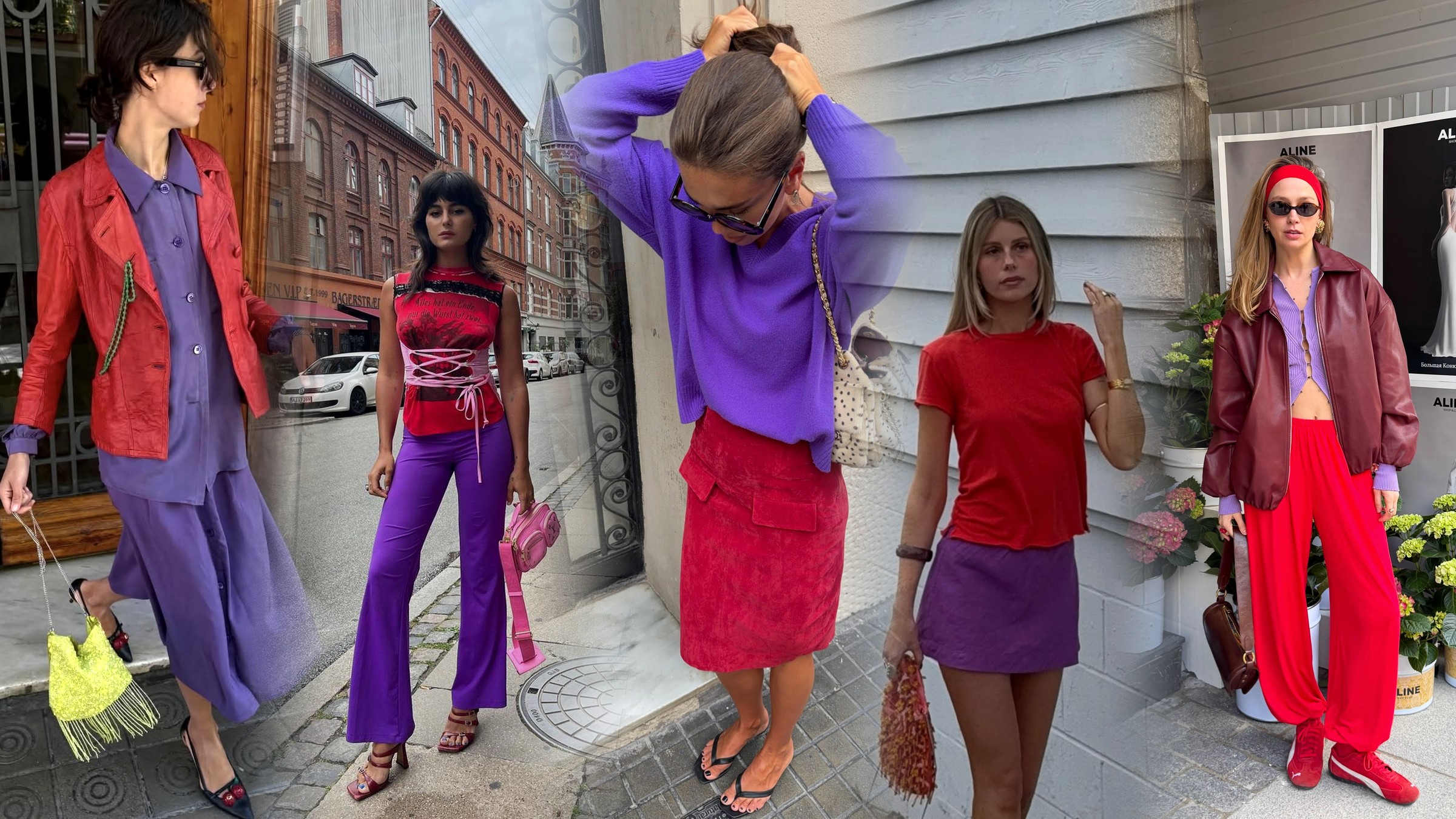
This guide connects swept corners with face contours, lens depth, and frame width. It also considers how small changes in shape shift the feel of an outfit.
Cat Eye Sunglasses and Who They Actually Suit
A face-shape guide for the sharpest frame on the rack
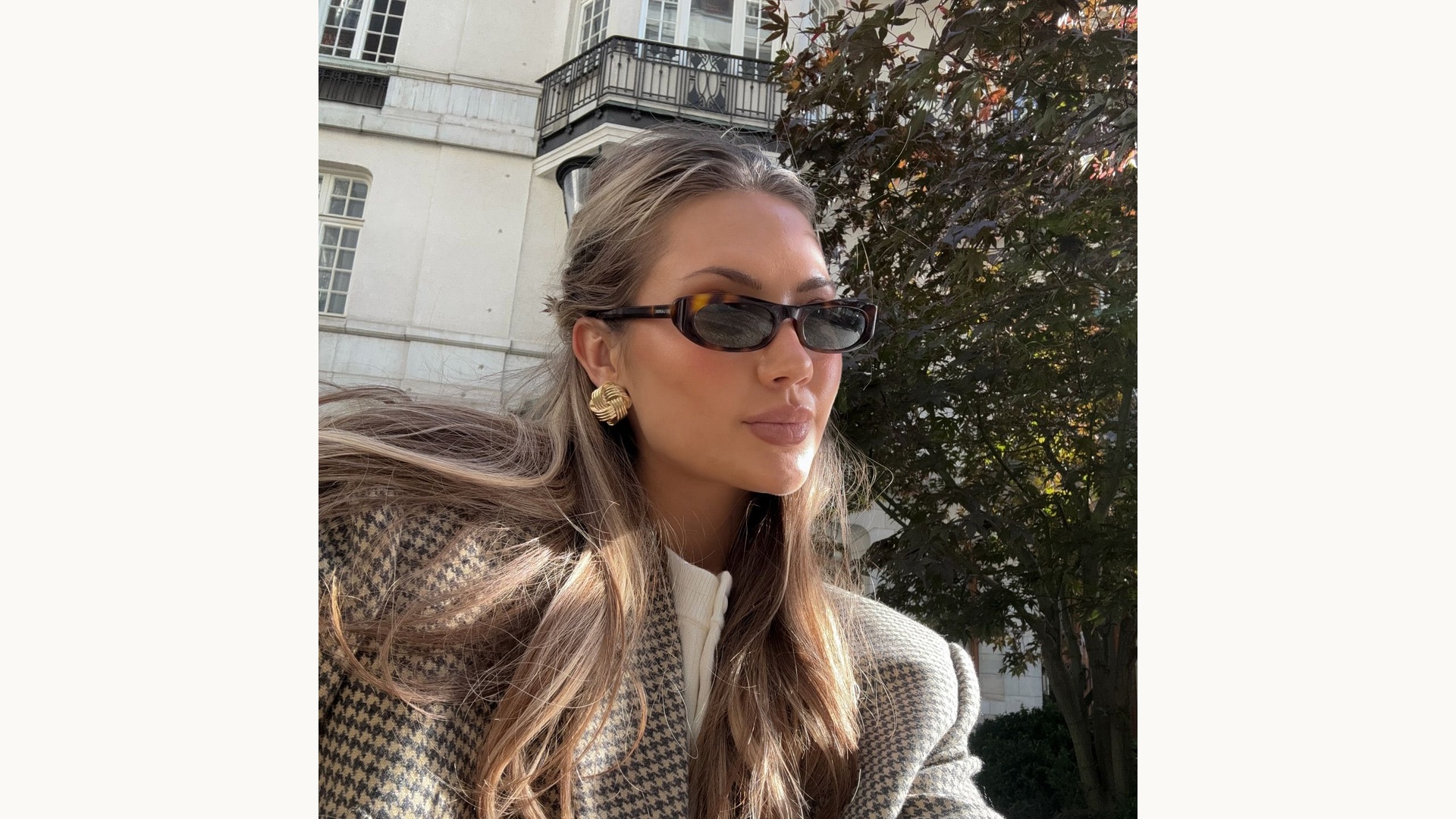
Cat-eye frames do not belong to one face shape. Their lifted outer corners can create a sense of width, sharpen a soft outline, or echo features that already have a strong angle. Start by noticing the line from temple to chin rather than relying on labels alone. A rounded face often benefits from a frame that adds definition, while a square outline may feel balanced with a softer curve and a gentler rise. Oval faces have room to experiment with wider lenses or pronounced corners, and heart-shaped faces can compare slimmer lower rims with broader top lines. These are starting points, not rules. Frame width matters just as much: the outer edges should sit near the temples, not extend far beyond them or press inward. Lens depth, bridge fit, and how the temples rest behind the ears all change the impression. Try the frames in natural light, then look straight ahead and from the side. A familiar silhouette can feel surprisingly different once it meets your proportions. Small shifts in scale can make the corners feel playful, polished, or pleasantly understated.
Classic Cat-Eye Lines

Le Bijou Cat Eye Sunglasses, 55mm
Le Specs
$53.99

Hazel Cat Eye Sunglasses, 56mm
OTRA
$65

Velodrome Cat Eye Sunglasses, 54mm
Le Specs
$70

Cat Eye Sunglasses, 51mm
KURT GEIGER LONDON
$74.25

Marc Cat Eye Sunglasses, 55mm
MARC JACOBS
$105

Cookie Cat Eye Sunglasses, 54mm
Elisa Johnson
$115

Jonnie Cat Eye Sunglasses, 53mm
kate spade new york
$123.75

Cat Eye Sunglasses, 56mm
COACH
$135.75
Styling a cat-eye frame is mostly a question of proportion. A slim, gently lifted shape works well with clean lines, fine knits, and an open neckline, while a thicker frame brings a more graphic note to simple layers. Let the top edge sit comfortably below the brow instead of competing with it. If the corners rise sharply, keep nearby details quiet so the shape stays clear. A softer sweep works with loose hair, hoops, or a collar, and darker lenses can anchor a bright shirt or light jacket. Color changes the mood too: tortoise tones warm up neutral outfits, while clear or colored frames make the eye area feel lighter. Consider the width of your face alongside the width of the frame. The temples should follow the head without pinching, and the bridge should rest securely without slipping when you smile. For longer days outside, check that the lenses feel comfortable and the coverage suits your plans. These small details help a dramatic outline feel considered rather than costume-like. The right choice is the one that stays balanced from every angle and still feels natural after a few hours.
Lifted Lines, Distinct Moods

Core 06 Cat Eye Sunglasses, 53mm
Chimi
$144

Cat Eye Sunglasses, 52mm
Tory Burch
$174.75

Cat Eye Sunglasses, 54mm
Missoni
$186

Capri Cat Eye Sunglasses, 55mm
JACQUEMUS
$187.5

Cat Eye Sunglasses, 59mm
Isabel Marant
$191.25

Lara Wide Cat Eye Sunglasses, 50mm
Lele Sadoughi
$195

Lady Burbank Cat Eye Sunglasses, 52mm
Ray-Ban
$202

Starfish Cat Eye Sunglasses, 56mm
Maui Jim
$216.75
Our honest take
We like this shape when it feels expressive without asking the rest of an outfit to compete. We would compare a low-key sweep with a more defined point before settling on one, then check how the frame sits at the temples, bridge, and cheekbones. On a rounded or oval face, stronger angles can add contrast; on a square face, a softer curve may keep the overall line easy. Heart-shaped features can look for a frame that does not feel too heavy above the cheekbones. Those are clues rather than rules, since comfort and personal taste matter more than face-shape labels. We would choose the pair that feels stable, suits everyday clothes, and still brings a little spark when you catch your reflection. If a frame needs constant adjusting or feels like a costume, keep looking.