Accessories
Accessories

The Case For One Very Large Bag
One large tote replaces the work bag, the beach bag and the day bag. Eight leather totes, eight woven ones and the small bag that lives inside them.

The Pearl Necklace Has Outgrown Its Dress Code
Pearl necklace styling, from the familiar strand to supporting knits and boots, is considered through a polished, wearable lens.

A Dress And A Belt Is A Second Outfit
The same dress belted reads as a different outfit, and a belt weighs nothing. Eight midi dresses, eight short dresses and eight belts from $200.
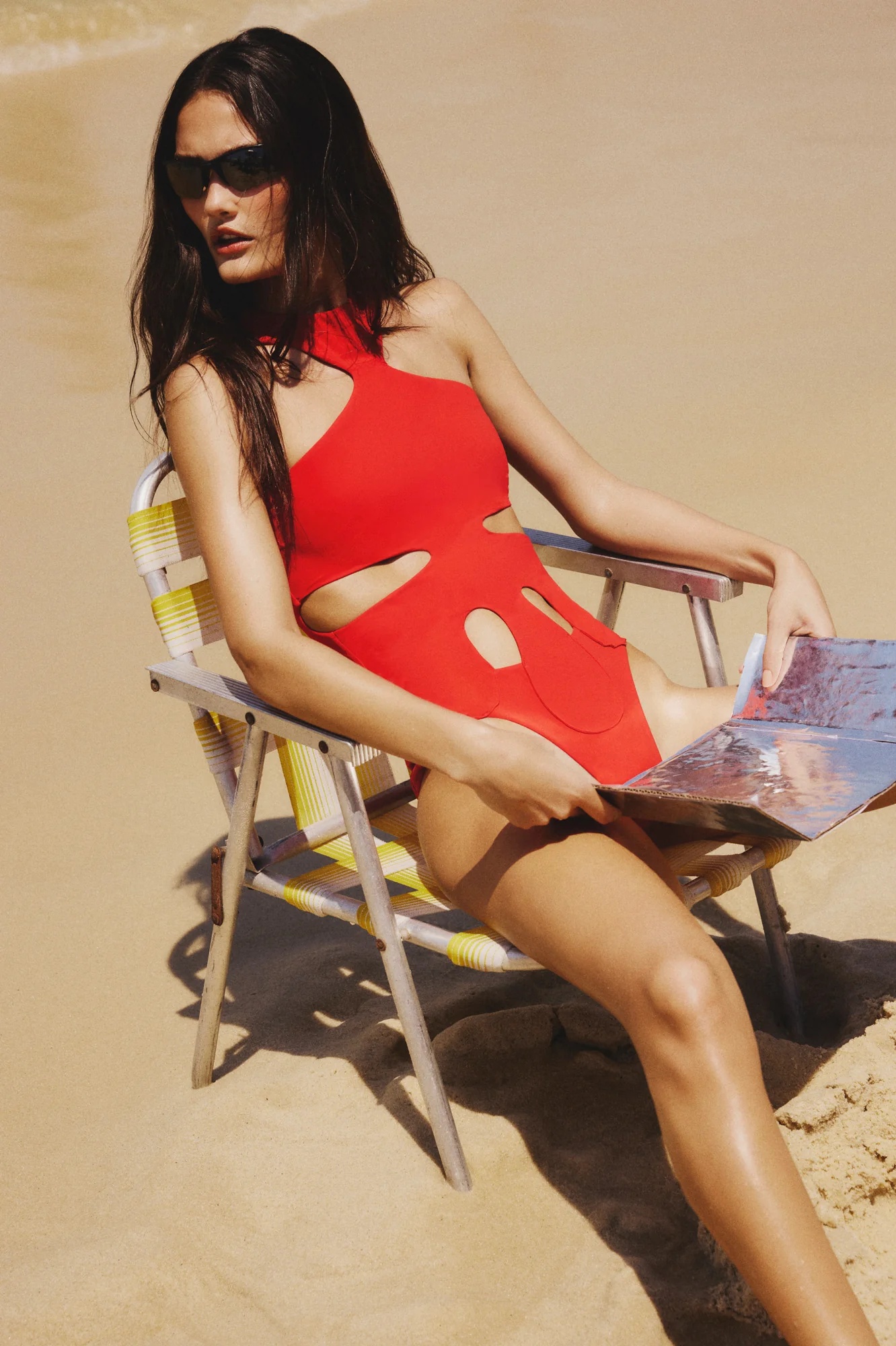
Poolside Dressing, Head To Toe
One-pieces, sarongs, slides and sun care, priced from $40 to $425. What actually works between the lounger and lunch.

The Tory Burch Charlie Bag Is Quilted Quiet Confidence
Tory Burch is best known for a medallion, so a bag that leans on stitching instead is a shift. The tory burch charlie bag is built on quilting and a chain-and-leather strap, with the branding pushed almost entirely into the hardware. It is the quietest line the house currently makes.

YSL Glasses Are The House Codes At Eye Level
Eyewear is the category where a luxury house reaches the most people and has the least room to hide. YSL glasses handle that by keeping the frames architectural and the branding to the temples, which is a more disciplined approach than most houses manage. The shapes are doing the identifying.
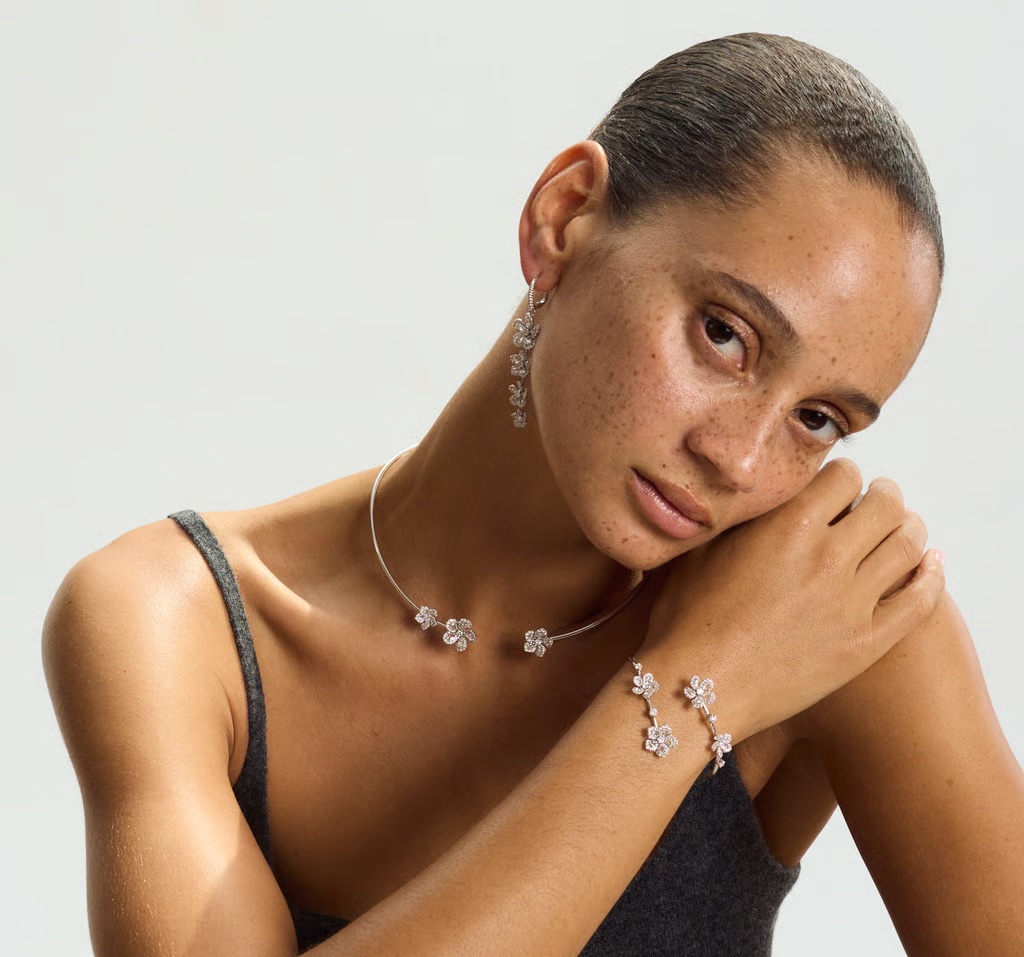
David Morris
David Morris has been making high jewellery in London since 1962, when its founder opened his first workshop in Hatton Garden. The family-run house built its early reputation through rare stones, hand-making and two consecutive De Beers Diamonds International Awards. This selection is all about the house language in miniature: diamond-heavy rings, earrings, cuffs and necklaces with a distinctly British sense of drama.

Sidney Garber
Sidney Garber, the son of a watch repairman, opened his own jewelry shop in Chicago's Mallers Building in 1946 after returning from Air Force service in World War II. He built the house by traveling to European ateliers in Paris, Valenza and Idar-Oberstein to source stones and craftsmanship directly, a habit his daughter Brooke Garber Neidich continued after she inherited the company in 2008 and moved its center of gravity to include a New York boutique.
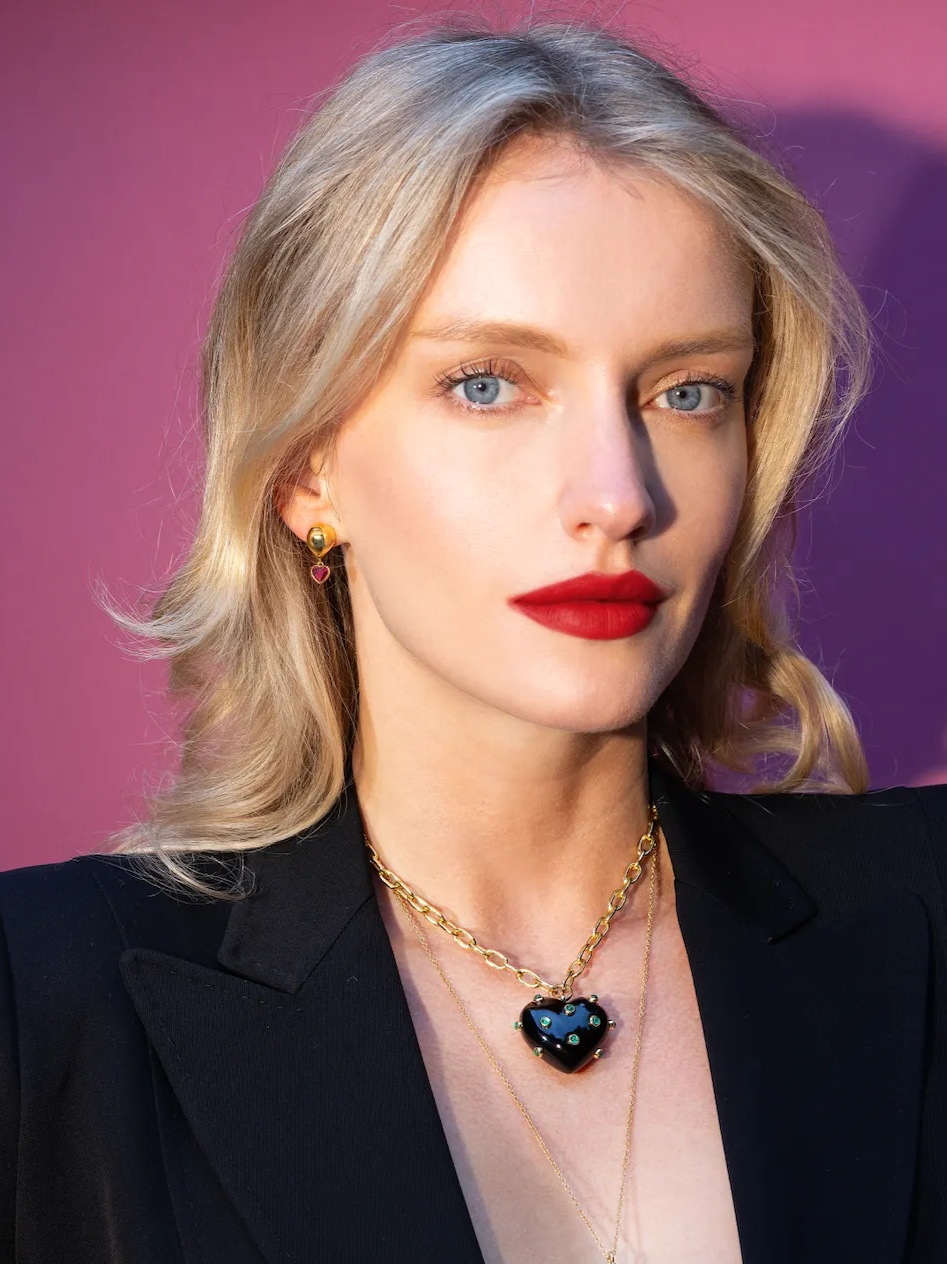
Rachel Quinn
Rachel Quinn trained first in painting and sculpture before moving to New York, where an apprenticeship with a Brooklyn jewelry artist pulled her into metalsmithing and led her to graduate from the Fashion Institute of Technology's Metalsmith Program in 2009. She now hand-makes every piece out of a Downtown Los Angeles studio, working in a style she describes as romantic surrealism, part playful and part deeply sentimental.
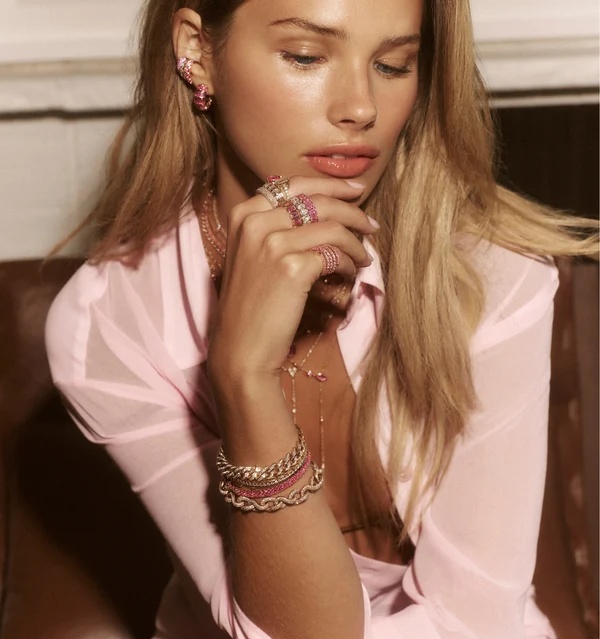
SHAY
It all started as mother daughter project between Tanaz and Ladan Shayan, after Tanaz made herself a woven chain link bracelet in high school that a Beverly Hills boutique asked to sell. The original link bracelet's chain motif, stuck and carried from costume pieces into the fine gold and diamond jewelry the viral brand makes today.
Anabela Chan
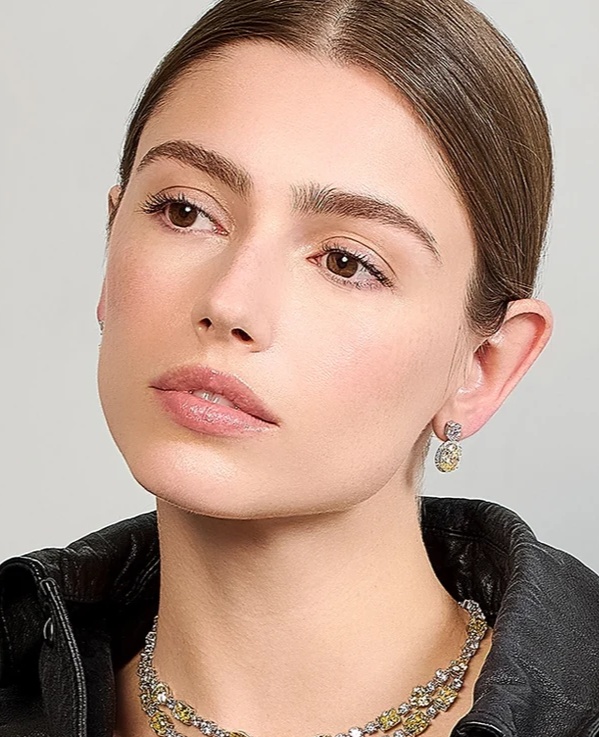
Anabela Chan was born in Hong Kong, trained as an architect at the Bartlett and worked at Richard Rogers' practice, including on the Ground Zero project, before spending years as a print and embroidery designer for Alexander McQueen. She went back to study at the Royal College of Art, graduated in 2013, and launched a fine-jewellery house built on laboratory-grown gemstones and recycled metals.
Completedworks
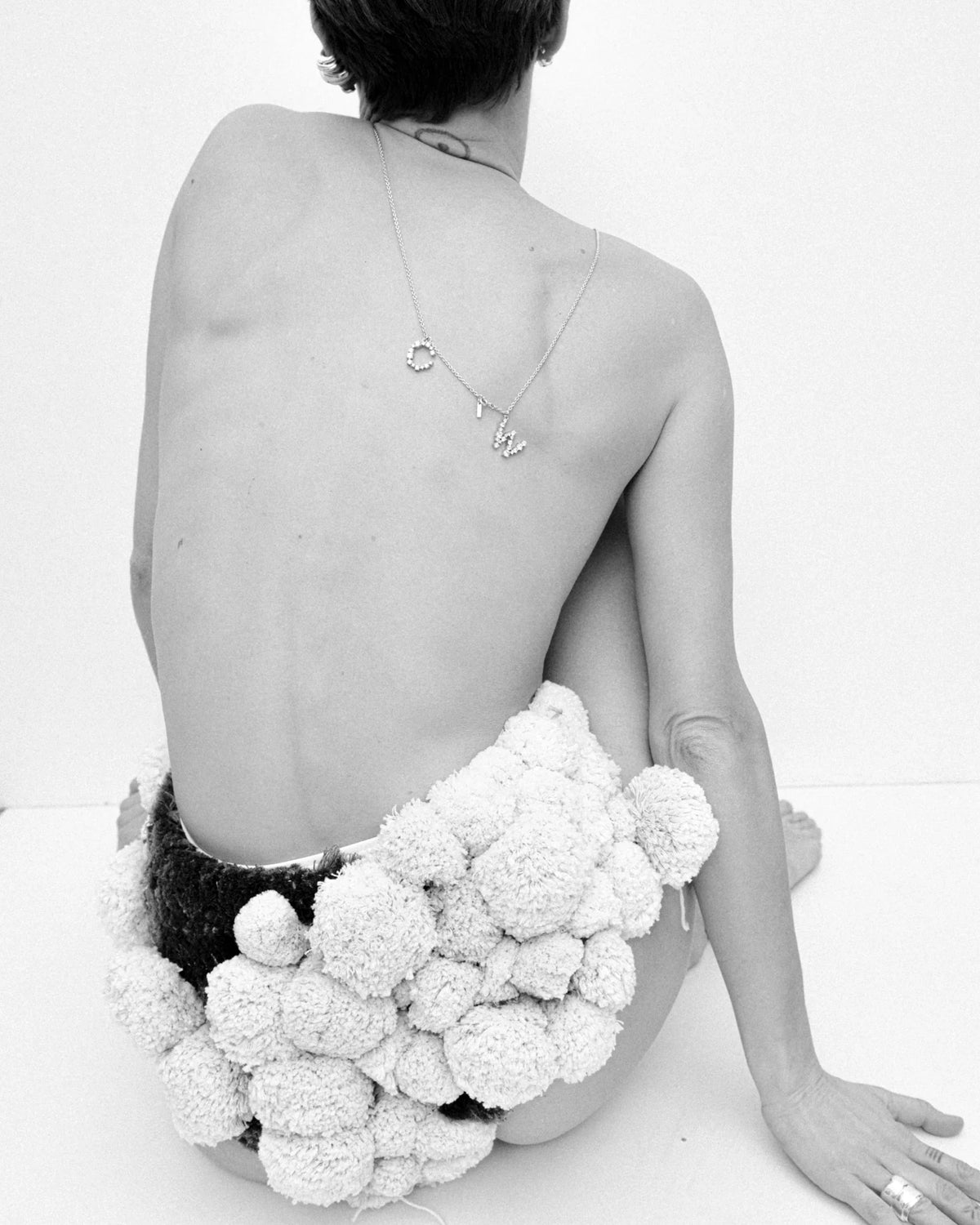
Completedworks turns jewelry and domestic objects into small studies in tension. Anna Jewsbury’s London studio works with sculptural forms, recycled materials and a taste for the strange beauty of things that look almost familiar. The earrings are the entry point, but the vases and glassware keep the story from ending at the jewelry box.

De Beers London
De Beers London brings the diamond house’s long relationship with the stone into a more modern, design-led frame. The wider De Beers story reaches back to 1888, while the jewellery house itself launched in 2001 and now pairs London energy with southern African roots. Here, rings, earrings and necklaces make the case for diamonds that feel considered rather than over-explained.
Hunting Season
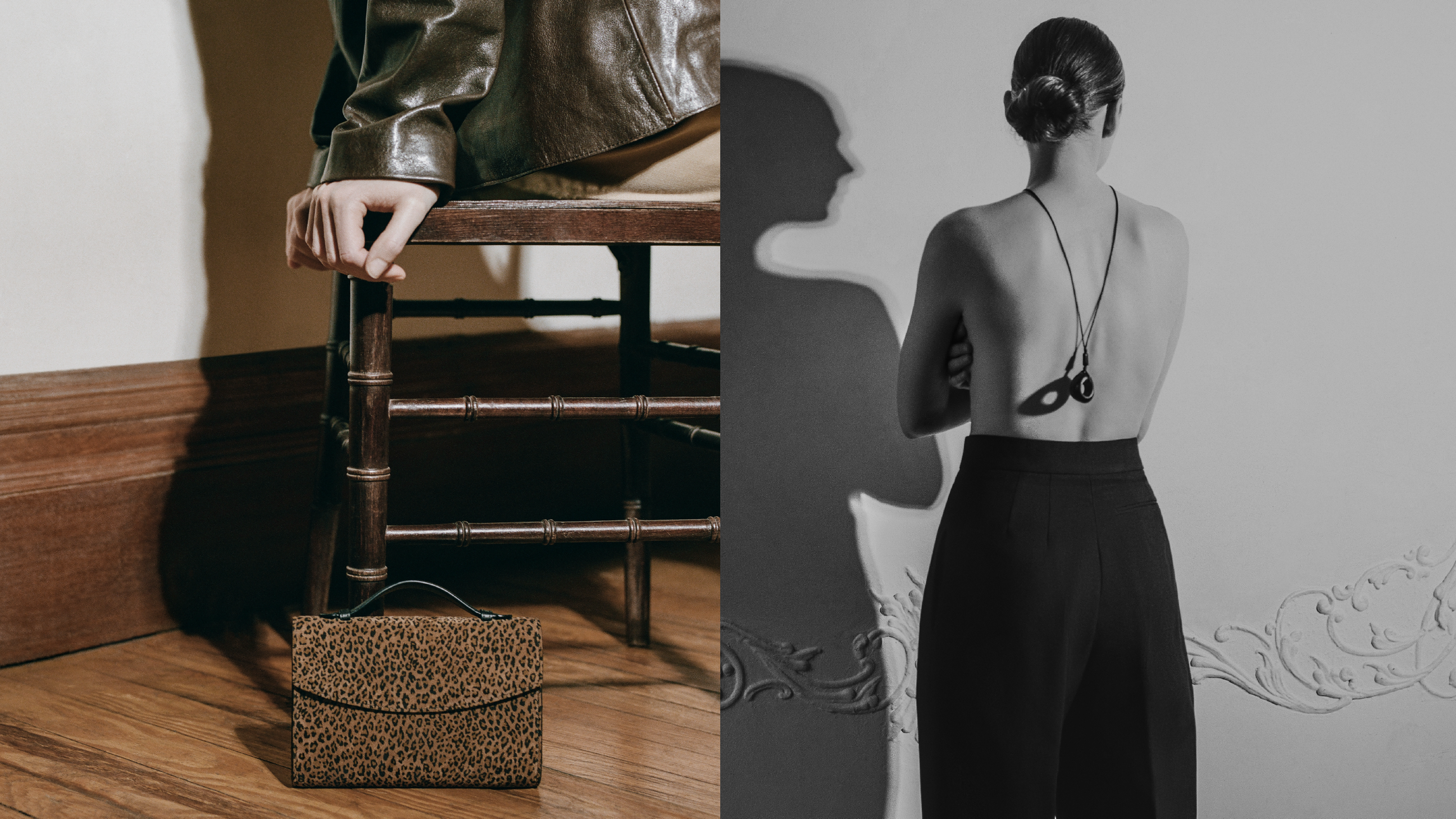
Hunting Season was founded by Danielle Corona in 2006 after her time at Valentino, with a point of view shaped by old films, English manor houses and the idea that a handbag can be wearable art. Production now works with artisans in Colombia, where natural fibers and tagua seeds become woven bags, leather pieces and jewelry. The result is restrained enough for daily use but never anonymous.
Juju Vera
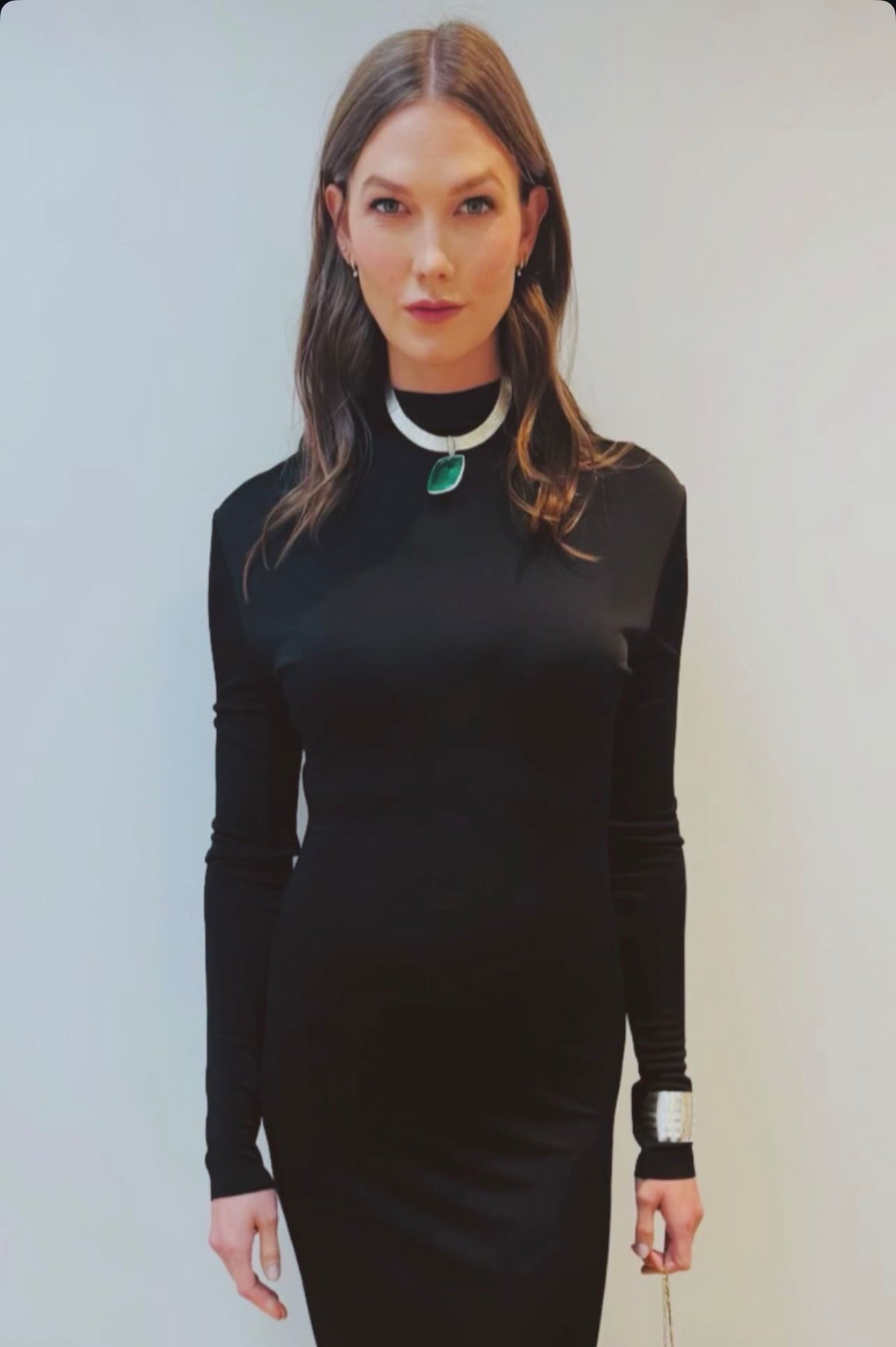
Juju Vera was founded by Julia Ferentino and launched in 2024 after her work sourcing vintage jewelry for editorials, films and private clients. The line draws on Greco-Roman motifs, 1970s Art Deco architecture and retro cinema, with pieces hand-cast from her sketches in a New York workshop. This small edit has the feeling of a prop department with very good taste.
Martha Calvo
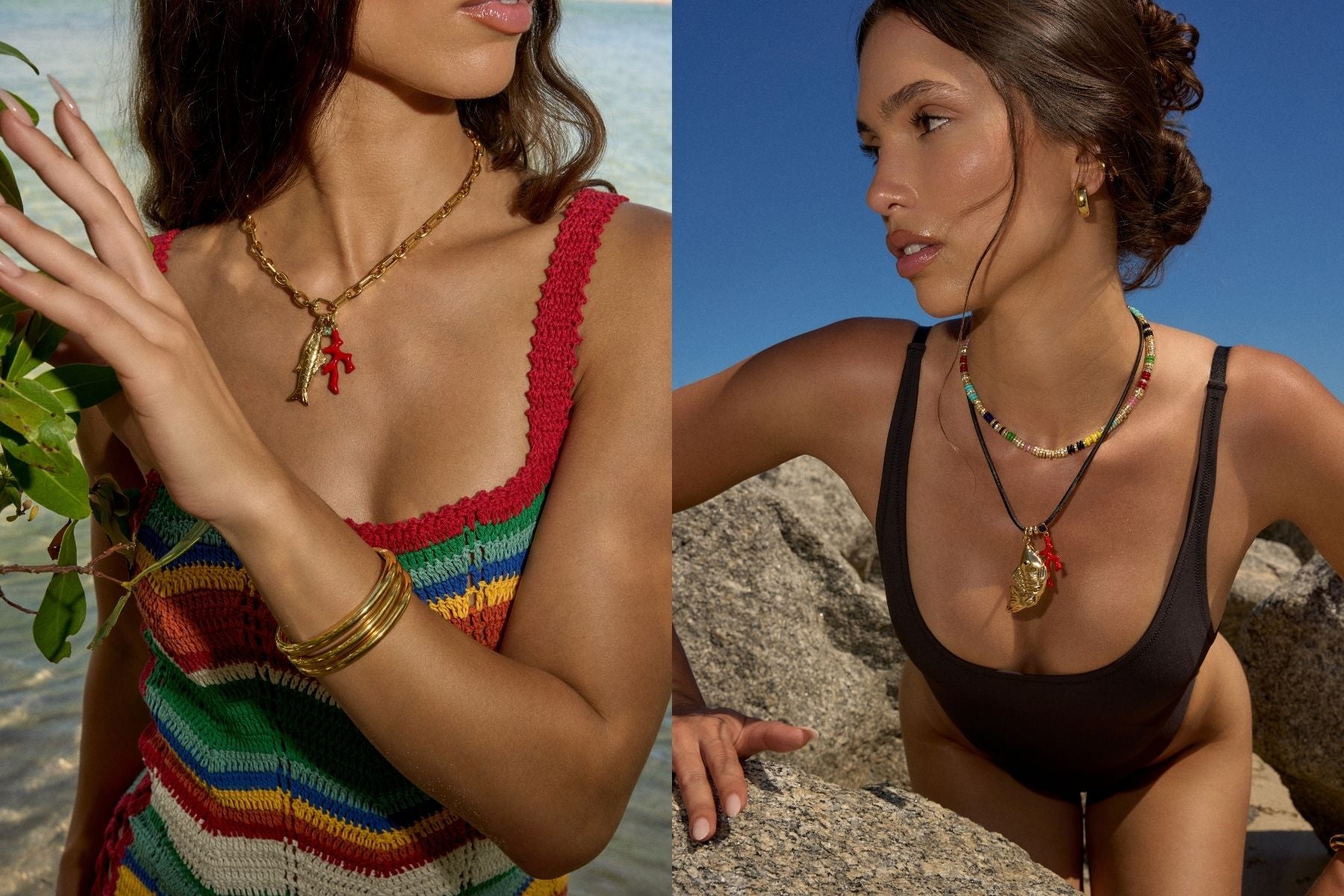
Miami designer Martha Calvo created her jewelry line in 2006, building on a childhood habit of making necklaces and a love of mixing charms. She self-funded the business and its playful pieces found an audience through personal styling rather than formal restraint. The appeal is in the deliberate clash of color, symbols and shine.

Mikimoto
Kokichi Mikimoto successfully created the world’s first cultured pearl in 1893 and opened his first pearl boutique in Tokyo’s Ginza in 1899. He brought cultivation, design and presentation into one continuous business, helping pearls travel from experiment to modern jewelry language. The pieces remain a study in how restraint can make a surface luminous.
Piaget
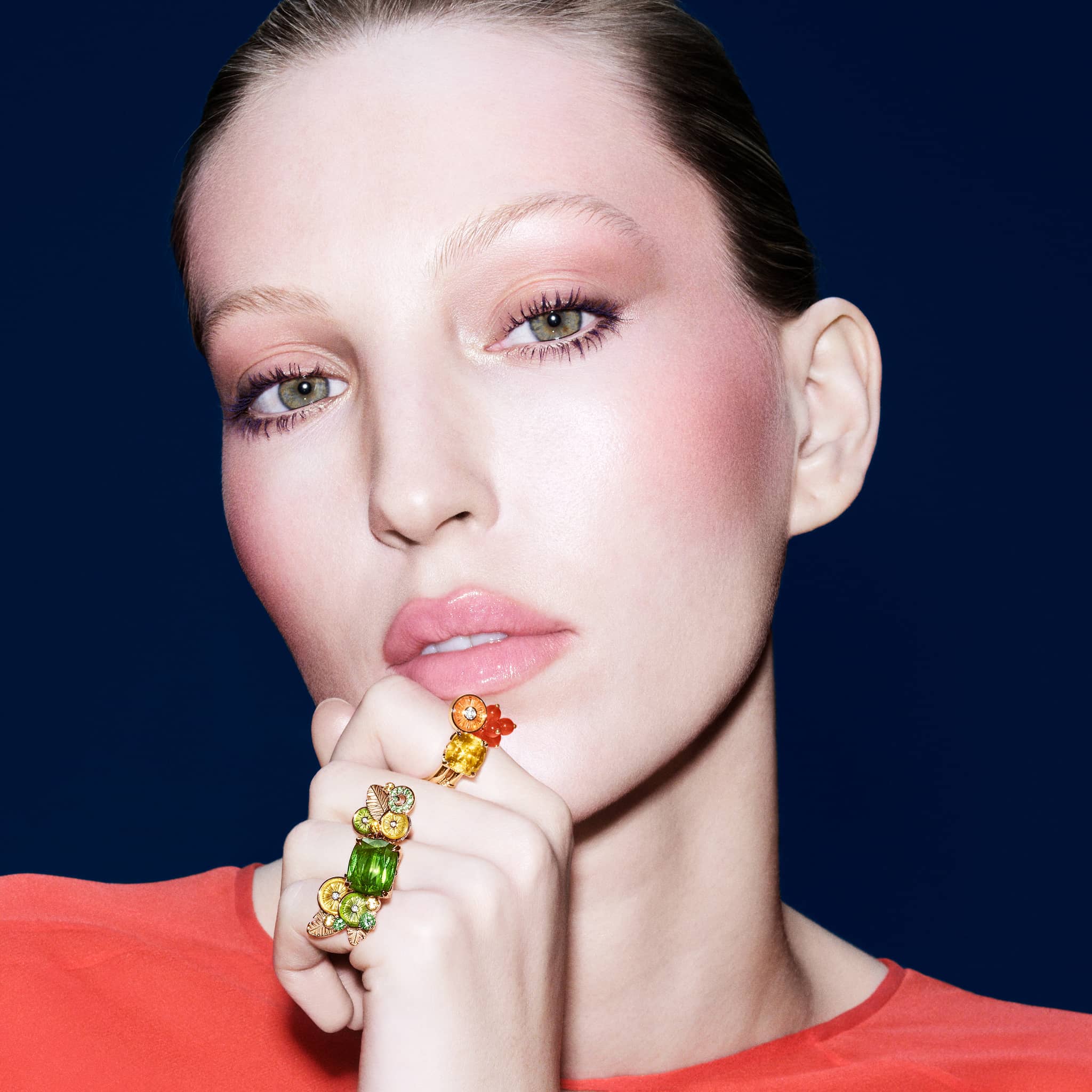
Piaget brings watchmaking precision and high jewelry drama into the same conversation. Georges-Édouard Piaget founded the maison in 1874 in the Swiss Jura, and the house later became known for ultra-thin movements alongside gem-set watches and jewelry. The current pieces still make that technical history feel polished rather than nostalgic.

Pomellato
Pomellato treats fine jewelry like a wardrobe, with color, scale, and a little Milanese swagger built into every piece. Founded in Milan by Pino Rabolini in 1967, the house introduced the idea of prêt-à-porter jewelry and made colored stones feel modern rather than ceremonial. The Nudo and Iconica families still carry that direct, tactile point of view.
Sonia Petroff
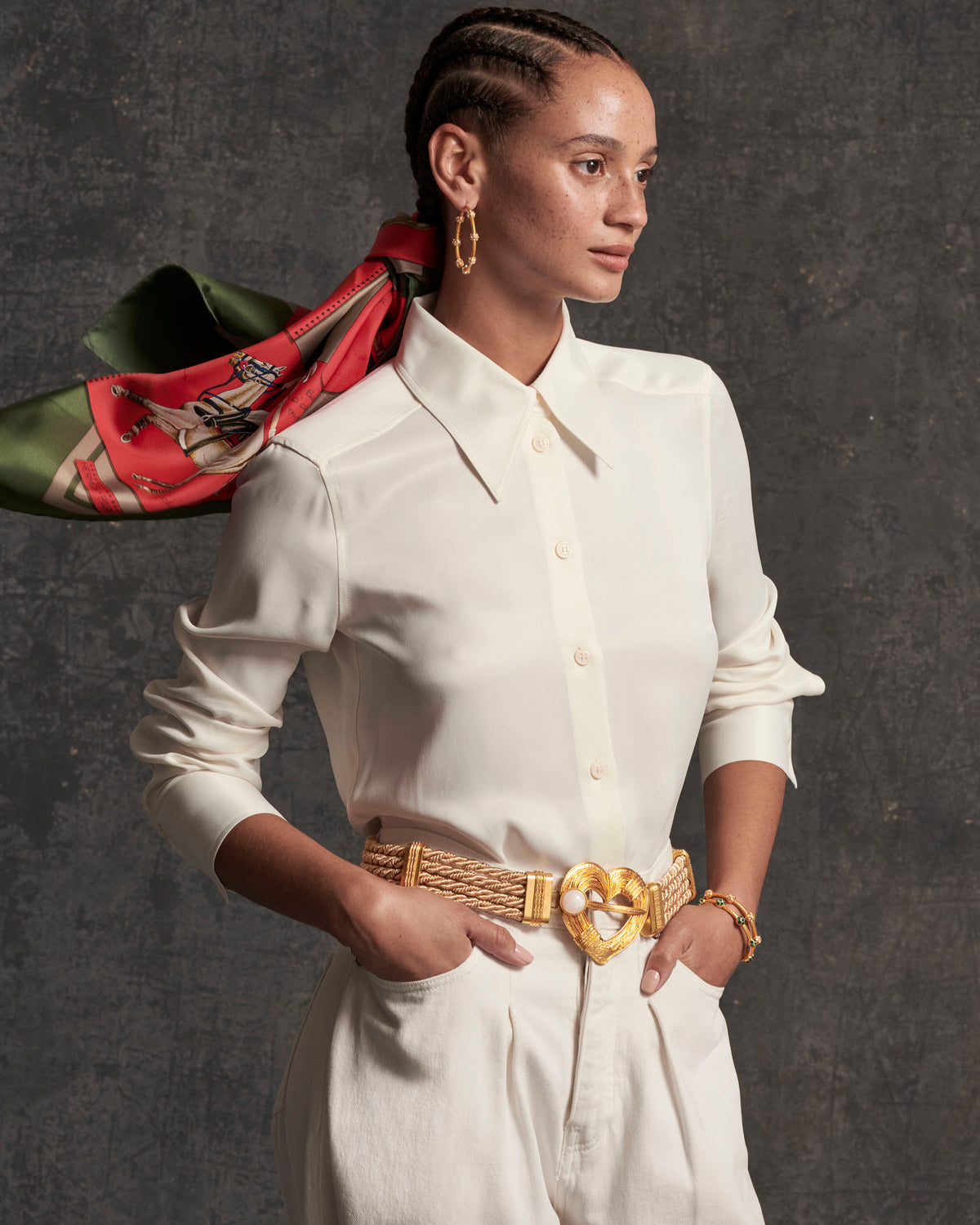
Sonia Petroff’s accessories turn the belt and jewel into small works of theater. The original designer built a career across Rome, Valentino, Nina Ricci and Balmain, and today Maria Leoni-Sceti draws from an archive of more than 800 pieces to keep that exuberant language in motion. Enamel, resin, leather and gold-tone metal bring a distinctly playful kind of glamour.
Loeffler Randall
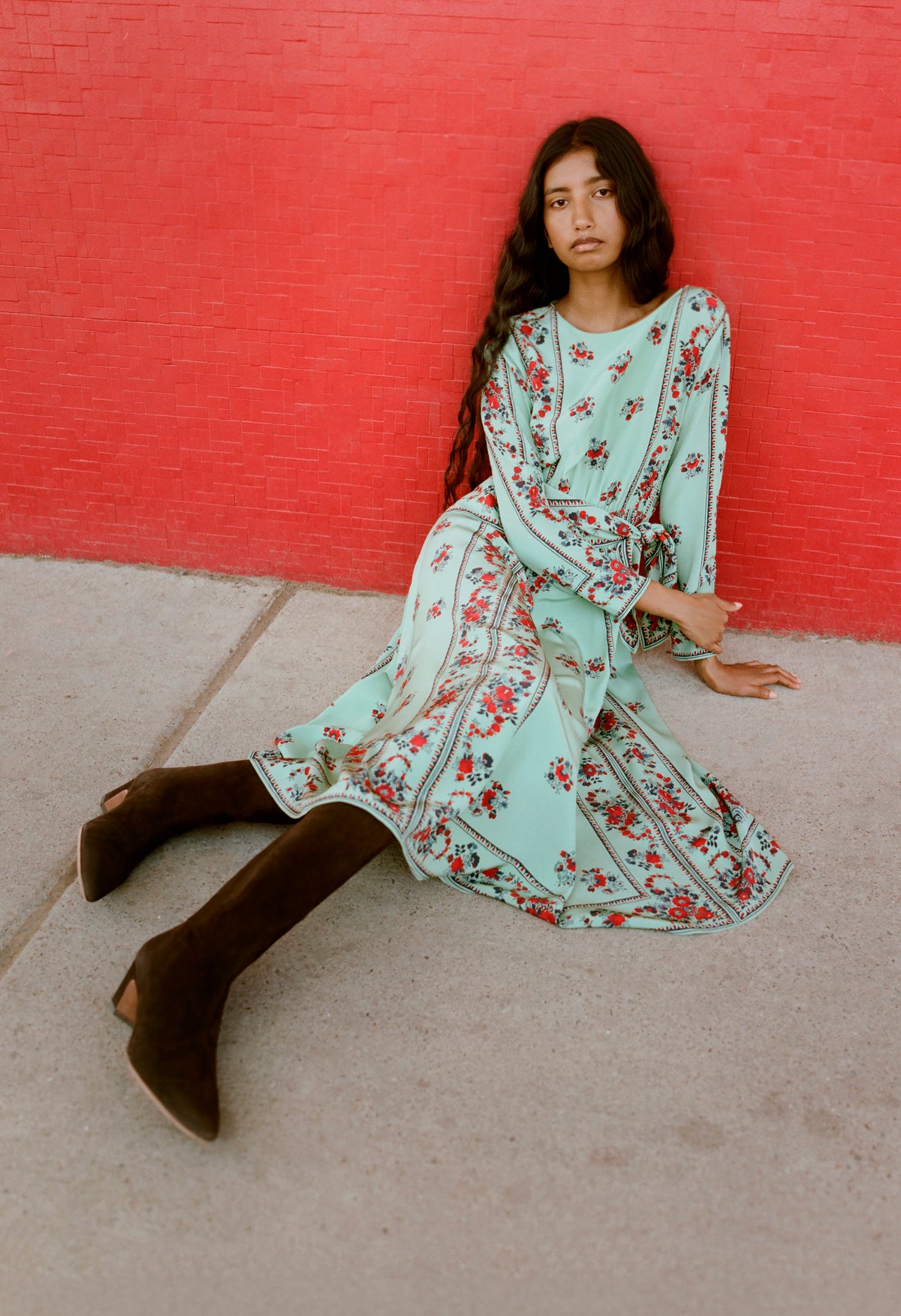
Jessie Randall sketched the brand's first collection from a Cobble Hill garden apartment in 2004, her dog in her lap, while her husband Brian worked full-time in advertising to support them both. He cut up their wedding invitation and tucked pieces of it into the footbed of an early prototype alongside her middle and last names, which is how the brand got its own. Bergdorf Goodman picked up that debut collection in its very first season, and Jessie went on to win the CFDA's Swarovski Award for Accessory Design just two years later.
Loren Stewart
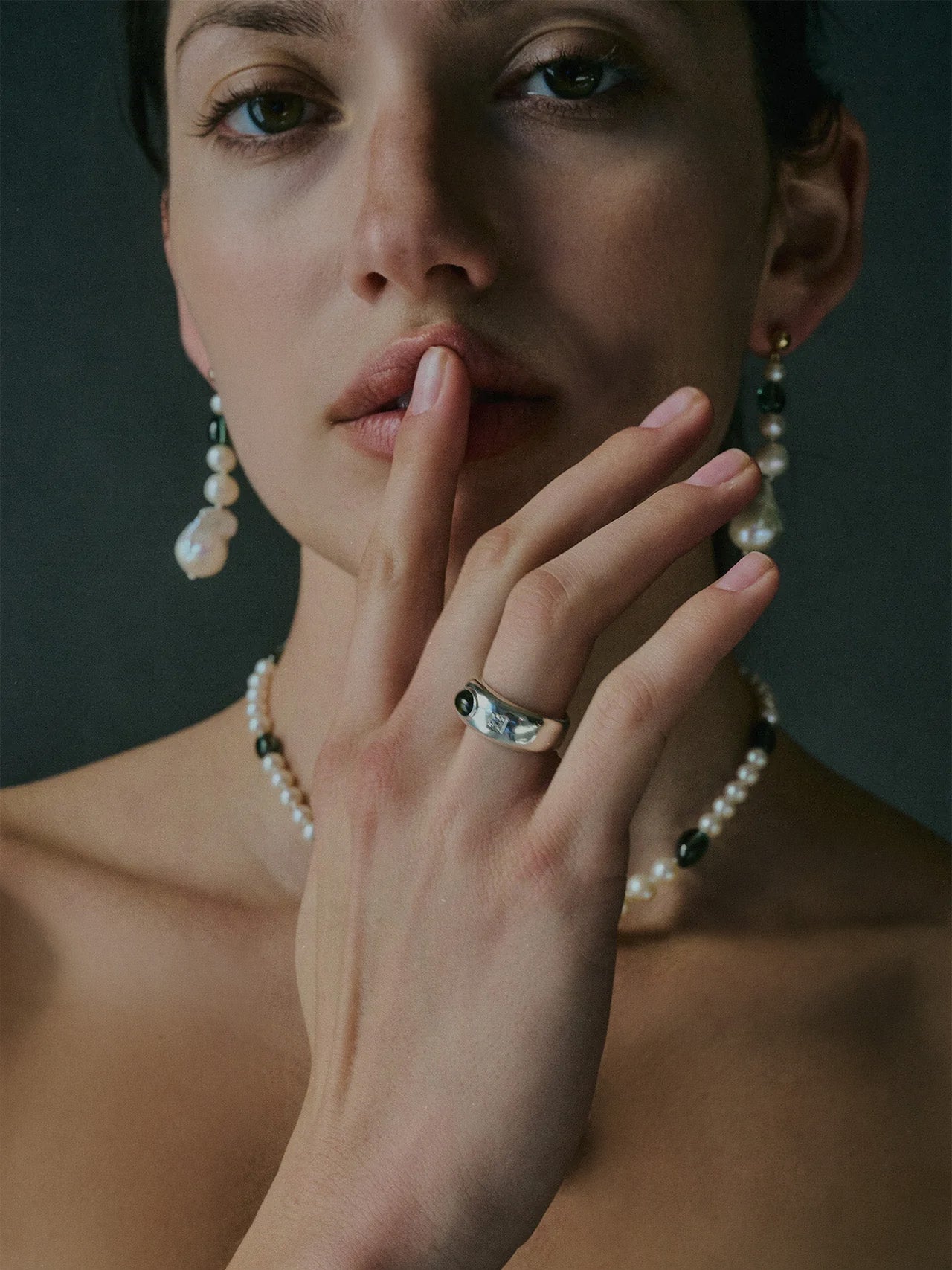
Loren Stewart started in 2009 when Rachel Loren began melting down her own vintage gold jewelry to make pieces she could not find anywhere else, later joined by sisters Satya and Annah Stewart. The label built its identity on that idea of transformation, turning safety pins, ID tags, and utilitarian hardware into fine gold and gemstone pieces. Everything is still handmade by small teams of artisans in downtown Los Angeles and a family factory in Italy rather than mass produced.

Ananya
Ananya makes fine jewelry around coloured gemstones, 18-karat gold and the idea that adornment can carry meaning as well as light. Founded by Ananya Malhotra, the London-based label draws on Indian jewelry traditions, Central Saint Martins training and gemological study to shape its Chakra and Scatter collections. The mood is vivid and personal, with every bracelet or ring asking to be worn as more than decoration.
Bottega Veneta Eyewear
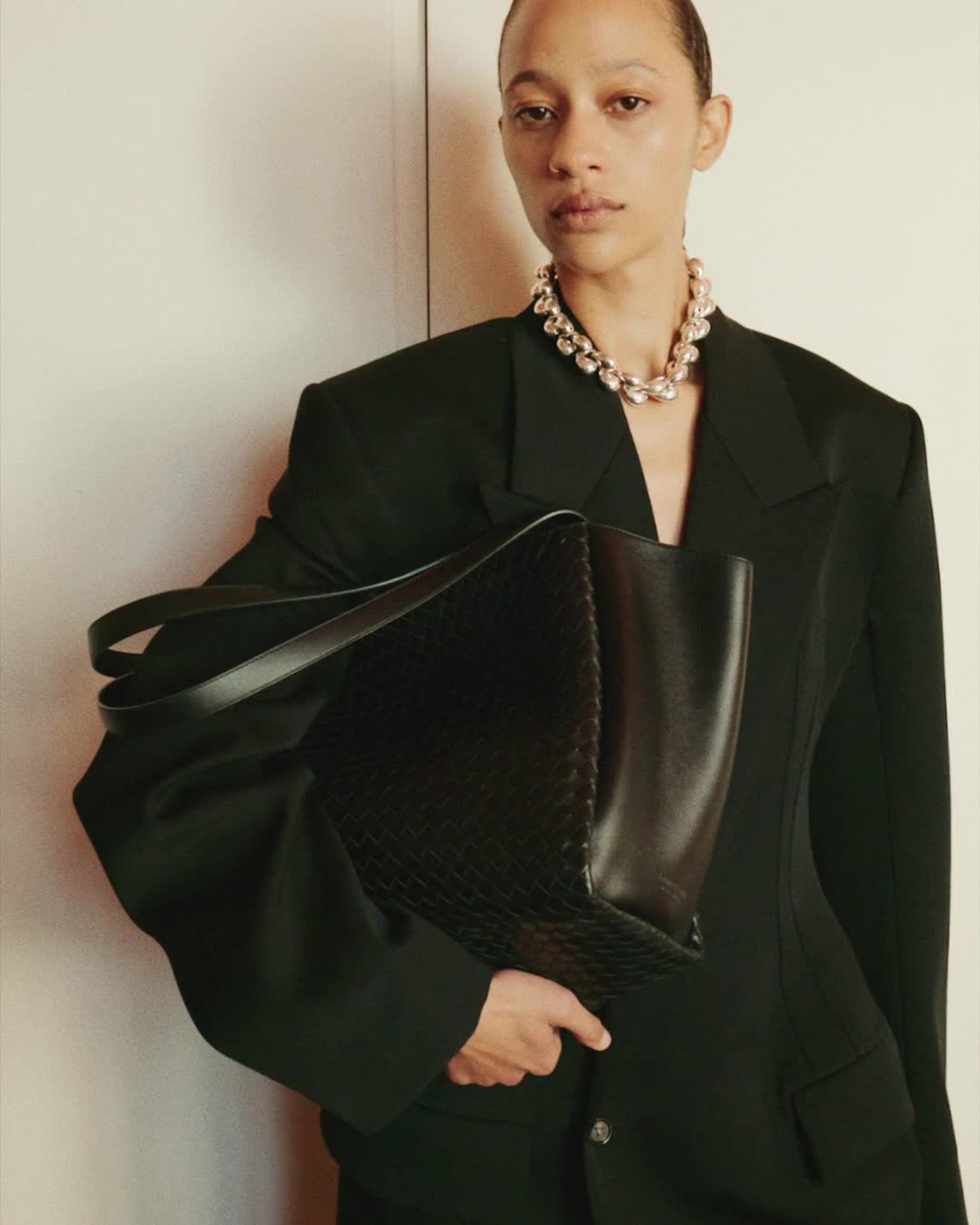
Bottega Veneta was founded in Vicenza in 1966 and its first eyewear collection arrived in 2003. The frames borrow the house’s preference for discreet recognition, sculptural detail and material confidence rather than obvious logos. Here, aviators, cat-eyes and square shapes do the visual work.