Accessories
Accessories
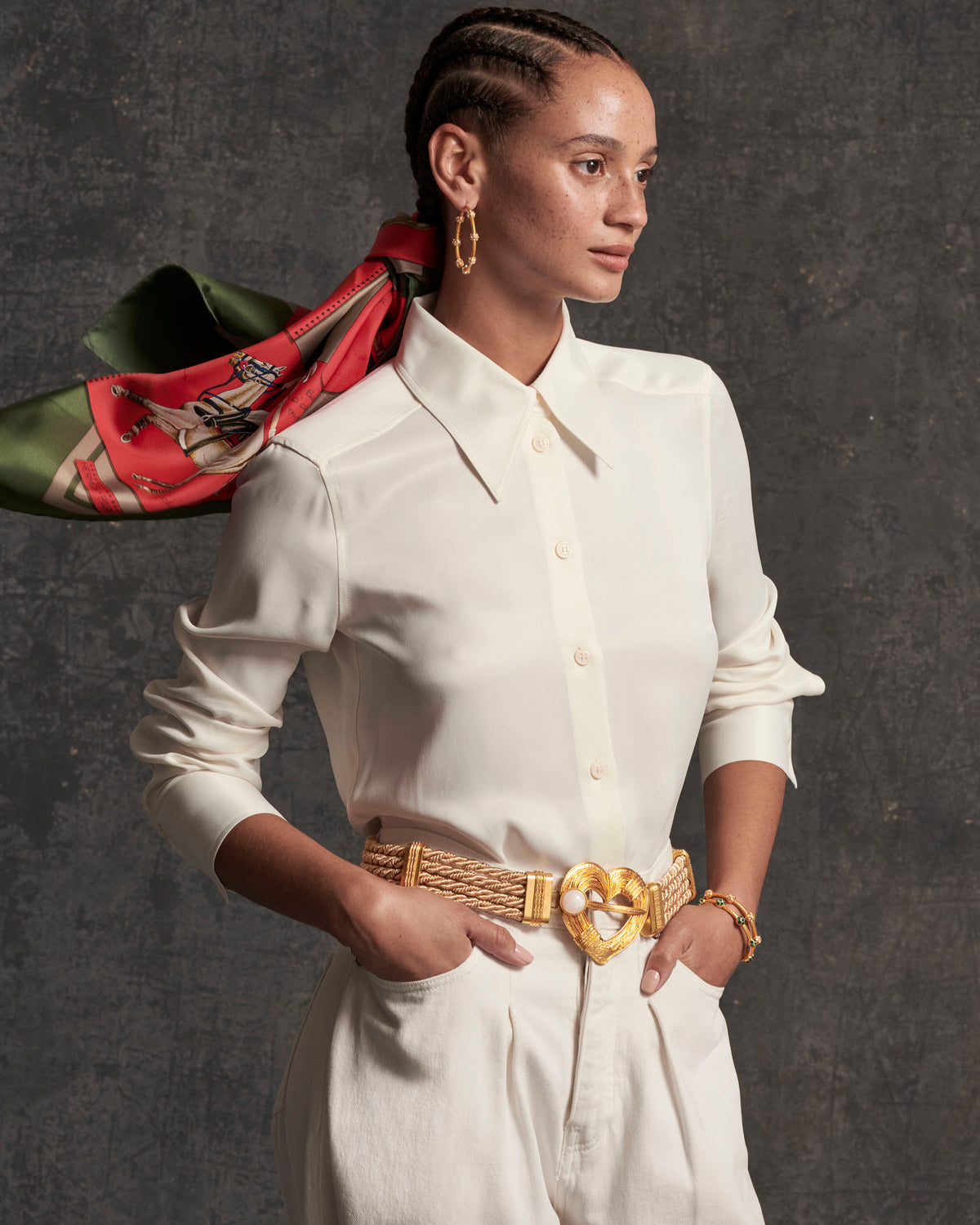
Sonia Petroff
Sonia Petroff’s accessories turn the belt and jewel into small works of theater. The original designer built a career across Rome, Valentino, Nina Ricci and Balmain, and today Maria Leoni-Sceti draws from an archive of more than 800 pieces to keep that exuberant language in motion. Enamel, resin, leather and gold-tone metal bring a distinctly playful kind of glamour.
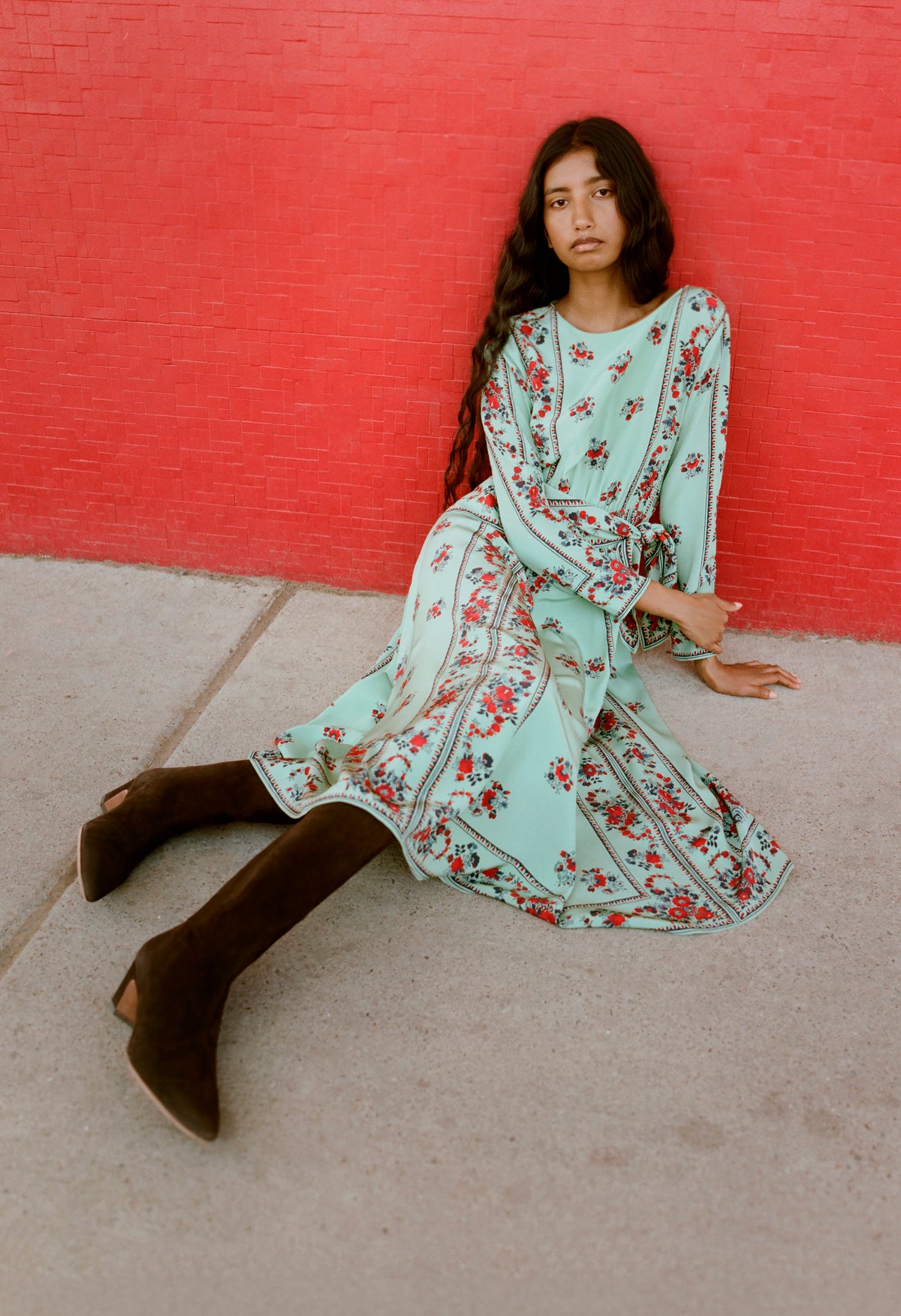
Loeffler Randall
Jessie Randall sketched the brand's first collection from a Cobble Hill garden apartment in 2004, her dog in her lap, while her husband Brian worked full-time in advertising to support them both. He cut up their wedding invitation and tucked pieces of it into the footbed of an early prototype alongside her middle and last names, which is how the brand got its own. Bergdorf Goodman picked up that debut collection in its very first season, and Jessie went on to win the CFDA's Swarovski Award for Accessory Design just two years later.
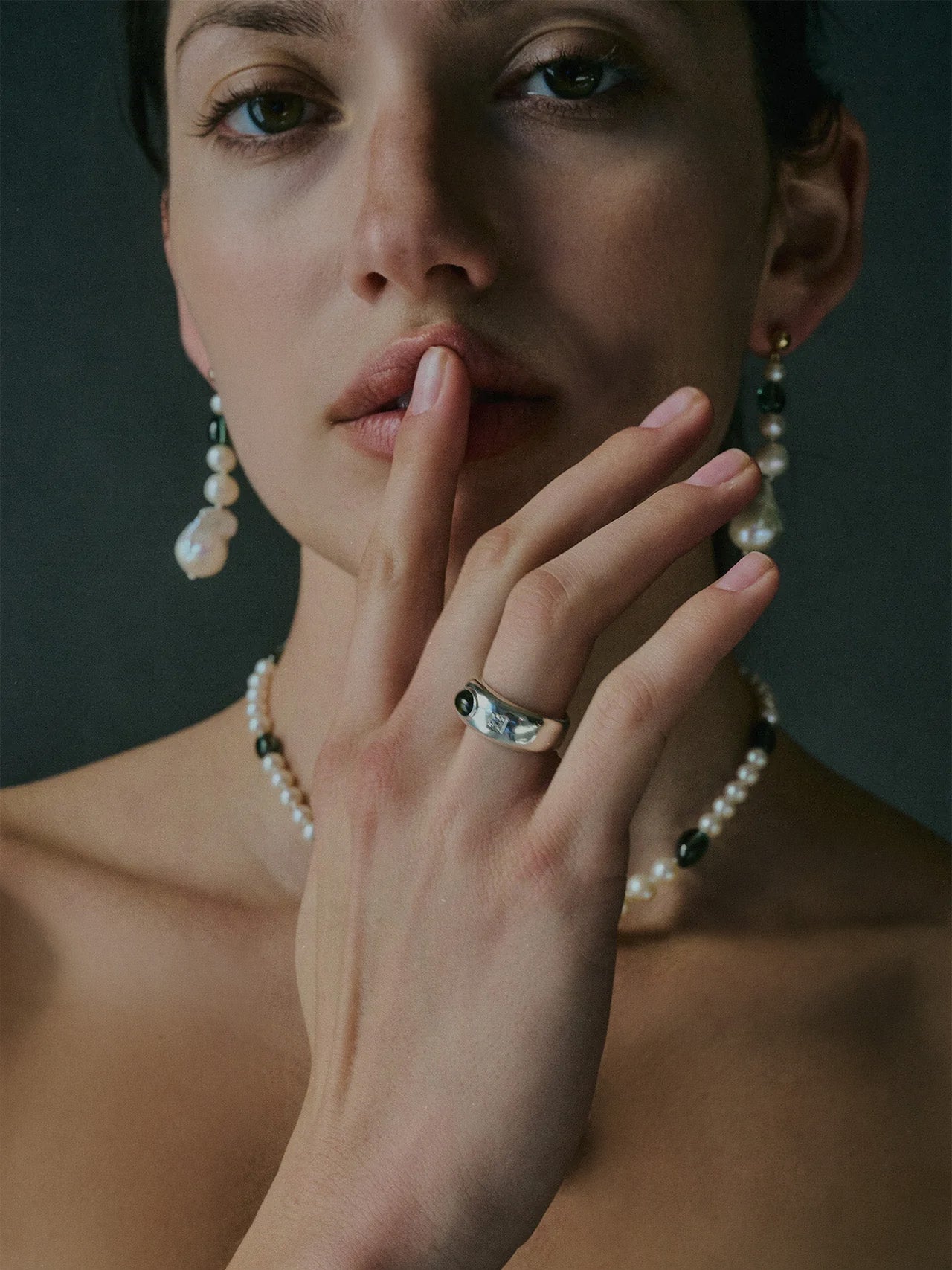
Loren Stewart
Loren Stewart started in 2009 when Rachel Loren began melting down her own vintage gold jewelry to make pieces she could not find anywhere else, later joined by sisters Satya and Annah Stewart. The label built its identity on that idea of transformation, turning safety pins, ID tags, and utilitarian hardware into fine gold and gemstone pieces. Everything is still handmade by small teams of artisans in downtown Los Angeles and a family factory in Italy rather than mass produced.

Ananya
Ananya makes fine jewelry around coloured gemstones, 18-karat gold and the idea that adornment can carry meaning as well as light. Founded by Ananya Malhotra, the London-based label draws on Indian jewelry traditions, Central Saint Martins training and gemological study to shape its Chakra and Scatter collections. The mood is vivid and personal, with every bracelet or ring asking to be worn as more than decoration.
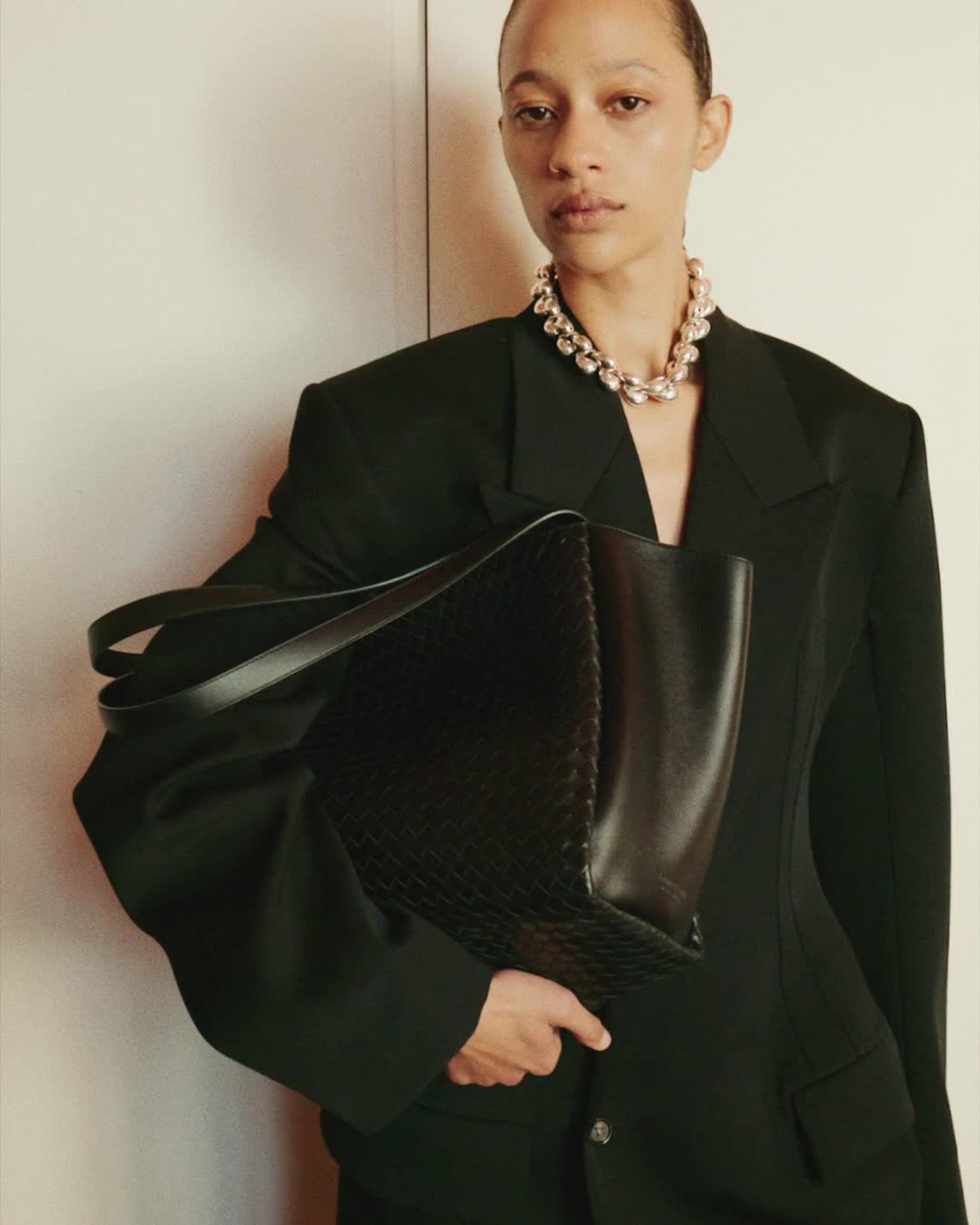
Bottega Veneta Eyewear
Bottega Veneta was founded in Vicenza in 1966 and its first eyewear collection arrived in 2003. The frames borrow the house’s preference for discreet recognition, sculptural detail and material confidence rather than obvious logos. Here, aviators, cat-eyes and square shapes do the visual work.
Laura Lombardi
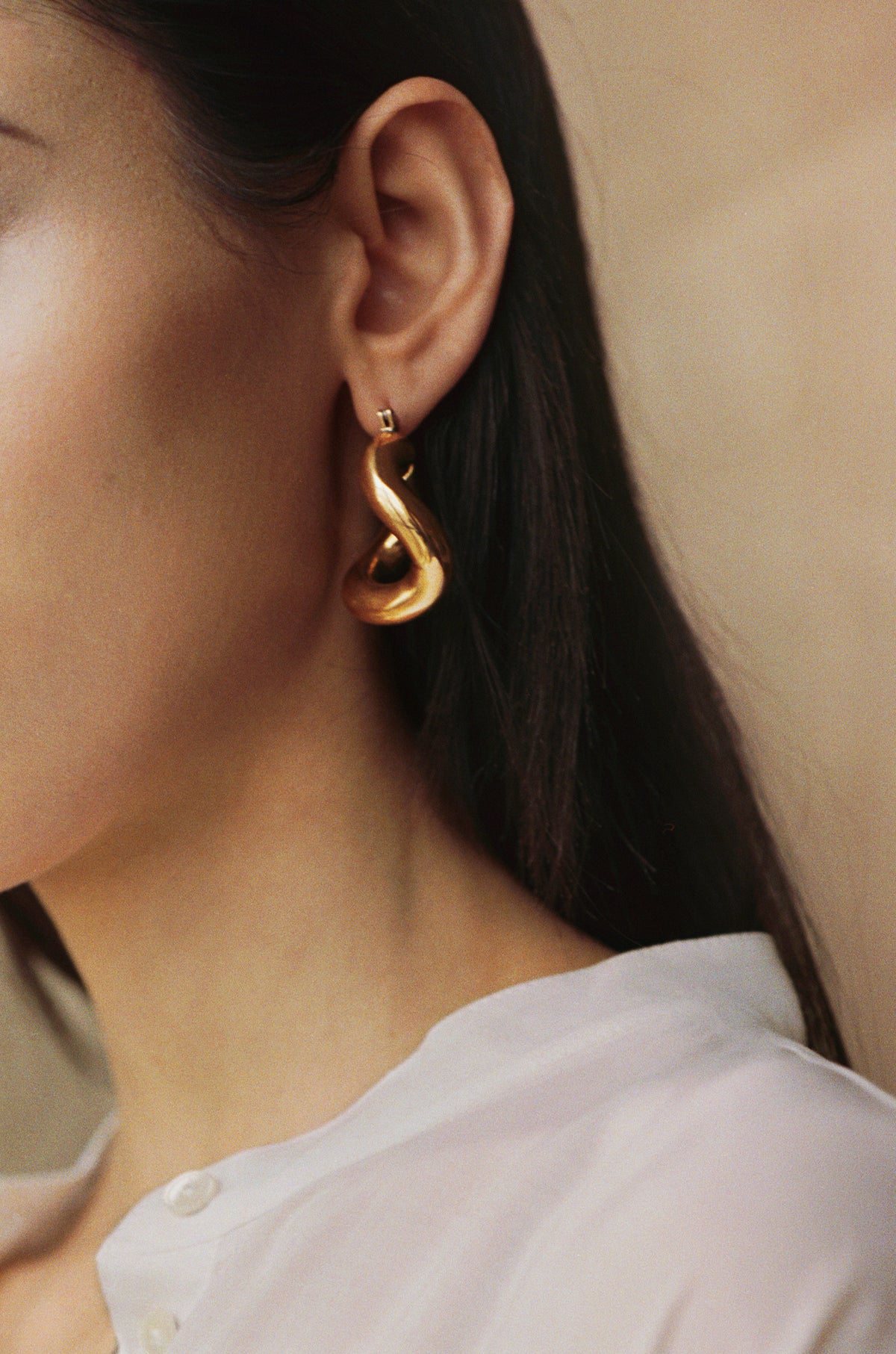
Laura Lombardi launched her eponymous jewelry line in 2010 after growing up between New York and Tuscany and experimenting with the chain samples her father brought from Italy. She works with recycled brass, deadstock and found materials, letting the substance of the piece guide the design. The result is jewelry with industrial weight and an unusually clear sense of its making.
NEOUS
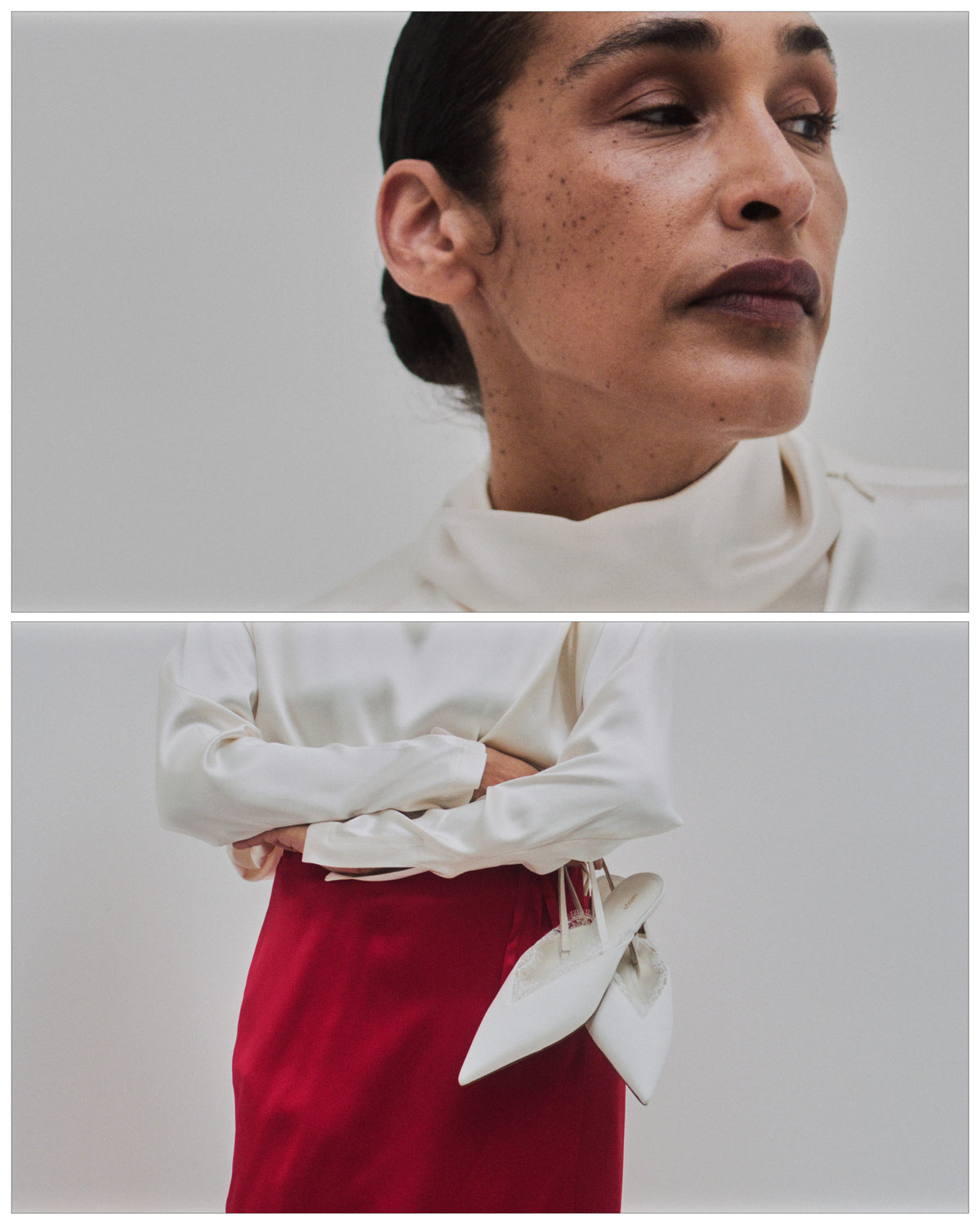
NEOUS makes shoes and bags for people who like a little architecture in their wardrobe. Founded in London by Australian stylist Vanissa Antonious in 2017, the label began with wearable heels and later expanded into handbags. The shapes are clean, but the materials and curves keep them from reading as anonymous minimalism.

Nikos Koulis
Nikos Koulis treats fine jewelry as a meeting point between strict geometry and a little mischief. The Athens-based jeweler founded his eponymous brand in 2006 and made enamel, diamonds and graphic forms part of the house vocabulary. These are pieces with enough precision for a close look and enough color to avoid behaving like safe investments.
Maryam Nassir Zadeh
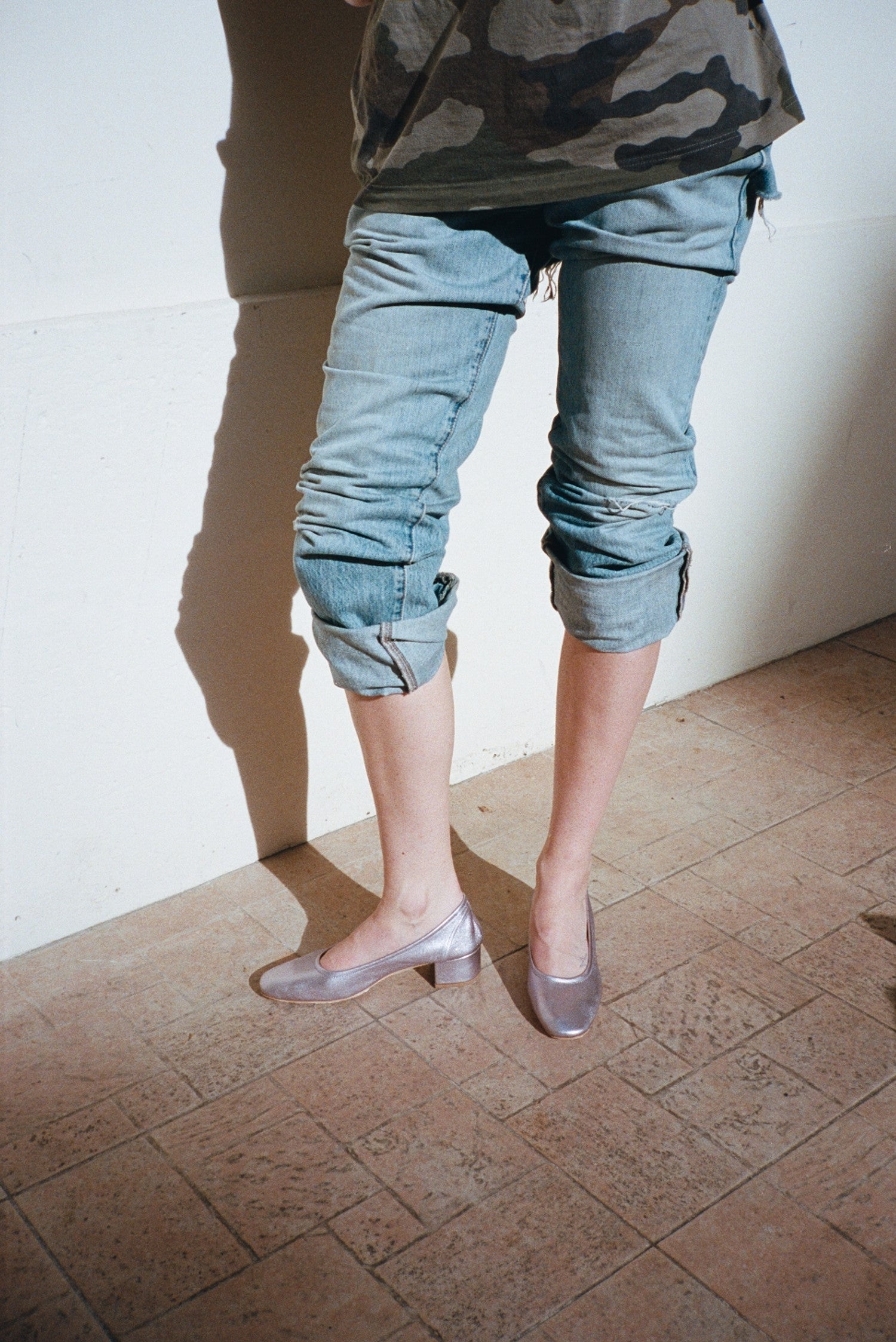
Maryam Nassir Zadeh opened her Lower East Side store in 2008 and launched her in-house clothing and shoe collection in 2012. Her background in textiles and styling shows up in pieces that make a complete look without looking overworked. The line’s downtown ease is less about minimalism than knowing exactly where to stop.

Liffner
Liffner builds handbags around the Scandinavian idea that restraint can still have a pulse. Founded in Stockholm in 2012 by Paulina Liffner von Sydow, the brand pairs expressive minimalism with Italian craftsmanship and small-batch production. Croc effects, calf hair, raffia and tassels add a little mischief to shapes that remain remarkably composed.
Prada Eyewear
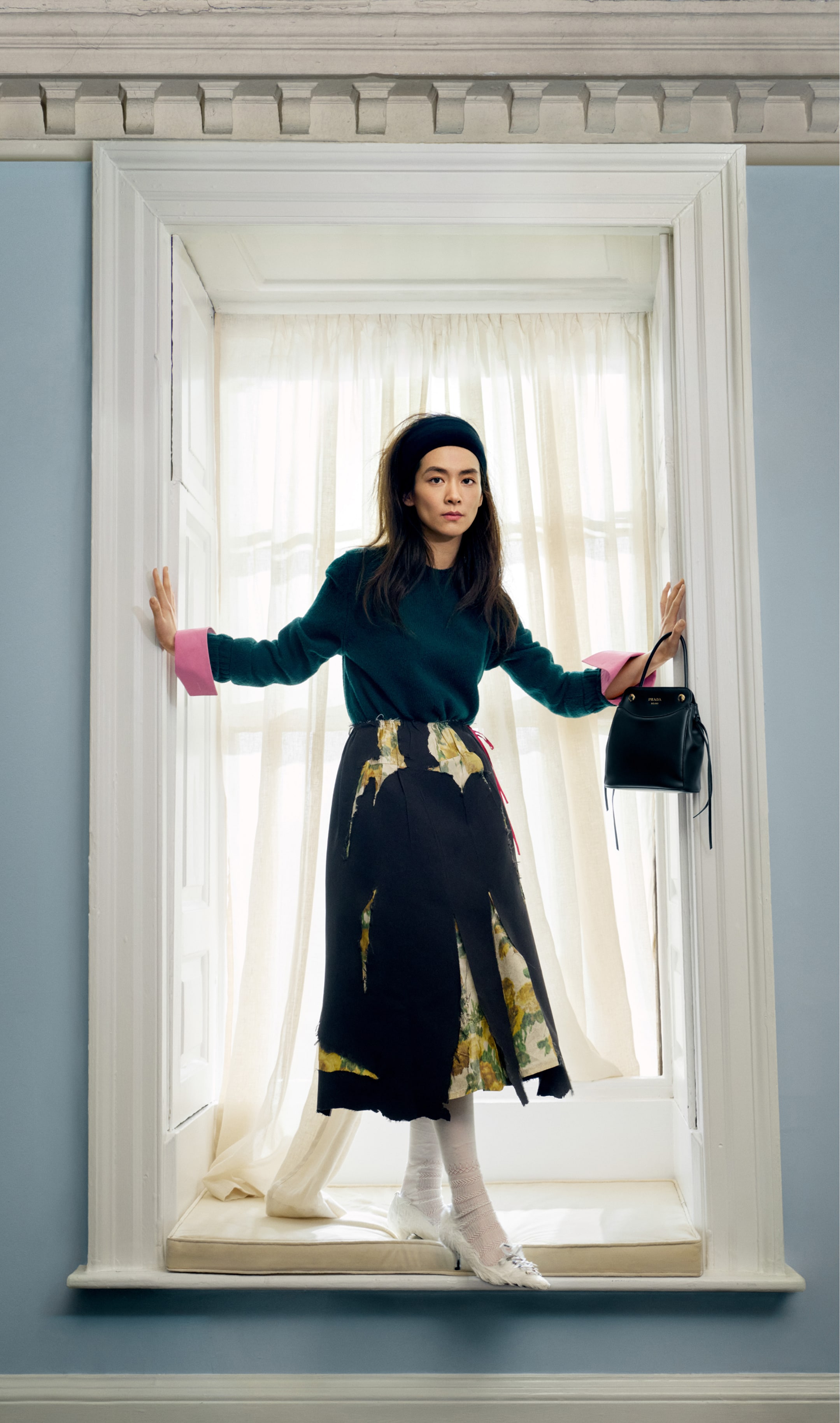
Prada Eyewear gives a familiar accessory category the house's preference for sharp proportion and visual tension. Prada began in Milan in 1913, and its dedicated eyewear line launched in 2000, bringing the brand's design language to sunglasses and optical frames. The current shapes are polished, graphic, and never quite anonymous.
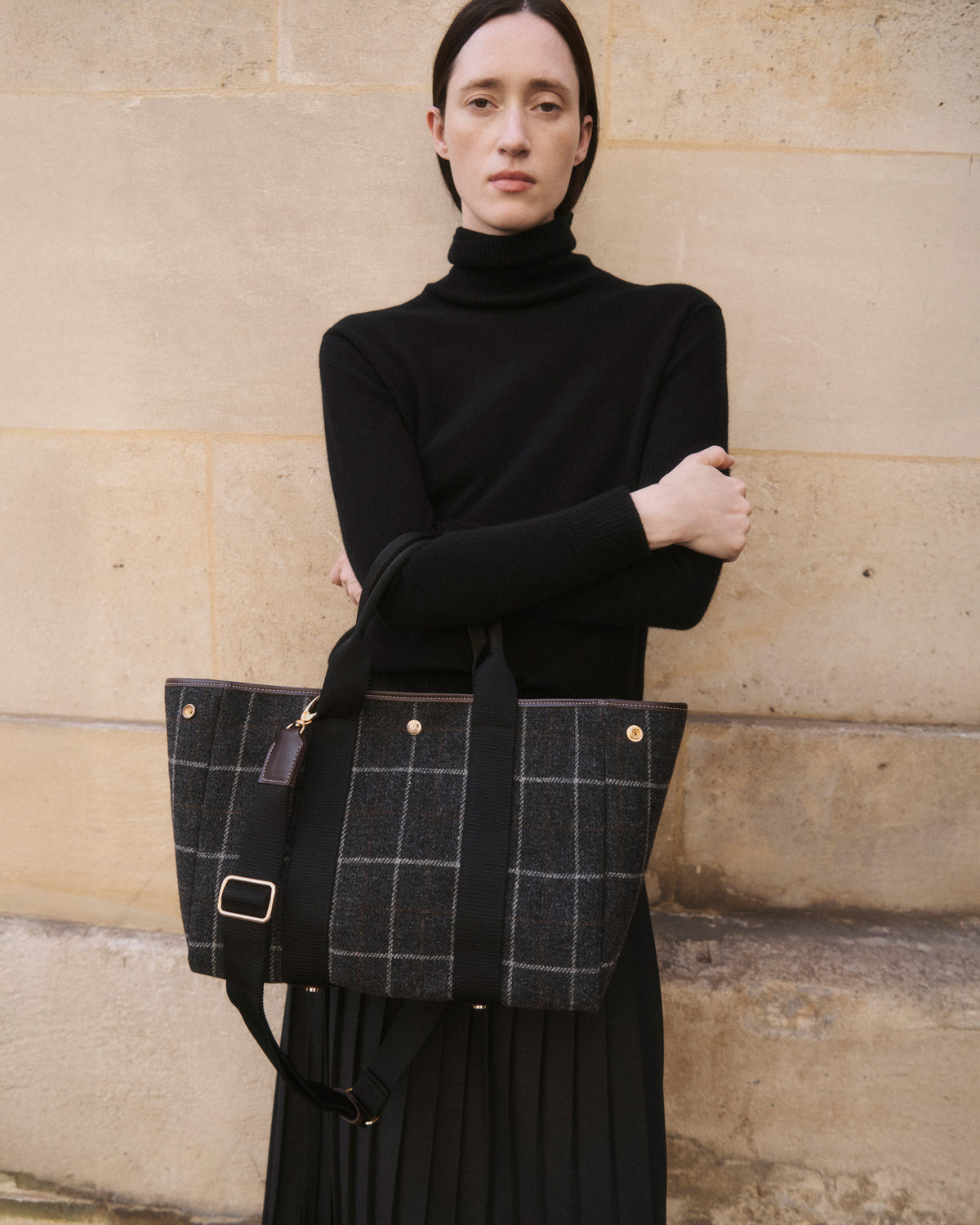
RUE de VERNEUIL
RUE de VERNEUIL treats the everyday tote as a small piece of Parisian architecture. Founded in 2014 by Vincent Ribat, a former interior designer, the label draws on the American tool bag and the quiet order of Saint-Germain-des-Prés. Its appeal is practical rather than performative, with sturdy textiles, leather trim and shapes that make room for actual life.
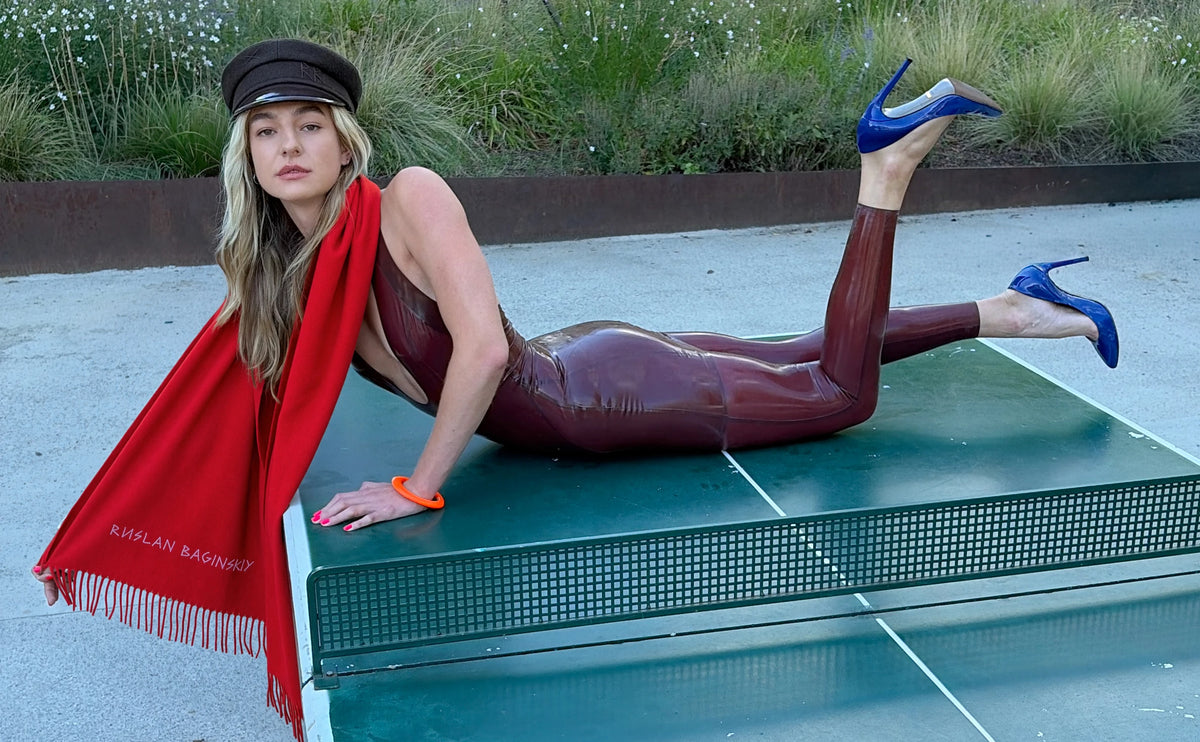
Ruslan Baginskiy
Ruslan Baginskiy builds a wardrobe around the part most people remember last: the headwear. Founded in Lviv in 2015 after the designer worked as a stylist, the label grew from couture pieces made for photo shoots into a Kyiv-based accessories house. Straw, embroidery and a slightly theatrical sense of proportion make these hats feel rooted in craft without becoming museum pieces.
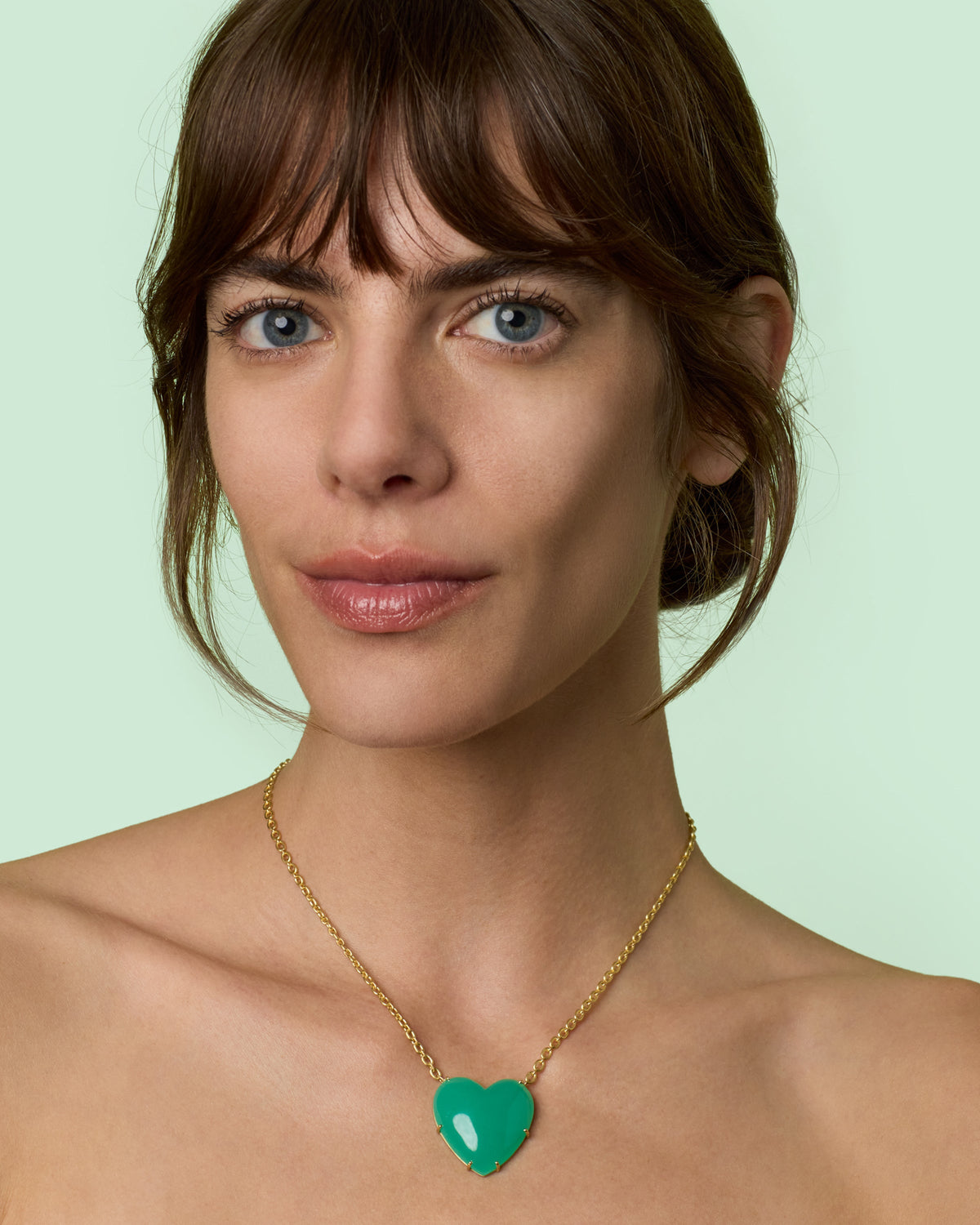
Irene Neuwirth
Irene Neuwirth began making jewelry from glass beads and mixed stones after college, then launched her Los Angeles brand with Tracy Stoll in 2003. Her work keeps color and unusual gemstones at the center, turning aquamarine, emerald, morganite and opal into pieces that feel joyful without losing fine-jewelry weight. The result is luxury with a pulse rather than a dress code.
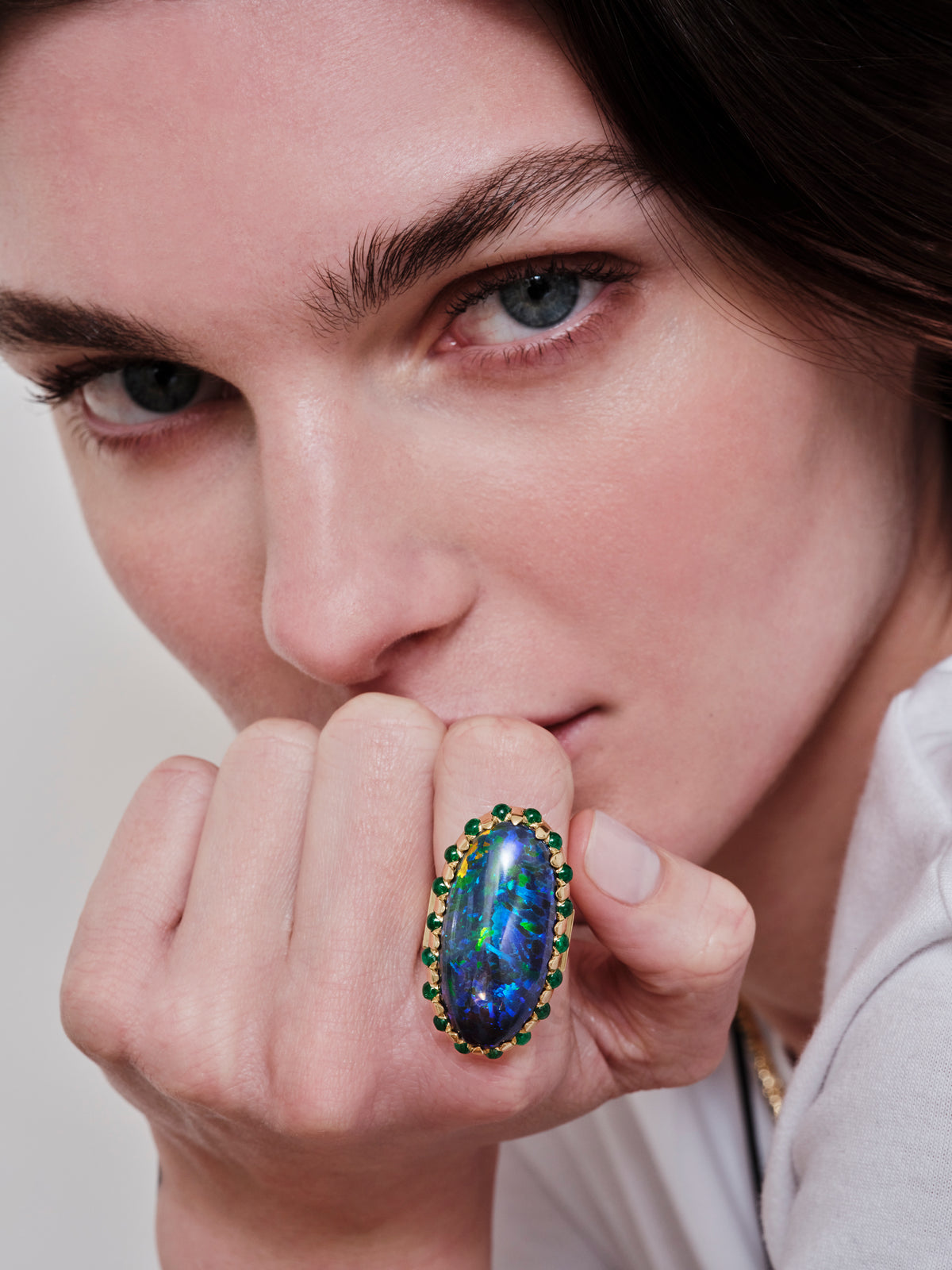
Ileana Makri
Ileana Makri launched her eponymous jewelry line in 1998 after studying design at the Gemological Institute of America and returning to the gemstone language she had loved since childhood. Her Athens-based work is made with local artisans and balances fine materials with a sense of movement, from cord and beads to diamonds, enamel and colored stones. The collection reads like modern talismans rather than a parade of formal jewelry.

Le Monde Béryl
Le Monde Béryl makes shoes for the long way around, with ballet flats, Mary Janes, mules and boots that treat comfort as a design problem rather than a compromise. Founded in 2016 by Lily Atherton Hanbury and Katya Shyfrin, the London label began with the Venetian gondolier slipper as its point of departure. Each pair is hand-finished in Italy, with the kind of detail that reads better in motion than in a product shot.

Mizuki
Mizuki Goltz founded her New York jewelry brand with her husband in 1996 after studying sculpture at the School of Visual Arts. A handmade beaded necklace sold for twenty dollars became an early nudge toward a career built around modern pearls and fluid gold lines. The work balances Japanese and American sensibilities without turning either into a costume.

Smythson
Smythson makes everyday paper and leather goods feel like objects worth keeping. Frank Smythson opened the brand’s first London boutique in 1887, and in 1908 the house created a portable Featherweight diary that changed what a diary could be. That same practical elegance runs through its notebooks, travel pieces and small things for a well-ordered desk.

Persée
Persée makes diamonds look as though they have been caught in motion rather than fixed in place. Founded in Paris in 2017 by Nawal Laoui, the house built its identity around a pierced-diamond technique inspired by Japanese craftsmanship and a love of art, travel, and mythology. The result is fine jewelry with a surprising sense of lightness.
Repossi
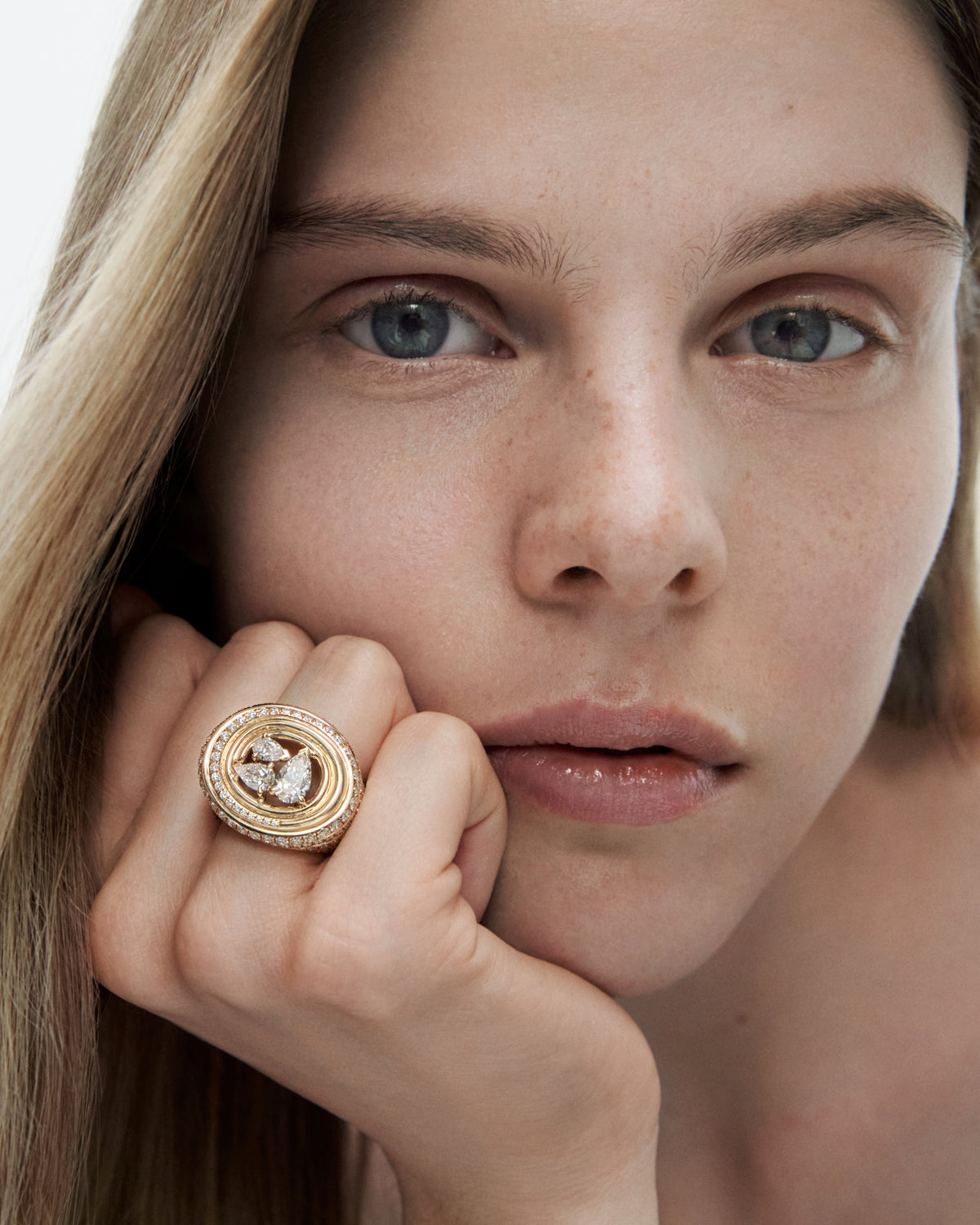
Repossi treats fine jewelry as a piece of modern architecture worn on the body. Founded in Turin in 1957 by Costantino Repossi, the family house later moved into a more radical language under Gaia Repossi, whose work draws on art, architecture, and the idea of diamonds floating on skin. The result is precise, graphic, and made to be noticed up close.
Tom Ford
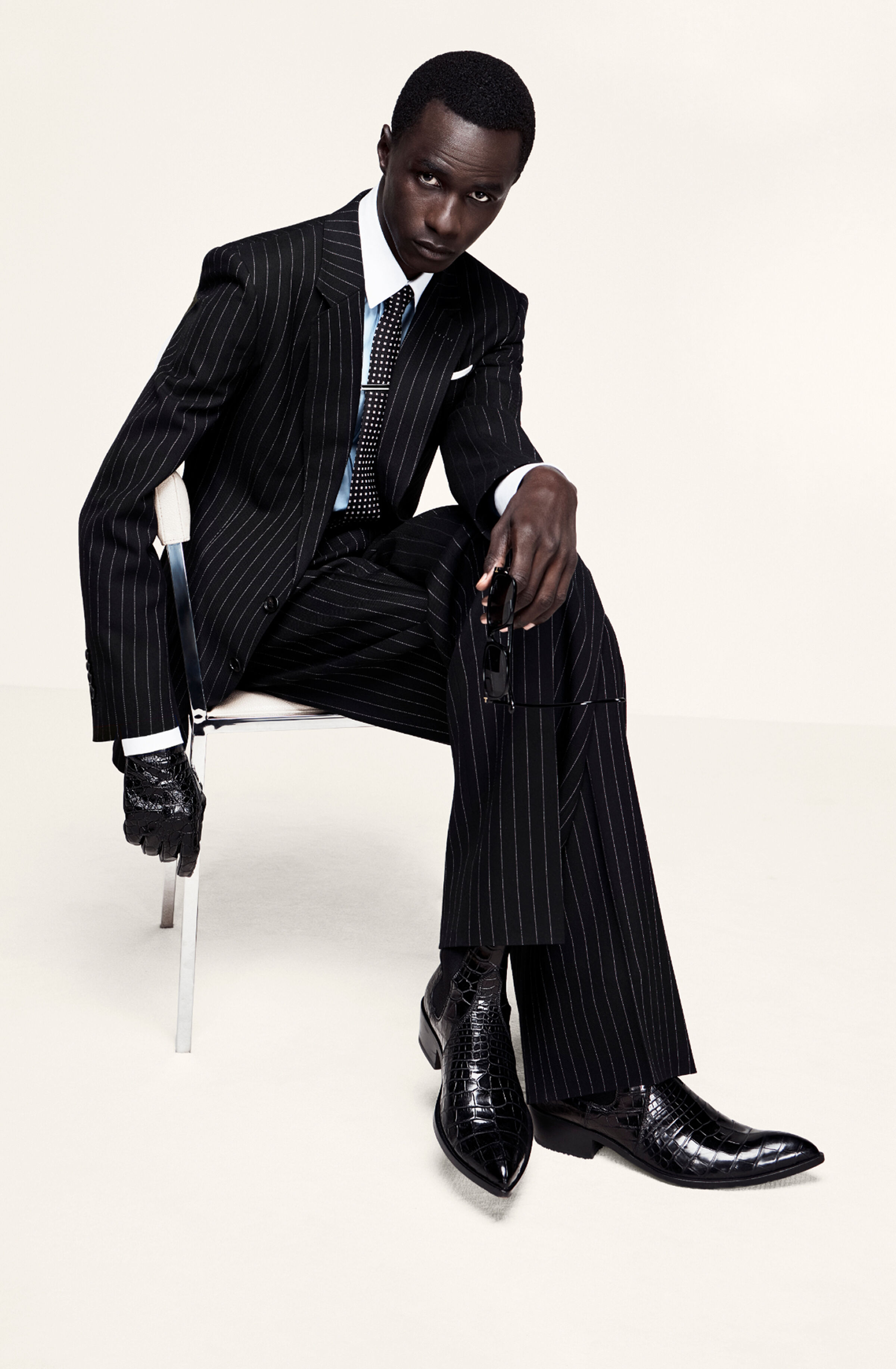
Tom Ford trained as an architect at Parsons School of Design before joining Gucci in 1990, a house then weighed down by family disputes and near insolvency, and rose to Creative Director by 1994, driving sales up roughly ninety percent within two years. He left Gucci Group in 2004 after a contract dispute and launched his own label in 2005, opening a Madison Avenue flagship in 2007 built around the same architectural rigor and unapologetic glamour he brought to Gucci.
Saint Laurent
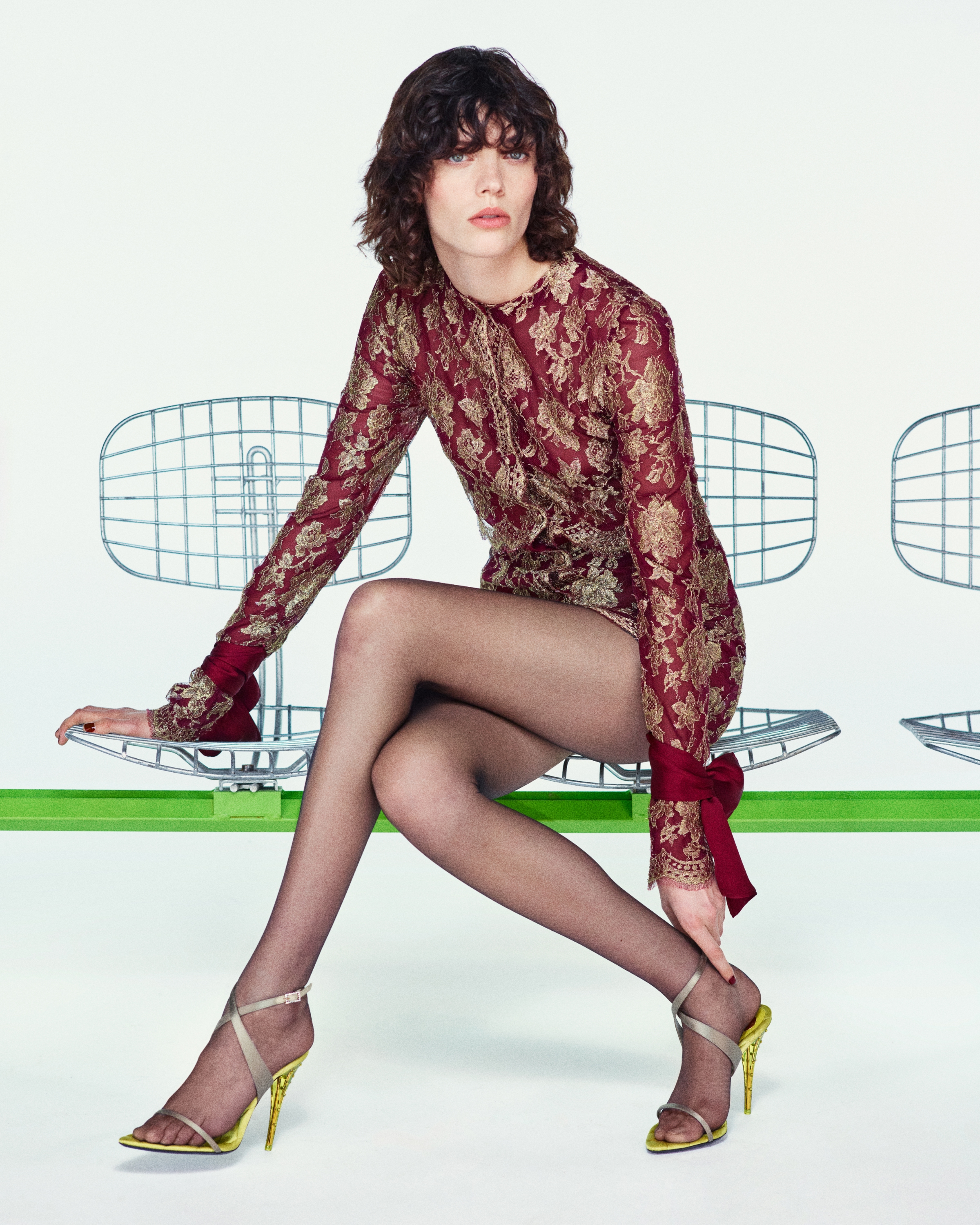
Yves Saint Laurent and Pierre Bergé opened the house in Paris on December 4, 1961, after Saint Laurent's dismissal from Christian Dior, where he had been chief designer since age twenty one. The label reshaped fashion twice over, first with Le Smoking, the tuxedo suit for women, then with the 1966 Rive Gauche line that made designer ready-to-wear a real category, and it has since passed through Tom Ford, Stefano Pilati, Hedi Slimane and now Anthony Vaccarello.
Loewe
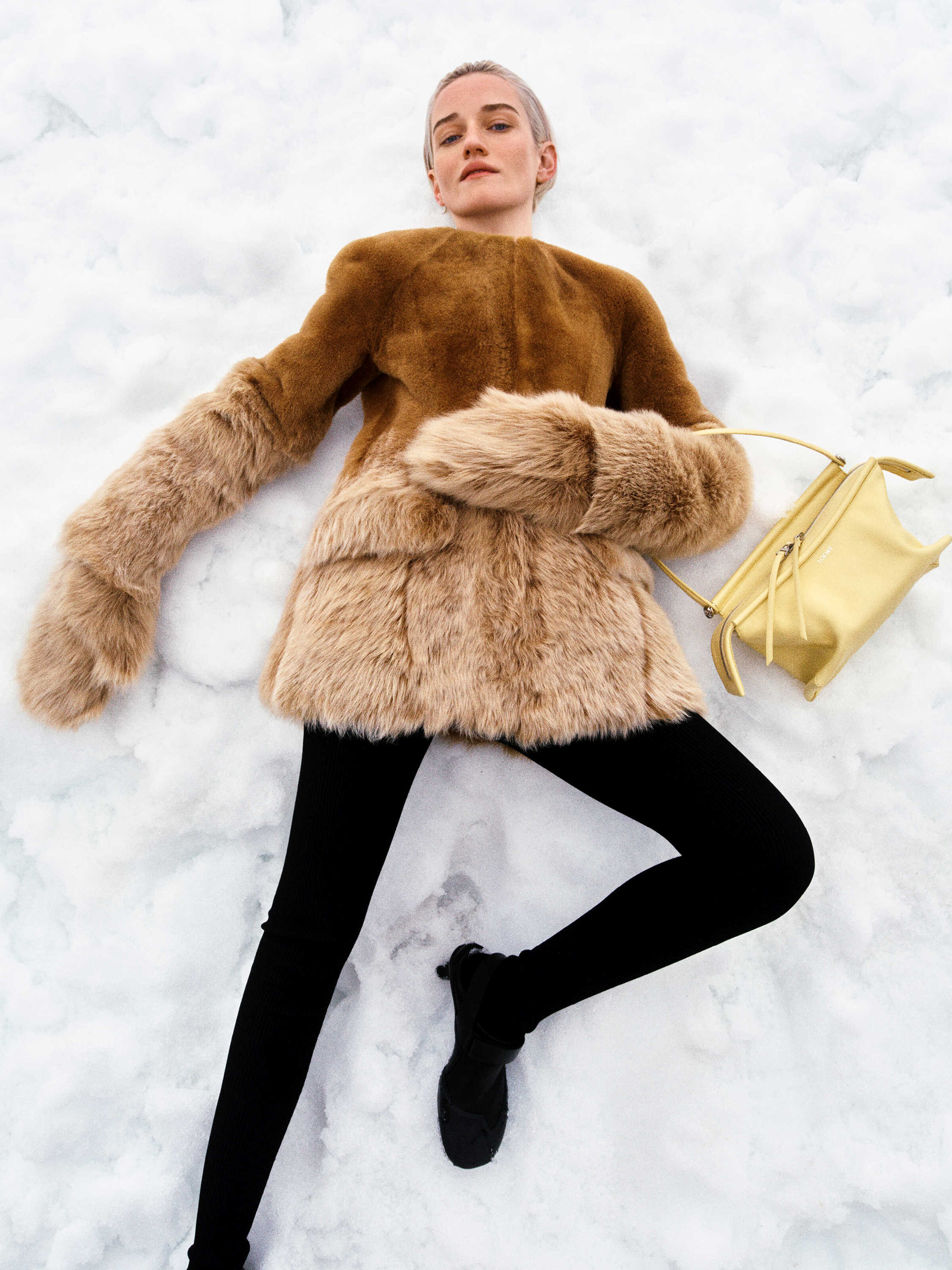
A collective of Spanish leather artisans opened a workshop on Madrid's Calle Lobo in 1846, and in 1872 the German leather craftsman Enrique Loewe Roessberg joined the operation and put his name on it, which is the moment most histories date the house's real founding to. Loewe has spent nearly two centuries since as a leather-goods specialist first, later expanding into ready to wear and accessories, and its main atelier still operates in Madrid where the whole thing started.
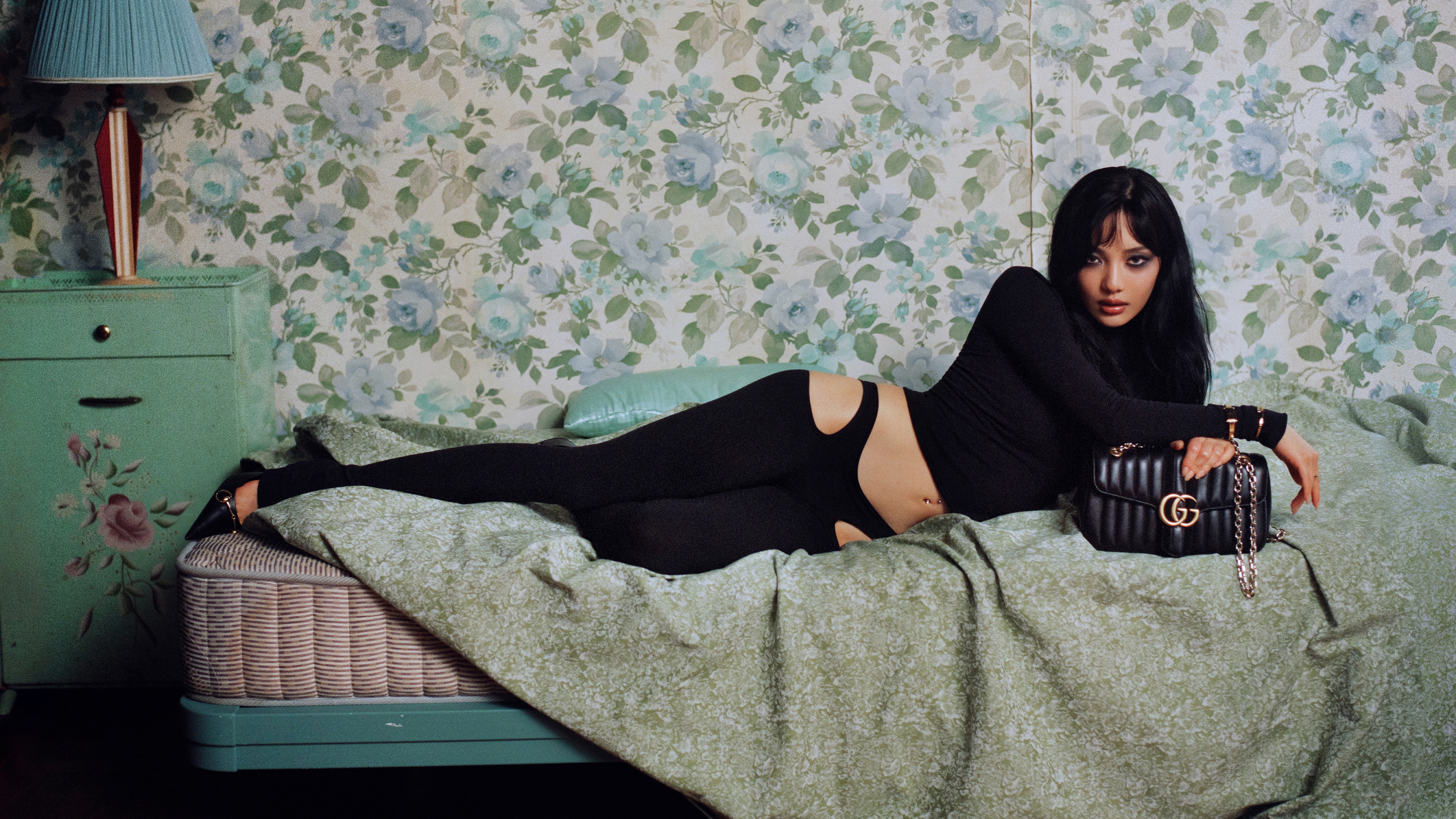
Gucci
Guccio Gucci opened his first shop on Florence's Via della Vigna Nuova in 1921, selling leather luggage after years spent watching wealthy travelers as a porter at London's Savoy Hotel. The house has since run through family ownership, a very public 1990s implosion, and a run of creative directors, Tom Ford, Frida Giannini, Alessandro Michele, Sabato De Sarno and now Demna, each of whom rebuilt its image without ever discarding the leather-goods core Guccio started with.