Designers
Designers
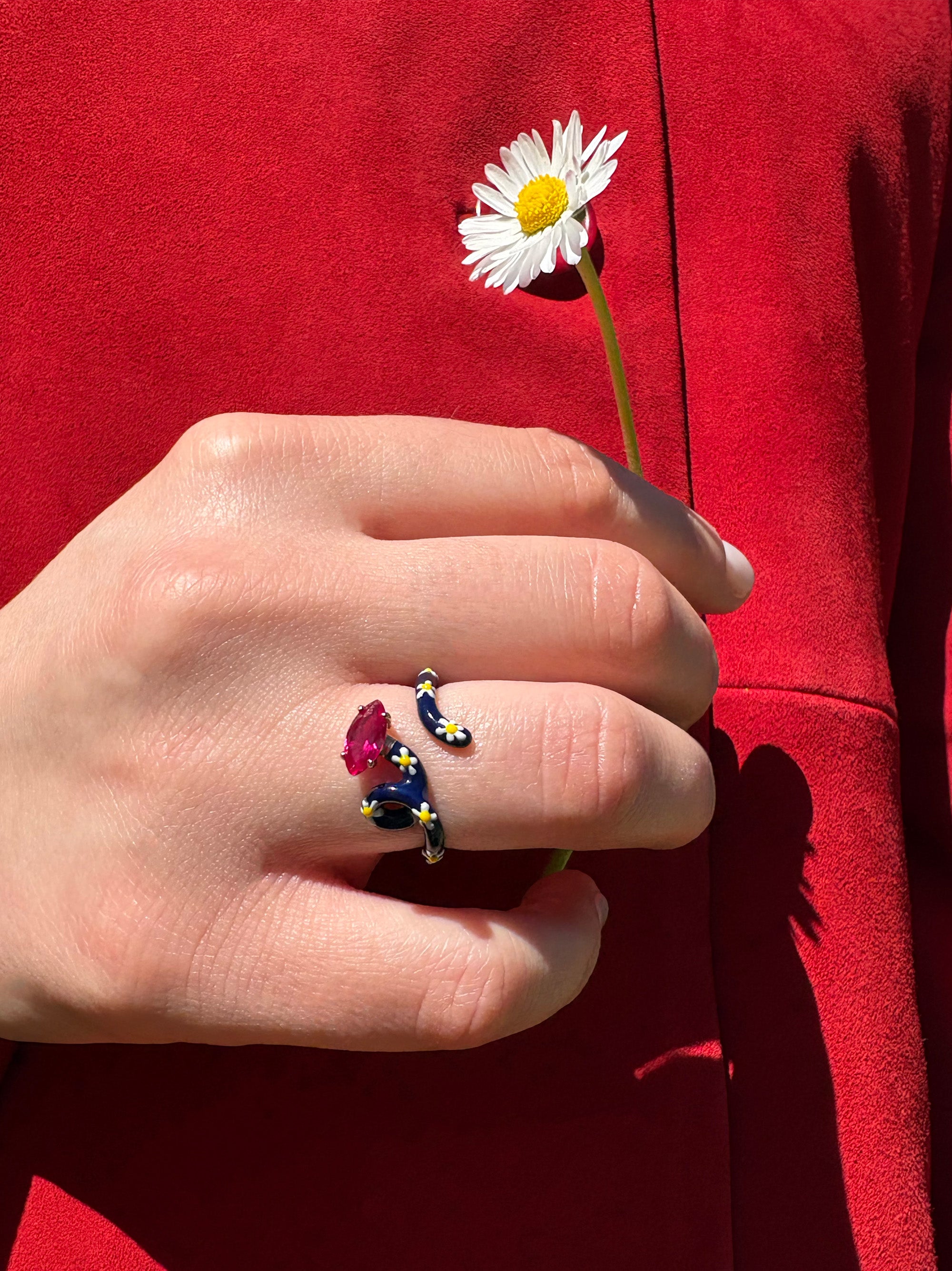
Bea Bongiasca Jewelry
Bea Bongiasca launched her eponymous jewelry line in Milan in 2013, straight out of Central Saint Martins, debuting her first collection at 10 Corso Como the following year. The label is built on candy colored enamel wrapped around gemstones, a playful, sculptural language that treats fine jewelry like it should not take itself too seriously.
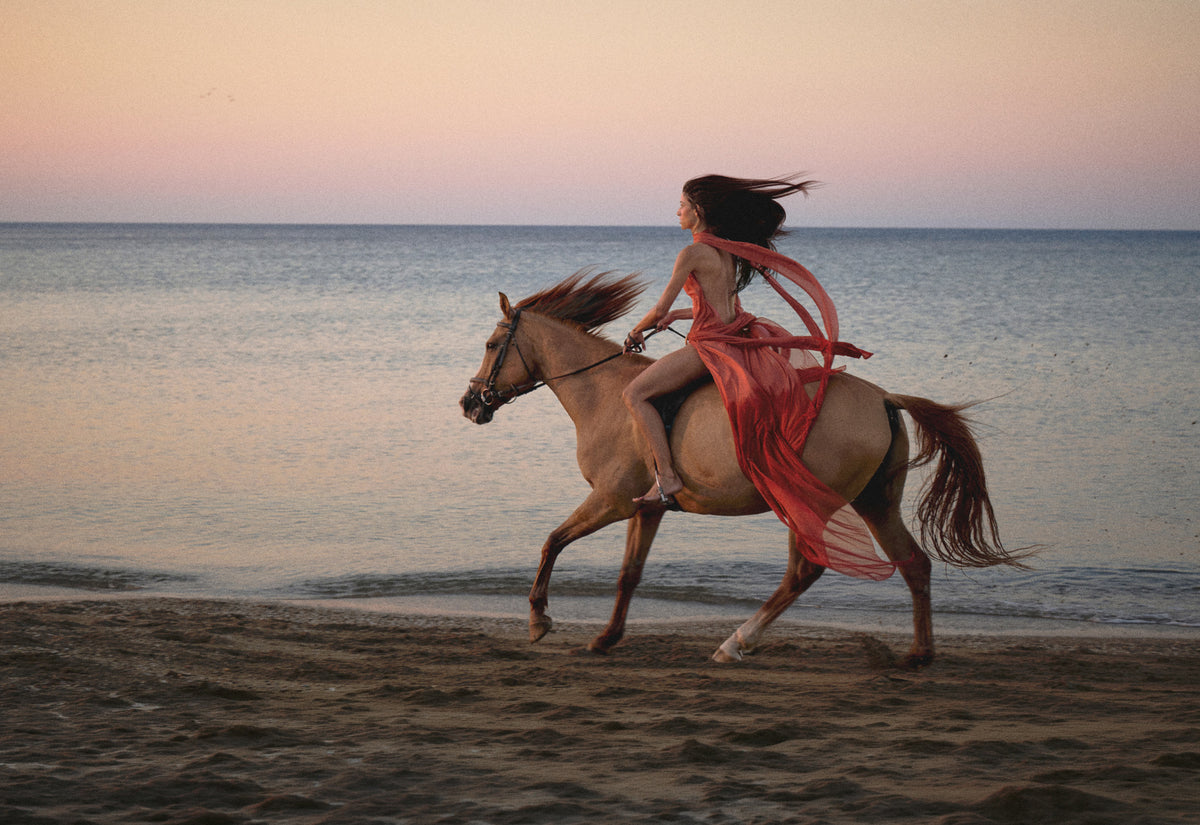
Cult Gaia Bags and Dresses
Jasmin Larian started Cult Gaia in 2012, making flower crowns and wired-fabric headbands for friends around New York while she was training at FIT. The label found its real signature in the bamboo Ark bag, a sculptural, unmistakable shape that turned a slow-burning accessory into one of the decade's most photographed bags and pushed the brand into ready-to-wear, footwear and eventually bridal.
VRAI Jewelry
Vanessa Stofenmacher and Chelsea Nicholson founded the label in Los Angeles in 2014 as Vrai & Oro, selling made-to-order recycled-gold jewelry before the diamond producer Diamond Foundry acquired the business and shortened the name to VRAI in 2019. Every stone the house sets now comes from its own zero-emission foundry in Wenatchee, Washington, which produced what the company describes as the world's first carbon-neutral certified lab-grown diamond in 2017.
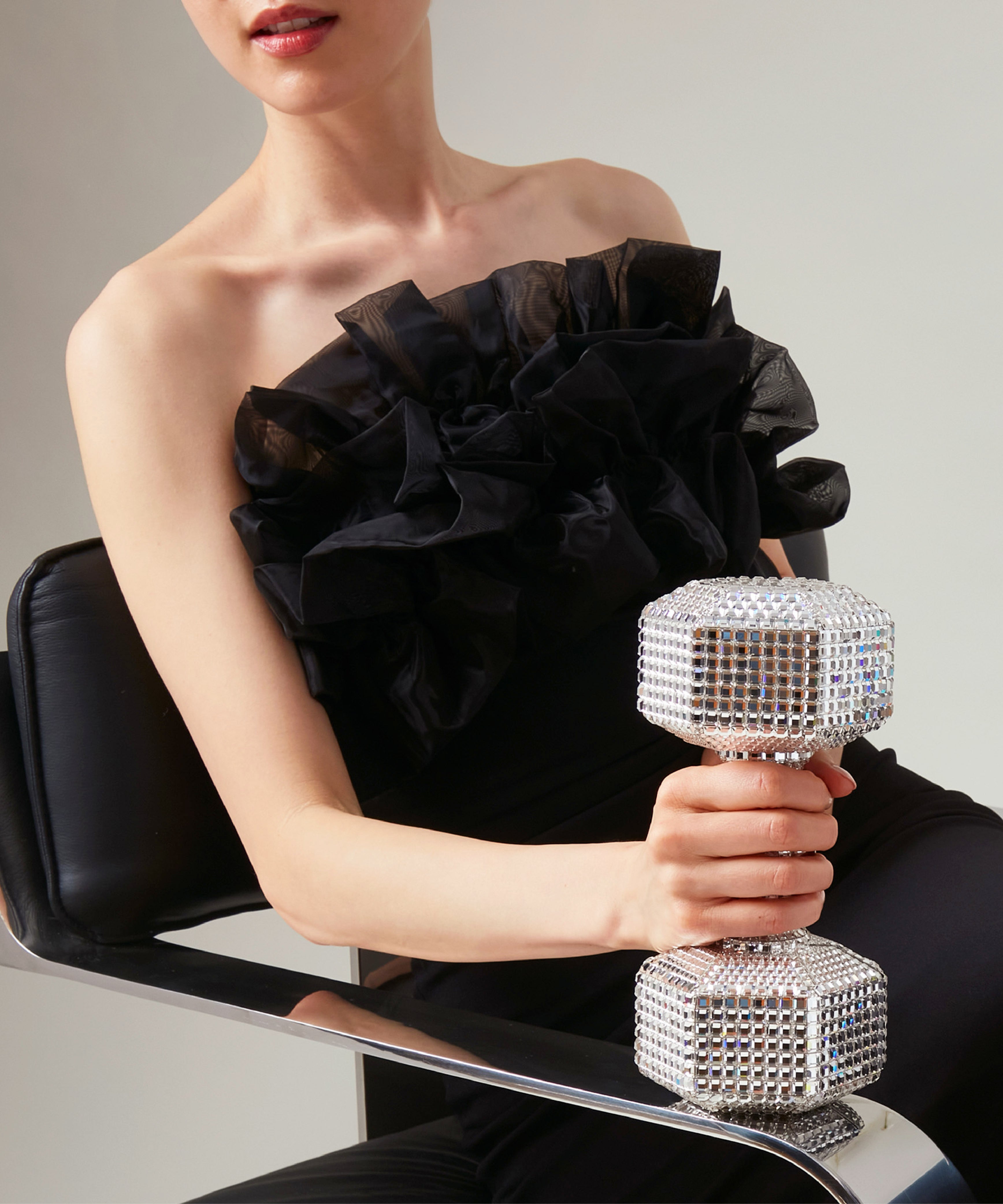
Judith Leiber Couture Bags
Judith Leiber, a Budapest-trained handbag maker who survived the Nazi occupation and emigrated to New York in 1947, started her own company there in 1963 after twelve years working for designer Nettie Rosenstein. A shipment of poorly plated brass frames pushed her to cover the flaws in crystals, and that fix became the house's signature minaudière, the small, sculptural evening bag later carried by numerous First Ladies.
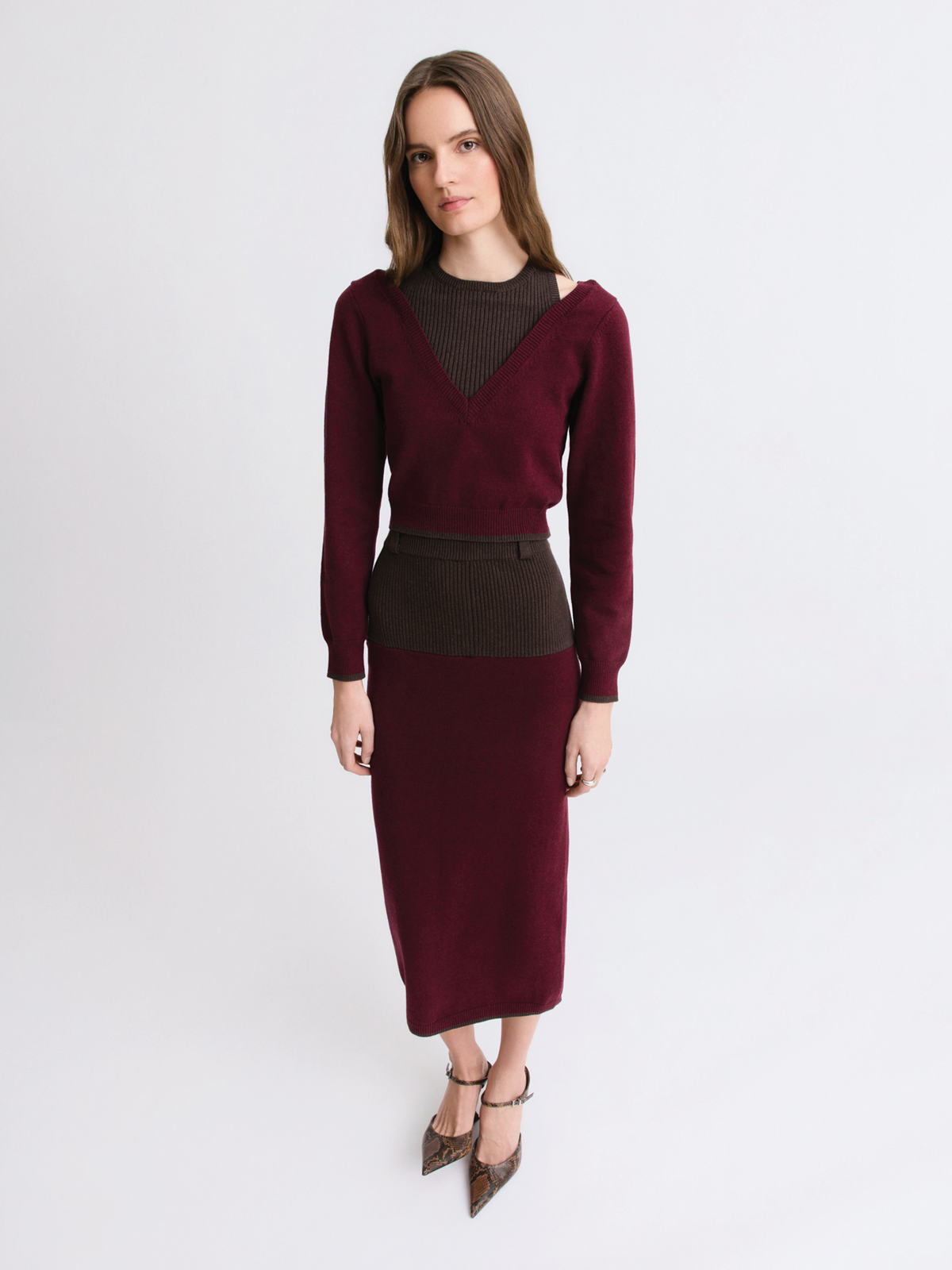
Matthew Bruch Jeans and Dresses
Matthew Bruch launched his namesake label for spring/summer 2020 after graduating from Pratt Institute's fashion design program and working for several other lifestyle brands. He built the line around a specific gap he saw in resort wear, easy vacation staples and swimwear designed with more restraint than the ruffled, printed norm, produced in New York from Italian and French fabrications.

DL1961 Jeans and Knitwear
DL1961 started in 2008 in New York, launched by the Ahmed family after decades running a premium denim manufacturing business behind the scenes. What sets the label apart is XFIT Lycra, a patented cotton-wrapped stretch thread developed in-house that the brand has spent years refining for fit and recovery, alongside a water-conscious production process it introduced in 2013.
Leset Knitwear
Lili Chemla launched Leset in New York in 2019, pitching it at department stores who reportedly struggled to categorize it: not quite loungewear, not quite traditional ready-to-wear. The label built its identity around matching sets and refined basics rather than seasonal statement pieces, launching exclusively on Net-a-Porter that same year.

Savette Bags
Amy Zurek founded Savette in New York in 2020, after studying art history and fashion design at Parsons, then working at The Row and building Khaite's handbag line from scratch alongside founder Cate Holstein. She named the label after her mother's maiden name and built its design language around two women, her mother's classic taste in leather goods and her grandmother's eye for sculptural jewelry.
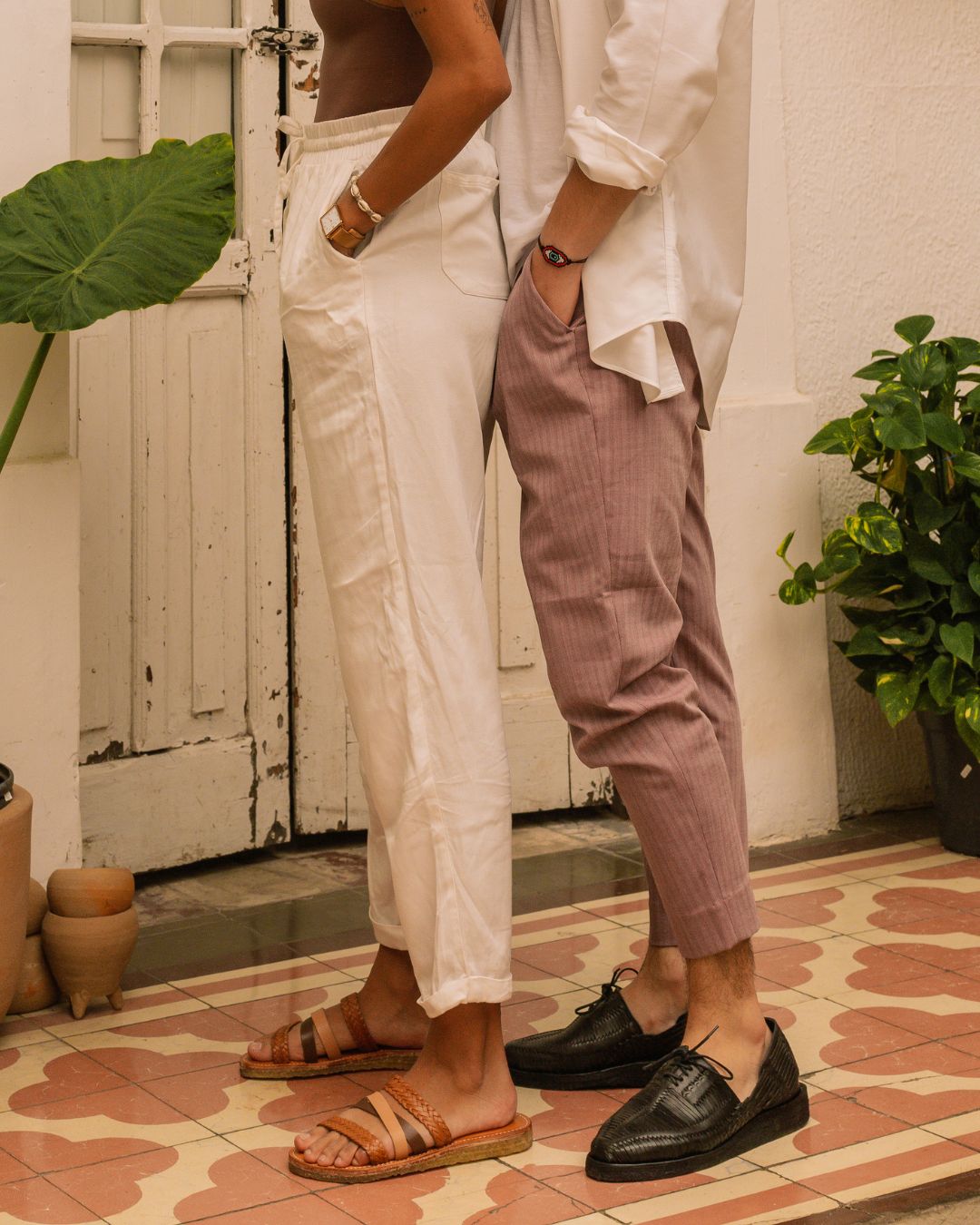
CANO Jewelry
CANO began as a family obsession, not a fashion label: in Bogotá, Guillermo Cano trained as a goldsmith in Germany before opening a boutique in 1968 to recreate the pre-Columbian gold pieces his grandfather Nemesio had unearthed decades earlier. Its defining fact is a license, not a trend: CANO is the only jewelry house authorized by the Banco de la República's Gold Museum to reproduce pieces from its collection, using the same lost-wax casting the original goldsmiths used.

Maticevski Dresses
Toni Maticevski, a Melbourne designer who trained at RMIT and worked briefly for Donna Karan and Cerruti, launched his namesake label in Melbourne in 1998. He built a reputation on draping and sculptural, demi-couture silhouettes, an approach that earned him the 2016 Australian Fashion Laureate and a retrospective at Bendigo Art Gallery.

Proenza Schouler White Label: Jackets, Dresses and Knits for the Week
Proenza Schouler White Label turns the main line's sharp shapes into clothes meant for an actual week rather than a single dinner reservation. Jackets, dresses, and knits share a New York-inflected edge without asking for special occasions to justify them. This edit treats the label as a wardrobe to build from, not a single standout piece.
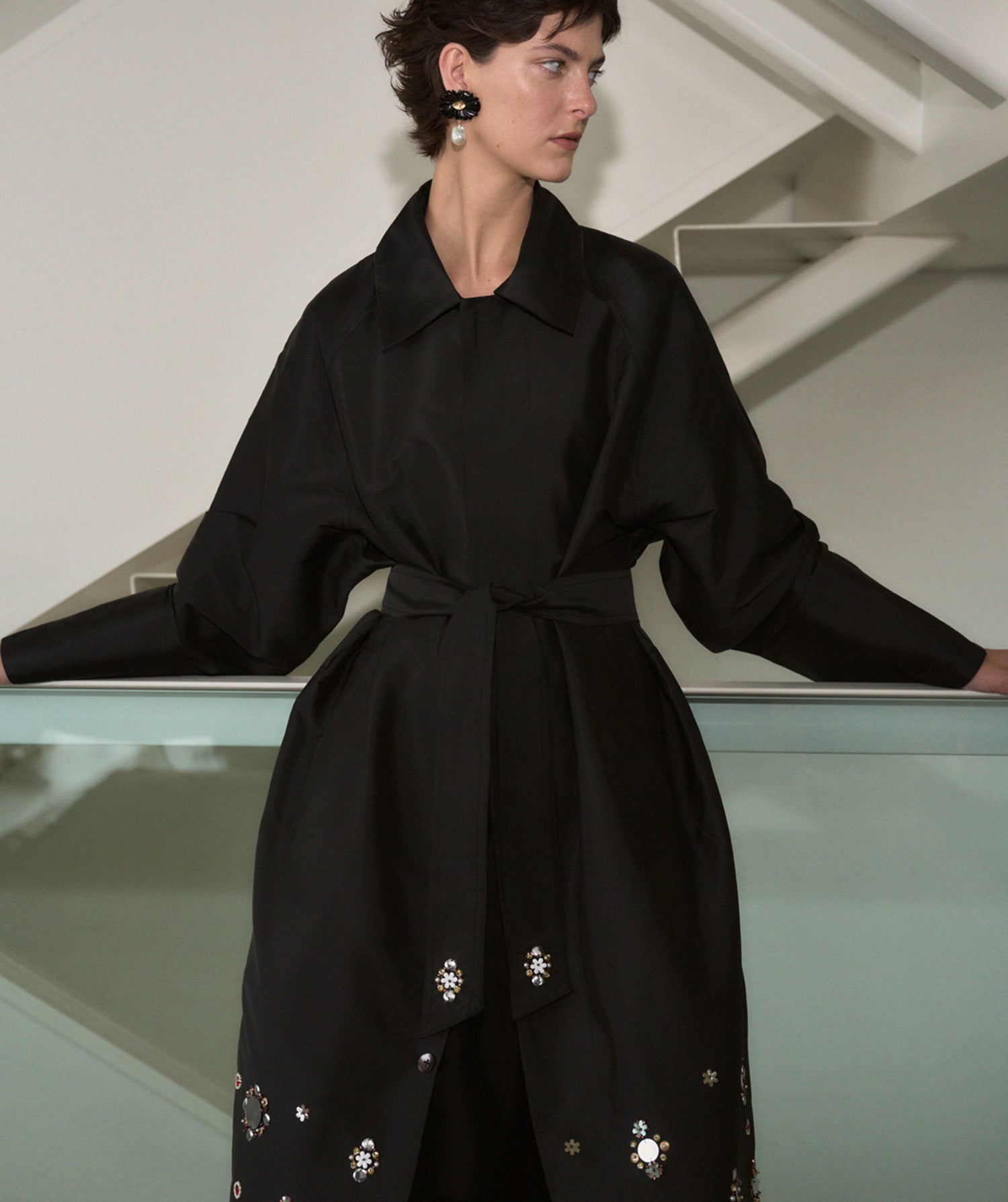
Chan Luu Jewelry
Chan Luu started her namesake line in 1996 out of a Los Angeles garage, after two decades working retail floors and buying desks around the fashion industry. The label built its name on handmade jewelry produced with artisans in Vietnam and India, the kind of wrap bracelets and beaded pieces that made her a fixture on 2000s red carpets long before hers was a household name.
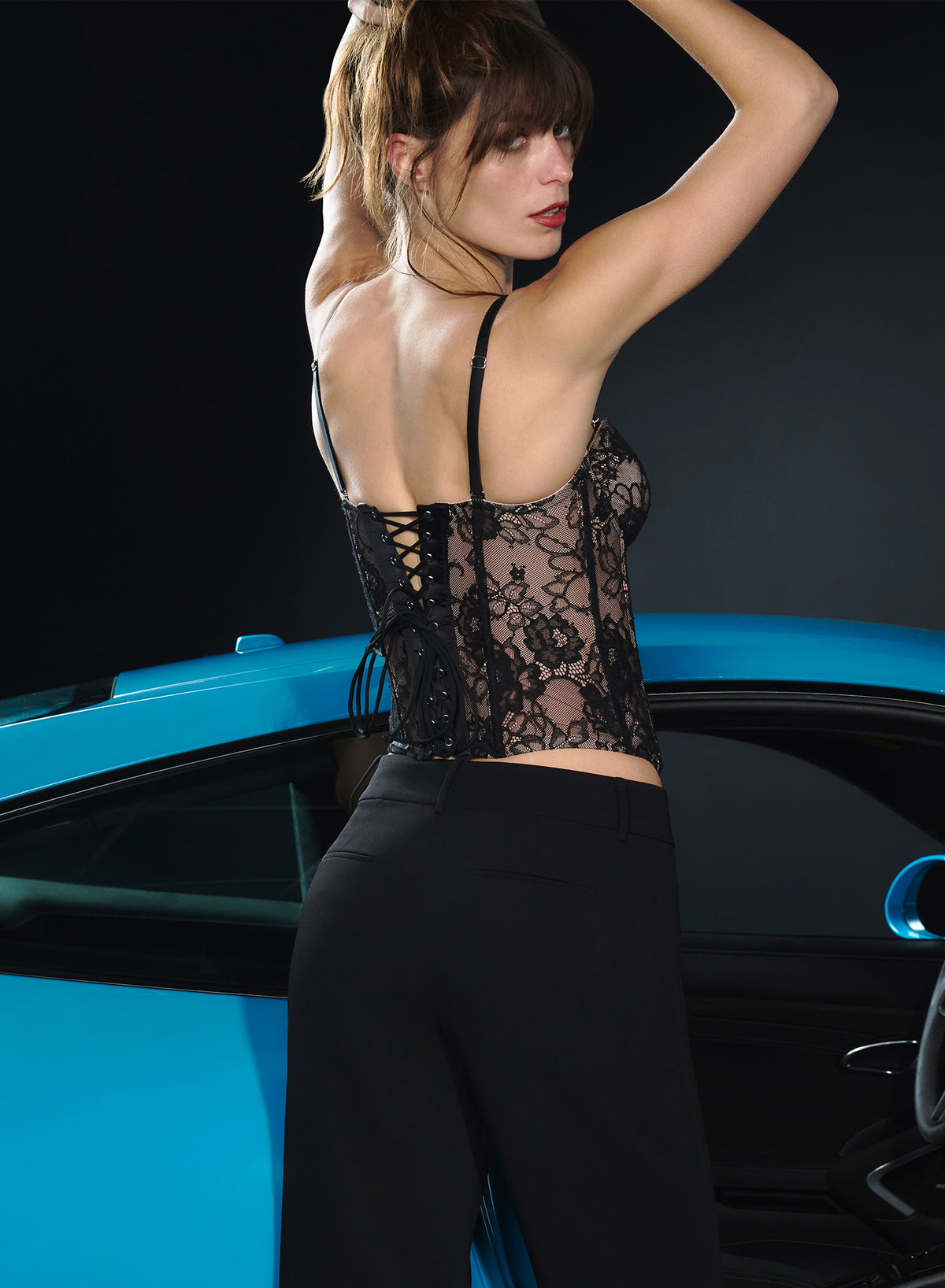
Fleur du Mal Dresses and Shoes
Jennifer Zuccarini launched Fleur du Mal in New York in 2012 after stints co-founding Kiki de Montparnasse and designing intimates at Victoria's Secret, taking the brand's name from Baudelaire's collection of poems. Her pitch was lingerie meant to be worn on an ordinary day rather than saved for an occasion, which is why the label expanded into ready-to-wear and swim without ever losing its underpinnings logic.
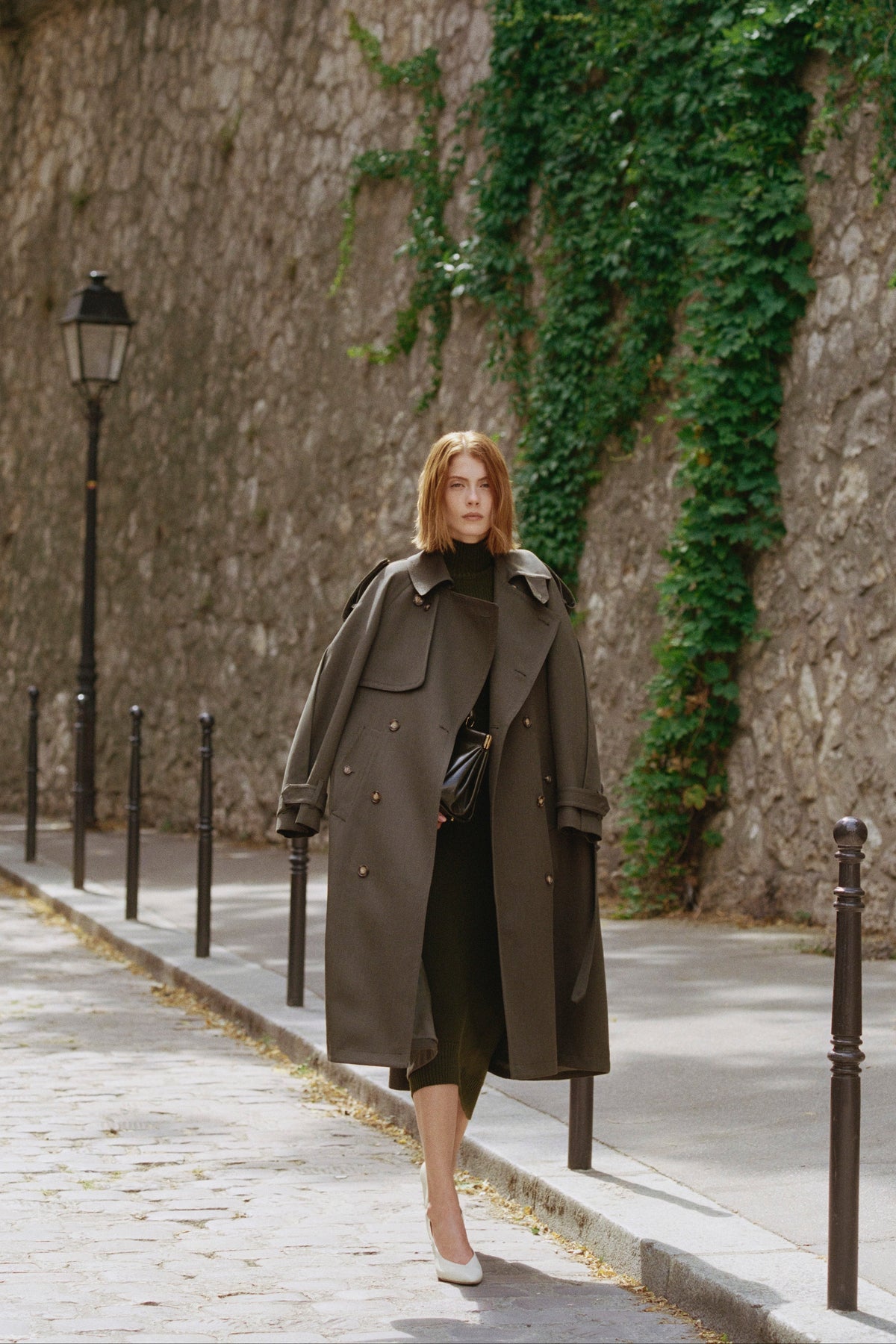
Victoria Beckham Dresses and Knitwear
Victoria Beckham launched her eponymous ready-to-wear label in September 2008 with a ten-dress debut at New York Fashion Week, a pivot from pop stardom and tabloid muse status that the industry initially met with real skepticism. The label spent years losing money, took outside investment from NEO Investment Partners in 2017, and only turned its first operating profit in 2025, all while building a reputation for precise, body-conscious cutting that eventually earned her a spot on the official Paris Fashion Week calendar in 2022.
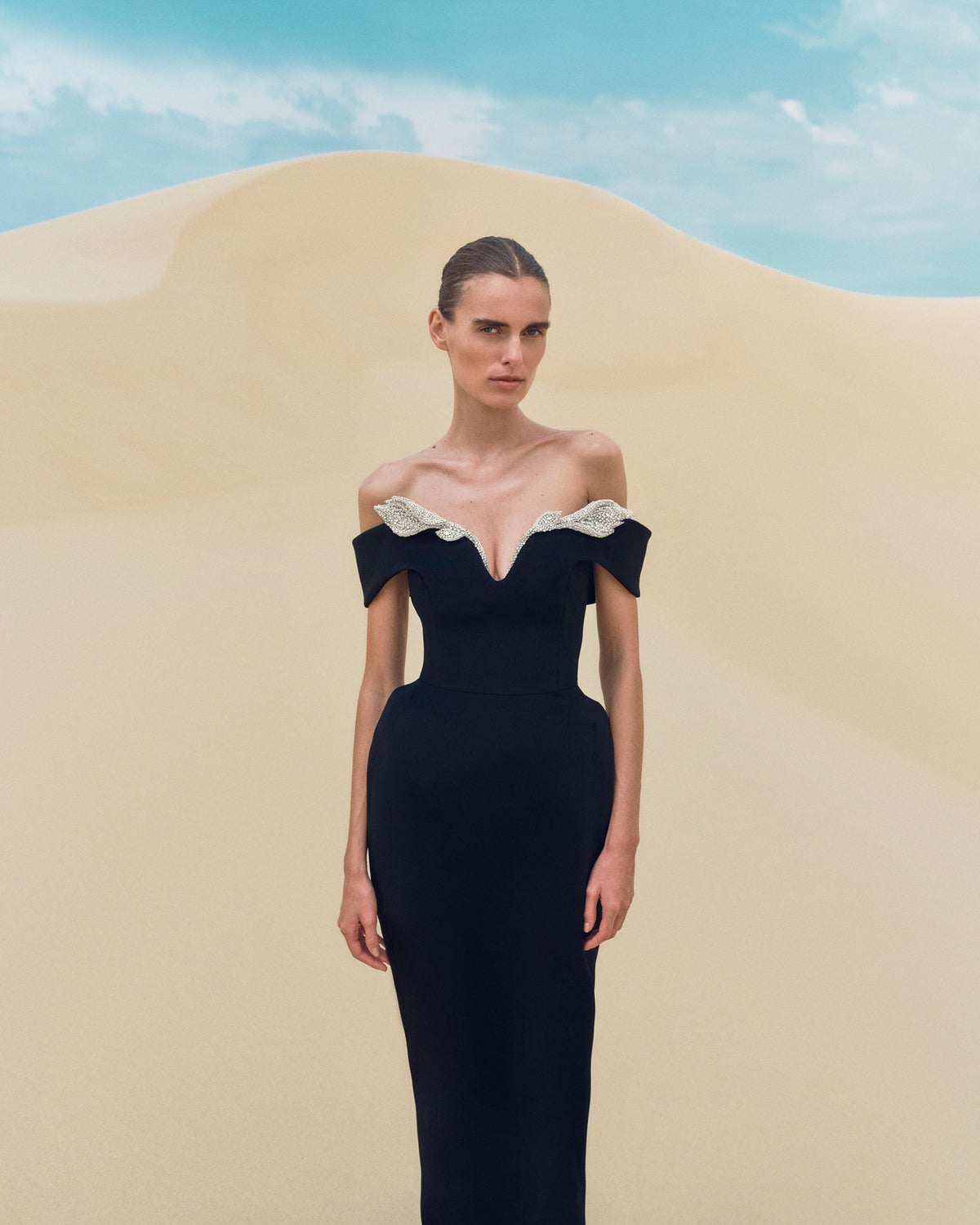
Rachel Gilbert Dresses
Rachel Gilbert launched her namesake label in Sydney in 2007 at 24, after training at the Whitehouse Institute of Design and working as a designer for Nicky Hilton's label Chick in New York and for Morrissey back in Australia. She built the brand on hand embellishment at a moment when Australia's occasion-wear market barely had any
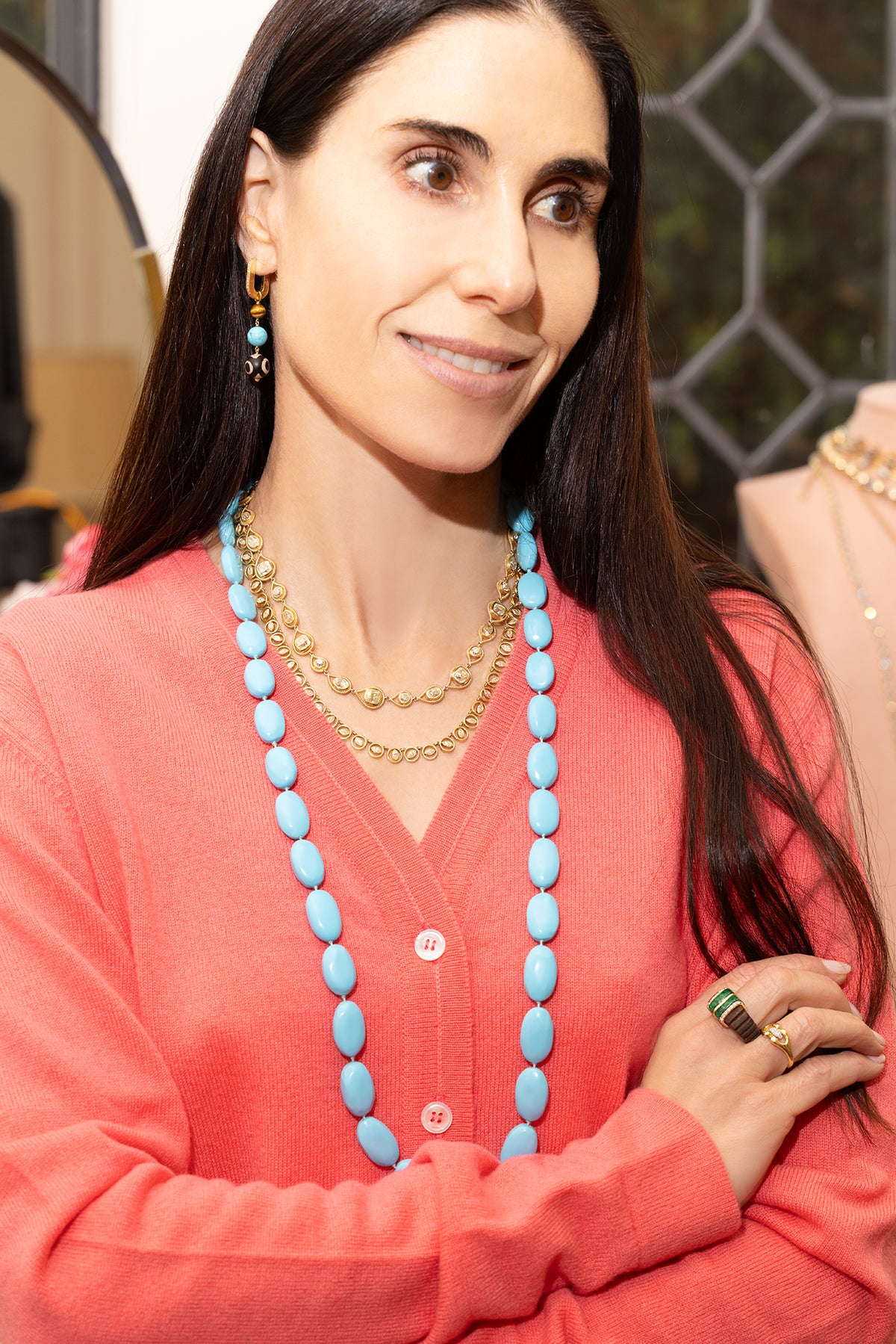
Jenna Blake Jewelry
Jenna Grosfeld launched her namesake fine jewelry label, Jenna Blake, in Los Angeles after building a personal collection of antique pieces for two decades. The work is handcrafted in LA and takes its cues from Art Deco and mid-century jewelers, including Boucheron and René Boivin, reworked in color and scale for a stack-it-all-on approach rather than a single statement piece.
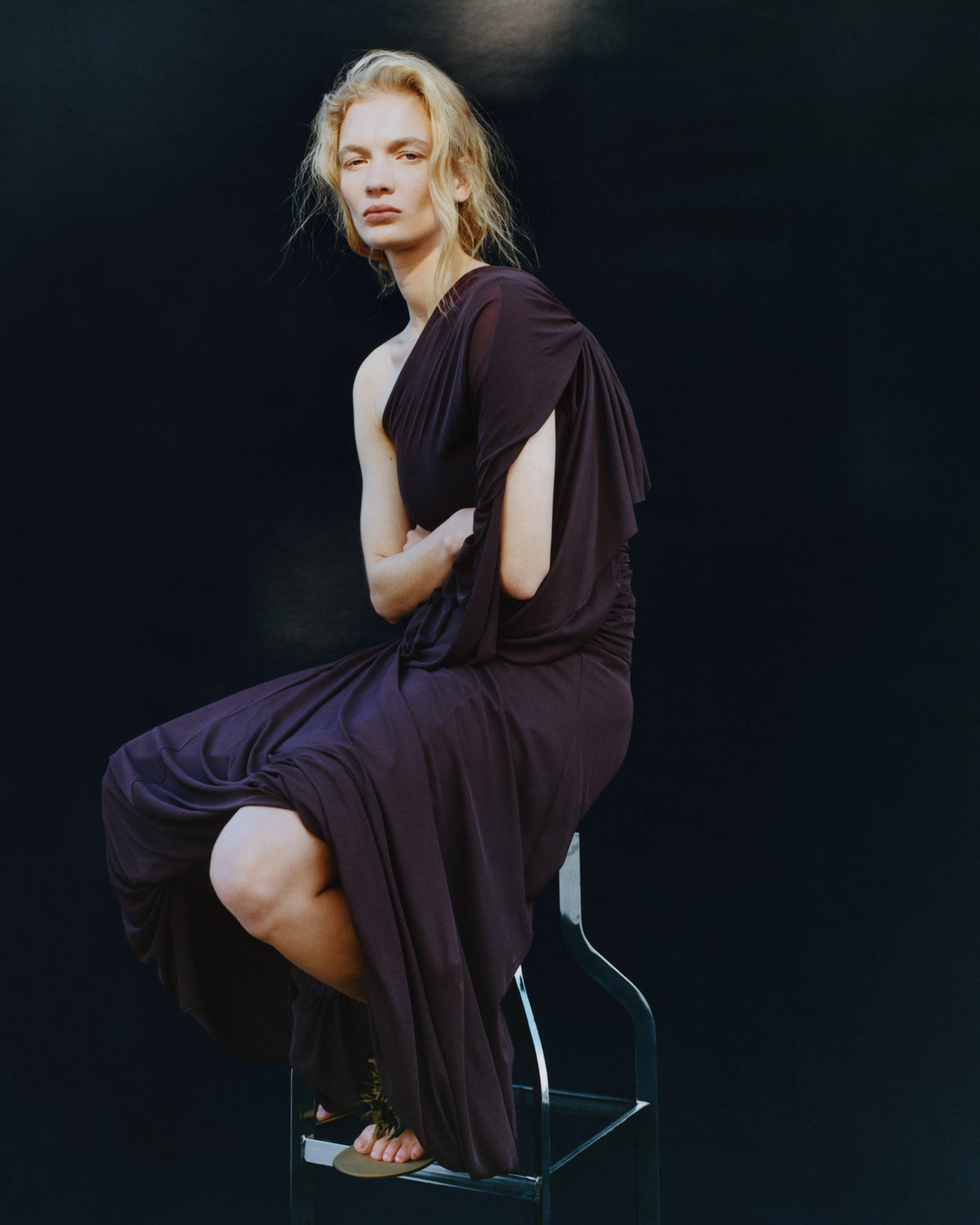
Proenza Schouler Bags and Dresses
Jack McCollough and Lazaro Hernandez met at Parsons in New York and founded Proenza Schouler, named for their mothers' maiden names, when Barneys bought their senior thesis collection outright in 2002. The label built its reputation on the PS1 satchel, introduced in 2008, and on a run of CFDA awards including the first-ever CFDA and Vogue Fashion Fund prize in 2004.
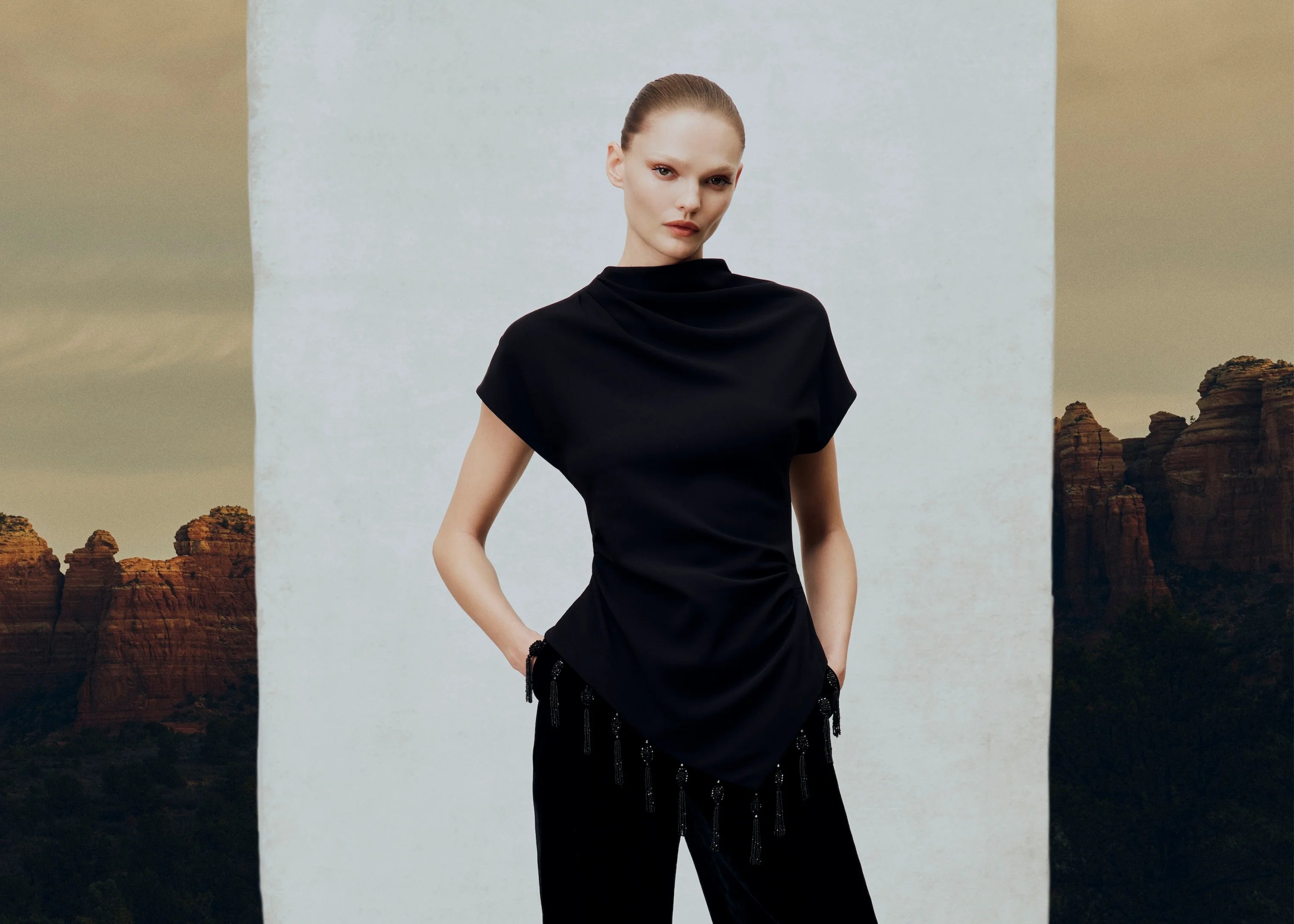
Lela Rose Dresses
Lela Rose trained at Parsons, worked for Richard Tyler and Christian Francis Roth, then launched her own label out of her New York apartment in the late 1990s. The collection built its name on feminine, embellished ready-to-wear and became known well beyond fashion circles when the Bush daughters wore it to their father's first inauguration.
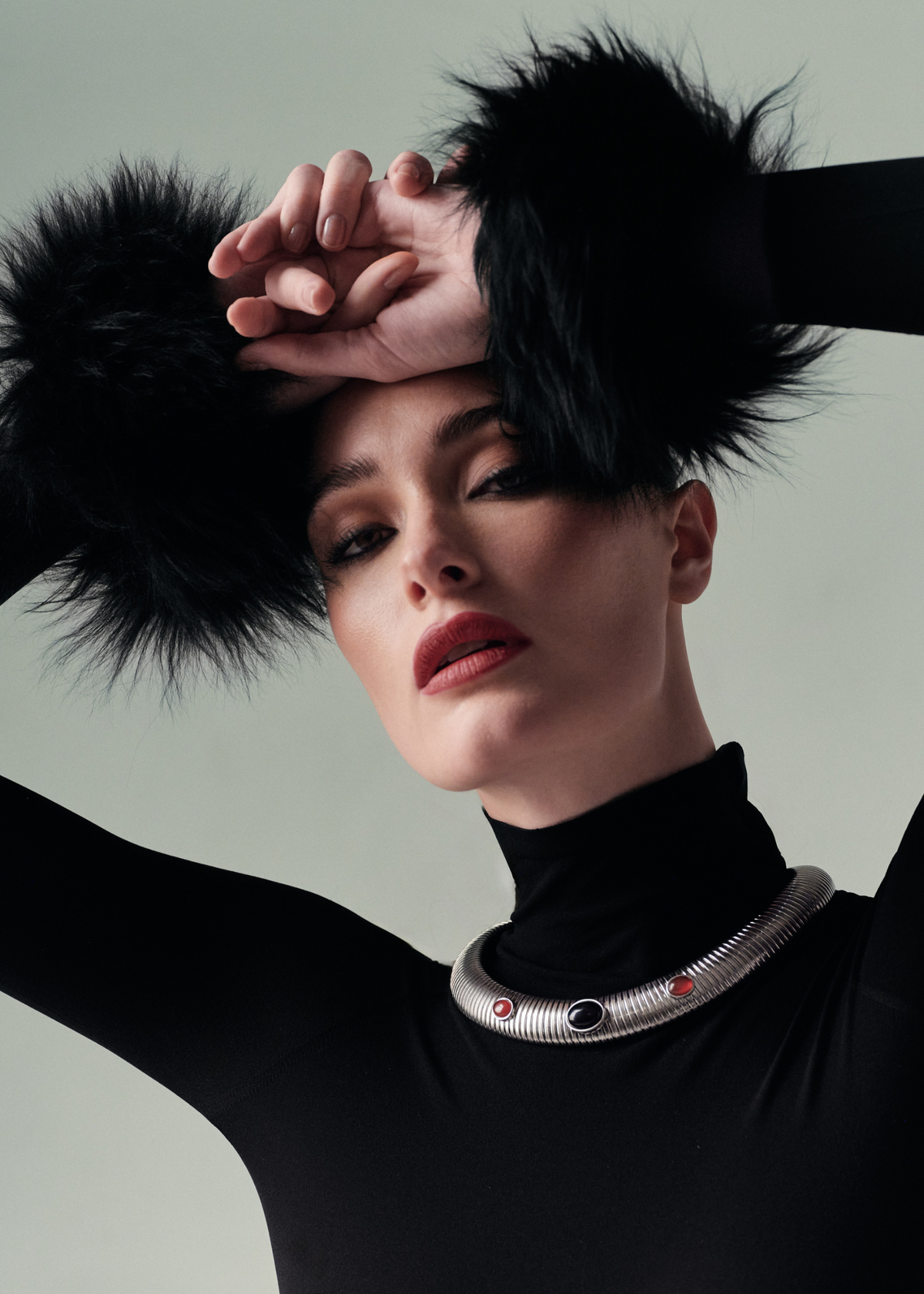
Julietta Jewelry
Juliana Liden, a Brazil-born, Brooklyn-based self-taught designer, launched Julietta in 2021 after an earlier hair-accessories line failed to catch on. She pivoted to jewelry in 2022, hand-painting and reworking a stash of deadstock 1980s components into sculptural, earth- and sea-themed pieces that Moda Operandi picked up as its first global stockist.
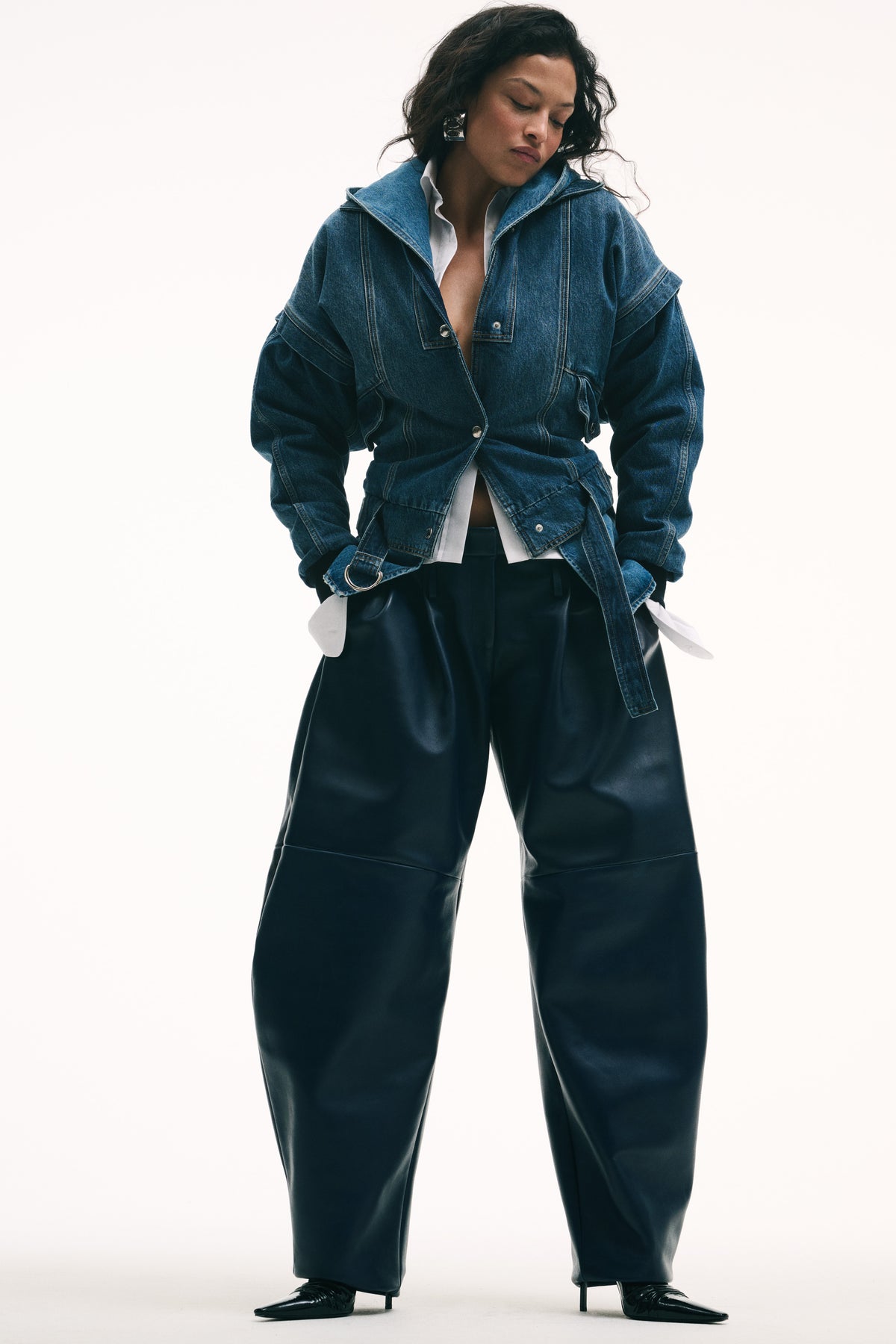
Brandon Maxwell Dresses and Knitwear
Brandon Maxwell grew up around his grandmother's boutique in Longview, Texas, then spent years styling for Nicola Formichetti and as Lady Gaga's fashion director before launching his own ready to wear label in New York in 2015. He builds by draping fabric on a body rather than sketching first, which is why the tailoring fits like it was built for one person even off the rack, and it won him the CFDA's Womenswear Designer of the Year in 2019.
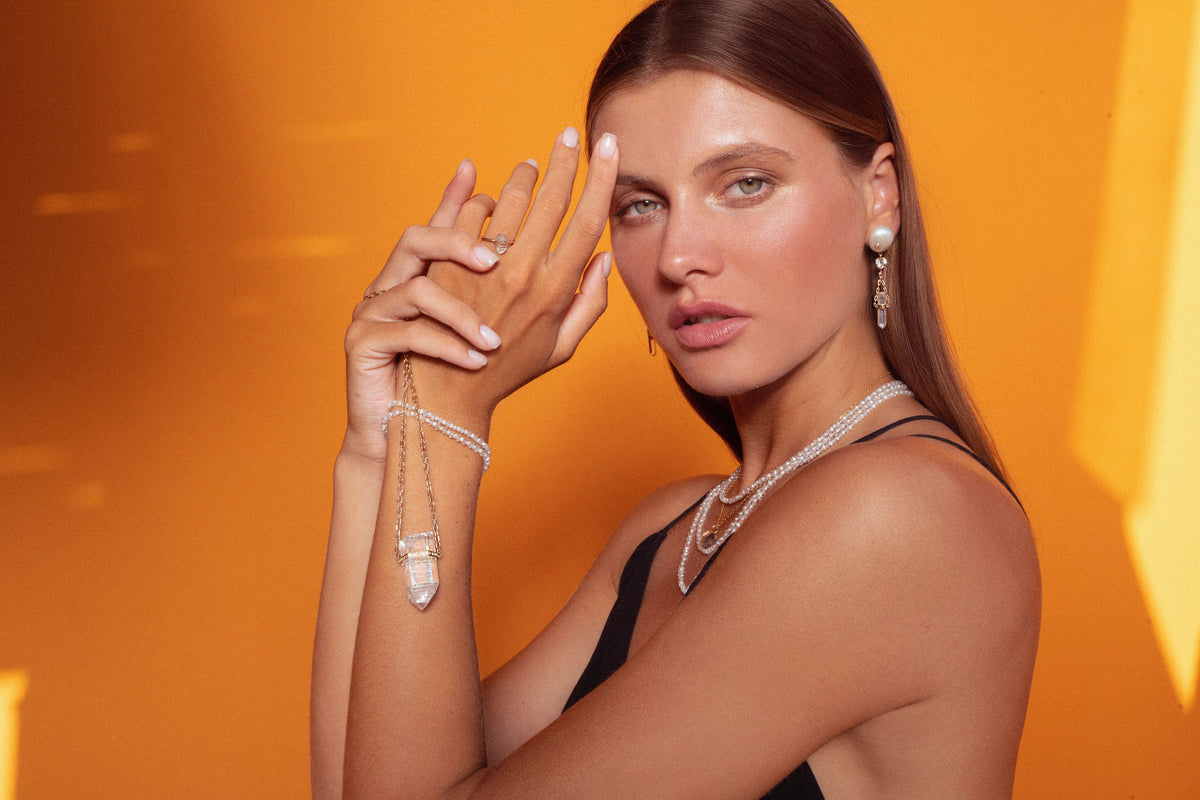
Jia Jia Jewelry
Jia Jia was founded in February 2020 by Jia-Jia Zhu, a former fashion buyer at Bergdorf Goodman and Saks Fifth Avenue who left retail to study yoga and crystals in Bali before turning that interest into a jewelry line. The brand's signature is raw, uncut and unpolished crystal set into 14k and 18k gold, a deliberately unfinished look that treats the stone as the whole point rather than something to be smoothed over.
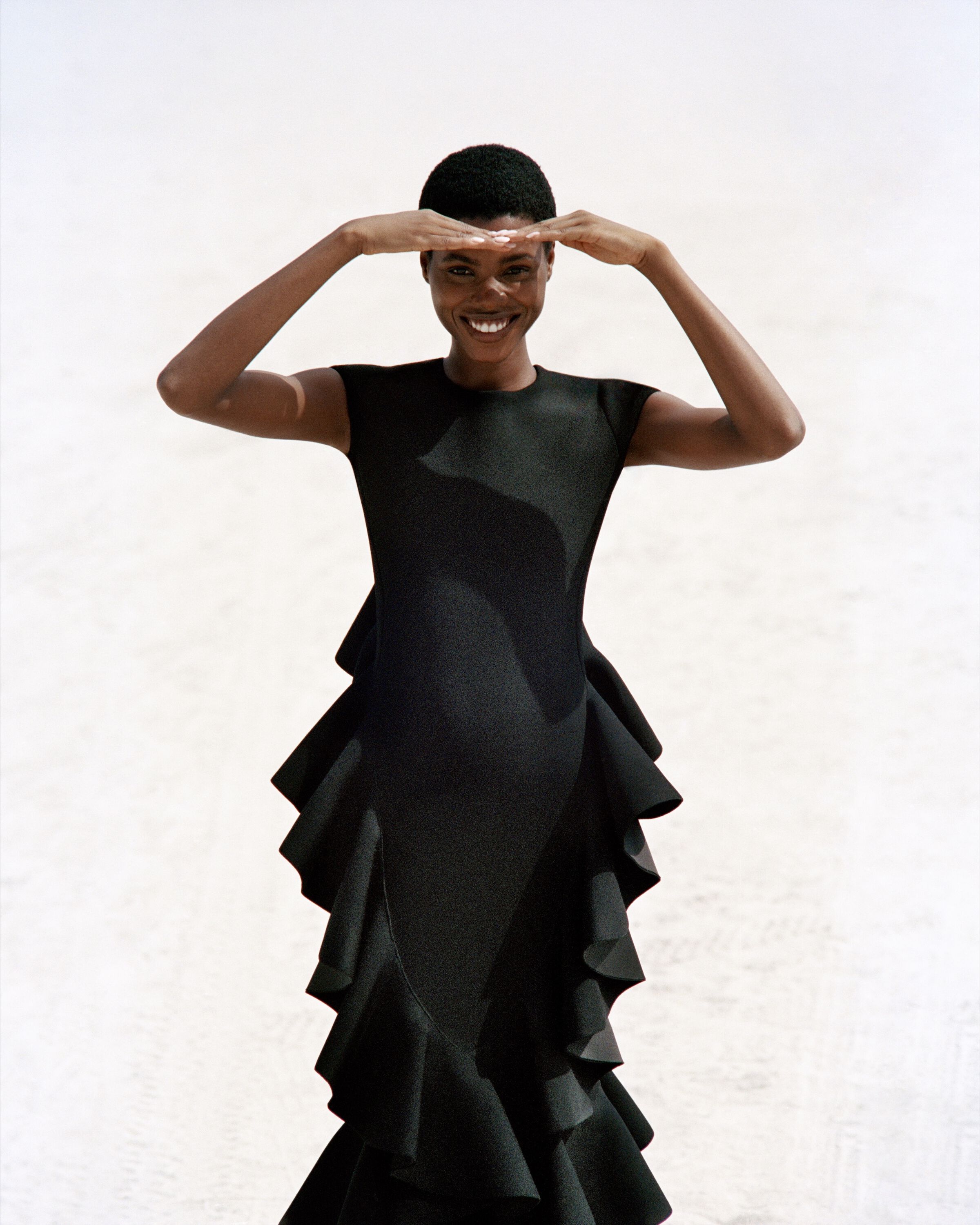
Jacquemus Bags and Shoes
Simon Porte Jacquemus founded his label in Paris in 2009, at twenty, naming it after his mother's maiden name the same year she died, a loss he has described as the shock that pushed him to start designing. The house grew from a one-man operation into an independent fashion company with hundreds of employees, opening its first permanent store on Avenue Montaigne in 2022 after years of building a name through inventive presentations and a fast-growing digital following.
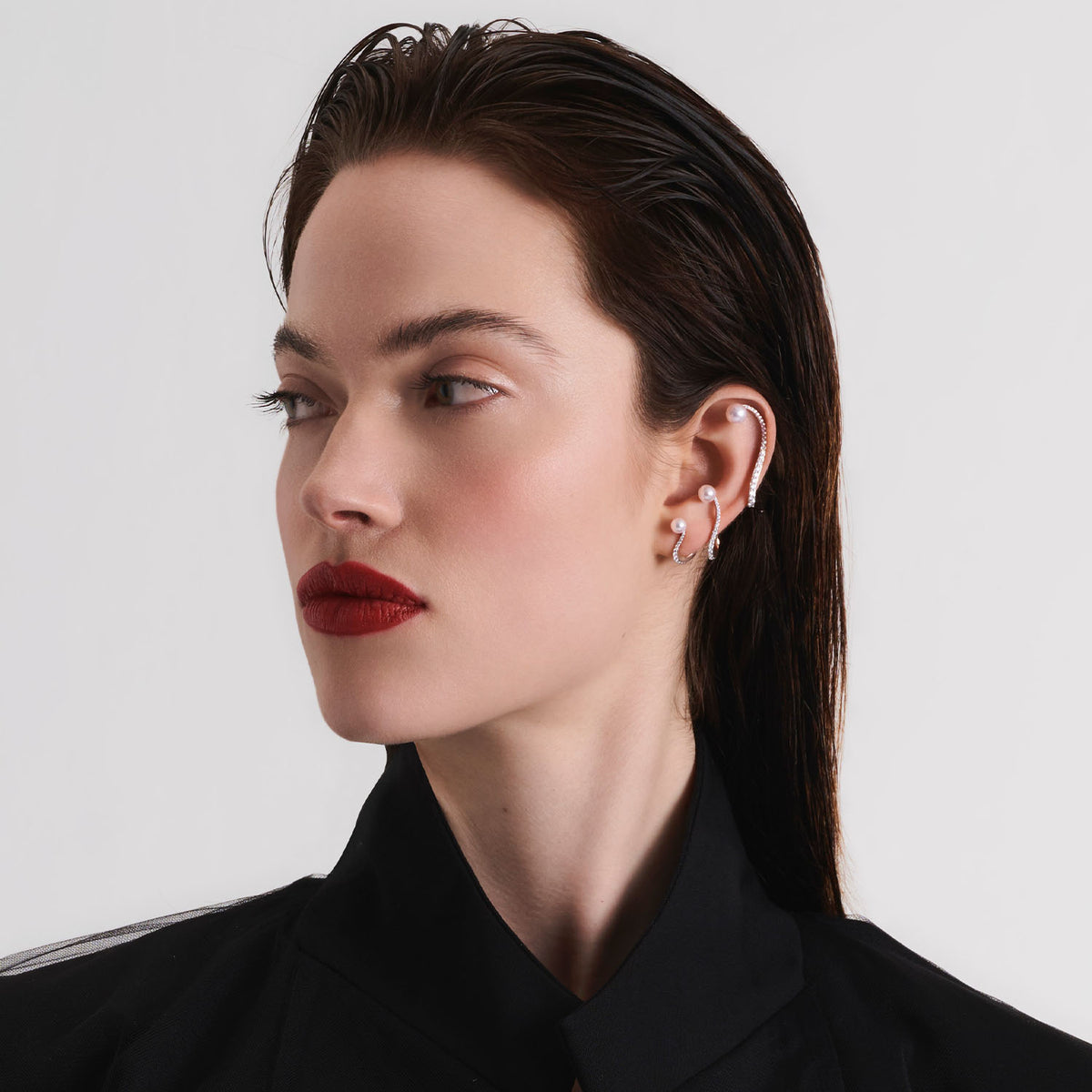
Marie Mas Jewelry
Marie Mas was founded in Paris in January 2017 by Marie Cabirou, who trained at the Ecole Duperre and the Institut Francais de la Mode before spending several years designing jewelry under Raf Simons at Christian Dior Couture. She named the house after her maternal grandmother, Henriette Mas, and built its identity around a patented technique that lets a stone physically swing between two settings, an idea she traces to watching Christmas tree worms move underwater.
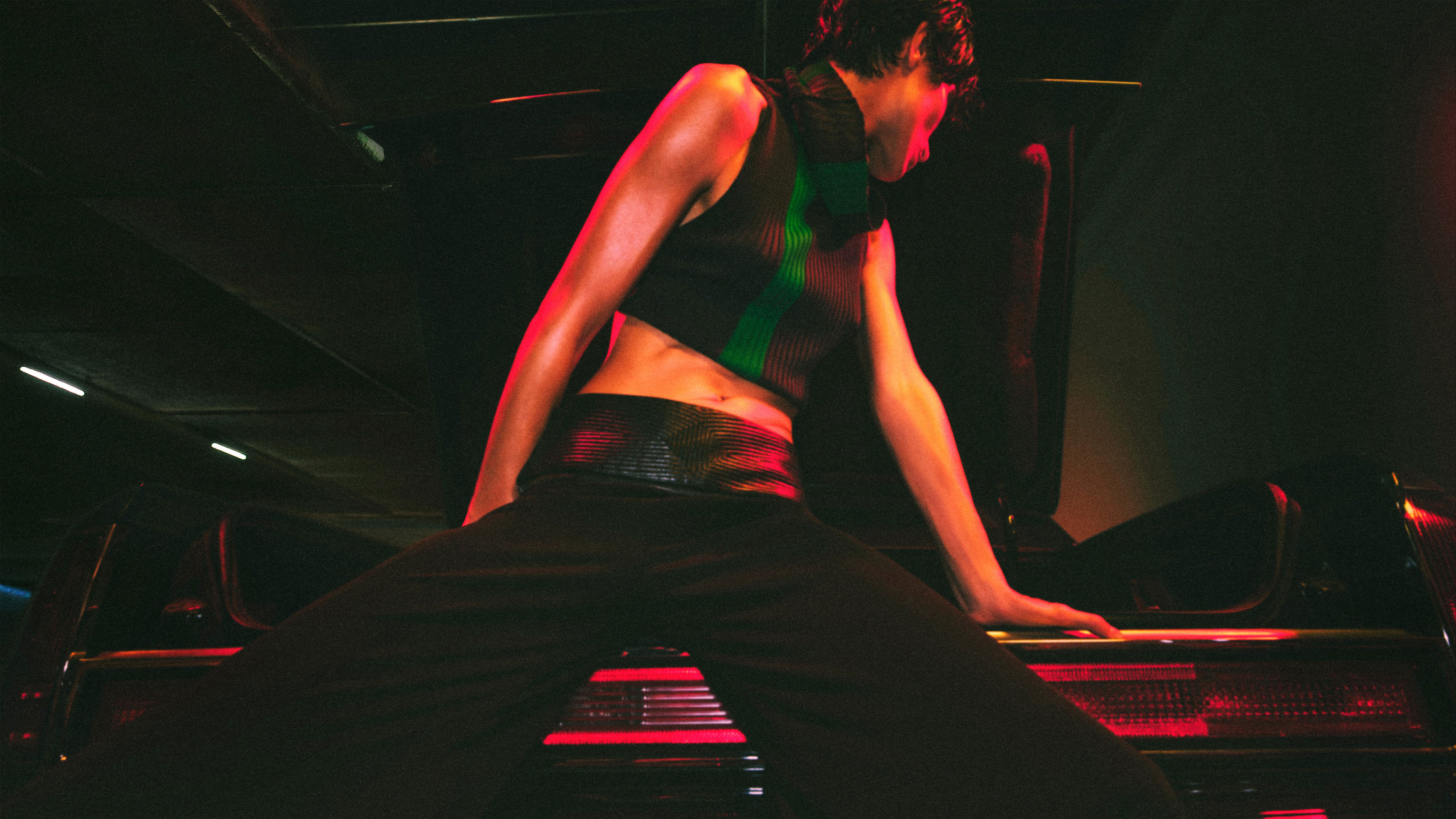
Christopher Esber Dresses and Shoes
Christopher Esber founded his namesake label in Sydney in 2010, aged twenty two, on a small loan from his parents. The work is built on deconstructed tailoring and sculptural, negative-space cutting, the kind of engineering that makes a dress look undone and precisely controlled at once.