Jewelry
Jewelry
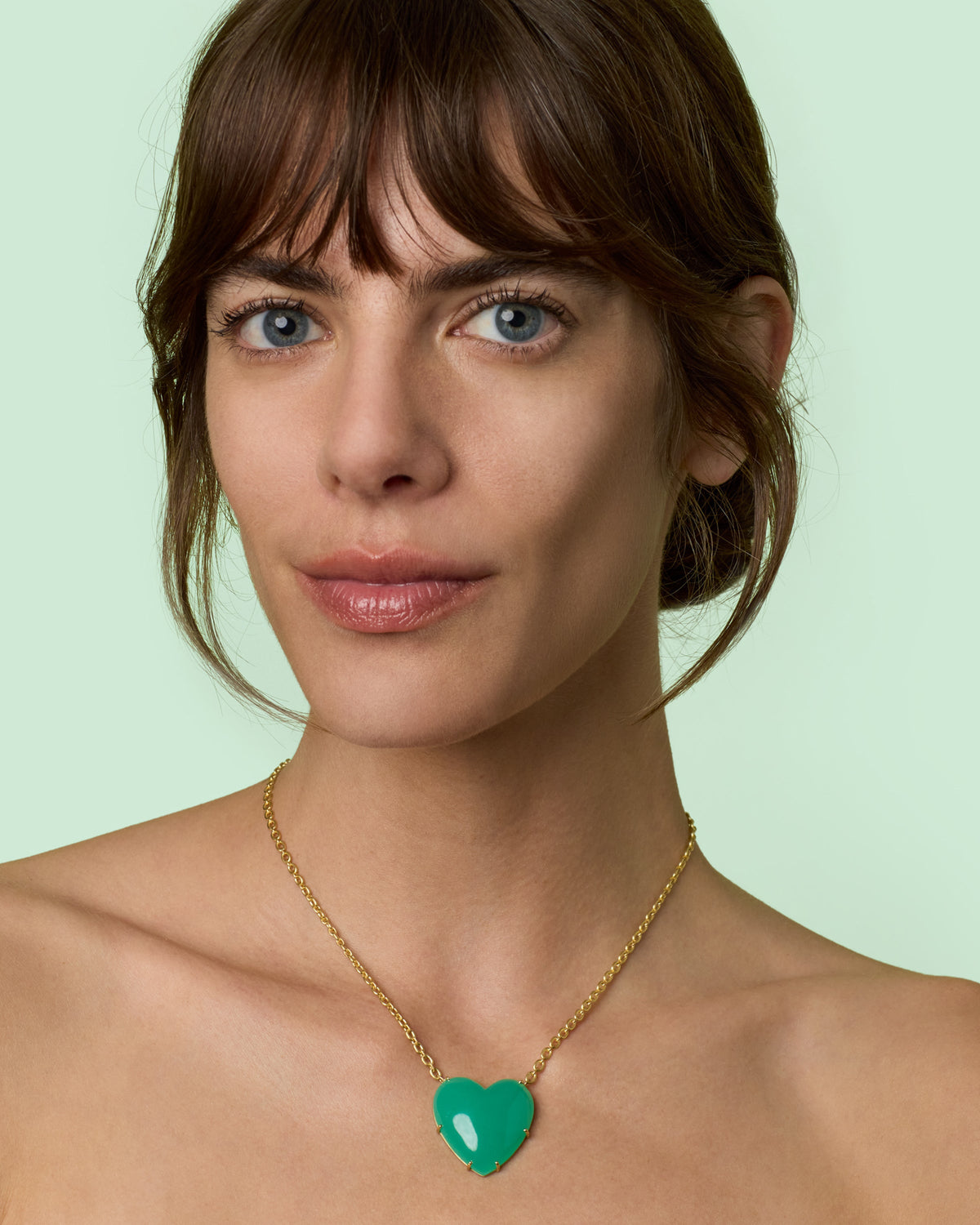
Irene Neuwirth
Irene Neuwirth began making jewelry from glass beads and mixed stones after college, then launched her Los Angeles brand with Tracy Stoll in 2003. Her work keeps color and unusual gemstones at the center, turning aquamarine, emerald, morganite and opal into pieces that feel joyful without losing fine-jewelry weight. The result is luxury with a pulse rather than a dress code.
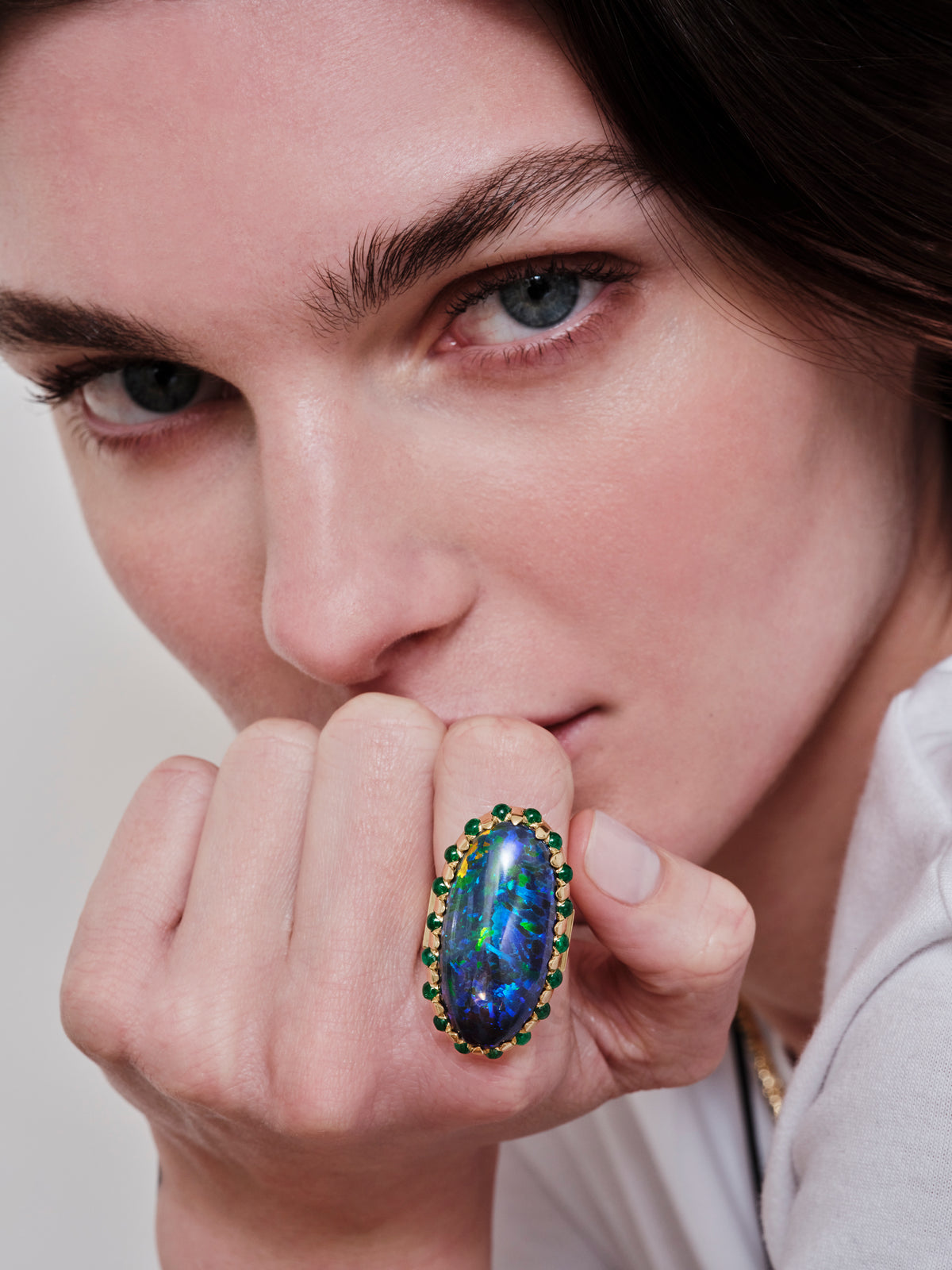
Ileana Makri
Ileana Makri launched her eponymous jewelry line in 1998 after studying design at the Gemological Institute of America and returning to the gemstone language she had loved since childhood. Her Athens-based work is made with local artisans and balances fine materials with a sense of movement, from cord and beads to diamonds, enamel and colored stones. The collection reads like modern talismans rather than a parade of formal jewelry.

Mizuki
Mizuki Goltz founded her New York jewelry brand with her husband in 1996 after studying sculpture at the School of Visual Arts. A handmade beaded necklace sold for twenty dollars became an early nudge toward a career built around modern pearls and fluid gold lines. The work balances Japanese and American sensibilities without turning either into a costume.

Persée
Persée makes diamonds look as though they have been caught in motion rather than fixed in place. Founded in Paris in 2017 by Nawal Laoui, the house built its identity around a pierced-diamond technique inspired by Japanese craftsmanship and a love of art, travel, and mythology. The result is fine jewelry with a surprising sense of lightness.
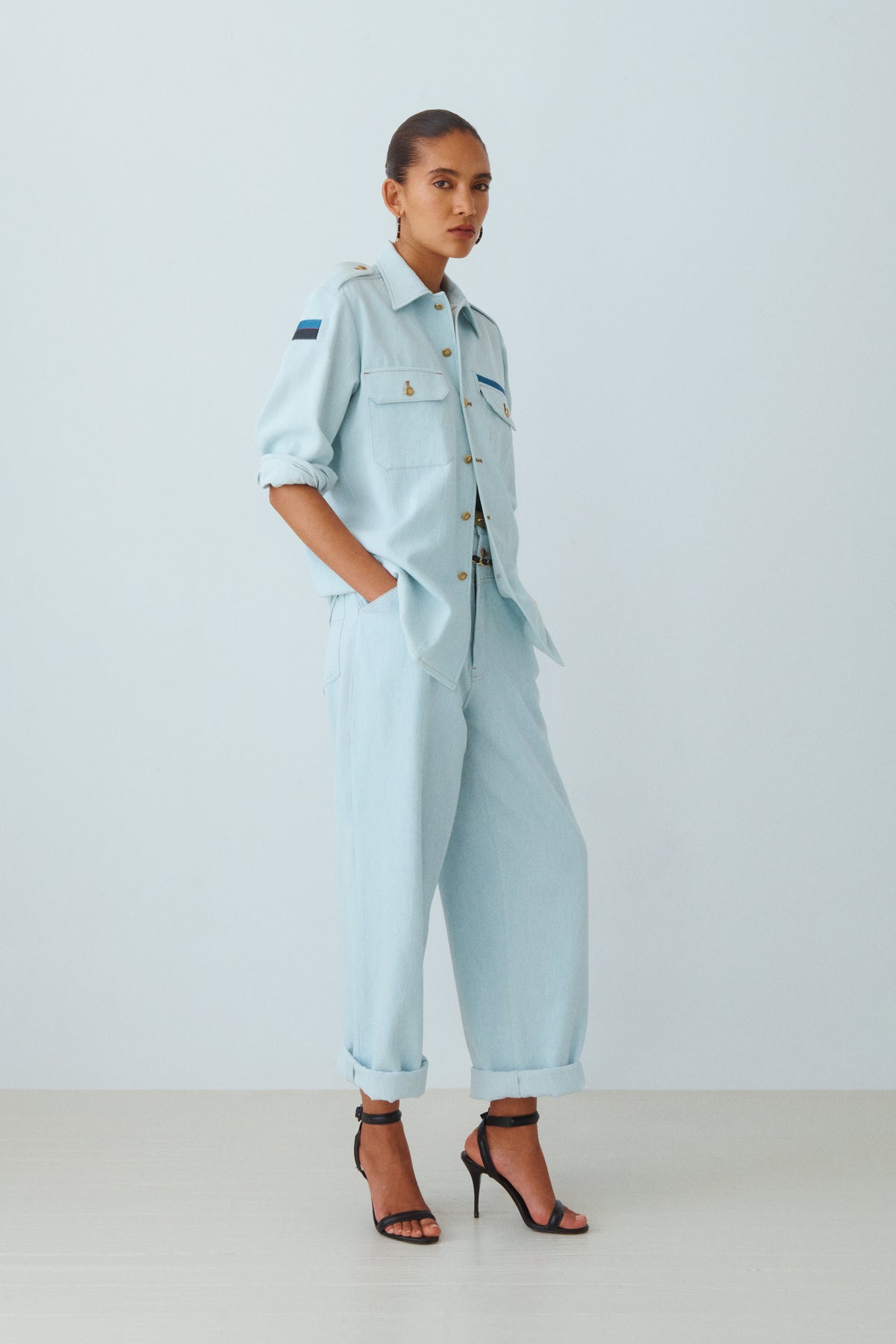
MAISON MAYLE
MAISON MAYLE makes clothes that feel like they arrived with a backstory, somewhere between a New York apartment, an old film and a very good dinner. Jane Mayle founded her namesake line and NoLita boutique in 1999, stepped away from fashion after 2009, then returned with Maison Mayle in 2016. The new pieces keep the original appetite for ruffles, lace, silk and vintage references while giving them a more deliberate present tense.
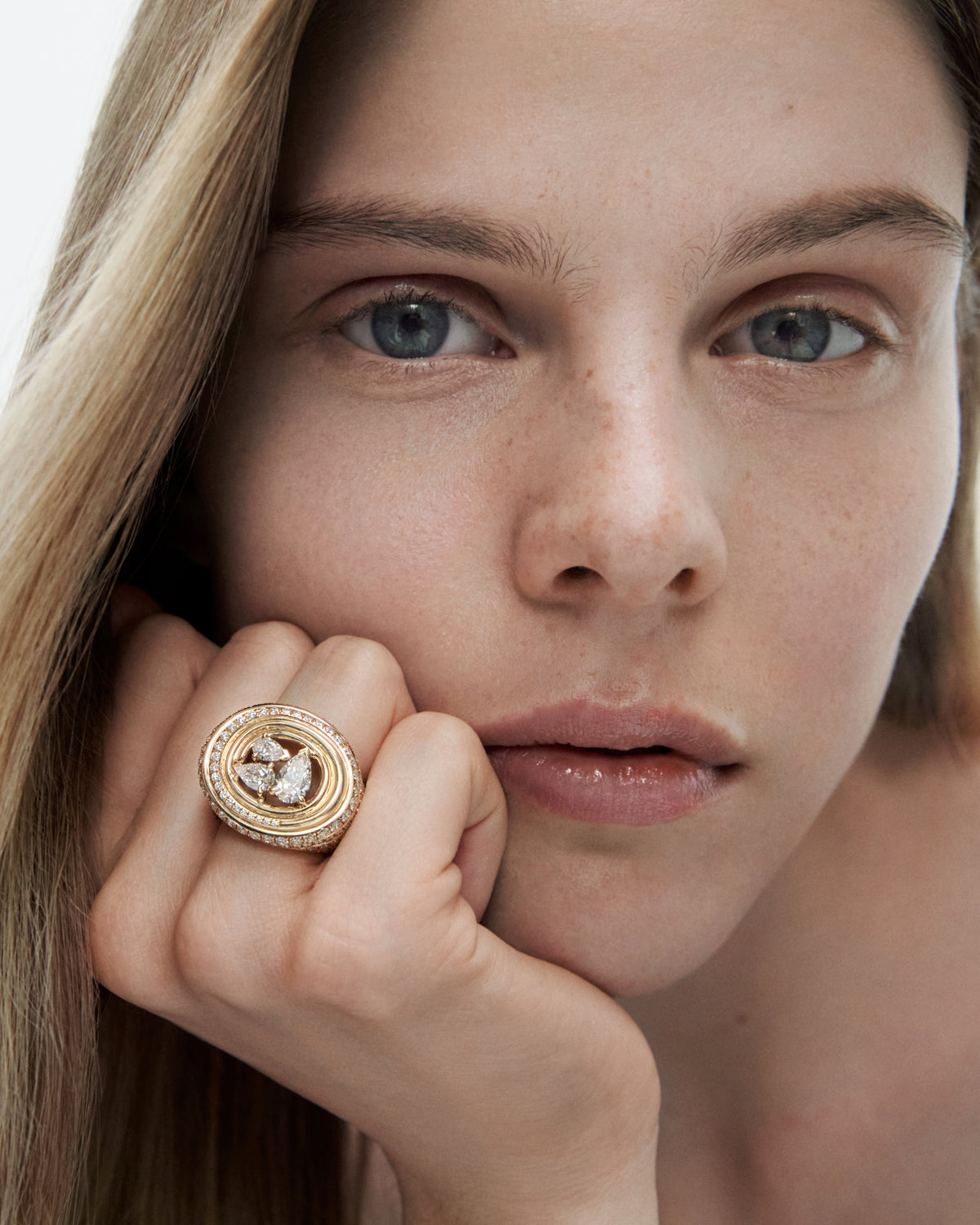
Repossi
Repossi treats fine jewelry as a piece of modern architecture worn on the body. Founded in Turin in 1957 by Costantino Repossi, the family house later moved into a more radical language under Gaia Repossi, whose work draws on art, architecture, and the idea of diamonds floating on skin. The result is precise, graphic, and made to be noticed up close.

Aisha Baker
Aisha Baker is a Dubai high-jewellery house founded in 2017 by the Emirati entrepreneur Aisha Bakhtiar with the designer Hoonik Chang, who trained in jewellery at Central Saint Martins. The pieces are built as narratives, with fairy-tale and fantasy themes running through collections released in tiny editions.
Almasika
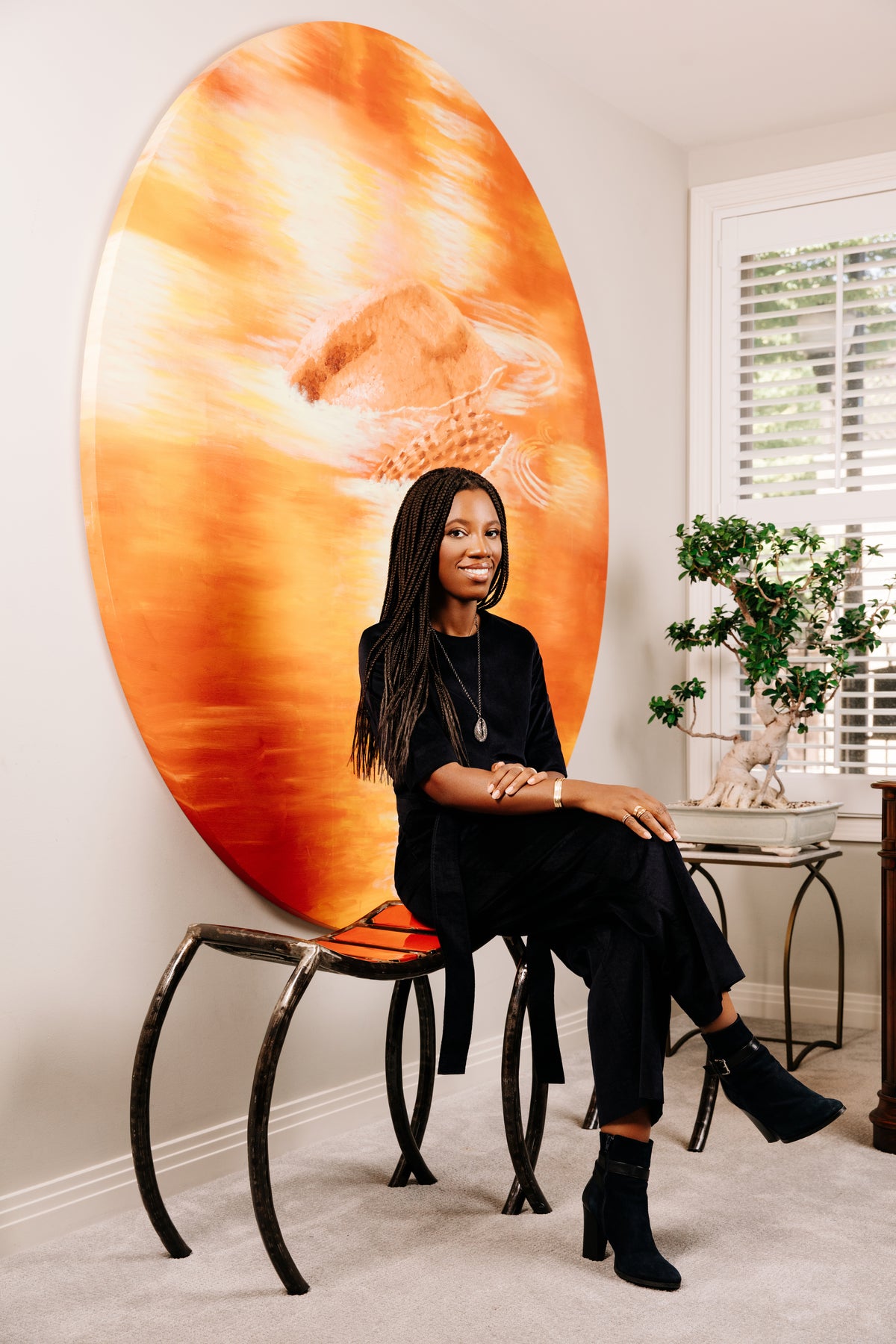
Catherine Sarr founded Almasika in January 2014 and debuted it at Colette in Paris, after more than a decade in the diamond and fine-jewellery industry including several years at De Beers and at LoveGold. The name joins almasi, Swahili for diamond, with sika, a word for gold across several West African languages.
Aliita
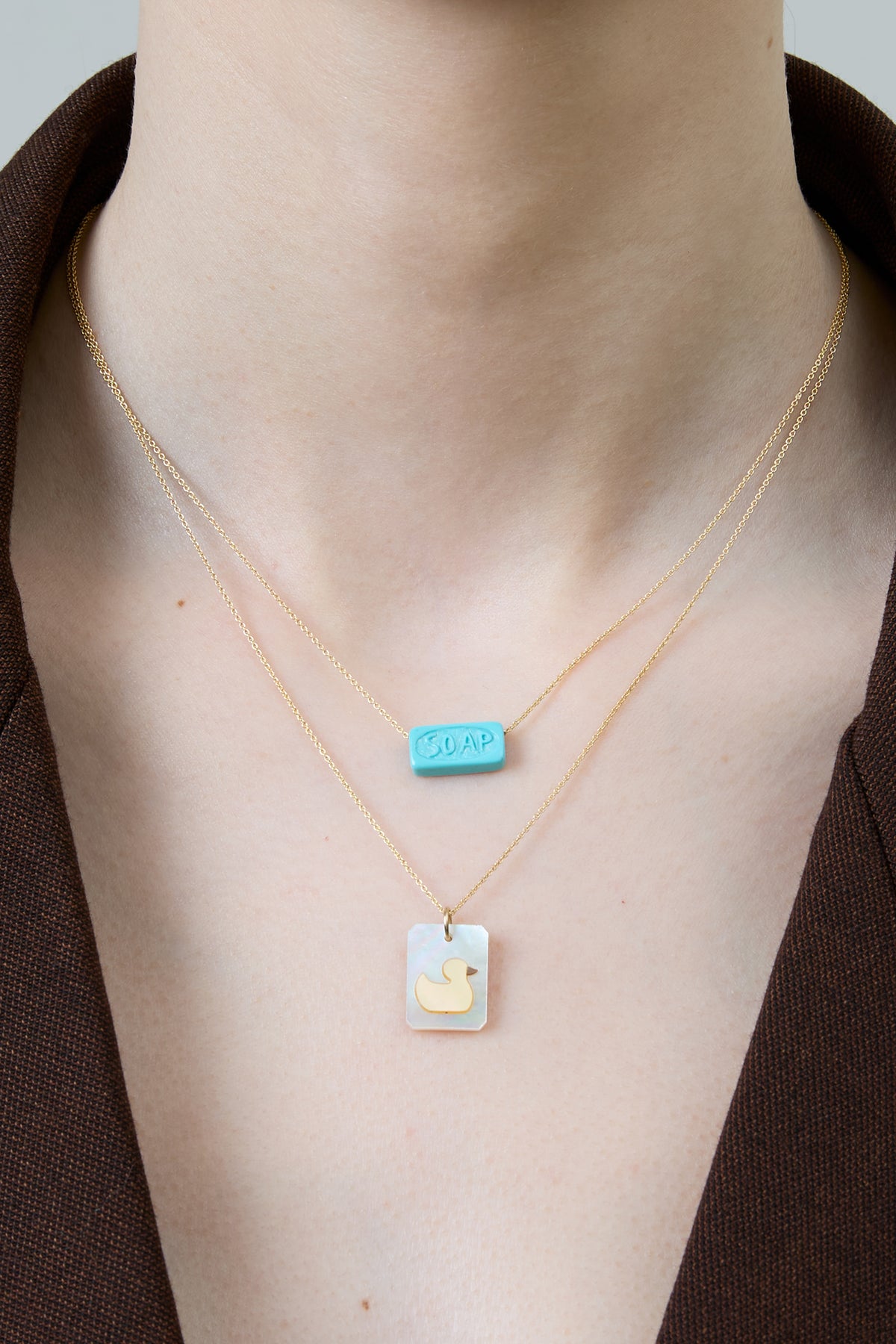
Aliita was founded in Milan in 2015 by Cynthia Vilchez Castiglioni, who grew up in Maracaibo in Venezuela and studied fashion marketing at IED before working at Vionnet, Miu Miu and Jil Sander. The name is both an anagram of Italia and a Wayuu word for an important object, after the Guajiro people of Zulia where she was raised.
Ashna Mehta
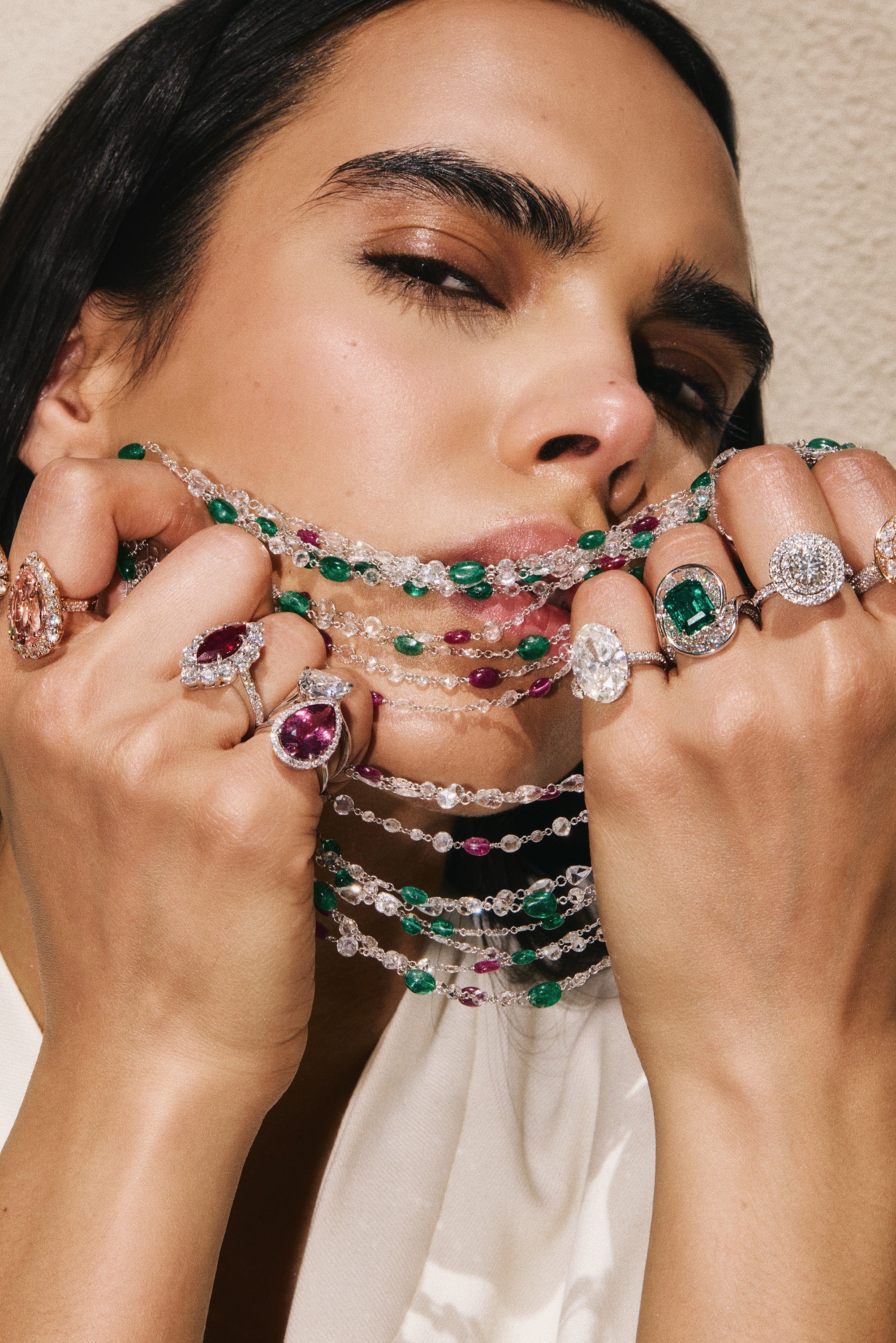
Ashna Mehta is a third-generation diamantaire from the Rosy Blue family, one of the largest diamond manufacturers in the world, and she founded her own jewellery brand in 2022. Her signature is Bag Bijoux, diamond charms engineered to clip onto a Birkin or Kelly and convert into pendants, developed with her sister Aria.
Armenta
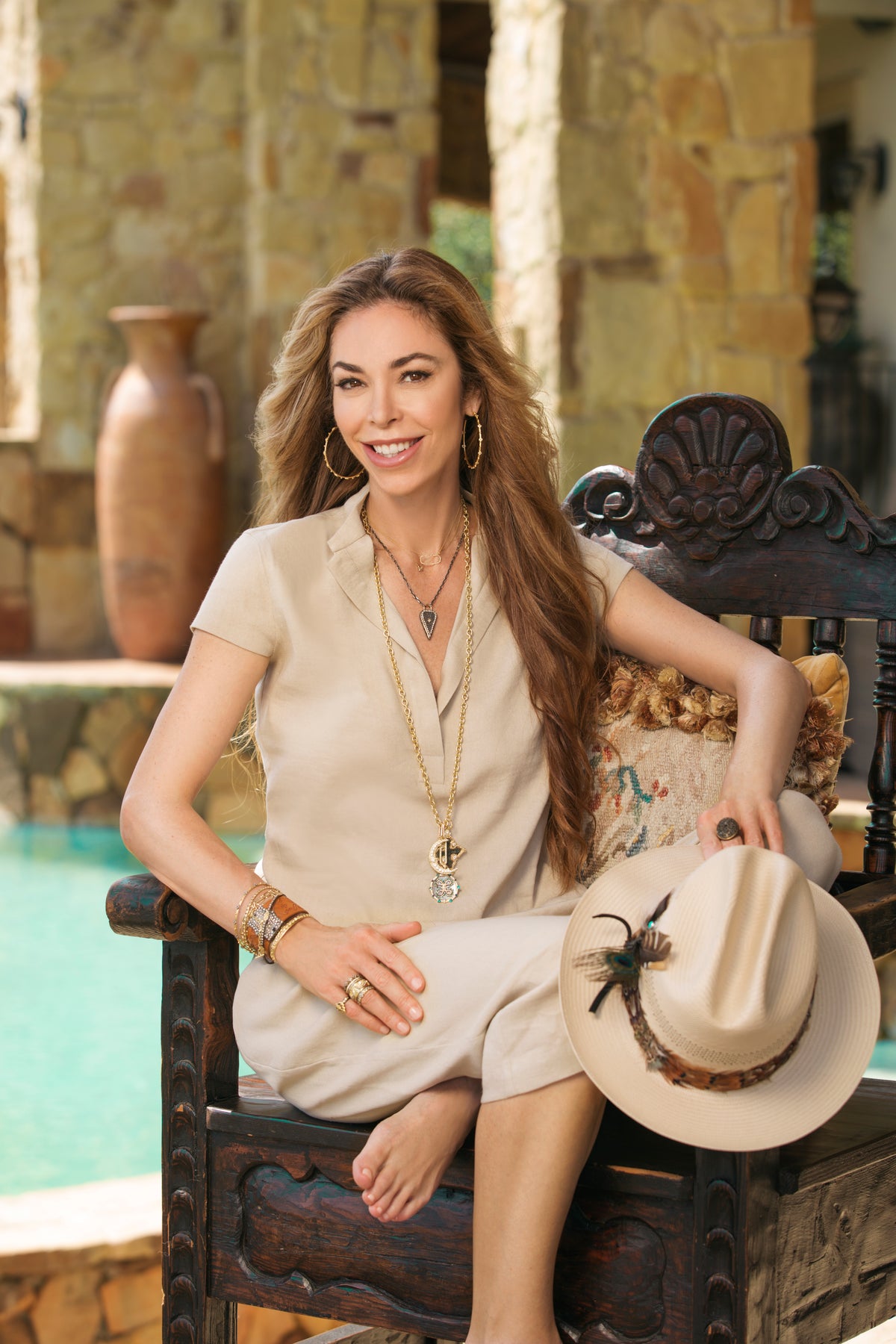
Emily Armenta traded at Morgan Stanley, then wrote the business plan for her jewellery company as a class assignment during her MBA at Rice, and launched it in Houston in 2001. The work is built on mixing oxidised silver with gold and setting micromosaics, ancient beads and enamel patinas into it.

Pascale Monvoisin
Pascale Monvoisin spent around fifteen years as a flight attendant for Air France before a batch of turquoise bought on a stopover in Jaipur turned into her first ring and, by 2009, her own Paris jewelry house. Every piece is still designed in her Paris studio and produced by artisans in that same Jaipur workshop, now grown from one craftsman into a full production unit.
Amrapali
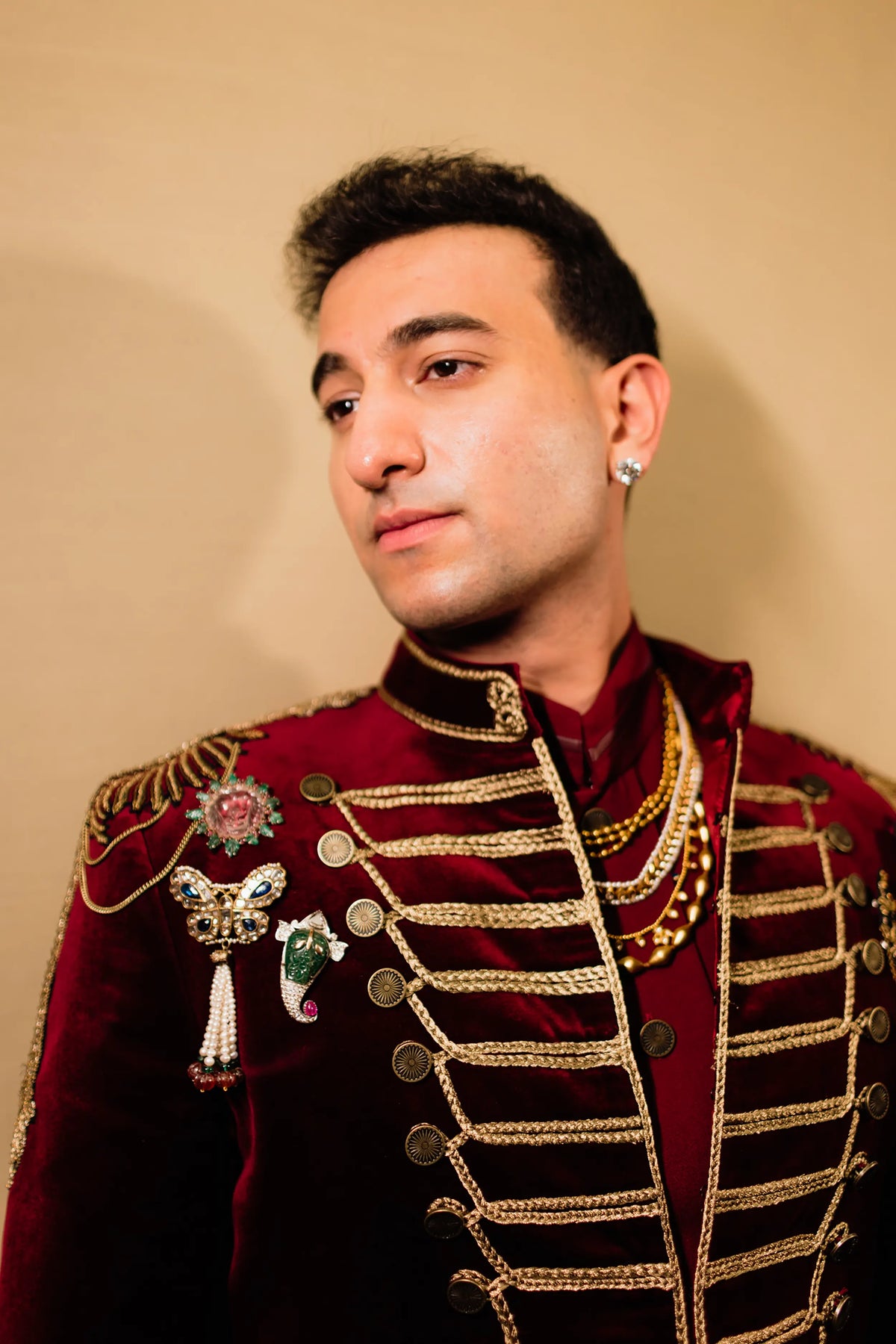
Amrapali was founded in Jaipur in 1978 by Rajiv Arora and Rajesh Ajmera, two school friends with history degrees, no jewellery background and about four hundred rupees of savings. They started out selling carved wooden boxes, then toured rural Rajasthan buying antique tribal silver to take apart and rebuild.
IVI
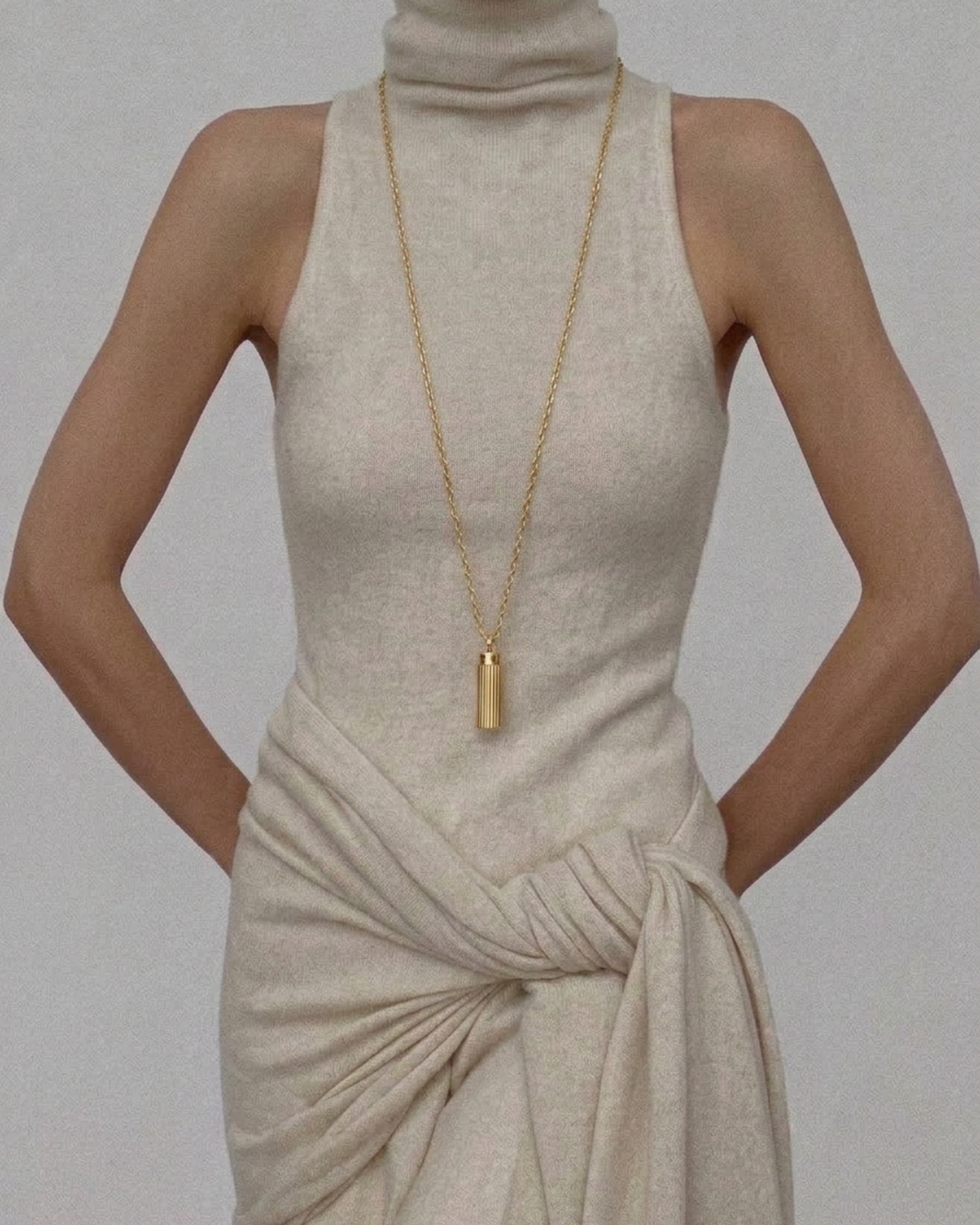
Ivi Kyratzi, a Cypriot designer who trained at Parsons in New York, launched her namesake jewelry label IVI in Los Angeles in 2016 after meeting Italian manufacturer Gabriele Veneri, whose family has worked metal in Arezzo, Tuscany for generations. Every piece is still produced in Veneri's Arezzo factory, and the brand's first release, the Slot collection, remains its best-selling range nearly a decade later.
Sig Ward
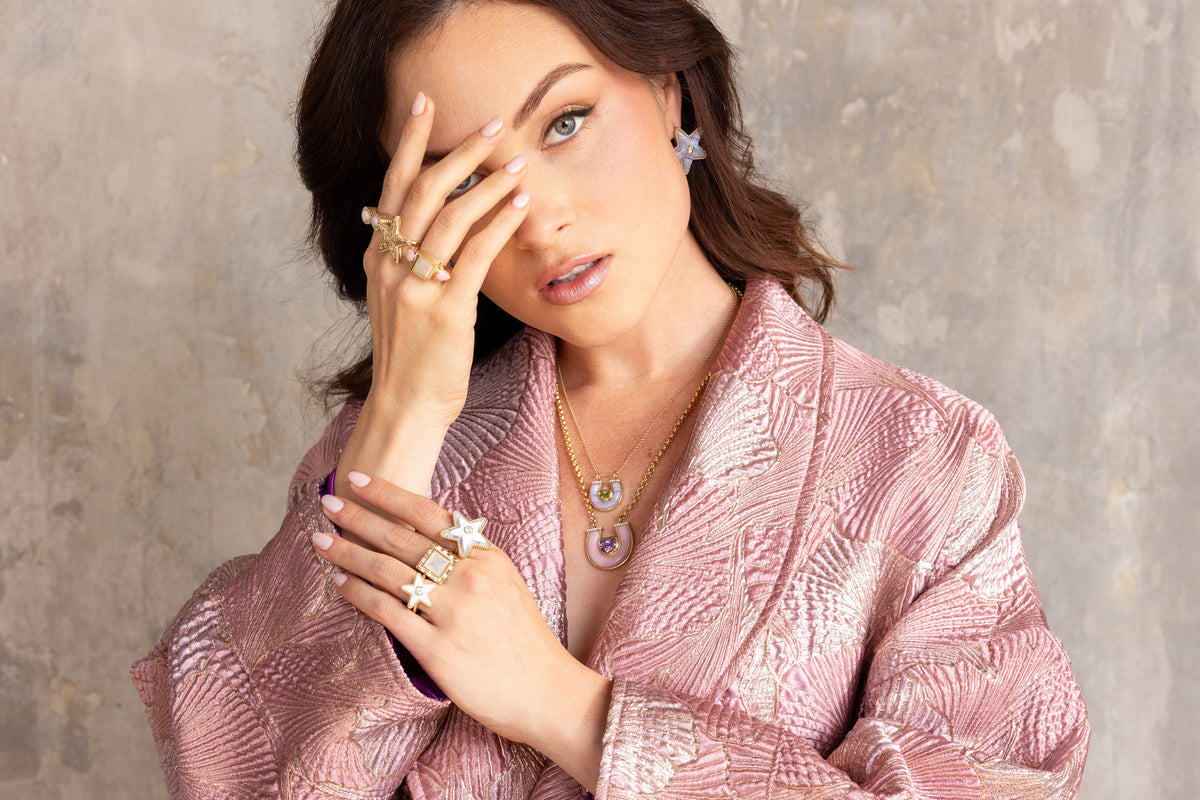
Sig Ward spent over a decade working as an acupuncturist in Southern California before she started making beaded jewelry with the healing stones she used in her practice, a hobby that eventually became a full line called Rocks and Gems. She relaunched under her own name, Sig Ward Jewelry, around 2014, designing primarily in 14k and 18k gold and drawing on her mother's vintage jewelry collection and her childhood on the beaches of Tel Aviv.
Jacquie Aiche
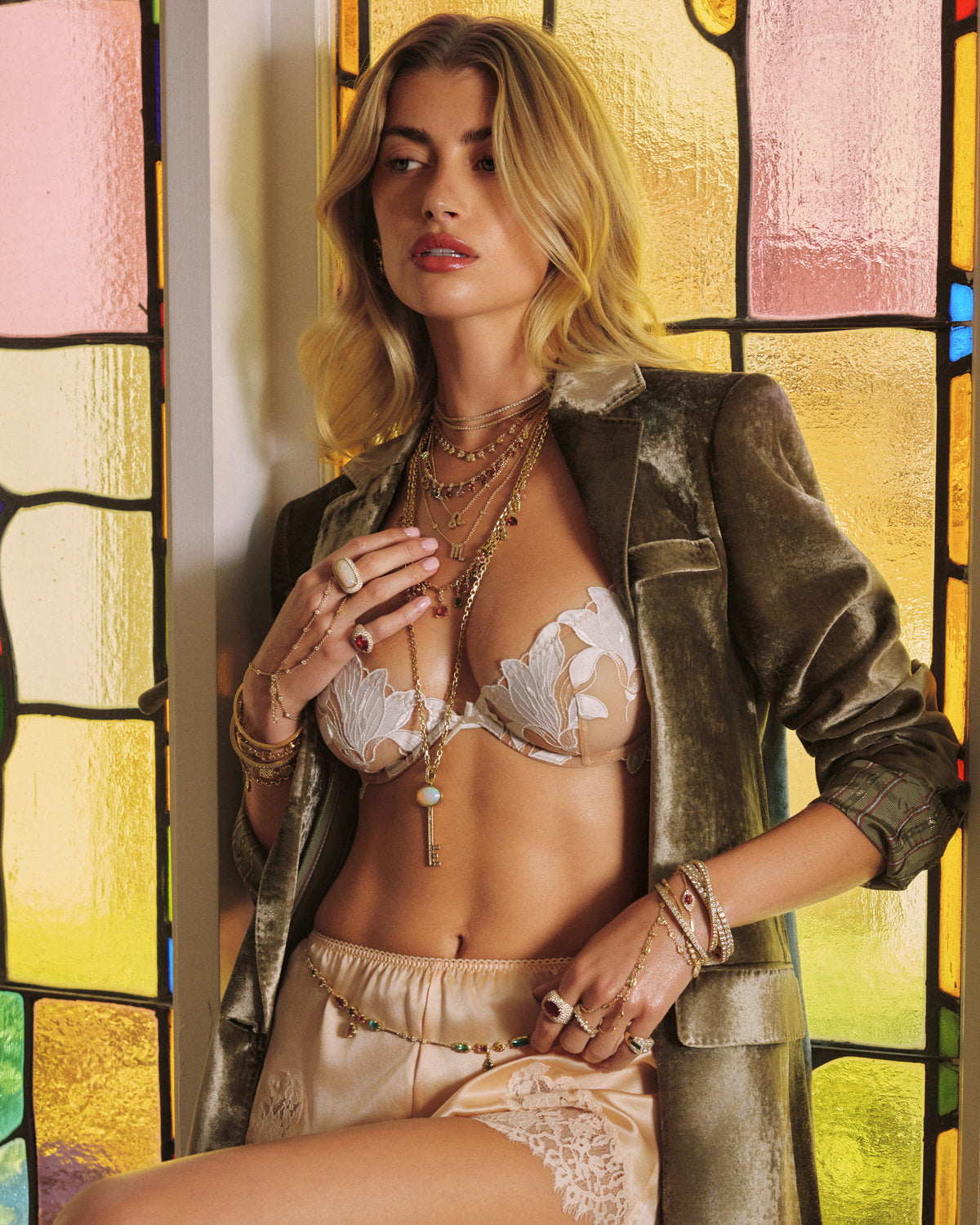
Jacquie Aiche grew up in Los Angeles making bead necklaces before she ever meant to start a company, and she launched her namesake jewelry line there in 2007 after years of selling pieces anonymously off her own body while running a clothing boutique on Sunset Plaza. The brand's break came from the finger bracelet she designed around 2009, an idea odd enough that it turned into a genuine signature worn by Beyoncé, Rihanna and the Hadid sisters, among others.
Gazza Ladra
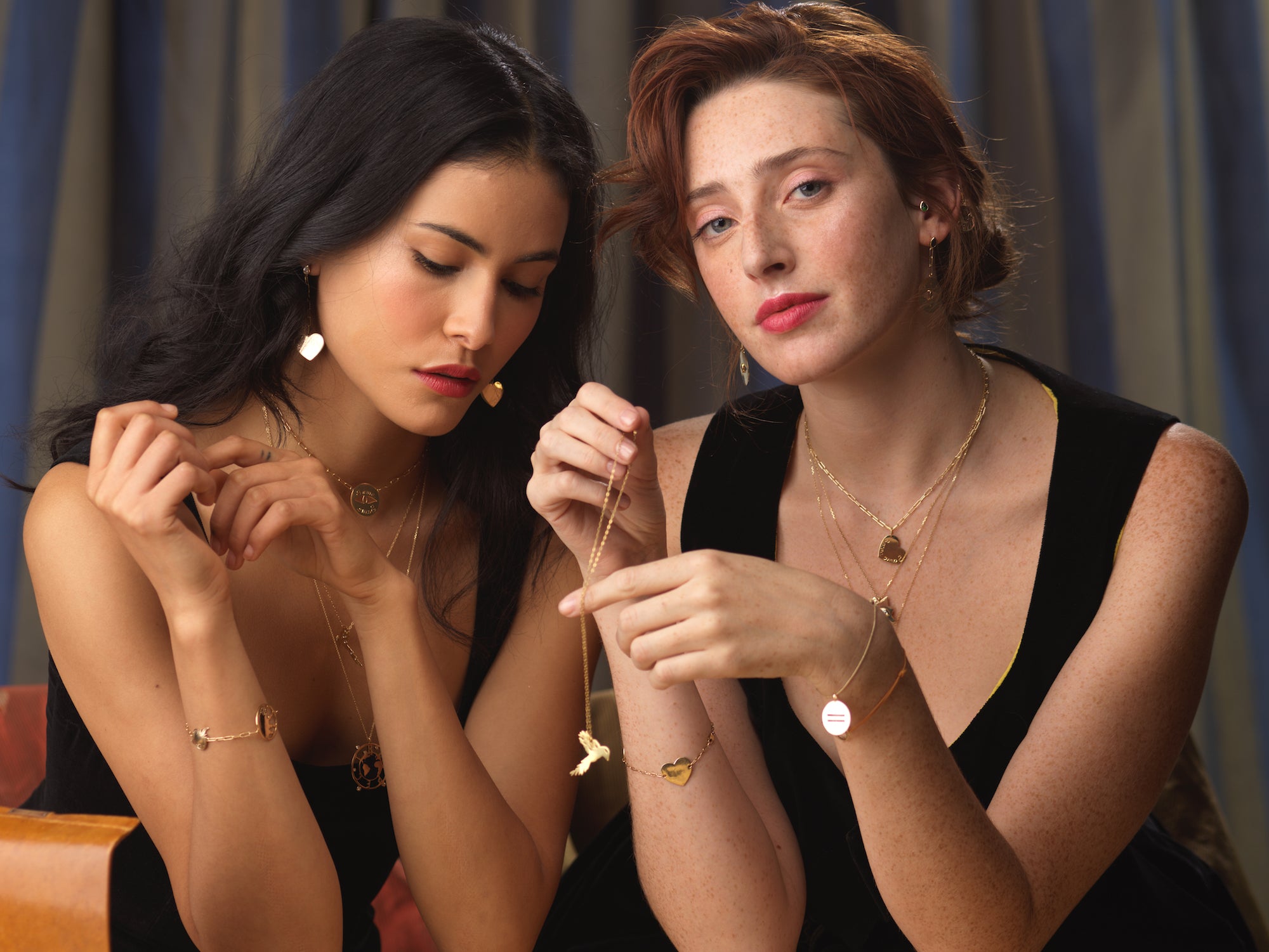
Sunny Setton De Poortere, a Franco-American former documentary film producer and tour manager, built Gazza Ladra in New York after a stranger's necklace on an Italian piazza earned her the nickname a real magpie, gazza ladra in Italian. The label takes that literally: talismanic gold jewelry drawing on symbols from across cultures, from the eye of Horus to sun and moon charms, handcrafted in Manhattan's diamond district.
Mateo
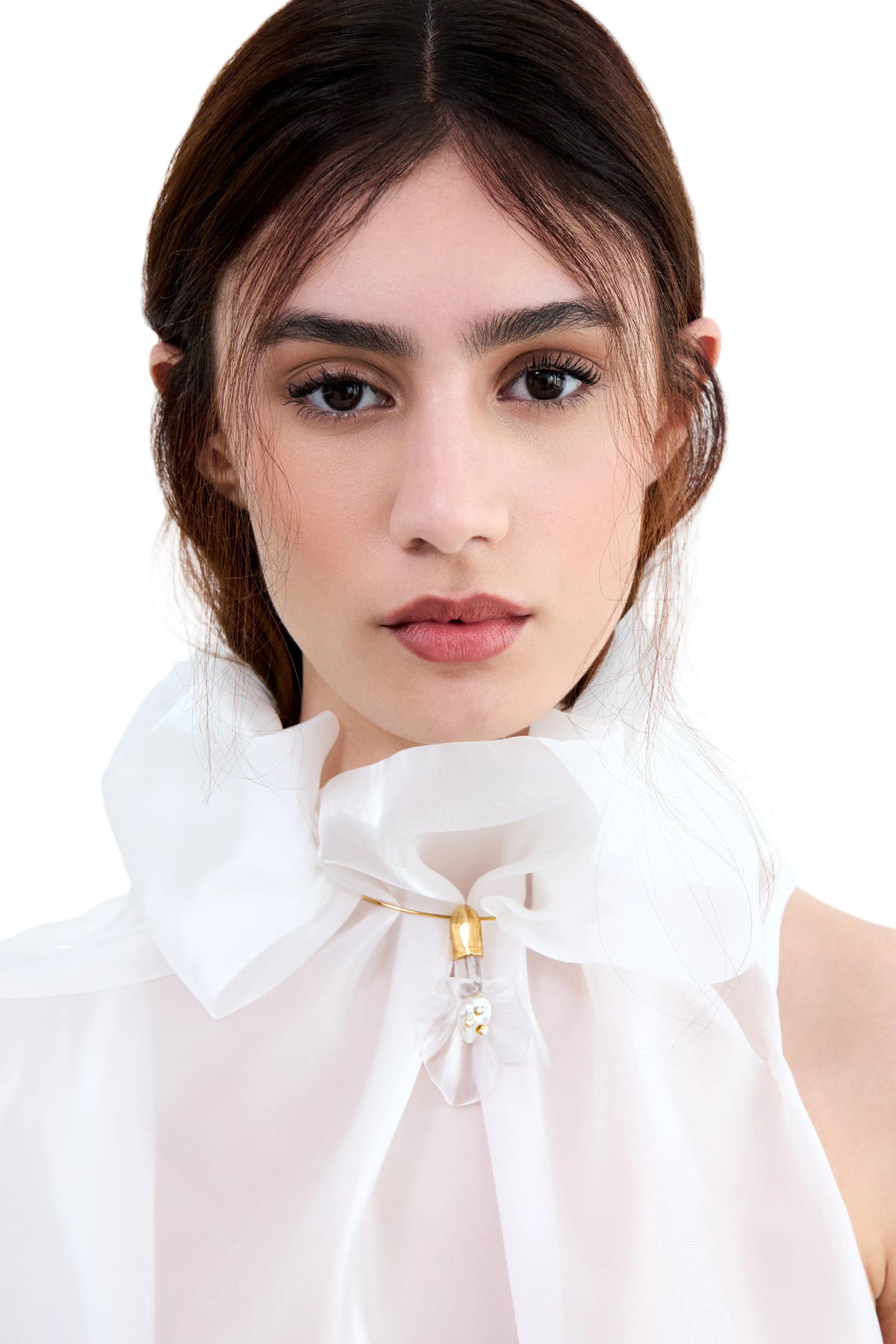
Matthew Harris, who goes by Mateo, started making jewelry for himself in Brooklyn in 2009, the story goes that a screw fell out of a wall while he was moving apartments and he turned it into a necklace. He is self-taught, and the label he eventually built stayed men's-only until 2014, when he launched a women's fine jewelry line after Rihanna was photographed wearing one of his pieces.
Graziela
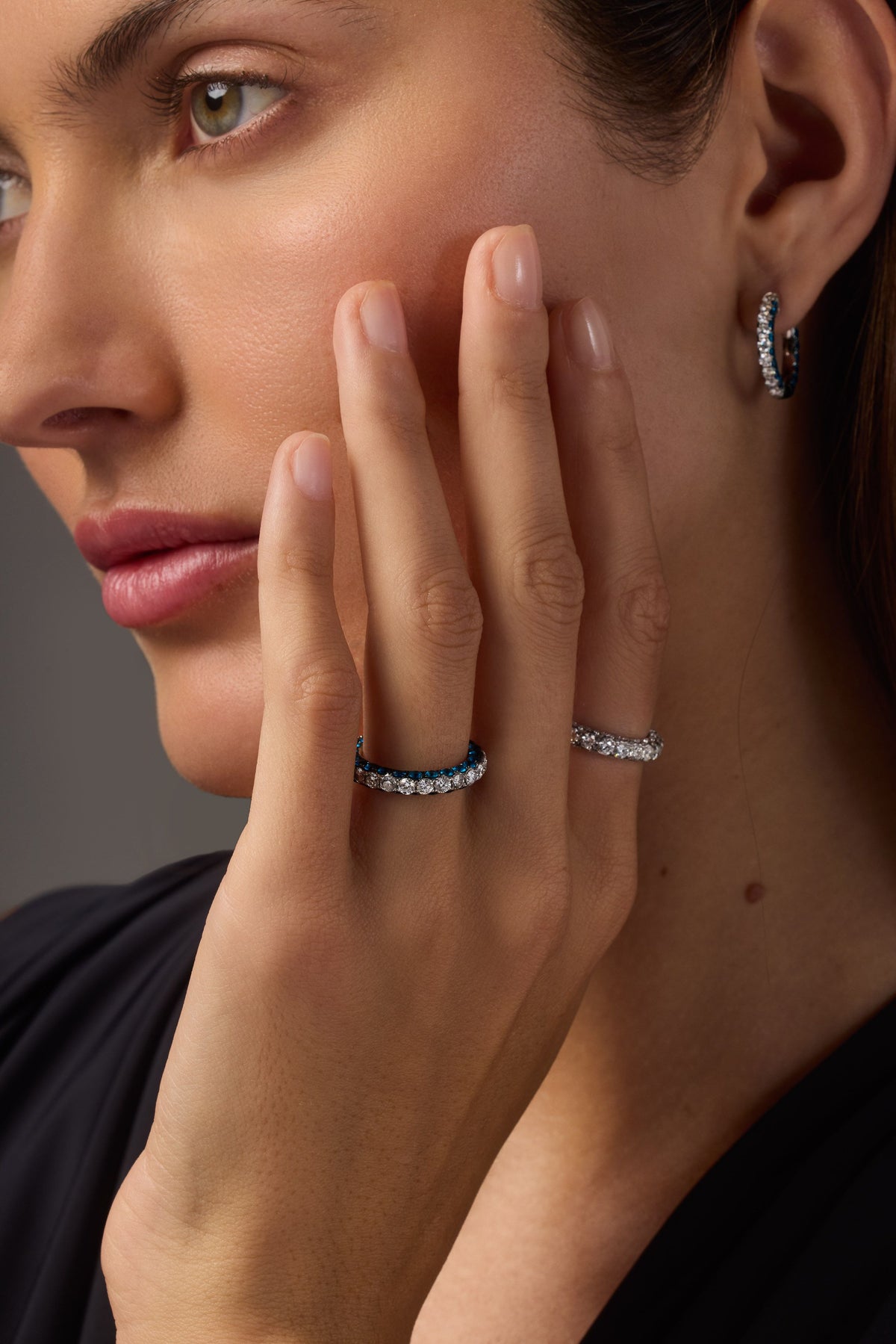
Graziela Kaufman grew up in Brazil around the country's gemstone-mining regions before founding her eponymous fine jewelry line, building direct relationships with miners she still works with today. What distinguishes the brand is that sourcing comes first, with two gemstone variants she identified even trademarked as Midnight Aquamarine and Graziela Tourmaline.
Fernando Jorge
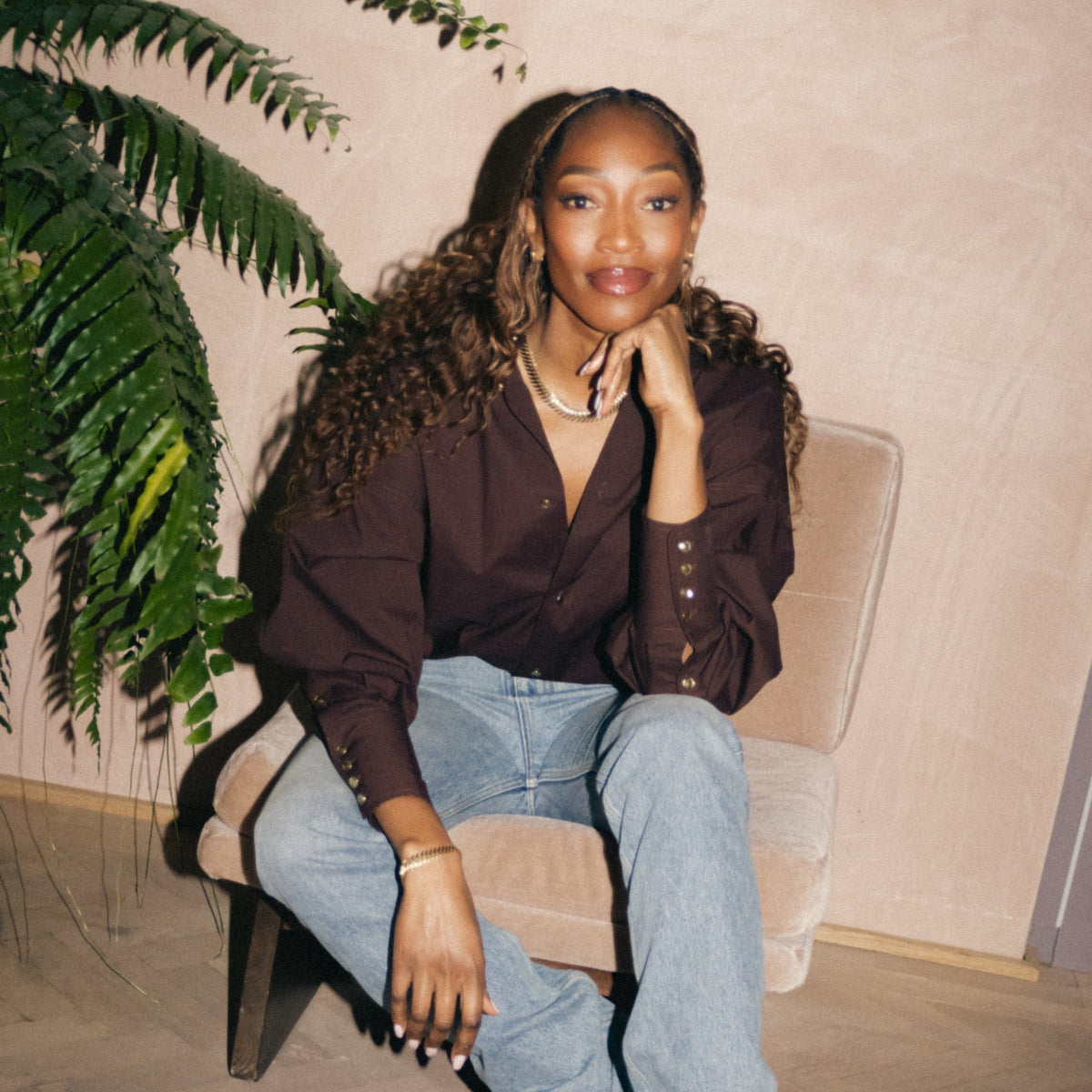
Fernando Jorge trained as a jewelry designer in São Paulo before moving to London in 2008 for a master's at Central Saint Martins, launching his own label out of that degree in 2010. His signature is sculptural, high-polish gold built around movement rather than stacked stones, made by artisans working across Brazil and Italy.
Rainbow K
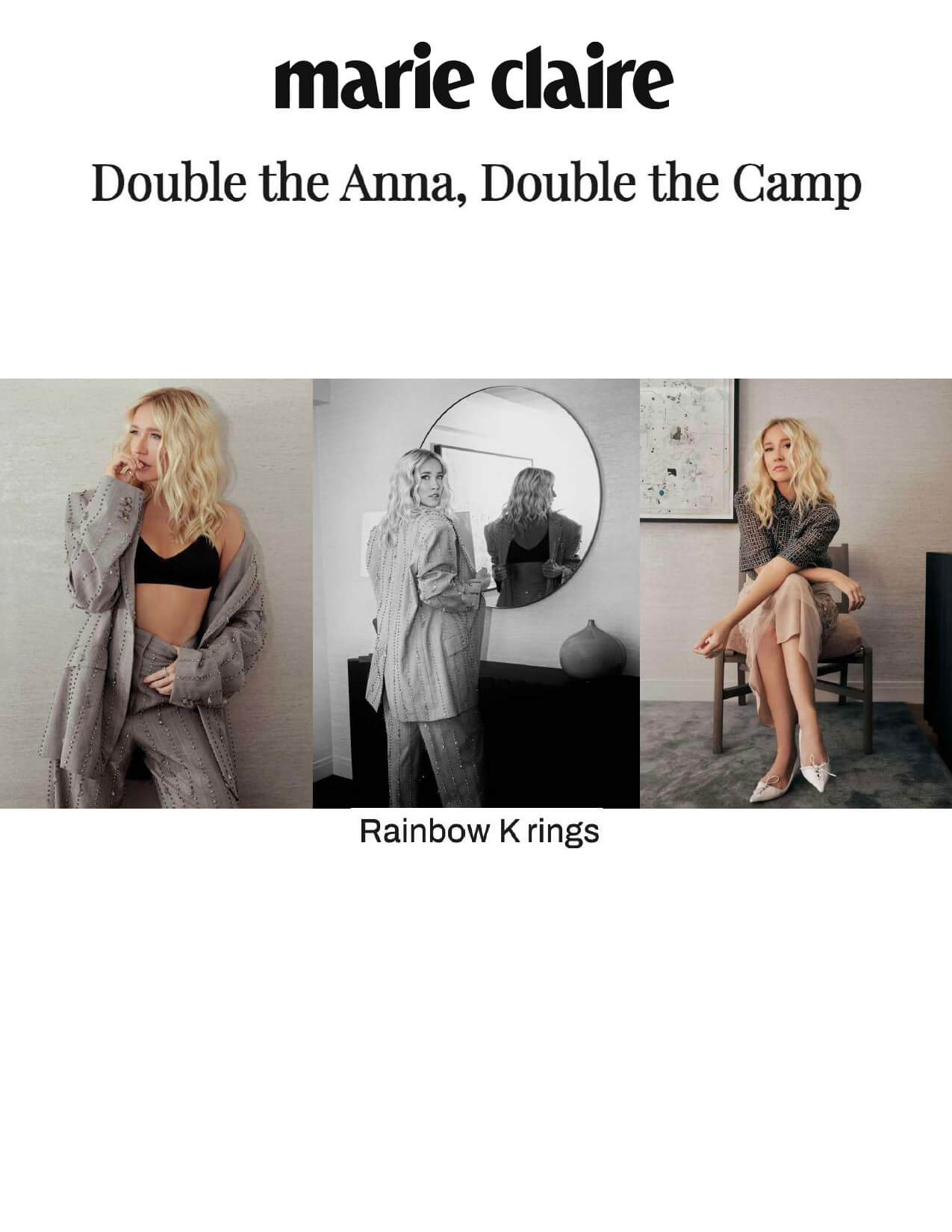
Kelia Toledano and Kelly Souied, childhood friends from the same street in Paris's 16th Arrondissement, founded Rainbow K in Paris in 2019 after both first built careers in finance and economics. Souied trained as a gemologist in Ramat Gan to study at the Israel Diamond Exchange, and pairs that technical eye with Toledano's Art Deco-leaning taste for antique jewelry, landing the brand somewhere between vintage revival and something more irreverent.
Silvia Furmanovich
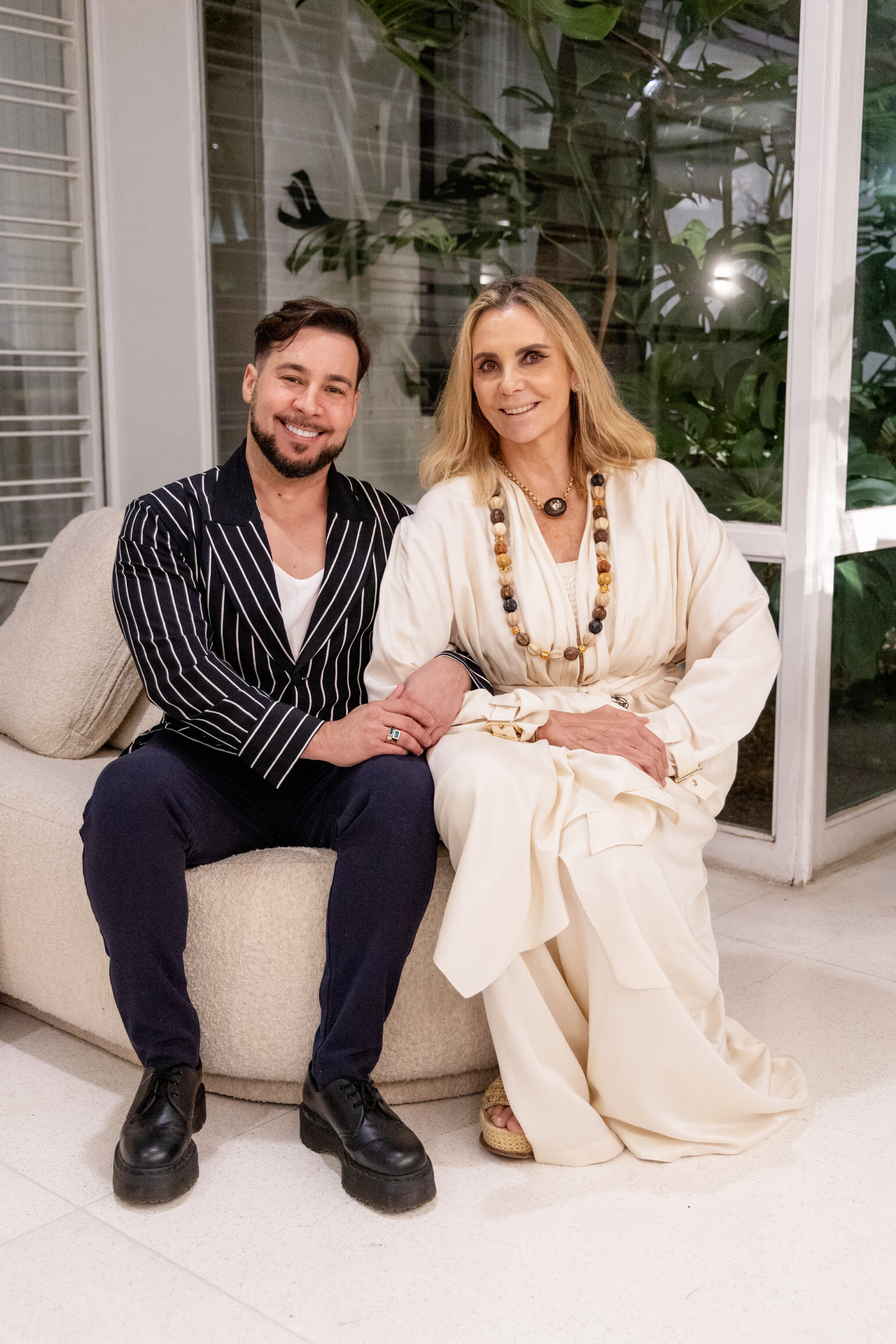
Silvia Furmanovich grew up in São Paulo watching her goldsmith father work from a home atelier, a family trade that traced back to her great-grandfather's ornaments for the Vatican, before opening her own appointment-only jewelry business in the late 1990s. She built her signature around wood marquetry, a technique she began developing after a trip to Acre in Brazil's west, cutting veneers of reclaimed native wood into gemstone-like scenes and setting them in gold alongside diamonds and colored stones.
Suzanne Kalan
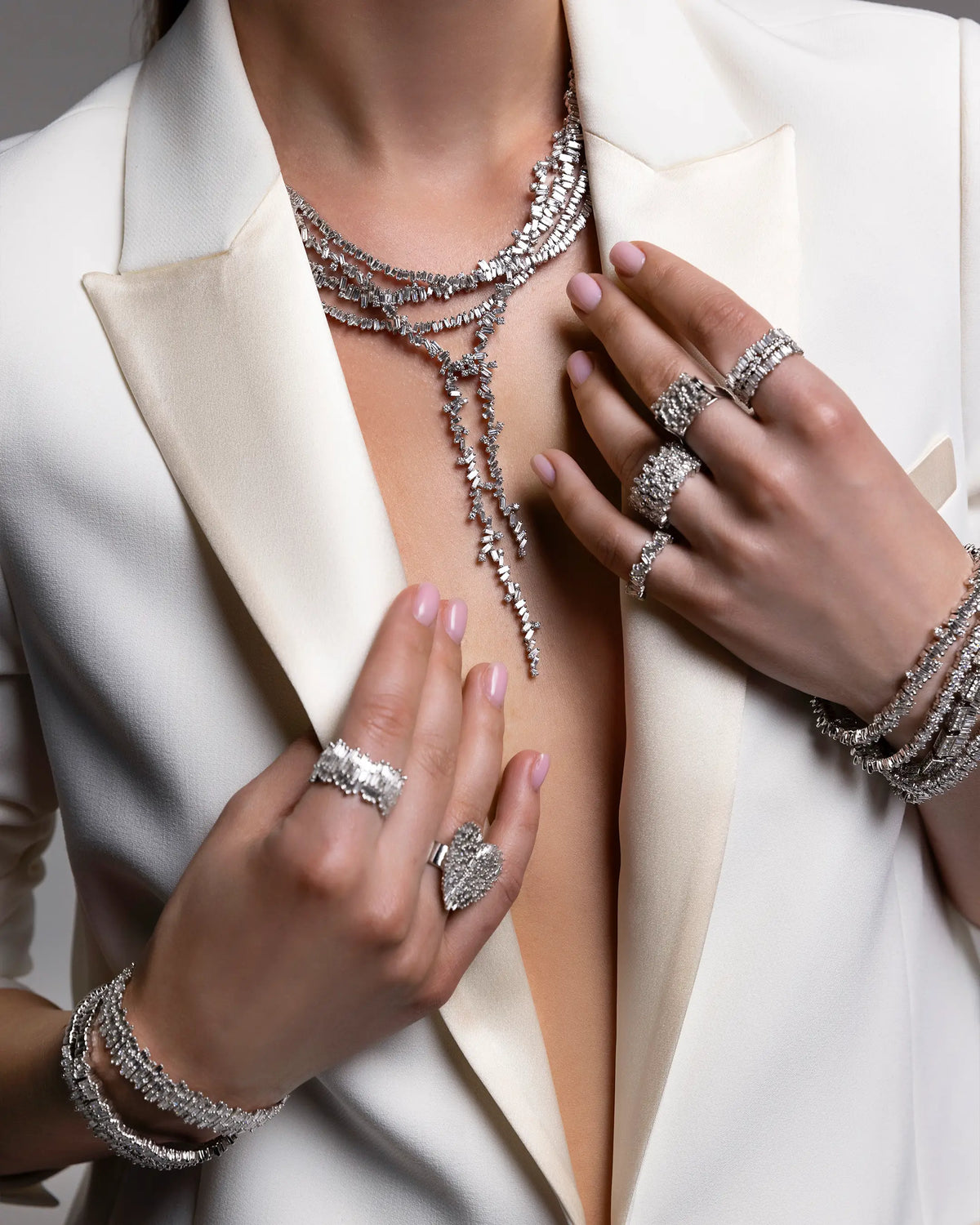
Suzanne Kalan launched her eponymous jewelry line in Los Angeles in 1988, after years spent working in her father's downtown jewelry store and financing her start with a diamond bracelet given to her as a wedding gift. She is best known for the Fireworks setting, scattering baguette-cut diamonds and colored gemstones across a piece in a seemingly random pattern she developed after noticing loose baguettes spread across her desk.
Goshwara
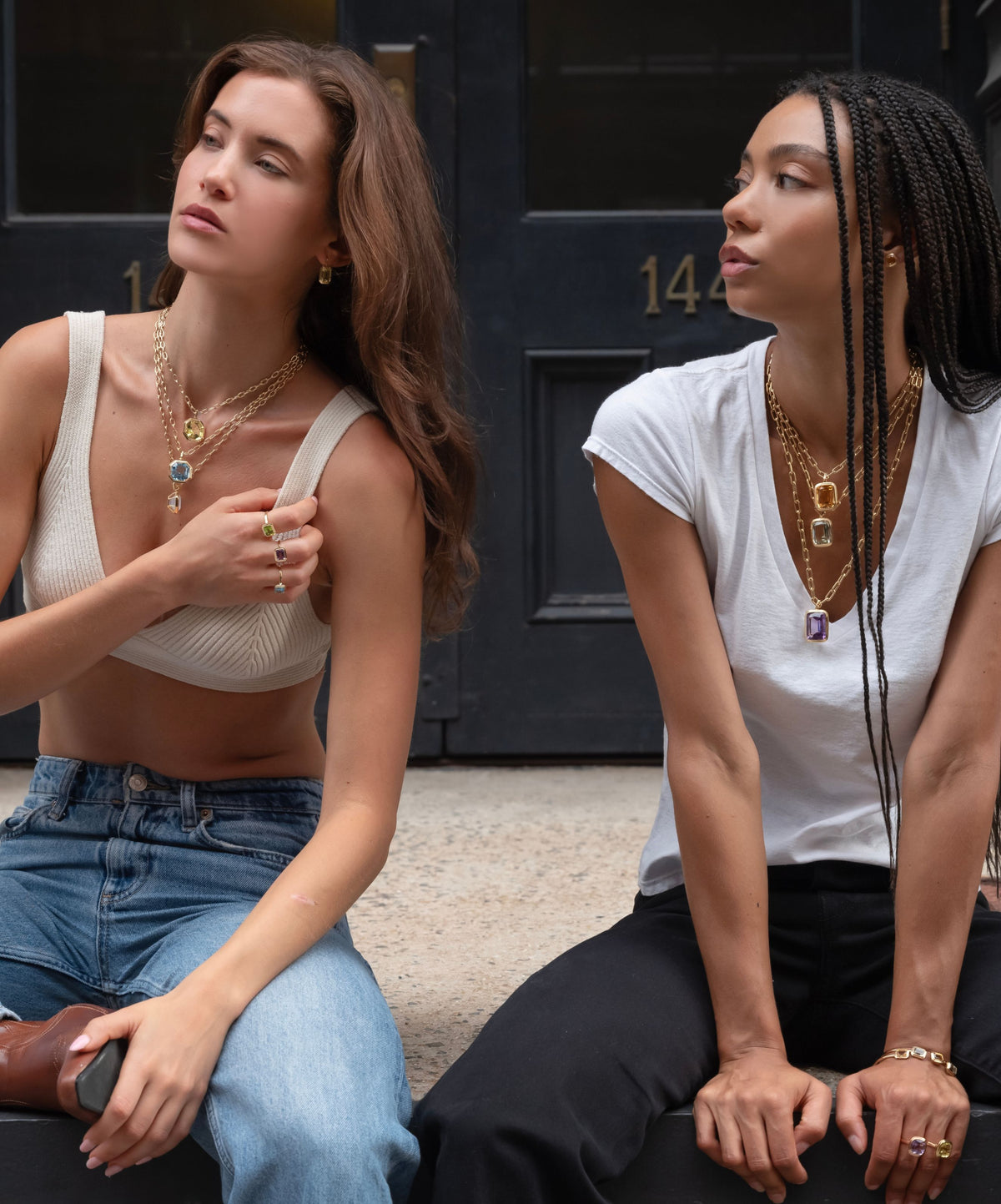
Sweta Jain launched Goshwara in 2005 in New York, after a childhood spent traveling with her gemstone-dealer father to mines in Africa and later training in jewelry design at the Fashion Institute of Technology. The label is built around color first: bold, often unexpected gemstone pairings designed and manufactured entirely in New York.