Jewelry
Jewelry
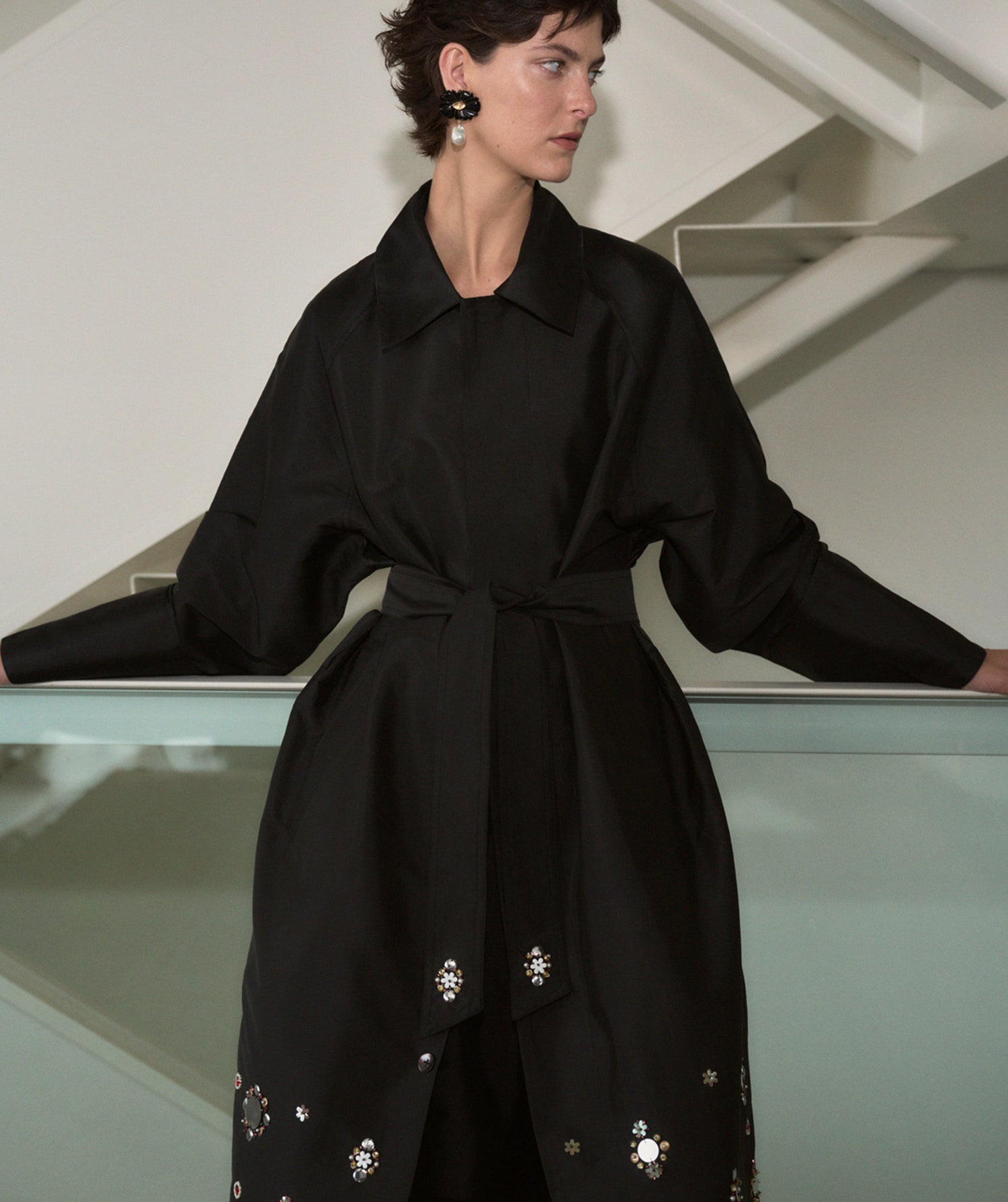
Chan Luu
Chan Luu started her namesake line in 1996 out of a Los Angeles garage, after two decades working retail floors and buying desks around the fashion industry. The label built its name on handmade jewelry produced with artisans in Vietnam and India, the kind of wrap bracelets and beaded pieces that made her a fixture on 2000s red carpets long before hers was a household name.

Ben-Amun
Isaac Manevitz, an Egyptian-born designer who had worked for costume houses like Trifari, started Ben-Amun in New York in 1980, naming it for his eldest son and the pharaoh Tutankhamun. The brand never pretended to be fine jewelry: it built its name on hand-finished pieces in electroplated gold, Czech glass and Majorca pearls, made to photograph and move like the real thing, which is exactly what got a Ben-Amun cuff onto Jackie Kennedy Onassis's wrist in 1989.
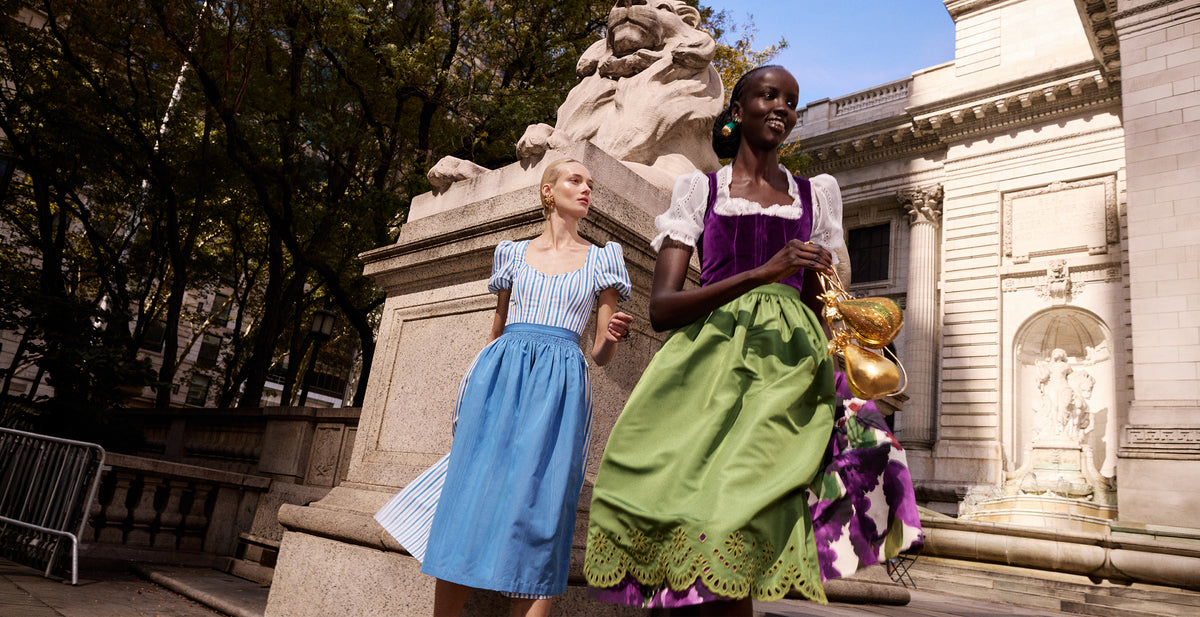
Oscar de la Renta
Oscar de la Renta left Santo Domingo at 18 to study painting in Madrid, ended up apprenticing under Cristóbal Balenciaga, then assisted Antonio del Castillo at Lanvin in Paris before landing in New York in 1963 and taking over the Jane Derby label by 1965 under his own name. The house became known for dressing Jacqueline Kennedy and generations of American socialites, and de la Renta was later named head of haute couture at Pierre Balmain in 1992, the first American ever given that job at a French couture house.

Roxanne First
Roxanne First makes fine jewelry feel personal, playful, and easy to wear before it becomes formal. South Africa-born, London-based founder Roxanne First launched her namesake studio in 2018 after a decade in luxury marketing and a growing side practice designing engagement rings for friends. Diamonds, colored stones, and charming shapes give the collection its direct emotional pull.

Drop Earrings And Hoops
Earrings are doing more work than necklaces this season. Movement is the point, which is why the drop is back. Three levels, from statement to barely there.

Lucy Delius
Lucy Delius makes fine jewelry that treats the past as a source of attitude rather than a museum display. Launched in 2022 after years in the jewelry industry, the London label draws on Victorian silhouettes, pocket-watch chains and the designer’s family love of collected pieces. Gold, diamonds, rubies, emeralds and pearls give the references enough weight to feel personal from the first wear.

L’Atelier Nawbar
L’Atelier Nawbar was founded in Beirut in 1891 and remains a fourth-generation Lebanese jewelry house. Sisters Dima and Tania Nawbar grew up around their father’s workshop and brought a contemporary edge to the family’s gold, diamond and gemstone practice. The collection moves between symbolic pendants, colored stones and small objects for keeping jewelry close.

Uptown Jewelry Signals
New York jewellery has a specific look right now and it is not delicate. Weight and shape are doing the talking. Three categories, worn together rather than separately.
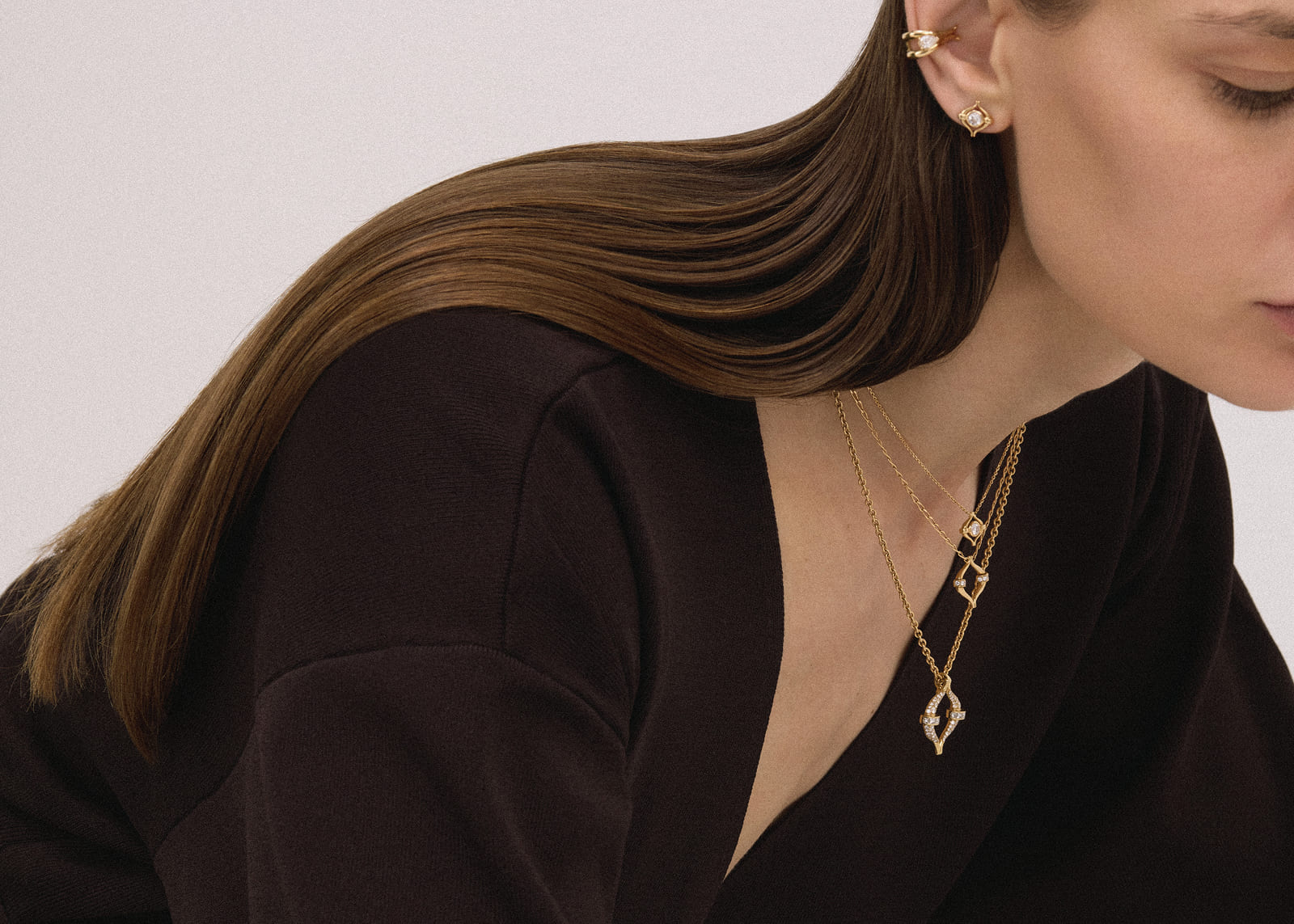
Mazarin
Louise de Rothschild and Keagan Ramsamy, who met working in the jewelry department of the Paris auction house Pierre Bergé, founded Mazarin in 2022. They named the house after Cardinal Mazarin, the 17th-century minister whose collection of exceptional diamonds became legendary, and built their own version of that history on lab-grown diamonds and recycled gold rather than antique stock.
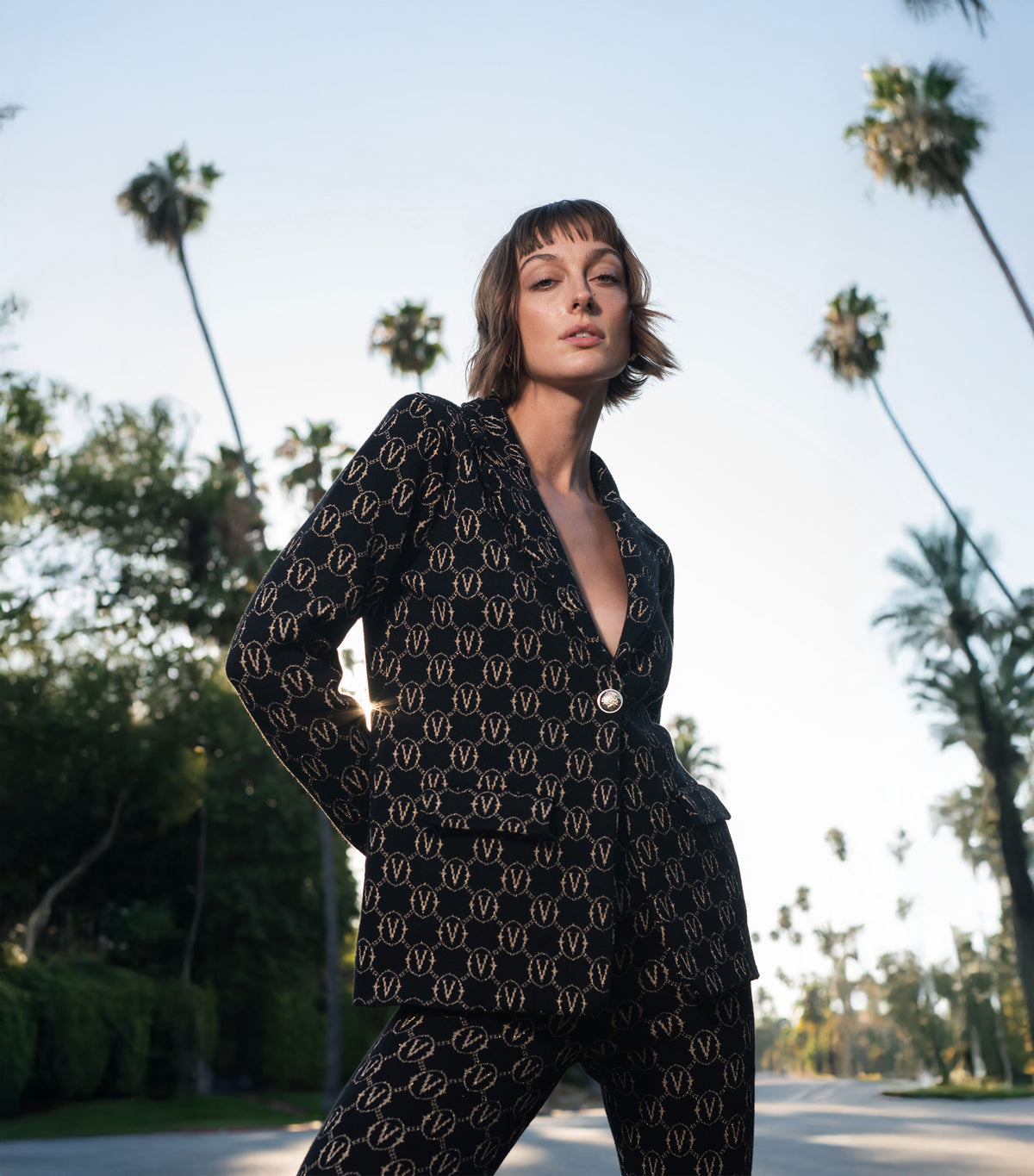
Vertigo
Taylor Sade started Vertigo in 2021 after buying out a closing lapidary's stock of oversized stones on a trip home to Phoenix, Arizona, then teaching herself to string beads despite having studied communication design at Parsons rather than jewelry making. She built the brand between Phoenix and New York, chunky amulets, medallions and hip belts in stones like turquoise, malachite and lapis lazuli, and a 2023 New York Times profile naming her pieces the necklace of the moment prompted her to quit her day job and run the label full time.
Charms Company
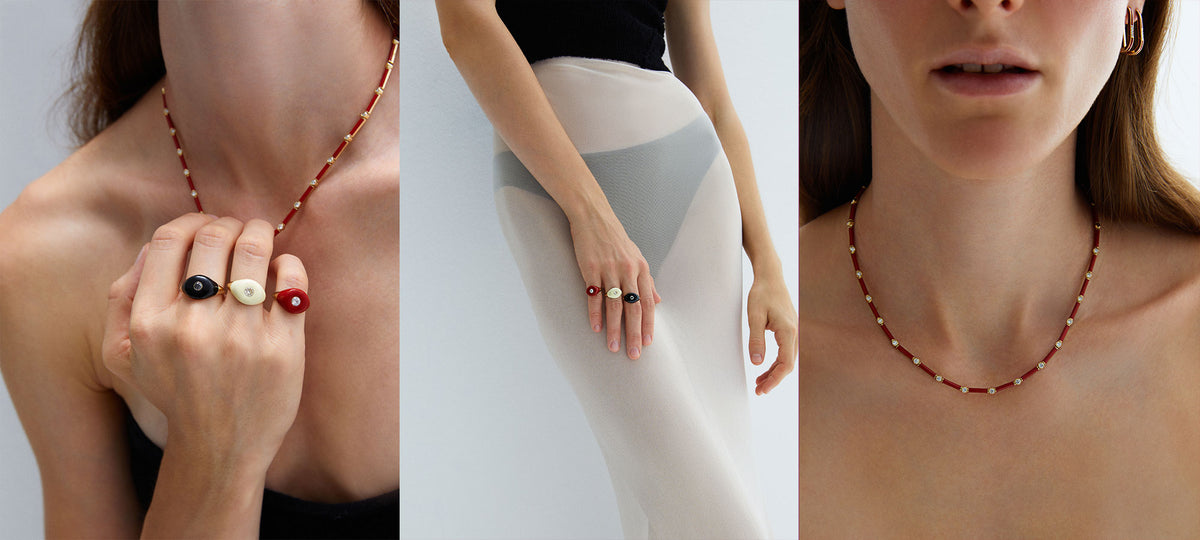
Begum Yalcin, an Istanbul native who trained in fashion design at Milan's Nuova Accademia di Belle Arti, launched Charms Company in 2013 while she was still finishing school. The line works almost entirely in solid gold, baroque pearls and diamonds, taking heirloom shapes and squaring them off into something cleaner and less fussy.

Mindi Mond New York
Mindi Mond founded her eponymous fine jewelry line in New York in 2009, after a career as a fashion merchandiser in the city's garment district. She started by buying antique and estate gems and finished pieces specifically to take them apart and rework them into new designs, a habit of repurposing that became the brand's working method before she launched her original Clarity Collection in 2012.

Stephen Russell
Russell Zelenetz, who had been headed for dental school before taking jewelry classes at the Fashion Institute of Technology, teamed up with Stephen Feuerman, who had worked the jewelry trade in London, to open Stephen Russell on Madison Avenue in New York in 1984. The shop built its name on carefully vetted vintage and antique jewelry spanning the Victorian, Edwardian, Art Deco and retro periods, alongside original contemporary designs made in the same spirit.

Sauer
Jules Sauer, a French teenager who fled Europe in 1939, arrived in Brazil and opened his own gem-cutting business, Lapidação Amsterdam, in Rio de Janeiro in 1941, later becoming known as a gemstone hunter for his role in certifying Brazilian emeralds internationally. He opened the brand's first standalone store on Avenida Atlântica beside the Copacabana Palace in 1956, and the house's Constellation ring won a Diamond International Award in 1966 and is still produced today.
Nada Ghazal
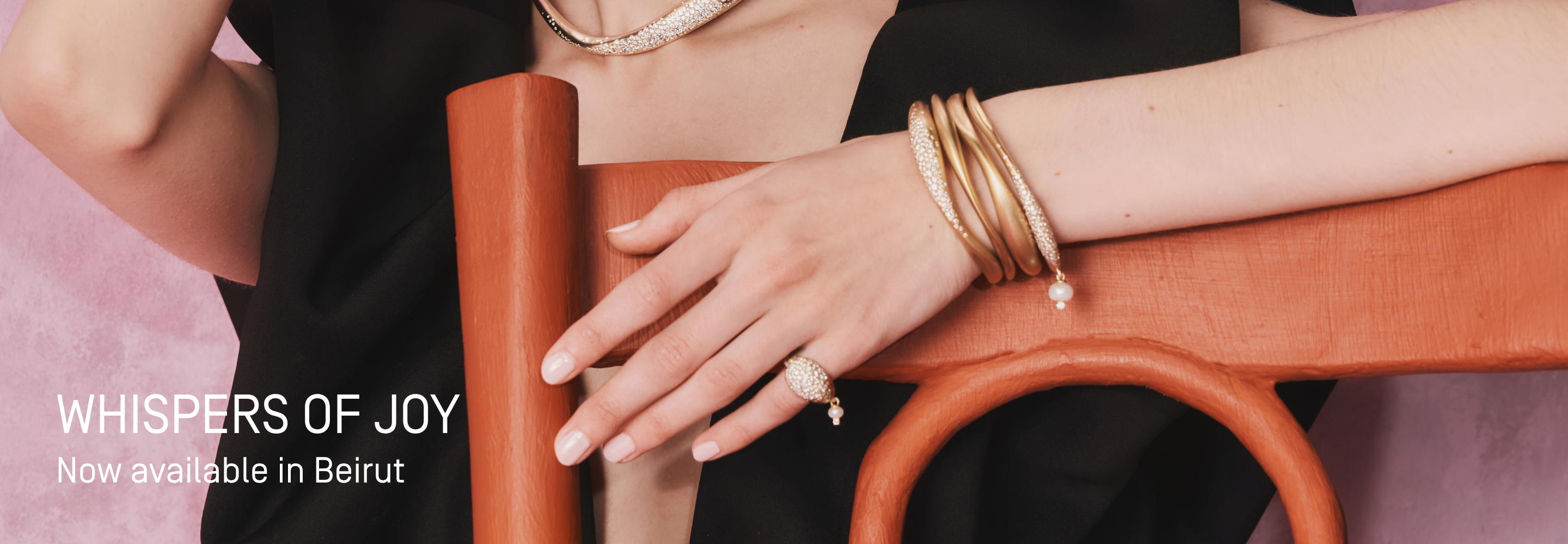
Nada Ghazal spent a decade in Dubai advertising, rising to senior art director at Impact BBDO, before returning to Beirut in 2003 to design jewelry instead. Her first collection, twenty five handmade pieces in eighteen karat gold wire called Organised Chaos, reportedly sold out within days of its December 2003 debut, and she opened her first Beirut boutique and atelier the following year.

Ten Thousand Things
Ron Anderson and David Rees, both self-taught jewelers who came out of fashion retail rather than formal design school, founded Ten Thousand Things in New York in 1991, taking their name from a line in the Tao Te Ching. The label helped bring personal, wearable fine jewelry back into fashion at a moment when magazines were dominated by oversized costume pieces, a shift cemented early when Kate Moss wore its small cross pearl earrings in her first Calvin Klein campaign in 1992. Here are some of my personal favorite items from the collection...
Pamela Zamore
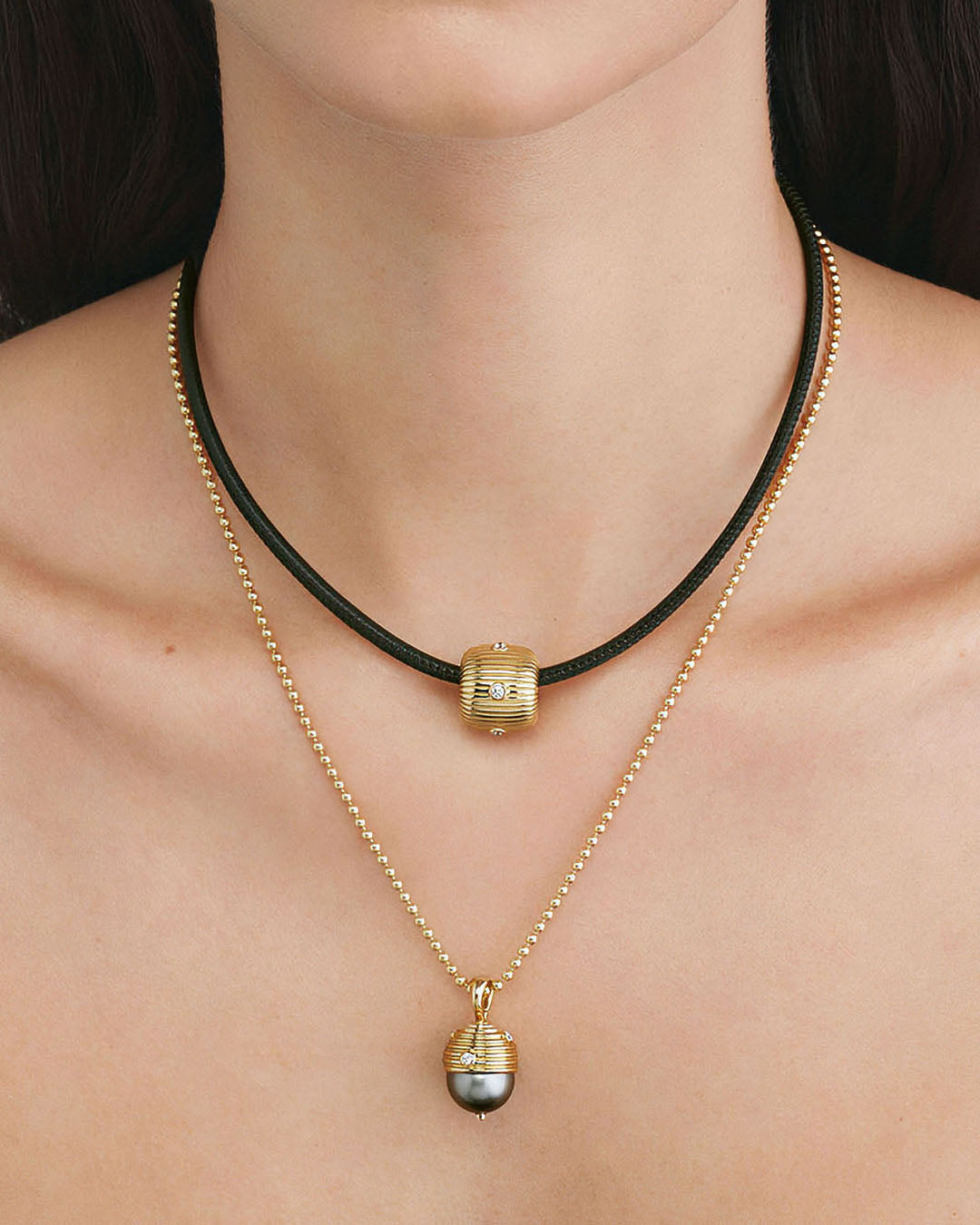
Pamela Zamore spent seventeen years running her own interior design firm in Boston before shifting into jewelry around 2014, first working in silver before moving the collection to 18 karat gold around 2023. Her designs pull from a lifelong collection of 1970s gold jewelry, antiques and decorative arts, translated into pieces with heavy texture and dimension rather than smooth, polished surfaces.
DRU.
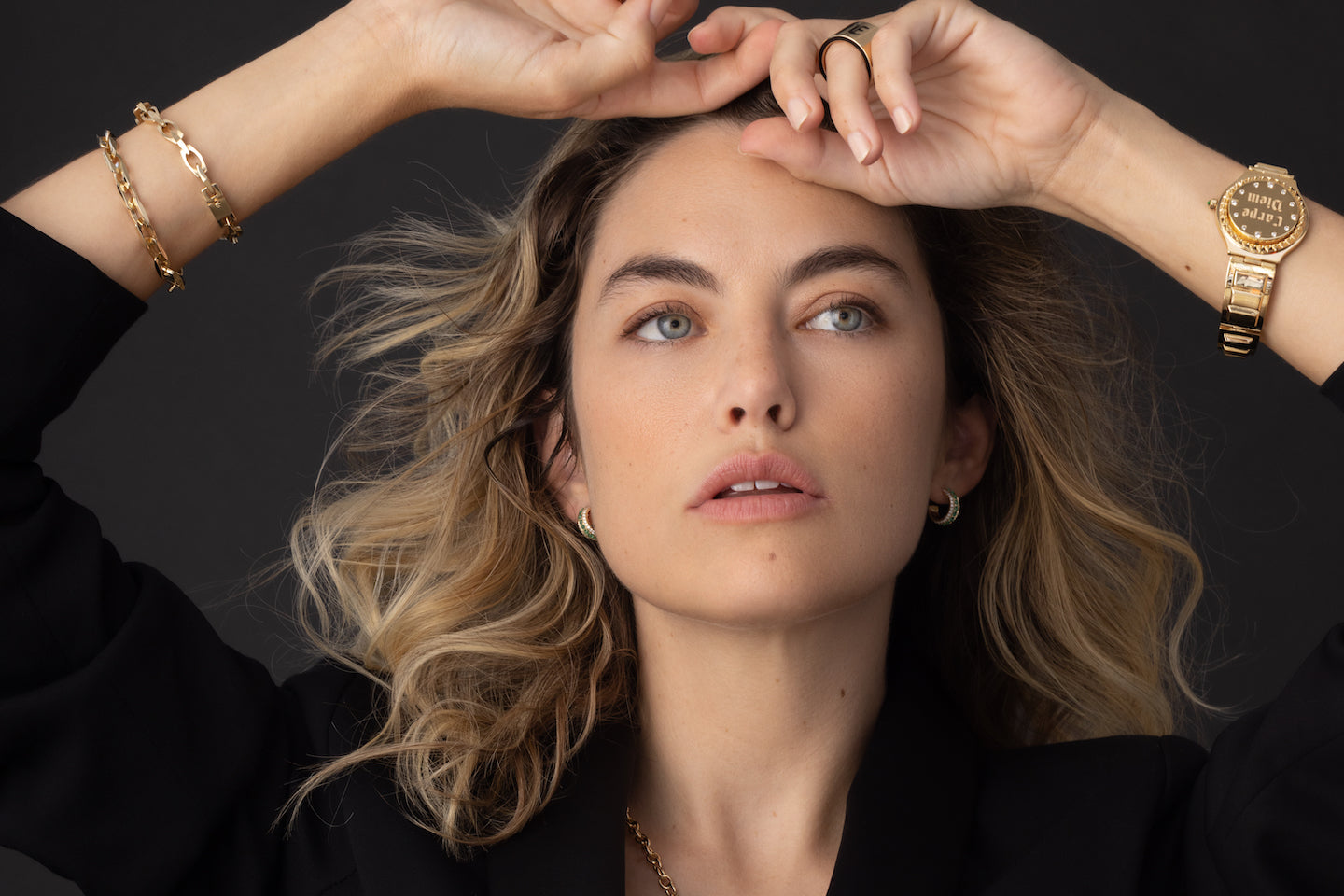
Thea Miller left a twenty-year teaching career in 2016 to launch her Los Angeles jewelry label, DRU., full time. She builds every piece around symbols and short, pointed mantras meant to read as armor rather than decoration, and makes it all in Downtown Los Angeles.

Sylva & Cie
Sylva Yepremian, who was born in Lebanon, raised in Paris and trained at the jeweler's bench by her father, a master craftsman who had worked for Cartier, co-founded Sylva & Cie with her husband Raffi in Los Angeles in 2007. Their families had run jewelry businesses in the same downtown LA building for decades, and the label built its identity on hand-crafted, antique-inspired pieces drawing on Georgian and Victorian design.
Ginette NY
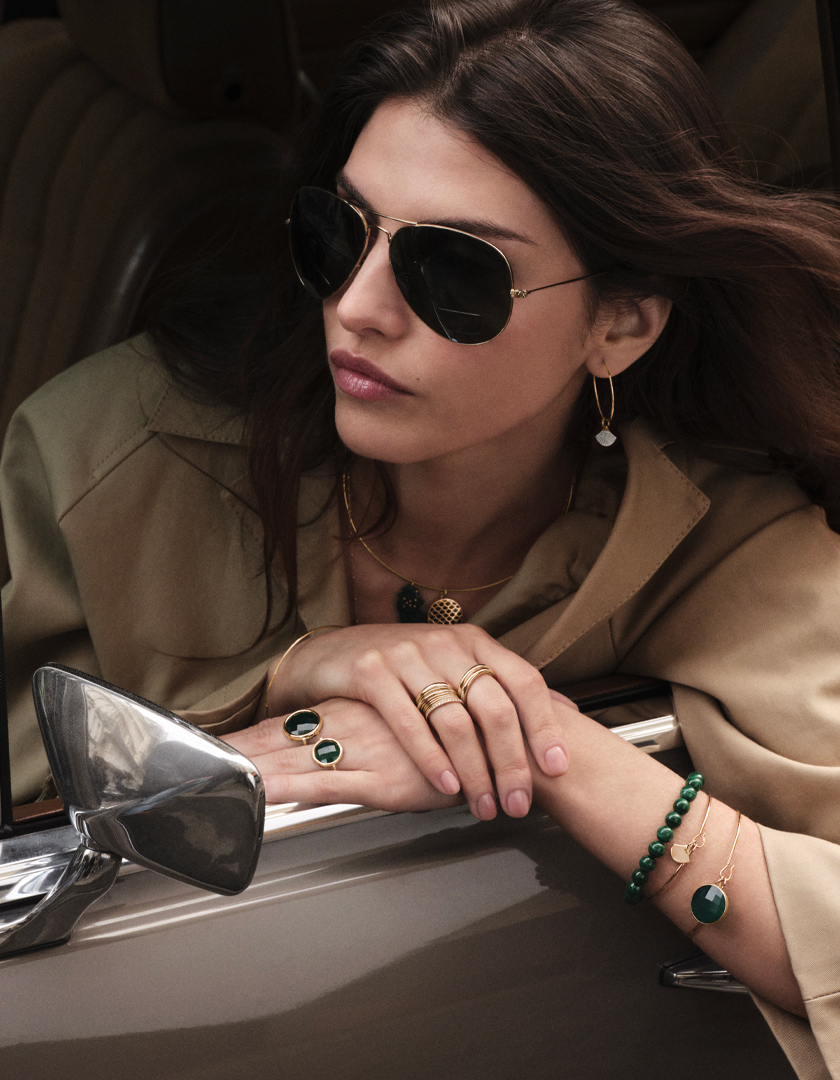
Frédérique Dessemond, a Marseille-born, Sorbonne-trained art history graduate, started Ginette NY in New York in 2002 after years of customizing vintage furniture and clothing rather than making jewelry from scratch. Her breakthrough was the Disc, a plain polished gold circle threaded on a fine chain and engraved with initials, which turned fine jewelry into something meant for daily wear rather than special occasions.

Keane
Keane is the Brooklyn label started in 2017 by Colin Keane Lynch, who trained in glassblowing in Venice as a teenager and later at Rhode Island School of Design before a stint working retail in fashion, where he began experimenting with glass on the side around 2012. The brand still makes its jewelry and objects the same way, hand-blown glass paired with precious metals, in a studio near the Manhattan Bridge, with collections that have referenced everything from his father's home county of Kerry in Ireland to the psychedelic revolution and Japanese wagashi sweets.
CANO
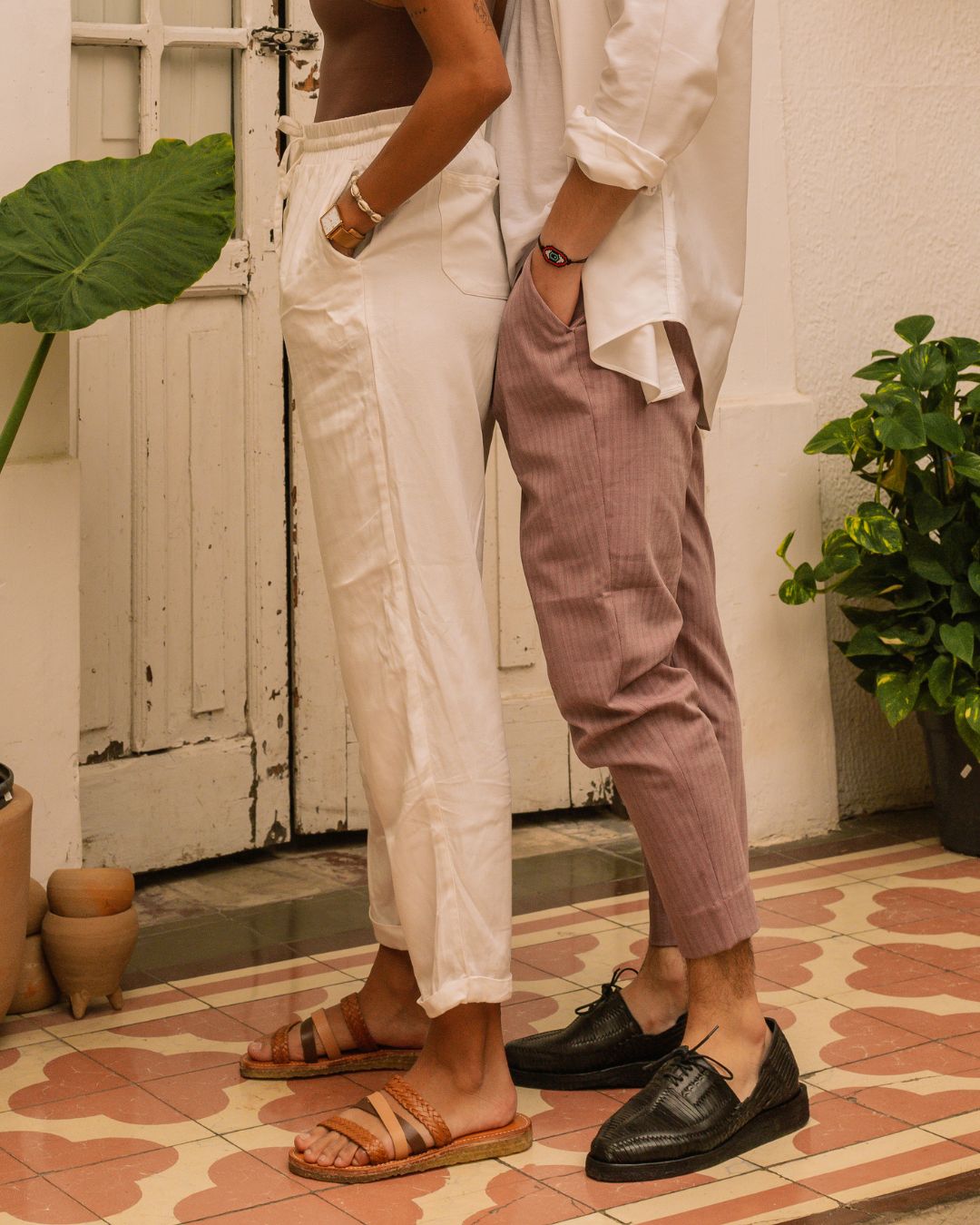
CANO began as a family obsession, not a fashion label: in Bogotá, Guillermo Cano trained as a goldsmith in Germany before opening a boutique in 1968 to recreate the pre-Columbian gold pieces his grandfather Nemesio had unearthed decades earlier. Its defining fact is a license, not a trend: CANO is the only jewelry house authorized by the Banco de la República's Gold Museum to reproduce pieces from its collection, using the same lost-wax casting the original goldsmiths used.

Bleecker & Prince
Leehe Segal launched Bleecker & Prince in New York in the early 2010s, naming it for two SoHo streets, Bleecker and Prince, that run close but never actually meet. She trained at FIT and spent two years learning the trade at a diamond manufacturer in Tel Aviv's Diamond District before striking out on her own, and Bergdorf Goodman picked the line up within a year of launch.
Stephanie Windsor
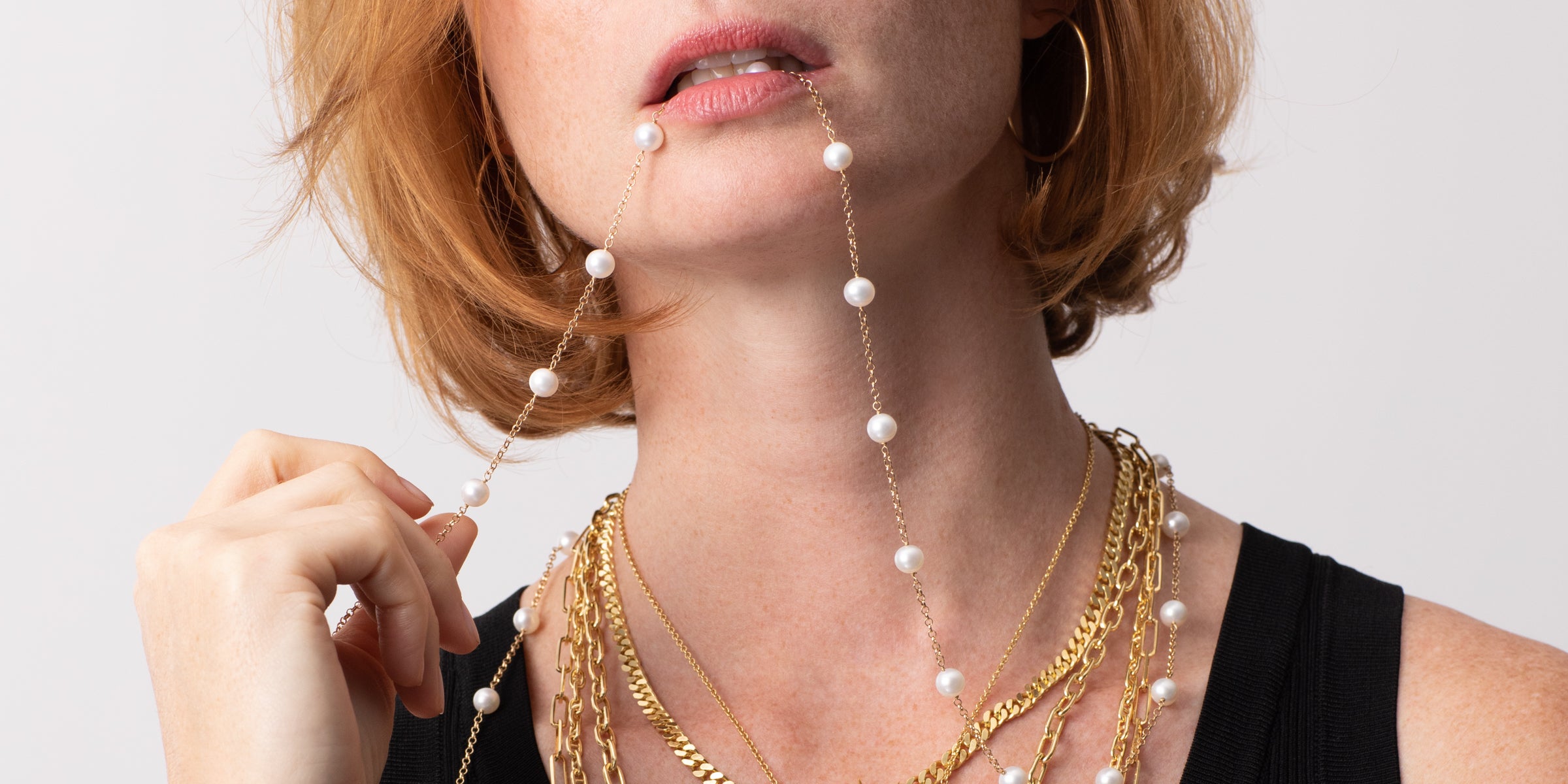
Stephanie Windsor, born Stephanie Levy in Montreal, moved to Manhattan in 1987 and got her start working for Norma Kamali at the height of Kamali's 1980s run before later co-chairing design marketing at Parsons. She went on to run her own accessories showroom and was tapped to exclusively curate Barneys New York's antique and vintage fine jewelry and pre-owned watches, a role that shaped the eye behind her own label spanning Georgian through Art Deco periods.