Shoes
Shoes

Bembien
Yi-Mei Truxes launched Bembien in 2017 in Brooklyn after six years running marketing for Vogue, following a chance sighting of a stranger's disheveled straw bag on a downtown street. The label works almost entirely through artisan weavers in Bali, treating a basket bag as a craft object rather than a factory good

Golden Goose
Alessandro Gallo and Francesca Rinaldo started Golden Goose in a garage in Marghera, near Venice, in 2000, when they were both in their early twenties. The brand's entire identity rests on a single idea introduced in 2007, the Super-Star sneaker, hand-distressed until it looks like it has already lived a life before you bought it.
Black Suede Studio
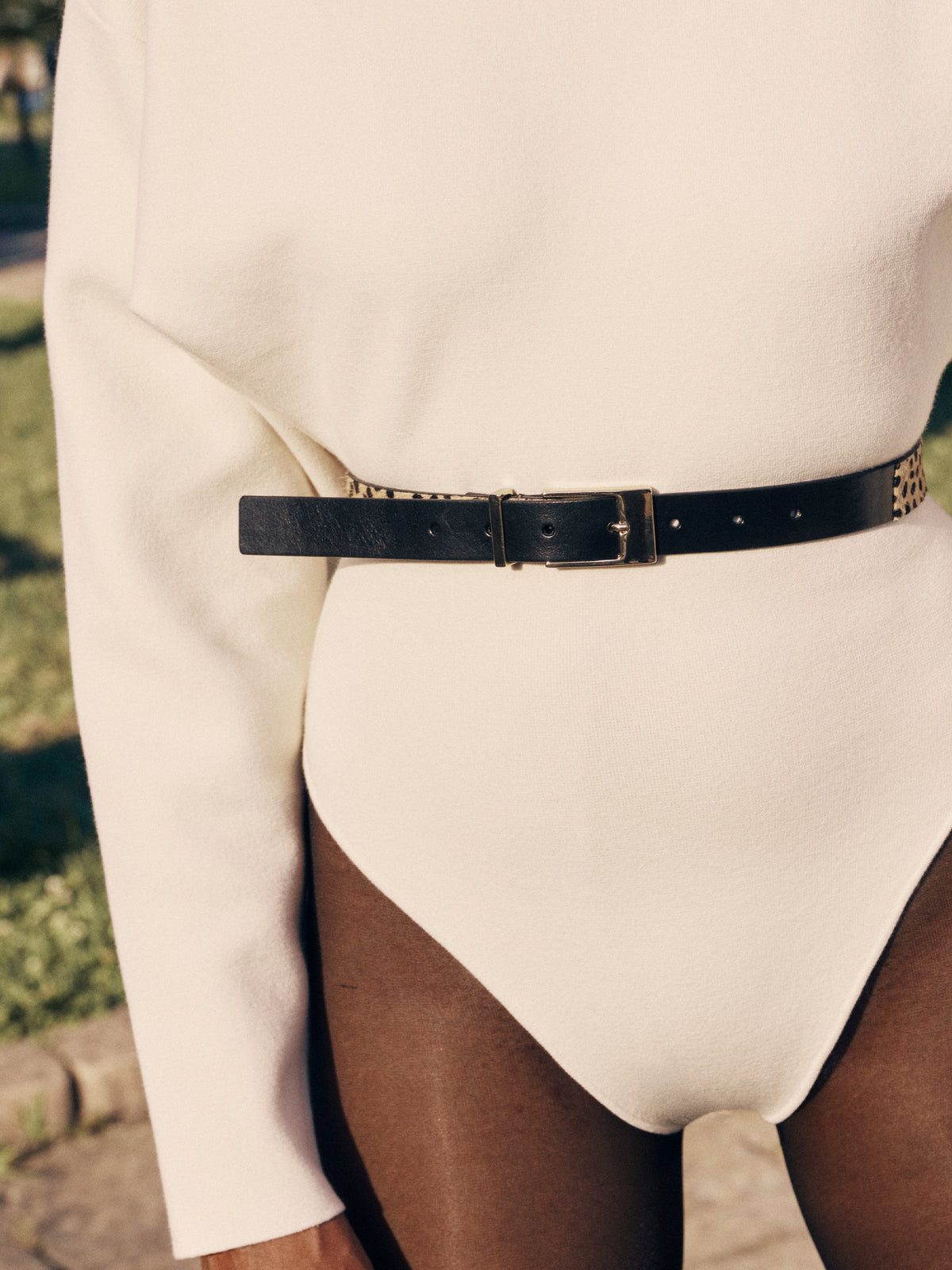
Kris Avakian launched Black Suede Studio out of Montreal in 2018, after years spent inside his family's accessories manufacturing business, including a stint running quality control at their factory in Qingdao, China. The label's whole premise was closing a gap he saw in footwear: shoes with real quality and comfort at a level nobody else was hitting, a conviction strong enough that he later moved production to Brazil to get the craftsmanship right.
Jacquemus
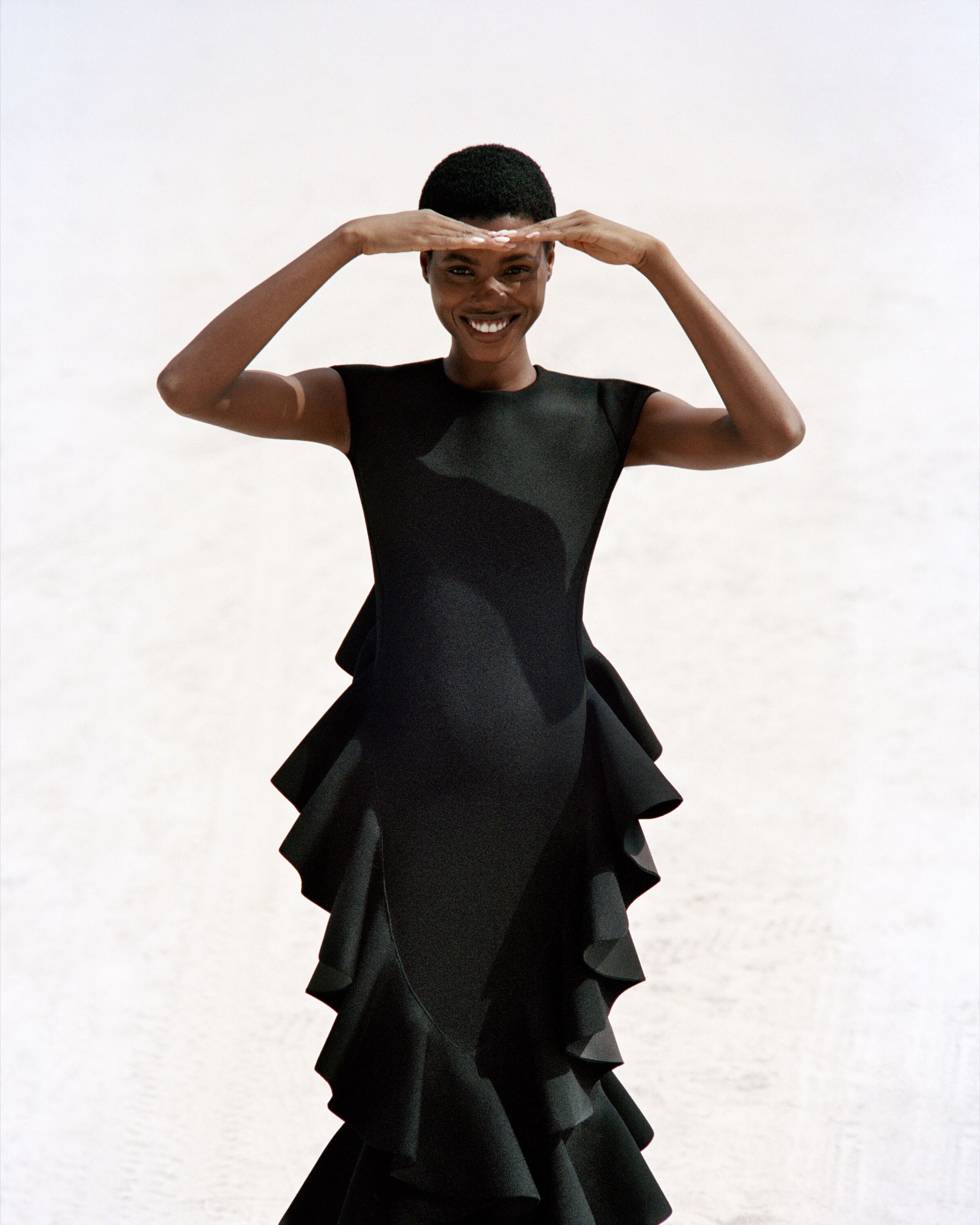
Simon Porte Jacquemus founded his label in Paris in 2009, at twenty, naming it after his mother's maiden name the same year she died, a loss he has described as the shock that pushed him to start designing. The house grew from a one-man operation into an independent fashion company with hundreds of employees, opening its first permanent store on Avenue Montaigne in 2022 after years of building a name through inventive presentations and a fast-growing digital following.
Christopher Esber
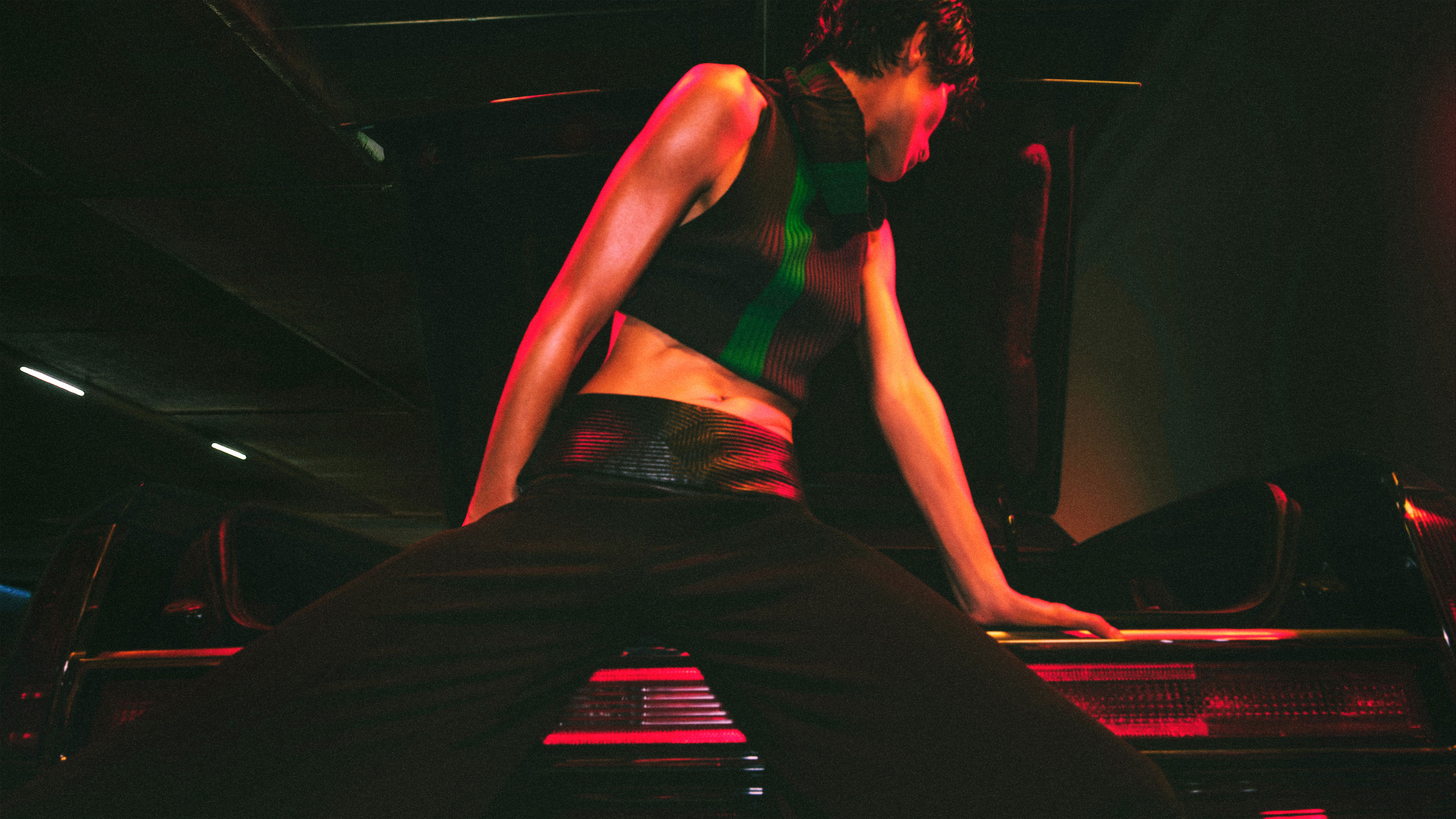
Christopher Esber founded his namesake label in Sydney in 2010, aged twenty two, on a small loan from his parents. The work is built on deconstructed tailoring and sculptural, negative-space cutting, the kind of engineering that makes a dress look undone and precisely controlled at once.

Chloé
Gaby Aghion started Chloé in Paris in 1952, naming the house after a friend because a woman of her social standing was not supposed to have a job. The label made its name by treating luxury as something you could wear off the rack rather than have fitted at a couture house, and it kept proving that with the designers who passed through, from Karl Lagerfeld to Stella McCartney to Phoebe Philo.
Toteme
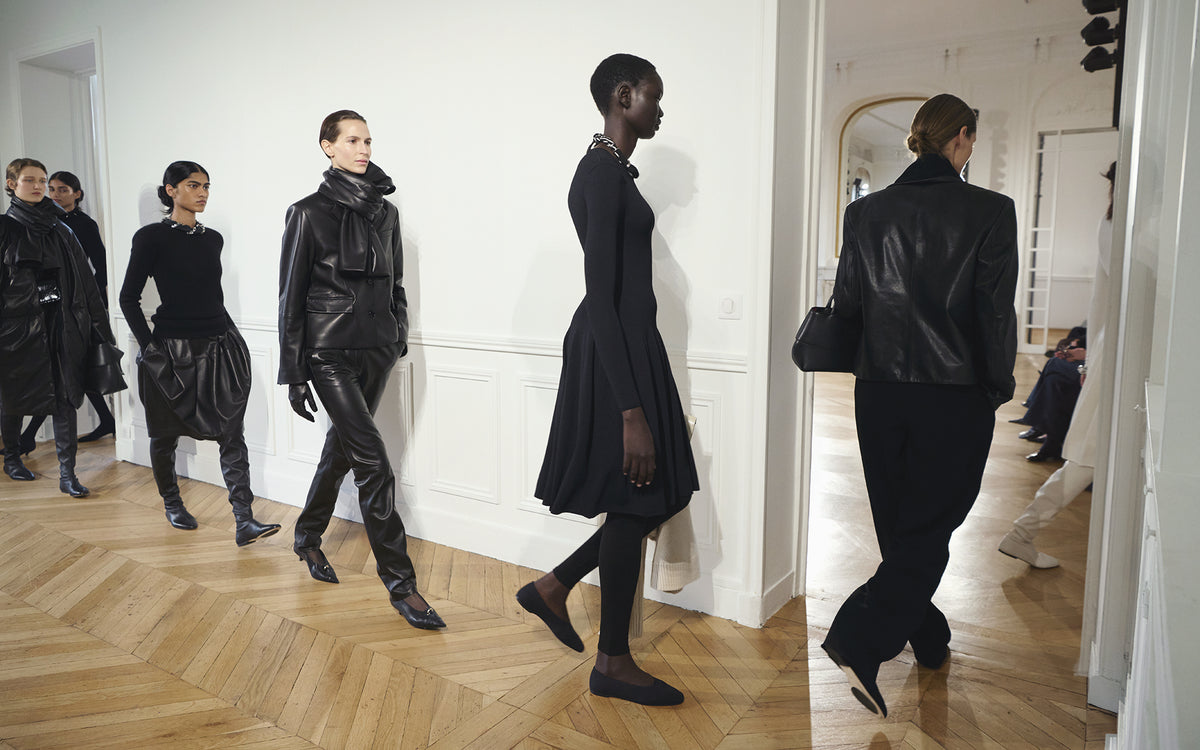
Elin Kling, a Swedish fashion journalist, and Karl Lindman, an art director who had worked with Interview magazine, founded Toteme in New York in 2014, the same year they married, before moving the company back to their native Stockholm in 2016. The name started as Totem until Kling suggested softening it with a final e, and the label built its identity on pared-back Scandinavian tailoring: poplin shirtdresses, boxy bouclé jackets and a signature fringed scarf detail.
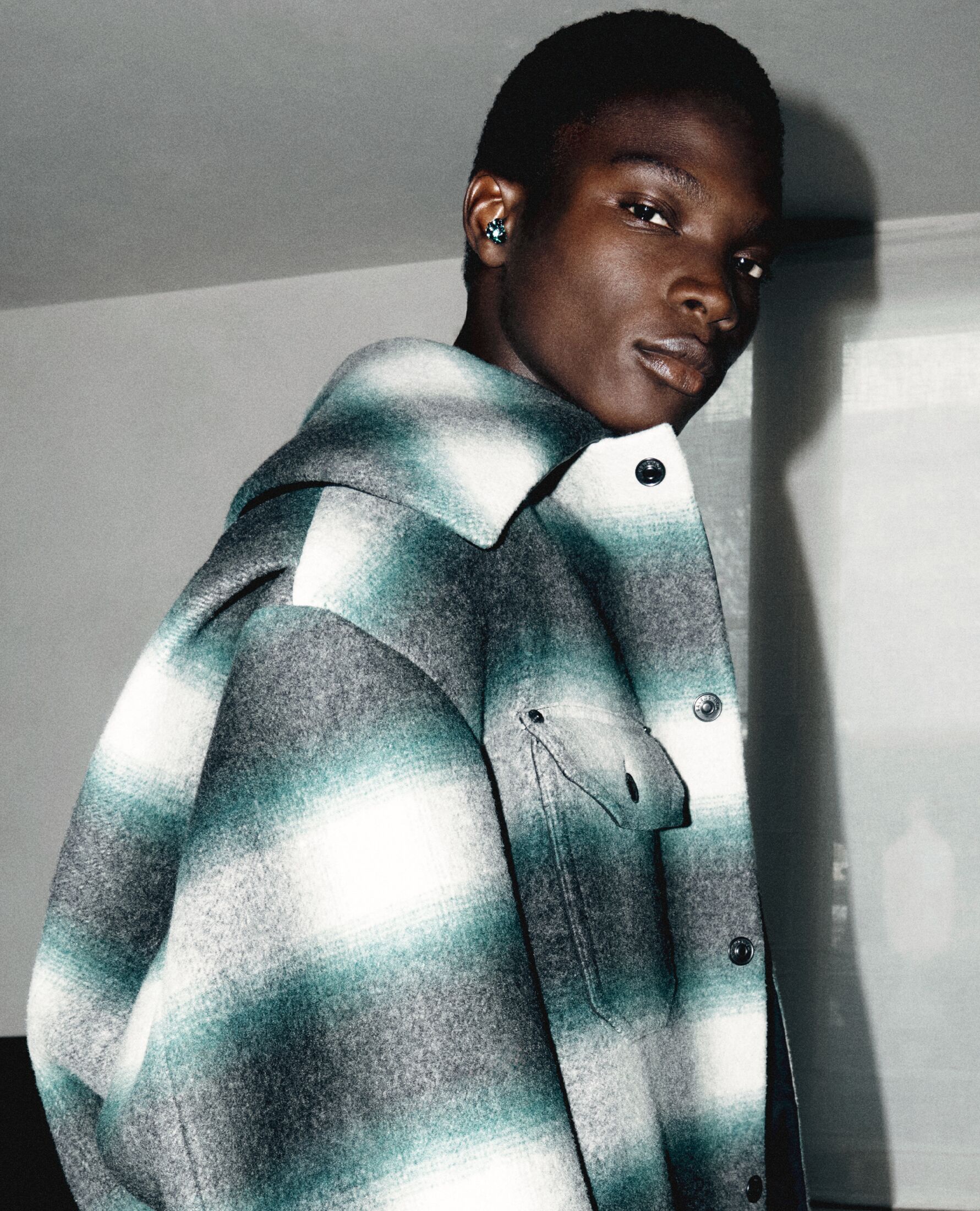
Balenciaga
Cristóbal Balenciaga opened his first atelier in San Sebastián in 1917, then moved the whole operation to Paris in 1937 once the Spanish Civil War made staying home impossible. What he built there was less about decoration than engineering: the sack dress, the cocoon coat, silhouettes cut with such structural control that Dior reportedly called him the master of the rest of them.
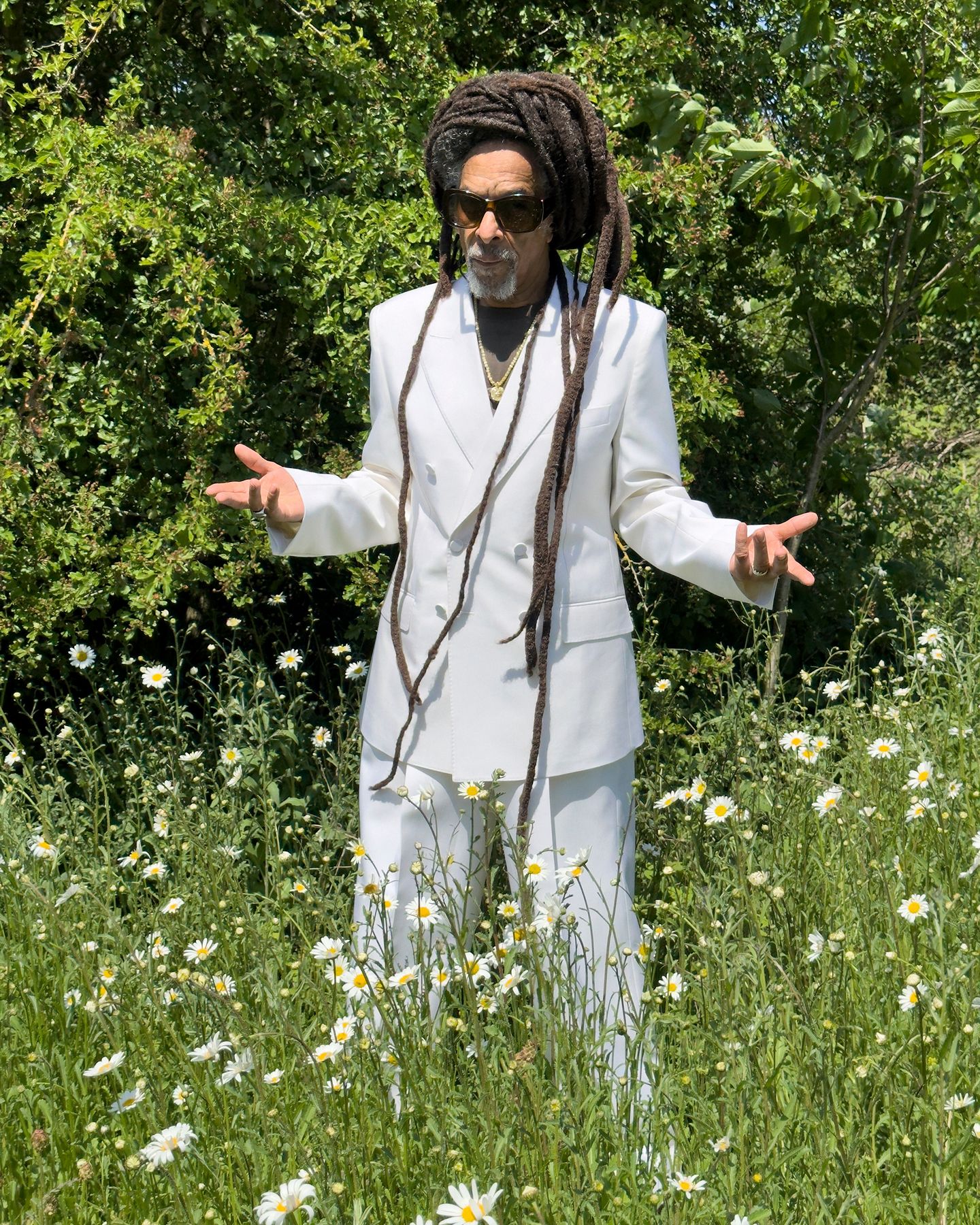
Givenchy
Hubert de Givenchy opened his own Paris couture house in 1952 at just 24, after training under Jacques Fath, Robert Piguet, Lucien Lelong and Elsa Schiaparelli. His debut collection of interchangeable separates in raw cotton shirting, anchored by the white Bettina blouse, made practicality itself the news, and the house's identity was cemented a year later when he met Audrey Hepburn and began dressing her both on screen and off.
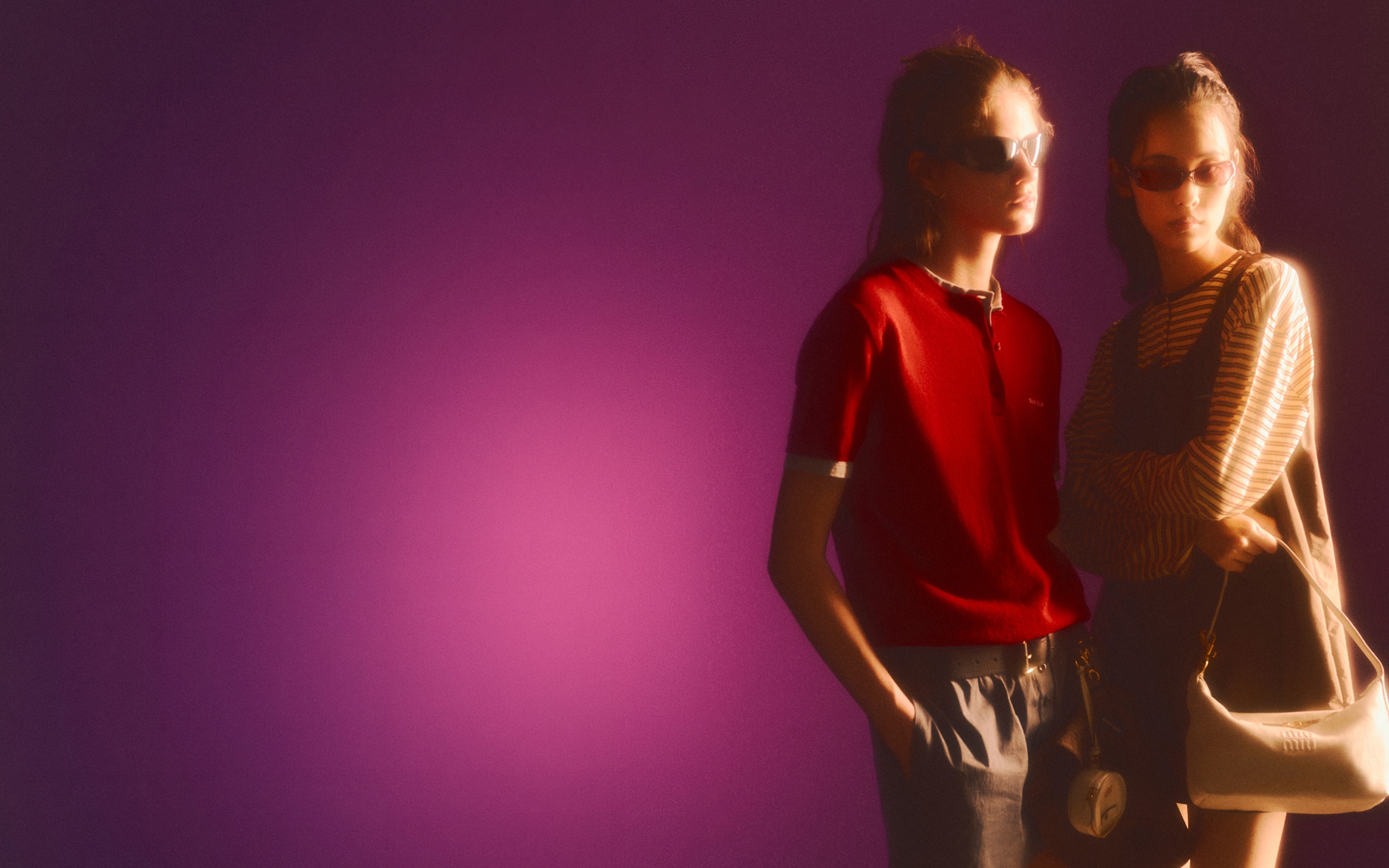
Miu Miu
Miuccia Prada conceived Miu Miu in 1992 and launched it publicly in 1993, naming it after her own childhood nickname and opening its first boutique on Via della Spiga in Milan. The debut collection was cowgirl-themed, fringed suede and patchwork prairie skirts, a deliberate swerve away from the tailored minimalism of the main Prada line so she would have somewhere to be irreverent without diluting it.
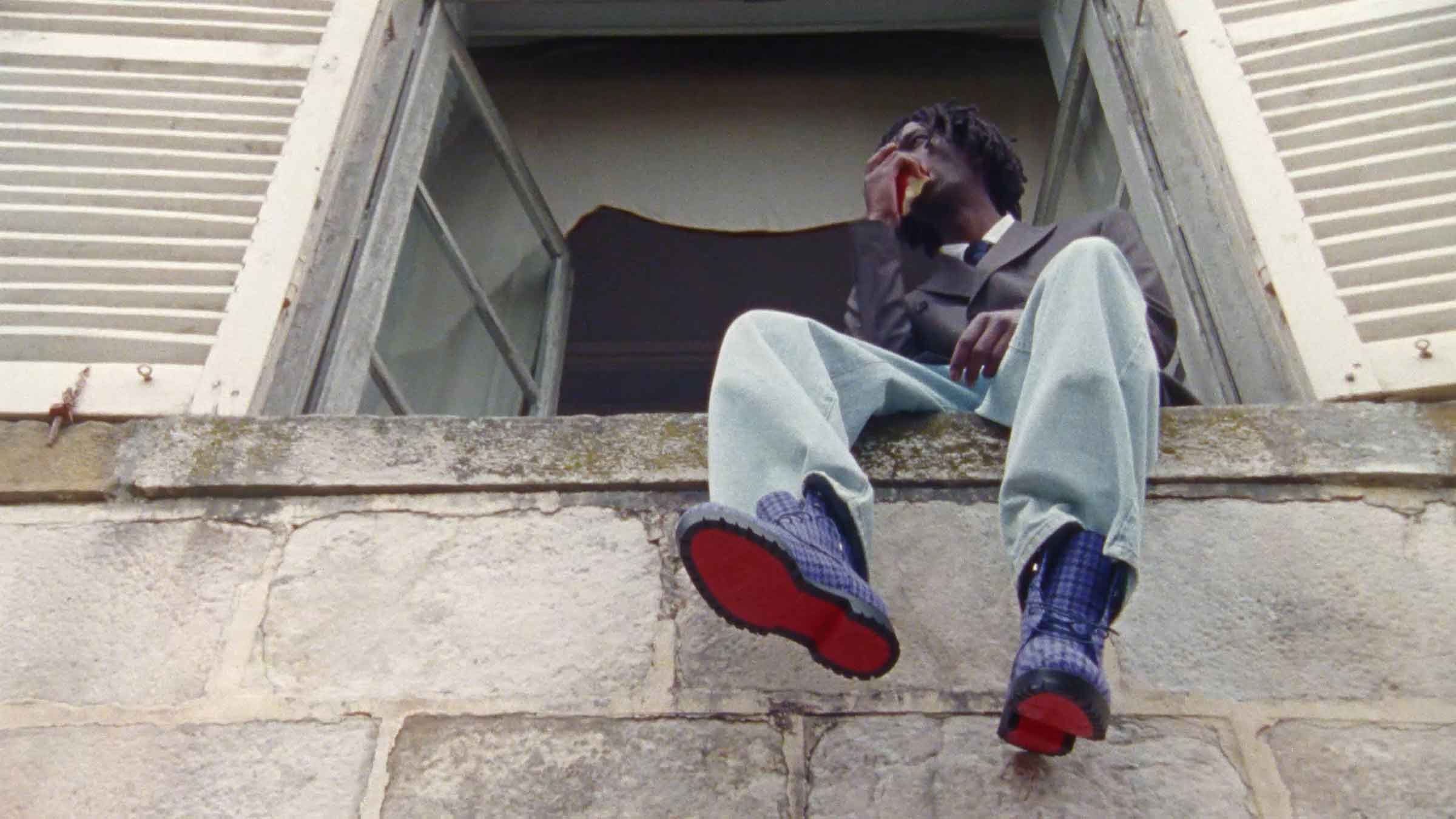
Christian Louboutin
Christian Louboutin opened his first Paris boutique in November 1991, in a small arcade near the Louvre, after years spent designing shoes for Chanel and Yves Saint Laurent and a detour into landscape gardening. The whole enterprise turns on one stubborn idea, a lacquered red sole that turns the underside of a shoe into the signature, so a heel is recognizable from across a room before anyone sees the front of it.

St. Agni
Lara and Matt Fells, a married couple with retail backgrounds rather than design degrees, started their label in Byron Bay, Australia, in 2014 with a maxed-out credit card and a handful of leather tote bags. The brand found its signature in woven mules introduced around its third year, pieces that reportedly sold out on repeat, before it grew into a full ready-to-wear range still designed and headquartered in that same coastal town.
The Row
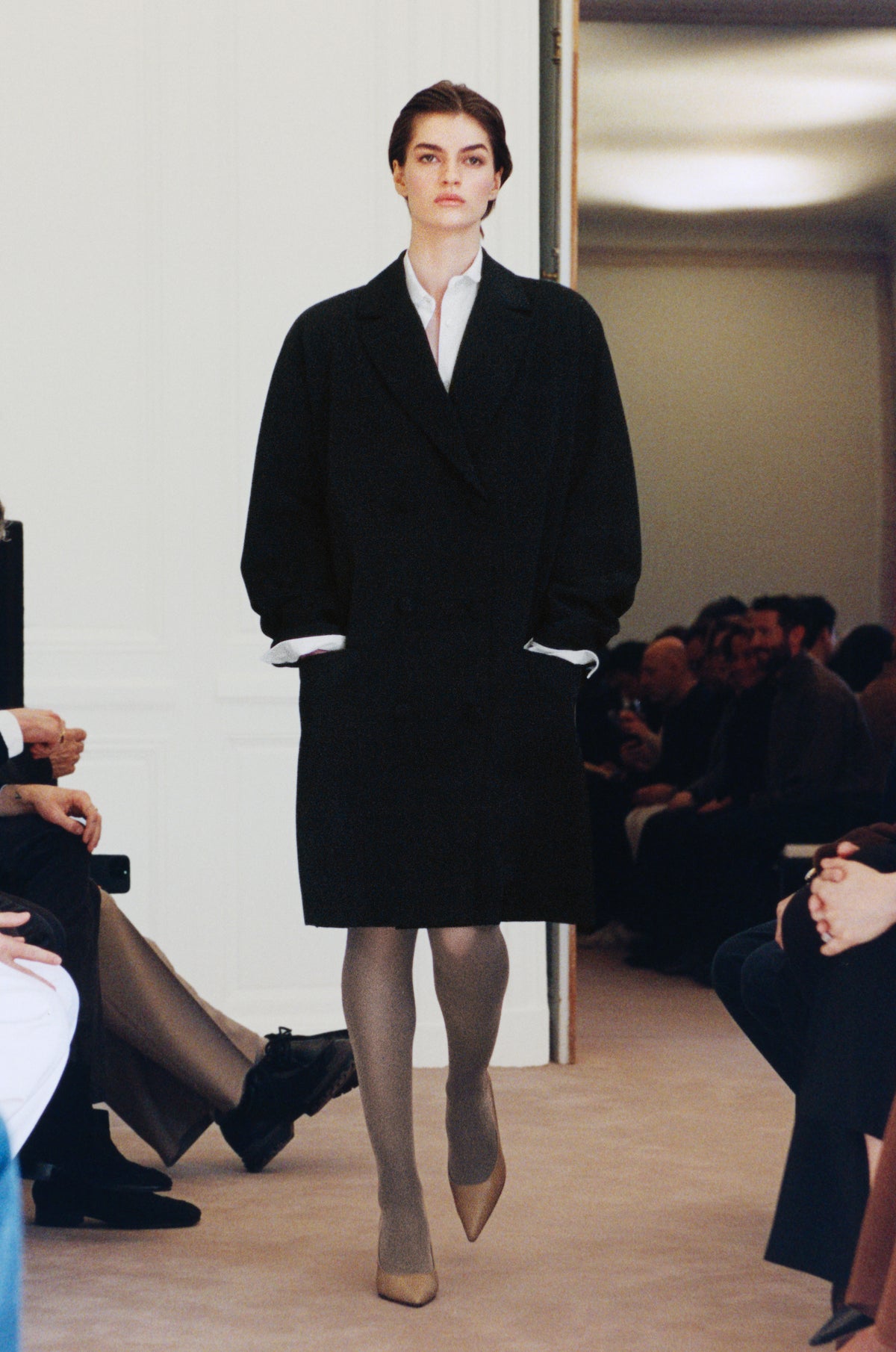
Mary-Kate and Ashley Olsen founded The Row in New York in 2006, after Ashley spent a year trying to design an ideal, no-logo white T-shirt and the pair built it into a seven-piece debut collection that Barneys bought in full. They named it after Savile Row and, for its first three years, gave no interviews about it at all, betting the clothes could carry the label without their names on it.
Khaite
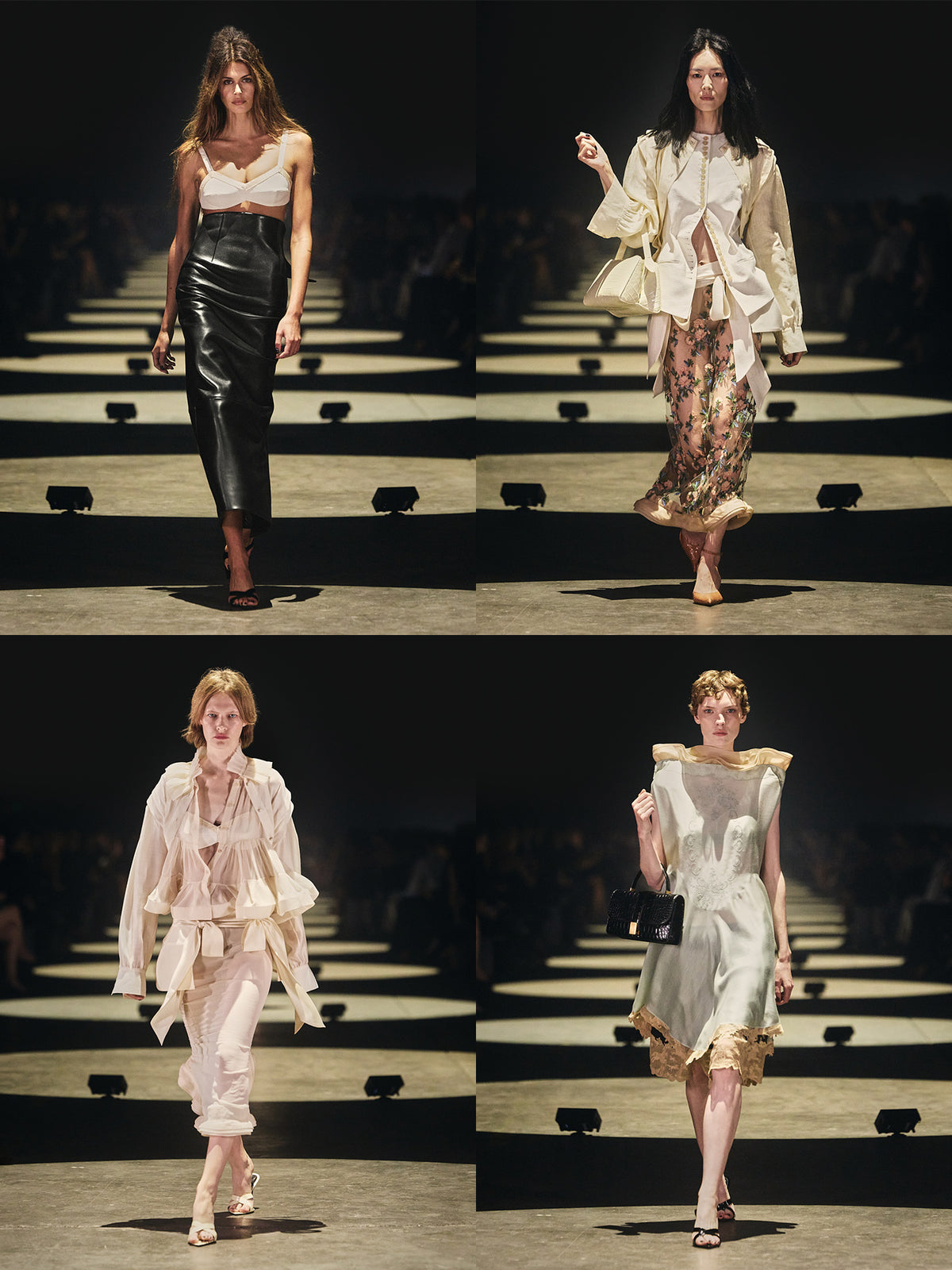
Catherine Holstein launched Khaite in New York in 2016 with backing from Adam Pritzker's Assembled Brands, after a first eponymous label she started as a Parsons student closed in the 2008 financial crisis and a five-year run designing for Gap, Vera Wang and The Elder Statesman taught her the parts of the business she'd missed the first time. The label opened on denim and cashmere knitwear before adding runway shows in 2019 and an in-house bags and footwear line the same season, and Holstein still designs under a name modeled on the Greek word for long, flowing hair.
Bottega Veneta
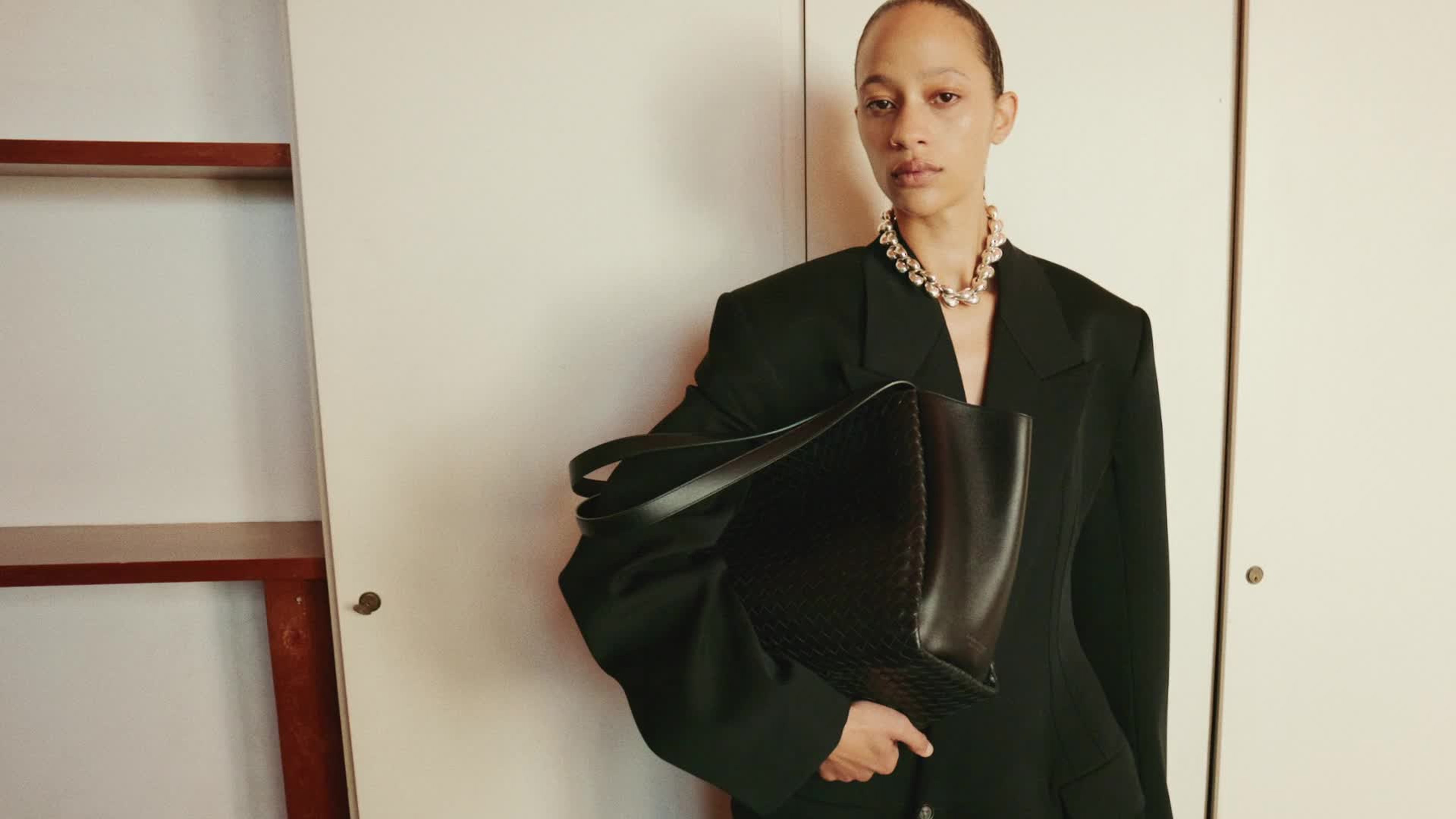
Bottega Veneta was started in 1966 in Vicenza by Michele Taddei and Renzo Zengiaro, two leathermakers who decided the House would never need a logo. The specific thing they built instead was intrecciato, the woven leather technique introduced in 1975 that turned a manufacturing workaround into the label's entire visual language.
Prada
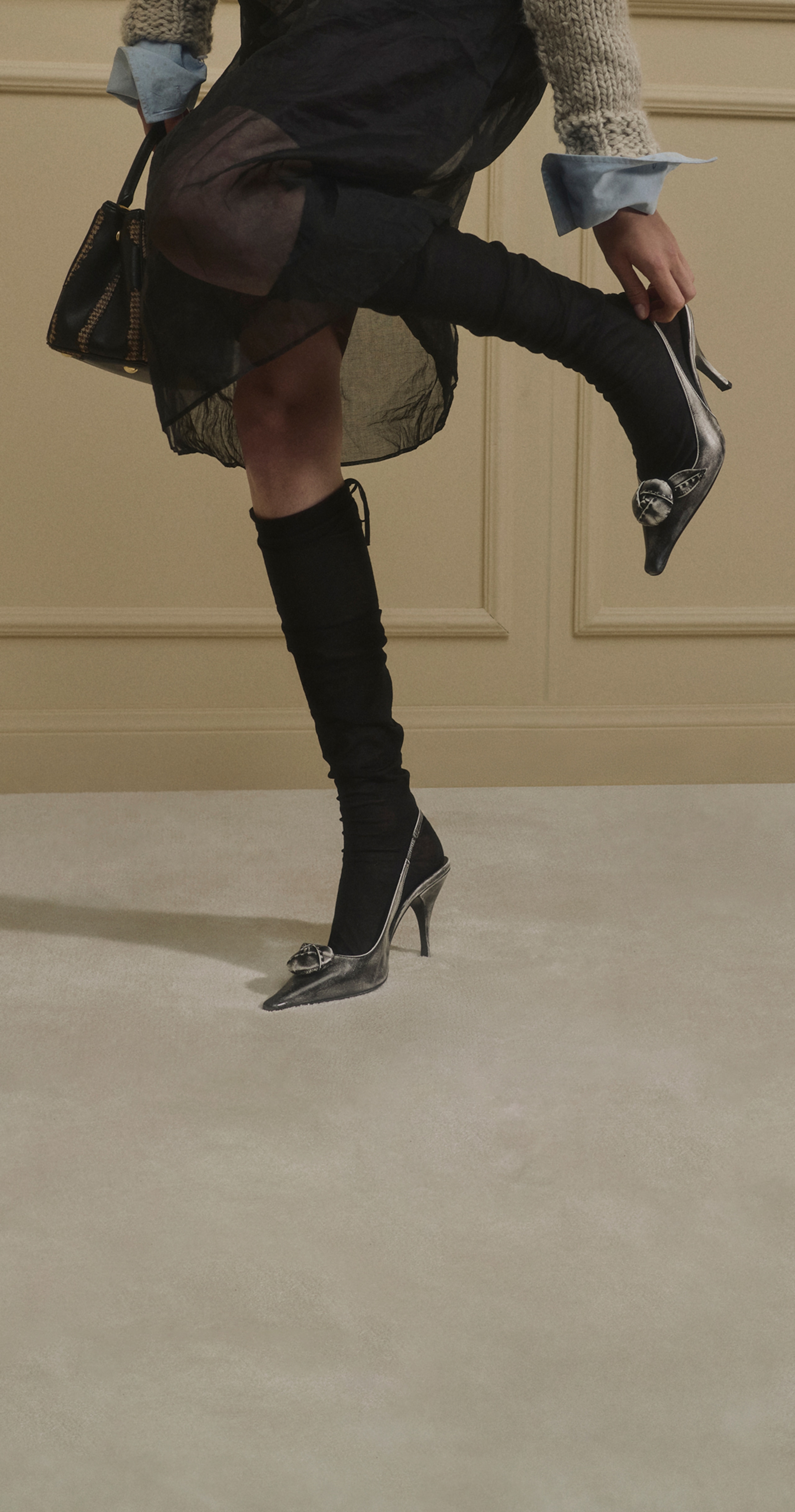
Mario Prada and his brother Martino opened a leather goods shop called Fratelli Prada in Milan's Galleria Vittorio Emanuele II in 1913, selling imported English trunks and travel accessories to the city's elite. His granddaughter Miuccia Prada took over in 1978 and, working with Patrizio Bertelli, turned a nylon backpack into the idea that a utilitarian material could sit at the center of a luxury house.

Hunter Shoes For Wet Days
Rain boots stopped being a countryside object and became a city one. Hunter shoes are the reason, since the brand spent a decade turning a Scottish agricultural boot into something worn deliberately rather than out of necessity. This edit takes the tall rain boots first and then the shorter waterproof shapes.

Odissi
Odissì is a footwear label built in 2024 by HIM Co., an Italian manufacturer near Venice with about sixty years of shoemaking behind it, as a way to move from private-label production into a brand of its own. Daniele Michetti, a past winner of Vogue Italia's Who Is On Next award who has designed for Stuart Weitzman, Tory Burch and Sergio Rossi, took over as creative director in 2024, shaping the label around a stated idea of Italian craft filtered through global references.

Valentino Garavani
Valentino Garavani opened his own atelier on Rome's Via Condotti in 1959 and formally established the house in 1960 with Giancarlo Giammetti, an architecture student he met that year who became the business partner running the commercial side. The 1962 haute couture debut at Palazzo Pitti in Florence made the house's name almost overnight, and its saturated signature red, nicknamed Rosso Valentino, has stayed a house code ever since.

Adidas x Wales Bonner
Grace Wales Bonner launched her own label in London in 2014, straight out of Central Saint Martins, and began collaborating with Adidas Originals in 2020. That partnership took the archival Samba, a 1949 football shoe, and reworked it season after season in crochet, pony hair and metallic leather until Lyst named it 2023's shoe of the year.

Ferragamo
Salvatore Ferragamo trained shoemakers in Hollywood before returning home to incorporate his company in Florence in 1927, chasing better artisans than he could find in America. He spent the following decades engineering the shoe as much as designing it, patenting the cork wedge and steel shank and improvising with raffia and nylon during wartime material shortages.
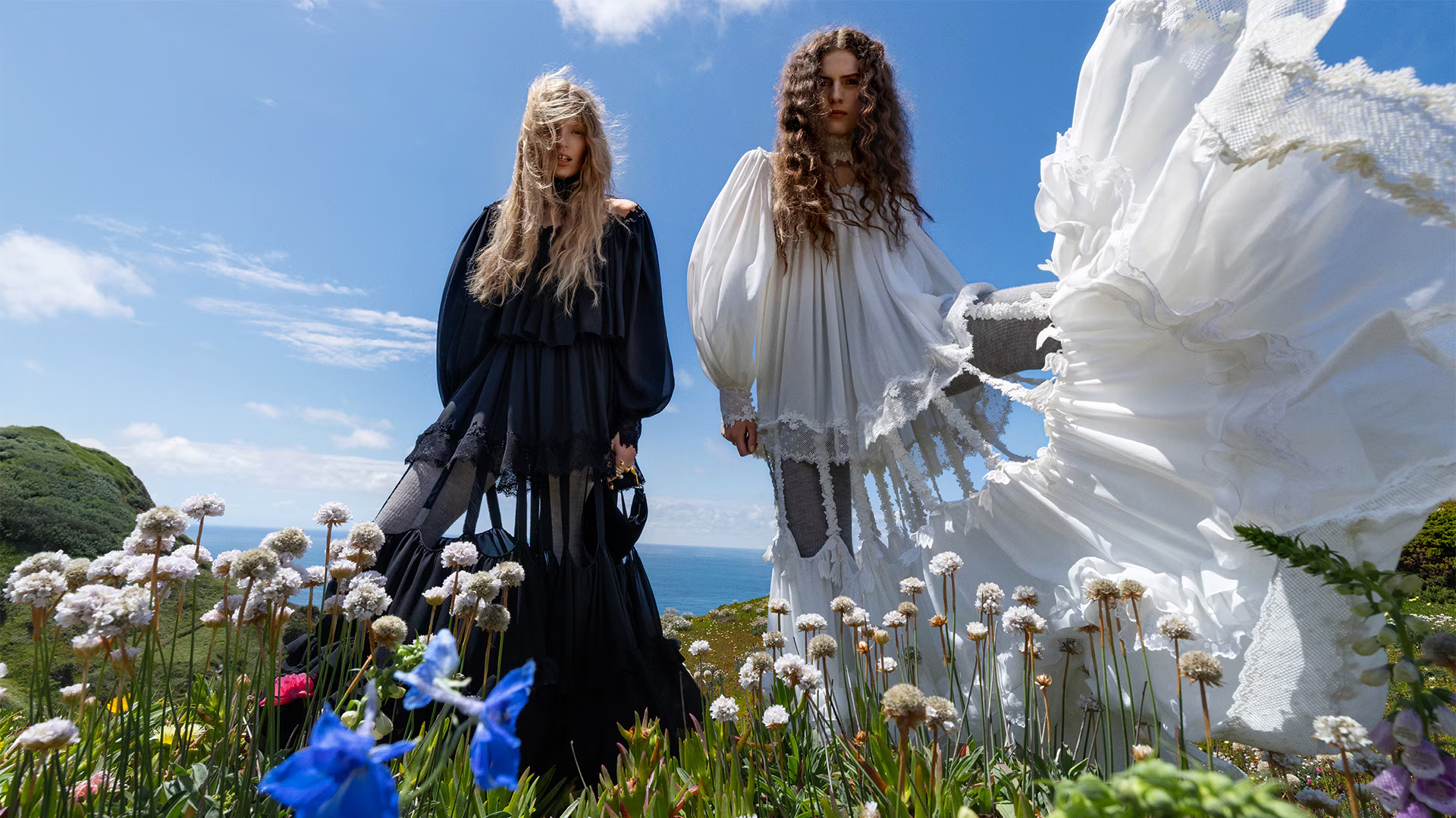
What's New from Chloé's Winter 2026
The newest Chloé ready-to-wear, handbags, jackets and shoes, pulled from your favorite retailers.
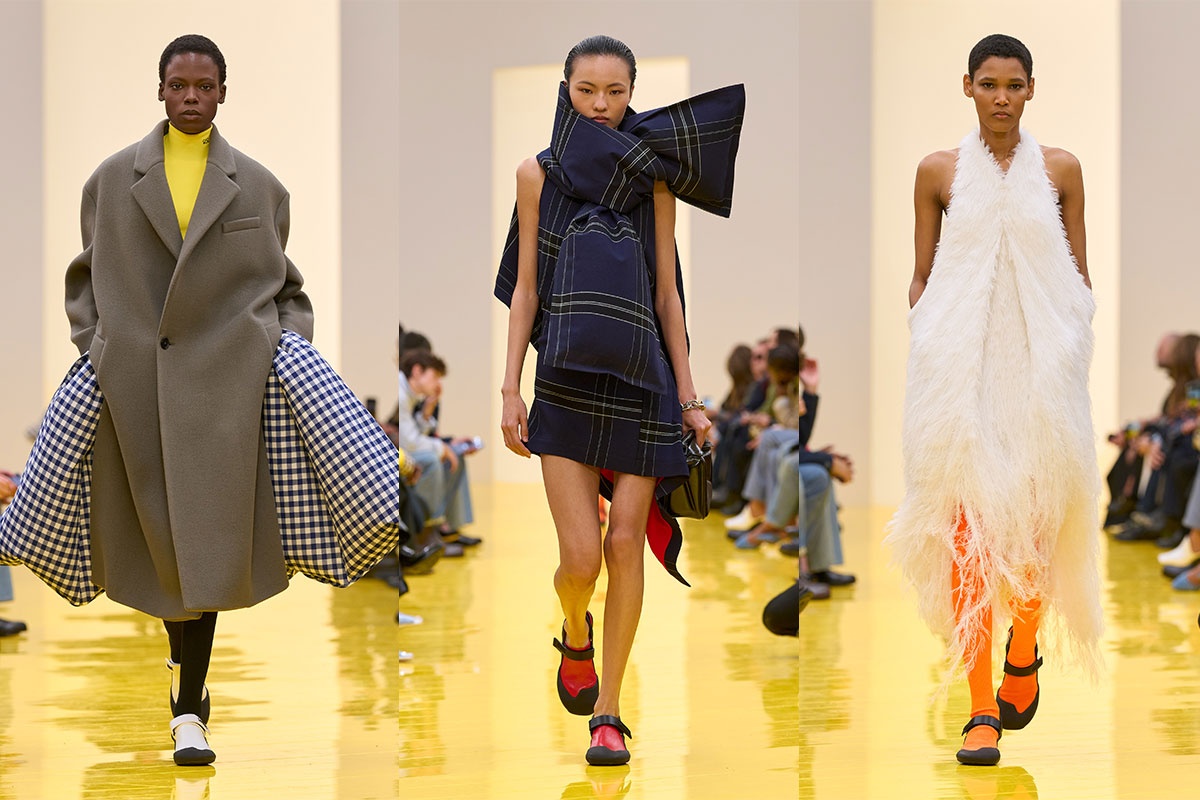
Loewe's Newest Collection for Fall & Winter
Loewe's newest Fall/Winter ready-to-wear, handbags, jackets and shoes, pulled from Mytheresa, Saks, Neiman Marcus, Bergdorf Goodman, Net-A-Porter, SSENSE and 24S.
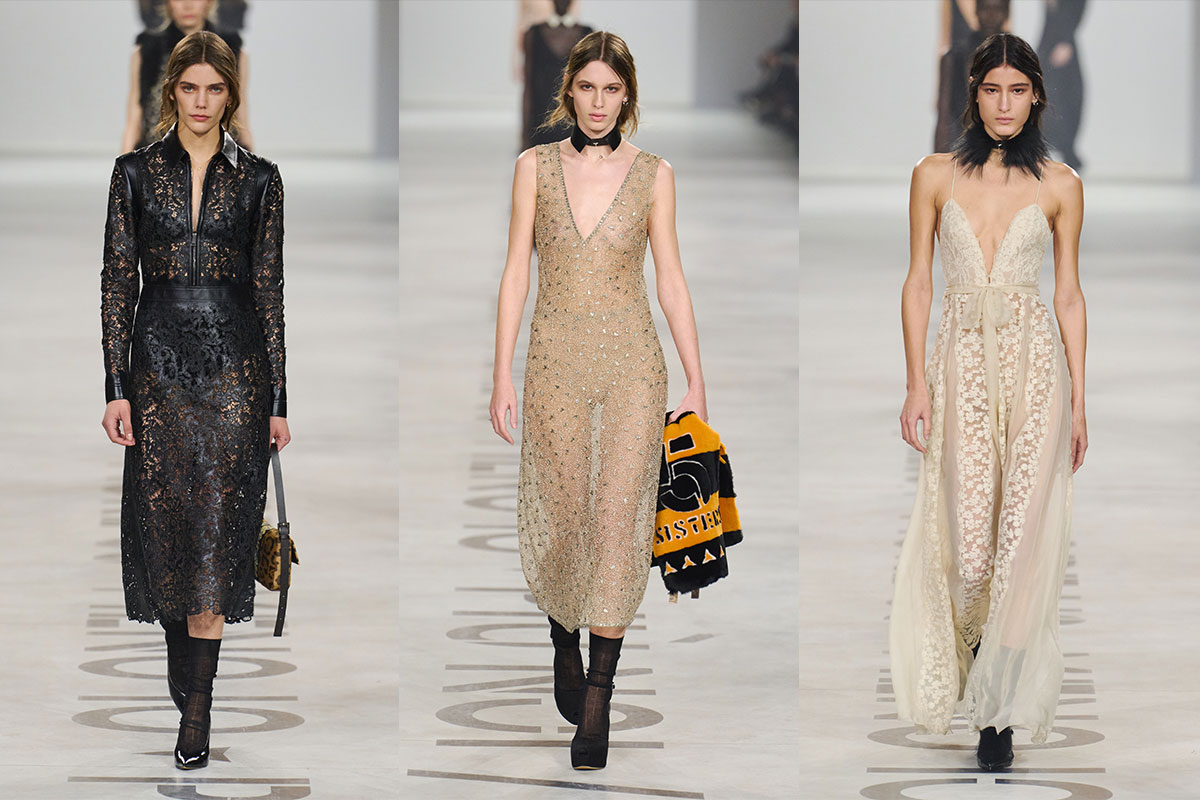
Fendi's Fall /Winter collection, Newly in Stock
Fendi's newest Fall/Winter ready-to-wear, handbags, jackets and shoes, pulled from Mytheresa, Saks, Neiman Marcus and Bergdorf Goodman.