CeraVe vs Cetaphil comes down to the formula you will use: a richer barrier-focused cream, a lighter-feeling basic or a daytime moisturizer with SPF.
CeraVe vs Cetaphil: How to Choose a Moisturizer for Your Skin
The quick verdict
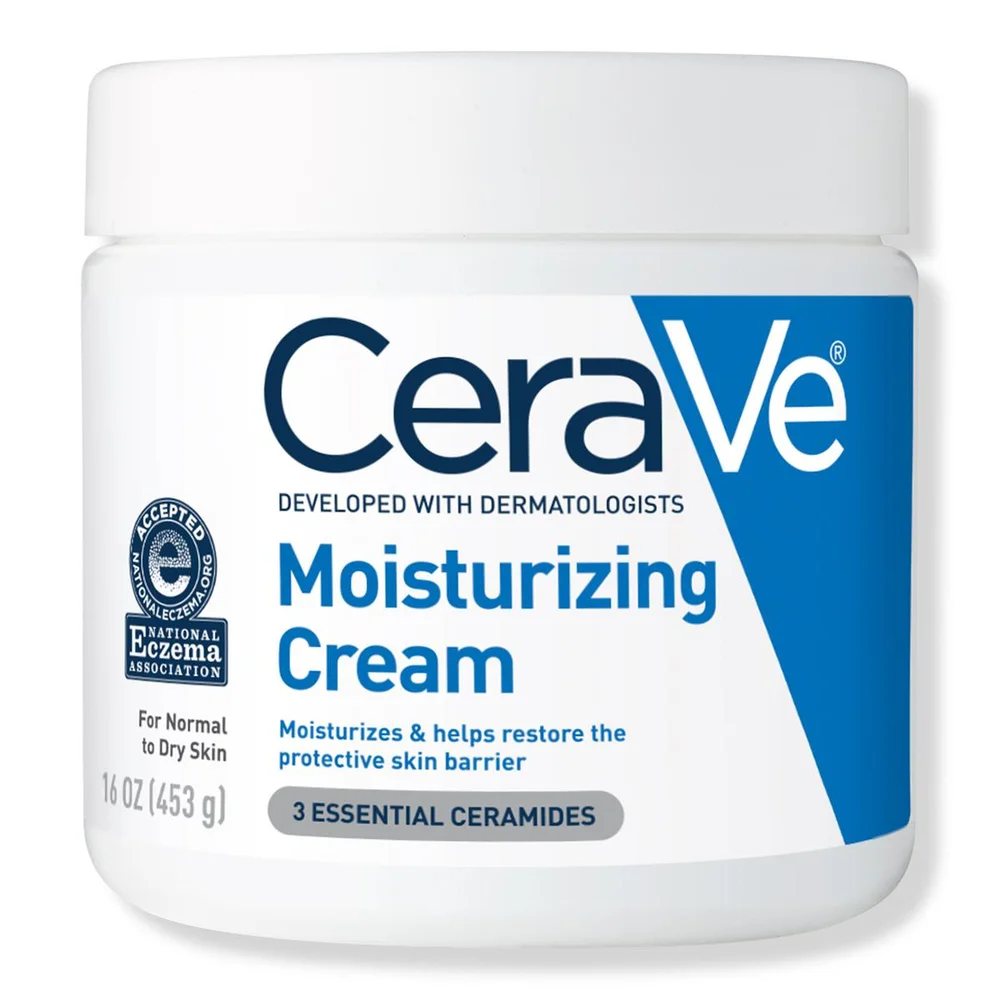
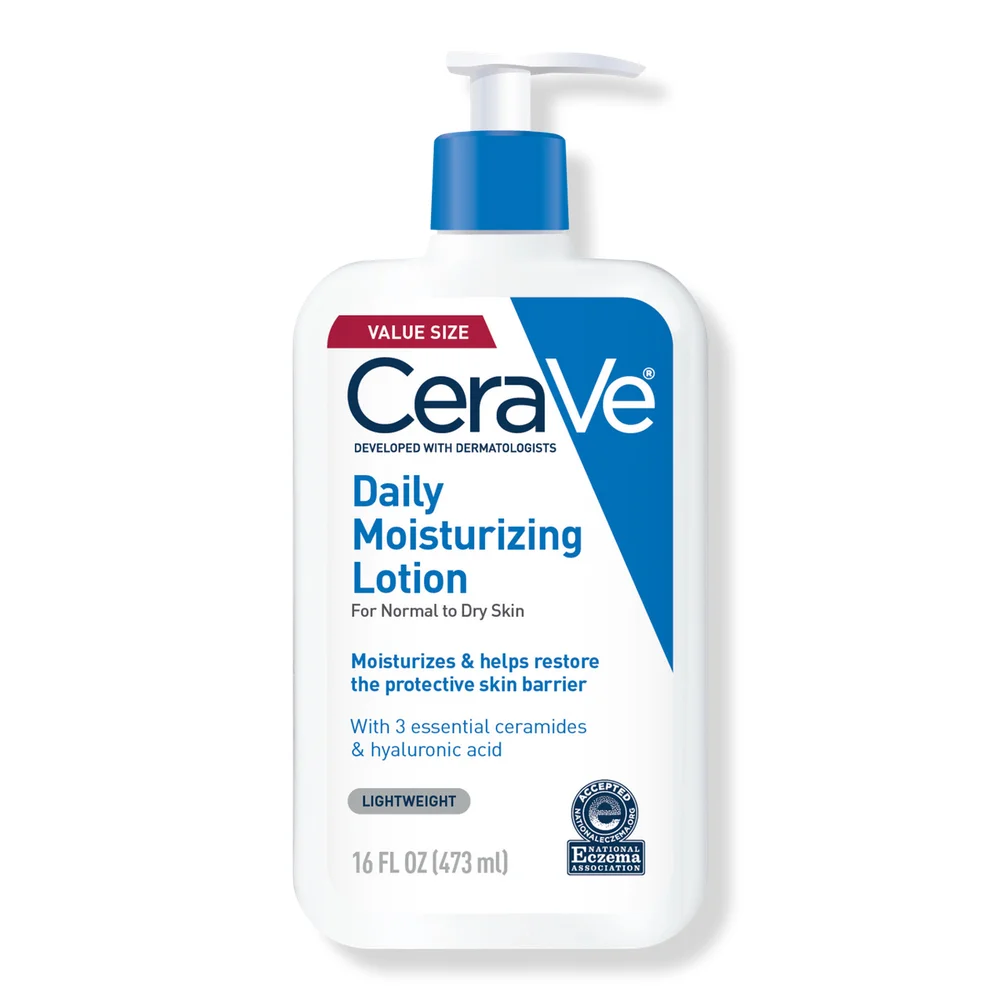
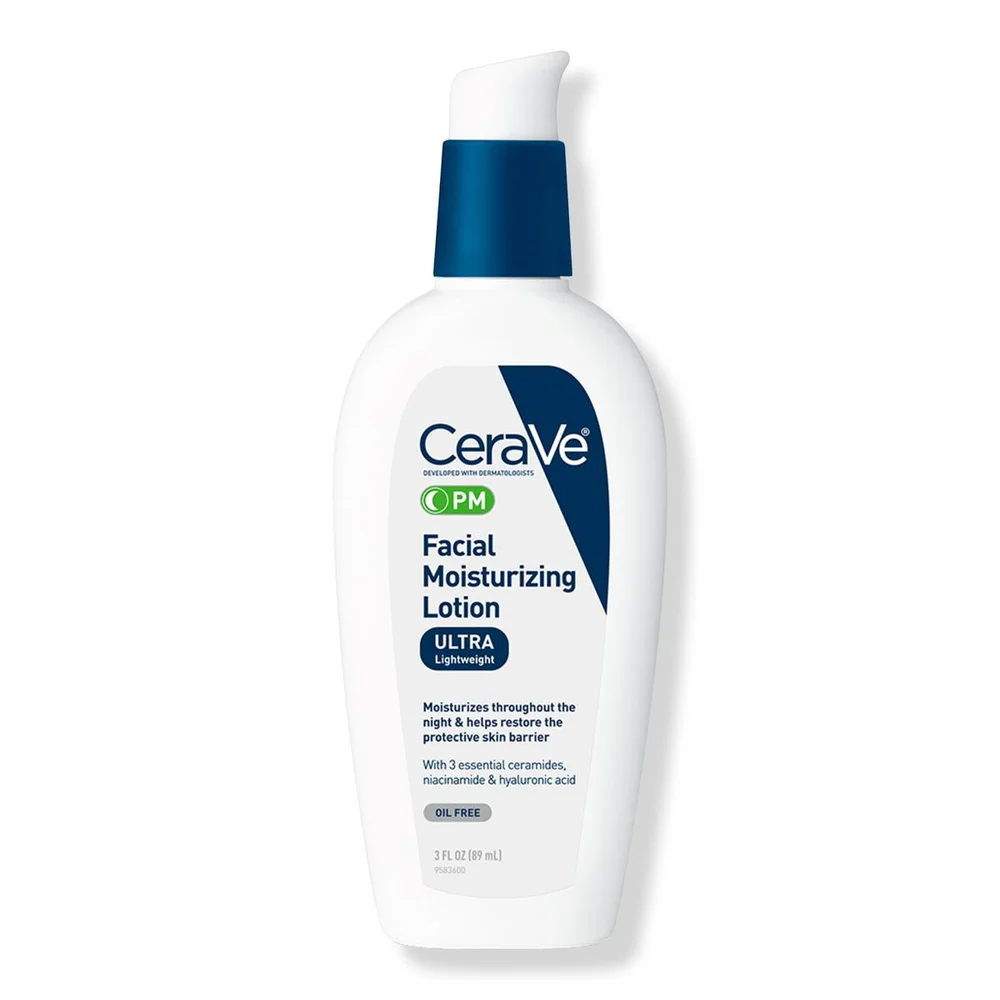
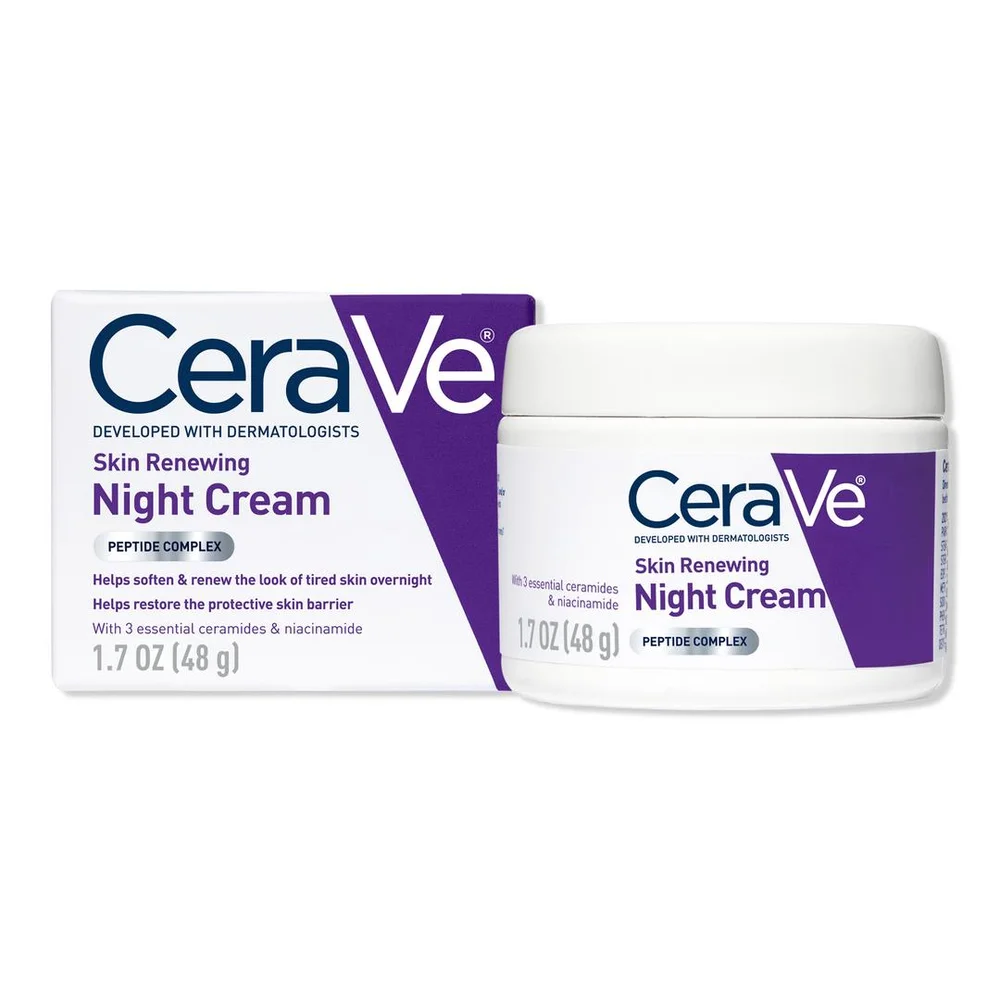
CeraVe vs Cetaphil comes down to whether I want a richer cream or a lighter-feeling basic for sensitive skin. CeraVe's Moisturizing Cream is labeled for face and body; Daily Moisturizing Lotion is the lighter comparison. At night, PM Facial Moisturizing Lotion is a separate lotion, while Skin Renewing Night Cream keeps the same use in a cream texture. The brand's barrier-first identity centers on three essential ceramides and MVE, its gradual-release system, so I understand why people start the comparison there. I would still choose by formula, not logo.
My practical test is to compare one cream and one lotion on the areas where I plan to use them, then notice which texture I will actually stick with. The night option is also covered in this CeraVe facial moisturizing lotion story.
Cetaphil for sensitive-skin basics
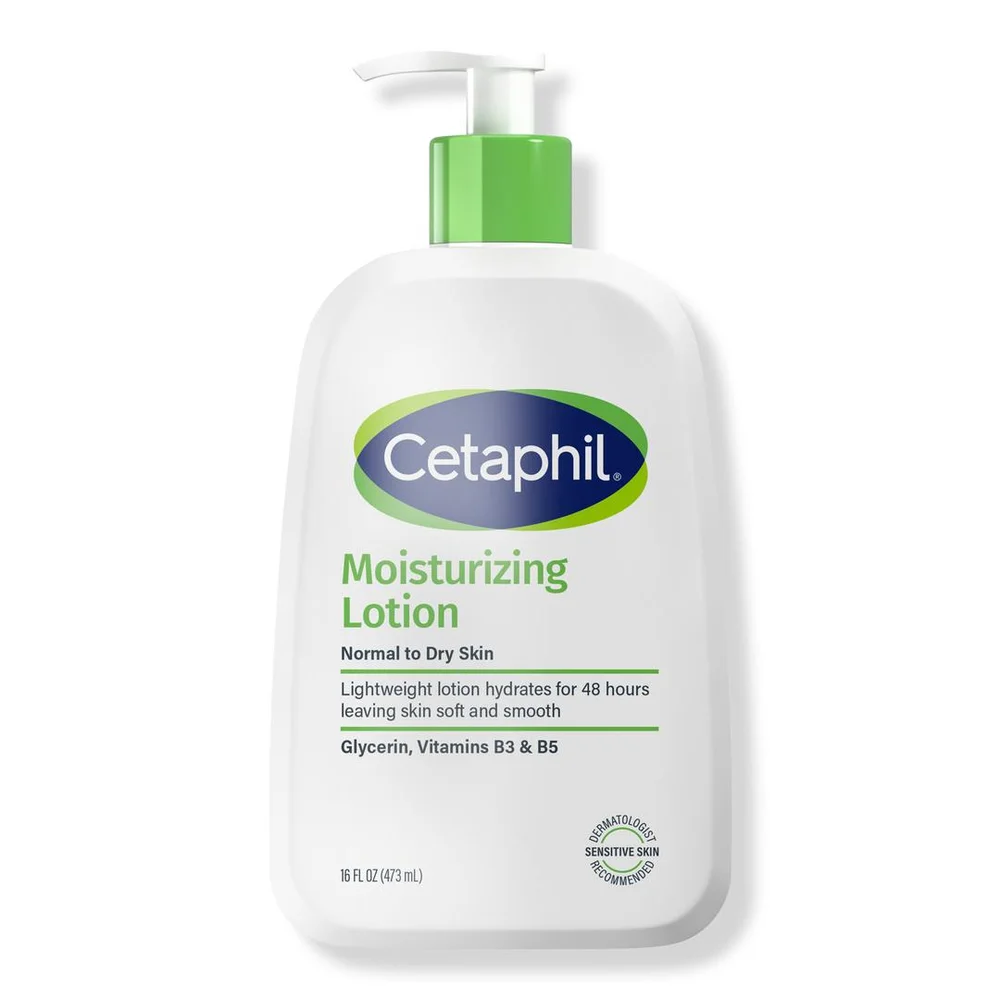
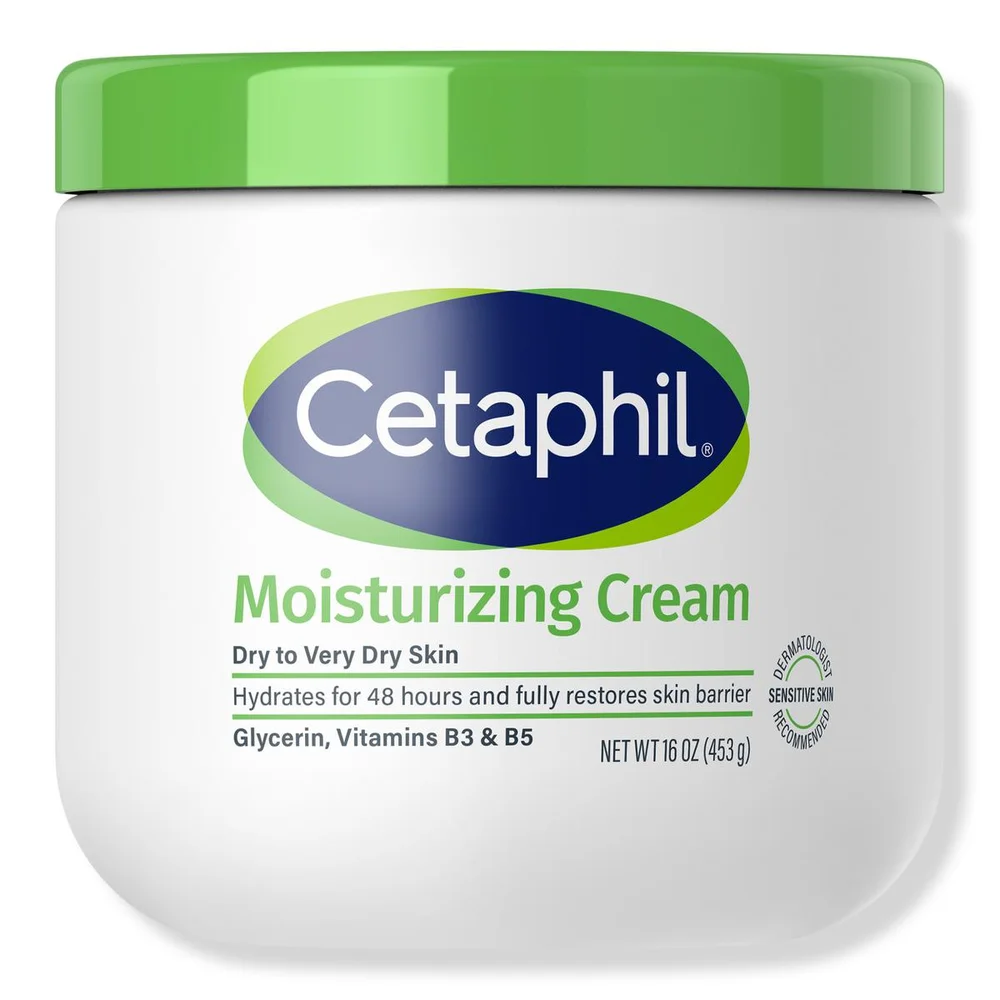
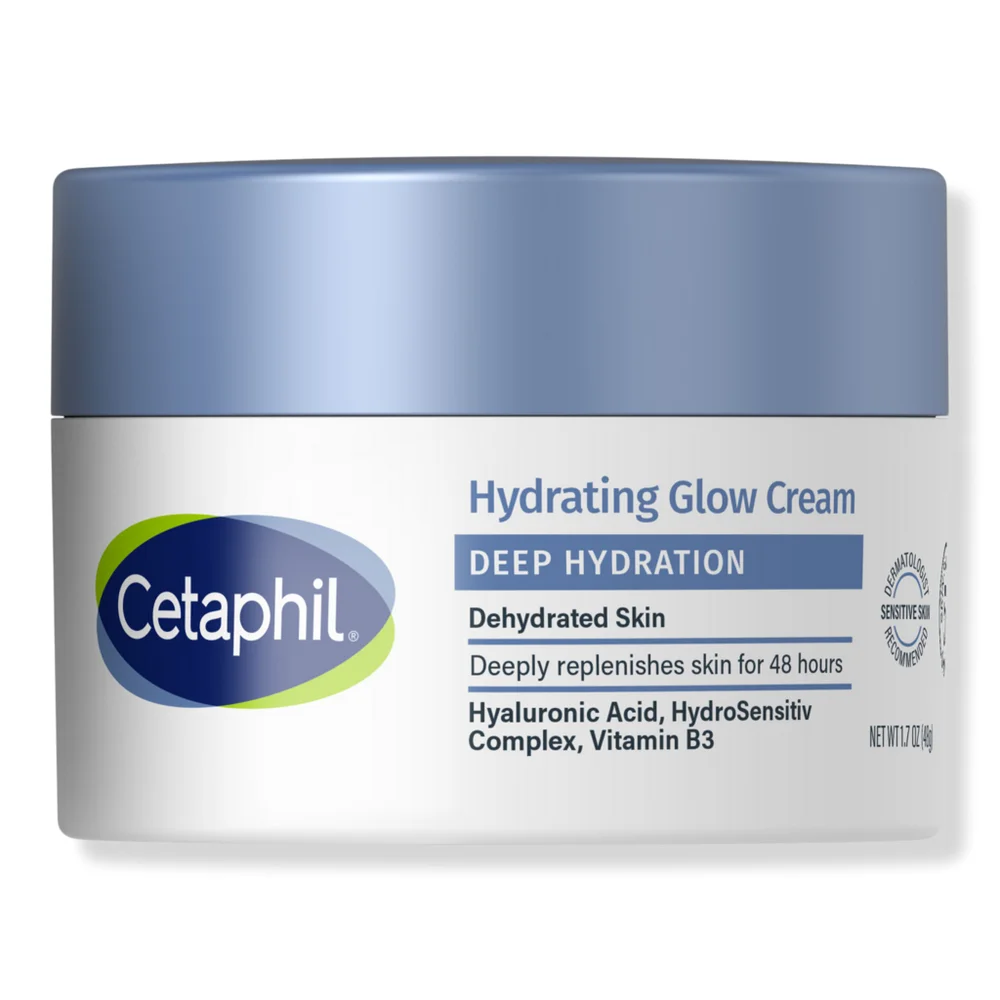
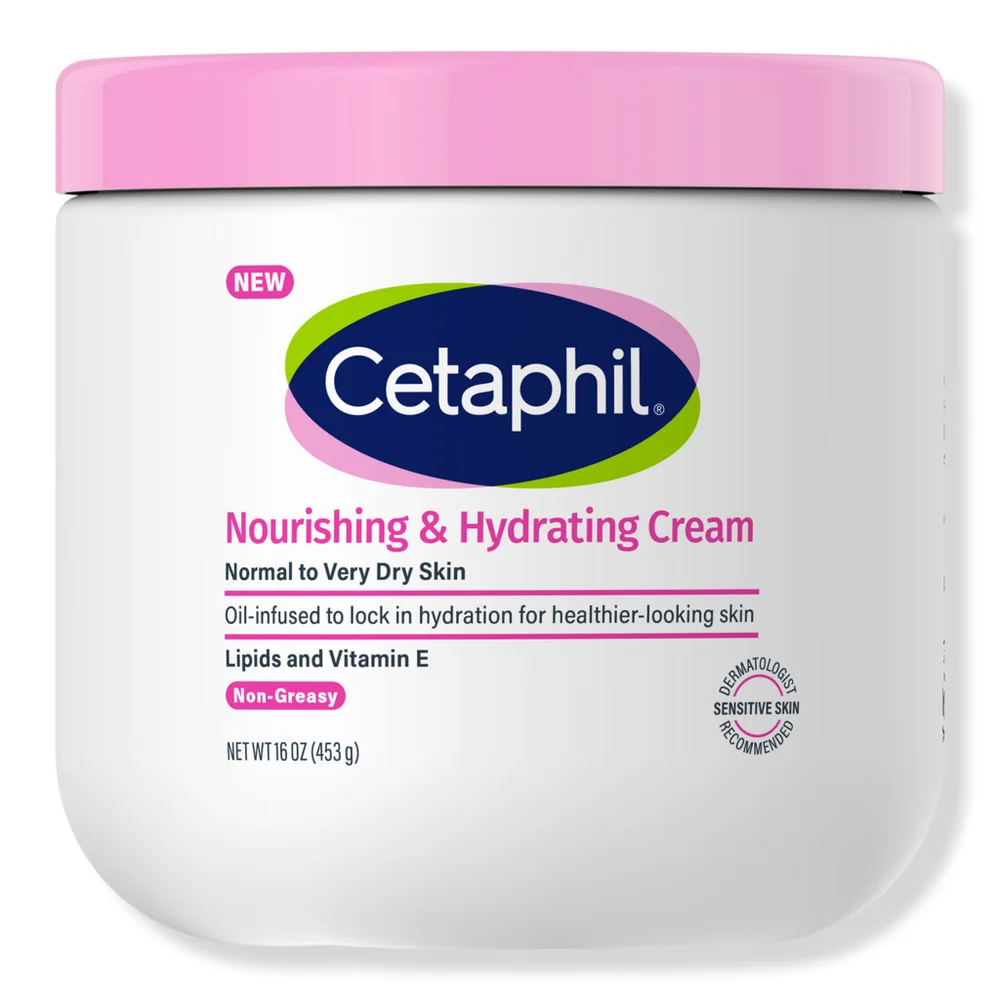
In the CeraVe vs Cetaphil comparison, I would start with the job rather than the logo. Cetaphil's Moisturizing Lotion is the everyday body option, while its Hydrating Moisturizing Cream is the richer body texture. For the face, Deep Hydration Healthy Glow Daily Cream is fragrance-free with a lightweight, non-greasy feel; Nourishing & Hydrating Cream is another cream option.
Cetaphil launched in 1947 with a cleansing lotion designed by a pharmacist to help people with sensitive skin, and that origin still fits the brand's focus. I would consider it when sensitivity is my main concern, then choose the formula whose texture I can use consistently. For more on the body cream, I like this Cetaphil moisturizing cream story. My practical rule is to compare a face moisturizer with a face moisturizer and a body cream with a body cream, rather than treating them as interchangeable.
SPF changes the comparison
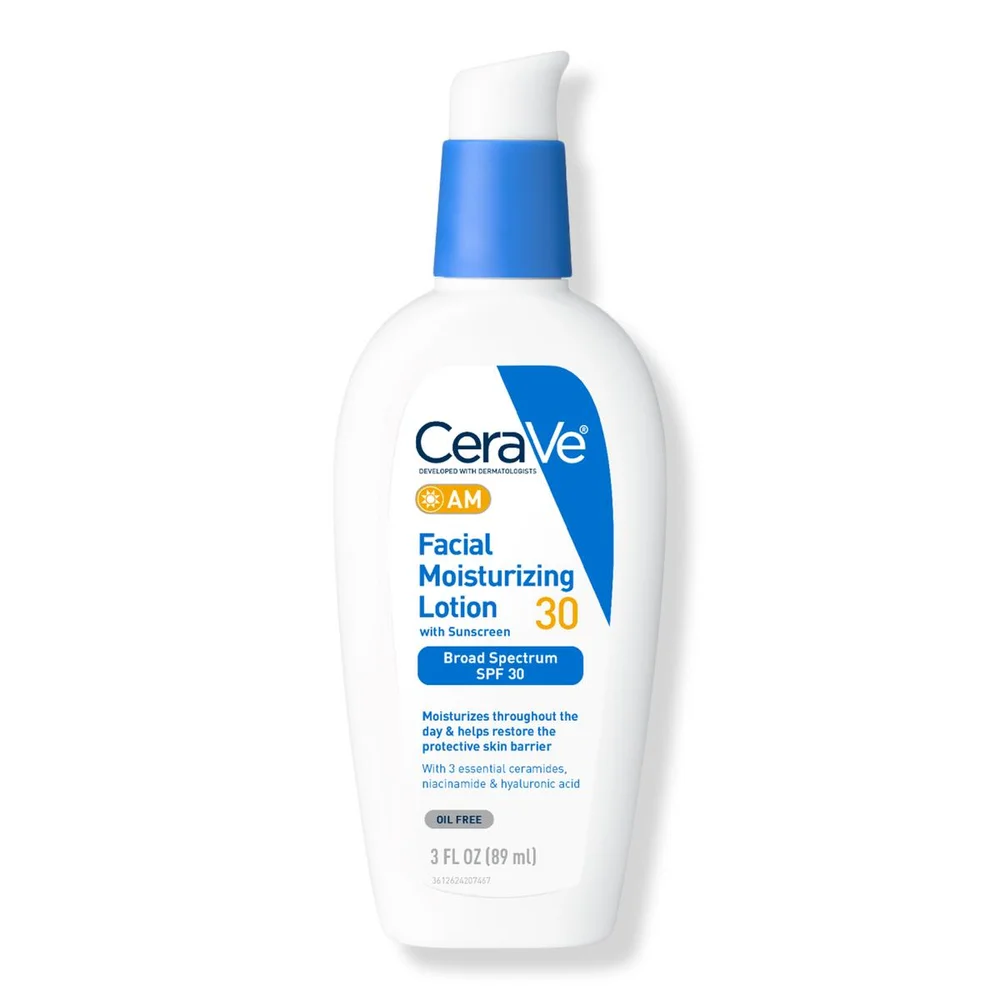
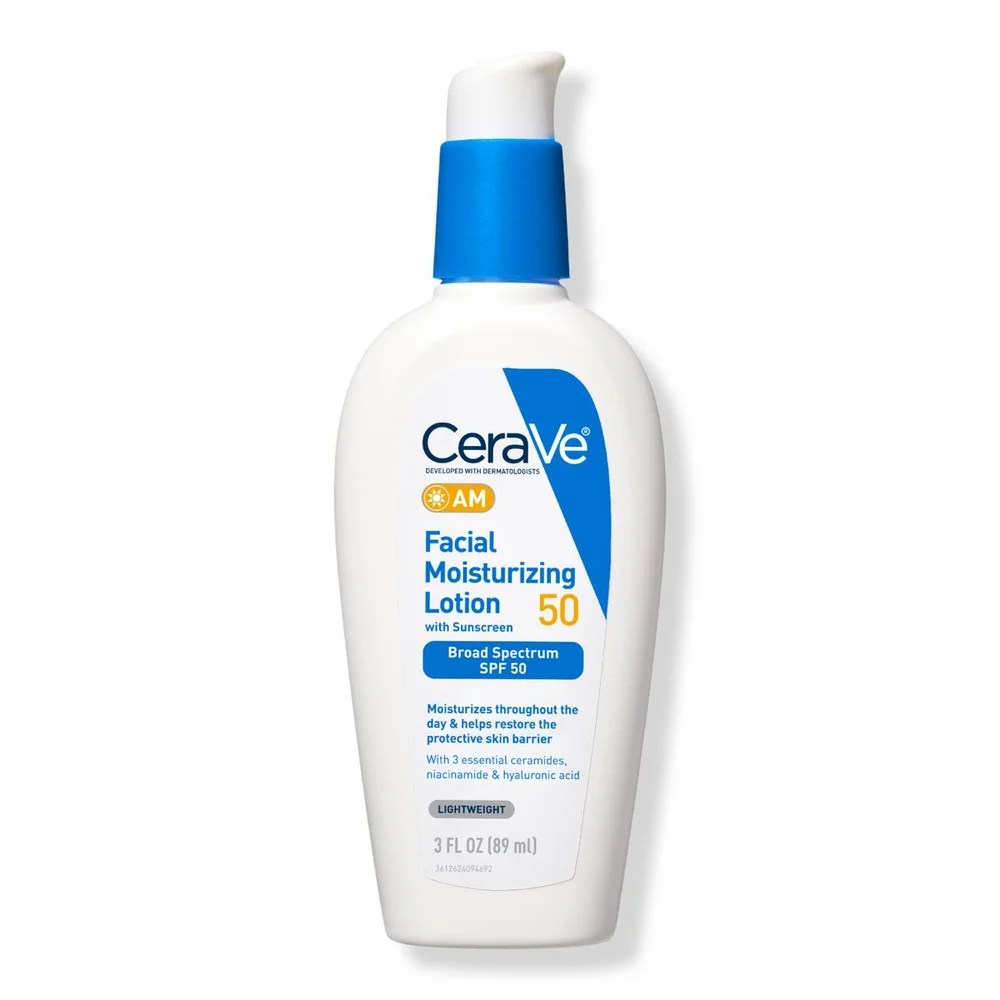
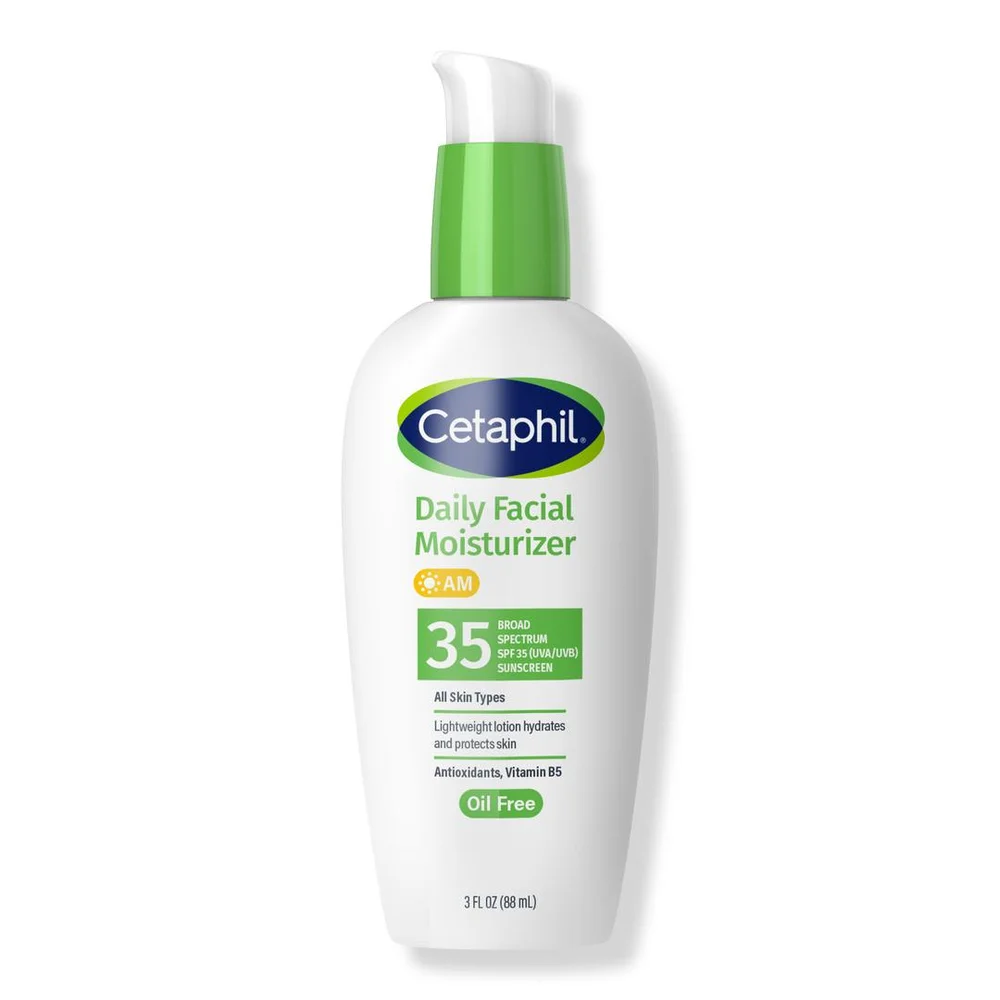
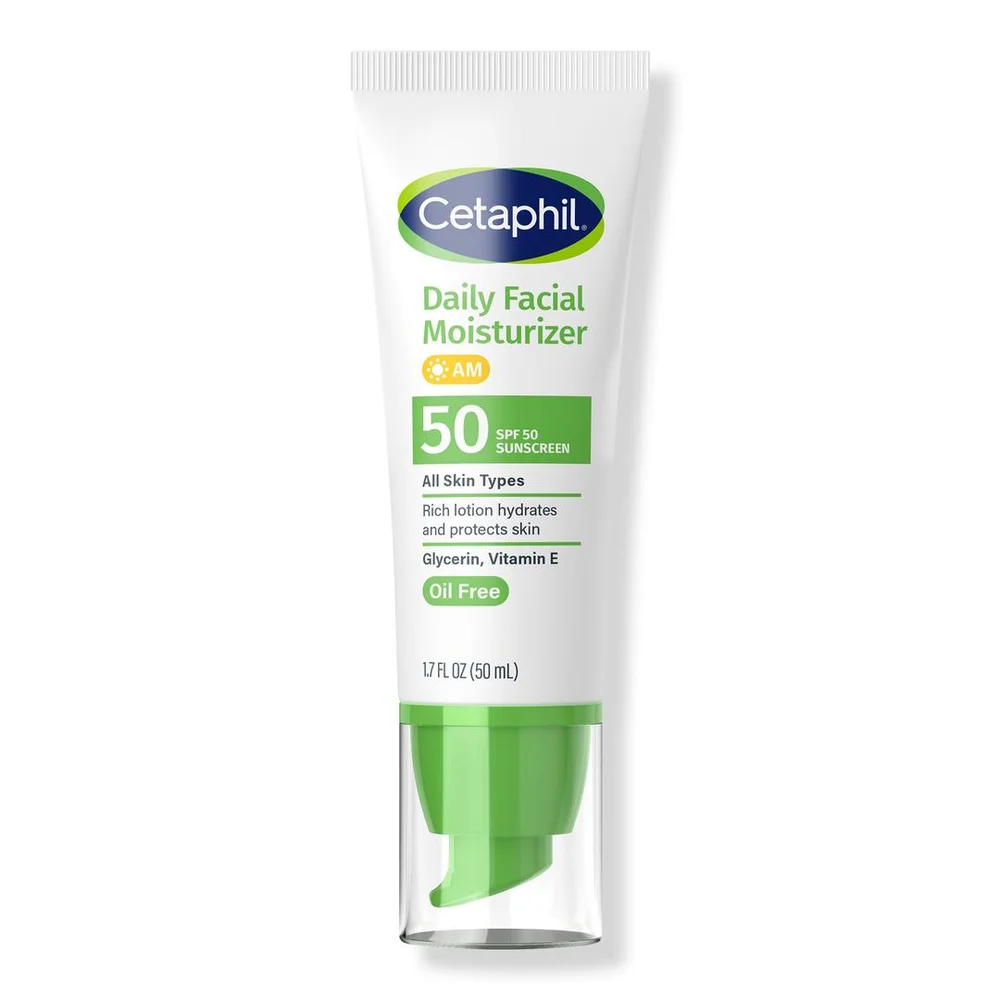
For CeraVe vs Cetaphil in the morning, I compare the exact SPF formula before I choose a brand. CeraVe AM comes in SPF 30 and SPF 50, while Cetaphil's Daily Oil Free Facial Moisturizer is SPF 35 and its UVA/UVB Defense daytime moisturizer is SPF 50. The options differ in more than the number on the front, so I read the active ingredients and the intended skin type.
CeraVe's SPF 50 is lightweight and non-greasy, with broad-spectrum protection, ceramides and hyaluronic acid; the Cetaphil SPF 35 is lightweight and fast-absorbing for sensitive combination skin. I would choose the texture I can apply generously and check the label against my own preferences. If I am unsure, I compare the two product labels side by side rather than treating either brand as a universal answer.
CeraVe vs Cetaphil questions I get
Which moisturizer would I start with in CeraVe vs Cetaphil?
I would start with CeraVe Daily Moisturizing Lotion if I wanted a lighter texture, then compare the cream if dryness remained the main concern. I would choose based on the formula, not the brand name alone.
Is CeraVe better for dry skin?
I would lean toward CeraVe when dryness and barrier support are the priority. The Moisturizing Cream is labeled for face and body, while the Daily Moisturizing Lotion gives a lighter comparison.
Is Cetaphil a good choice for sensitive skin?
It is the line I would consider first when sensitive-skin basics matter more than a richer feel. I would compare the exact formula and use the one whose texture I can tolerate consistently.
Should I use a daytime moisturizer with SPF?
If SPF is part of the routine, compare the CeraVe and Cetaphil daytime formulas by their labeled SPF, active ingredients and texture. I would not choose by the brand name alone.