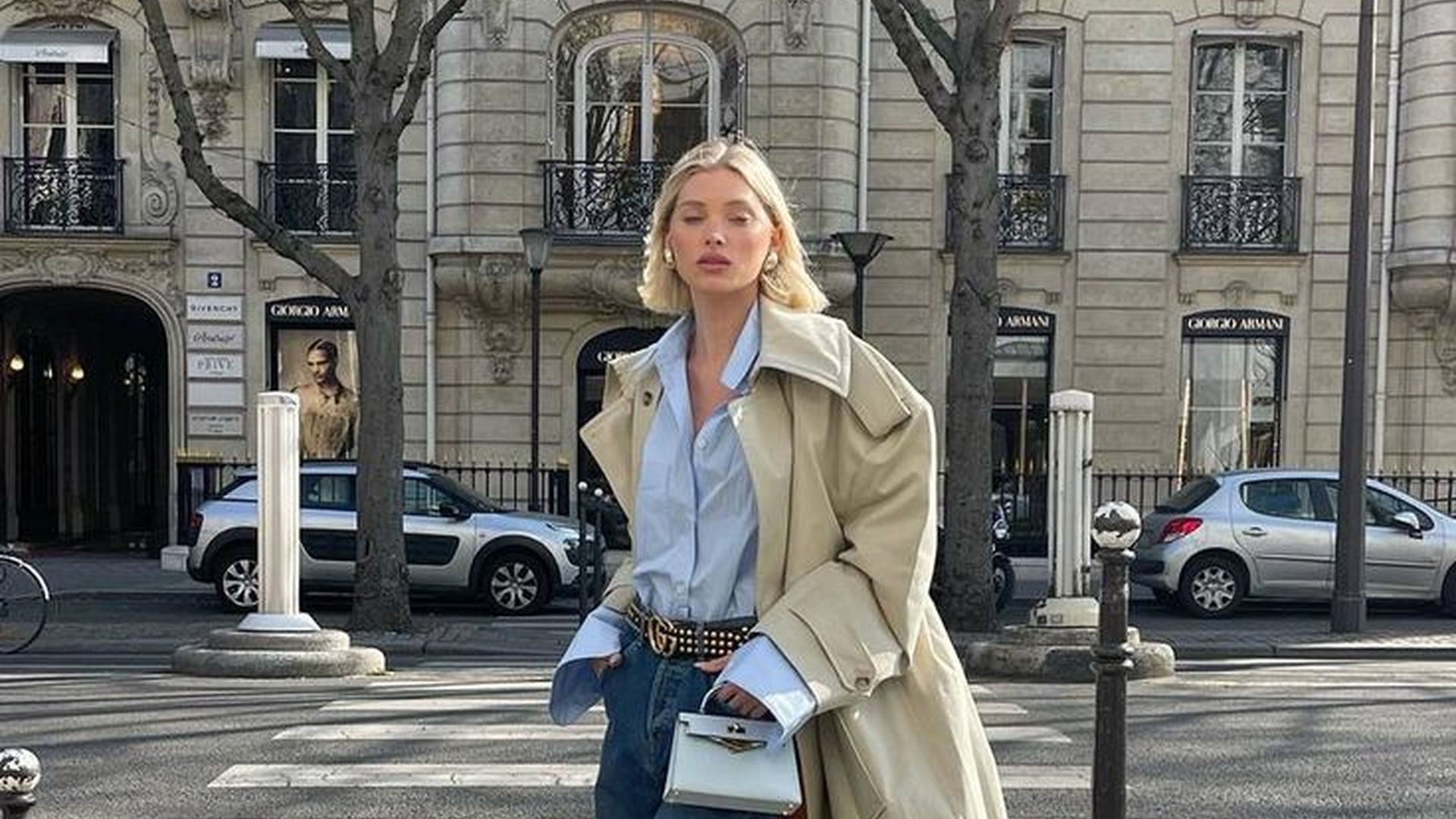
A color corrector works on colour-wheel opposites: peach for dark circles, green for redness, lavender for dullness. Here is how to pick the family, where it goes in the routine, and the sticks, palettes, primers and powders I would use around it.
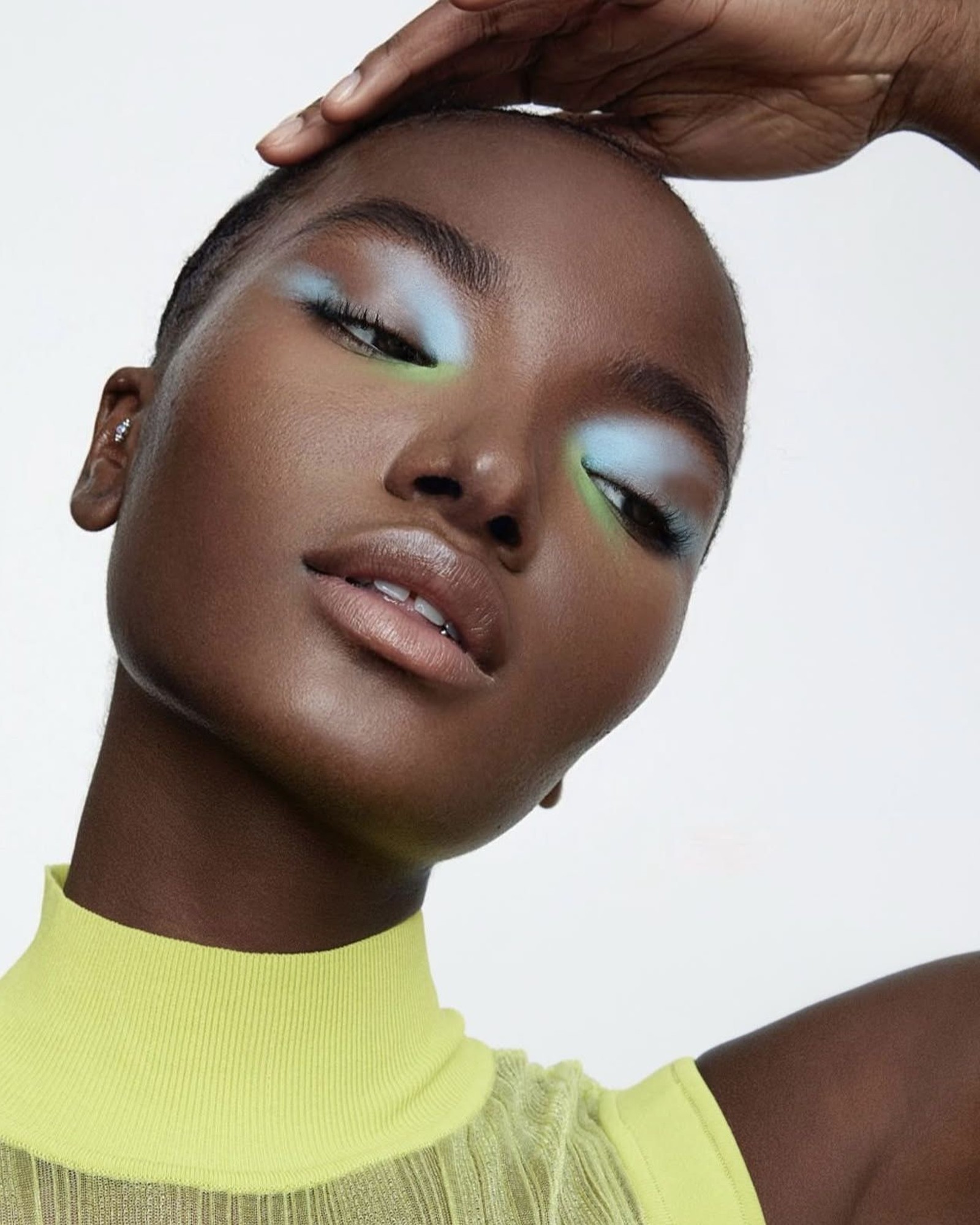
Color Corrector Guide: Which Shade Cancels Dark Circles And Redness
Color theory, applied to your face
In 1839, a chemist named Michel Eugène Chevreul published a book in Paris on the simultaneous contrast of colors. He was directing the Gobelins works at the time, and the puzzle in front of him was practical: black wool looked weak beside deep blues. Chevreul worked out that a color shifts toward the complement of whatever sits next to it. The problem was never the dye. It was the neighbor. The Impressionists and Seurat read the book later and took it to canvas. Correctors are the same idea on a smaller, sleepier canvas: your under eyes.
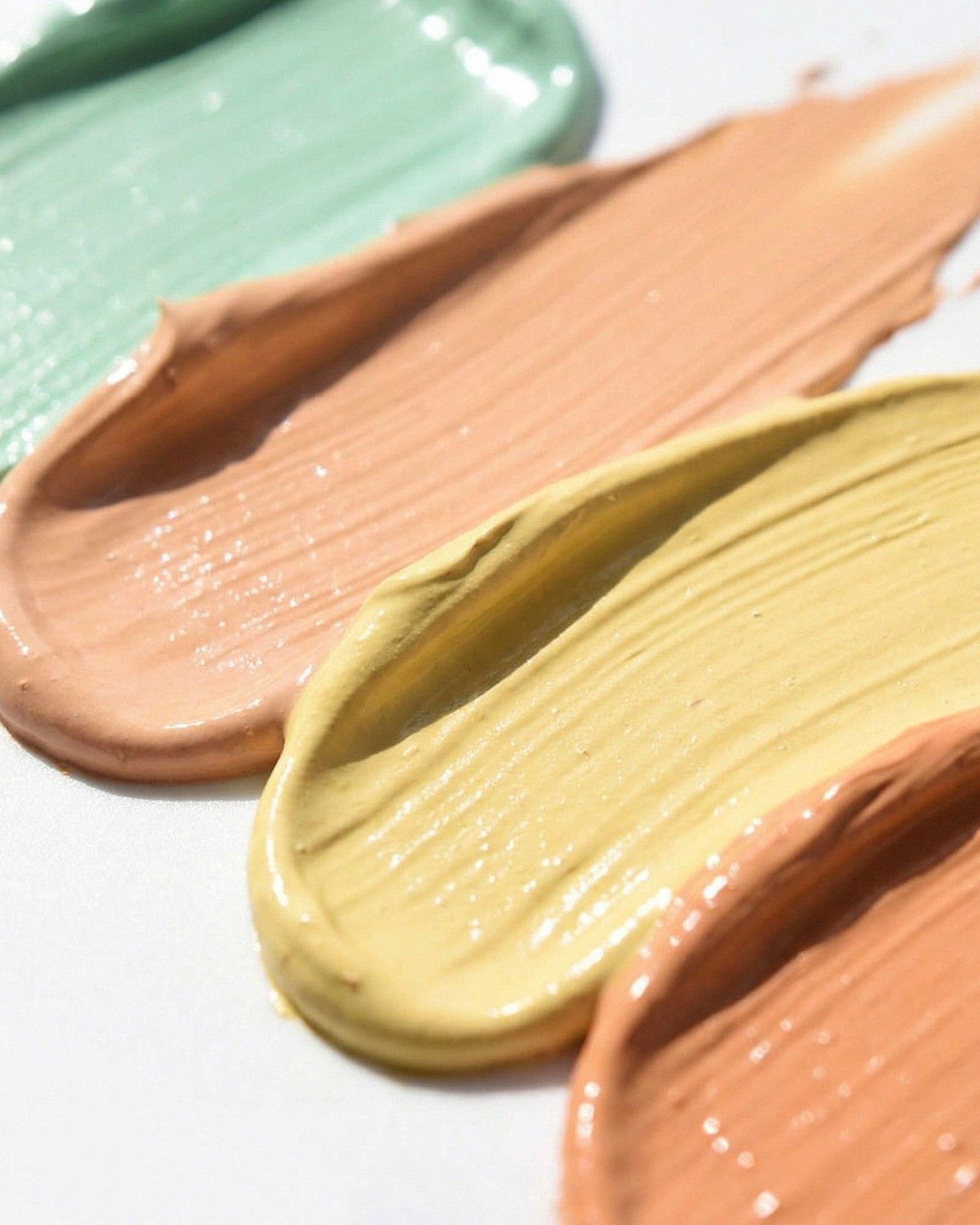
I like a color corrector because it is the one step in makeup that admits what it is. It is applied color theory, in a pot or a stick. L'Oréal Paris puts the rule plainly: peach or orange for dark circles, green for redness, purple for dullness, and yellow for purple discoloration. My view is that most people need a dot, not a mask. Concealer on top does the skin work. The corrector only cancels the tone underneath, so a little goes a long way.
The trick is to start with a dedicated one and learn your family. Charlotte Tilbury's Magic Vanish is the one people mention first for dark circles. Bobbi Brown's Long-Wearing Corrector Stick is sorted into Bisque, a pink family for blue and purple tones, and Peach, for green, brown and grey, which is the clearest map I have seen. Huda Beauty's #FauxFilter and Kosas Revealer are made for brightening under the eye. Tarte's maracuja corrector is creamy and made not to crease, and e.l.f.'s Peach one is the easy place to try the idea. Dr. Jart+'s Cicapair adds SPF 30 for redness on days you want one step.
Dedicated color correctors for dark circles and redness

Magic Vanish Color Corrector
Charlotte Tilbury
$36

Skin Long-Wearing Color Corrector Stick
Bobbi Brown
$35

#FauxFilter Brightening Under Eye Color Corrector
Huda Beauty
$31

Revealer Extra Bright Serum-Powered Color Corrector
Kosas
$32

Ultimate Color Corrector Stain
ONE/SIZE by Patrick Starrr
$28

maracuja creaseless creamy color corrector
tarte
$32

Peach Color Corrector Concealer
e.l.f. Cosmetics
$5

Cicapair Soothing Color Correcting Treatment SPF 30
Dr. Jart+
$54
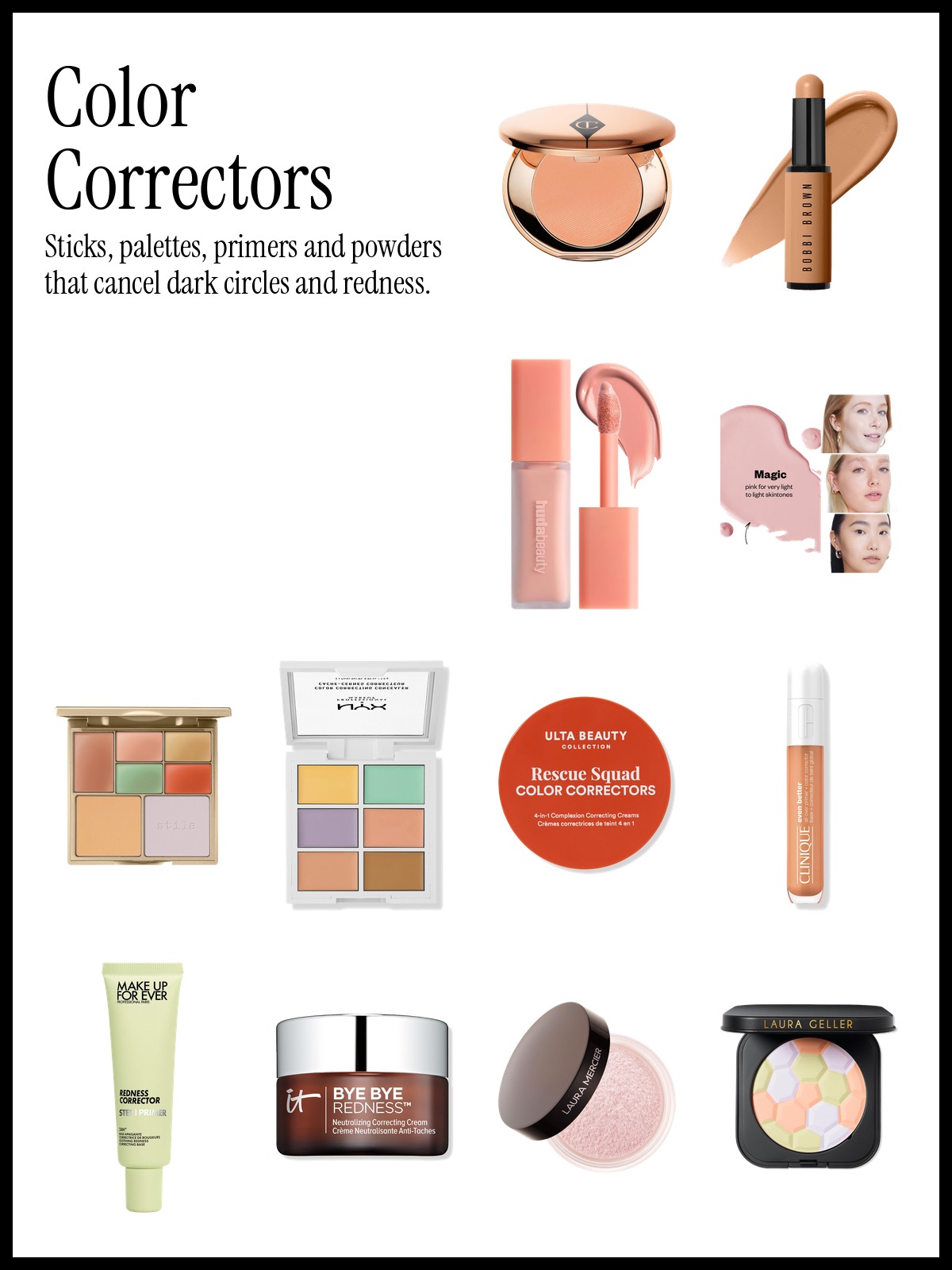
Color correcting palettes, duos and sticks
Start with one rule for palettes: pat, never swipe. Dab a pinhead of the shade onto the exact spot, tap the edge with your ring finger, and stop before it looks like makeup. If you can see the color, you used too much.
A palette is the fastest way to learn what each color does, since you can hold them all up against your own face. Stila's Correct & Perfect is the all-in-one classic, and it was on Allure's roundup of the best correctors. NYX's 3C palette and the ULTA Beauty Collection Rescue Squad stack give you a few cream shades in one compact. Sigma's Spectrum duo keeps it to two, which I like because two shades are enough for most faces.
Sticks are for speed. OLEHENRIKSEN's Banana Bright+ eye sticks are made for the under eye, NYX's Pro Fix Stick line comes in several correcting shades, and Sarah Creal's Face Flex is an instant under eye brightener. Gitti's Corrector Pen is the small, precise one, the kind you keep in a bag for a quick fix on a window seat at 7 a.m.
A pairing I like: a peach stick on the inner corner of the eye, a lavender or yellow one only where you see sallow patches, and nothing on the rest of the face.
What I would skip: a full rainbow of colors on a Tuesday. Pick the one tone you actually see in the mirror.

Correct & Perfect All-In-One Color Correcting Palette
stila
$45

Corrector Pen
Gitti
$13

3C Color Correcting Concealer Palette
NYX Professional Makeup
$12

Rescue Squad 4-in-1 Color Correcting Cream Stack Palette
ULTA Beauty Collection
$18

Spectrum Color-Correcting Duo
Sigma Beauty
$34

Banana Bright+ Color Correcting Eye Sticks
OLEHENRIKSEN
$36

Pro Fix Stick Color Correcting Concealers
NYX Professional Makeup
$10

Face Flex Color Corrector Instant Under Eye Brightener
Sarah Creal
$58
Correcting primers and concealers to layer on top
Here is how I would choose a layer: corrector first, then the base, then concealer, and never the other way around. Vogue puts the corrector after primer and before foundation, and the concealer goes over the top to bring the color back to skin.
Primers do the wide, gentle work. Clinique's Even Better All-Over Primer and Color Corrector is for evening out the whole face, and Make Up For Ever's Step 1 Primer in the Redness Corrector shade is a green wash for the cheeks and around the nose. IT Cosmetics' Bye Bye Redness is a neutralizing concealer cream that treats the redness and the covering in a single step, which is handy when you are short on time.
The concealers that sit on top carry the actual skin tone. Too Faced's Born This Way Super Coverage is the one I would try for brightening and correcting in the same tube. Essence's Correct & Conceal is for anti-redness. Natasha Denona's Hy-Glam Correcting Concealer, the ULTA Beauty Collection liquid and Revolution's Color Filter fill out the shelf.
Allure's advice is worth stealing: light layers, and a little goes a long way. Bobbi Brown's artist Mali Thomas says the corrector neutralizes deep pigmentation, while concealer covers dark circles and blemishes.
What I would skip: a thick concealer on top of a thick corrector. Two heavy layers under the eye will settle into every line by noon.

Even Better All-Over Primer and Color Corrector
Clinique
$32

Step 1 Primer Color Corrector - Redness Corrector
MAKE UP FOR EVER
$42

Bye Bye Redness Neutralizing Color-Correcting Concealer Cream
IT Cosmetics
$38

Born This Way Super Coverage Brighten & Color Correcting Concealer
Too Faced
$17

Correct & Conceal Anti Redness Concealer
essence
$4.99

Hy-Glam Correcting Concealer
Natasha Denona
$32

Color Correcting Liquid Concealer
ULTA Beauty Collection
$12

Color Filter Correcting Concealer
Revolution Beauty
$8
Setting powders and brushes to finish the look
Try this: set only the corrected spot, and use the smallest amount you can. A loose dusting across the whole face fights the point of a light layer.
Some powders do a little correcting themselves. Laura Mercier's Secret Brightening powder is made for the under eye, and Laura Geller's Filter Finish is a neutralizing setting powder. Clinique's Redness Solutions is a mineral pressed powder for the pink patches, and Givenchy's Prisme Libre is a loose powder that illuminates and color corrects at once. Charlotte Tilbury's Airbrush Flawless is the soft blur, for when you only want the edges to disappear.
The brush matters as much as the powder. Tower 28's Baby Blender is a tiny rounded brush for the under eye. Sephora Collection's PRO Concealer Brush #71 is the precise tool for tapping corrector into the inner corner, and Rare Beauty's Liquid Touch brush is a good all-rounder for blending the edge until it is gone.
A pairing I like: tap the corrector with your finger for warmth, then blend the concealer over it with a brush. The finger presses it in, the brush makes it look like skin.
What I would skip: a heavy powder over a corrected spot on dry days. Let the skin breathe there.

Secret Brightening Color Correcting Longwear Under Eye Setting Powder
Laura Mercier
$36

Filter Finish Neutralizing Setting Powder
Laura Geller
$34

Redness Solutions Instant Relief Mineral Pressed Powder
Clinique
$42

Prisme Libre Illuminating & Color Correcting Loose Powder
Givenchy
$64

Airbrush Flawless Blur Loose Setting Powder
Charlotte Tilbury
$50

Baby Blender Brush For Concealer
Tower 28
$18

PRO Concealer Brush #71
Sephora Collection
$24

Liquid Touch Concealer Brush
Rare Beauty
$20
Where I would start
I think a single stick in the right family will do more than any palette. Look at your dark circles in daylight. If they are blue or purple, choose a peach or pink tone. If they are brown, go a step warmer, toward orange. If the trouble is redness, green.
Then a light dot, a concealer on top, and a little powder only where you need it. Give the routine a week of daylight tests before you add a second shade. Chevreul was trying to understand why black wool looked weak. You are trying to look rested. Same science, smaller canvas. If you want to keep browsing, I also put together The Best Eye Cream For Dark Circles and Under Eye Cream for Puffy Mornings, Dark Circles and Fine Lines.