Leather sneakers can soften with wear, but breaking in will not fix a sole that bends in the wrong place or a heel that slips. The upper is the part that may give. The shape underneath your foot
Do Sneakers Need Breaking In
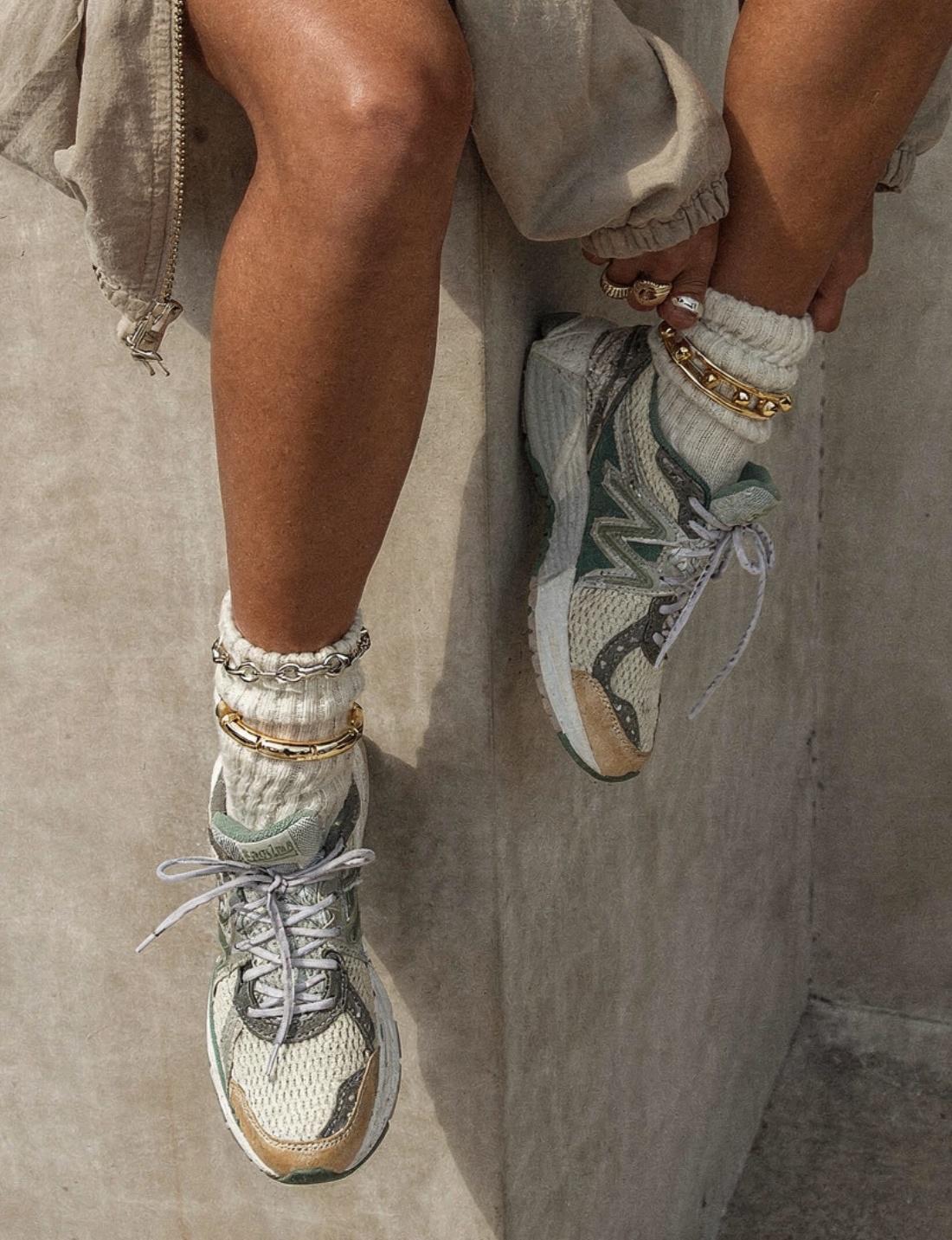
The upper gives, the sole does not
Leather sneakers can soften with wear, but breaking in will not fix a sole that bends in the wrong place or a heel that slips. The upper is the part that may give. The shape underneath your foot is the part you need to get right on day one. Wear the pair indoors with the socks you actually use and walk up stairs, because a short trial reveals pressure that standing still hides.
The low tops here run from $33 to $160. Field General and Total 90 are the lower-priced starting points, while Jordan Sixty Plus sits at the top of the group. T90 SE, Dunk Low Twist and Air Superfly show why a sneaker's surface does not tell you how it will feel: the upper can look flexible while the toe box or heel counter stays firm. Do not count on stretching to create extra length. If your toes touch the front, the fit is wrong rather than unfinished.
Low tops
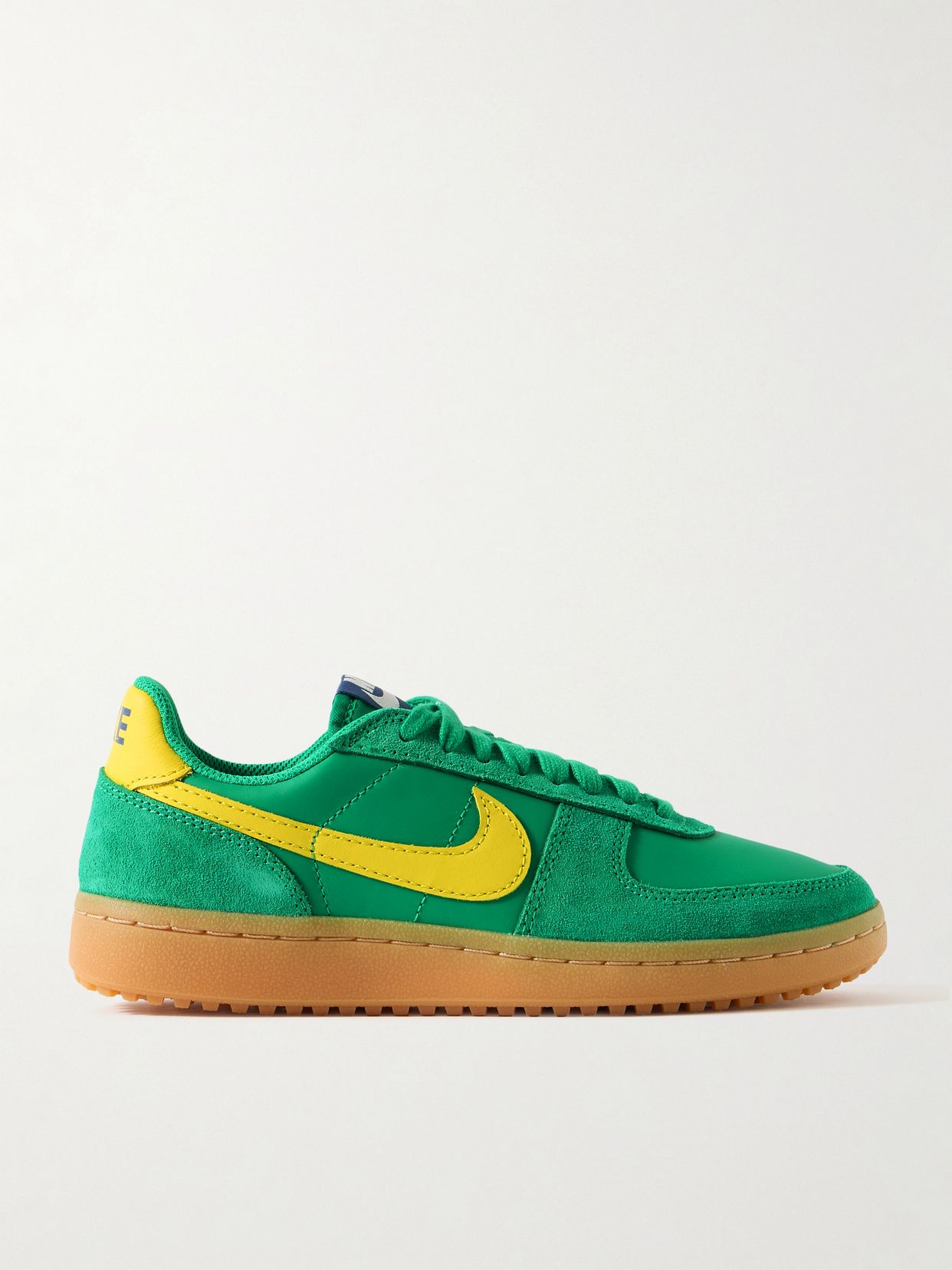
Field General leather and suede sneakers
Nike
$33
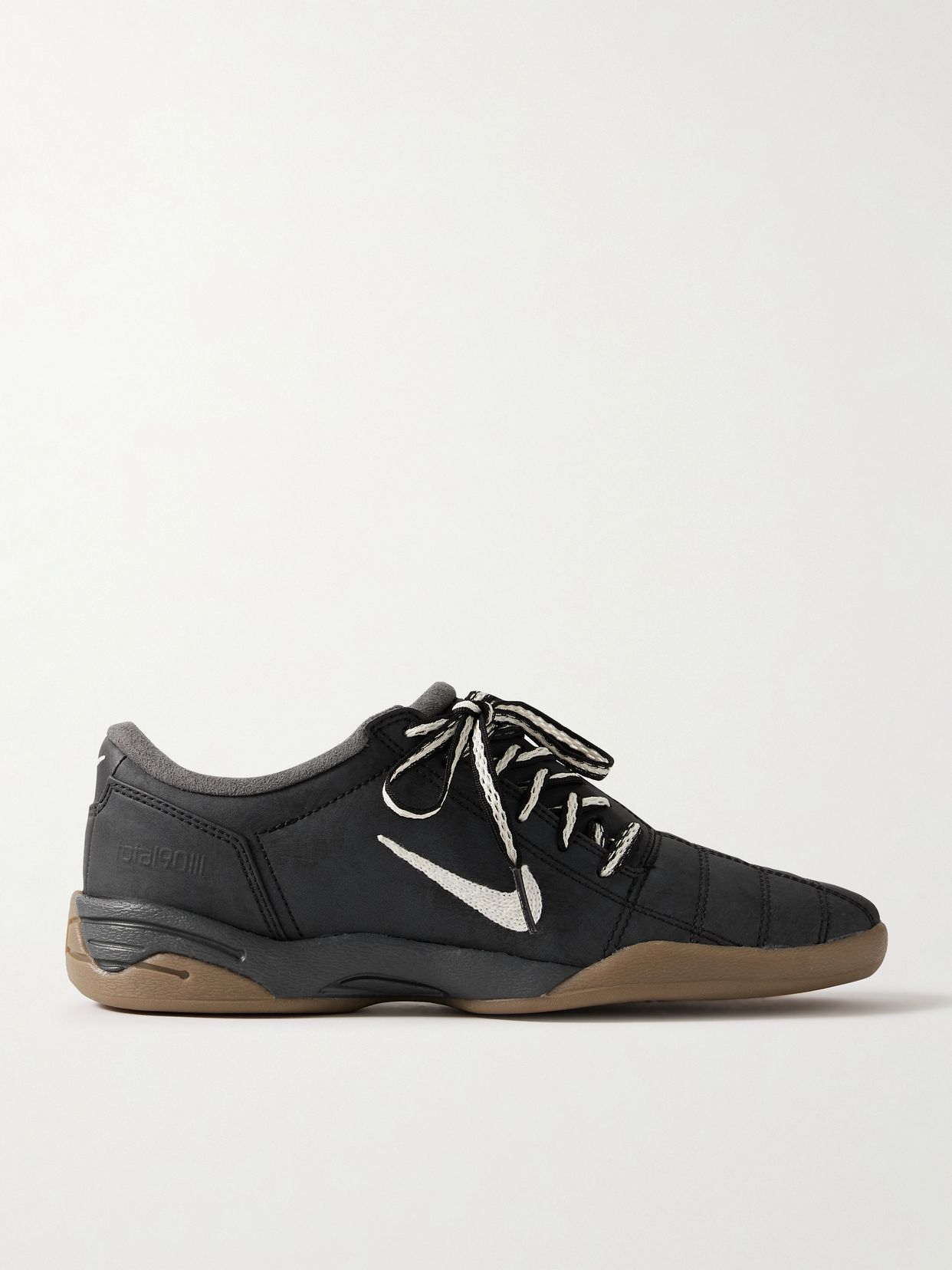
Total 90 leather sneakers
Nike
$33
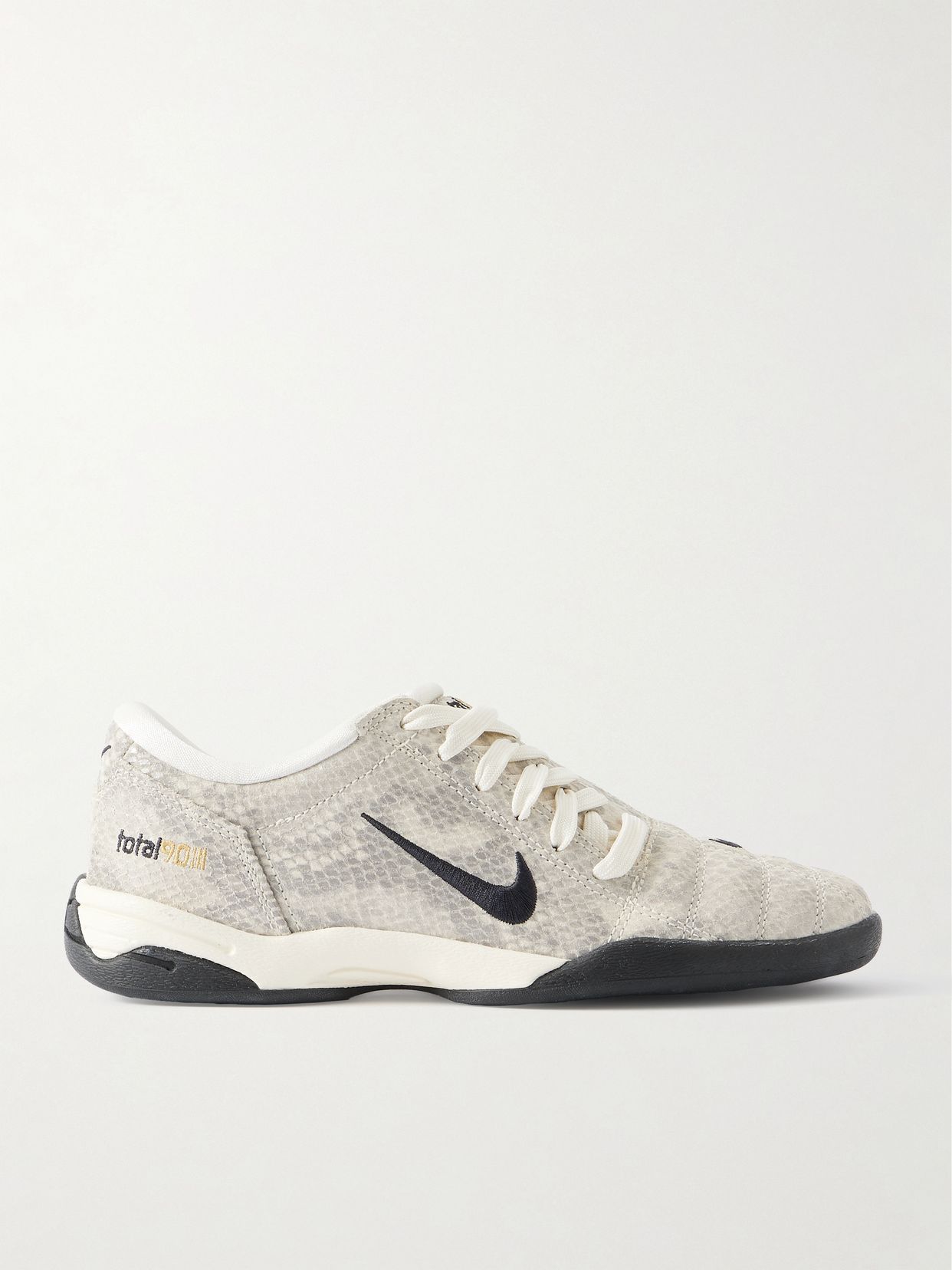
T90 SE snake-effect leather sneakers
Nike
$35
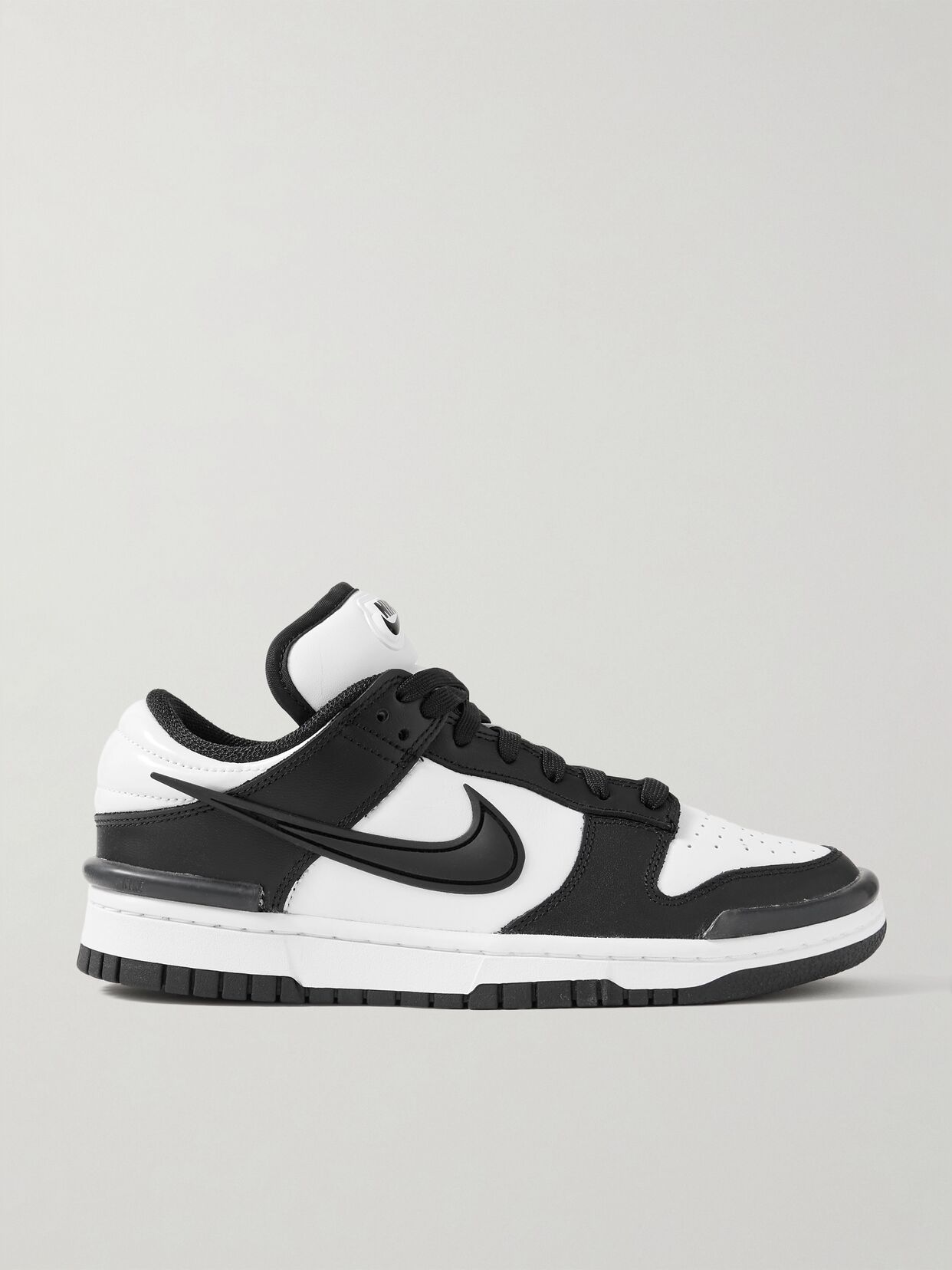
Dunk Low Twist leather sneakers
Nike
$38
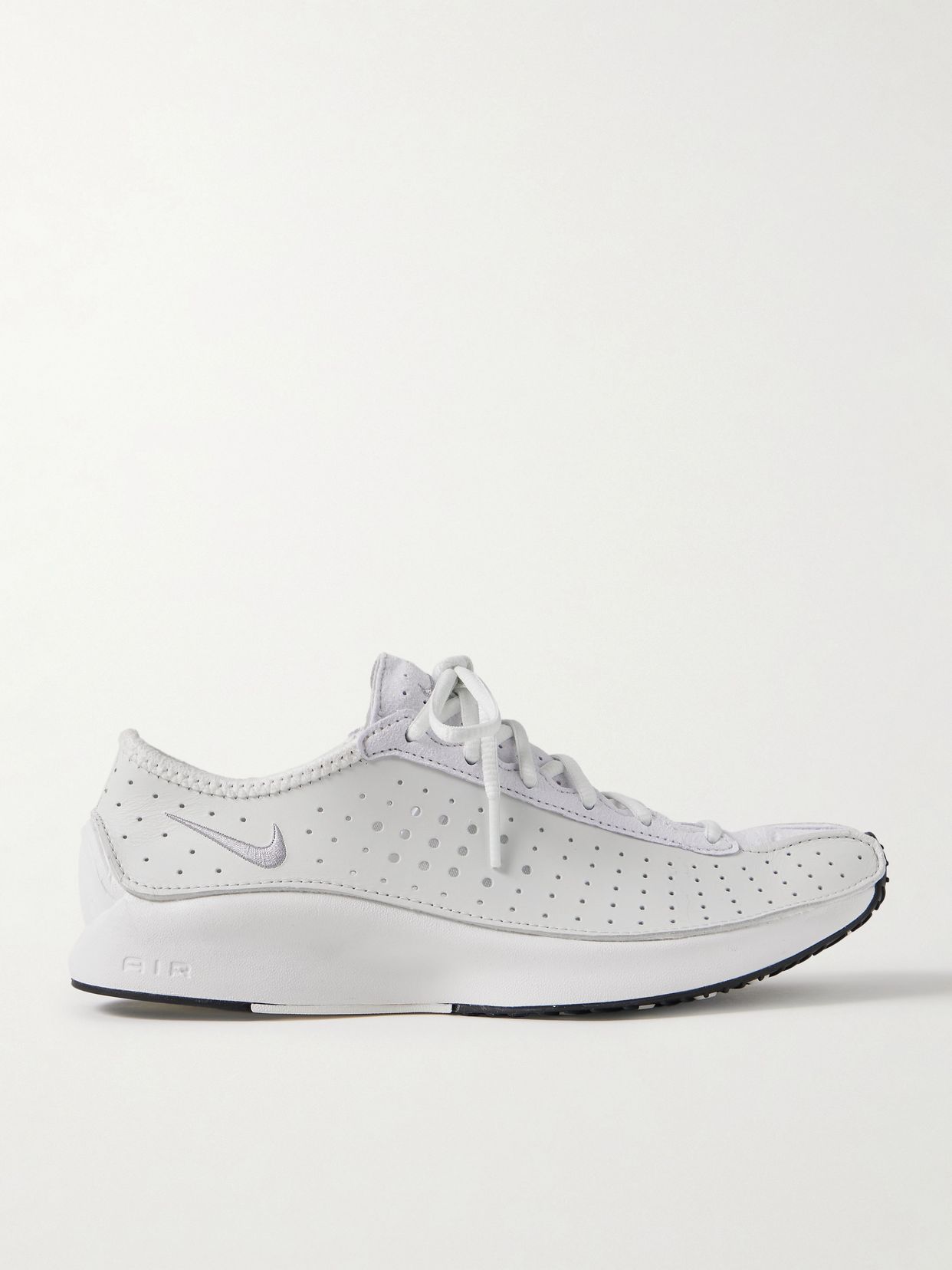
Air Superfly suede and perforated leather sneakers
Nike
$50
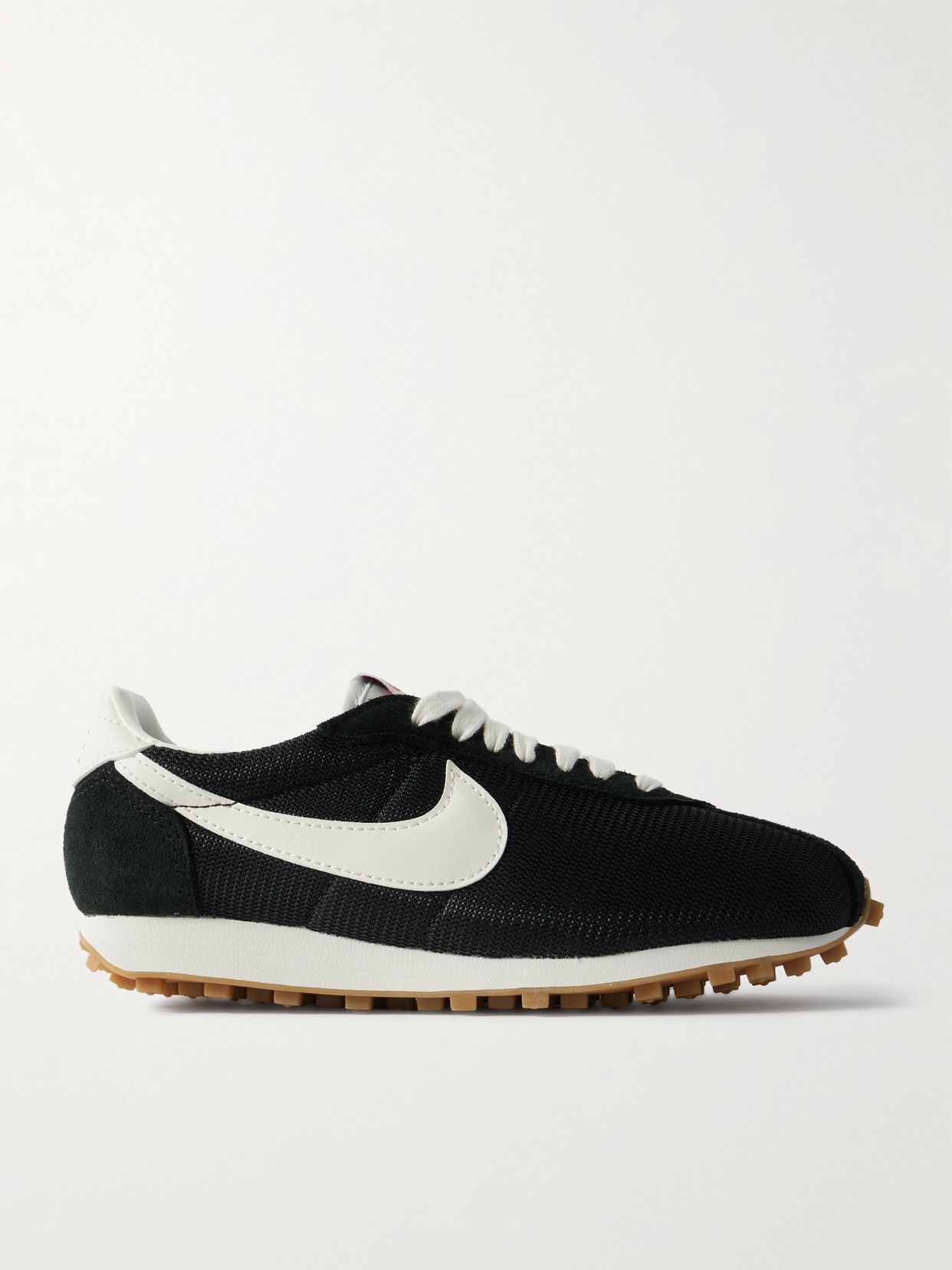
LD-1000 suede and leather-trimmed mesh sneakers
Nike
$60
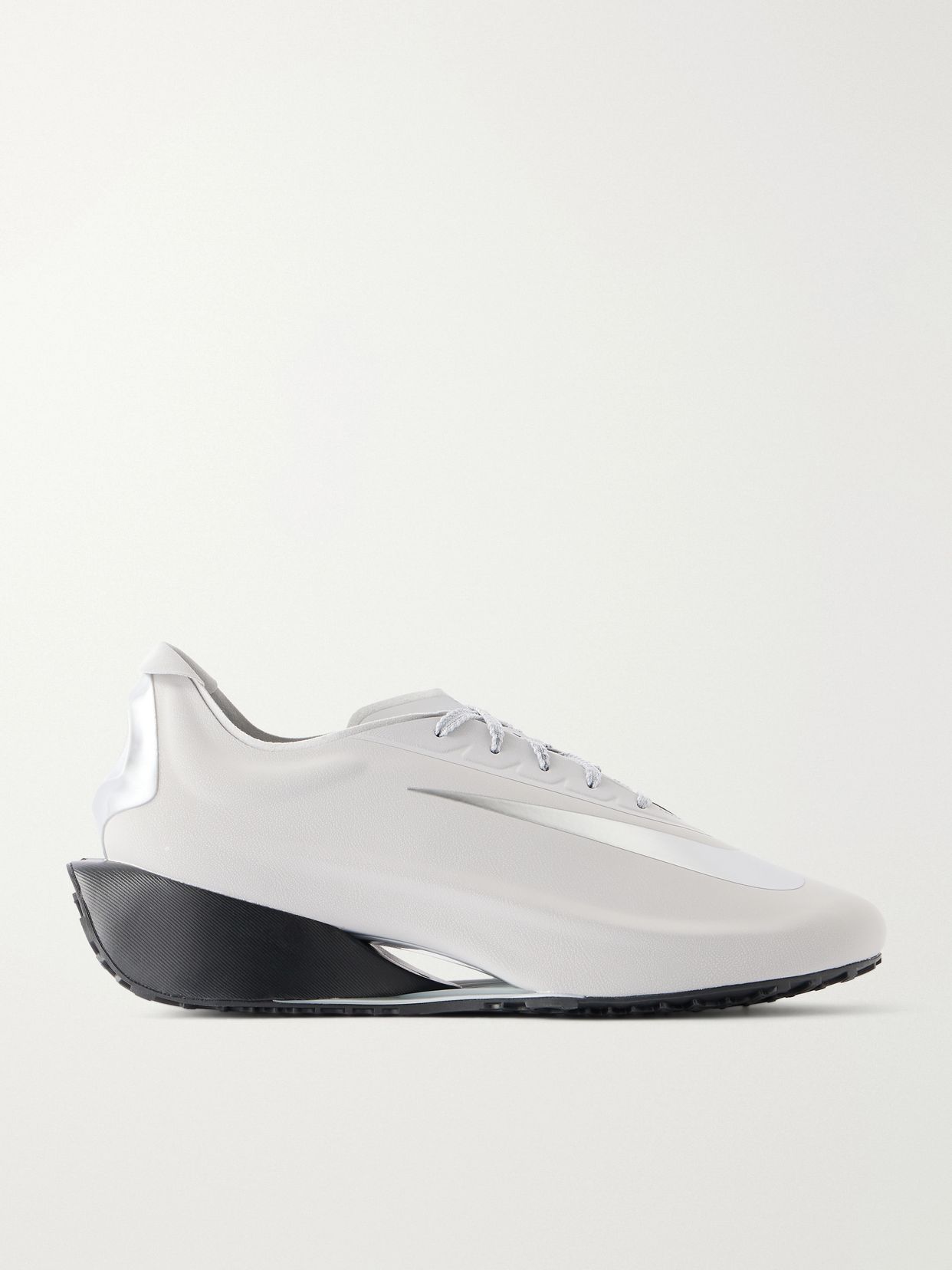
first sight noir rubber and textile sneakers
Nike
$125
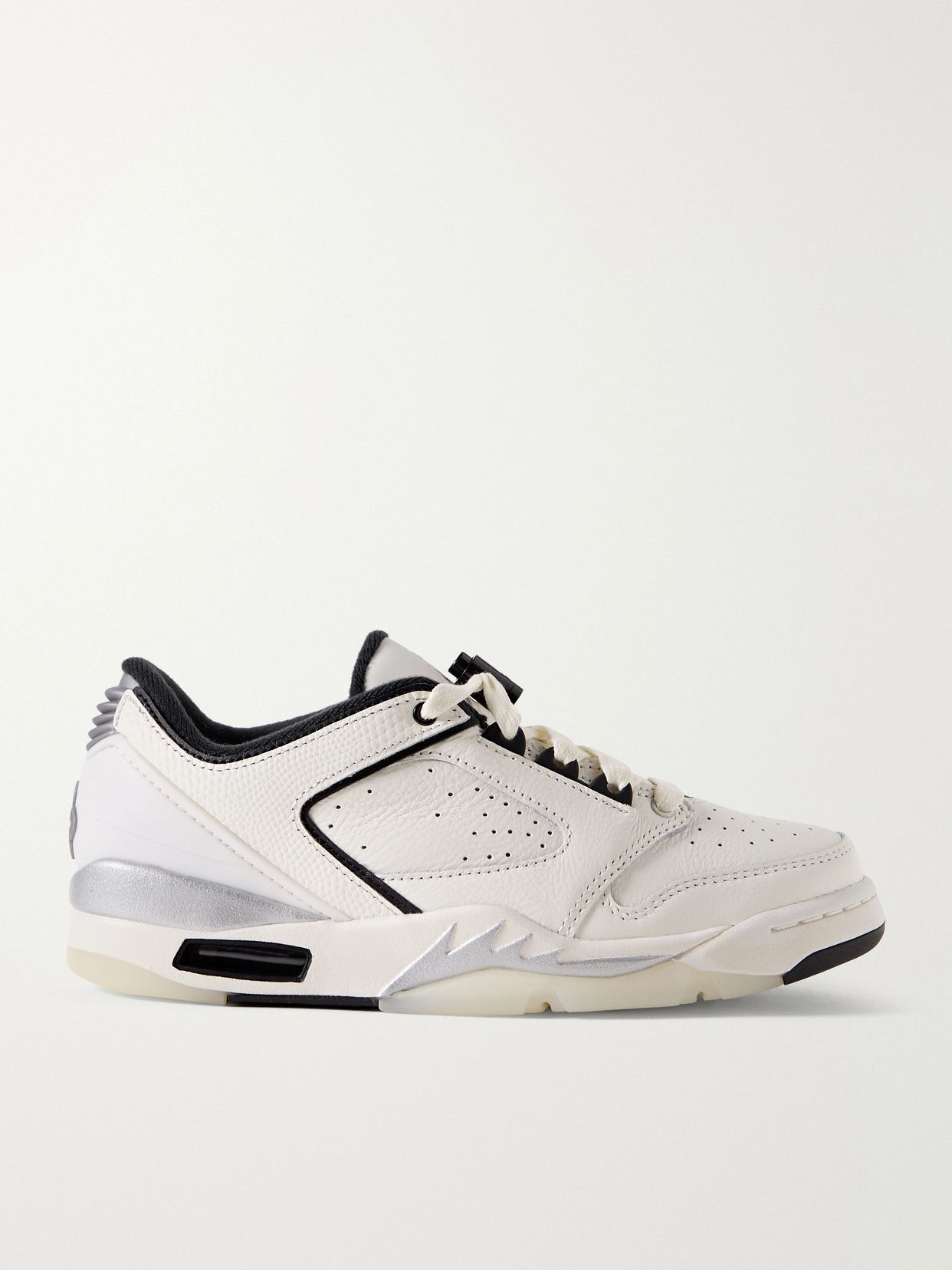
Jordan Sixty Plus textured-leather sneakers
Nike
$160
Finding the pressure before it becomes a blister
A new sneaker should feel close without pinching. Check the widest part of your foot first, then the little toe, then the heel. Pressure over the little toe usually means the shape is too narrow, and more walking only turns that pressure into a hot spot. Heel movement is different. A slight lift can settle with lacing, but a foot that slides forward on a downhill step will keep striking the front.
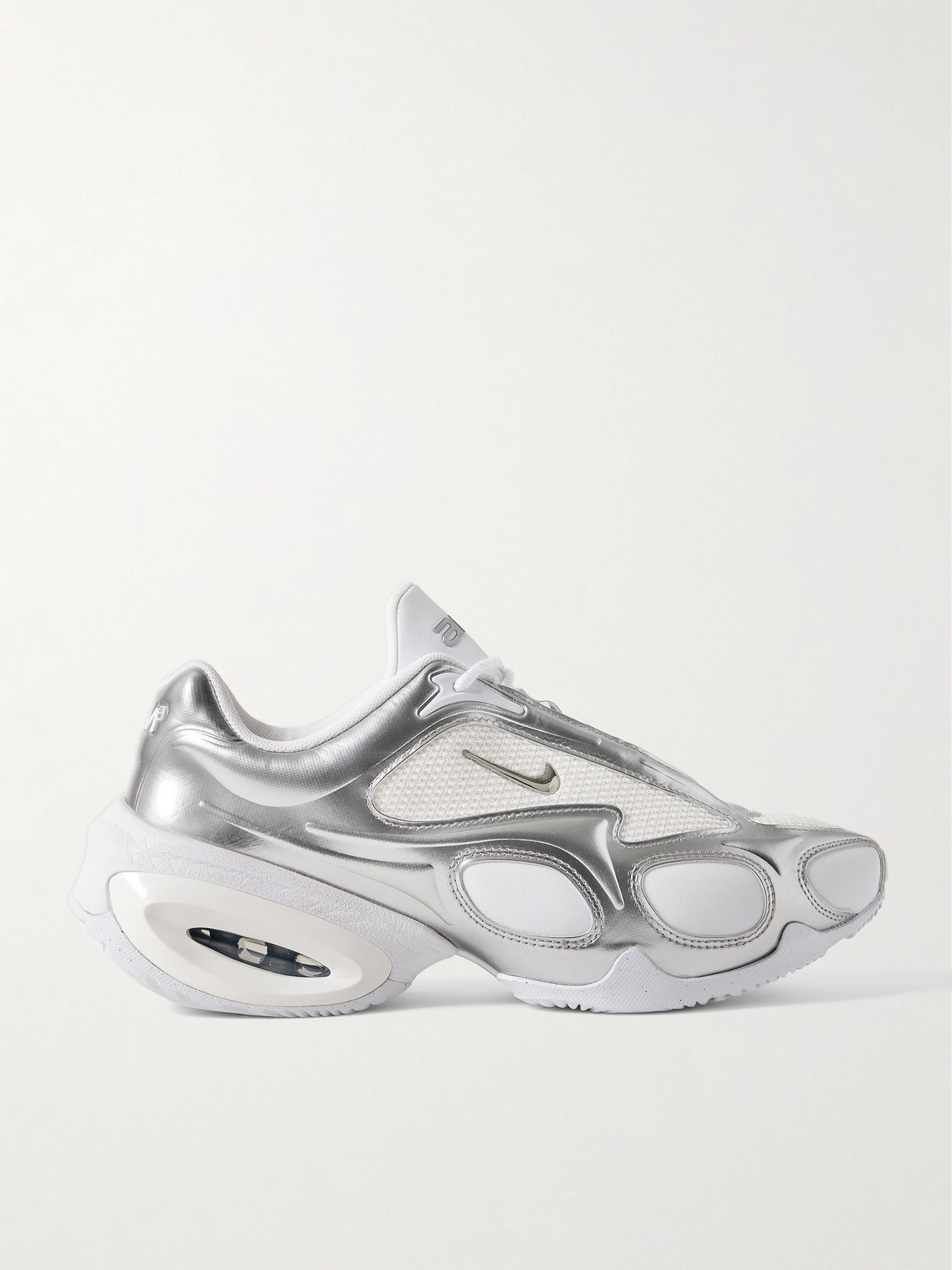
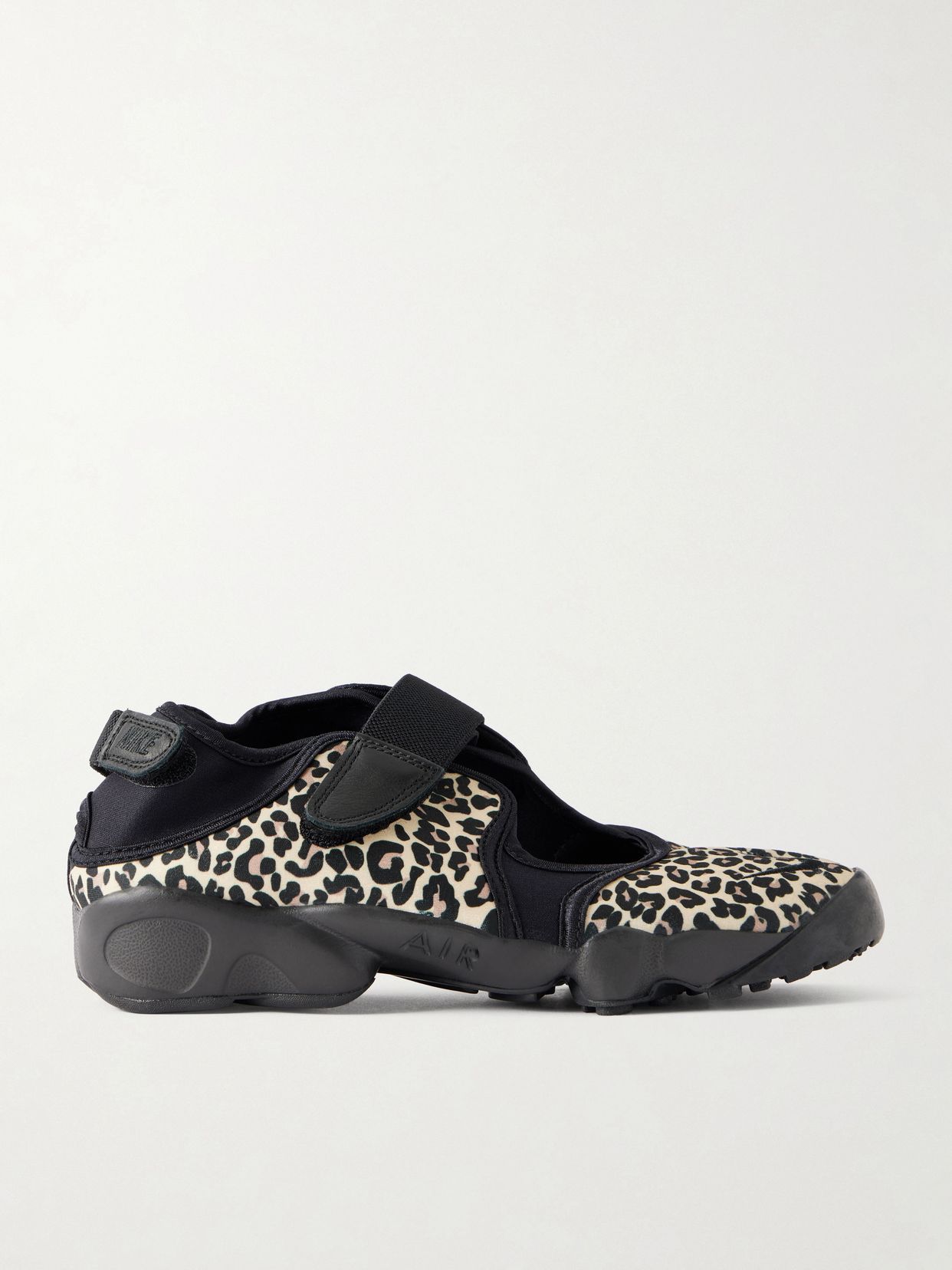
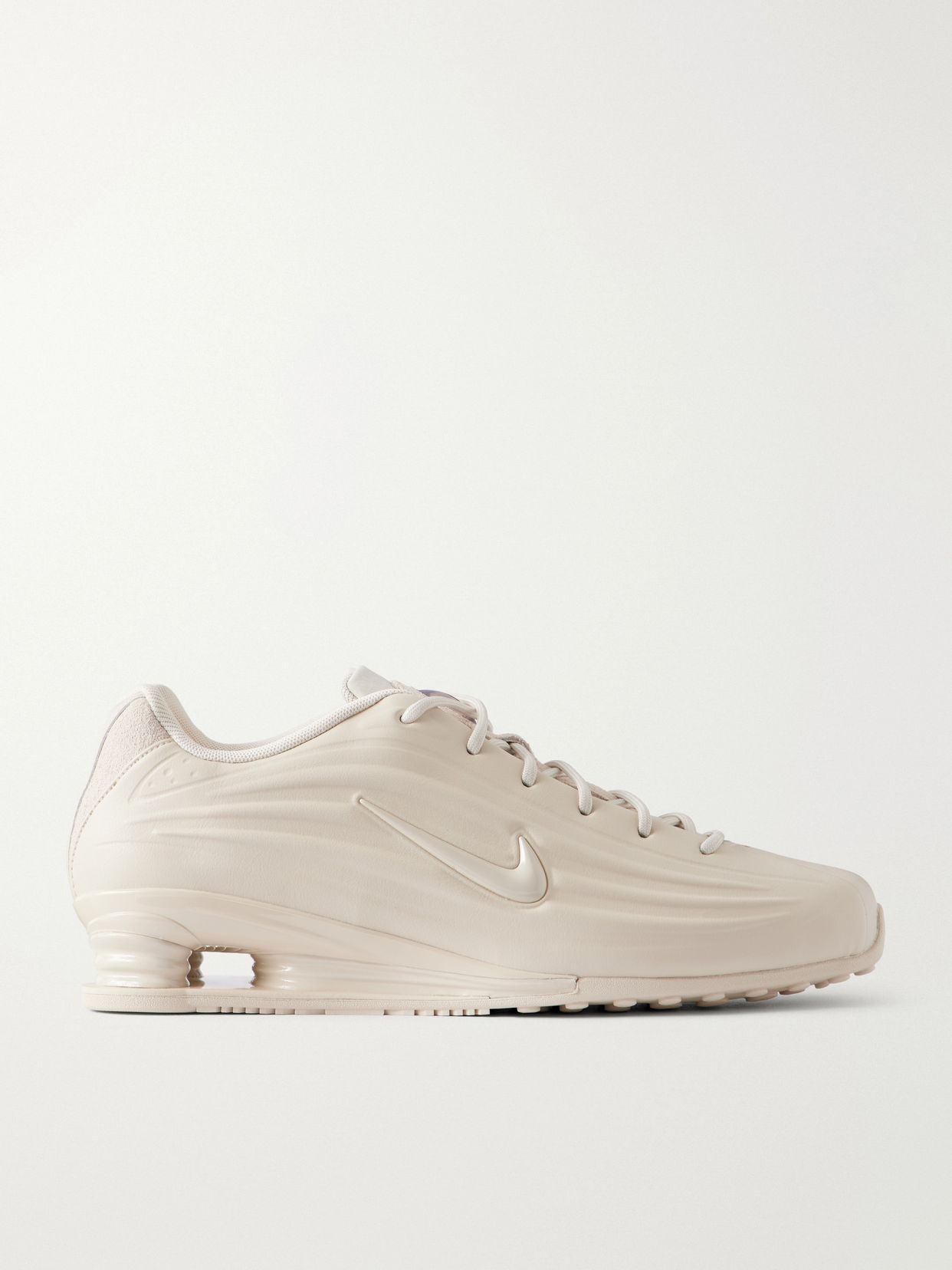
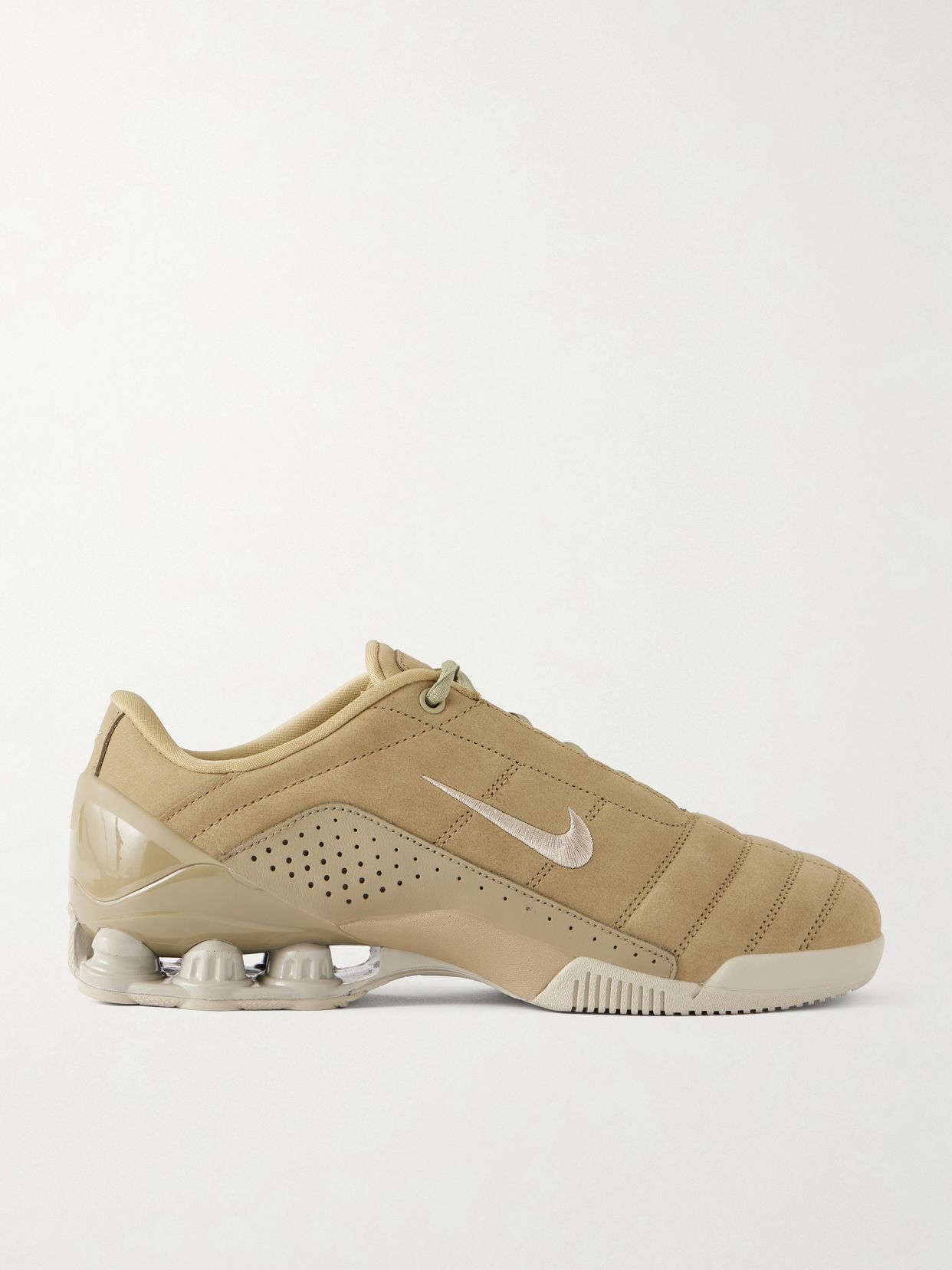
Look at the tongue and the lace line as well. A tongue that twists pulls the laces sideways, and a lace row that ends too close to the toe can leave one small area tight even when the rest feels fine. The second group runs from $80 to $155 and includes Air Max Muse, Air Rift, Nike Shox Z and T90 Shox Magia QS. Mesh, leather, suede and nubuck may feel different under the hand, but the fit test stays the same. Bend the shoe at the forefoot and compare that crease with your own foot.
How to wear a new pair without punishing it
Breaking in is best treated as a short, gradual process. Wear a new pair for an hour at home, then for a nearby errand, before committing to a full day. Keep a plaster in your bag for the first outings, but do not use it to excuse a hard seam or a toe box that is clearly too small. If a pair causes numbness, stop wearing it.
Low tops are easy to balance with straight trousers, relaxed denim or a simple skirt, and the cleaner the outfit, the more the shape of the sneaker shows. A textured-leather pair such as Jordan Sixty Plus carries more visual weight than a plain textile style. Air Rift is a stronger choice when you want the split-toe construction to be the point, while First Sight Noir keeps the line quieter. Across the whole edit, prices run from $33 to $160, so choose for the walk you will actually take rather than the number on the label.
Our honest take
We would never buy a painful sneaker on the promise that it will stretch into comfort. A leather or suede upper may relax a little, but it will not add length, widen a cramped toe box or change a rigid sole. We would walk around indoors, bend the forefoot, check the heel on stairs and stop at the first sign of numbness. Field General and Total 90 are sensible places to begin if the shape suits your foot; the higher-priced pairs are not a substitute for a good fit. Skip any pair that needs thick socks to feel secure.
If you take one thing away: break in the upper slowly, but expect the sole and the basic shape to stay exactly as they are.