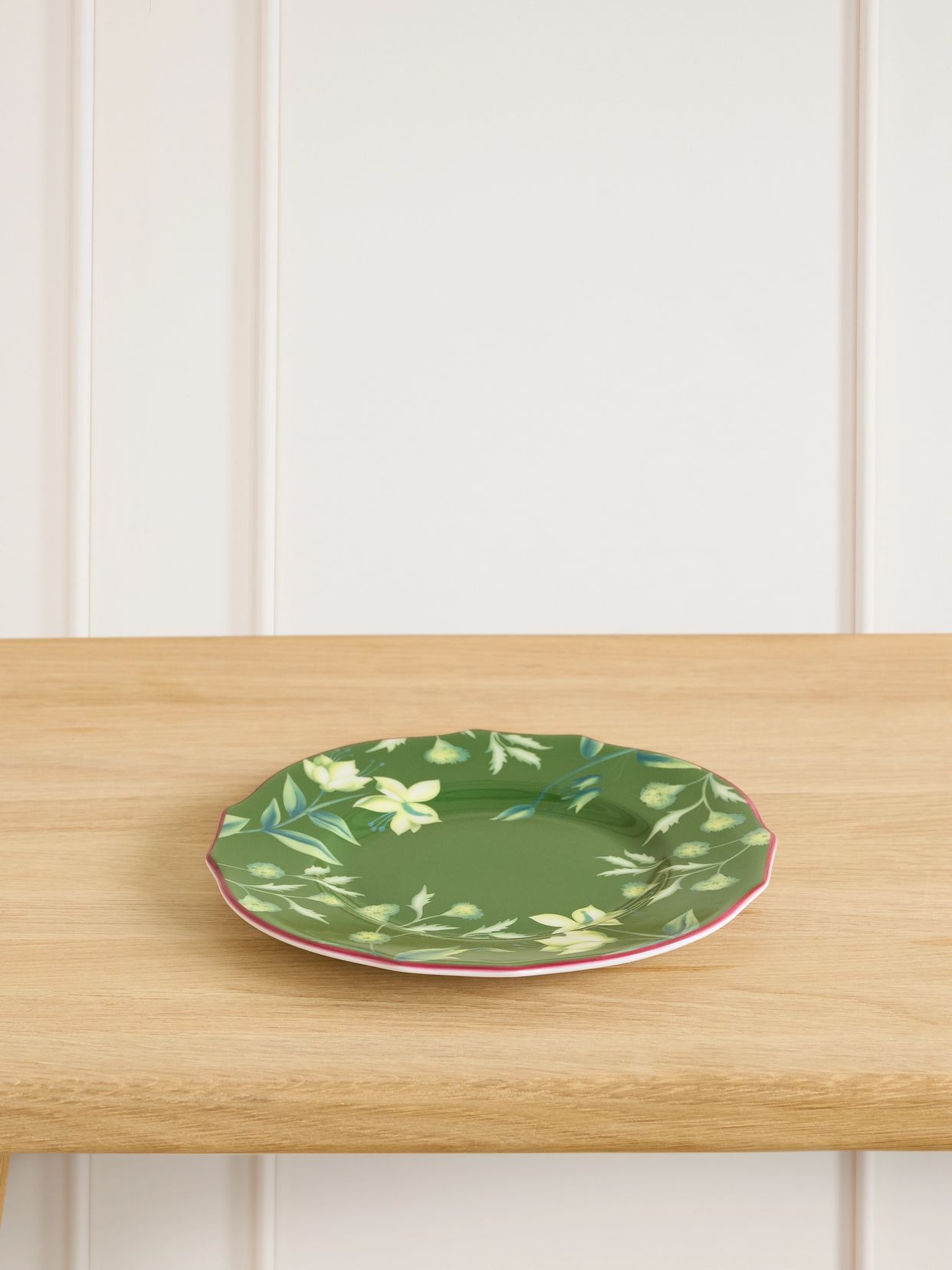
Brass is the metal behind most sculptural jewellery. Here is what it actually does over time, and how to keep it looking new.
Does Brass Jewellery Tarnish?
The short answer
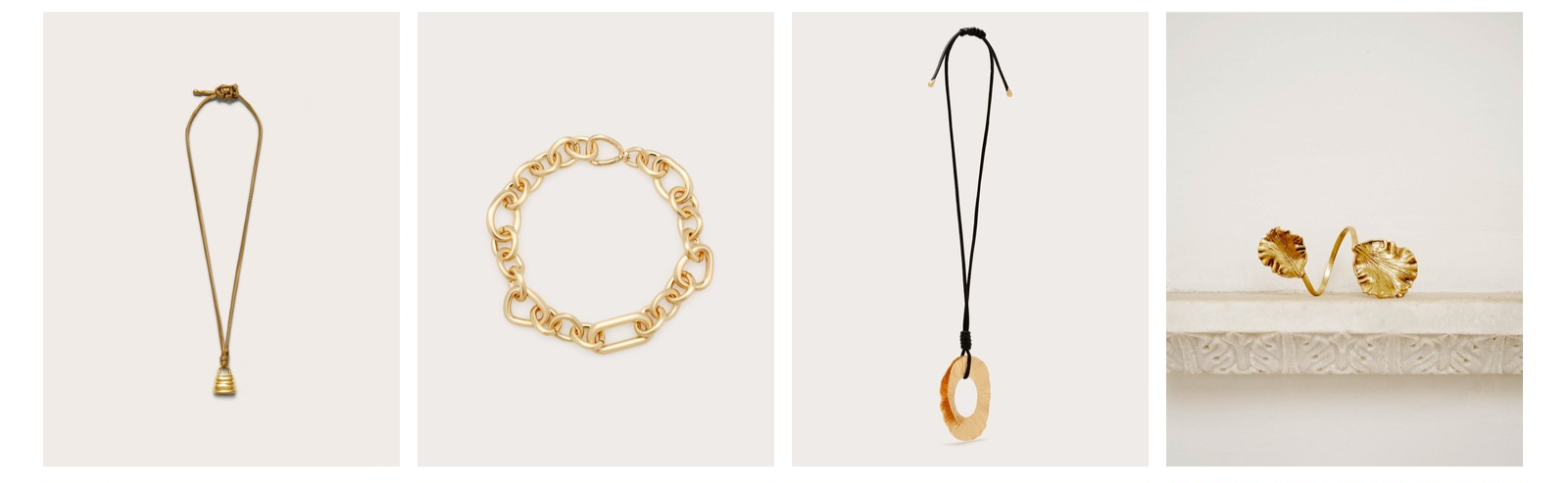
Yes. Brass tarnishes, and there is no version of it that does not. Brass is copper and zinc, and copper reacts with oxygen, moisture and the oils on your skin. Left alone it dulls, then warms into a deeper bronze, then picks up dark patches at the edges of any texture. That is the material behaving normally, not a fault.
The second question people actually mean: will it turn my skin green? Sometimes, and for the same reason. The copper reacts with sweat and skin acidity to form copper salts, which are green and harmless. Whether it happens to you depends on your skin chemistry, the weather and how long the piece sits against you. Rings and cuffs do it most because they sit tight against damp skin. Earrings almost never do it because the post area stays dry and the metal barely touches you.
So brass is not the metal to buy if you want something you never think about. It is the metal to buy if you want weight and shape at a fraction of what solid gold costs.


What actually slows it down
Keep it dry. Water is the accelerant, so take brass off before showering, swimming, washing up and the gym. Perfume and hand cream are worse than sweat, because they sit on the surface and hold moisture against it. Put jewellery on last, after fragrance and lotion have dried.
Store it away from air. A small pouch or a closed box slows oxidation more than any polish will, and it stops pieces scratching each other. If you live somewhere humid, a silica sachet in the box is a genuinely effective trick.
To clean it, a dry soft cloth is usually enough. For real tarnish, half a lemon with a little salt, or a paste of bicarbonate of soda and water, will lift it in under a minute. Rinse, then dry completely. Do not use this on anything plated, and do not use it on a piece with stones, pearls or resin set into it.
Many brass pieces come with a thin lacquer, which delays all of this for months. Once it wears through, the metal underneath behaves like bare brass again.




How to buy around it
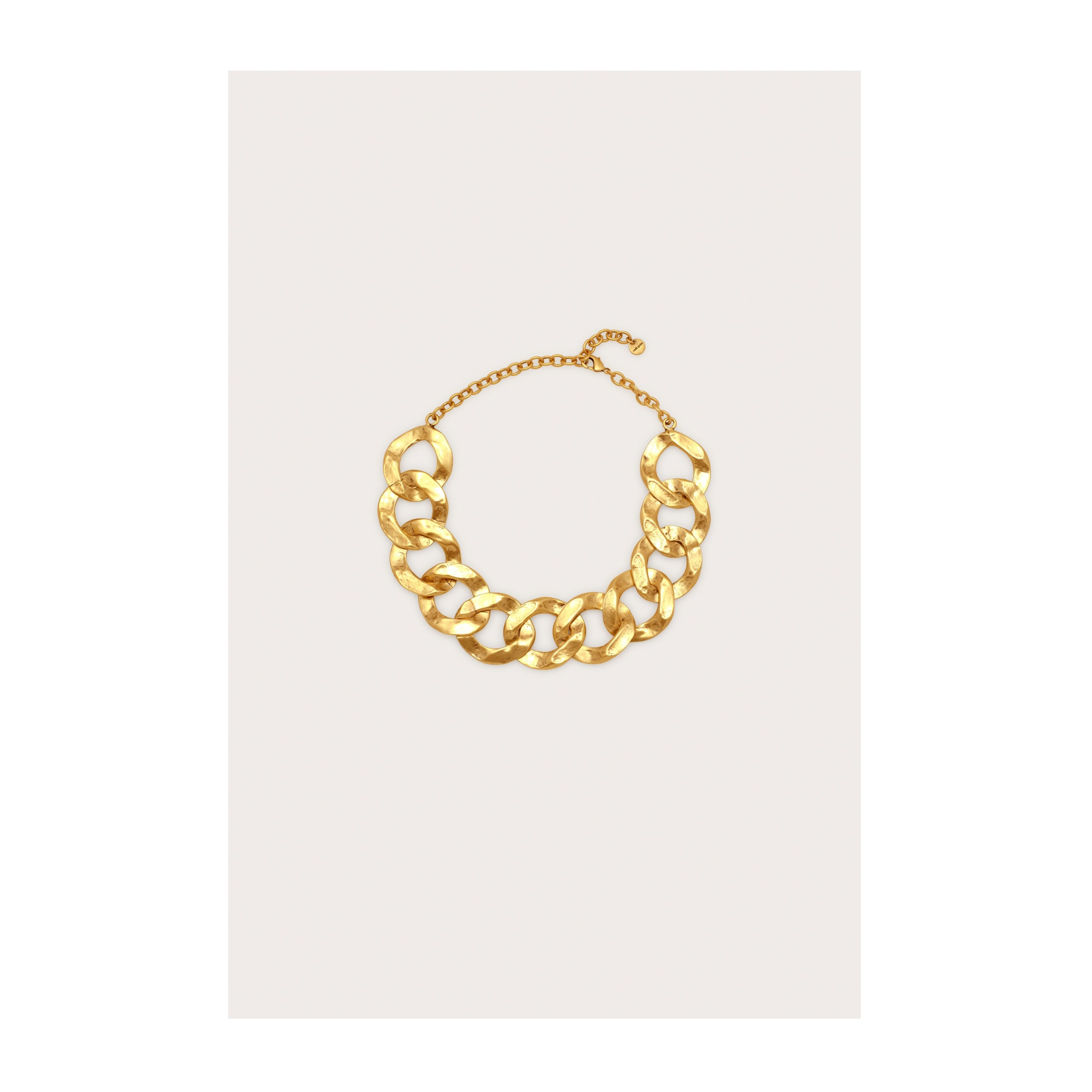
Match the metal to how the piece will be worn. Earrings and necklaces are the low-risk buys, because they spend most of their time against fabric or dry skin. A brass cuff you wear every single day in summer is the highest-risk version, and that is the one where a barrier of clear nail varnish on the inside surface is worth the ten seconds it takes.
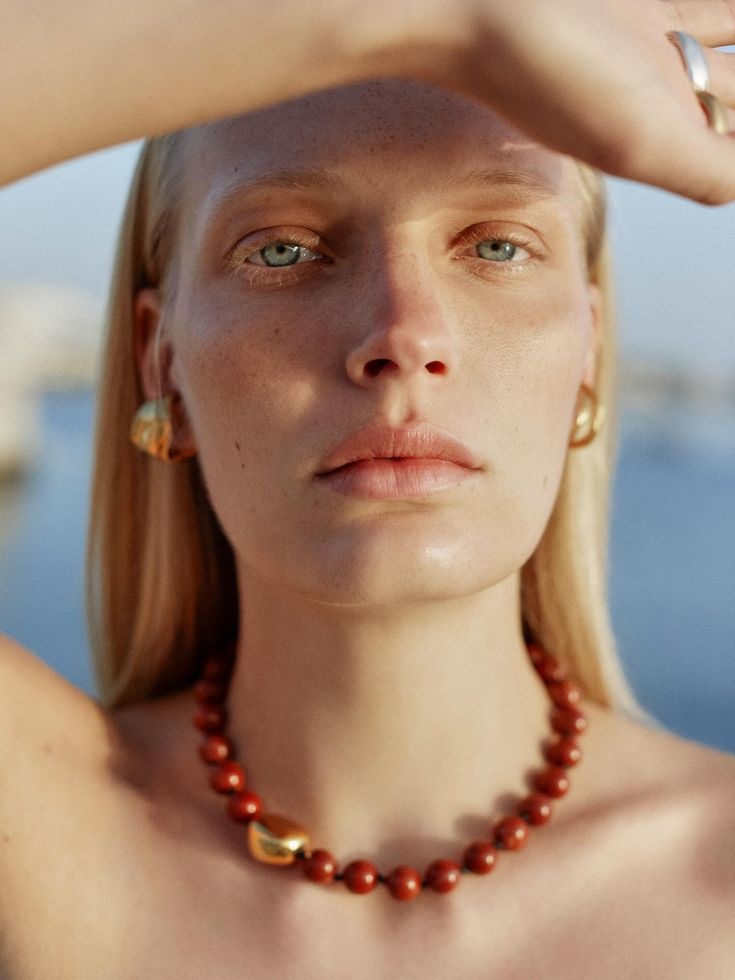
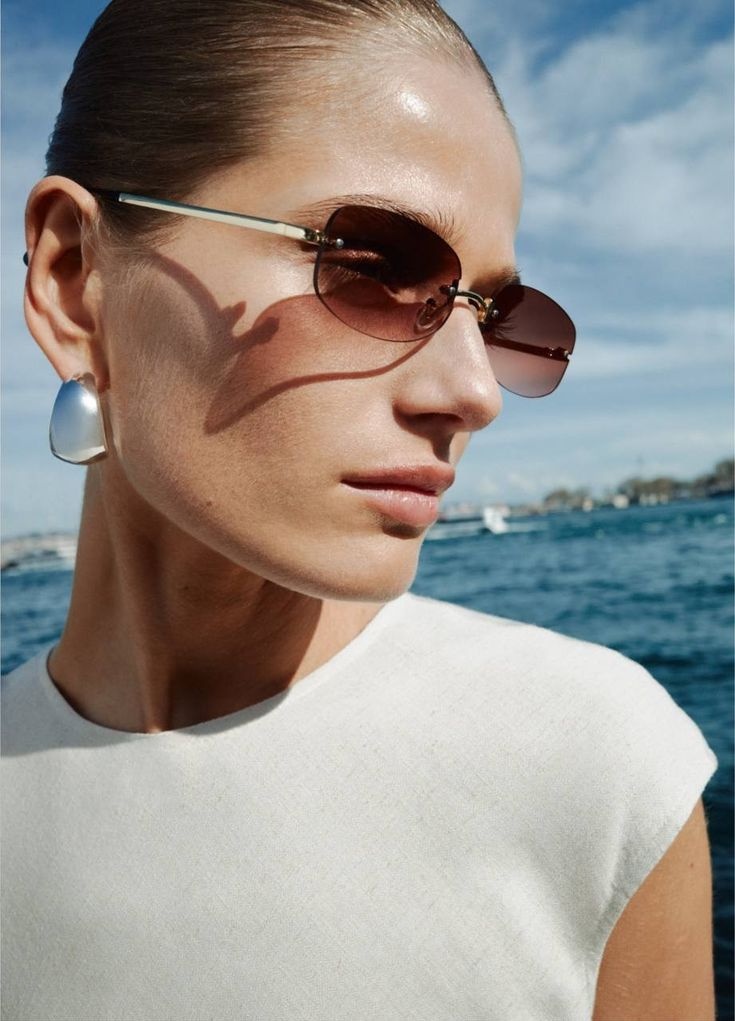
Size matters more than metal for sculptural pieces. A large brass earring at $198 gets you a shape that would cost several thousand in solid gold, and nobody looking at it can tell what it is made of. That is the actual argument for brass.
If you have reacted to costume jewellery before, the culprit is usually nickel rather than copper. Brass is nickel-free in most cases, so a brass piece may suit you where a plated one did not. If you know you react to copper specifically, buy earrings only and skip rings entirely.
And check what is underneath a gold-toned finish. Plated brass looks identical on day one and completely different in a year.


Our honest take
Brass is worth it for shape, not for permanence. We would buy it for the pieces where the design is the point, the ones with real volume and a strong silhouette, and we would accept that they will darken. Kept dry and stored closed, a brass earring still looks new after a couple of years of regular wear.
What we would not do is pay brass prices expecting gold behaviour. If you want a piece you never take off, in and out of the sea and the shower, buy solid gold in a smaller size instead and stop thinking about it.
If you take one thing away: buy brass for earrings and necklaces, keep it out of water, and store it in a closed pouch rather than a dish by the sink.
Shop brands in this edit

Next read
Ruching That Actually Flatters
Does ruching hide or highlight?
Read Editorial
One Piece Or Bikini
For the question of one piece or bikini, neither is universally better. The right choice depends on how much coverage you want and how confidently the suit will stay put while you move. Eres makes the comparison useful