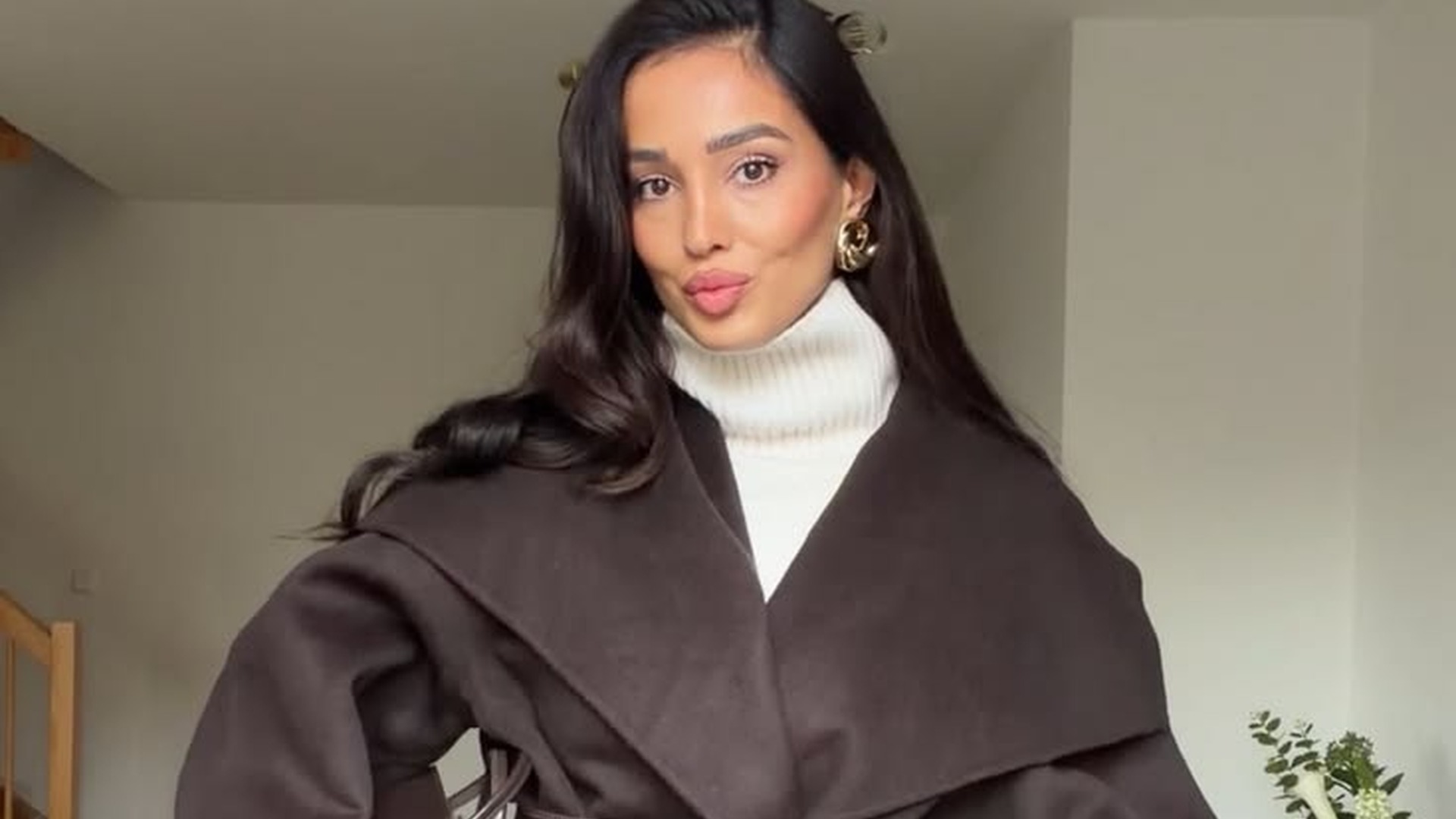
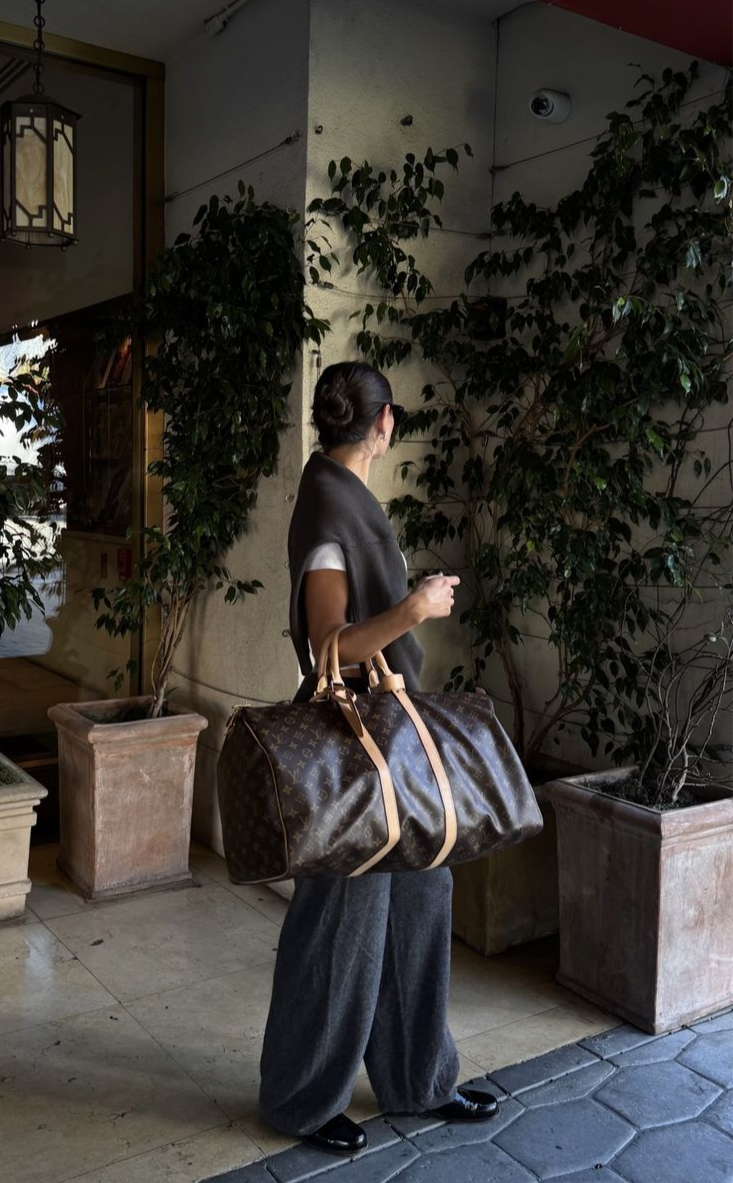
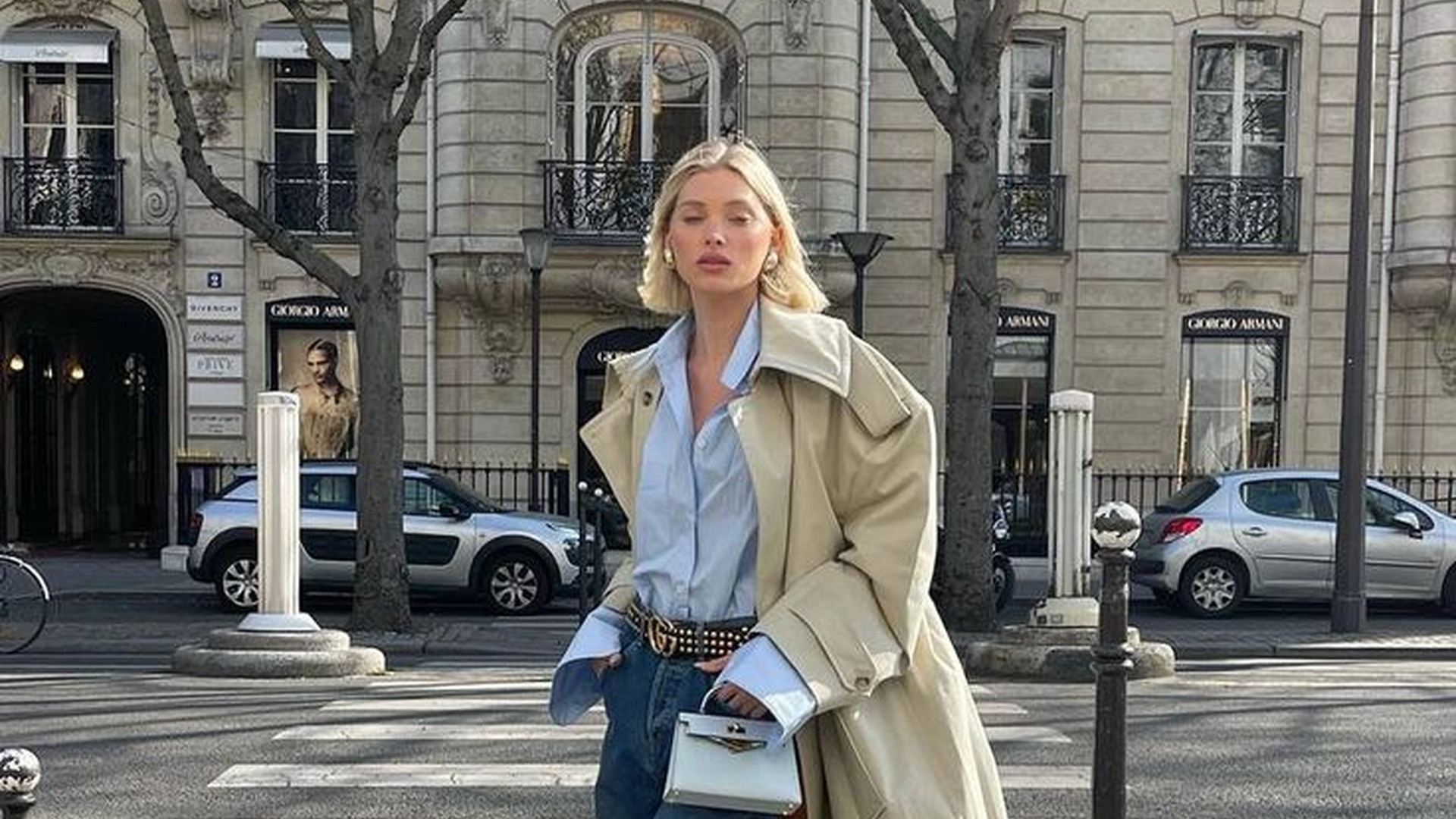
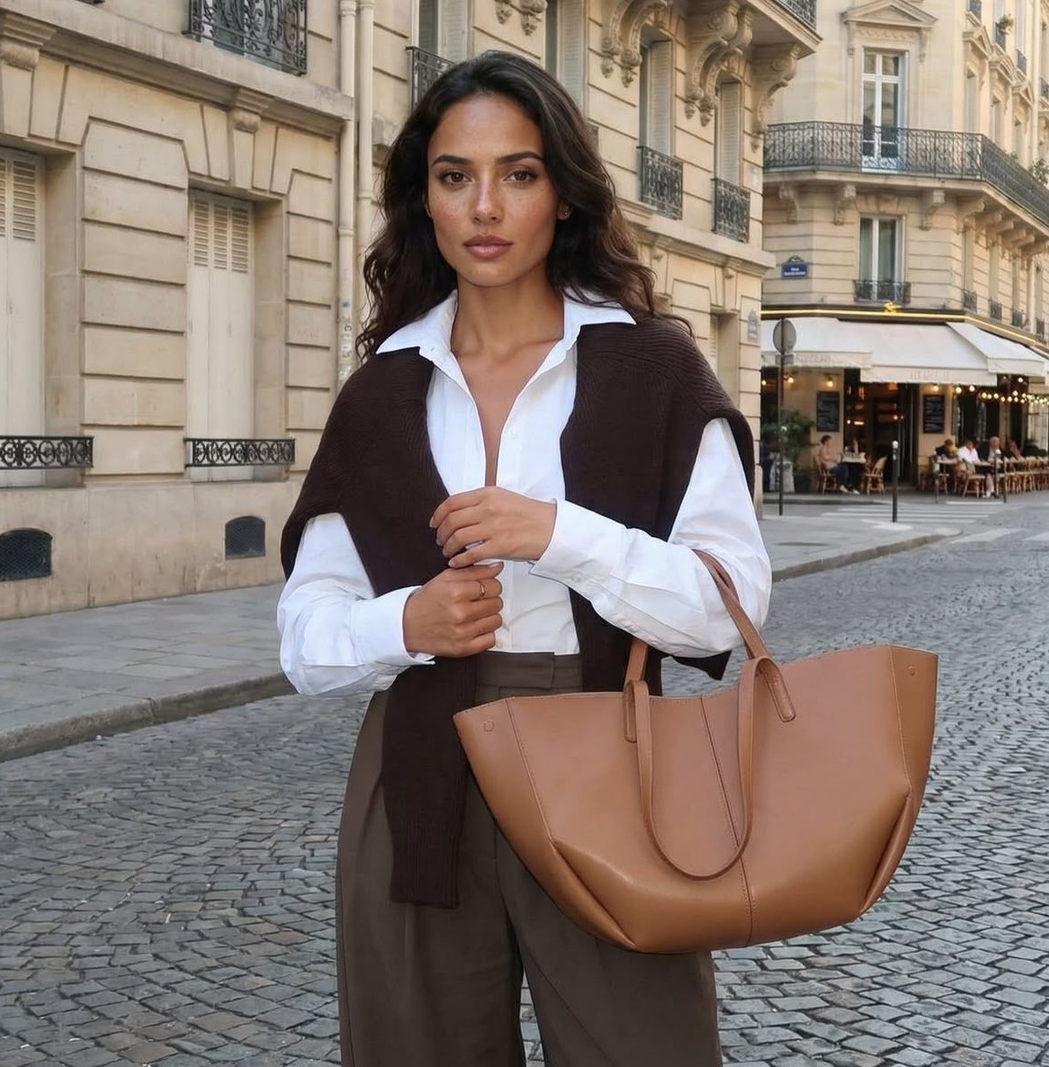
For most of the year the outer layer was an afterthought, something thrown over an outfit that had already been decided. That has inverted: the top layer is now the piece the rest of the look is built around. This edit follows what happens to a wardrobe when you plan it from the outside in.

Everything Rides On The Outer Layer
Outerwear
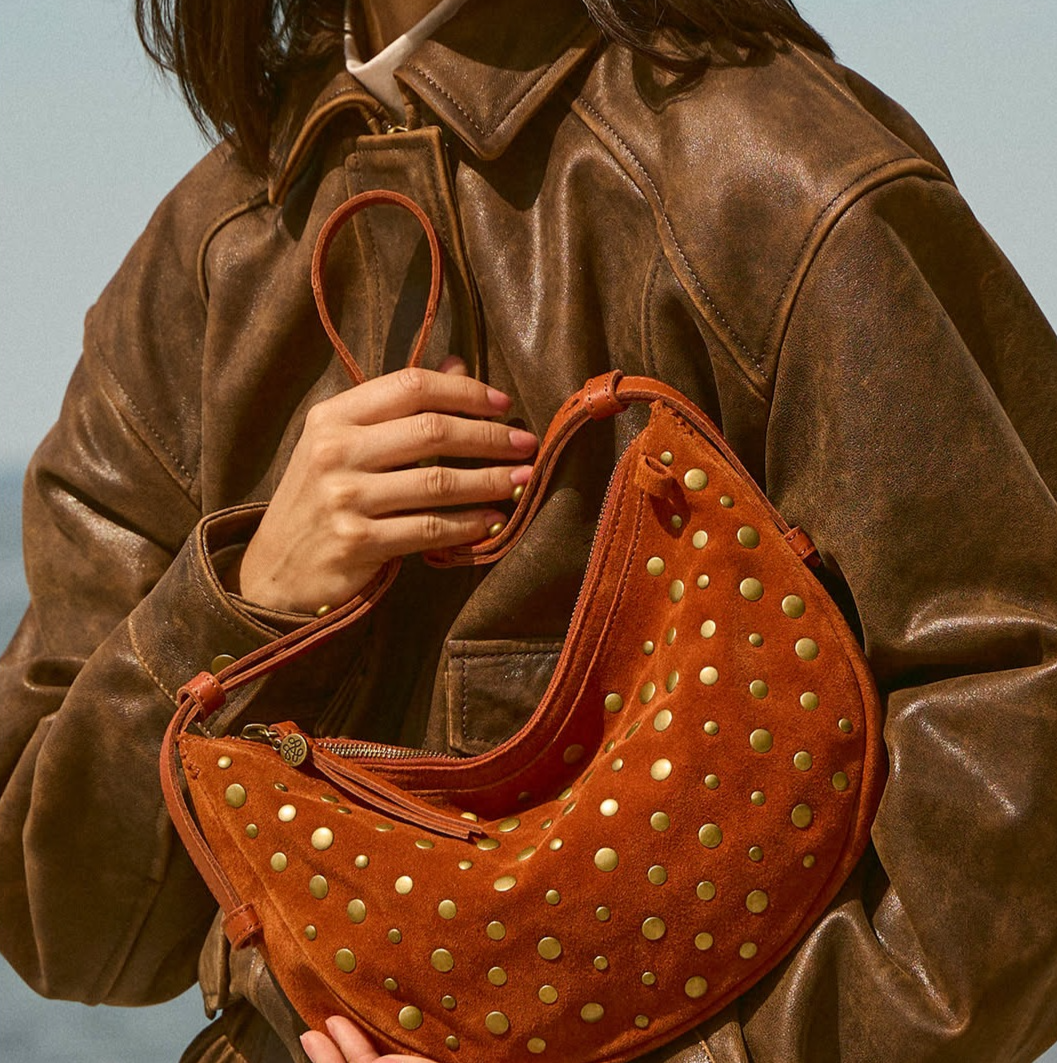
Start with the short, structured ones. Cropped biker cuts, blousons and anything with a defined shoulder are what pulled outerwear back into the foreground, because a short top layer changes proportion in a way a long coat cannot. Worn over a wide trouser, it does the entire outfit.

Cotton twill blouson jacket
Magda Butrym
$2,580

Cropped leather biker jacket
Alaïa
$7,250

Reversible checked cotton flannel down jacket
Miu Miu
$4,200

Suede jacket
Róhe
$1,770

Prince of Wales check wool blazer
Saint Laurent
$4,200

Mohair and wool blazer
Fendi
$3,950

Nari leather jacket
Loulou de Saison
$1,100

Belted jacket
Magda Butrym
$3,035

Denim jacket
Alaïa
$1,800

Tomer denim jacket
Khaite
$1,180

Leather bomber jacket
Saint Laurent
$7,400

Peplum wool blazer
Magda Butrym
$3,115

Quintus wool and cashmere-blend jacket
The Row
$2,700

Wool-blend bouclé jacket
Versace
$3,250

Cove oversized cashmere and wool coat
The Row
$4,950

Leather-trimmed cotton and linen jacket
Brunello Cucinelli
$9,300

Shirred leather jacket
Chloé
$5,890

VGold wool-blend jacket
Valentino
$3,700

Cropped cotton trench coat
JW Anderson
$1,750

Cropped shearling-lined blouson jacket
Miu Miu
$6,300

Nodo Quadro checked wool blazer
Bottega Veneta
$4,800

Wool-blend blazer
Róhe
$1,290

Cordan leather jacket
Khaite
$5,900

Checked technical jacket
Acne Studios
$1,000
More Outerwear
The second run leans into material rather than shape. Scarf detailing, woven leather and heavy surface treatment mean the piece works with nothing underneath it, which is the actual test of whether a top layer is load-bearing. These are not neutral pieces.

Scarf-detail leather jacket
Loewe
$8,150

Intrecciato leather blouson jacket
Bottega Veneta
$8,500

Wool and cashmere jacket
Róhe
$1,150

Virgin wool tweed blazer
Dolce&Gabbana
$3,895

Halti suede blouson jacket
Arma
$1,415

Leather bomber jacket
Saint Laurent
$7,000

Double-breasted wool blazer
Chloé
$3,150

GG canvas cotton-blend blazer
Gucci
$2,900

Paula leather jacket
Arma
$1,395

Dalma suede blouson jacket
Nour Hammour
$1,540

Cropped denim jacket
Prada
$2,700

Pinstripe virgin wool double-breasted blazer
Valentino
$4,900

Hooded oversized cotton half-zip jacket
Róhe
$1,245

Amiel hooded leather jacket
Isabel Marant
$4,590

Checked leather-trimmed down jacket
Brunello Cucinelli
$6,100

Intrecciato cotton blouson jacket
Bottega Veneta
$3,800

Wool-blend blazer
Dolce&Gabbana
$2,795

Lans down jacket
Moncler
$1,390

Silvannah wool and silk cady blazer
Khaite
$3,600

Elsa shearling jacket
Nour Hammour
$2,120

Maeve suede jacket
Arma
$1,550

Etienne suede jacket
Nour Hammour
$1,450

Double-breasted wool-blend jacket
Chloé
$2,890

Cotton poplin bomber jacket
Gucci
$3,300
Still more Outerwear
A shorter set at the luxe end. Shearling trims and tweed are the traditionalist version of the same idea, borrowing from a very specific mid-century wardrobe. They announce themselves from across a room, which is either the appeal or the problem depending on your mood.

Cropped shearling-trimmed jacket
Miu Miu
$4,700

Tweed jacket
Valentino
$4,600

Leather-trimmed oversized cotton blouson jacket
Prada
$4,000

Shearling-trimmed leather jacket
Chloé
$6,190

Suede jacket
Saint Laurent
$7,300

Medusa denim jacket
Versace
$2,203

Leather-trimmed suede jacket
Loewe
$7,150

Caped wool blazer
Chloé
$3,790

Denim blouson jacket
Dries Van Noten
$1,125

Cotton gabardine jacket
Miu Miu
$3,300

Suede blouson jacket
Saint Laurent
$7,800

Shearling-trimmed leather blouson jacket
Nour Hammour
$2,120
Shoes
Once the top layer is doing the talking, the shoe has to hold the bottom of the look. Horsebit pumps, mules and a polished loafer keep everything grounded and formal enough to justify the layer above. Hardware is the connecting thread.

Signora Horsebit patent leather pumps
Gucci
$1,180

Bamboo leather mules
Gucci
$990

Lewis suede-trimmed leather sneakers
Saint Laurent
$790

Horsebit suede loafers
Gucci
$1,200

Castello calf hair mules
Gucci
$990

Leather ballet flats
Miu Miu
$1,100

Vittoria Horsebit suede slingback pumps
Gucci
$1,220

Chevron tweed Mary Jane ballet flats
Prada
$1,050

Tabi leather ankle boots
Maison Margiela
$1,690

Shot suede sneakers
Bottega Veneta
$1,050

Orbit Flash suede sneakers
Bottega Veneta
$1,050

Eva suede knee-high boots
Gucci
$2,600

Leather pumps
Dries Van Noten
$1,250

Tabi leather ballet flats
Maison Margiela
$1,050

DG floral leather mules
Dolce&Gabbana
$1,095

Donna GG canvas slingback pumps
Gucci
$1,220

Leather knee-high boots
Miu Miu
$2,550

Lory suede ankle boots
Jimmy Choo
$1,295

Flow Runner 2.0 suede-trimmed sneakers
Loewe
$890

Soft leather loafers
The Row
$1,320

Real Deal leather loafers
Herbert Levine
$1,100

Web Stripe leather biker boots
Gucci
$1,980

Leather loafers
Miu Miu
$1,270

Miriam leather pumps
Khaite
$1,180
More Shoes
The rest of the footwear goes the other way. Sneakers and metallic sandals are the deliberate mismatch that stops a heavily layered outfit from reading as a uniform, and the collaboration sneaker in particular has become a normal part of a tailored wardrobe. Two years ago this would have looked like a mistake.

x New Balance 530 SL leather sneakers
Miu Miu
$1,290

Soulmate metallic leather sandals
Aquazzura
$1,171

Suede Mary Jane flats
Miu Miu
$1,120

Leather mules
Magda Butrym
$930

Oval suede ankle boots
Loewe
$1,900

Very Colibrì leather slingback pumps
Fendi
$1,190

Caden leather loafers
The Row
$1,350

Emilie crêpe satin mules
Saint Laurent
$1,700

Cosmo embellished satin mules
Saint Laurent
$1,900

Origami leather slingback pumps
Loewe
$1,150

Flutterby embellished leather mules
Valentino Garavani
$1,250

Patent leather loafer pumps
Prada
$1,450

Boulevard Horsebit leather pumps
Gucci
$1,220

Sybil calf hair ankle boots
Khaite
$1,680

Ornella leather ankle boots
The Row
$1,590

VLogo teddy ballet flats
Valentino Garavani
$1,100
Bags
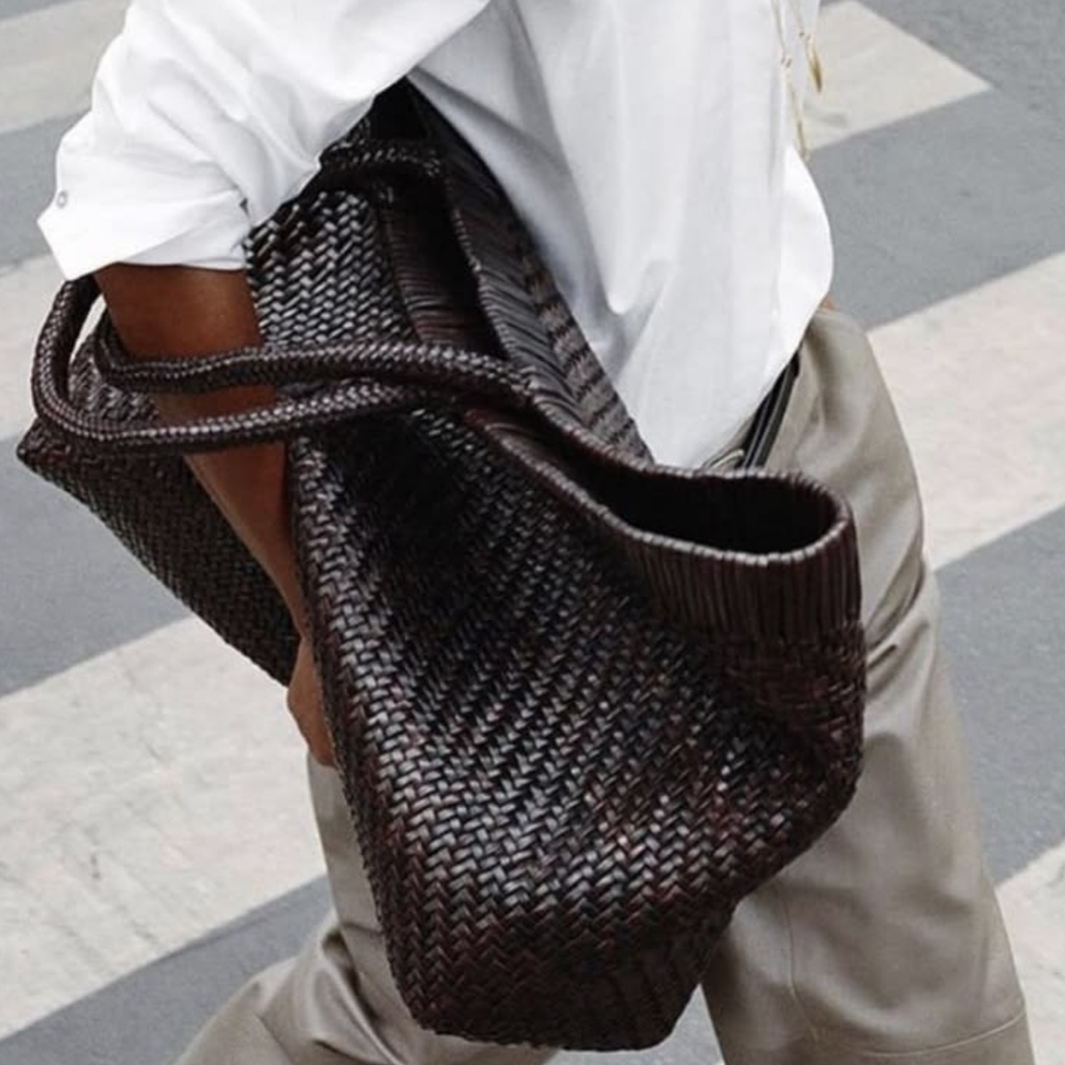
Bags have gone structured to match. Small, firm shoulder shapes and top-handle silhouettes sit correctly against a defined shoulder in a way a slouchy tote never has. Proportion, not trend, is driving this one.

Prada Bonnie Small leather shoulder bag
Prada
$3,250

DeVain zebra-print calf hair shoulder bag
Valentino Garavani
$2,800

Baguette® Soft Small leather top-handle bag
Fendi
$2,700

Niki Medium leather shoulder bag
Saint Laurent
$3,400

Rockstud Spike Small leather crossbody bag
Valentino Garavani
$2,400

Peekaboo® Small leather top-handle bag
Fendi
$6,400

Rendez-vous leather shoulder bag
Miu Miu
$3,600

Rodeo Medium canvas shoulder bag
Balenciaga
$4,500

Scarf Medium leather shoulder bag
Loewe
$2,990

Loulou Medium leather camera bag
Saint Laurent
$1,950

Mombasa Medium leather shoulder bag
Saint Laurent
$4,300

Delta Medium leather top-handle bag
Alaïa
$3,900

Agnes 15 leather tote bag
The Row
$5,000

Le City Small suede shoulder bag
Balenciaga
$2,100

Andiamo Small leather top-handle bag
Bottega Veneta
$4,900

Paddington Small leather shoulder bag
Chloé
$3,250

Paddington Small suede shoulder bag
Chloé
$2,450

Chloé Plissé shearling shoulder bag
Chloé
$4,000

Spirit leather shoulder bag
Miu Miu
$2,200

Campana Intrecciato Mini leather top-handle bag
Bottega Veneta
$3,800

DeVain Small metallic leather shoulder bag
Valentino Garavani
$2,300

Madison Intrecciato leather shoulder bag
Bottega Veneta
$4,100

Campana Mini leather top-handle bag
Bottega Veneta
$3,800

Cassandre leather shoulder bag
Saint Laurent
$1,950
More Bags
A few more, running larger. Shopping totes and medium shoulder bags are the practical half of the category and they have quietly gone back to a rigid base. The soft, collapsing bag has had its decade.

Jetset GG Marmont Medium leather shoulder bag
Gucci
$3,100

VLogo Signature Large leather tote bag
Valentino Garavani
$3,750

Utilitaire suede shoulder bag
Miu Miu
$3,950

Andiamo Small suede top-handle bag
Bottega Veneta
$4,900

Lauren 1980 Small leather clutch
Bottega Veneta
$4,400

Prada Bonnie Small leather shoulder bag
Prada
$3,250

Jetset GG Marmont Small shoulder bag
Gucci
$1,750

Prada Aimée Large leather shoulder bag
Prada
$3,250

Donna leather clutch
Khaite
$2,680

DeVain Small floral jacquard shoulder bag
Valentino Garavani
$2,100

Le Teckel leather shoulder bag
Alaïa
$3,050

T-Lock Small leather shoulder bag
Toteme
$1,290
Trousers
Trousers are the counterweight. Wide check wool and silk taffeta give the volume that a cropped top layer needs, and the whole proportion falls apart without it. This is the least visible and most important grid in the edit.

Prince of Wales check wool Bermuda shorts
Bottega Veneta
$1,300

Gala silk taffeta wide-leg pants
The Row
$1,650

Lace-trimmed silk and cotton-blend shorts
Dolce&Gabbana
$775

Carretto flared pants
Dolce&Gabbana
$1,395

Prince of Wales check wool wide-leg pants
Bottega Veneta
$1,800

Cropped leggings
Dolce&Gabbana
$545

Cotton-blend wide-leg pants
JW Anderson
$835

Sera capri pants
Jacquemus
$690

Cotton and silk gabardine barrel-leg pants
Loewe
$1,800

Wool and mohair capri pants
Róhe
$620

Wrenda cashmere barrel-leg pants
Lisa Yang
$1,040

Wool-blend bouclé shorts
Versace
$1,395

Alera silk twill wide-leg pants
Loulou de Saison
$440

Capri pants
Magda Butrym
$1,075

Semi-sheer capri pants
Magda Butrym
$740

Technical flared pants
Miu Miu
$2,000

Alina wide-leg pants
Victoria Beckham
$790

Sbiru Lds pleated virgin wool pants
Loulou de Saison
$330

Paneled wool wide-leg pants
Loewe
$1,800

Daniela pleated wool wide-leg pants
The Row
$1,650
Accessories
Accessories are where a plan like this gets finished. A belt, a rectangular sunglass frame or a scarf pulls a layered outfit into focus and stops it reading as three separate ideas. Small pieces, disproportionate effect.

Judy rectangular sunglasses
Chloé
$445

GG Marmont leather belt
Gucci
$540

x Oliver Peoples 1974C flat-top sunglasses
Khaite
$590

Scudo shield sunglasses
Bottega Veneta
$775

Geo suede belt
The Row
$600

Anagram wool and cashmere scarf
Loewe
$650

Cassandre leather belt
Saint Laurent
$630

SL 596 aviator sunglasses
Saint Laurent
$520

Fringed mohair and wool-blend scarf
Miu Miu
$725

GG shield sunglasses
Gucci
$620

SL 868 oval sunglasses
Saint Laurent
$390

Celine 3 Dots oval sunglasses
Celine Eyewear
$440

SL 902 Howl oversized sunglasses
Saint Laurent
$595

Prada Shadowplay oversized sunglasses
Prada
$580

Debi calf hair miniskirt
Loulou de Saison
$980

Dizzy aviator sunglasses
Bottega Veneta
$600
Jewelry
Jewelry stays warm and heavy. Beaded gold and substantial chains sit correctly against the wool and leather above and read as part of the outfit rather than as decoration on top of it. Fine, delicate pieces disappear entirely in this kind of layering.

Chakra 18kt gold beaded bracelet with gemstones
Ananya
$10,230

Hot Air Balloon 14kt gold hoop earrings with aquamarine and diamonds
Sydney Evan
$9,110

Moderniste 18kt gold ring with diamonds
Messika
$5,390

Solarium sterling silver and 18kt gold ring
Spinelli Kilcollin
$690

Moderniste 18kt gold single hoop earring with diamonds
Messika
$4,280

Isla Bombé 18kt gold ring
Pamela Zamore
$8,700

14kt gold ring with sapphires and diamonds
Sydney Evan
$3,855

Diamond Twist 18kt white gold earrings with diamonds
Bucherer Fine Jewellery
$8,500

Possession Decor Palace 18kt rose gold ring with diamonds
Piaget
$8,950

Love Smash 18kt gold and leather pendant necklace with diamond
Marie Lichtenberg
$7,040

Noa Taper 18kt gold earrings
Pamela Zamore
$6,500

Bloom 18kt gold earrings with pearls and diamonds
Bucherer Fine Jewellery
$3,900

Zoe Thin 18kt gold choker
Anita Ko
$14,400

Cancer sterling silver and 18kt gold ring with diamonds
Spinelli Kilcollin
$7,900

Petite Pavé 18kt gold ring with diamonds
David Yurman
$6,950

Nudo Classic 18kt white and rose gold ring with gemstones
Pomellato
$6,600
Denim
Denim is the release valve. Faded wide legs keep the whole enterprise from tipping into full formality, which is what makes it wearable outside of a specific kind of evening. It is the most-used garment in any wardrobe built this way.

Faded wide-leg jeans
Saint Laurent
$1,320

Monili wide-leg jeans
Brunello Cucinelli
$1,900

High-rise barrel-leg jeans
Alaïa
$1,500

Riaco mid-rise straight jeans
The Row
$920

Bonnie wide-leg jeans
Khaite
$640

Monili barrel-leg jeans
Brunello Cucinelli
$1,950

Straight jeans
Alaïa
$1,280

Horsebit flared jeans
Gucci
$1,300

Coated straight jeans
Gucci
$2,100

Mid-rise straight jeans
Prada
$1,200

Faded barrel-leg jeans
Alaïa
$1,400

Barrel-leg jeans
Alaïa
$1,250
Skirts
Skirts are the alternative base and they behave differently. Satin and printed silk at midi length give movement under a stiff top layer, which changes the mood from tailored to something looser. Same logic, softer result.

Lace-trimmed satin midi skirt
The Attico
$950

Printed silk wrap skirt
Dries Van Noten
$845

Elowette lace-trimmed silk satin slip skirt
Dôen
$410

Cotton-blend poplin pencil skirt
Miu Miu
$1,790

Fringed wool and cashmere midi skirt
Róhe
$905

Paneled denim maxi skirt
Maison Margiela
$1,390

Lace midi skirt
Dolce&Gabbana
$1,745

Layered pleated wool midi skirt
Prada
$2,700

Cotton wrap skirt
Bottega Veneta
$1,800

GG canvas cotton-blend pencil skirt
Gucci
$1,300

Cotton-blend poplin pencil skirt
Miu Miu
$1,790

Laren snake-print silk satin midi skirt
Isabel Marant
$990
Dresses
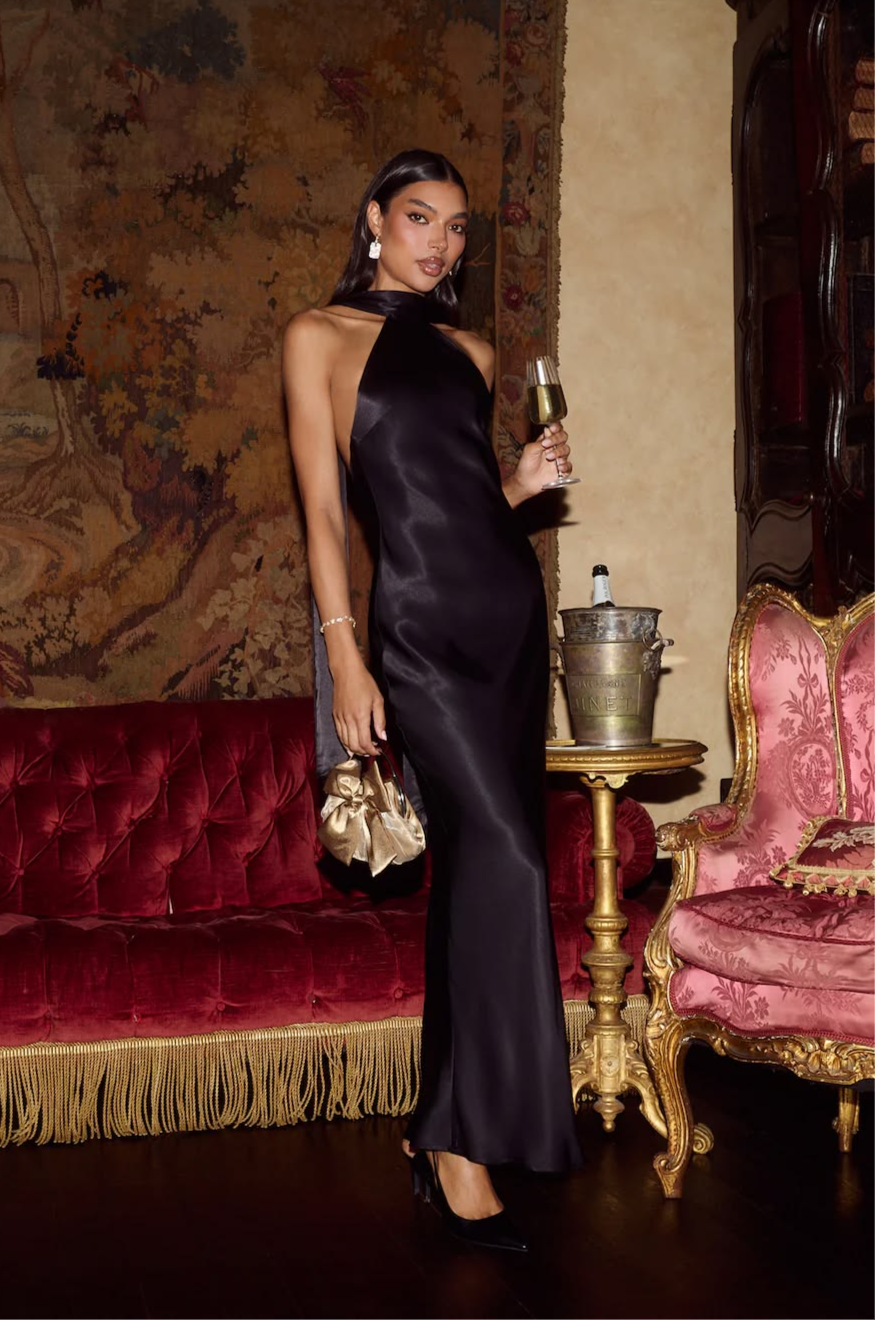
Dresses appear last because in an outside-in wardrobe they are the least useful thing. The ones that work are slip cuts and lace-trimmed silk that function as a base layer rather than as a finished outfit. Treated that way they earn their place.

Lace-trimmed silk jacquard midi dress
Chloé
$3,290

Cami silk satin slip dress
Nili Lotan
$650

Charmeuse silk and cotton-blend slip dress
Dolce&Gabbana
$4,195

Broderie anglaise poplin midi dress
Miu Miu
$4,300

Horsebit crêpe jersey midi dress
Gucci
$1,150

Aura silk satin midi dress
Joseph
$1,105

Beatrice embellished wool and silk midi dress
Leo Lin
$1,395

Belted linen and silk midi dress
Max Mara
$1,590
Also in the edit
The remainder is where the odd proportions live: miniskirts, suede totes and pieces that only make sense next to something else. Any wardrobe planned from the outside in generates a category like this. It is usually the most interesting part of the closet.

Cotton gabardine miniskirt
Miu Miu
$1,690

Hammock Flip Medium suede tote bag
Loewe
$3,950

Monili wide-leg jeans
Brunello Cucinelli
$1,950

Clara flared jeans
Khaite
$640

Tweed miniskirt
Valentino
$1,900

Neo '90s wide-leg jeans
Saint Laurent
$1,260

Slim flat-top sunglasses
Loewe
$440

18kt rose gold huggie earrings with diamonds
Shay Jewelry
$12,880

Ingo cashmere scarf
The Row
$1,150

Lace-trimmed silk georgette blouse
Chloé
$2,150

Jett leather miniskirt
Khaite
$1,900

Knitted lamé miniskirt
Missoni
$1,630

Paddington Small leather shoulder bag
Chloé
$2,450

Gaby Large suede vanity bag
Saint Laurent
$2,950

Joma pleated silk midi dress
The Row
$1,990

Baguette® cat-eye sunglasses
Fendi
$470
Our honest take
Building an outfit from the top layer down is a genuinely better method and almost nobody shops that way, because retail is organised by category and not by how people get dressed. The catch is that it only works if the base layers are plain enough to disappear, which means the boring purchases matter more than the exciting ones. Buy the wide trouser before the shearling. If you want to keep browsing, I also put together The White Tank Top Is the Layer Everything Else Is Judged Against.