Frye boots sizing starts with your usual chart size, but width, calf circumference and shaft height deserve separate checks.

Frye Boots Sizing: How to Check Length, Width and Calf Fit
Frye boots sizing starts with the chart
Frye boots sizing starts with the brand's chart and my usual size; if I fall between sizes, I try the larger one first. The chart covers US 5 to 12 with half sizes and UK and European conversions, but length is only one piece. Frye recommends wide-width styles when available, or a half size up if a style comes only in regular width. I take that as a starting point, not a promise: Frye also recommends an afternoon try-on with the socks I plan to wear, toes able to move, the ball of my foot at the sole's widest point, and a little heel slip that should ease. John A. Frye opened a shop in Marlboro in 1863; the first Frye boot was made in 1888, a detail I like but not one that helps a narrow calf.
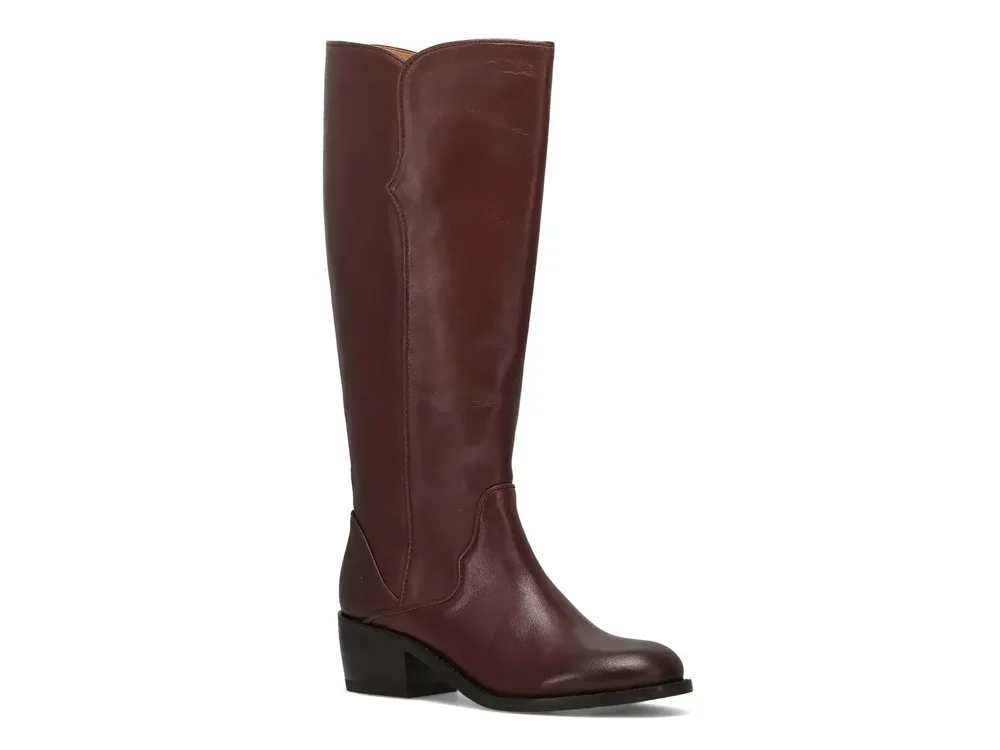
For Carson Boot, I measure where its shaft ends against my calf; with Kate Pull-On, I test the opening over the jeans or socks I actually plan to wear. Andrea Boot gets its own calf check rather than being assumed to match Carson. Phoebe Pull On has a listed 14.5-inch shaft and 14-inch calf circumference, which gives me something concrete to compare. I enjoy the backstory in Frye boots for women, then return to the fit chart.
Western shafts need a calf check
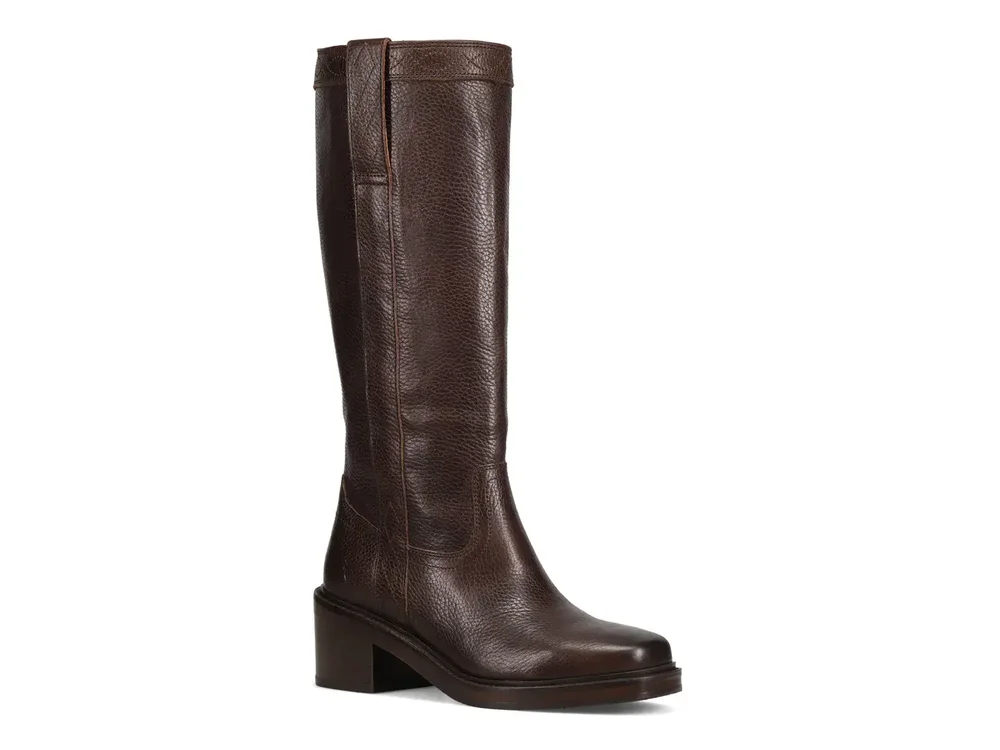
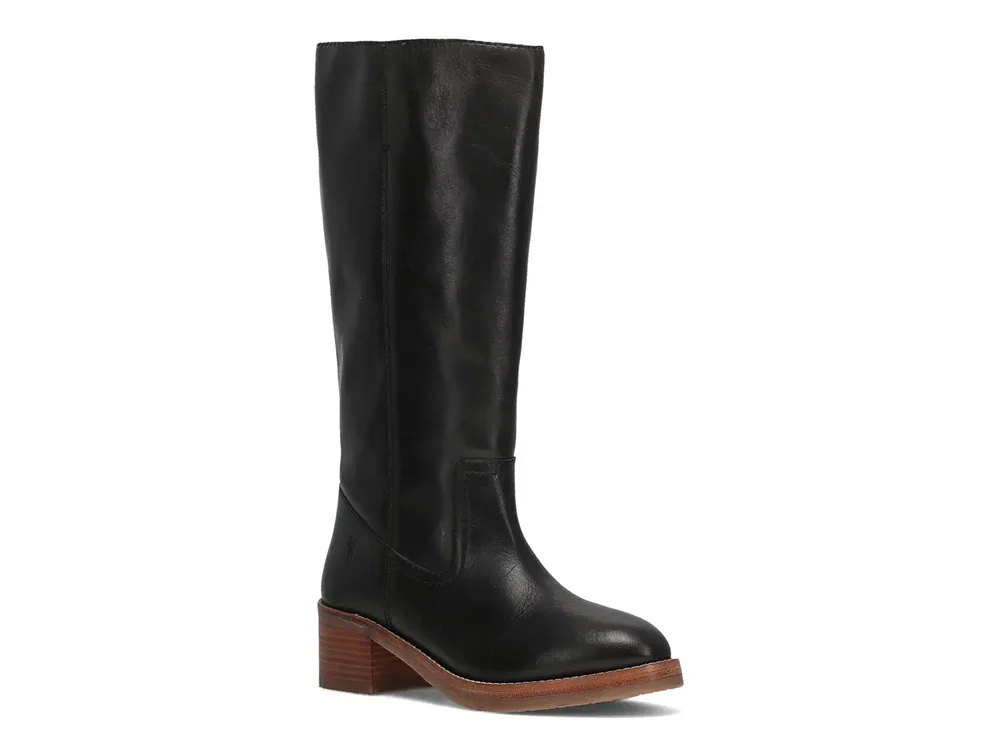
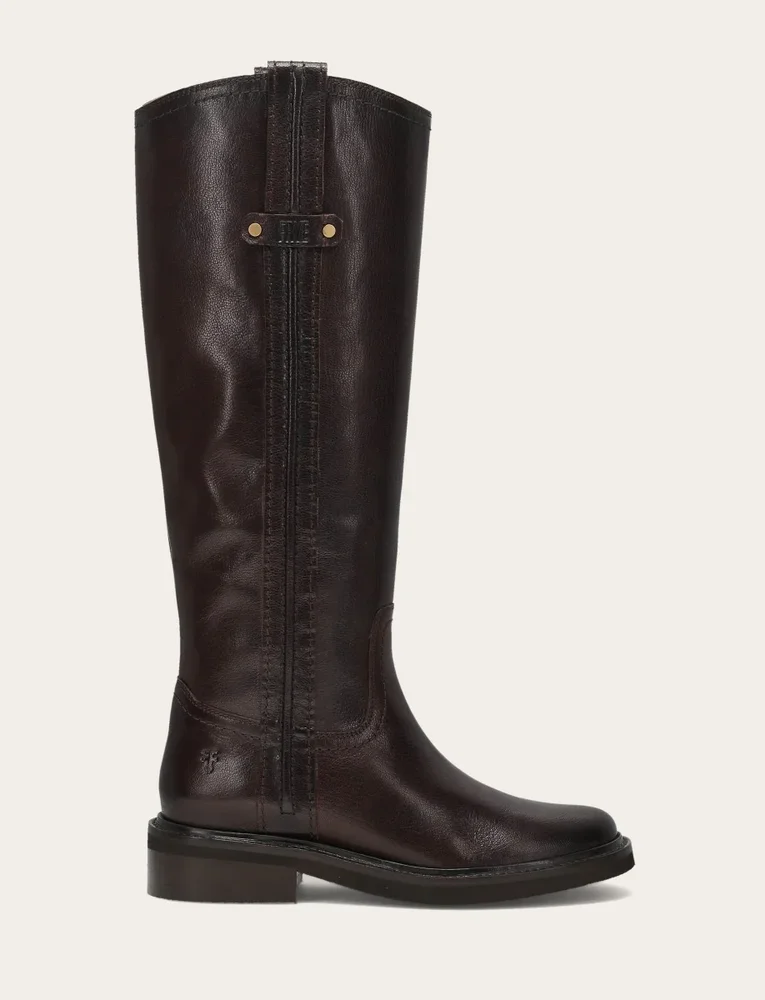
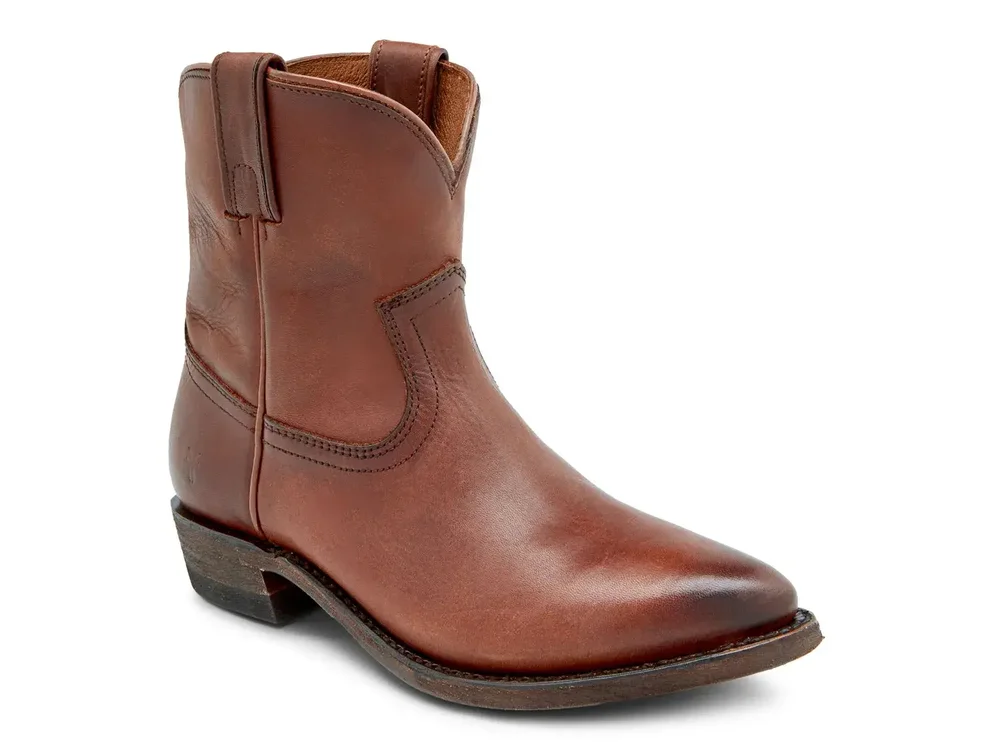
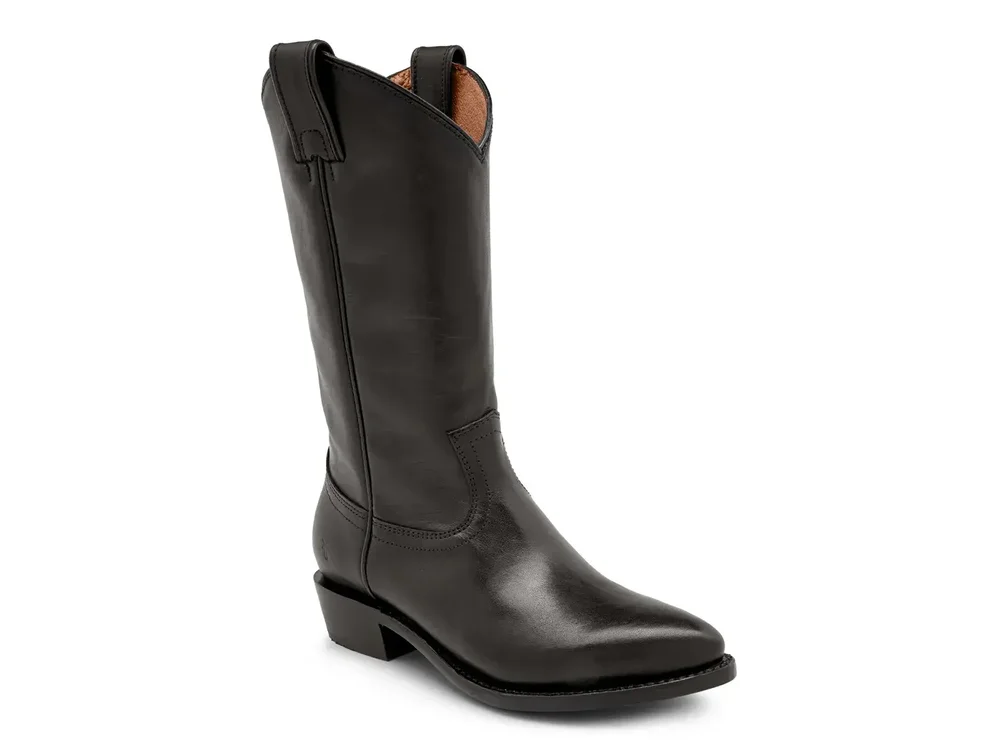
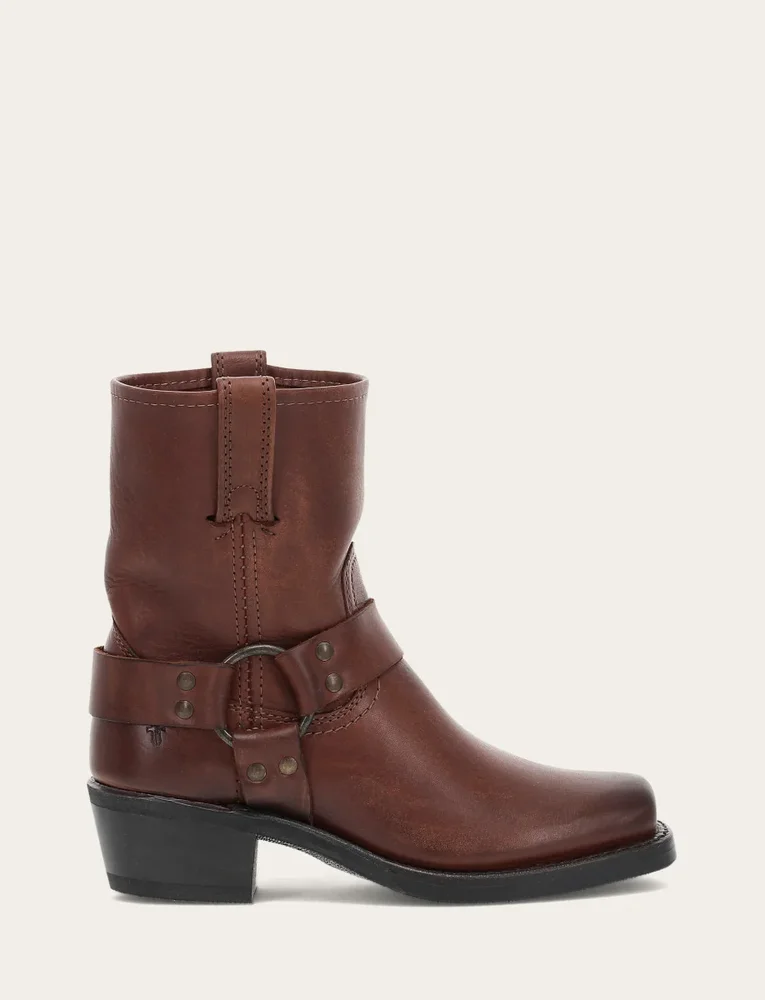
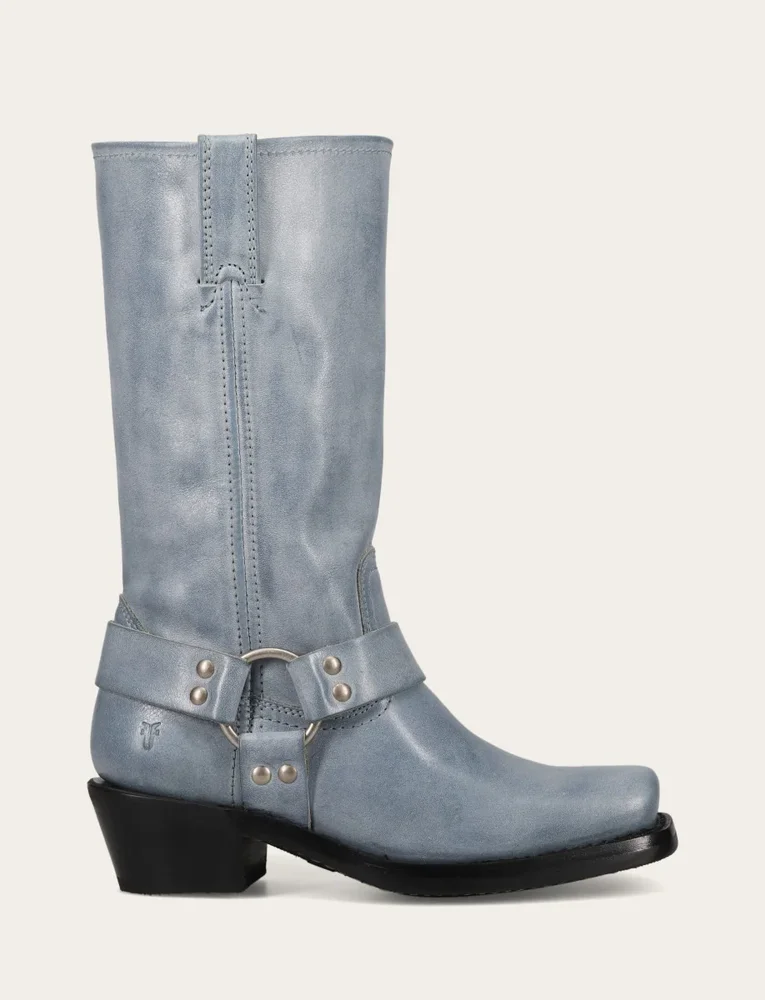
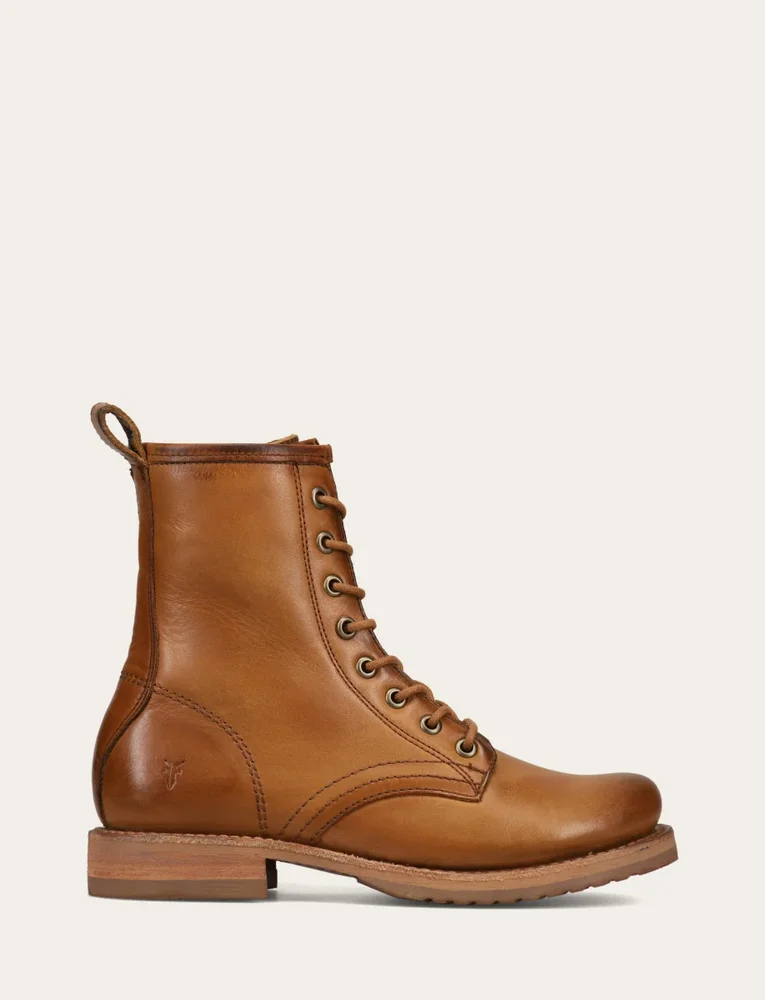
Frye boots sizing gets more specific with Western and Harness styles, where I separate foot length, instep and shaft height. Billy Short Cowboy Bootie has the shorter shaft; Billy Pull-On Cowboy Boot has a pull-on construction, so I check how the foot moves through the instep as well as how the heel sits. Harness 8R Cognac has an 8-inch shaft and 14-inch calf circumference; Harness 12R Womens raises the shaft to 12 inches while keeping the listed calf measurement at 14 inches. A taller boot does not automatically give me more room at the leg.
My practical test is to measure my calf where the top will sit, wearing the socks or jeans I plan to pair with the boot, then compare that number with the product's circumference. I would not choose a longer foot size just to solve a tight leg opening. I keep the height and circumference separate in my notes, which is less romantic than trying boots on and hoping, but much more useful.
Short Frye boots still need a real try-on
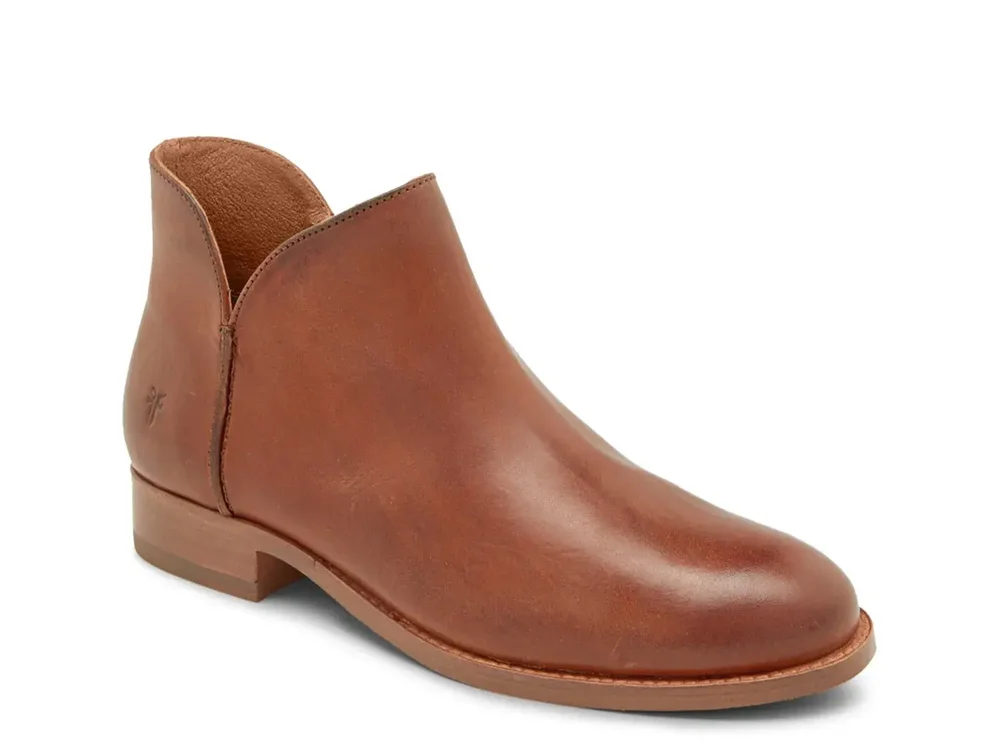
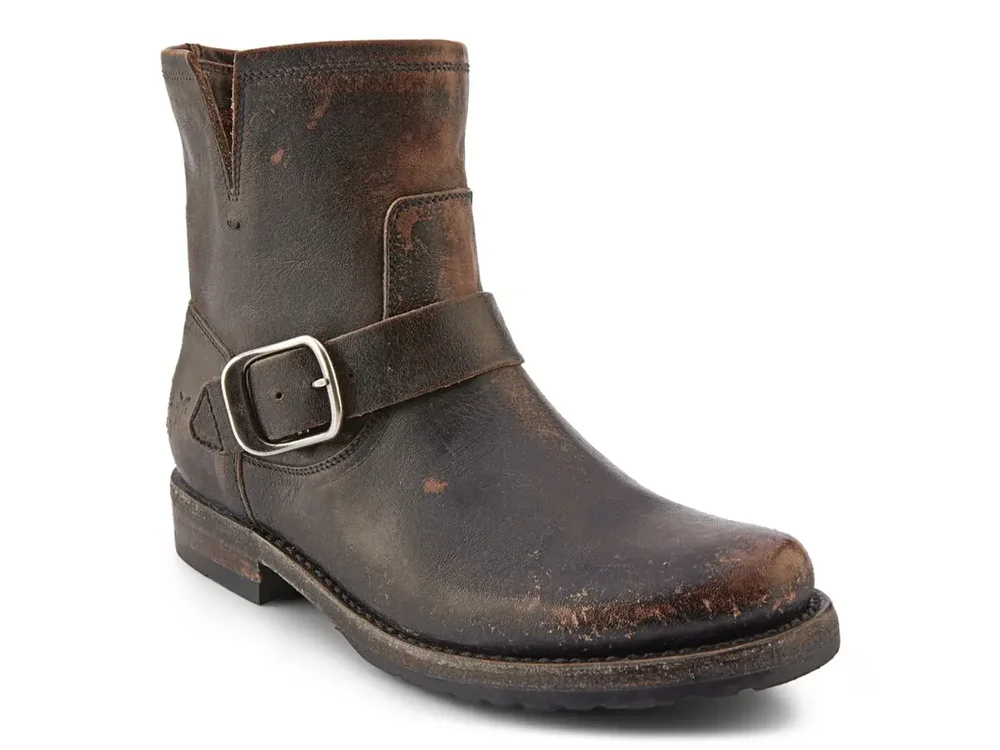
Frye boots sizing still deserves an actual walk-through when the style is short. Melissa Bootie gets my toe-room check with the socks I wear most; on Veronica Buckle Bootie, I bend my ankle and see where the buckle lands; Veronica Flex Combat gets a longer walk so I can notice forefoot pressure. Those are different checks, not one generic boot test.
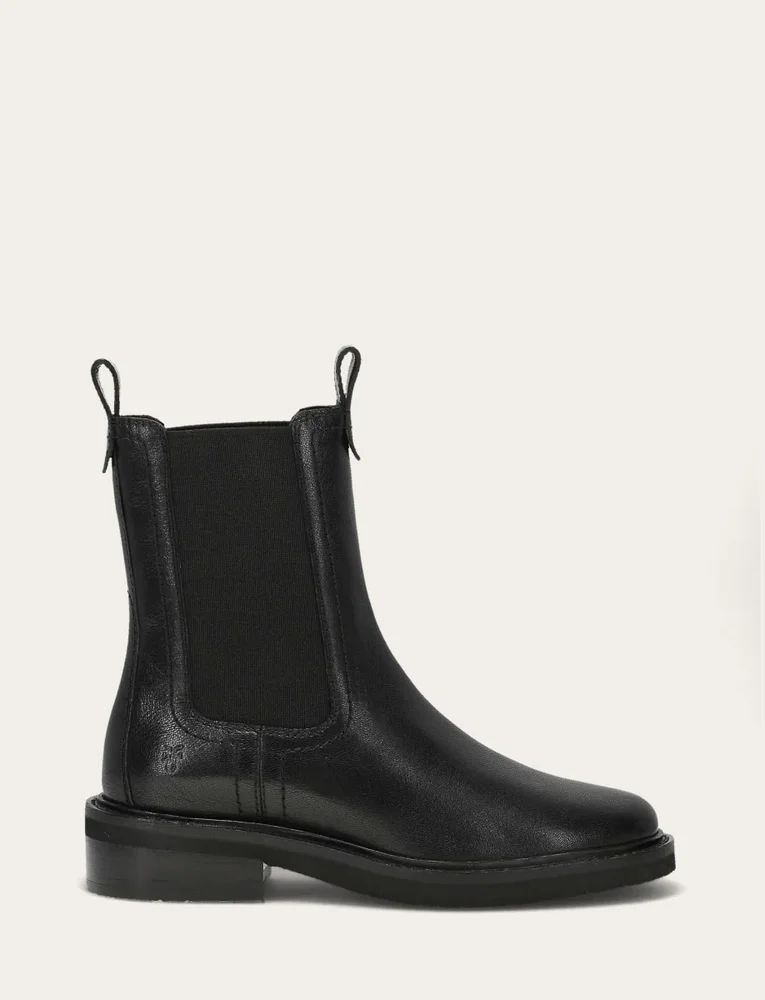
Phoebe Chelsea has a listed 7-inch shaft and 9.5-inch calf circumference. Its fit survey has one response that calls it narrower than marked, so I treat that as a clue rather than a verdict for every foot. I would check the chart, compare the opening with my own calf, and walk indoors before deciding. What I would skip is ordering a larger size automatically because one comment mentions narrowness; that can add length without fixing width.
Frye boots sizing questions I get
Which Frye boot would I start with?
Phoebe Chelsea, if I can compare its 7-inch shaft and 9.5-inch calf circumference with my own. Its fit survey is a single response, so I would still try it with my usual socks.
Should I size up between sizes?
The brand recommends choosing the larger size when between sizes. I use that as a first try, then check width and the exact style note; this designer shoe sizing guide is useful for separating length from other fit questions.
How do I check calf fit?
Measure where the shaft will sit while wearing the socks or jeans you plan to wear, then compare your measurement with the listed circumference for that size. Shaft height and calf circumference are separate numbers.
Are Frye boots true to size?
I would not make one rule cover every model. Start with the chart, try boots in the afternoon with your intended socks, and check toe movement, width, instep and calf fit before settling on a size.






