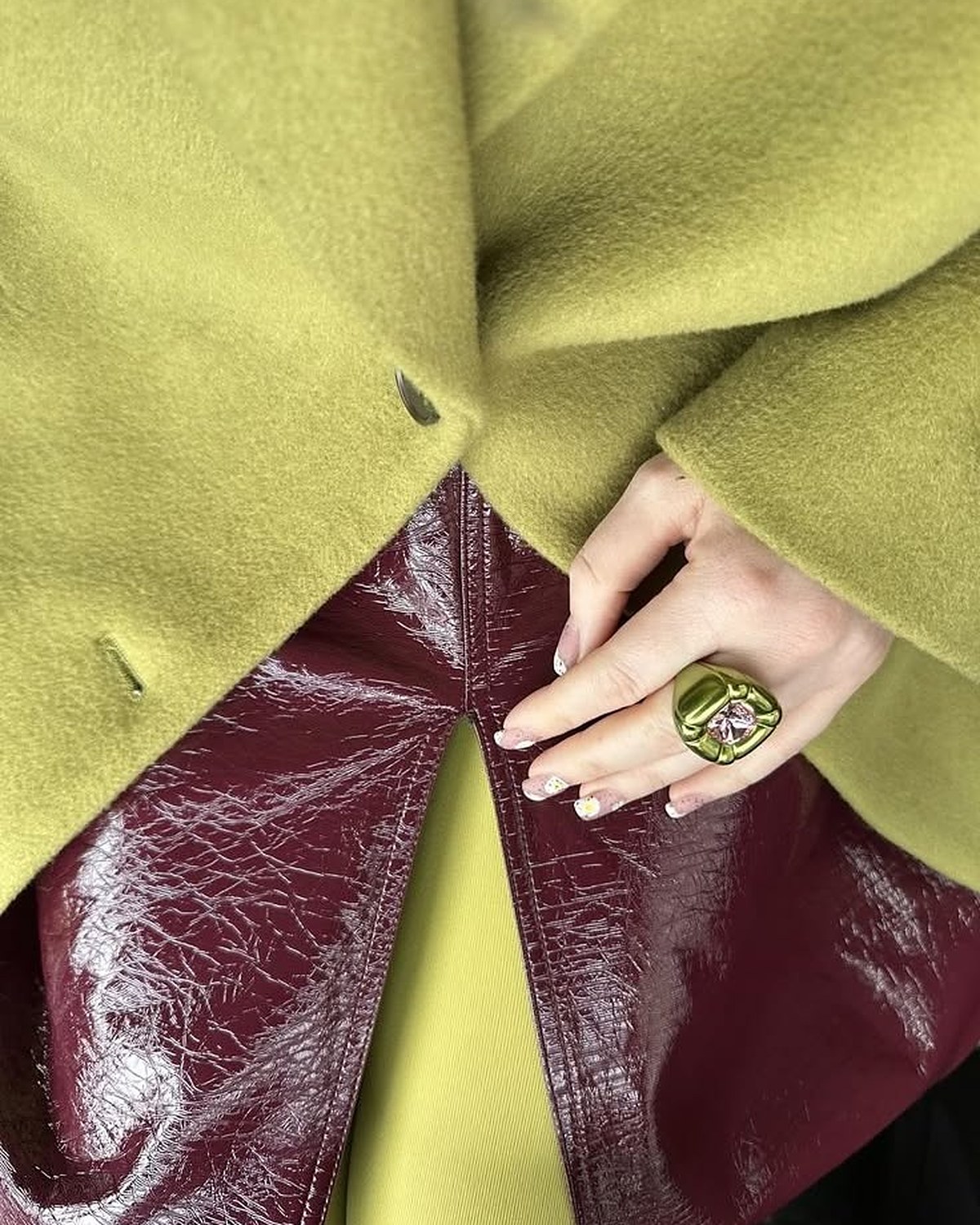
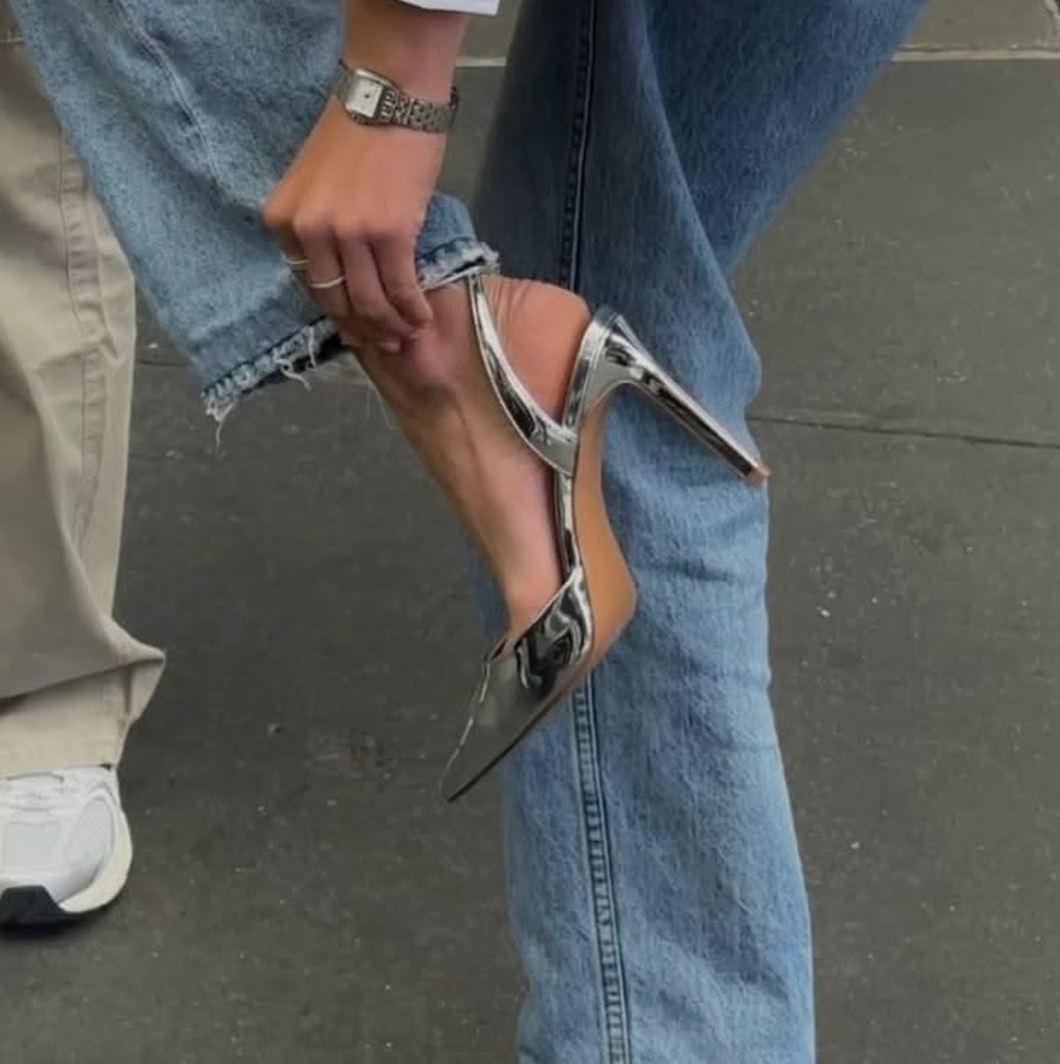
A garden party dress can take cues from the tea gown's ease while staying ready for a long afternoon outdoors. I would begin with the hem and neckline, then let the shoes and bag follow.
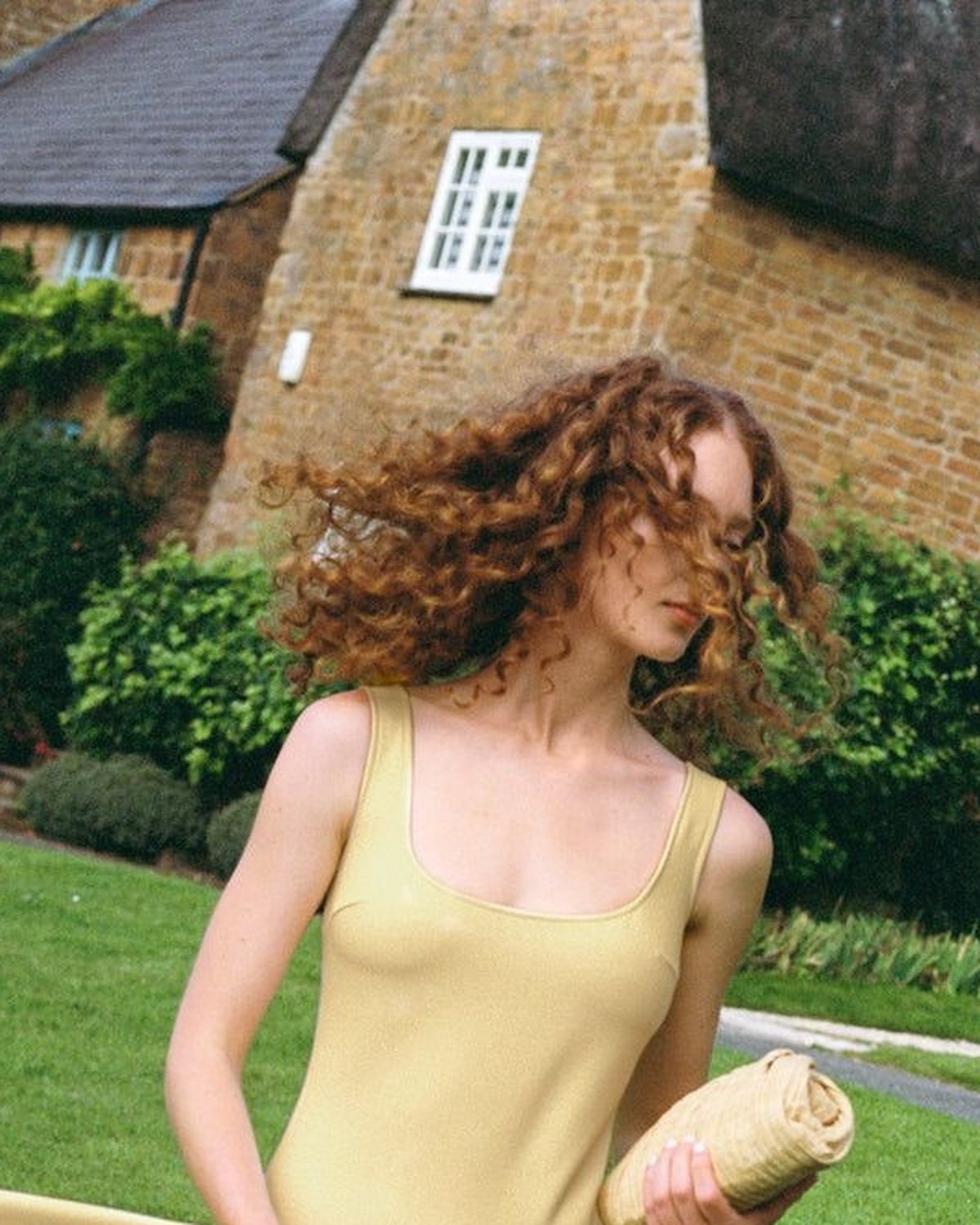
Garden Party Dress: Queen Victoria's 'Breakfasts' and the Floral Midi
The afternoon dress code
At Buckingham Palace, Garden Parties have been held since the 1860s, when Queen Victoria instituted what were known as 'breakfasts'. The gatherings later evolved into a way to recognize public service. I like that origin for a garden party dress: formal enough to mark the day, but built for a few hours outside rather than a staircase entrance.
The tea gown's story begins at home. In the 1870s, gowns for a woman to take tea with family and friends were designed to be easy and comfortable. By the 1890s, they could be more elaborate and fitted, and some appeared at public occasions such as dinner parties. I am not treating that history as a dress code. It simply gives a floral midi room to be soft and considered at once.
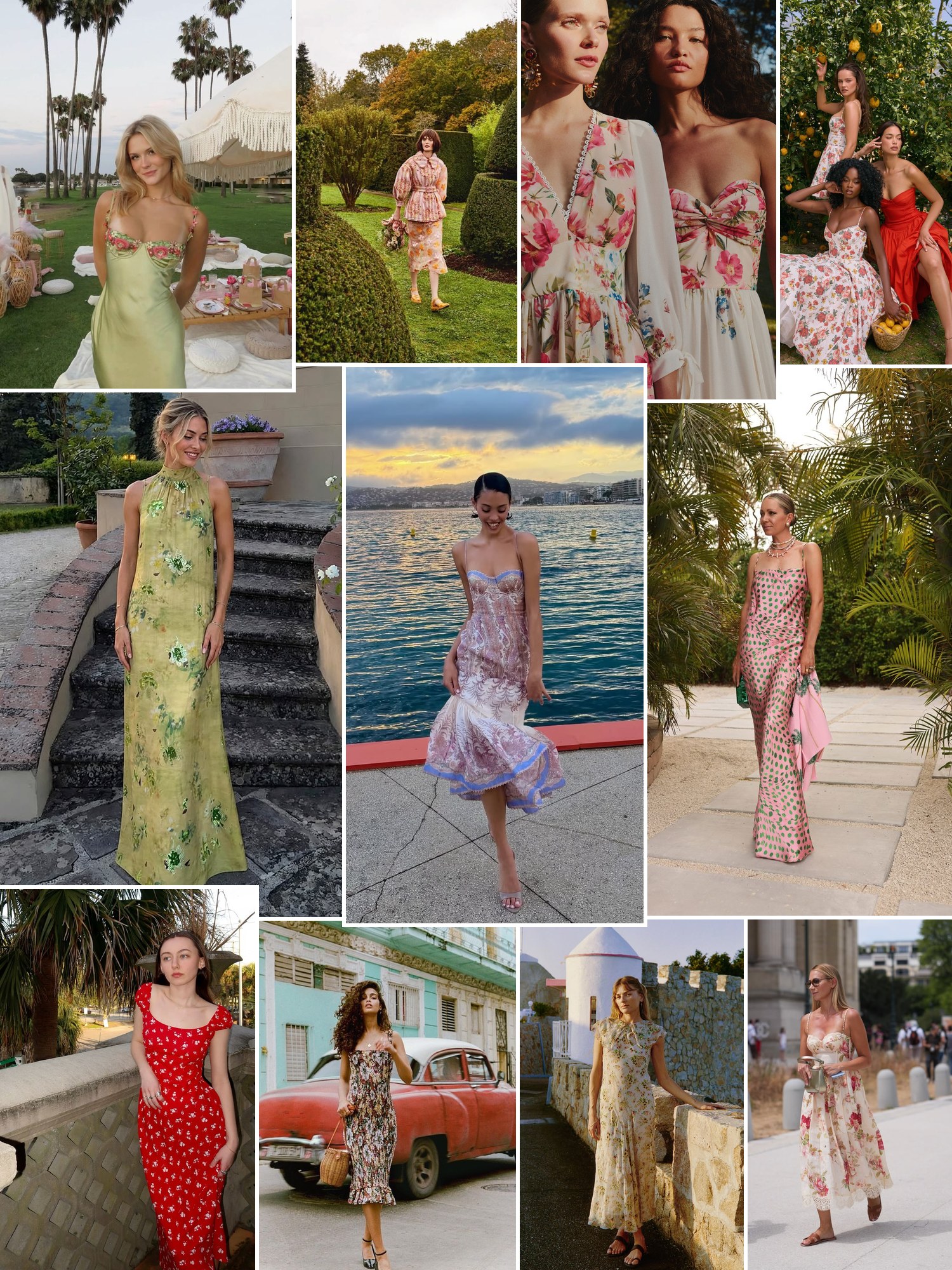
For a first pass, I would look at En Saison's Kacey, with its smocked back and breezy skirt, and Moon River's Pleated Bust, where placed blue flowers meet a pleated bodice. The AQUA Ladder Stitch is cotton with a flounced hem, while Cara Cara's Hutton adds a point collar, front buttons, and a tie waist.
The Paloma's halter column and the Madi Crepe's burgundy abstract print show that floral does not have to mean tiny or sweet. Before I decide, I would check the bodice and hem against the shoes I expect to wear, then sit and stand in the silhouette. That small test tells me more than a mirror lap.
Floral midi dresses

Floral Midi Dress
Blu Pepper
$89

Kacey Floral Fit & Flare Midi Dress
En Saison
$86.4

Pleated Bust Floral Midi Dress
Moon River
$54

Ladder Stitch Floral Midi Dress
AQUA
$44.4

Hutton Floral Midi Dress
Cara Cara
$223.13

Cartia Printed Midi Dress
Bardot
$106

Paloma Ivory Multi Floral Halter Midi Dress
Lulus
$56.25

Madi Crepe Floral Midi Dress
Ghost London
$134.5
Eyelet dresses with some structure
By the 1890s, tea gowns could be more elaborate and fitted, with some worn for public dinners. I like that precedent for eyelet, which can feel composed rather than purely at-home when the cut is clear.
The Becca in cocoa daisy has flutter sleeves and embroidered panels, while the white Embroidered Eyelet Midi keeps its openwork in tiered panels beneath a square neck. The organic cotton smocked midi makes the bodice the focal point; the navy Eyelet Lace Midi uses a higher neckline and openwork through the skirt. The chocolate drop-waist version has a fitted smocked bodice, so the waistline feels deliberately lower rather than accidental.
I would wear one with a simple flat and a small bag, letting the embroidery carry the detail. Check the seam placement at the bodice and whether the lining ends where you want it to. What I would skip: an eyelet look with every trim turned on if the invitation is quite formal or the afternoon includes a crowded terrace. One clean openwork detail is enough to make the dress read as a choice.

Becca Eyelet Cotton Midi-Dress
Rails
$134

Embroidered Eyelet Midi Dress
Zara
$89.9

100% Organic Cotton Eyelet Smocked Midi Dress
Quince
$79.9

Eyelet Lace Midi Dress
English Factory
$185

100% Cotton Smocked Eyelet Drop-Waist Midi Dress
Abercrombie & Fitch
$96

Cotton Eyelet Midi Dress
Desigual
$131.4

Aubrie Ruffled Eyelet Midi Dress
Rails
$149

Ruffle Sleeve Eyelet Midi Dress
Universal Thread
$31.5
Gingham and pastel midi dresses
Pattern can keep its manners while still having a point of view. The V&A credits Rachelle Ospovat as designer of a 1917 tea gown in green brocaded georgette with gilt-thread leaves and flowers. I would not copy that palette, but I like the reminder that daytime pattern can be considered without becoming fussy.
The green-blue Gingham Midi has tie-adjustable straps and a gathered skirt, while the baby-blue Georgia adds front bows to a soft drop waist. The Swoon in navy and white has a tiered smocked bodice and pockets; the pale custard cotton poplin brings the quietest color in this group. Aila's navy-and-dove check has an Empire waist and front patch pockets, so it gives gingham a neater outline.
I would keep the accessories plain with the bigger checks and let one small detail, like the Georgia's bows, do the talking. Before choosing, I would check strap adjustment and sit down in the skirt to see where its volume lands. The yellow poplin is the one I would consider if the invitation asks for color but I do not want a print to lead the conversation.

Gingham Midi Dress
English Factory
$170

Gingham Check Midi Dress
English Factory
$150

Georgia Gingham Midi Dress
For Love & Lemons
$246

100% Organic Cotton Poplin Smocked Midi Dress
Quince
$69.9

The Swoon Gingham Cotton Sleeveless Midi-Dress
Favorite Daughter
$124

Aila Gingham Check Midi Dress
Veronica Beard
$400.66

Petal Gingham Midi Dress
For Love & Lemons
$253

Marlana Light Yellow Sleeveless Ruffled Midi Dress
Lulus
$51.75
Tea-length and full-length dresses
Hem length is the first practical decision for a lawn invitation. A 1917 tea gown in the V&A is described as more likely to be worn at home for afternoon tea or a pause between the day's demands and dressing for evening, which is a useful distinction from a modern outdoor party.
Alina is a 51-inch floral jacquard with short sleeves and pockets, a polished middle ground between midi and maxi. Palmer's cotton flowers and smocked waist make a relaxed full-length option; Zula has watercolor blooms and an asymmetric ruffle hem. Somerset's brown cotton poplin falls 55 inches from the shoulder and has side pockets, while the Garden Green poplin maxi adds a V-neck, smocked waist, and three tiers.
I would put a clean-lined dress beside one with more movement, then choose shoes before committing to a hem. The black-ground Bloomspell has oversized pink flowers and lace trim, while Andri's light-yellow chiffon has pleated ruffles and a strapless bodice. What I would skip: a hem that sweeps the lawn if the plan includes a long walk or a seated meal. For that afternoon, mid-calf is the easier call.

Alina Metallic Floral Jacquard Off the Shoulder Midi Cocktail Dress
Kay Unger
$428

Palmer Floral Tiered Cotton Maxi Dress
SUGARLIPS
$105

Zula Floral Sleeveless Cotton Maxi Dress
Petal & Pup
$99

BHLDN Garden Floral Maxi Dress
BHLDN
$169.95

Somerset 100% Cotton Poplin Maxi Dress
The Somerset Collection by Anthropologie
$168

100% Organic Cotton Poplin Tiered Maxi Dress
Quince
$70

Bloomspell Maxi Dress
Free People
$198

Andri Light Yellow Floral Pleated Ruffled Maxi Dress
Lulus
$74.25
Flats, sun hats, and woven bags
The dress can make the first impression, but the shoes decide how freely I would move between lawn and terrace. Ruthie is an ivory woven ballet flat with a bow; the Alameda Mary Jane has a woven-leather upper and adjustable strap. Hadyn's single woven slide is the simplest option when I want the shoe to stay visually quiet.
The scalloped straw bucket hat is an easy sun layer, while the Small Ella raffia tote keeps a removable pouch inside its structured shape. The On Purpose straw crossbody has a long strap for hands-free wandering. Calla brings a bright red shoulder-bag shape, and the chocolate Marina cinches with a toggle when I want a darker note.
I would choose one woven texture, not a hat, shoes, and bag all competing at once. Check the Mary Jane strap at the instep, the slide's sole, and whether the crossbody drop works with the dress you chose. What I would skip: carrying a very wide tote if seating is tight or I will be holding a drink. A smaller shape keeps the afternoon less complicated.

Ruthie Woven Ballet Flat
Sam Edelman
$130

Alameda Woven Mary Jane Flat
Vionic
$155

Hadyn Woven Strap Slide Sandal
Steve Madden
$41.98

Scalloped Straw Bucket Hat
Wyeth
$58

Small Ella Raffia Tote
Tory Burch
$425

On Purpose Straw Crossbody Tote Bag
Kate Spade New York
$198

Calla Large Woven Shoulder Bag
By Anthropologie
$128

Marina Woven Cinched Bag
Aota
$48
How I would build the afternoon
I would choose the neckline first, the hem second, and the shoe for the ground underfoot. Then I would add one accessory with a clear job, shade, a place for the essentials, or a little color. If the invitation gives a dress or hat cue, I would follow that before adding my own interpretation.
The old word 'breakfasts' is my reminder that the best outfit leaves room for the afternoon to run long. I would rather notice the garden than keep adjusting my dress. I would stop there, before the accessories start insisting on a theme of their own.
For more outfit ideas: Tea Party Outfit, Bridal Shower Dress, Casual Wedding Guest Dresses, Long Skirt Outfits.