A practical guide to buying vintage designer clothing online, from sizing and condition to what is genuinely worth paying for.
How to Buy Vintage Designer Online
Start with measurements, not size
Vintage sizing has almost no relationship to what you wear now. A 1960s size 12 is roughly a modern size 6, and sizing was renumbered repeatedly through the twentieth century, so the number on the label tells you when the garment was made rather than whether it will fit.
The only numbers that matter are the flat measurements: bust, waist, hip, shoulder to shoulder, and length. Good sellers list all of them, taken flat and doubled. Take the same measurements of a garment you already own and love, and compare those, not your body. Two centimetres of ease at the waist is the difference between wearable and not.
Check the shoulder seam first, because it is the one thing that cannot be altered cheaply. A waist can be let out or taken in, a hem can move, a shoulder cannot. On a jacket, if the shoulder is wrong, the piece is wrong.
Then ask about the fabric's give. Bias-cut silk and knits accommodate a little; woven cotton and structured evening pieces accommodate nothing.
Dated to the 1960s and 1970s
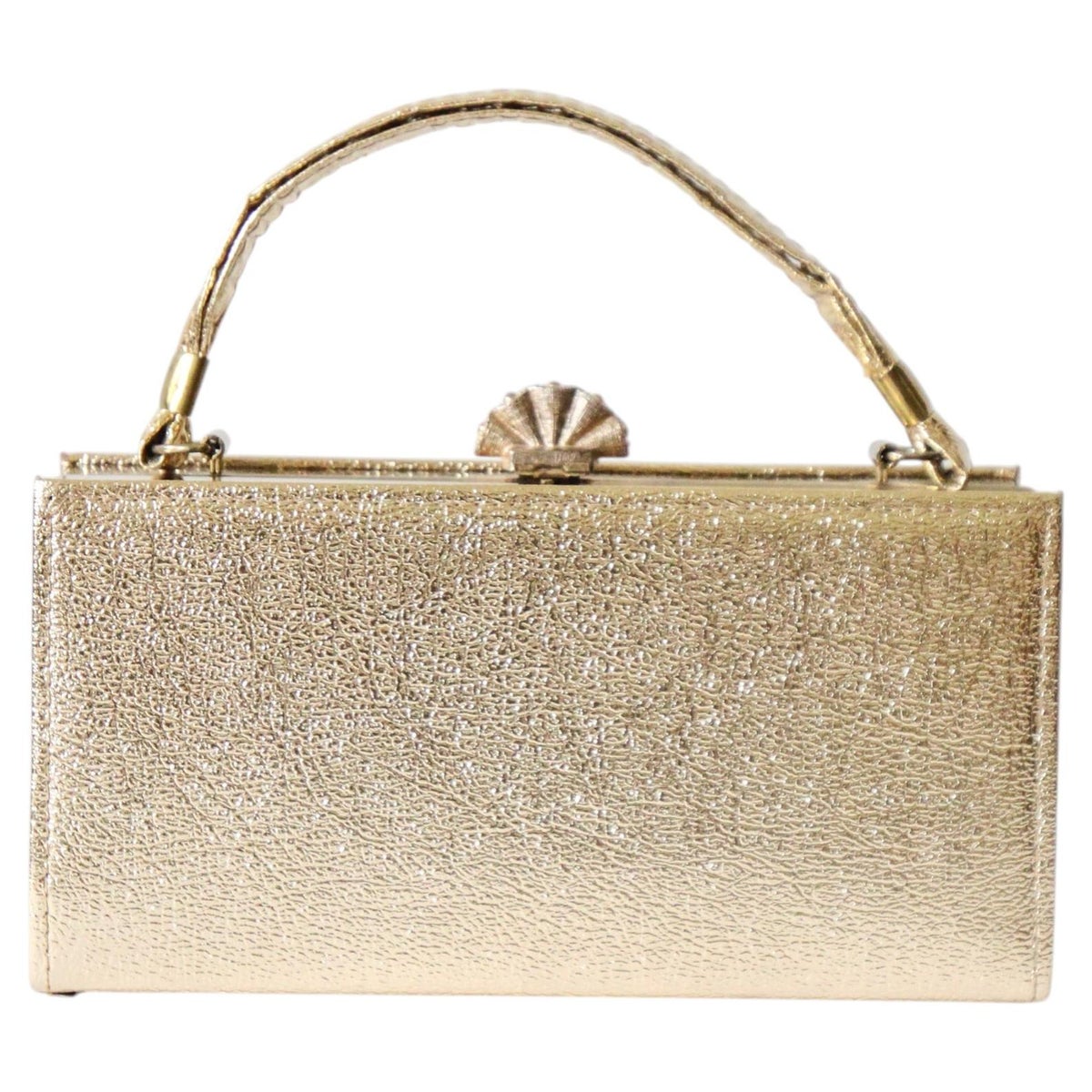
Vintage 1960's Gold Vinyl Box Bag Seashell Clasp Purse
1stDibs
$249
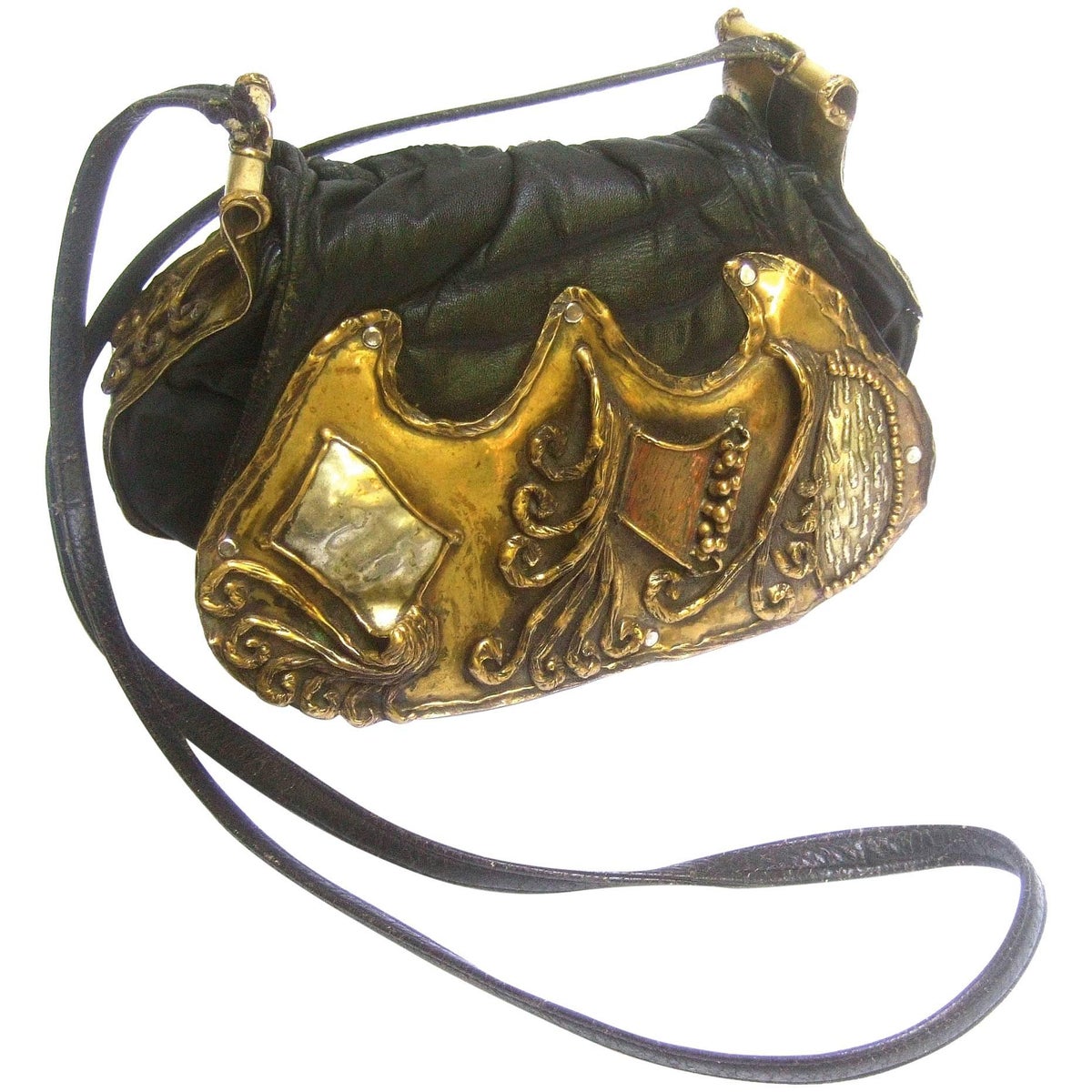
Avant Garde Brutalist Mixed Metal Artisan Handbag ca 1970s
1stDibs
$295
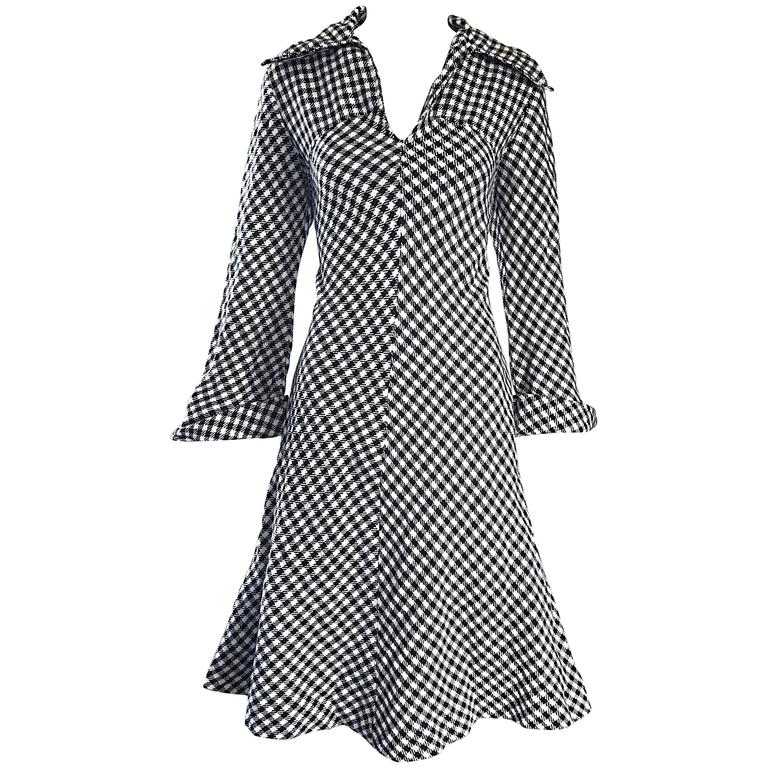
Chic 1960s Black and White Gingham Long Sleeve A - Line Vintage 60s Wool Dress
1stDibs
$395
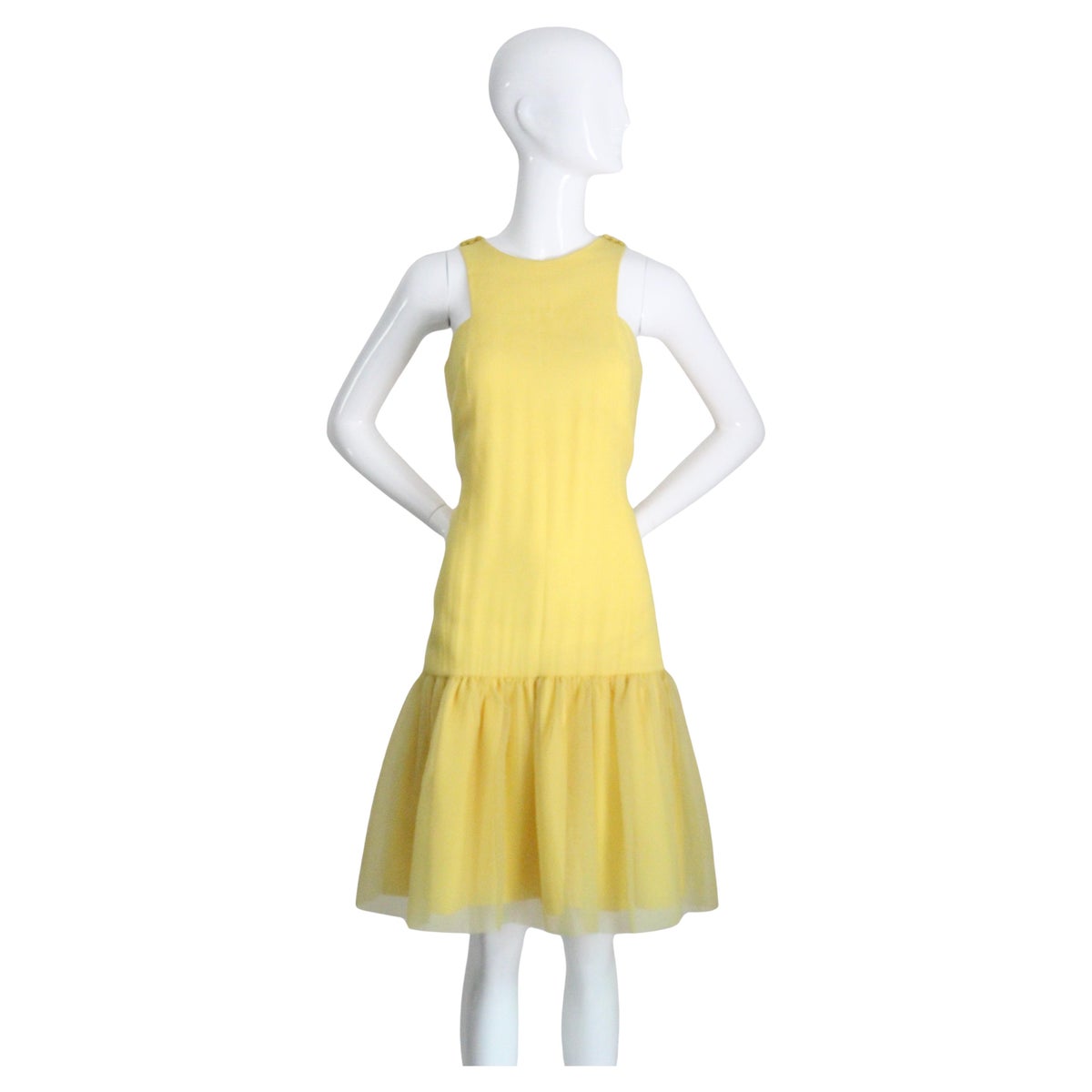
Vintage 1960s Yellow Drop Waist Dress Eloise Curtis Yellow Chiffon UK 8 US 4
Eloise Curtis for Happenstance
$490.11
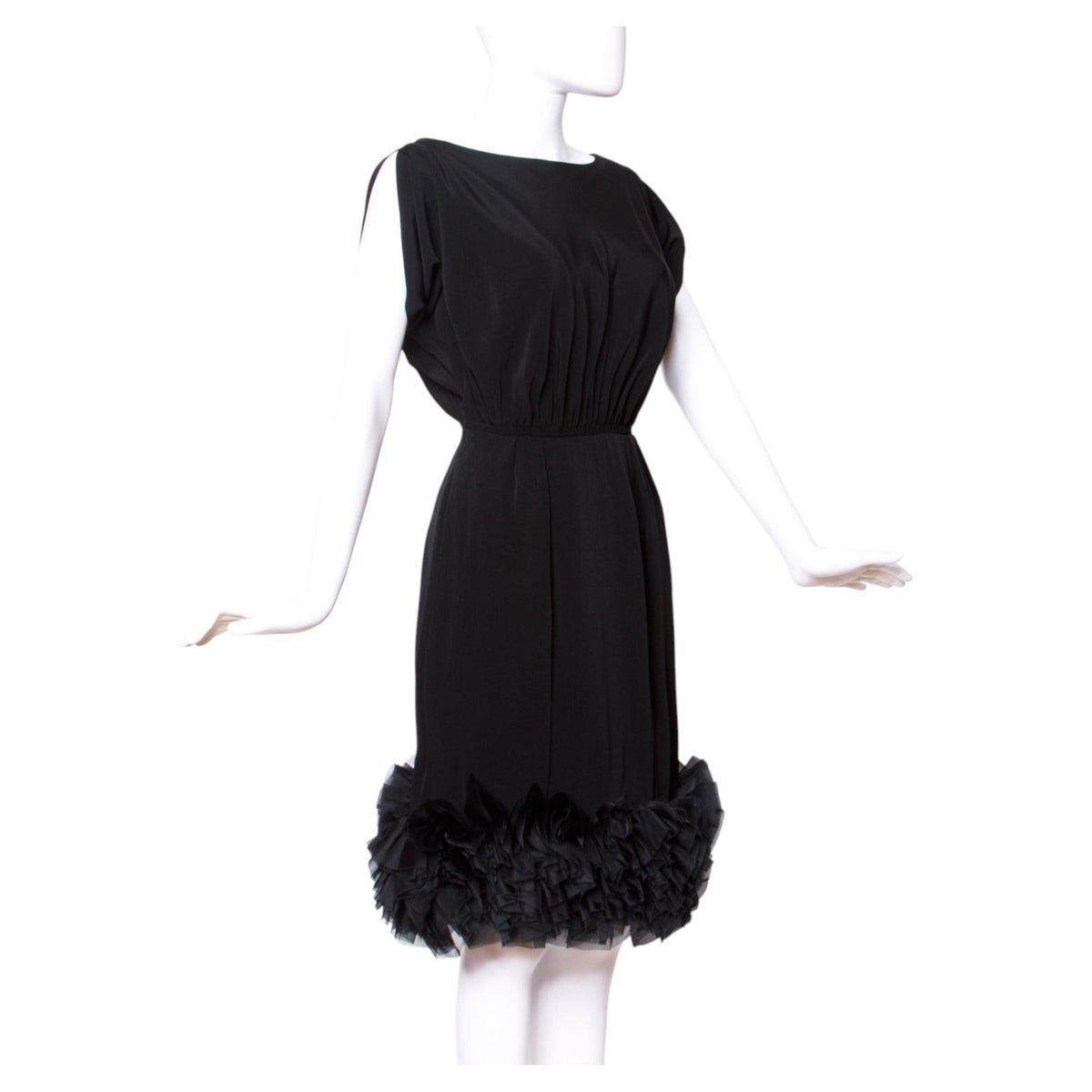
Vintage 1960s Silk Cocktail Dress with Ruffled Hem
1stDibs
$495
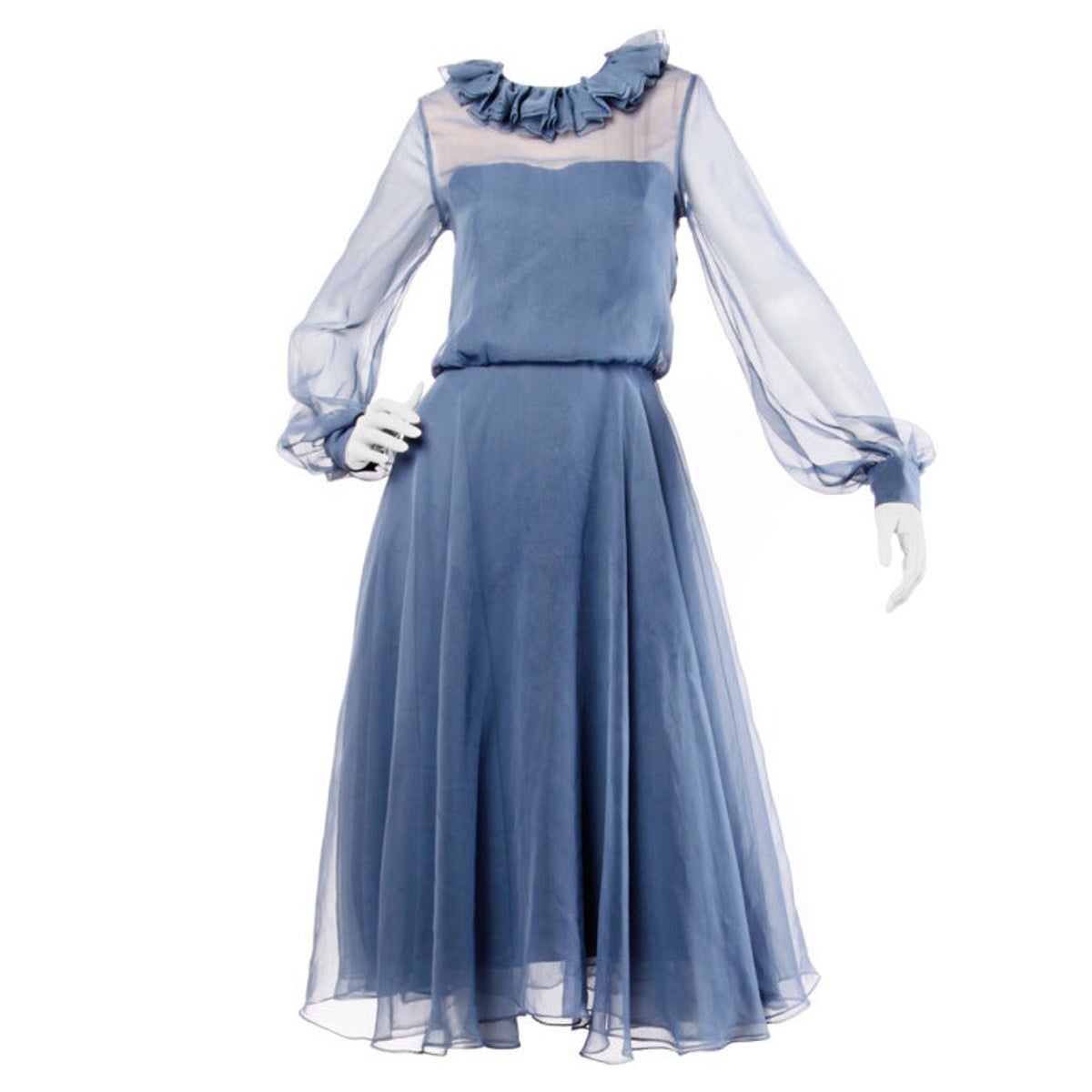
Richilene for Elizabeth Arden 1970s Blue Sheer Silk Midi Dress
Richilene
$495
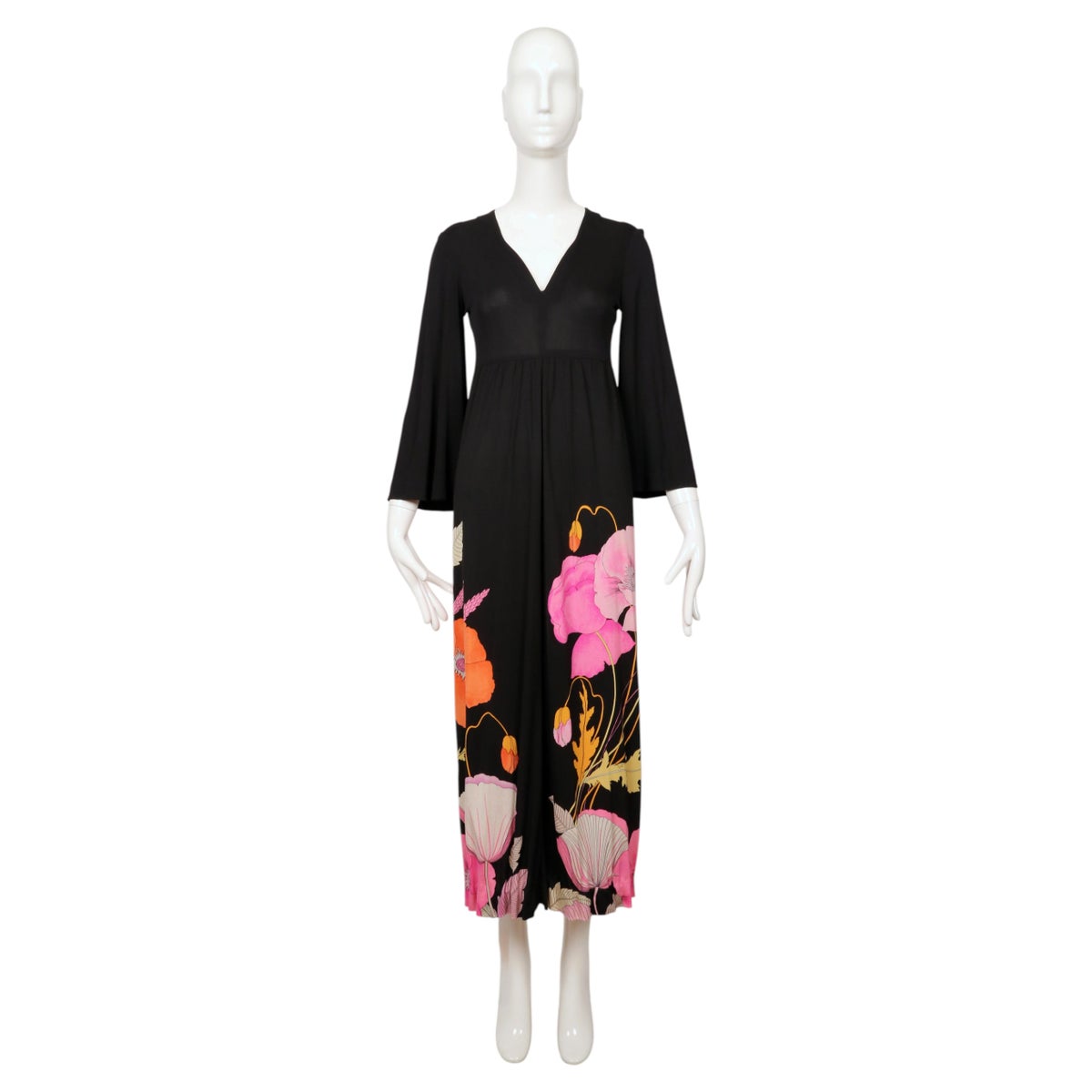
1970's LEONARD of Paris floral printed silk jersey dress
Leonard
$495
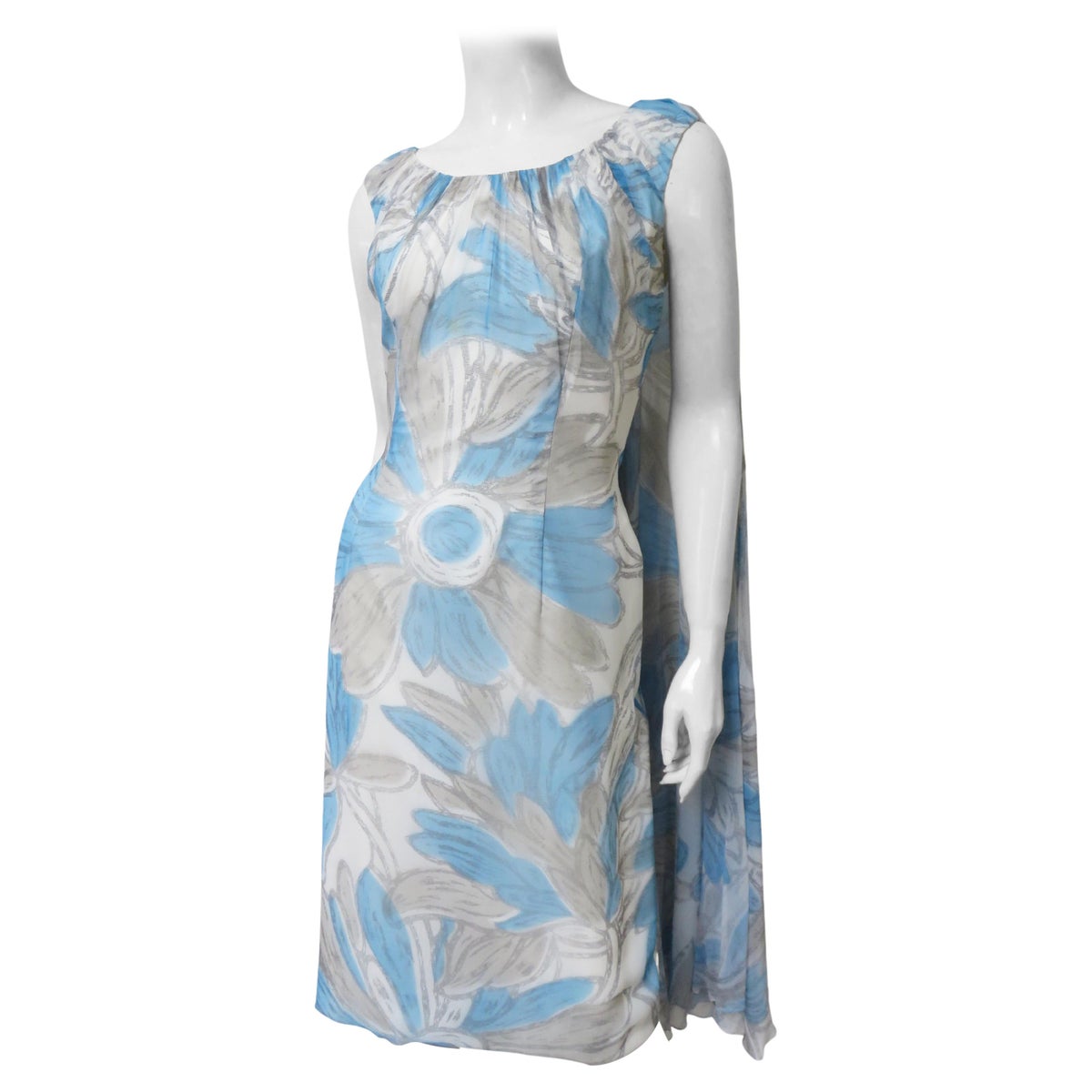
Lilli Diamond New Silk Dress with Back Drape 1960s
Lilli Diamond
$575
Read the condition description properly
Assume everything is described optimistically and ask questions in writing. Excellent vintage condition means excellent for its age, not new. What you want to know specifically: are there underarm stains, is the lining shattered, are there holes at the seams, has it been altered, does the zip run, and is there any odour.
Old silk is the main risk. Silk from before the 1970s can be shattered, meaning the fibres have degraded into fine splits that cannot be repaired and will spread. Ask for photographs of the underarms, the seat and the hem in daylight. Sequins and beading are the second risk, because the thread perishes and a heavily beaded 1920s or 1980s piece can shed permanently.
Alterations are not a problem in themselves, but they change the fit in ways measurements can hide. Ask what was altered and whether the original seam allowance is still there.
Finally, ask what it smells like. Smoke and mildew are the two things that most often cannot be fixed.
Dated to the 1980s and 1990s
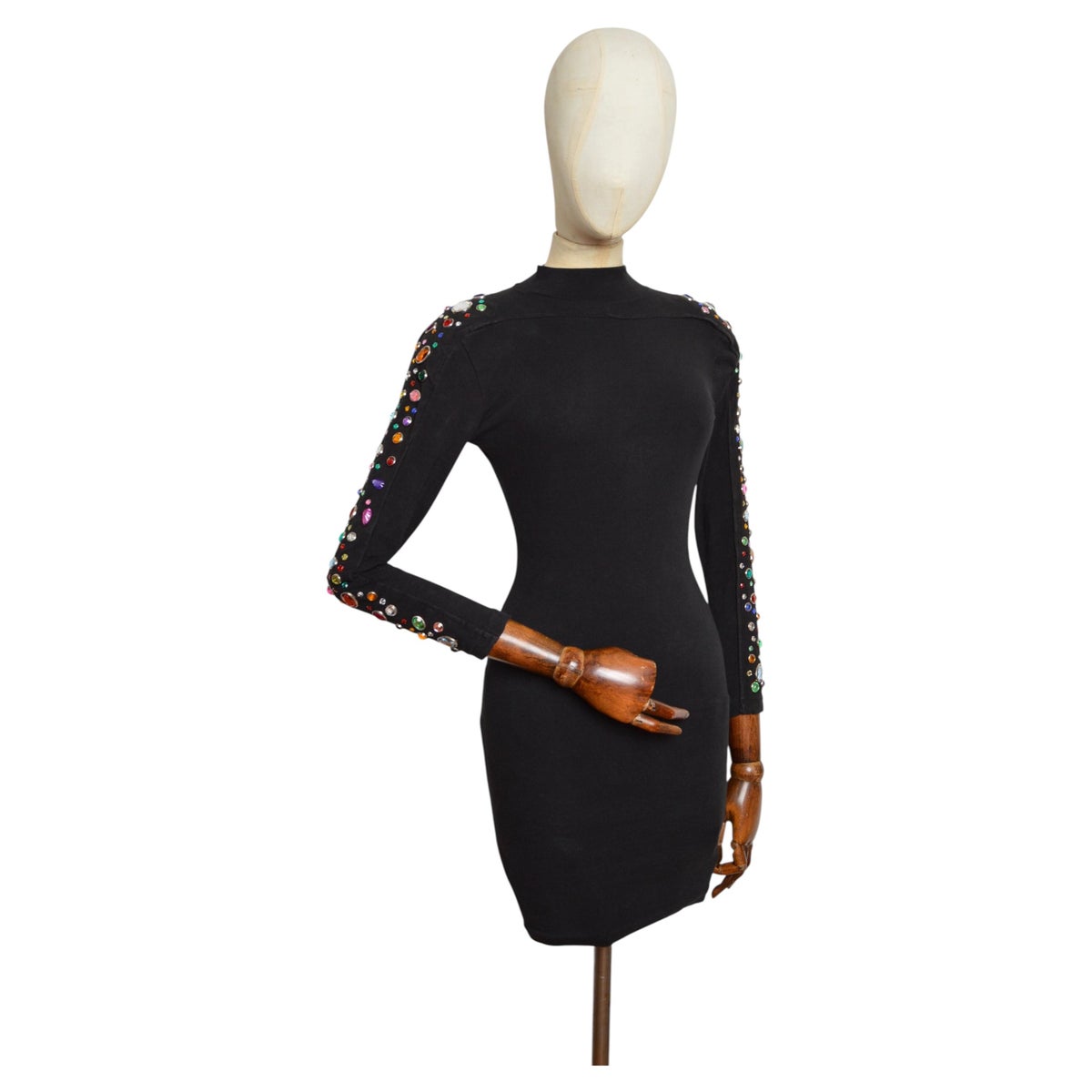
1980’s Vintage Colourful Gem Black backless Rhinestone funnel neck Mini Dress
1stDibs
$227.8
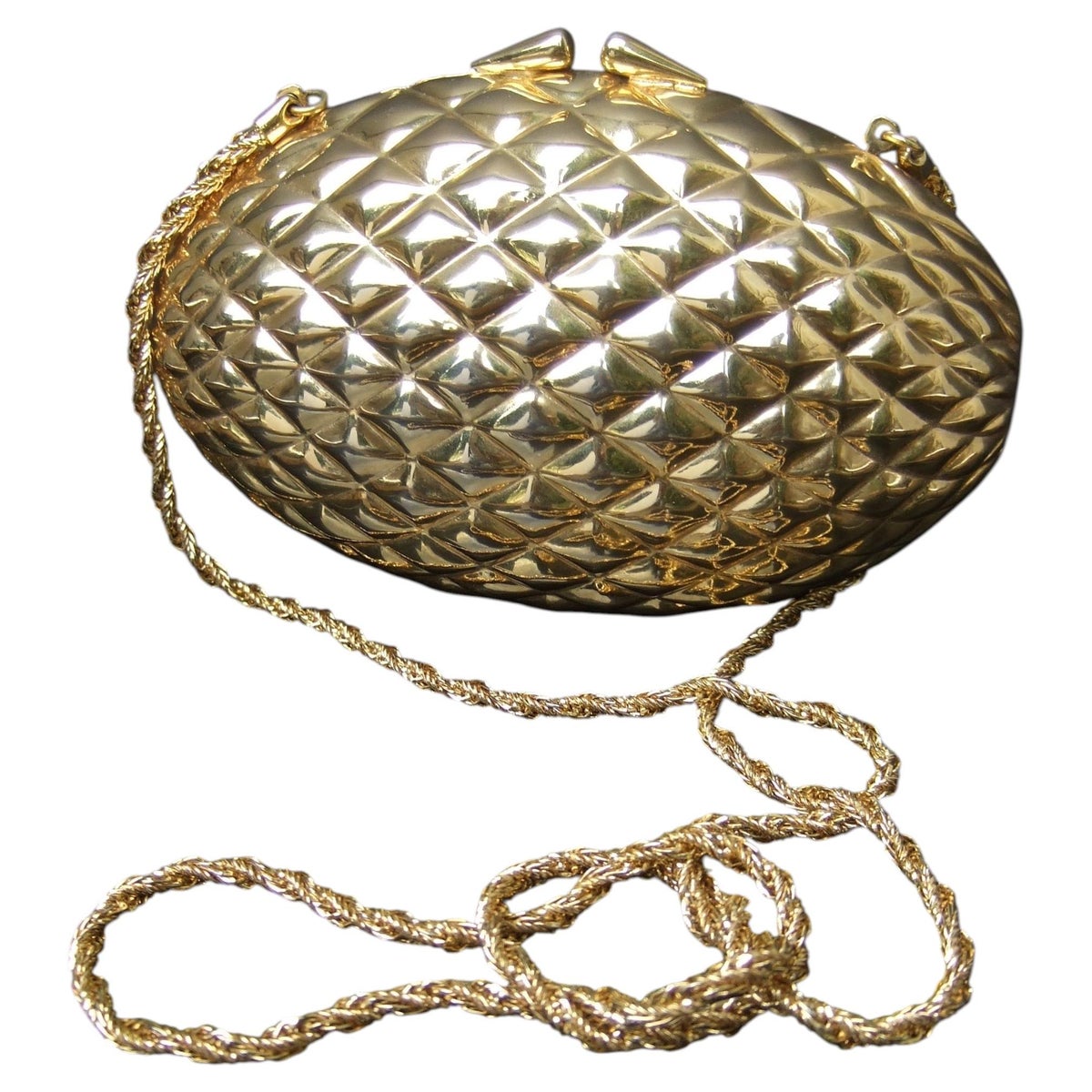
SAKS FIFTH AVENUE Italian Gilt Metal Minaudiere' Evening Bag c 1980
Adolfo at Saks Fifth Avenue
$290
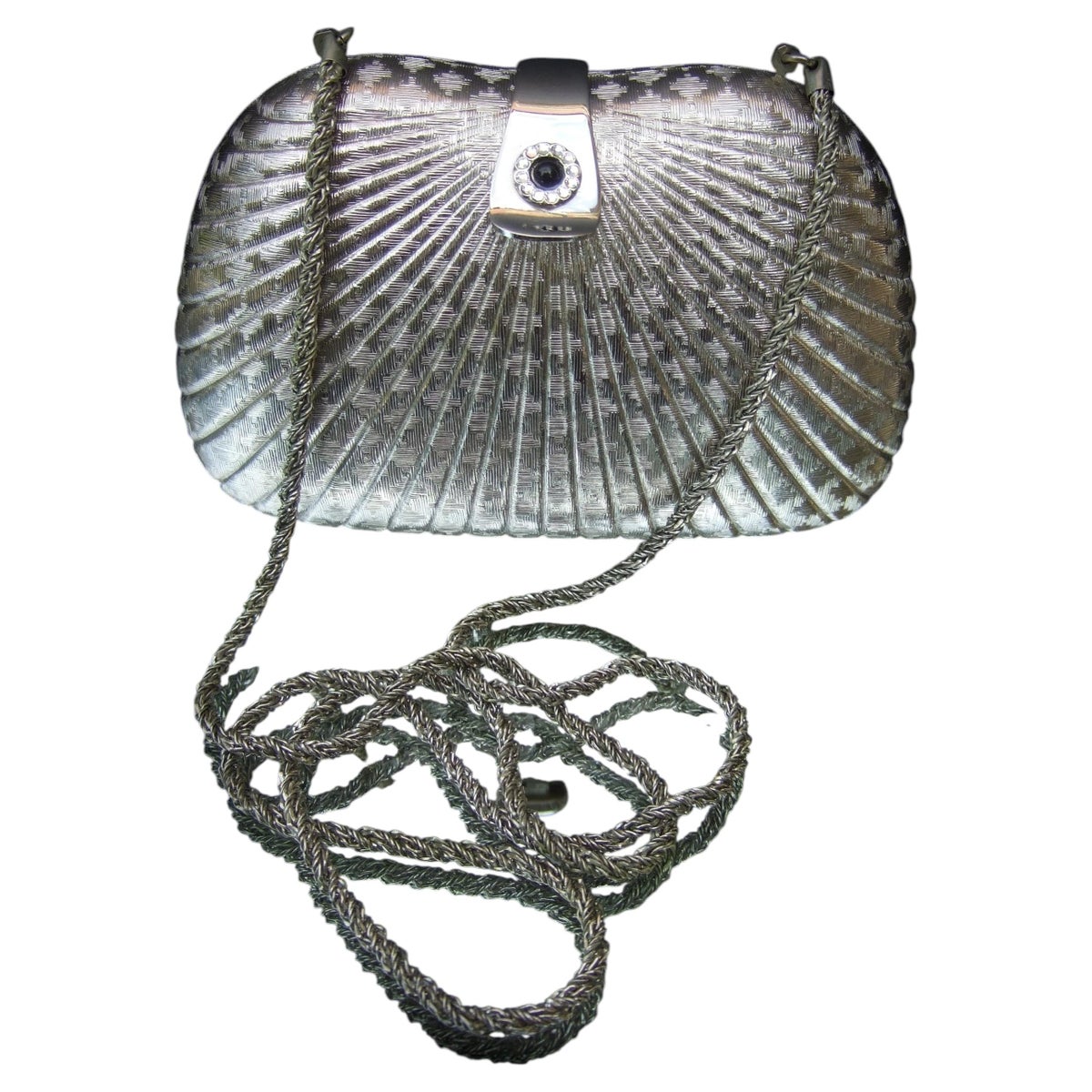
SAKS FIFTH AVENUE Italian Silver Metal Minaudiere' Clutch - Shoulder Bag c 1980s
Saks Fifth Avenue
$295
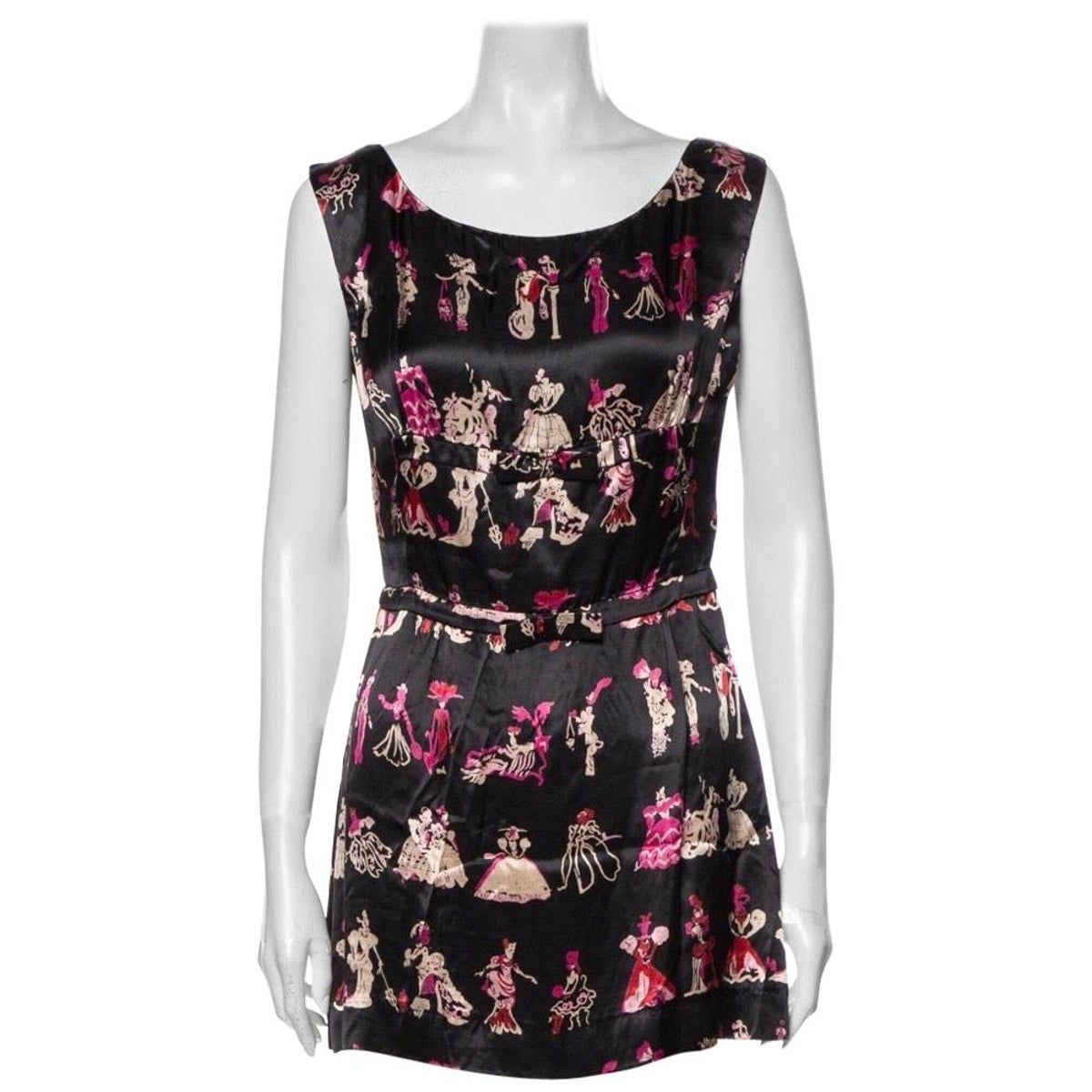
1990s Anna Sui Victorian Print Silk Mini Dress
Anna Sui
$350
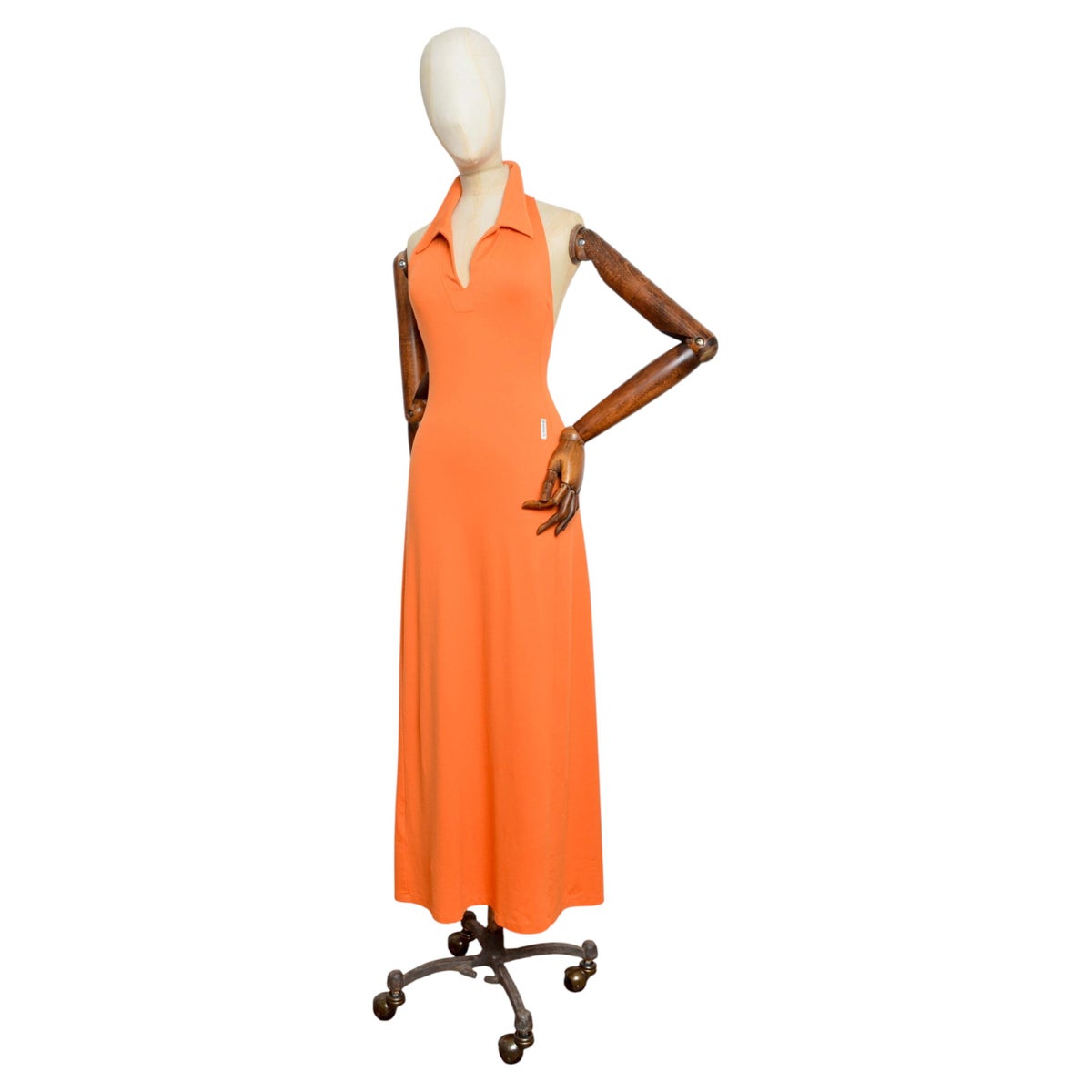
1990's Giorgio Armani Orange Long Racer back Tennis Maxi dress in Tangerine
Giorgio Armani
$365.86
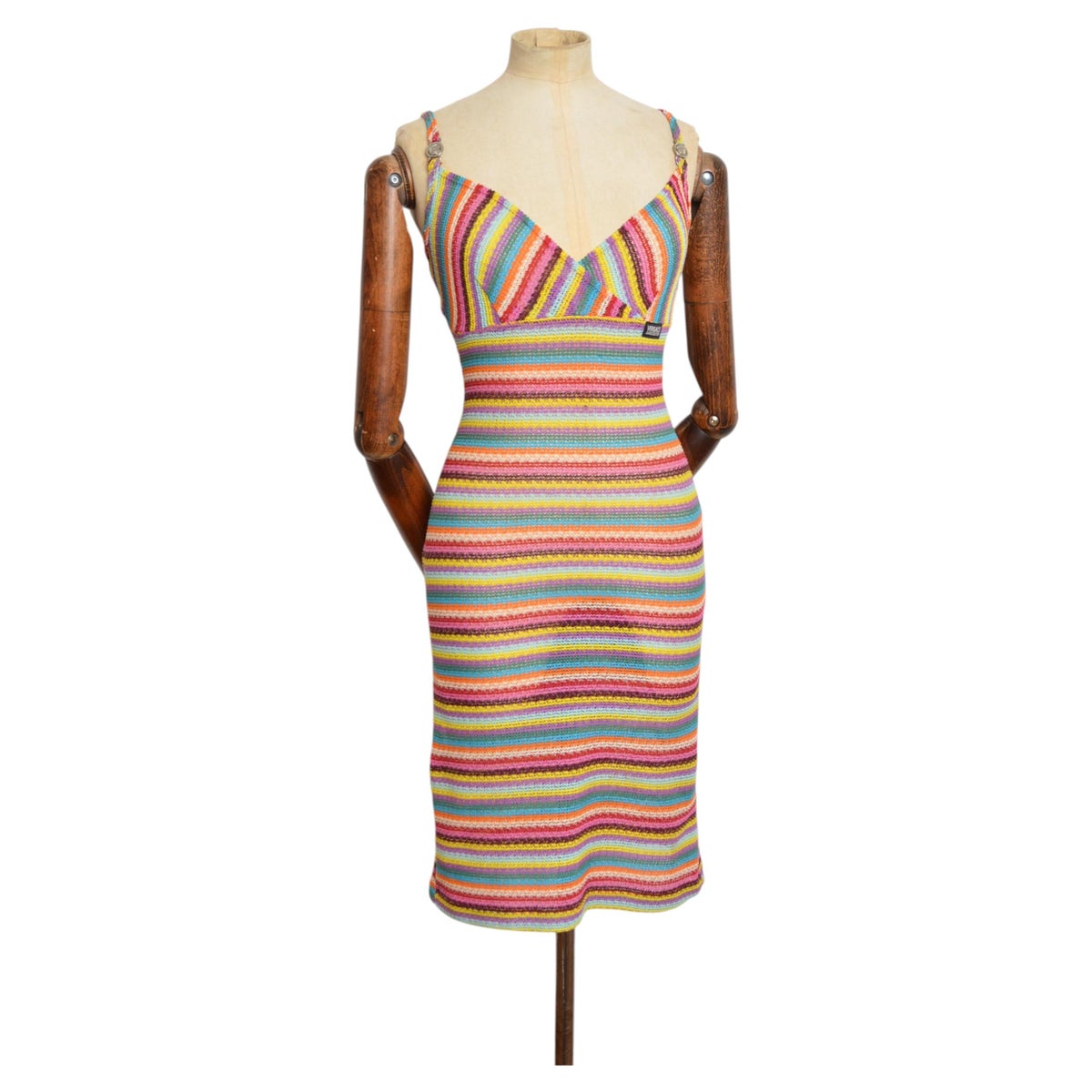
1990's Versace Colourful Rainbow striped Mesh Spaghetti Strap Slip Dress
Versace
$393.47
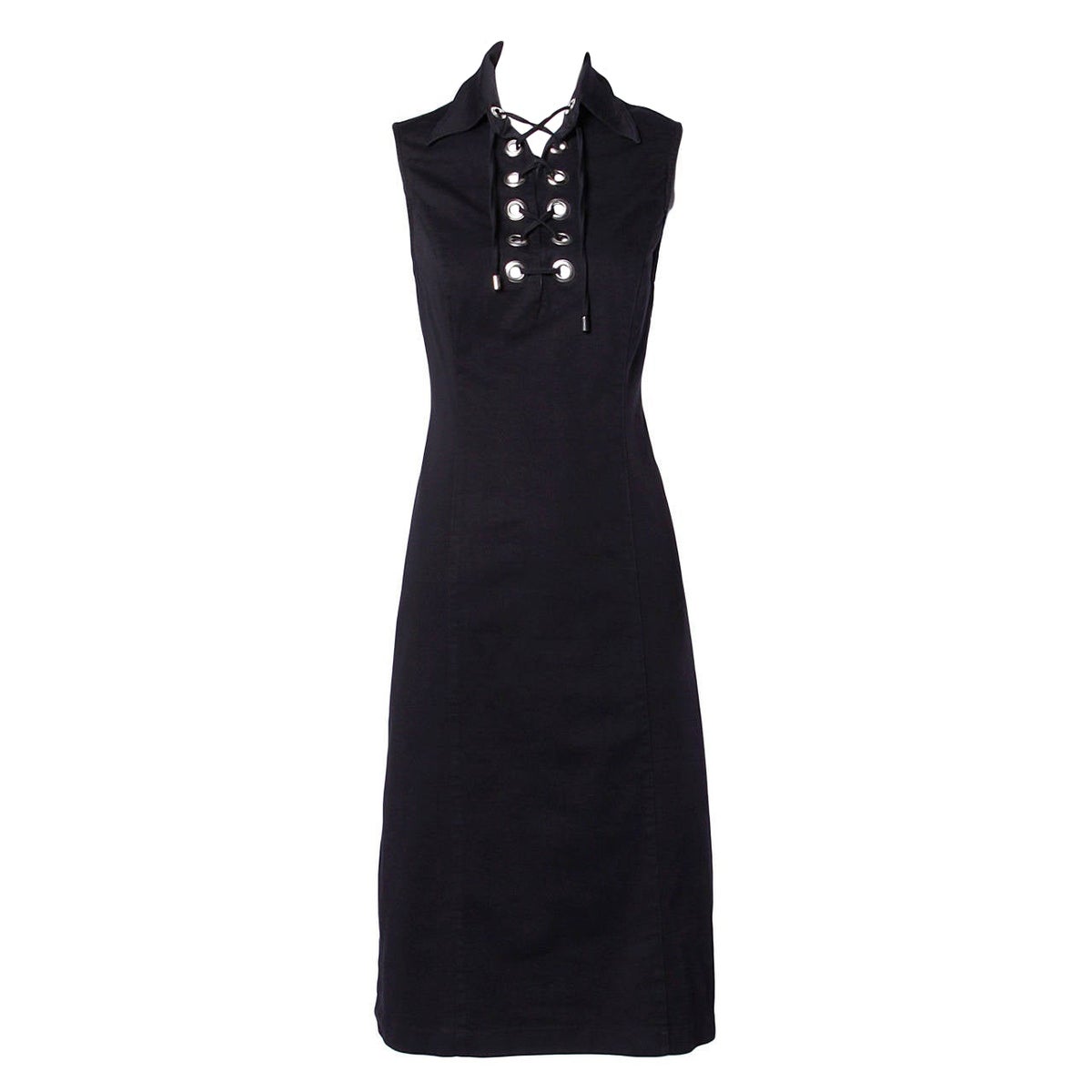
Moschino Vintage 1990s 90s Black Lace Up Grommet Sheath Dress
Moschino
$425
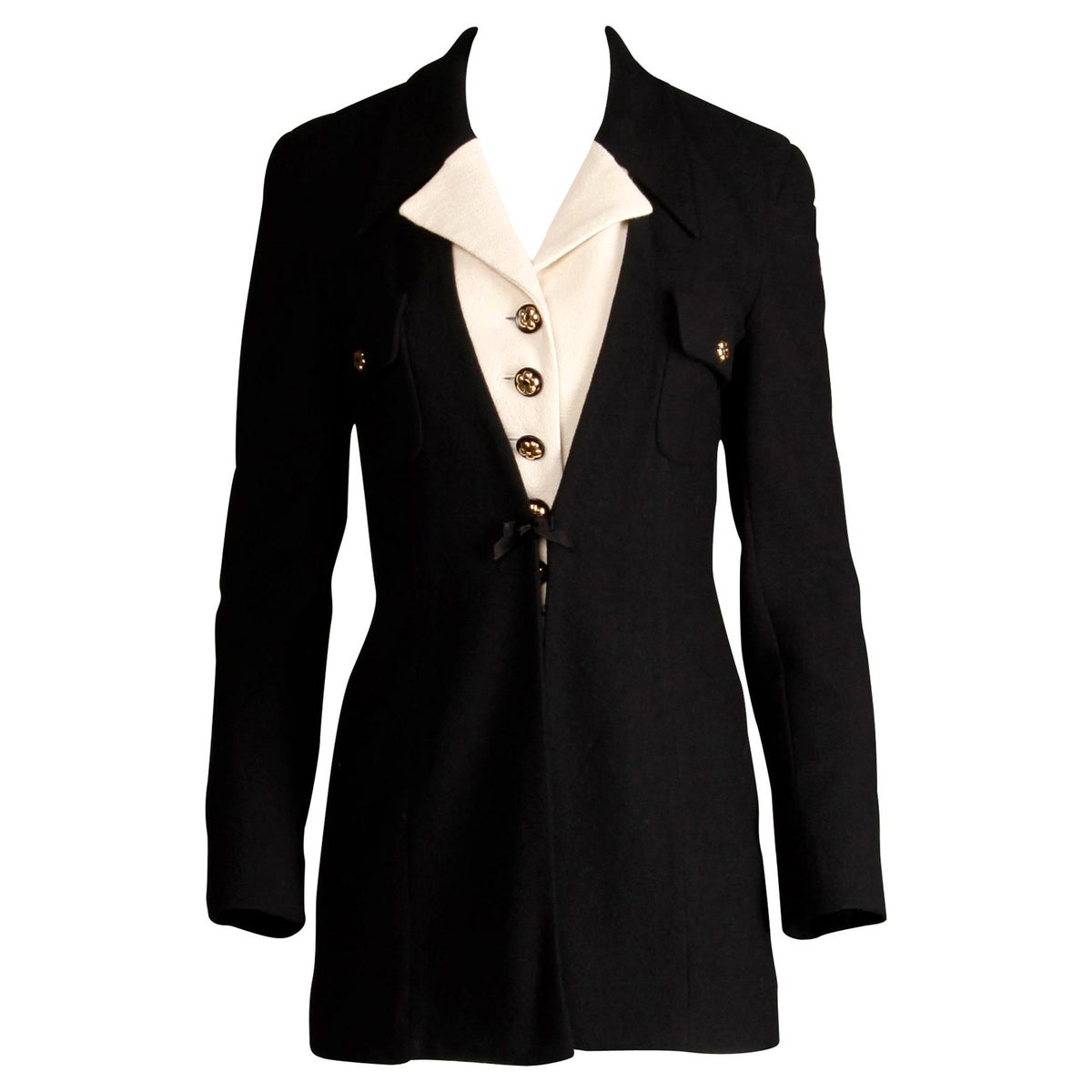
1990s Gemma Kahng Vintage Black + White Wool Tuxedo Blazer Jacket
GEMMA KAHNG
$450
What is worth paying for
Pay for provenance you can verify and for pieces from a designer's defining period. A dated runway piece with a documented season is a different object from an unlabelled dress of the same decade, and it holds its value in a way that anonymous vintage does not.
Pay for condition on anything delicate. On evening wear the premium for a piece that has genuinely been looked after is small compared with the cost of restoration, and restoration on beading or degraded silk is often impossible.
Do not pay a premium for a label alone. Plenty of vintage carries a famous name on a garment that was mass produced at the time, and the interesting buys are frequently the unlabelled ones with better cutting.
On practical costs: budget for tailoring on almost everything, factor in import duty on anything crossing a border, and check the return policy before you buy. Many vintage sellers are final sale, which is exactly why the measurements conversation has to happen first.
From $186 to $442
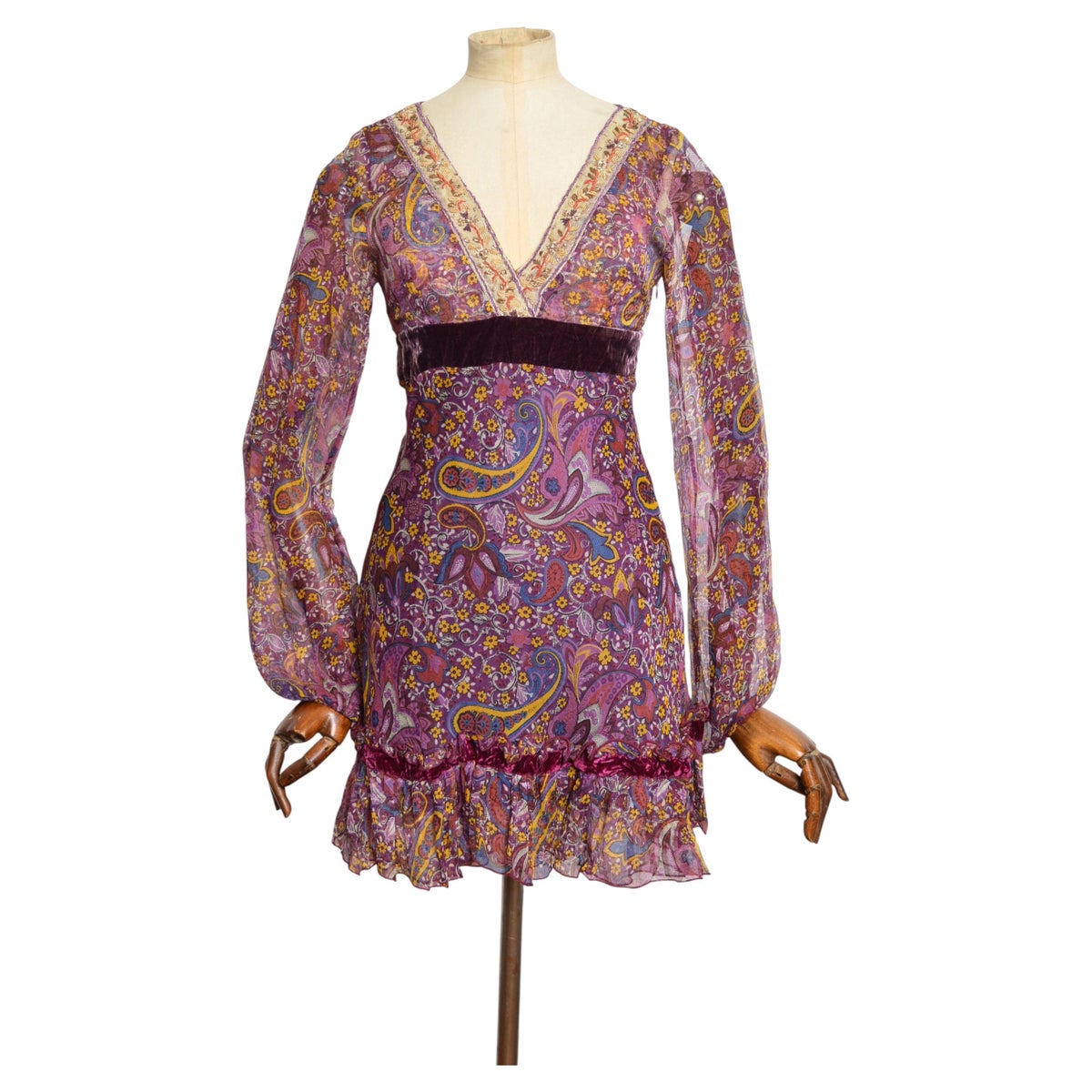
Purple 2000’s Boho Pure Silk Floaty Beaded Paisley Tunic Mini Dress
1stDibs
$186.38
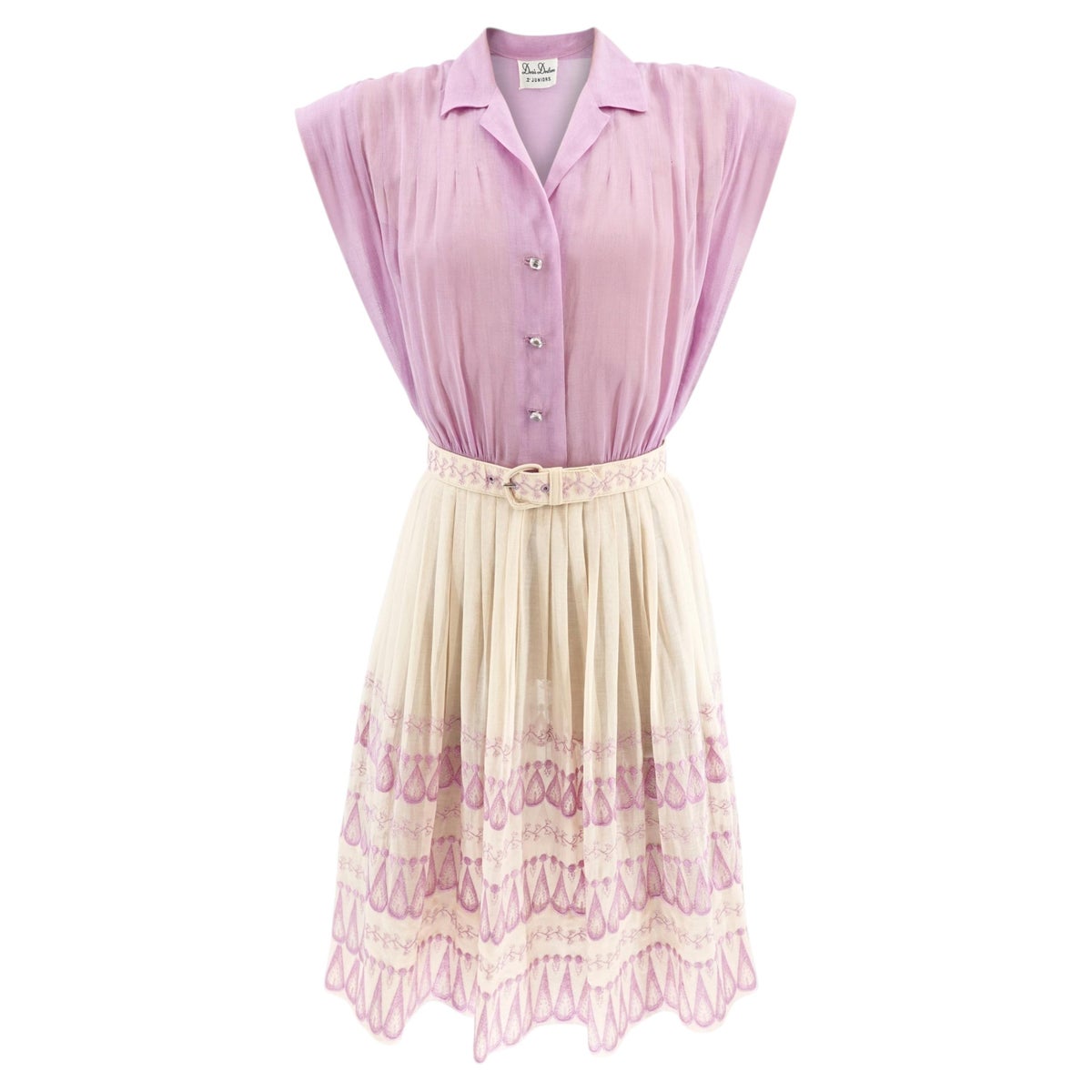
Vintage 1940s Women's Lavender Cotton Day Dress with Embroidered Skirt
1stDibs
$215
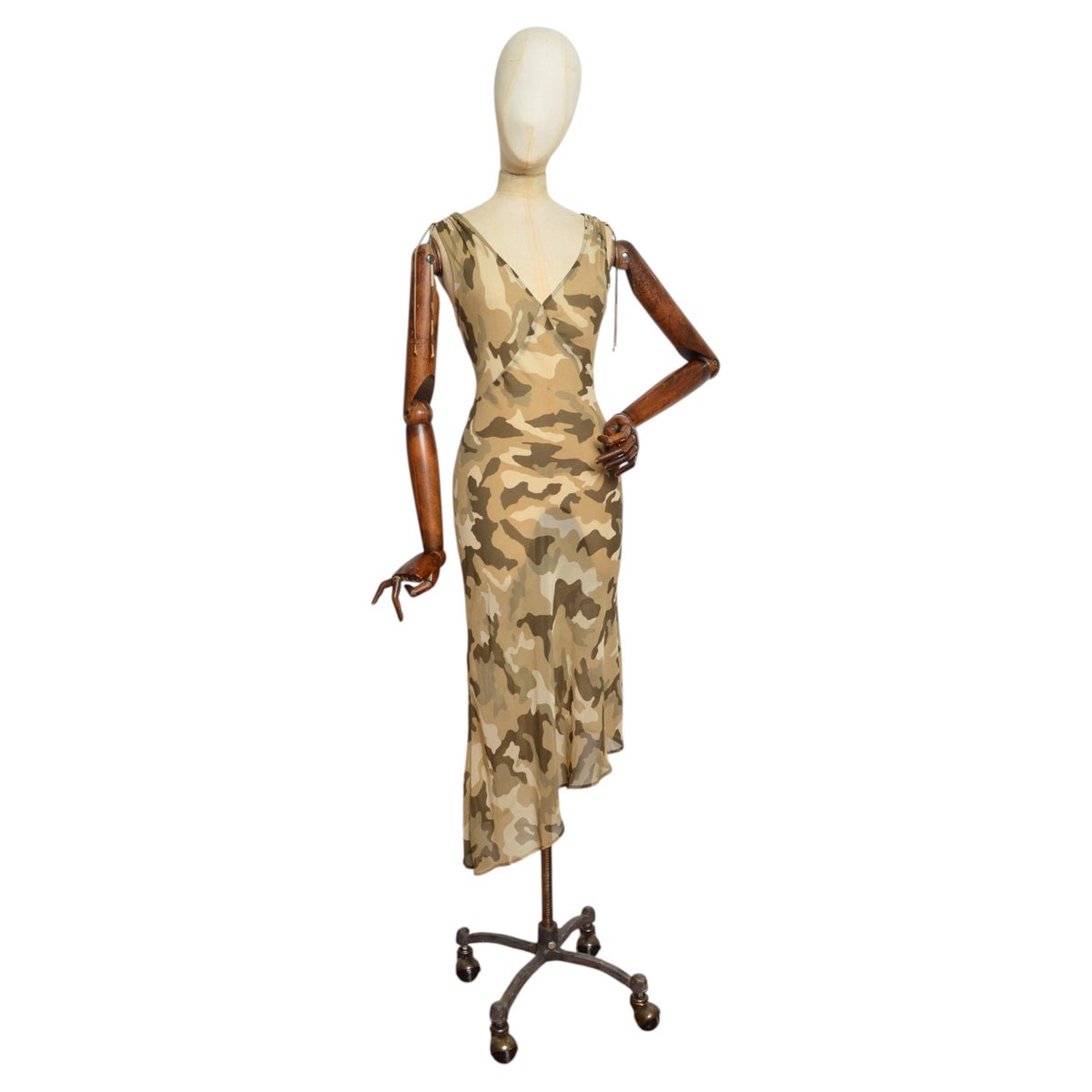
2000's Sheer Bias Cut Camouflage Army Pattern Y2k Evening - Army Slip Dress
1stDibs
$324.44
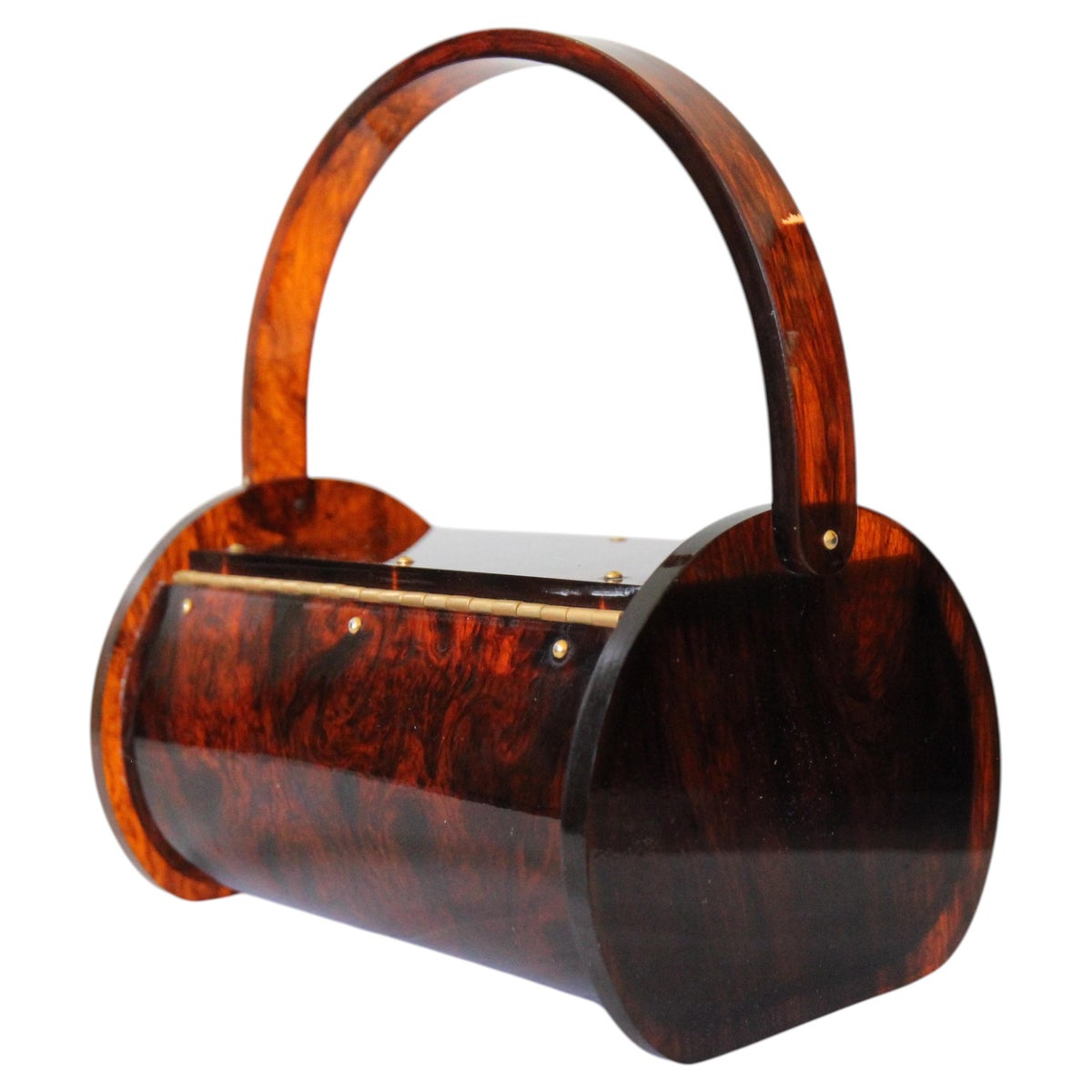
Vintage 1950's Tortoiseshell Lucite Box Bag Rialto Barrel Bag
Rialto
$359
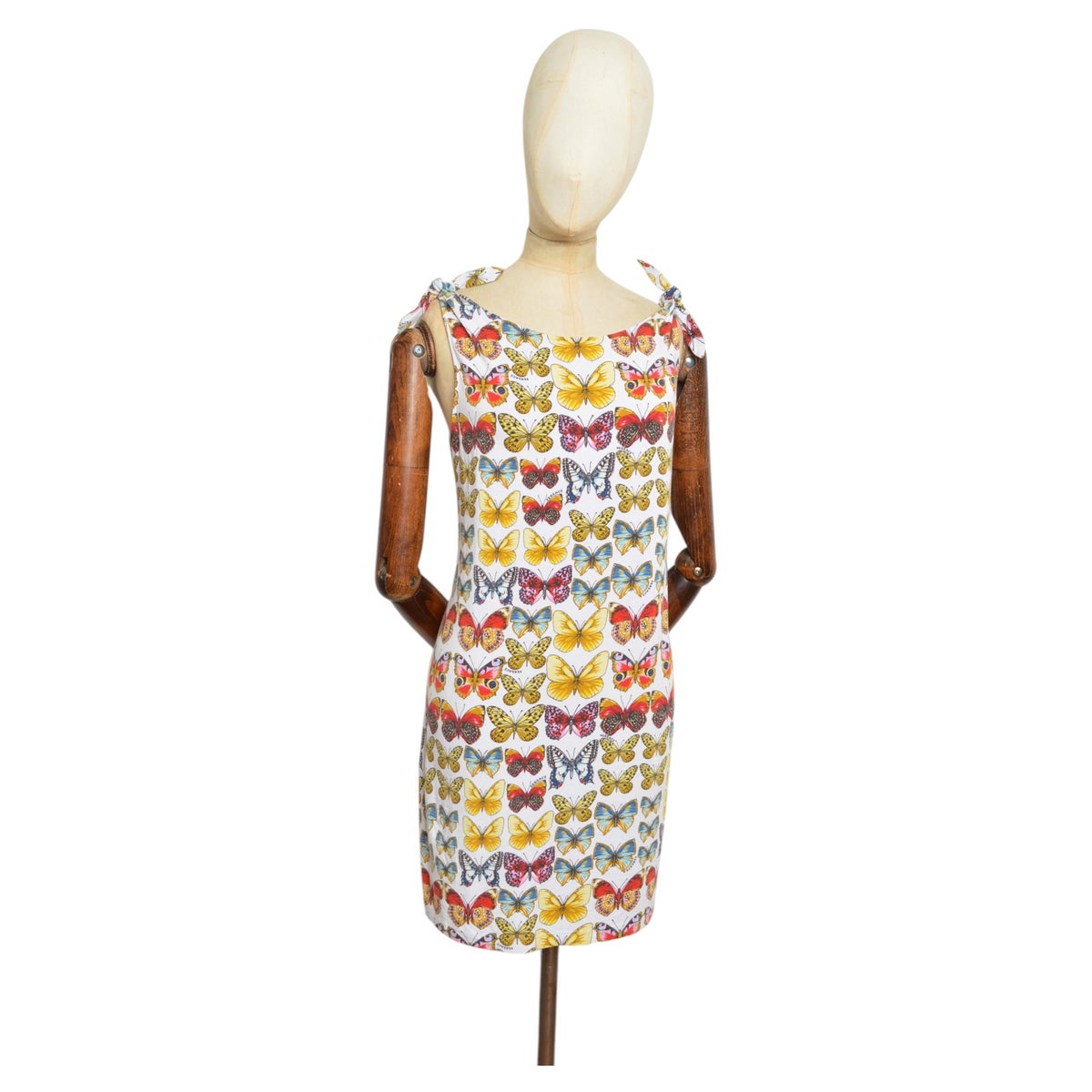
2000’s Versace Butterfly Print Backless Cotton Mini Dress - Beachwear
Gianni Versace
$365.86
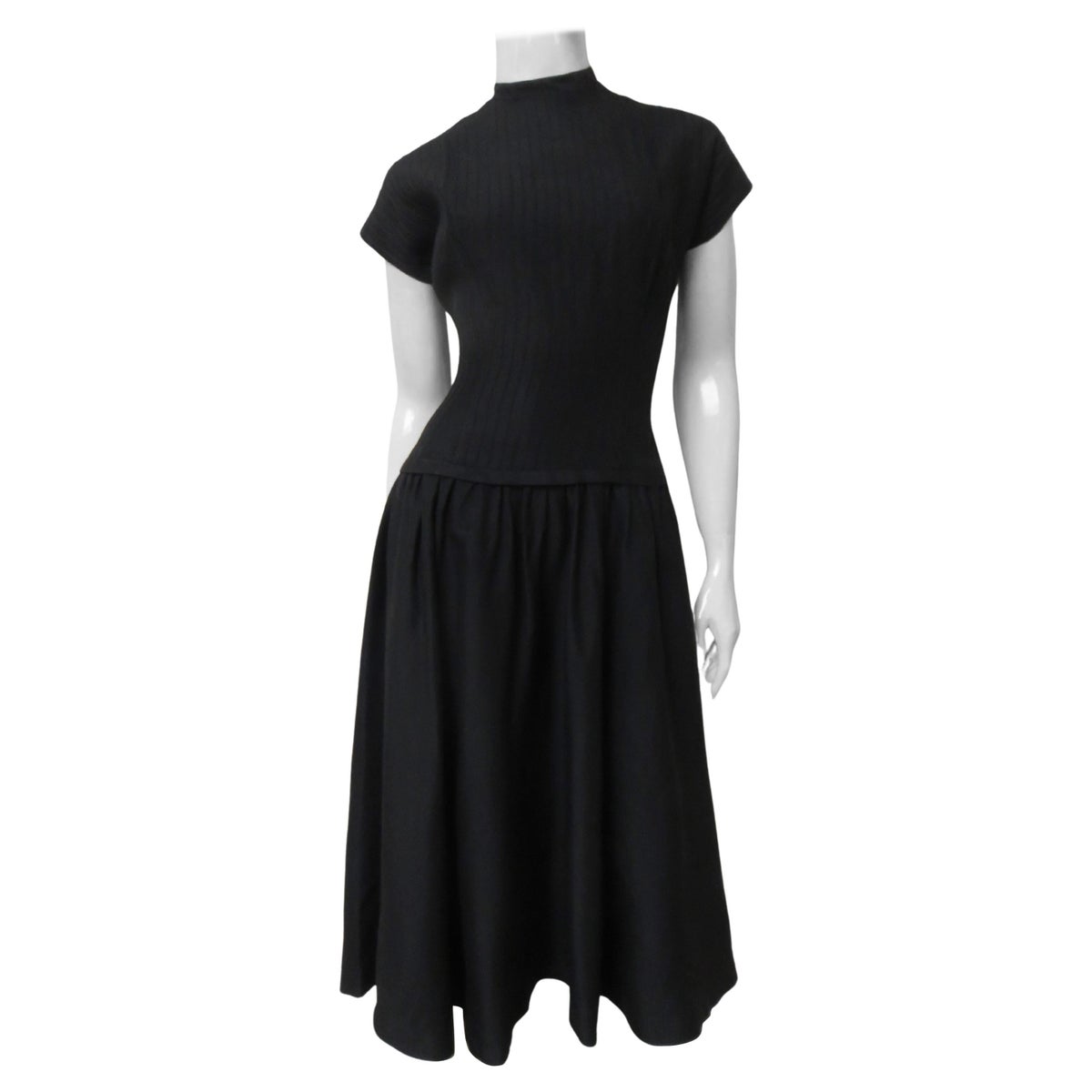
Jane Andre 1950s Full Skirt Dress
1stDibs
$375
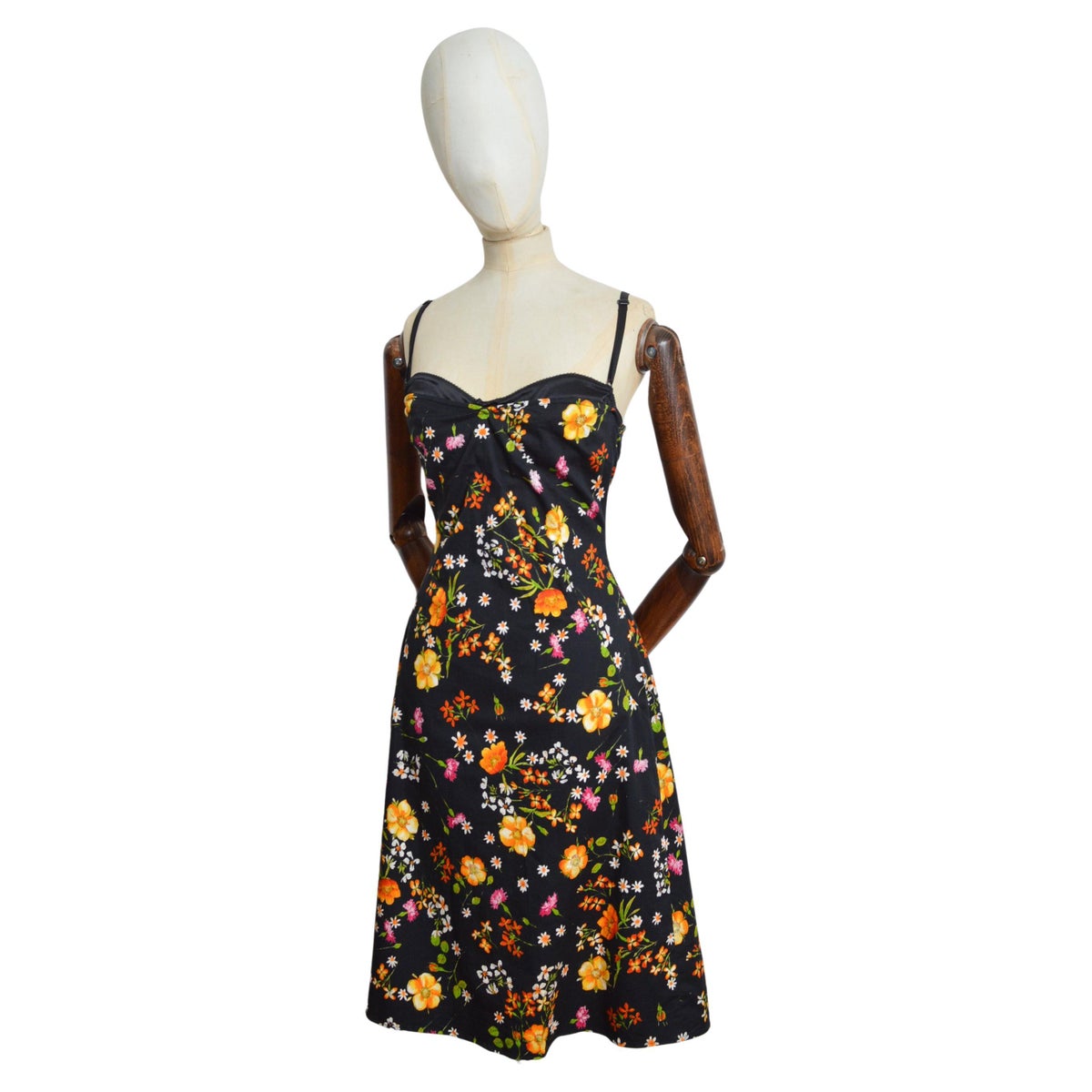
2000s Dolce & Gabbana Black strappy bustier dress with orange flowers print
Dolce & Gabbana
$393.47
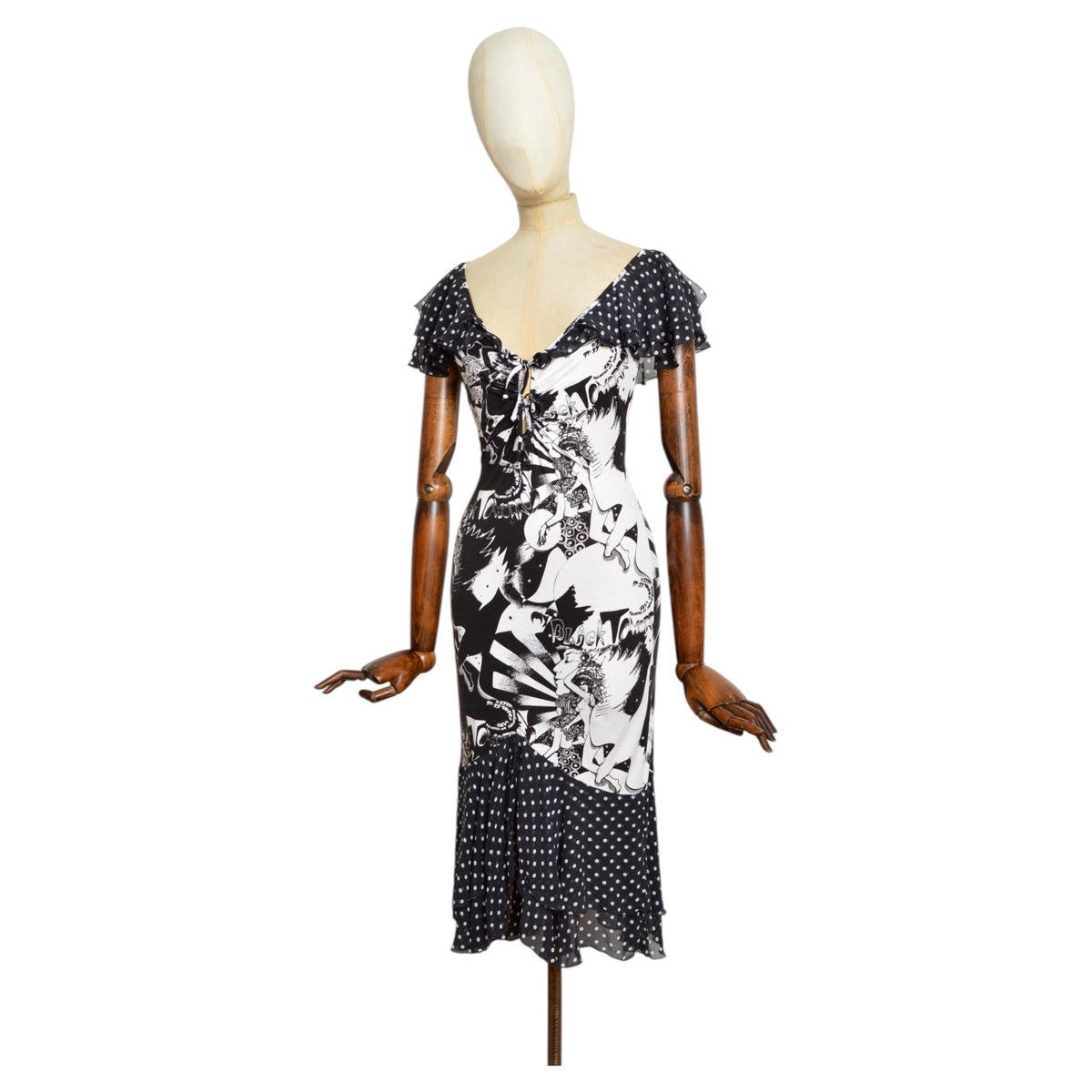
2000's Emanuel Ungaro Fever Ruffle detail fitted Polka dot flamenco Dress
Emanuel Ungaro
$441.79
Our honest take
Buying vintage online works, but only if you treat it as buying one specific object rather than a size. The people who end up disappointed are the ones who bought a decade and a designer and hoped.
We would spend the money on daywear from the 1960s and 1970s, where the cutting is excellent and the prices are still reasonable, and be much more careful with fragile evening pieces unless the condition report is detailed and the photographs are honest. We would also budget roughly a quarter of the purchase price for alterations, because a vintage piece that has been fitted to you looks far better than a new one that has not.
If you take one thing away: get the flat measurements and compare them against a garment you already own, because that single step prevents most vintage mistakes.
Shop brands in this edit



Next read
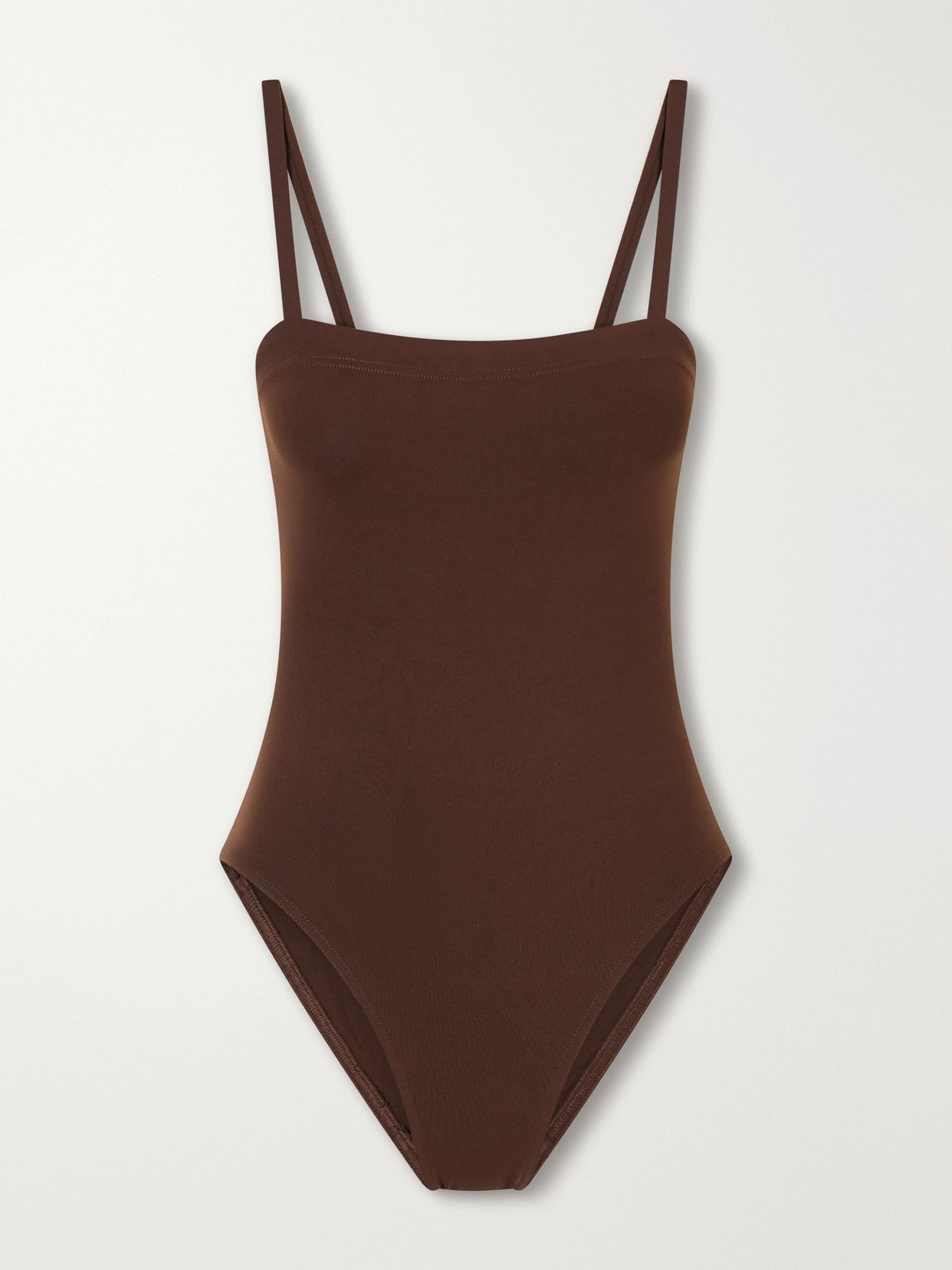
One Piece Or Bikini
For the question of one piece or bikini, neither is universally better. The right choice depends on how much coverage you want and how confidently the suit will stay put while you move. Eres makes the comparison useful
Read Editorial
Necklaces That Do Not Tangle
To stop necklaces tangling, start with chain style rather than storage. The easiest layered combinations give each piece a distinct role, so the chains do not all compete for the same visual space. Diane Kordas offers a useful