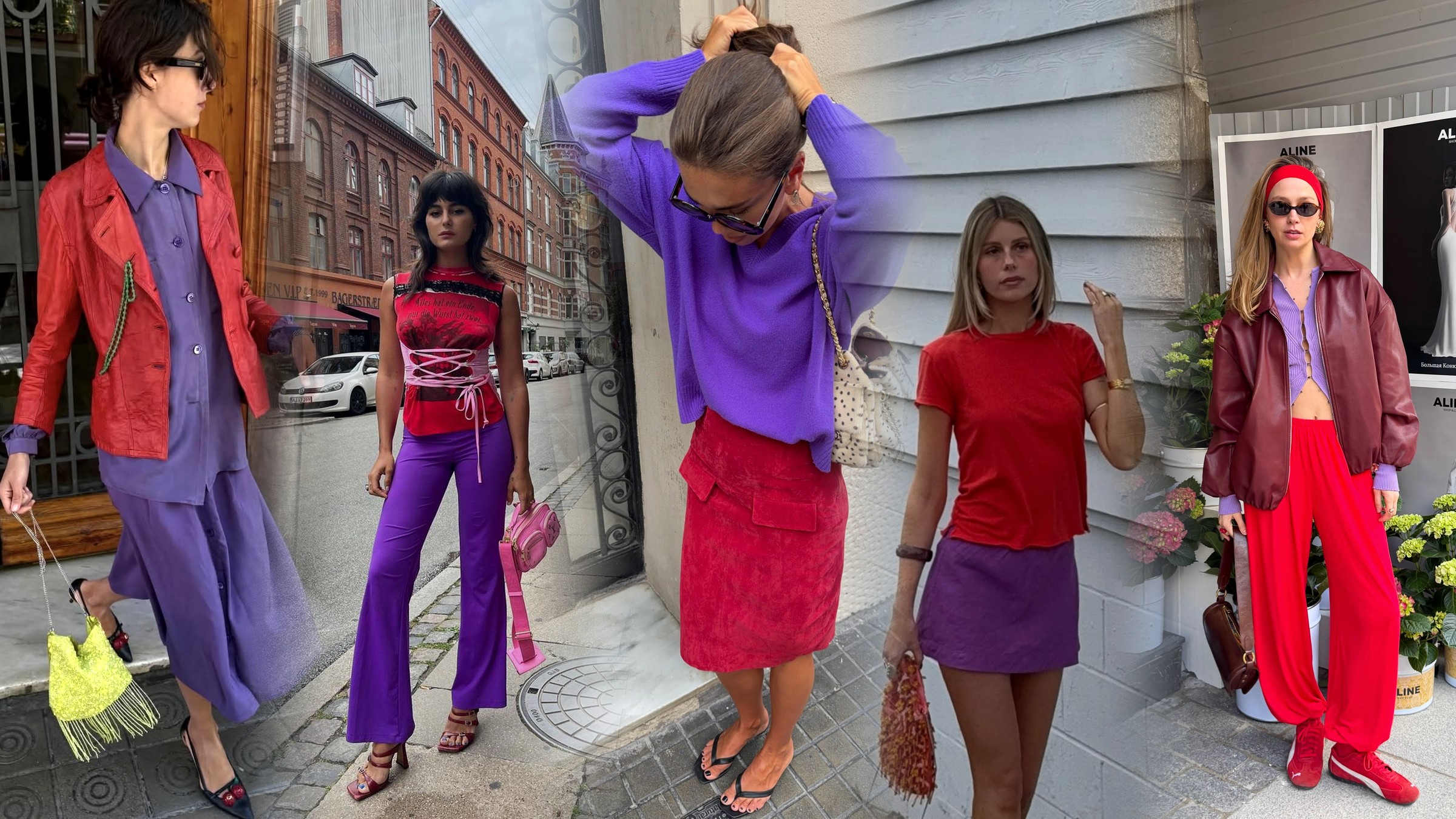
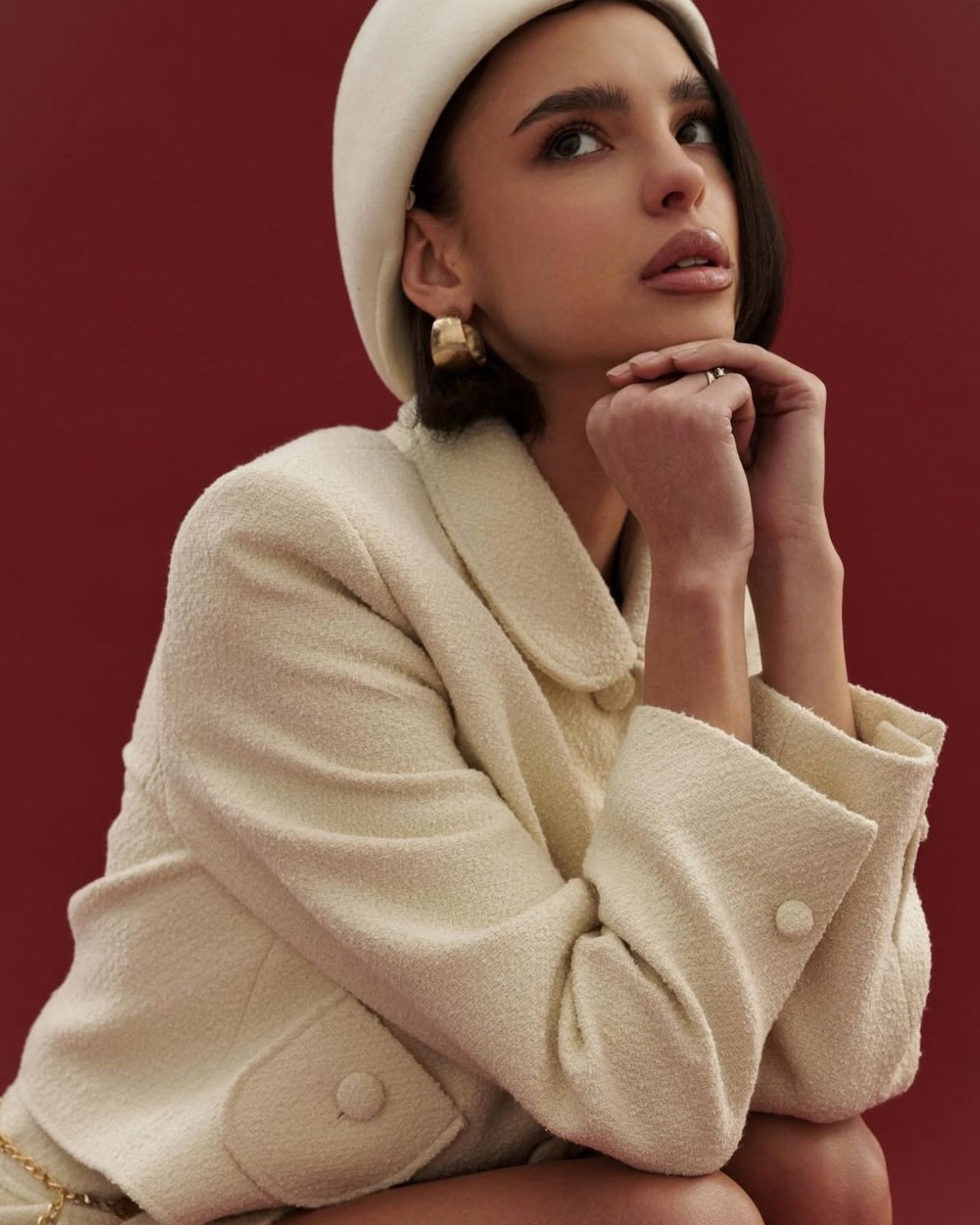
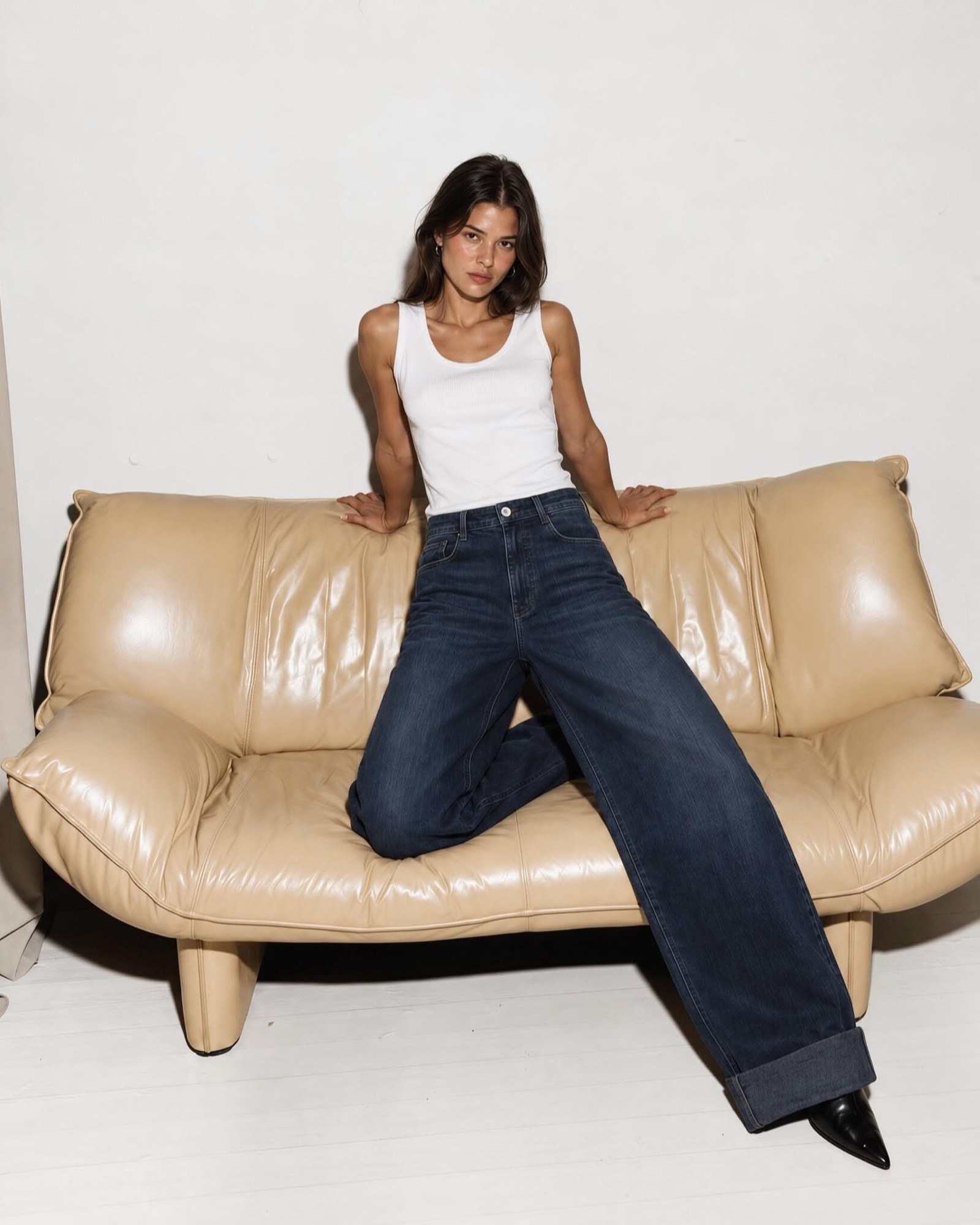
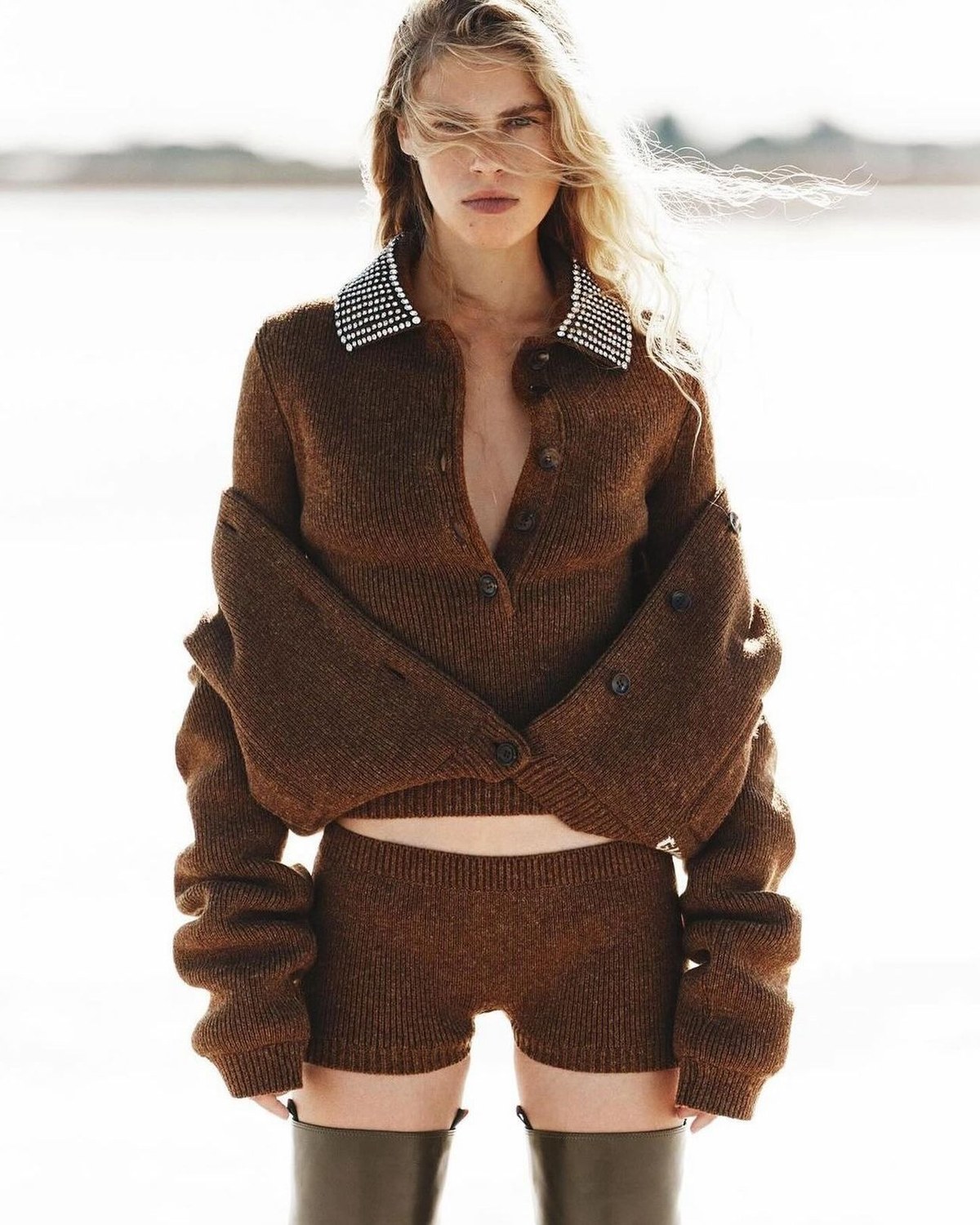
Chasing trends is expensive, and the reason it never satisfies is structural rather than moral: a trend is designed to expire. Below, the three categories worth buying on a slower clock, with what to check on each before you spend: trousers, knitwear and leather bags.
How To Stop Chasing Trends
I want to be honest about why trend cycles feel impossible to opt out of right now. It is not weakness of character. It is that the cycle got faster than a wardrobe can respond to. A shape appears, saturates, and reads as dated inside a single season, which means the window where you look current is now shorter than the time it takes for a piece to arrive and be worn in.
So you are not late. You are playing a game whose clock has been sped up on purpose.
The way out is not to declare yourself above it. I am not above it. The way out is to move most of your spending into categories where the clock runs slowly, and keep the fast stuff small, cheap and deliberate.
Trousers, knitwear and a good leather bag are the slow categories. Get those right and you can afford to be silly with a scarf.
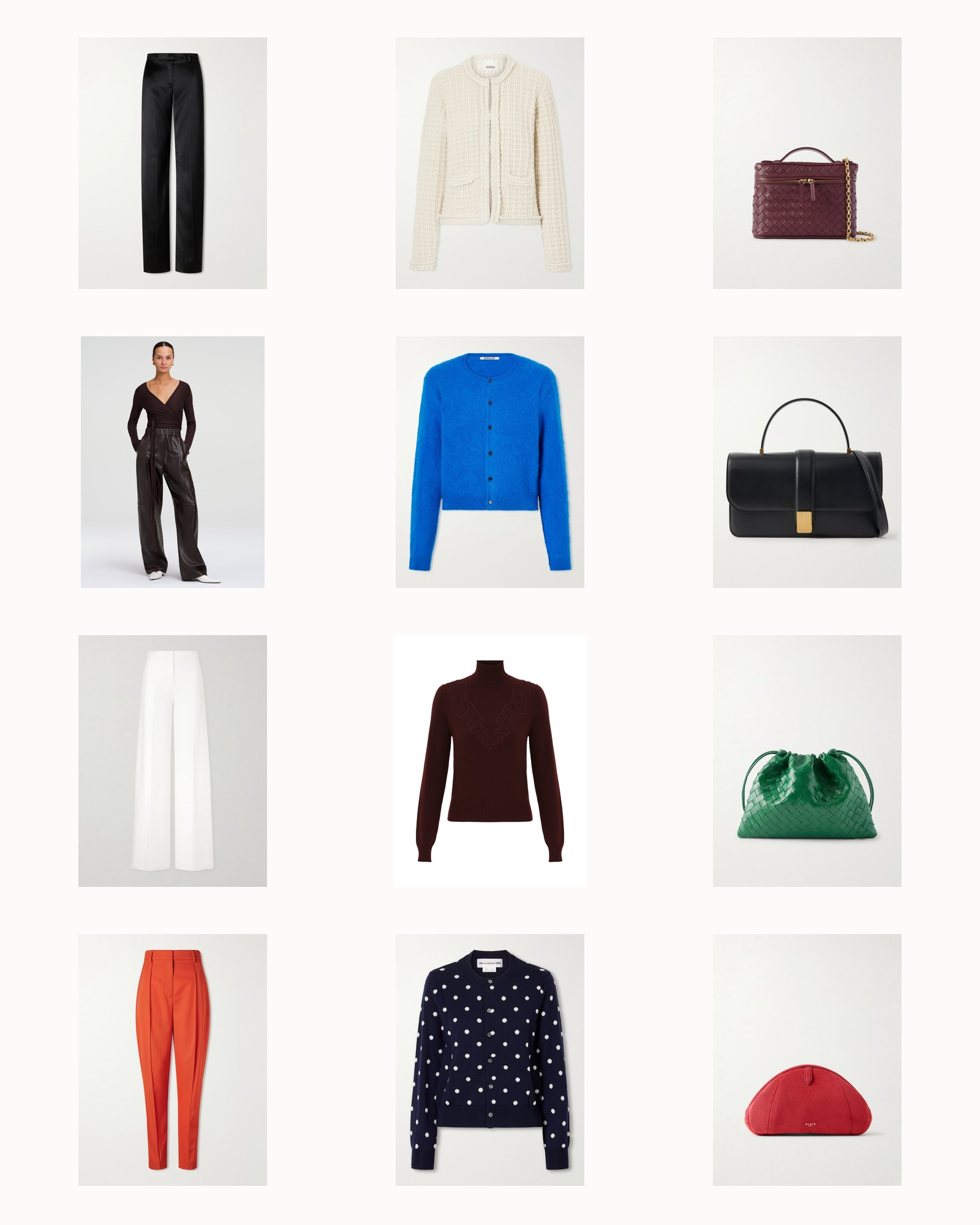
Tailored Trousers

Hunter pleated satin straight-leg pants
Khaite
$1,880

Palmer Leather Pant
A.L.C.
$1,495

Cotton-piqué wide-leg pants
Max Mara
$1,150

Tapered wool pants
Stella Mccartney
$890

Twill Flare Pant
Zimmermann
$775

Belted Wide Leg Pant
Zimmermann
$725

Lavon lace-trimmed silk-satin wide-leg pants
Dôen
$400

Tyler Striped Linen Pant
A.L.C.
$370
Trousers first, because they set the whole line of an outfit and almost nobody buys them carefully enough.
The measurement that matters is the rise, not the size. A high rise ends at your natural waist and makes the leg read longer. A mid rise sits lower and reads more relaxed. Whichever you choose, check the front rise sitting down, because that is where cheap tailoring gives up and pulls.
Then look at the hem. A wide or straight leg wants to break just above the floor in the shoes you will actually wear with it, so shop with those shoes or accept a trip to a tailor. Two centimetres decides whether the trouser looks intentional or borrowed from someone taller.
Fabric: wool or a wool blend holds a crease and hangs; pure linen wrinkles the moment you sit and that is either the point or a problem. Avoid anything with heavy stretch in a tailored shape. Elastane is what makes a trouser look tired at the knee after a season.
Wool, Cashmere And Alpaca Knits

Bouclé wool and alpaca-blend cardigan
Isabel Marant
$1,390

Garment-dyed alpaca cardigan
Auralee
$975

Valiant Merino Lace Turtleneck
Zimmermann
$775

Polka-dot wool cardigan
Comme Des Garçons Girl
$775

Merino Tie Neck Sweater
Zimmermann
$675

Sarah Brushed Alpaca Sweater
A.L.C.
$495

Fisher Fine Merino Cardigan
A.L.C.
$395

Leenda ribbed merino wool turtleneck sweater
Theory
$235
Knitwear is where the difference between a good buy and a bad one is most measurable, and most hidden from you at the moment of purchase.
Read the composition label. Wool, merino, alpaca and cashmere all age differently, and a blend with nylon in it is not a compromise, it is often the reason the elbows survive. Pure cashmere at a low price is either short-fibre or thin, and it will pill within weeks. Two-ply feels substantial in the hand; single-ply feels lovely and lasts half as long.
The physical test, when you can do it: pinch the knit and pull gently. It should spring back rather than stay open. Rub the surface with your palm for a few seconds. If fibres lift immediately in the shop, they will lift on your coat too.
Care is the other half. Hand wash or a wool cycle, dry flat, fold rather than hang, and buy a comb. A cashmere cardigan that gets combed twice a season outlives one that does not by years.
Leather Bags

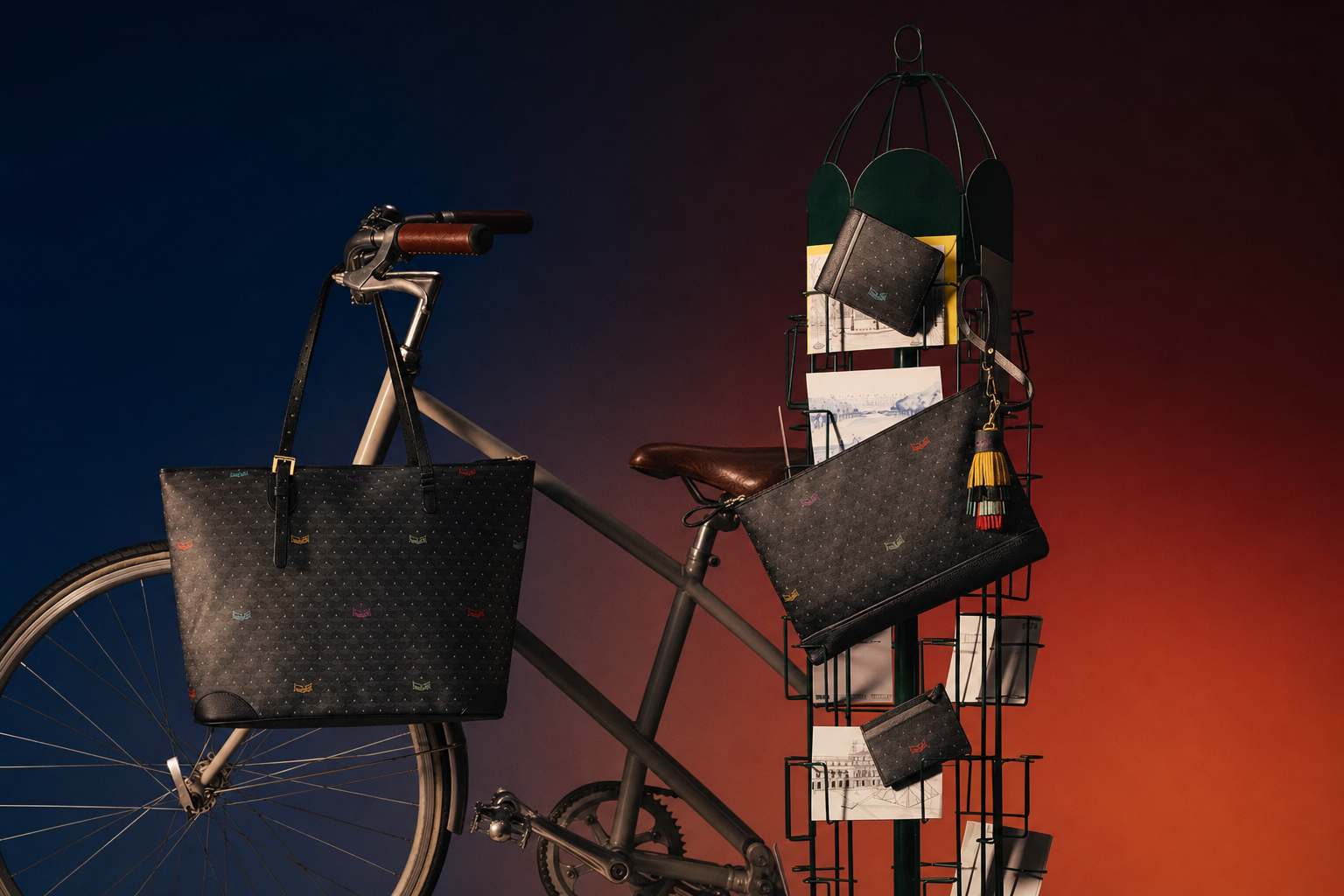
Blake leather shoulder bag
Khaite
$3,500

Bang Bang small Intrecciato leather tote
Bottega Veneta
$3,000

Dustbag small intrecciato leather pouch
Bottega Veneta
$2,600

Suede clutch
Alaïa
$2,150

North/South leather tote
Saint Laurent
$1,750

Symmetry Pochette leather tote
Savette
$1,390

Buckled large suede shoulder bag
Liffner
$795

Enzo Clutch Bag
A.L.C.
$350
Our honest take
We do not think trends are the enemy. Boredom is. The problem with trend buying is that it delivers novelty and calls it style, and novelty has a half-life of about six weeks.
What we would skip in this edit: the loudest bag. If you are buying one leather bag this year, buy the plainer one and let it become yours. A recognisable It bag is doing the same job as a copied outfit, which is telling people you saw the same picture they did.
What we would spend on: the trousers. They are the least photographed and most worn thing here, and a well-cut pair changes every top you already own. The knitwear is worth it too, but only if you are honest about whether you will actually hand wash it.
If you take one thing away: put your money where the clock is slow. Trousers, knits, leather. Then let the fast, funny, seasonal things be genuinely cheap, and stop asking them to make you feel like yourself.