Boucle looks delicate and behaves like a loop pile. What actually cleans it, what damages it, and which pieces are worth the upkeep.
Is Boucle Hard To Clean

Boucle is a construction, not a fibre
Boucle takes its name from the French for looped, and that is exactly what it is: a yarn spun with loops that sit proud of the surface. The fibre underneath varies. It can be wool, or polyester, or an acrylic and cotton blend, and the blend matters more for behaviour than the look does. What all boucle shares is that the surface is made of loops rather than a flat weave, and loops can be pulled. That single fact explains almost every piece of care advice that follows. It is not a fragile fabric in the sense of tearing easily, and many of the performance versions are rated for heavy use, but it is a fabric that shows damage differently. A flat weave gets a mark. A loop pile gets a snag, and a snag reads as a fault far more obviously than a mark does.
Boucle chairs
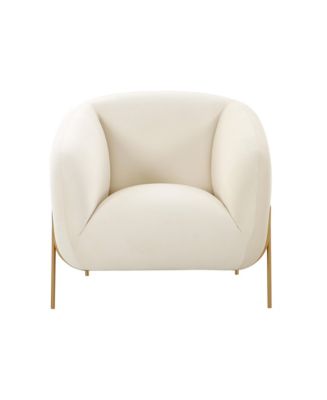
Kandra Accent Chair
TOV Furniture
$899
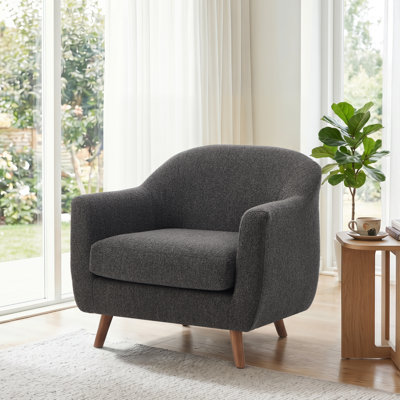
Kaya 35''W Modern Upholstered Accent Chair Boucle
Wayfair
$309.99

Kris 29.33" Boucle Accent Chair
TOV Furniture
$723.75
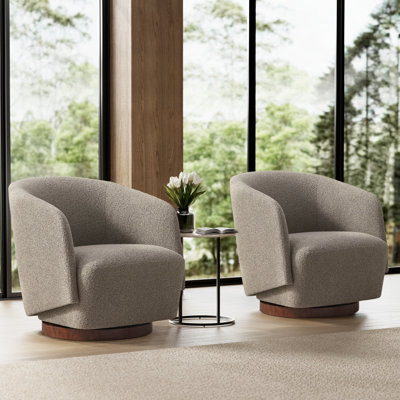
Caysey Boucle Swivel Accent Chair
Wayfair
$600
Kris 29.33" Boucle Accent Chair
TOV Furniture
$723.75
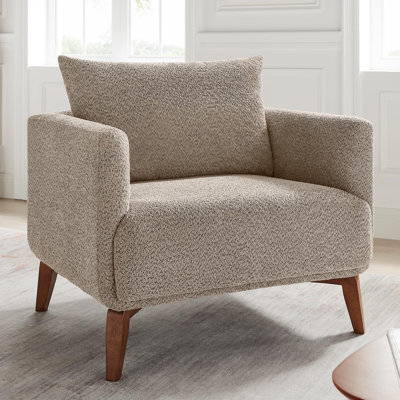
37'' Upholstered Boucle Arm Chair
Wayfair
$379.99
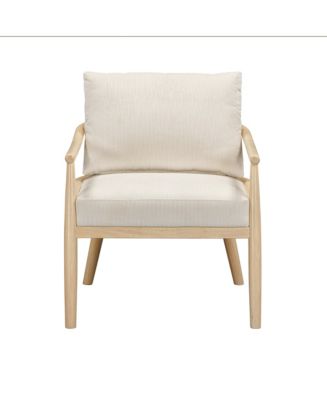
Dixie Accent Chair
TOV Furniture
$599
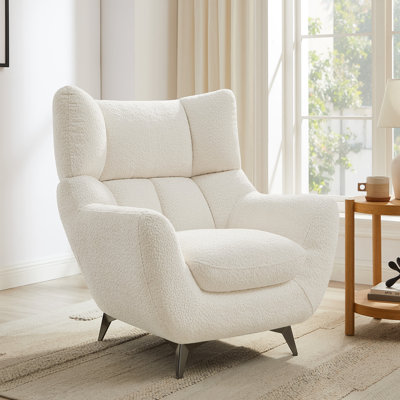
34.65''Modern Boucle High-Back Wingback Accent Reading Armchair
Wayfair
$419.99
What cleaning actually looks like
Weekly light vacuuming with a soft brush attachment does most of the work, because dust settling into the loops is what dulls the colour. Avoid a hard nozzle or a rotating brush head, which can catch and pull the loops. For spills, blot rather than rub, and blot immediately: rubbing works the liquid down into the loop structure and flattens the texture at the same time. Use a mild water based cleaner or a little soap in water, apply with a damp cloth rather than a wet one, and test somewhere hidden first. Do not soak it. Boucle holds water and can dry unevenly, leaving a ring that is more visible than the original spill. Check the cleaning code on the label before you start, since a fabric coded S needs a solvent rather than water. Pilling in the first few weeks is normal on many boucles as loose surface fibres work free, and a fabric shaver takes it off.
Boucle sofas and loveseats

Marona Modular 3-Piece Chaise Sectional Sofa
Lulu and Georgia
$3,387
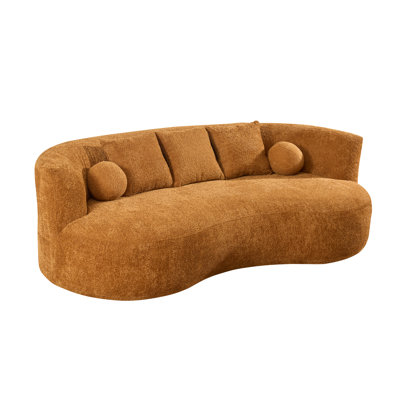
Boneless Orin Mid-Century Modern Boucle Upholstered 3-Seater Compression Sofa with Curved Silhouette
Wayfair
$629.99

Everly Sofa by Amber Lewis x Four Hands
Amber Lewis x Four Hands
$1,999
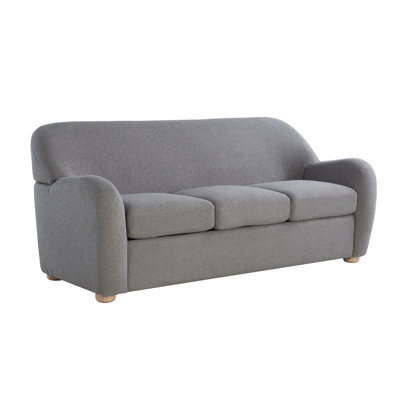
Emily 76" Modern Boucle Upholstered Sofa
Wayfair
$409.99

Kent Sofa by Amber Lewis x Four Hands
Amber Lewis x Four Hands
$2,099
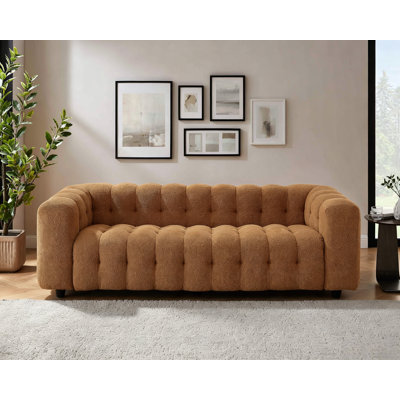
Lavance 89.4" W Tufted Bouclé Sofa
Wayfair
$770

Accardi Modular Convex Sofa
Lulu and Georgia
$1,999

Sleeper Sectional Sofa with Pull-out Bed and Storage Chaise, Bouclé Upholstery – Modern Cozy Fabric for Living Room
Wayfair
$529.99
Where boucle belongs and where it does not
Boucle is a good choice on pieces that get sat on rather than climbed on, and a poor choice anywhere claws and zips are in constant contact. Cats treat a loop pile as an invitation. Denim rivets, belt buckles and bag hardware all catch. Direct sun fades it like any textile, so a boucle sofa parked in a south facing window will shift colour on one side. Rotate loose cushions so wear spreads evenly, because a crushed patch in the seat is the failure people notice first. In practice this makes boucle excellent on an accent chair, a bedroom bench or an ottoman, and a bigger commitment on a family sofa unless the version you buy is a tight performance weave rather than a loose decorative one. If you have children and pets and want the texture anyway, buy the piece with removable covers or choose the chair rather than the sectional.
Boucle ottomans, benches and poufs
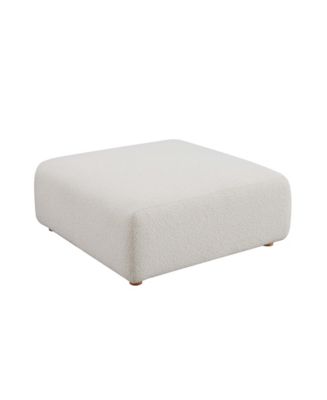
Hangover Ottoman
TOV Furniture
$719

48" Wide Storage Ottoman with Tufting in Gray Chenille
Wayfair
$499

1 Pc. Upholstered Modular Ottoman
TOV Furniture
$623.75

Babs 48" Luxury Ivory Boucle Upholstered Sliding Ottoman with Wheels and Table Top
Wayfair
$799.99
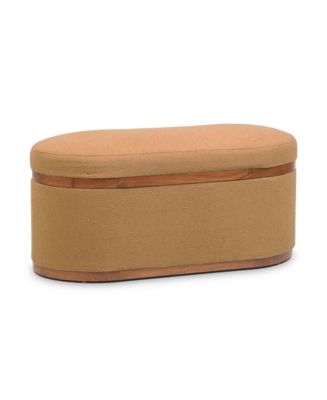
Olivier Oval Storage Ottoman
TOV Furniture
$479
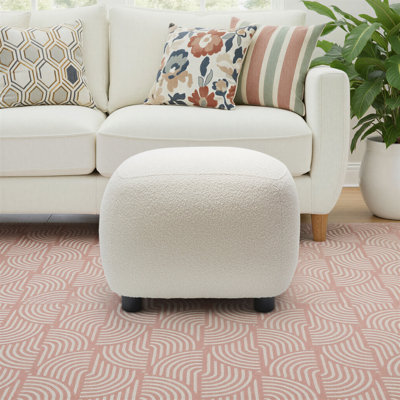
Overstreet 23" Wide Boucle Upholstered Ottoman
Wayfair
$126.99
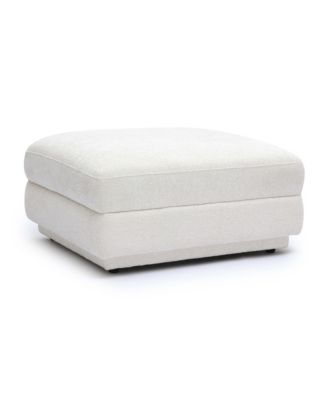
Perry Chenille Modular Ottoman
TOV Furniture
$479
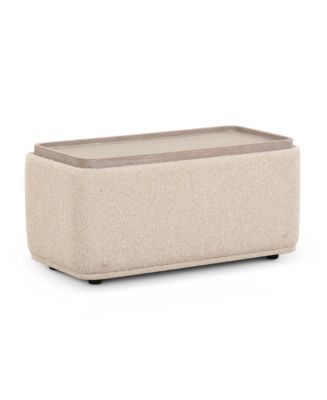
Sylvie Boucle Ottoman Table
TOV Furniture
$379
A note from the Phia editors
If you take one thing away, boucle is not hard to clean, it is hard to repair. Water and a mild cleaner handle most of what life throws at it, and a shaver handles the pilling. What you cannot easily undo is a pulled loop, so the whole strategy is avoiding snags rather than fearing spills. That reframes the shopping decision. Ask about the fibre and the abrasion rating rather than the look, because two fabrics can be described as boucle and behave nothing alike. In a household with cats we would choose a different texture entirely and not feel we had compromised. In a household without them we would buy the boucle chair and expect it to look good for years with a weekly vacuum and one professional clean when it needs reviving.
Shop brands in this edit


Next read

How To Wear Farm Rio Prints Once The Weather Turns
Farm Rio's fall drop trades tropical brights for chocolate leather, black denim and dark florals. Here is how to wear the prints past September, plus the dark pieces our editors are buying at Saks, Neiman Marcus and Bloomingdale's.
Read Editorial
Necklace Or Studs: Which To Buy First
Choosing necklaces first is usually the better buy when one piece should change several outfits, but choice depends on your neckline and daily habits. Start with placement