What a Scottish knitwear label actually means, from the mill towns to the finishing, and how to tell it from marketing.
Knitted in Scotland, Explained
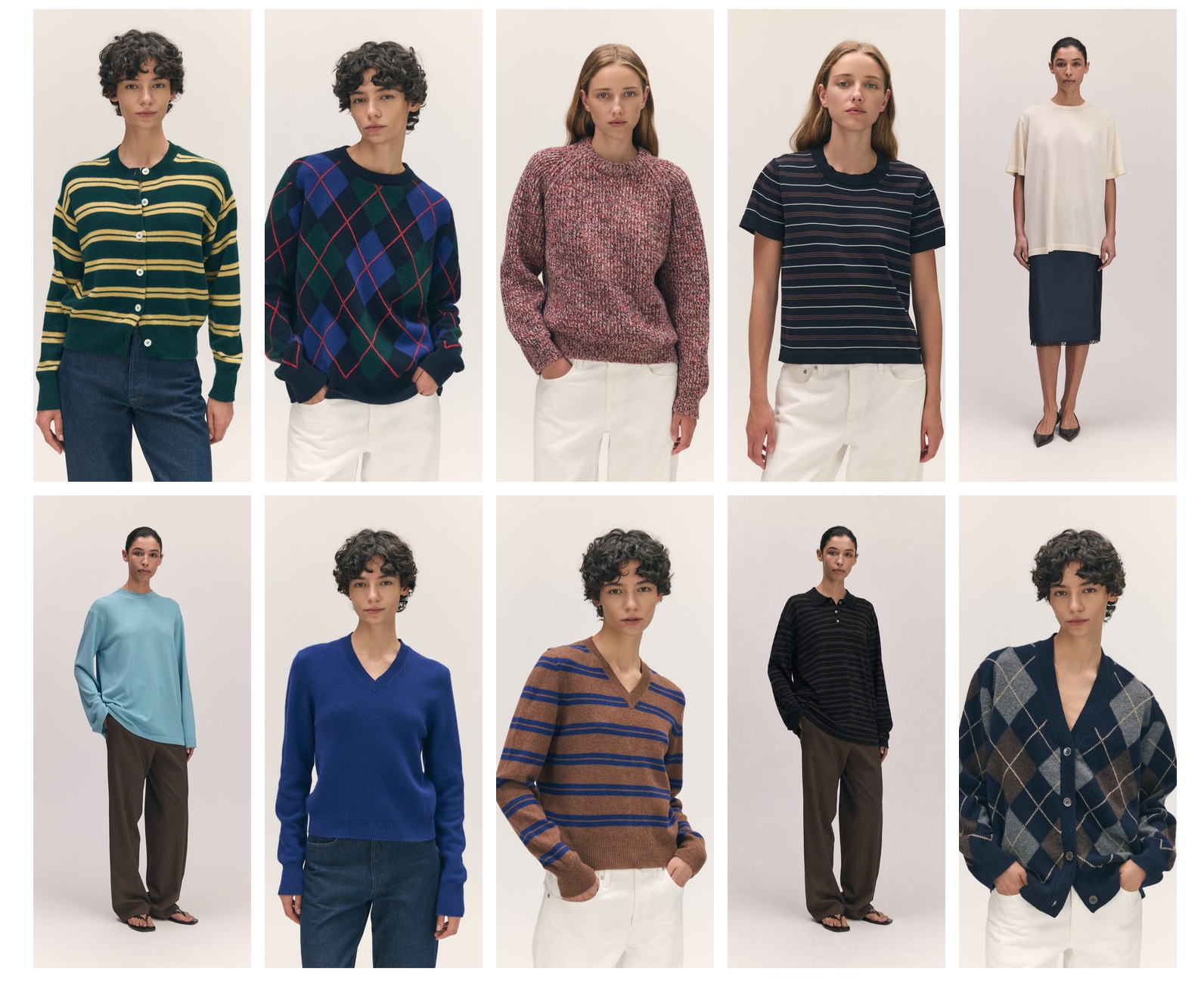
What the label is claiming
Knitted in Scotland means the garment was made in a Scottish mill. It does not mean the fibre came from Scotland, because cashmere comes from goats in Mongolia and China and fine lambswool largely from Australia and New Zealand. The claim is about the making, not the raw material, and it is worth understanding before you decide what it is worth.
The Scottish Borders, and Hawick in particular, has spun and knitted fine yarn since the eighteenth century. What survives there is a cluster of specialised mills, the machinery to knit fine gauges properly, and people who have finished knitwear for decades. Finishing is the part that matters and the part nobody markets: the washing, milling and pressing that turns a knitted panel into a garment with a soft handle and a stable shape.
That expertise is why a Borders-made crewneck holds its neckline and its dimensions through years of washing, and why the same yarn made elsewhere can come out stiffer or looser.


How to tell it apart
Read the wording carefully. Knitted in Scotland and made in Scotland are strong claims about where the work happened. Designed in Scotland, Scottish heritage, Scottish yarn and Borders-inspired are not, and are frequently used on garments knitted somewhere else entirely.
Then look at the joins. Fully fashioned knitwear is knitted to shape panel by panel and linked together, so you can see the seams follow the edge of the piece rather than being cut through the fabric. Cut-and-sew knitwear is cut from knitted cloth like a t-shirt, which is faster and cheaper and produces a garment that loses its shape sooner. Turn a sleeve inside out at the underarm and you can usually tell in a second.
Check the ribs at the cuff and hem. A rib that springs back firmly was knitted at the right tension, and it is the first thing to go on a cheap knit.
Finally, mind the price. A genuinely Scottish-made fine-gauge cashmere sweater cannot be made for under about $200, and anything far below that is telling you where it came from.


Our honest take
The origin is not a reason on its own, and we would not pay extra for a flag. What you are actually paying for is the finishing and the fully fashioned construction, and those are worth real money because they decide whether the sweater still fits in five years.
So treat Knitted in Scotland as a reliable shorthand rather than a virtue. It usually travels with the things that matter: better yarn, panels knitted to shape, ribs that hold, and a press that gives the fabric its handle. When you find the same construction made elsewhere at a lower price, buy that instead.
If you take one thing away: turn the sleeve inside out and look for fully fashioned seams, because that tells you more about how long the sweater will last than the country on the label does.
Shop brands in this edit

Next read
Ruching That Actually Flatters
Does ruching hide or highlight?
Read Editorial
One Piece Or Bikini
For the question of one piece or bikini, neither is universally better. The right choice depends on how much coverage you want and how confidently the suit will stay put while you move. Eres makes the comparison useful