A krill oil softgel keeps the format straightforward, while labels vary in how they pair krill oil with omega-3 wording. This is a calm comparison of product names, softgel forms, and package details.

Krill Oil Softgels
A March 2012 report said a major grocer had removed krill-oil products from its shelves in 2009 over sustainability concerns and was not stocking them at the time of the report. It is a small retail-history detail, but it makes the shelf life of a supplement category sound less inevitable than the package design might suggest.
For krill oil softgels, the routine is more about form than flavor. Most of these names lead with softgels, with some using words like mini or small to describe the format; the titles also vary in whether they mention omega-3 or Antarctic krill oil. I would keep the decision unhurried and read the back panel rather than treating a familiar front-label phrase as a shortcut.
A practical first test: check the serving size, full ingredient list, allergens, and any third-party testing marks shown on the label. Check with a pharmacist or doctor if you take medication or are pregnant, especially before adding a new capsule or softgel to your routine.
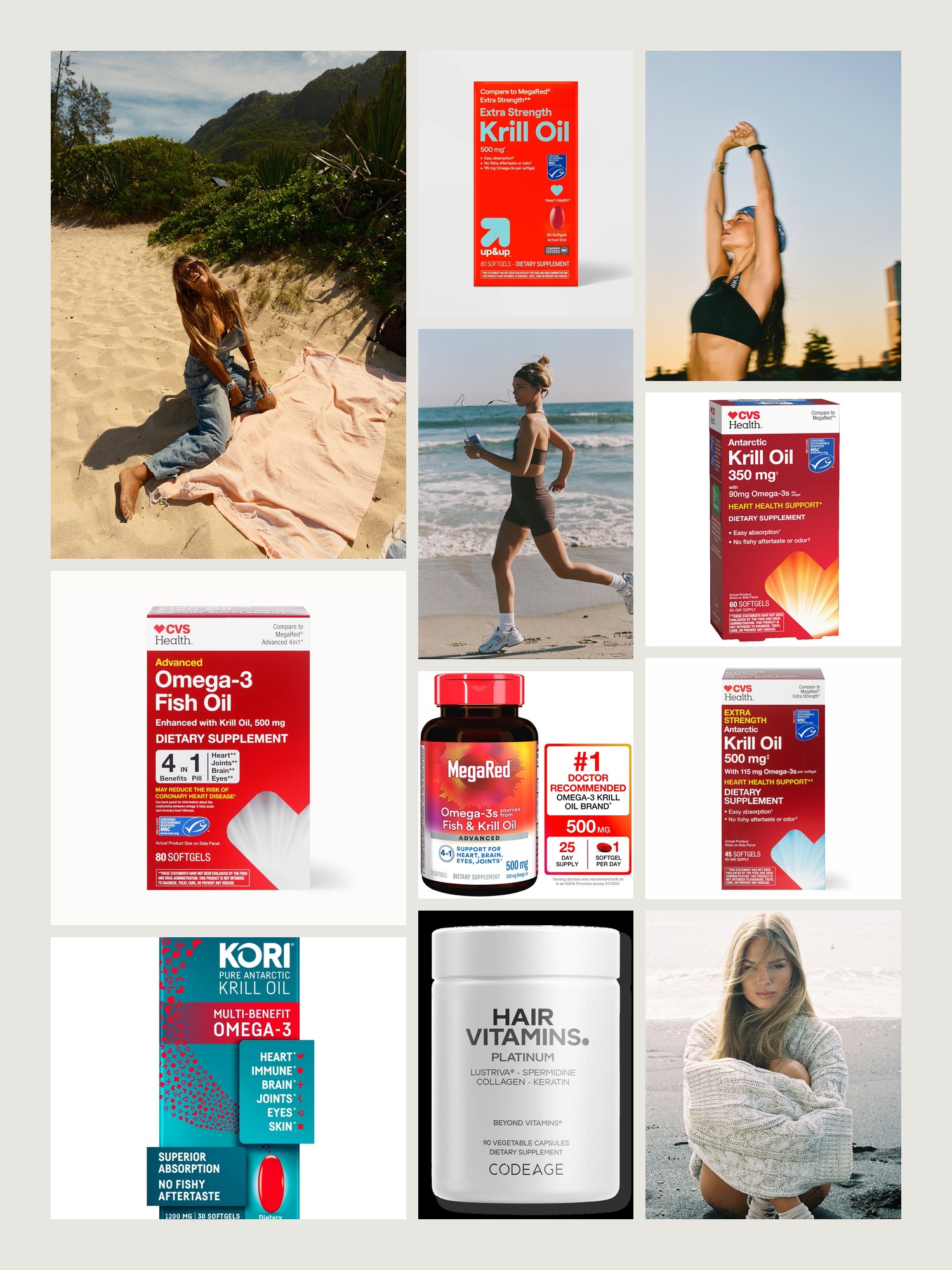
The Straightforward Softgels
The store-brand Omega-3 Fish Oil Enhanced with Krill Oil Softgels name both fish oil and krill oil, Kori Krill Oil's Superior Omega-3 Standard Softgels emphasize the softgel form, and MegaRed's Superior Omega-3 Krill Oil Softgels use a similarly direct title. Krill oil is the shared thread, not a reason to assume the labels are identical. I would read each ingredient list and package panel separately, then choose the format that fits an existing routine. When a product comes as a softgel, the simple question is whether that format is one you are comfortable keeping with your other daily items.

Omega-3 Fish Oil Enhanced with Krill Oil Softgels, 80 CT
CVS Health
$34.99

Kori Krill Oil Superior Omega-3 1200mg Standard Softgels - 30ct
Kori Krill Oil
$19.99

350mg Superior Omega-3 Krill Oil Softgels, 120 CT
MegaRed
$37.99

KrillMD Antarctic Krill Oil Omega 3 Supplement with Astaxanthin, EPA, DHA, 60 Lemon-Coated Softgels
1MD Nutrition
$49

Small and Extra-Strength Labels
The store-brand Omega-3 Krill Oil Softgels use an extra-strength phrase in the title, MegaRed's Superior Krill Oil Softgels pair krill oil and omega-3 wording, and Kori Krill Oil's Small Softgels make size part of the product name. I would read every descriptor as a label cue, not a conclusion about what a product does. Compare the ingredients and serving instructions on the actual package. The useful routine question is whether a softgel suits your day, not whether the longest product title sounds more persuasive. Keep the choice calm and the label close.

Omega-3 Krill Oil Extra Strength 500mg Softgels - 80ct - up&up™
up&up
$24.99

MegaRed Superior Krill Oil 350mg Omega-3 For Heart Health Omega 3, 120 Softgels
MegaRed
$28.12

Kori Krill Oil Superior Omega-3 600mg Small Softgels - 60ct
Kori Krill Oil
$19.99

Omega-3 Krill Oil, 1,000 mg, 60 Softgels
Sports Research
$34.45
Antarctic Names on the Label
MegaRed's Advanced fish-and-krill oil product uses a multi-part title, the store-brand Antarctic Krill Oil Softgels keep the wording shorter, and TNVitamins' Antarctic Krill Oil Softgels name astaxanthin alongside the oil. Those are three different label styles for krill oil, from a longer name to a concise one to an ingredient cue. I would compare the full ingredient panels rather than relying on a front-label summary. If your daily routine already has several items, first decide whether another softgel belongs there at all, then assess the package details without rushing.

MegaRed Advanced 4in1 500mg Omega-3 Fish Krill Oil Supplements, Heart Brain Eyes Joints Health
MegaRed
$9.88

Antarctic Krill Oil Omega-3 Softgels, 60 CT
CVS Health
$22.79

TNVitamins Antarctic Krill Oil 1000mg Softgels Omega 3 Supplement with Phospholipids EPA DHA
TNVitamins
$19.99

Extra Strength Krill Oil Dietary Supplement, 500mg, 150 Count
Equate
$24.47
A Capsule Beside the Softgels
Codeage's capsule listing biotin, keratin, and omega-3 has a different shape from TNVitamins' Antarctic Krill Oil Softgels and Kori's Multi-Benefit Omega-3 Softgels. Krill oil is one part of the conversation here, but a capsule and a softgel are not the same format. I would keep the label language factual: note the named ingredients, read the serving directions and other ingredients, and check for allergens. It is fine to choose the simplest form for your morning. What I would skip is deciding from a title that strings together several ingredients; the full panel is the more useful read.

Hair Vitamins Platinum with Biotin, Keratin & Omega-3
CODEAGE
$59.99

TNVitamins Antarctic Krill Oil 1000 mg | 120 Softgels with Astaxanthin | Red Krill Oil with
tnvitamins
$19.99

Krill Oil Multi-Benefit Omega-3 Softgels, 1,200 mg, 30CT
Kori
$27.99

Antarctic Krill Oil Supplement, 1,000mg Per Serving, 300 Softgels
Micro Ingredients
$23.96
Mini Softgels and Short Titles
The store-brand Antarctic Pure Omega-3 Krill Oil Softgels give the title a compact feel, Nature's Craft Antarctic Krill Oil Softgels name the oil and form plainly, and Kori Krill Oil's Mini Softgels put their size cue right up front. The words mini and softgels are the practical contrasts in this krill oil group. Before bringing one home, I would check the package for the serving size, all ingredients, allergens, and testing marks shown. Then decide whether a softgel is a routine you can keep straight, rather than letting several nearly similar labels crowd the counter.

Antarctic Pure Omega-3 Krill Oil Softgels, 45 CT
CVS Health
$26.49

Natures Craft Antarctic Krill Oil 500mg Softgels, High Absorption Omega 3 Supplement, Bone &
Nature's Craft
$14.99

Kori Krill Oil Superior Omega-3 400mg Mini Softgels - 90ct
Kori Krill Oil
$19.99

Antarctic Krill Oil with Omega-3s EPA, DHA, Astaxanthin - Non-GMO, Gluten Free, 180 Softgels
Futurebiotics
$24.97
Start With the Actual Panel
My rule of thumb is to begin with the format, then read the complete label before deciding whether a krill oil softgel belongs in your routine. Check serving size, ingredients, allergens, and any third-party testing marks shown, and ask a pharmacist or doctor if you take medication or are pregnant. A short product name can still sit on a complicated label, so make the package the source of detail. No need to turn a small daily choice into a bigger project.