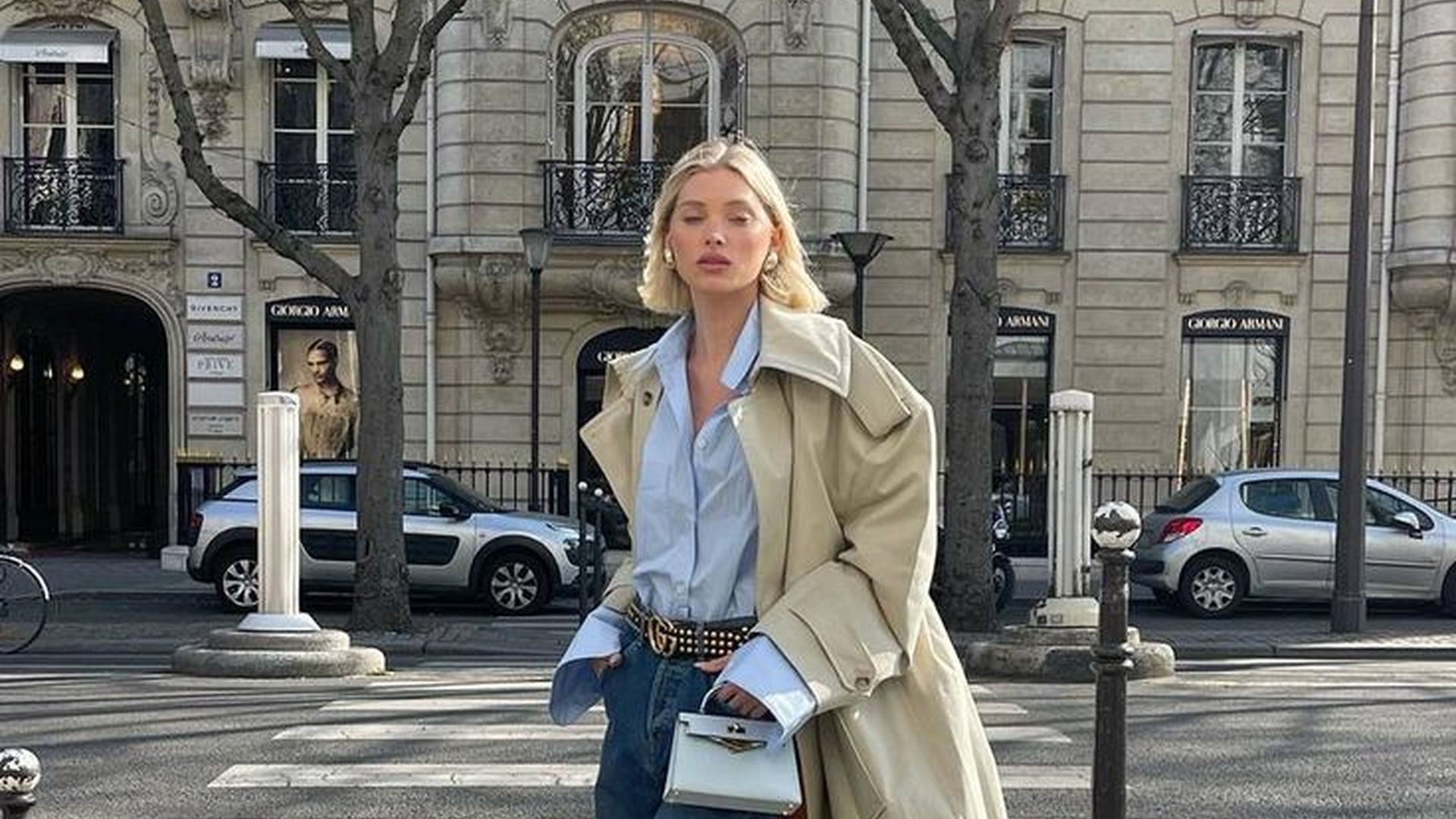
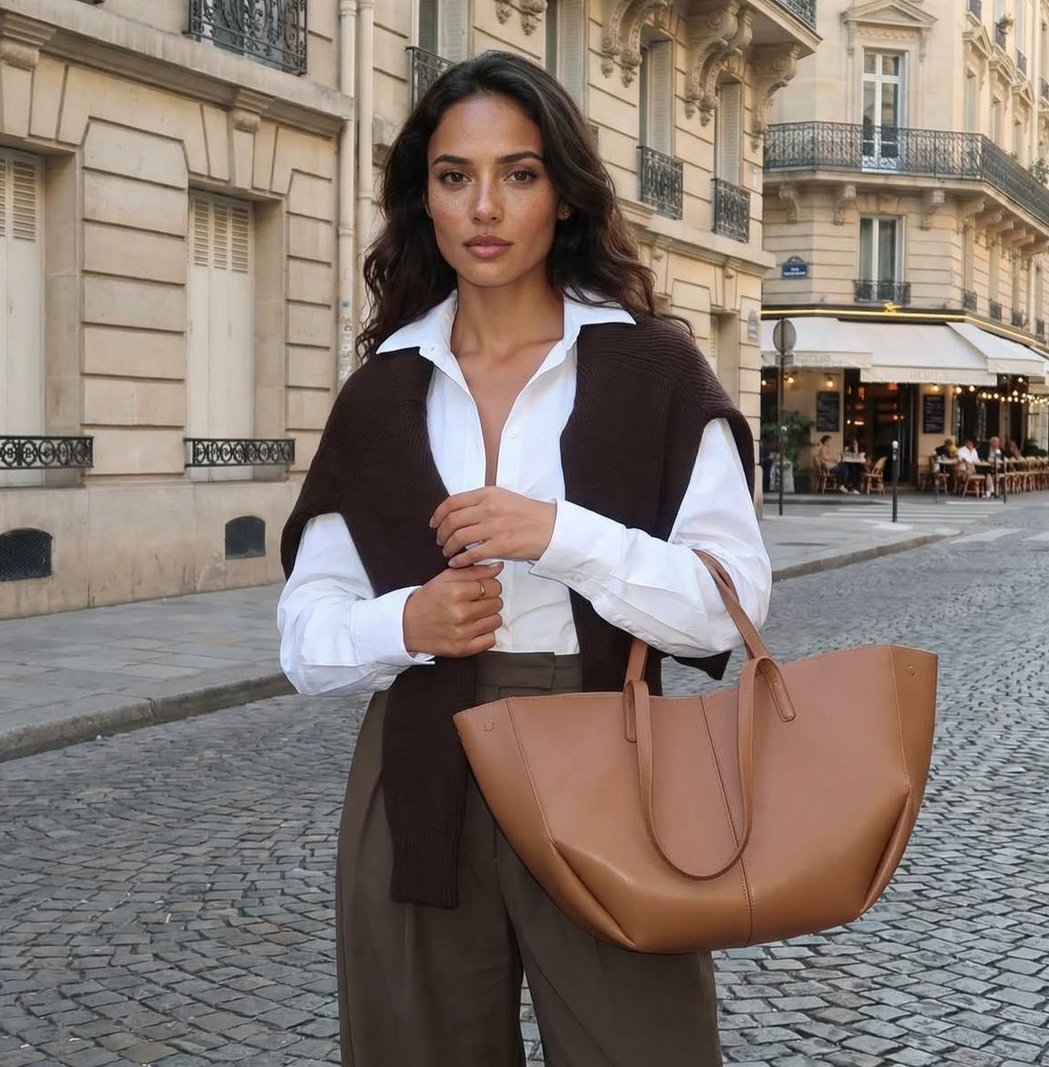
This edit shows luxury purse brands by country, from Italian houses and French trunk makers to British, American and newer labels. I focus on how to check the leather, the edges and the hardware before I choose.
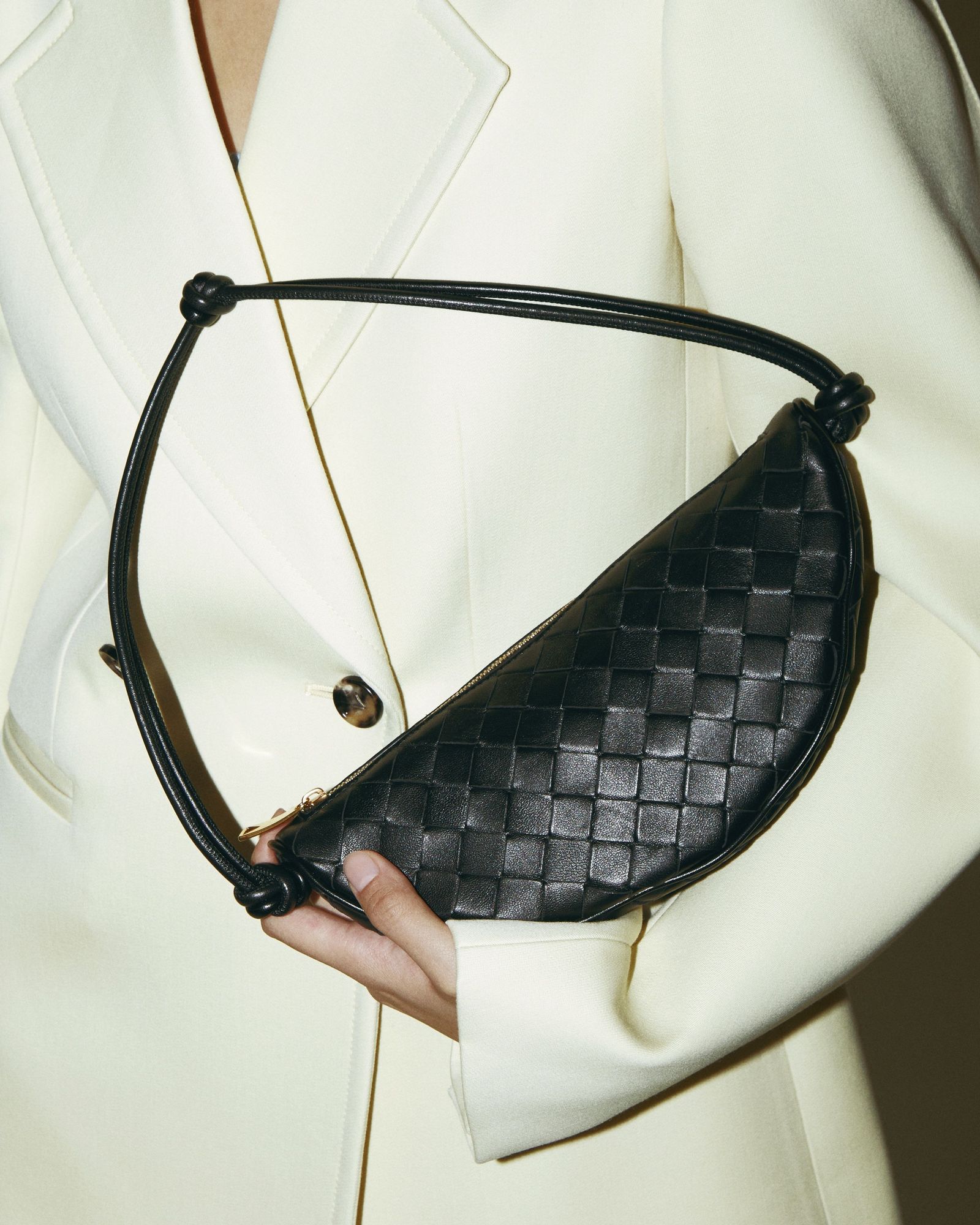
Luxury Purse Brands: From Harness Workshops to the Handbags You Carry
Where the luxury purse brands began
In 1837 Thierry Hermès opened a harness and saddle workshop in the Grands Boulevards quarter of Paris, a quarter echoing with the clatter of horseshoes. There was no handbag in sight. The first leather handbags came in 1922, after the wife of Émile-Maurice Hermès complained that she could not find one she liked. I think about that whenever I read a list of luxury purse brands: almost every famous name started as a maker of something else. I went deeper on a related idea in French Luxury Brands.
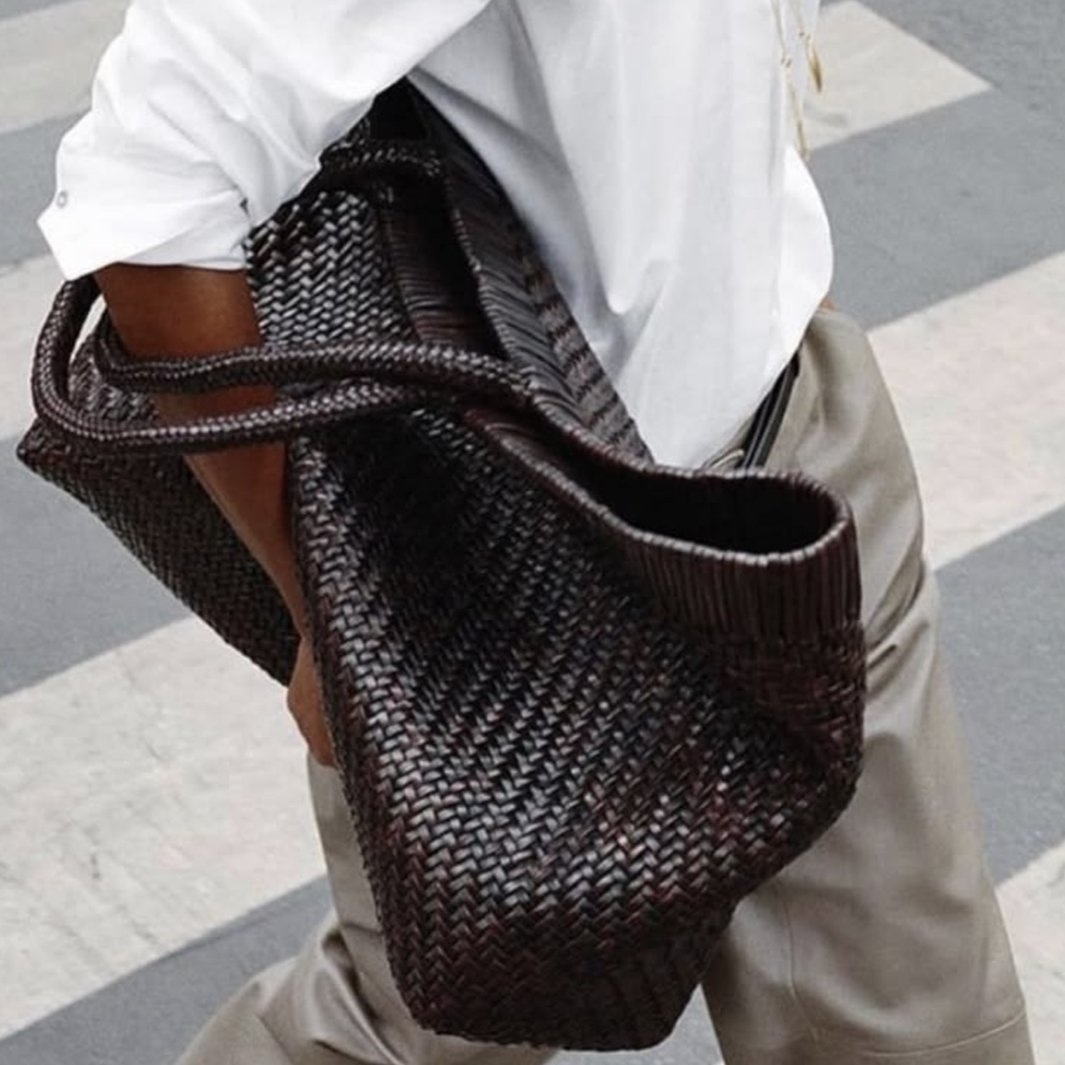
Prada began in Milan in 1913 as Fratelli Prada, two brothers, Mario and Martino, with a shop whose sign promised luxury objects and luggage. Gucci opened in Florence in 1921 under Guccio Gucci, first as a leather goods and luggage retailer. Bottega Veneta followed in 1966 and introduced its woven Intrecciato leather in 1975, with soft bags free of heavy hardware and without a logo. Trunk makers, saddlers and luggage shops: that is the real lineage.
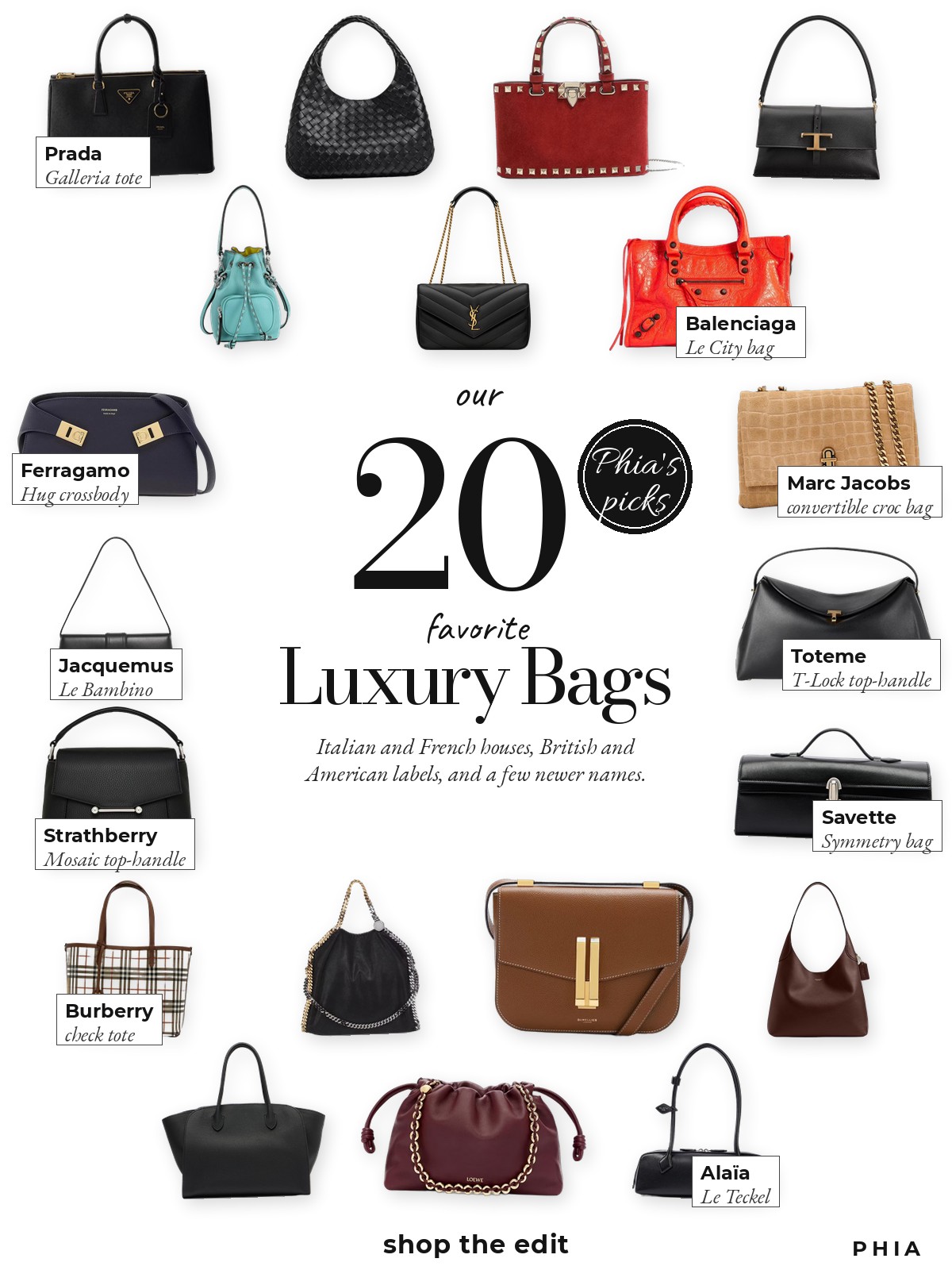
Italy comes first because the houses are so varied. In my fashion dreams she is crossing a cold October piazza with the black Galleria Saffiano tote from Prada on her shoulder. The woven Bottega Campana in black with brass hardware is the quieter version of the same woman. For a night out I would pick the red suede Rockstud mini from Valentino Garavani, and for a coat-heavy commute the navy Hug crossbody from Ferragamo, which keeps your hands free.
The Tod's mini in black, with its T ring clasp, is the one I would hand to anyone who owns only one bag. Fendi's Mini Mon Tresor bucket in lagoon blue and the dark red Miu Miu Aventure bring color, and the beige Gucci Ophidia with its web stripe is the easy way into the house. A tip: press a thumb into the leather near the handle base and watch how it recovers. Good hides settle back slowly and evenly.
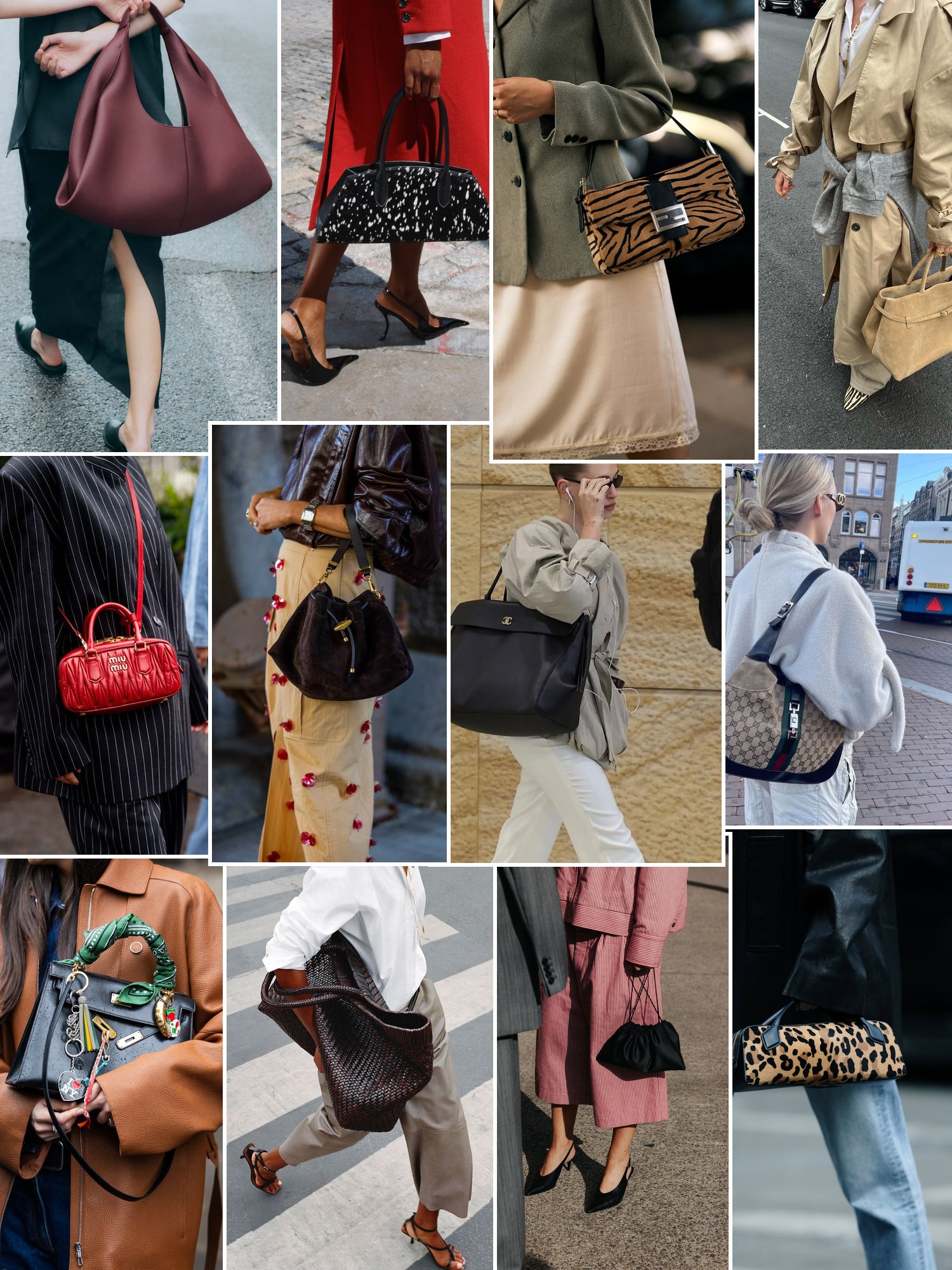
Italian houses

Galleria Saffiano Leather Tote Bag
Prada
$6,000

Medium Campana Intrecciato Leather Shoulder Bag
Bottega Veneta
$4,900

Rockstud Mini Suede Top Handle Bag
Valentino Garavani
$1,450

Hug Leather Crossbody Bag
Ferragamo
$2,300

T Timeless Mini Leather Shoulder Bag
Tod's
$2,495

Mini Mon Tresor Leather Bucket Bag
Fendi
$1,790

Aventure Nappa Leather Shoulder Bag
Miu Miu
$4,500

Ophidia Small GG Top-Handle Bag
Gucci
$1,140
French bags with a trunk maker's logic
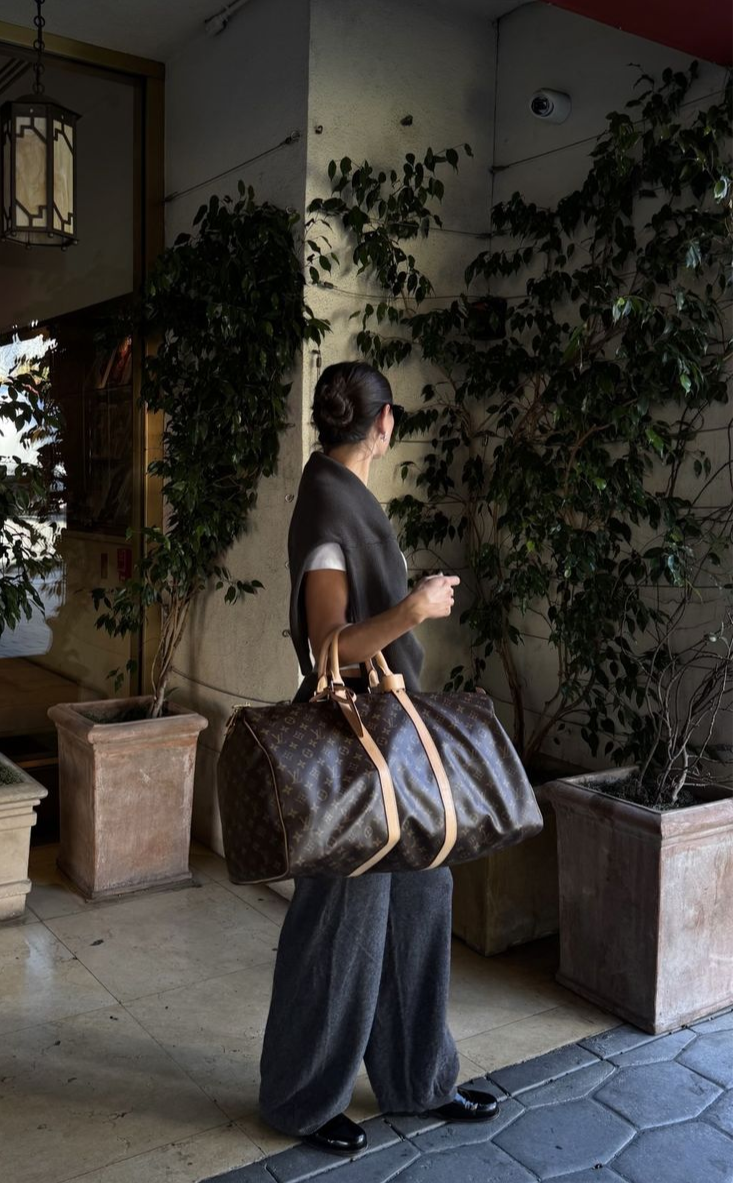
Look at the corners first. On a quilted or structured bag, the corners are where weak construction gives up. After 17 years learning trunk making, Louis Vuitton opened his own house in 1854 and built a flat-topped trunk that could be stacked in a ship's hold or a railway baggage car, unlike the domed trunks of the time.
That practical streak shows up in the black Loulou in noir lambskin from Saint Laurent, with its gold monogram closure, and in the Jamie shopping tote in black lambskin, the roomier sister for a laptop and a coat. Chloé's black Paddington, with its padlock, and the cashmere gray Marcie saddle bag are for days when you want the bag to look a little lived in. Givenchy's small Voyou bucket in shiny leather has a draped shape that softens a sharp wool coat.
Then there is the fun side. Balenciaga's Le City in pop orange, with studs and a tassel, is the bag I would put against all-black knitwear in October. Jacquemus gives you two scales: the black Le Bambino with its logo plaque, and the white Le Grand Bambino with the scrunchie-style handle.
In the fitting room, open and close every clasp ten times. A gold monogram or padlock should snap cleanly without catching the leather beside it. Run a finger along the handle edge as well: it should feel smooth and sealed, not tacky.
What I would skip: the white bag if your daily commute is a crowded subway in wet weather. Save it for dinners and weekends.

Loulou Medium Shoulder Bag in Lambskin Leather
Saint Laurent
$3,100

Paddington Leather Shoulder Bag
Chloé
$2,450

Small Voyou Bucket Bag in Shiny Leather
Givenchy
$1,990

Le City Small Top Handle Bag
Balenciaga
$2,590

Le Bambino Logo Leather Shoulder Bag
Jacquemus
$1,190

Jamie Shopping Tote Bag in Lambskin
Saint Laurent
$4,300

Marcie Leather Saddle Bag
Chloé
$1,990

Le Chouchou Le Grand Bambino Leather Top-Handle Bag
Jacquemus
$1,050
British labels and a Somerset kitchen table
Somerset, England, is not where most people expect a luxury handbag to come from, but Mulberry was started there in 1971 by Roger Saul, who set up the brand at his kitchen table with backing from his mother. The name and the tree logo came from the trees he passed on the way to school. The house says it is proud to be the largest manufacturer of luxury leather goods in the UK, with two factories in Somerset where over 50% of its bags are made.
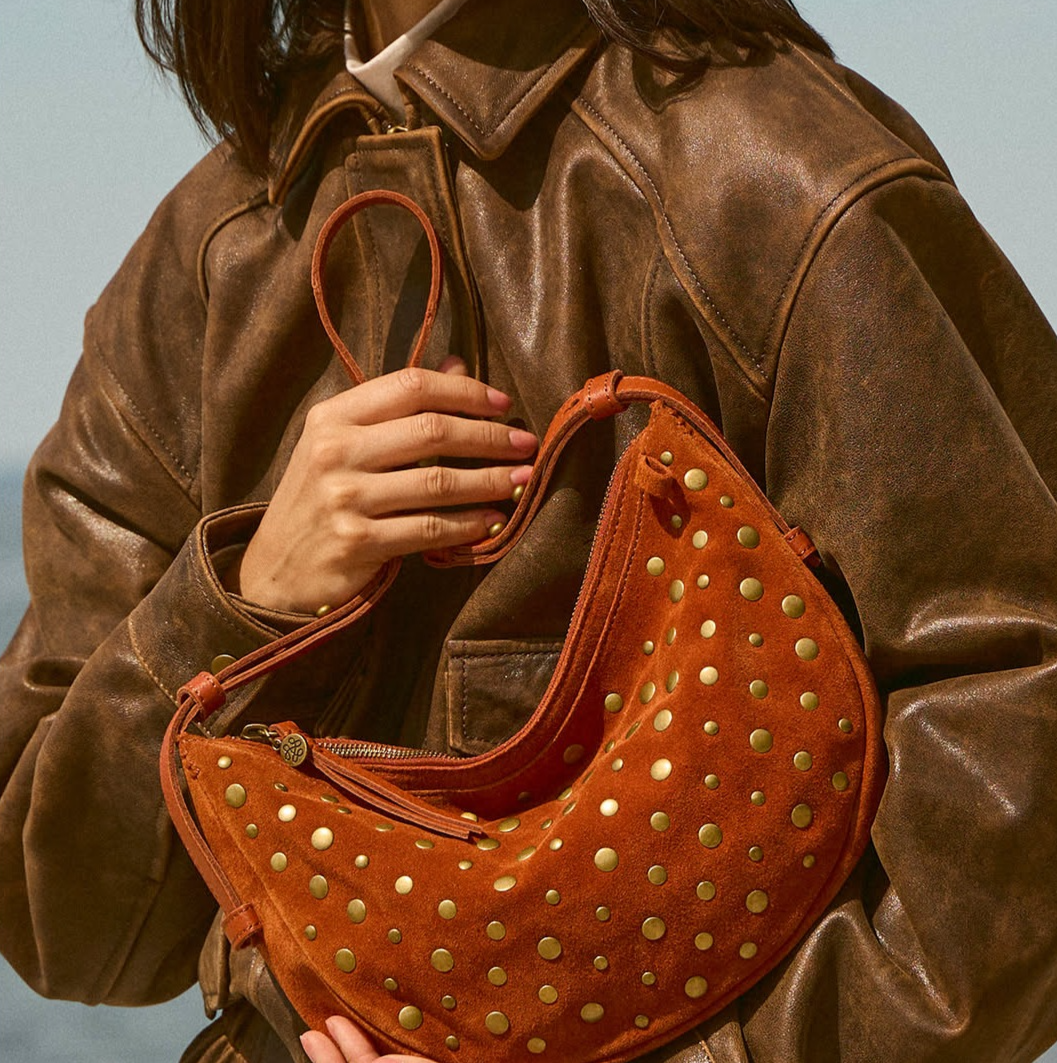
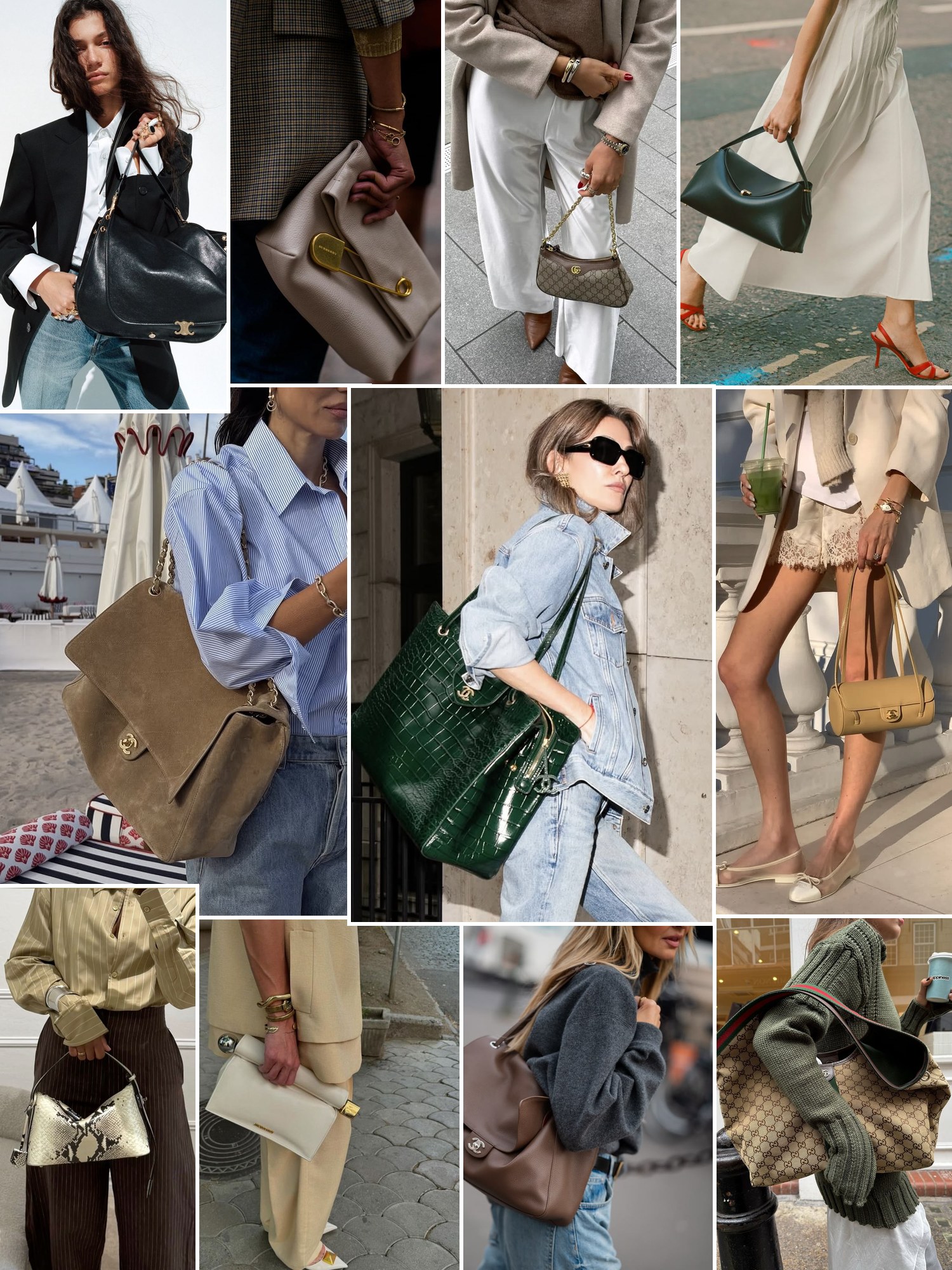
The small Iris in vintage oak suede, with its braided top handle and brass ring lock, is the October bag in this edit. Burberry brings the checks: the small beige Check tote has leather handles and room for a paperback, while the Primrose small top-handle in archive beige suits a desk. Alexander McQueen's Locke in black leather with silver hardware is sharper and a bit severe, in a good way.
For a softer line, Anya Hindmarch's Mortimer in black leather has a front flap and a gold turnlock, and it works with a belted trench. Strathberry's Mosaic top-handle in black grain leather has a bar clasp. DeMellier's tan Vancouver crossbody is the easiest one to wear with jeans, and Stella McCartney's black 3-Chain Falabella is the vegan option with its signature chain trim.
Test the hardware where it meets the leather. Tug the ring lock, the clasp and the chain gently: there should be no wobble and no gaps.
What I would skip: a bag with a bold check if the rest of your outfit already carries pattern. Let the check be the one loud thing.

Small Check Tote Bag
Burberry
$1,750

Locke Leather Top Handle Bag
Alexander McQueen
$3,450

3-Chain Falabella Tote
Stella McCartney
$1,695

Mosaic Grain Leather Top Handle Bag
Strathberry
$695

Vancouver Leather Crossbody Bag
DeMellier
$560

Small Iris
Mulberry
$1,645

Mortimer Leather Shoulder Bag
Anya Hindmarch
$2,790

Primrose Small Check Top Handle Bag
Burberry
$2,095
American leather and a baseball glove
Coach was founded in New York in 1941 by six artisans, and the house grew under Lillian and Miles Cahn. The Cahns were intrigued by how the soft leather of a baseball glove gets better with time instead of breaking down, so they created a proprietary process for tanning skins that kept their strength and elasticity. Later, designer Bonnie Cashin brought turn-locks and outside pockets to her Cashin-Carry bags. That is the thread through the American labels here: practical first, polished second.
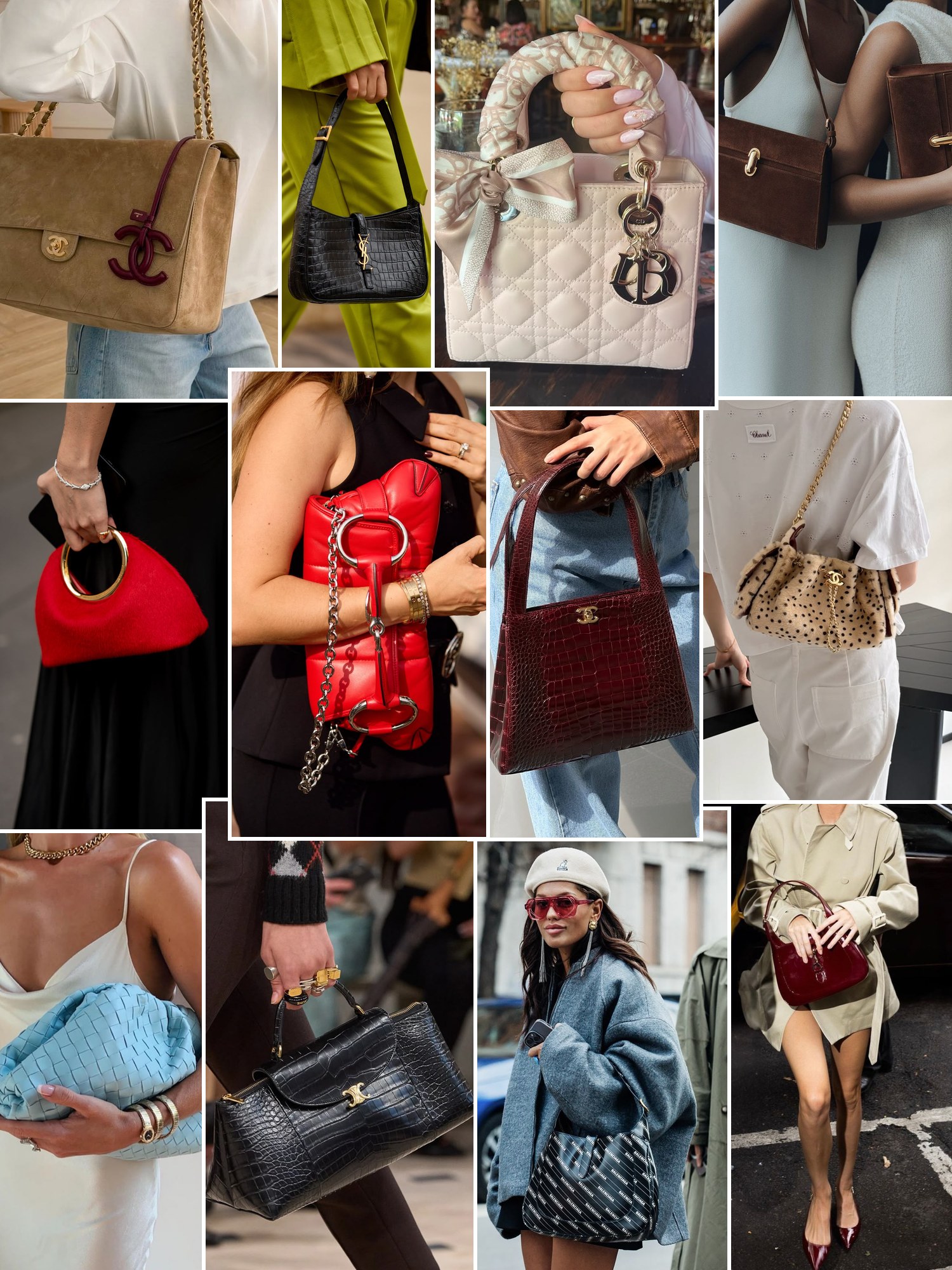
The maple Brooklyn shoulder bag from Coach has the turnlock flap that Cashin made famous, and it is the one I would carry from October to the first snow. Tory Burch has two: the dark cocoa suede Lock east-west satchel, which looks best against a camel coat, and the black pebbled Romy bucket, whose texture hides scuffs on a daily commute.
Marc Jacobs makes the sahara suede and croc-embossed dual convertible bag, a shoulder bag that can be worn two ways. Proenza Schouler's Hex bucket in deep navy has a hex-shaped closure that adds one clever shape. Then the quiet ones: the Blake from Khaite in black with a sleek curved frame, the minimal Marlo 12 tote from The Row, and the Pina top-handle from Mansur Gavriel with its rounded shape.
Check how the bag stands on a table when it is empty. A good structured bag keeps its shape, and a good slouchy one folds without cracking at the creases. With suede, look at the nap in daylight, because shading should be even.
What I would skip: suede on a rainy-day commute unless you have it treated. Black pebbled leather is the safer pick for those mornings.

Brooklyn Leather Shoulder Bag
Coach
$395

Lock Suede East-West Satchel
Tory Burch
$595

The Suede Croc Dual Convertible Shoulder Bag
Marc Jacobs
$249

Hex Leather Bucket Bag
Proenza Schouler
$1,890

Blake Leather Top Handle Bag
Khaite
$3,500

Marlo 12 Leather Tote Bag
The Row
$3,600

Pina Leather Top Handle Bag
Mansur Gavriel
$795

Romy Pebbled Leather Bucket Bag
Tory Burch
$395
Newer labels and how to read the hide
Not every luxury label has a hundred years of archives. The newer ones lean on one idea and do it very well, and a quick lesson helps: a bag labeled "genuine leather" is not necessarily the best grade, because that term does not describe a specific grade. Full-grain leather, by contrast, keeps the entire grain layer and develops a patina instead of wearing out. In a pared-back shape, the hide does all the work.
Toteme's T-Lock top-handle in black is the cleanest example, where the clasp does the decorating. Loewe's medium Flamenco chain shoulder bag in dark burgundy has a gathered shape and a chain strap that works with a wool coat in the cold months. Jil Sander's Tangle tent shoulder bag in eggshell is a calm, tent-shaped silhouette for a pale knit and trousers. Wandler's Penelope slouch in coffee crust is soft and a little relaxed, for jeans and a leather jacket.
Alaïa's Le Teckel is long and black, with tall slim handles, and the effect is almost architectural. Savette has two quiet pieces: the Symmetry Slim small top-handle in black with a silver clasp, and the Symmetry Soft medium in brown, which is the roomier one. Khaite's Donna east-west top-handle in ebano suede is the darkest, softest shade here.
Look at the inside before you decide. Lining seams should be neat and the edges should be even, with no thick ridges in the paint.
What I would skip: a slouchy shape if you carry a laptop every day. Choose a structured top-handle instead.

T-Lock Leather Top Handle Bag
Toteme
$1,390

Flamenco Medium Chain Leather Shoulder Bag
Loewe
$3,990

Tangle Tent Leather Shoulder Bag
Jil Sander
$1,590

Penelope Slouch Leather Shoulder Bag
Wandler
$635

Le Teckel Leather Shoulder Bag
Alaïa
$3,050

Symmetry Slim Small Leather Top Handle Bag
Savette
$1,490

Donna Soft Suede East West Top Handle Bag
Khaite
$2,680

Symmetry Soft Medium Leather Top Handle Bag
Savette
$2,290
How I would choose, in order
I would start with the leather. Press it, bend a corner, and read the label, because the hide and the edges tell you more than the logo ever will. Then I would check the hardware, the clasp, the stitching at the strap and the seams inside.
After that, I would choose by life, not by country. A daily commuter wants the Brooklyn or the Mortimer, an evening person wants the Rockstud mini, and a minimalist should look at the Marlo 12 or the Blake. The saddler in 1837 would approve of that order: make it well first, name it later.
If I could only carry one this October, it would be the small Iris in vintage oak suede. It belongs to a brand that started at a kitchen table and still makes its bags in Somerset, which seems a good way to end a story that began with horseshoes in Paris.