New Balance vs Nike comes down to fit and feel: New Balance offers more width choices, while Nike often feels snugger and more responsive.

New Balance vs Nike: Fit, Cushion and the Daily Test
A fit-first answer
New Balance vs Nike comes down to your foot and the kind of ride you like: New Balance offers more width choices and a grounded feel, while Nike tends toward a snugger, responsive fit. I would not pick a winner by logo. New Balance's story began with arch supports in 1906, and its Trackster later made width options part of the running-shoe conversation; Nike started with Phil Knight and Bill Bowerman's Blue Ribbon Sports in 1964. Interesting history, but neither one can tell you how your heel will sit.
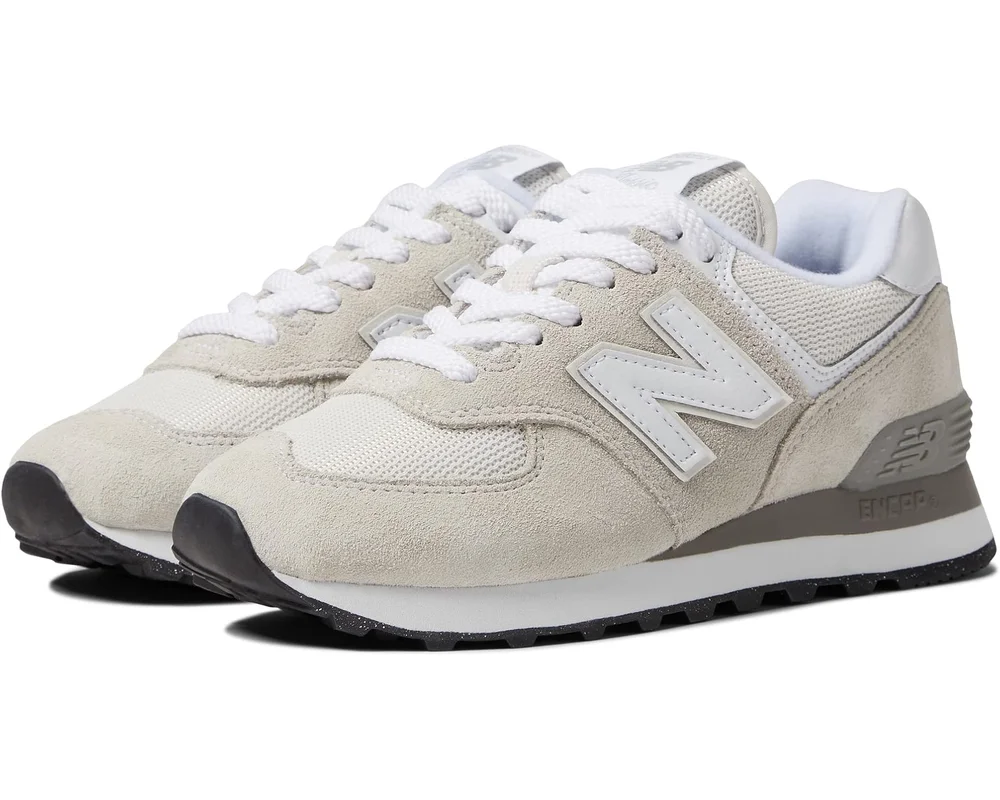
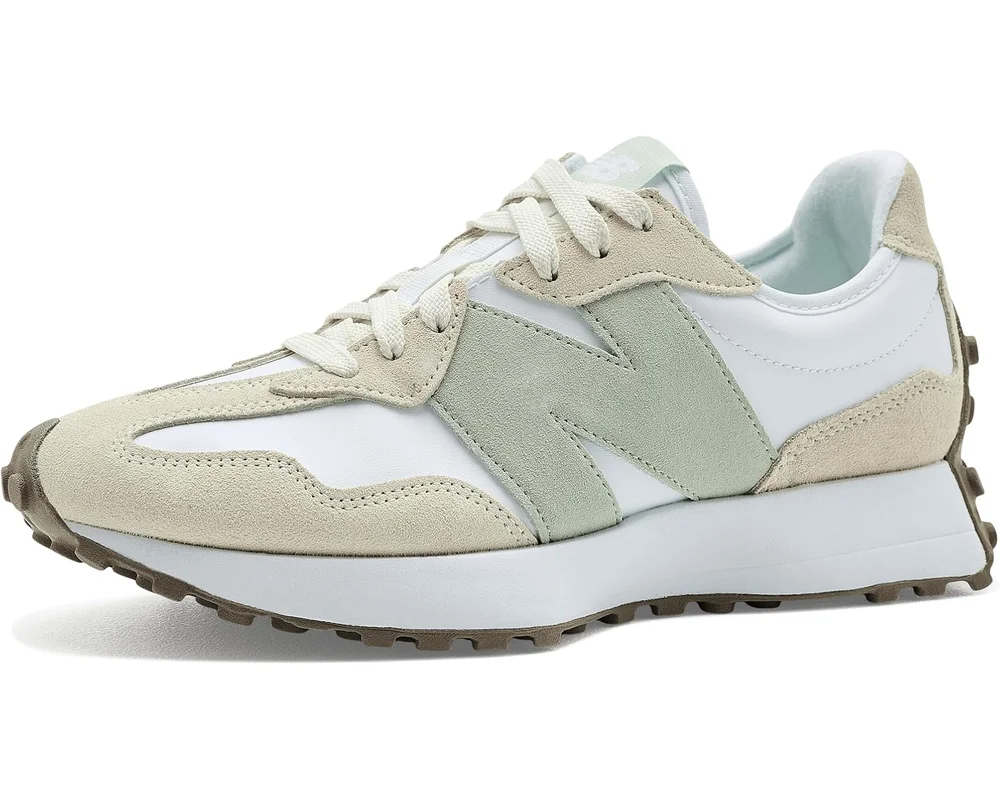
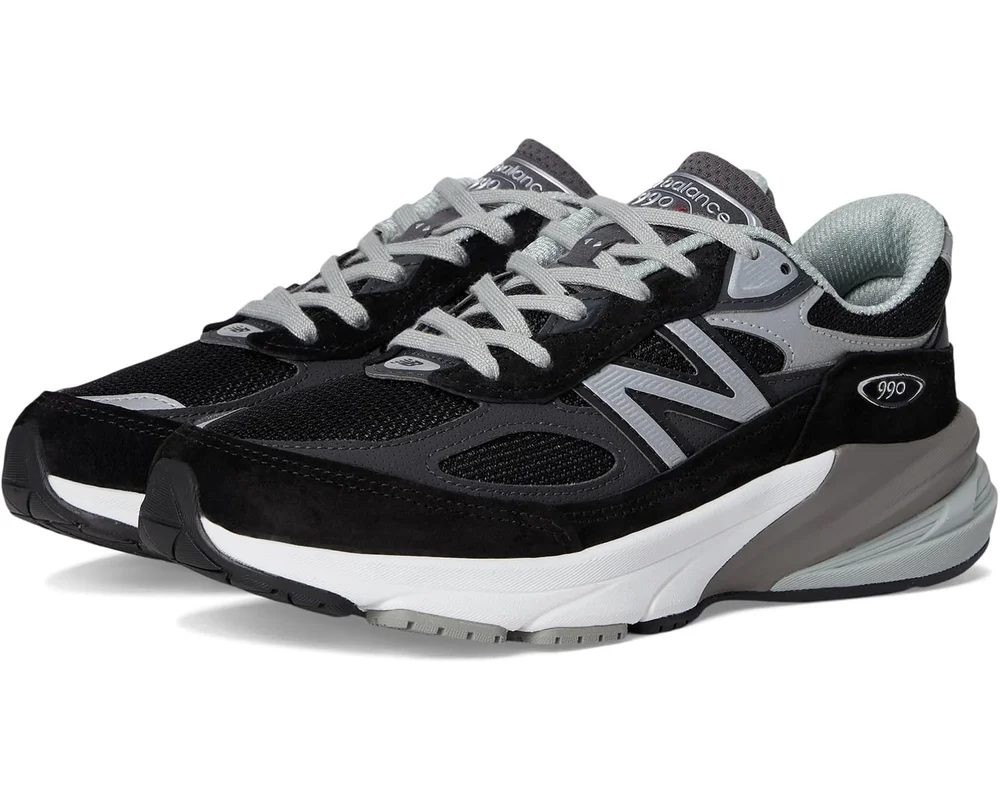
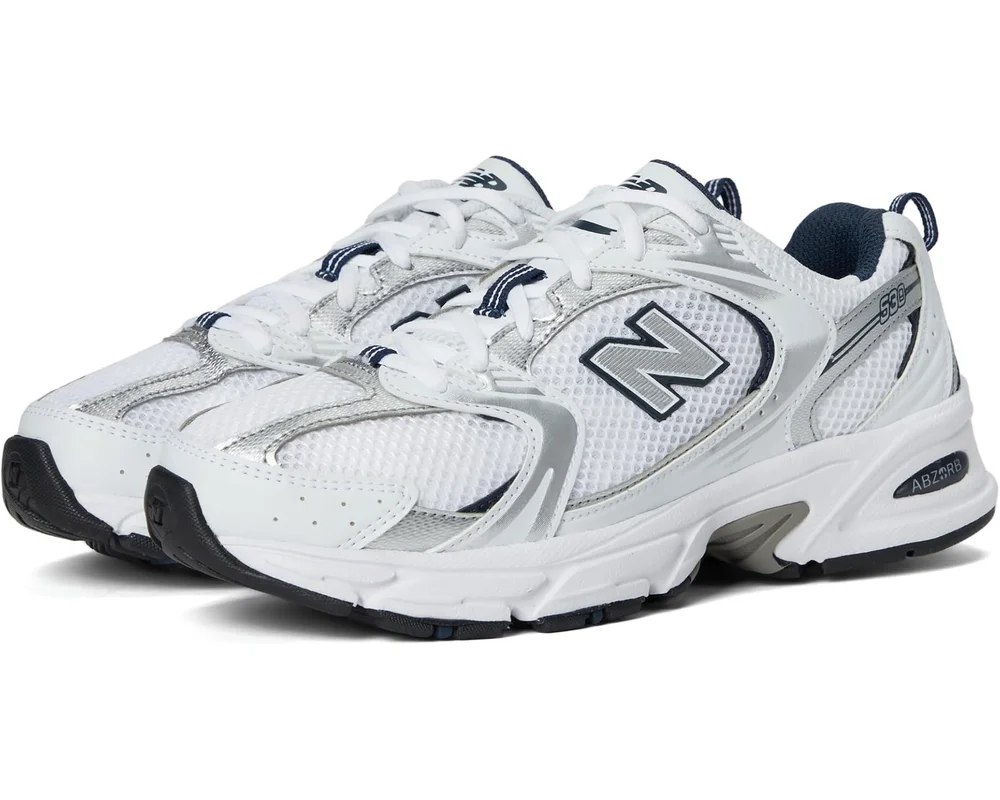
The New Balance 574 Core has lightweight EVA cushioning, the 327 is the classic silhouette in this group, the 990v6 pairs FuelCell with ENCAP support, and the 530 has a mesh upper with an ABZORB midsole. That range is why I would compare the actual models instead of treating a whole brand as one fit.
My practical tip: try the shoes later in the day and walk a few turns on a firm floor. If your toes feel crowded or your heel lifts, the origin story has had its say.
Nike runners and court styles
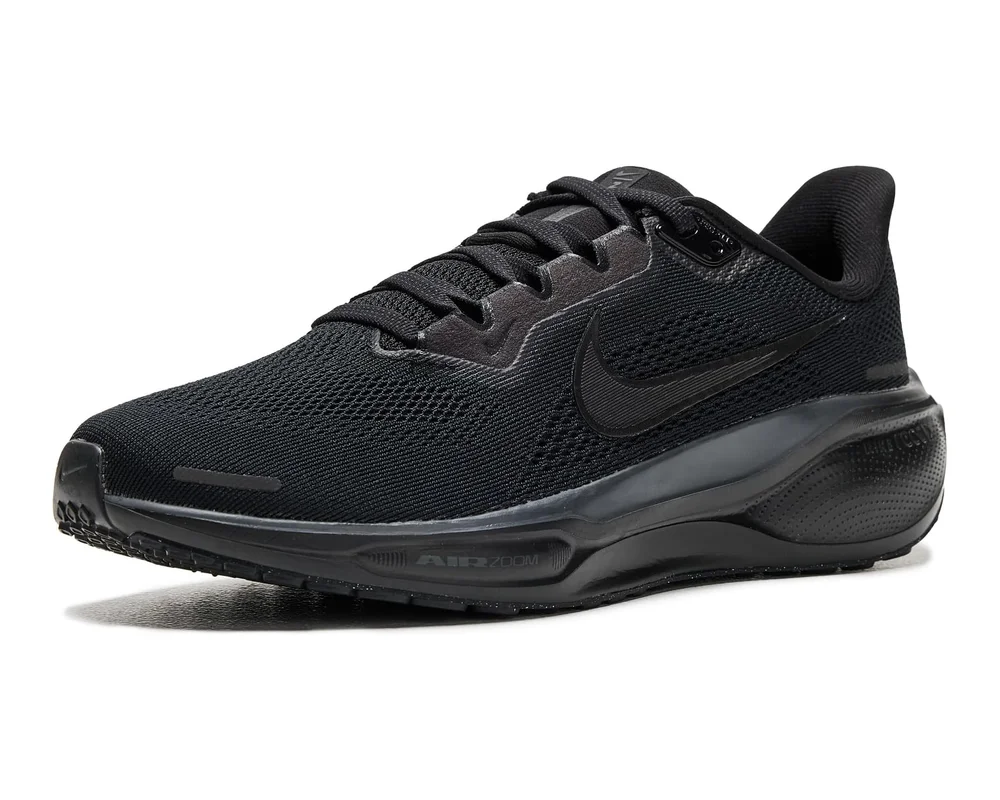
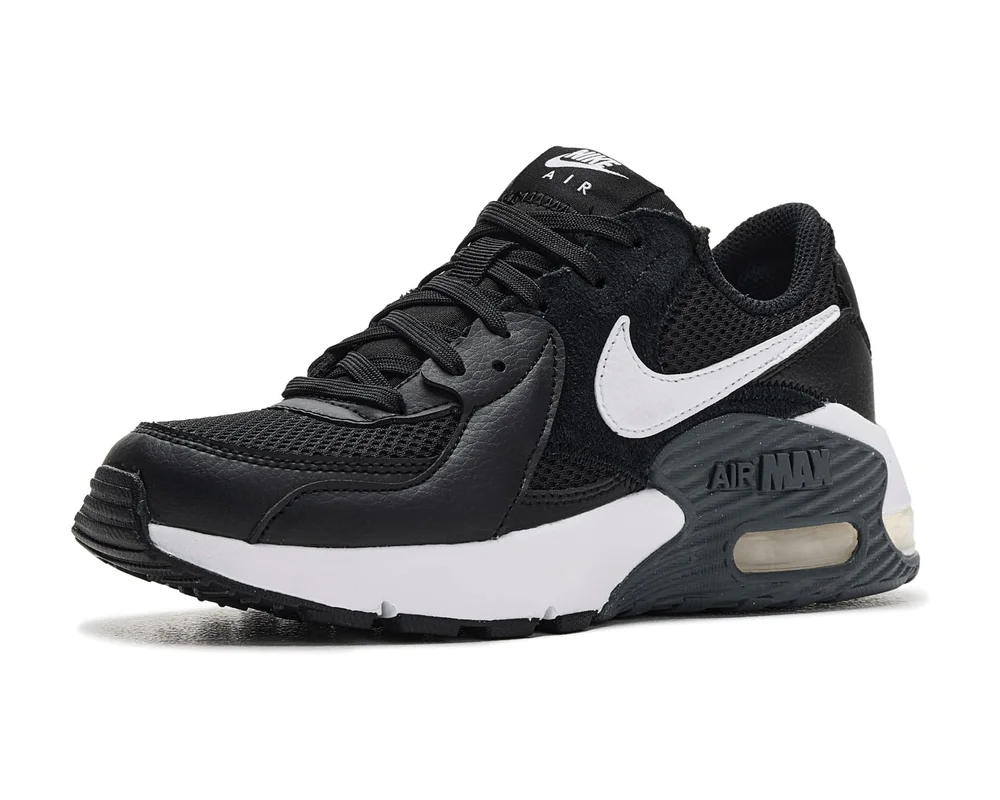
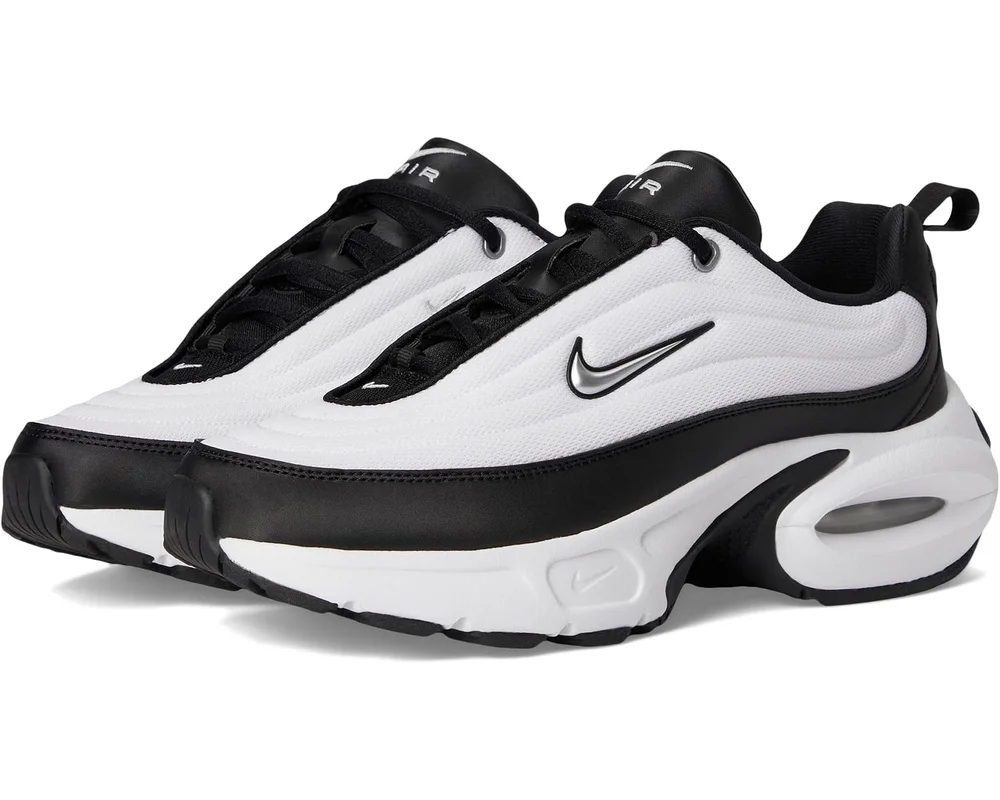
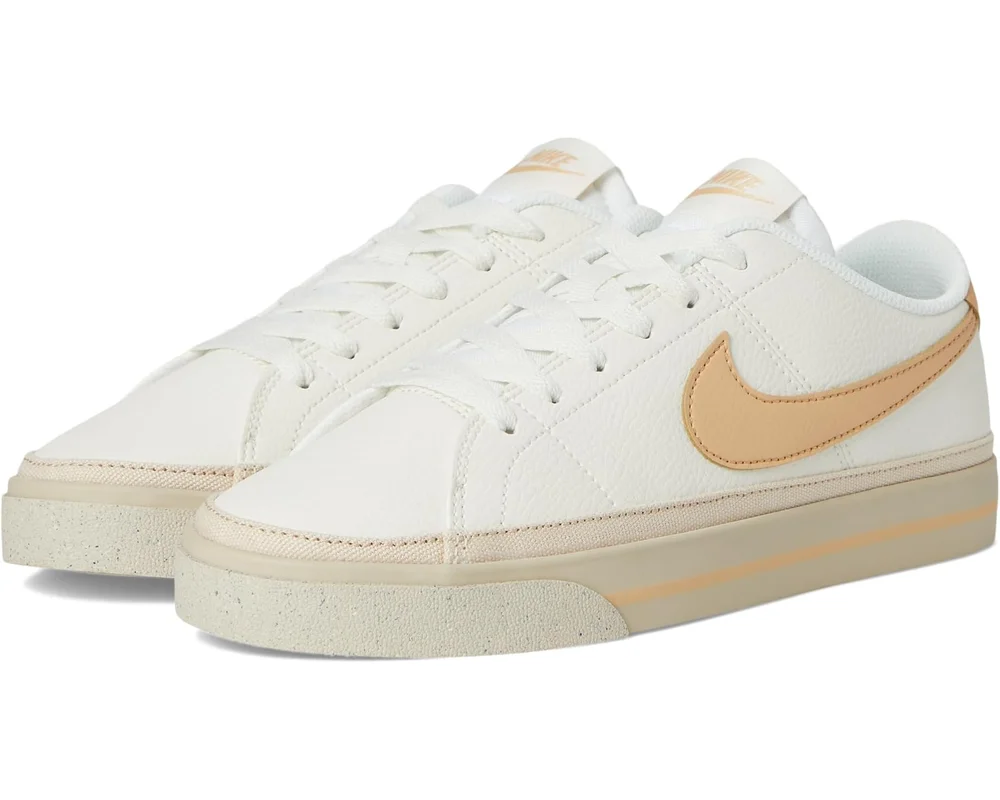
Nike gives this New Balance vs Nike comparison a more responsive side, but the models are not interchangeable. Pegasus 41 pairs ReactX foam with dual Air Zoom units at the heel and forefoot. Air Max Excee has a visible Air unit under a mesh, leather, and synthetic upper; Air Max Portal puts heel Air beneath a thick foam midsole. Court Legacy Next Nature is the court-style option, with a synthetic-leather upper and stated recycled content.
For sizing, I would not make a blanket half-size adjustment. The supplied fit notes describe these Nike models as true to size for most people, with a half-size-up suggestion for wide feet or if you are between sizes. If walking is the main job, this walking-shoe guide is a related read, not a reason to skip trying on the pair in front of you.
My practical check is to wear your usual socks and look for heel slip before leaving the fitting room. Nike can feel secure and lively when the shape suits you; if you routinely need extra width, compare a New Balance model too.
More running models to compare
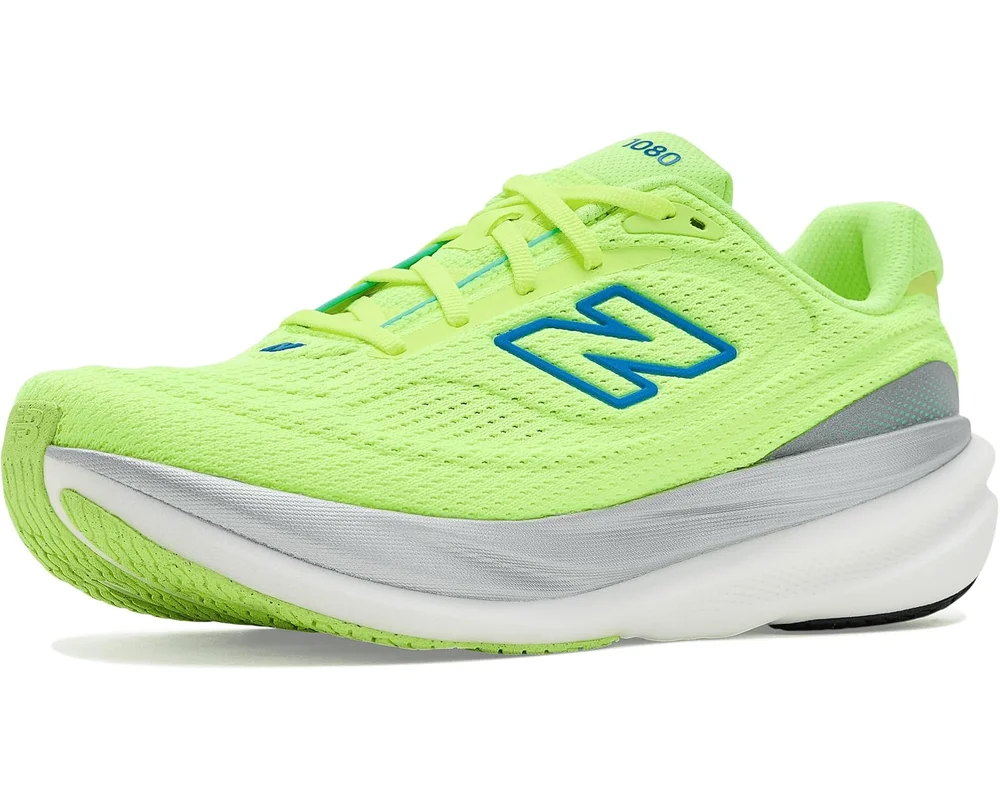
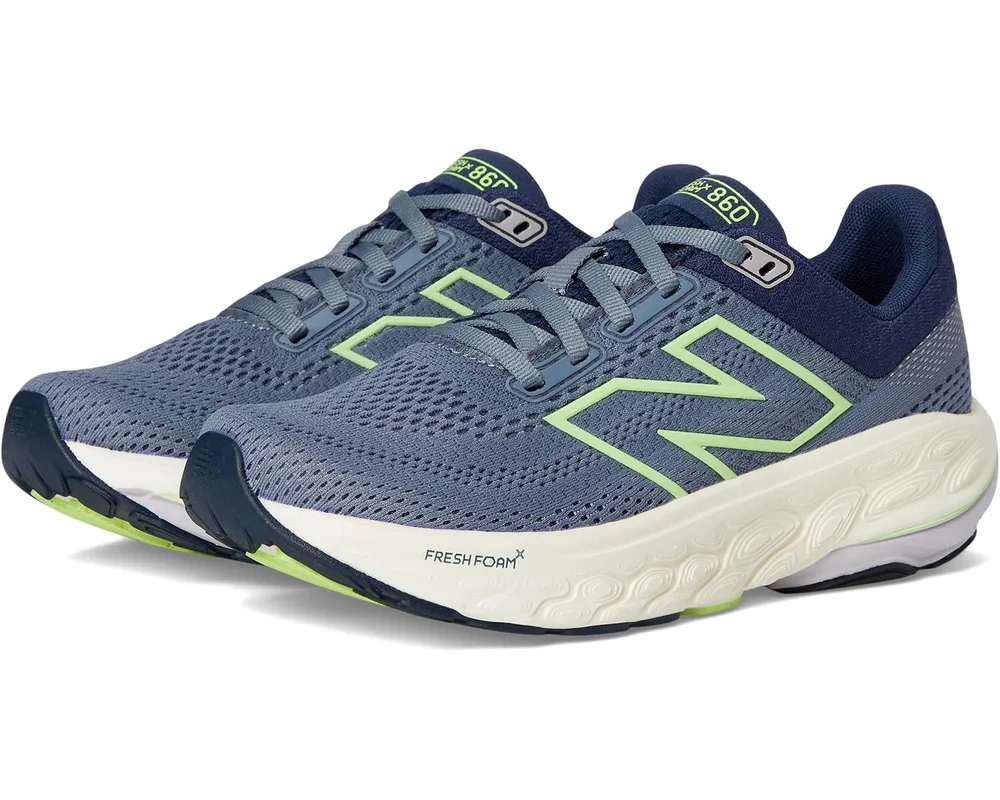
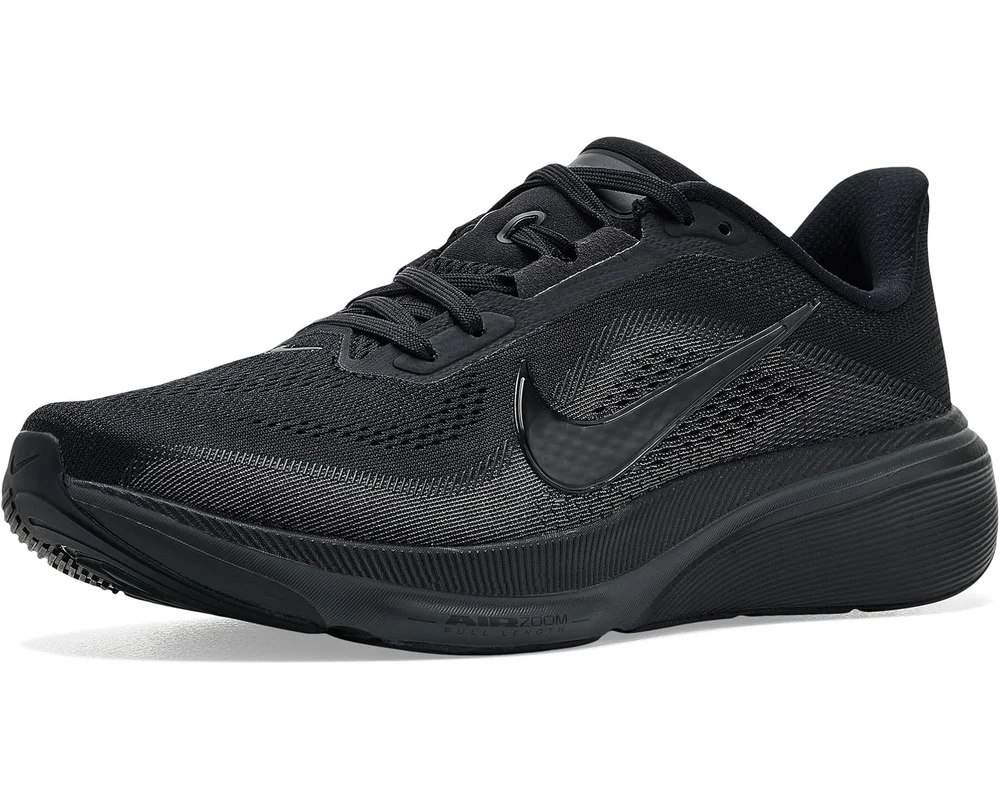
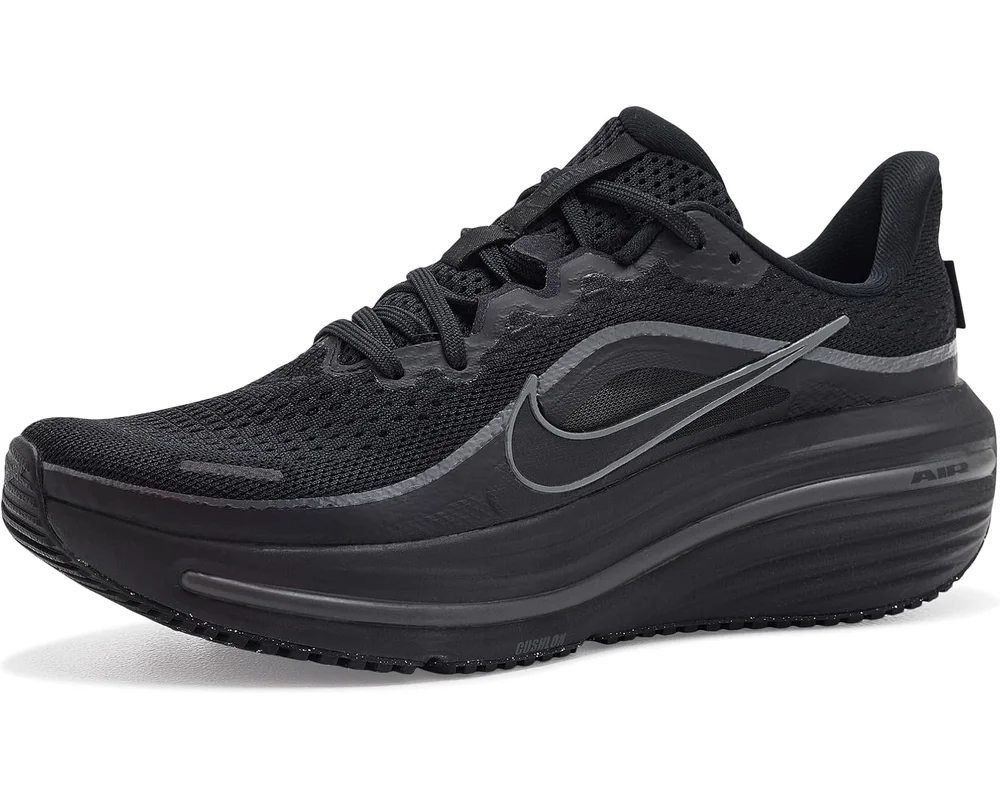
These New Balance and Nike running shoes make a more useful comparison when I separate cushioning from stability. New Balance's 1080v15 is the maximum-cushioning option here, while the Fresh Foam X 860v14 offers stability support. Nike's Air Zoom Pegasus 42 pairs a full-length Air Zoom unit with ReactX. Air Winflo 12 gives me another Nike model to try beside those New Balance choices. I would not assume the logo predicts how either shoe will feel. Instead, decide whether cushioning or stability matters more for the route you actually run. Bring the socks you use most and make sure your toes can spread without your heel lifting. A short jog, not just a few steps, will tell me whether the fit stays comfortable in motion. That is a more useful way to settle the New Balance vs Nike question than buying by reputation.
New Balance vs Nike questions I get
Which would I try first?
I would start with the New Balance 574 Core if width choices and a grounded feel matter most. Its lightweight EVA cushioning makes it a useful everyday reference, and the fit note is worth checking before you settle on a size.
Does New Balance run wider than Nike?
New Balance tends to offer more width choices across its running lineup, while Nike often fits snugger through the heel and midfoot. Individual models vary, so I would check the fit note and pay attention to toe pressure in person.
Which Nike feels more responsive?
Pegasus 41 is an easy one to try first because it combines ReactX foam with Air Zoom units at the heel and forefoot. For a different everyday direction, this Nike running-shoe guide is another related read.
How do I choose between them for running?
Match the shoe to the job: try the 1080v15 for maximum cushioning, the 860v14 for stability support, or Pegasus 42 for a full-length Air Zoom unit with ReactX. Then walk or jog long enough to notice heel hold and forefoot pressure before deciding.