On Cloud vs HOKA comes down to a firmer, springier ride or softer rocker-led cushioning. Compare road and trail models by fit and terrain.

On Cloud vs HOKA Shoes: Cushion, Fit and Terrain
On Cloud vs HOKA, by ride
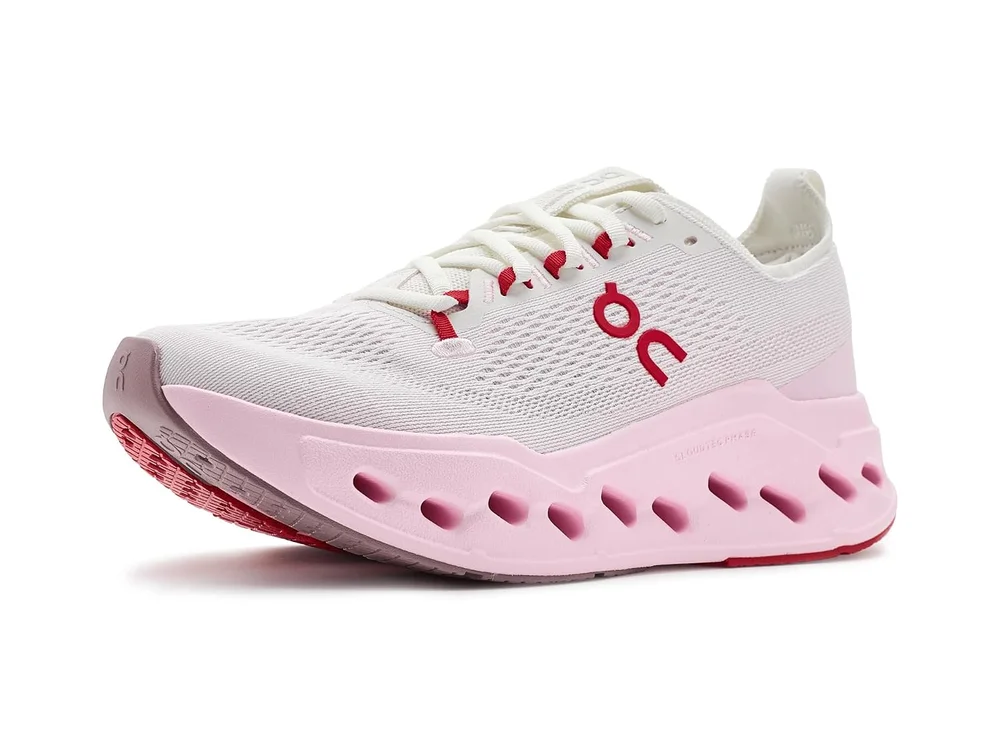
On Cloud vs HOKA comes down to a firmer, springier feel or softer, rolling cushion; neither label wins for every foot. On began with retired athlete Olivier Bernhard testing pieces of garden hose on a prototype in the Swiss Alps, and Caspar Coppetti and David Allemann joined in 2010. That origin story is still a rather good comfort brief: land softly, then move forward.
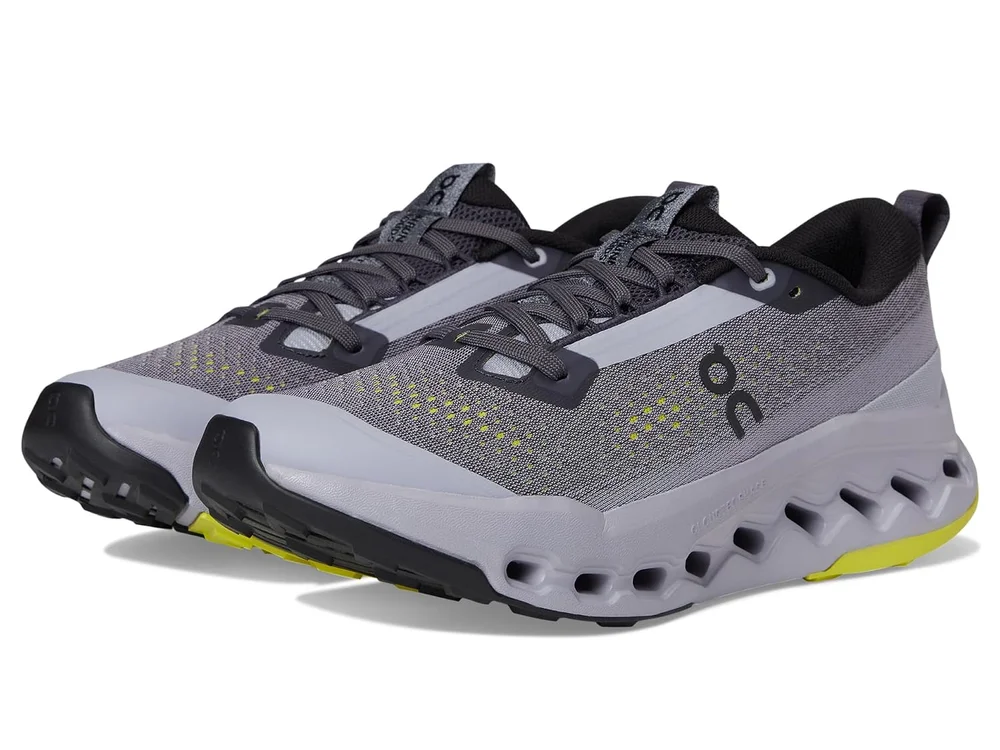
Cloudrunner 3 is the stability-minded option, with a wide base and heel clip. Cloudmonster 3 has maximum cushioning; Cloudsurfer 2 uses CloudTec Phase without a Speedboard for a softer transition, and Cloudsurfer Max pairs double CloudTec Phase with soft Helion foam. The pod construction can feel different from one On model to another, so I would try the exact shoe instead of buying into a brand-wide impression. My practical test is to walk, then jog a few steps and see whether pressure at the heel, arch or toe stays calm.
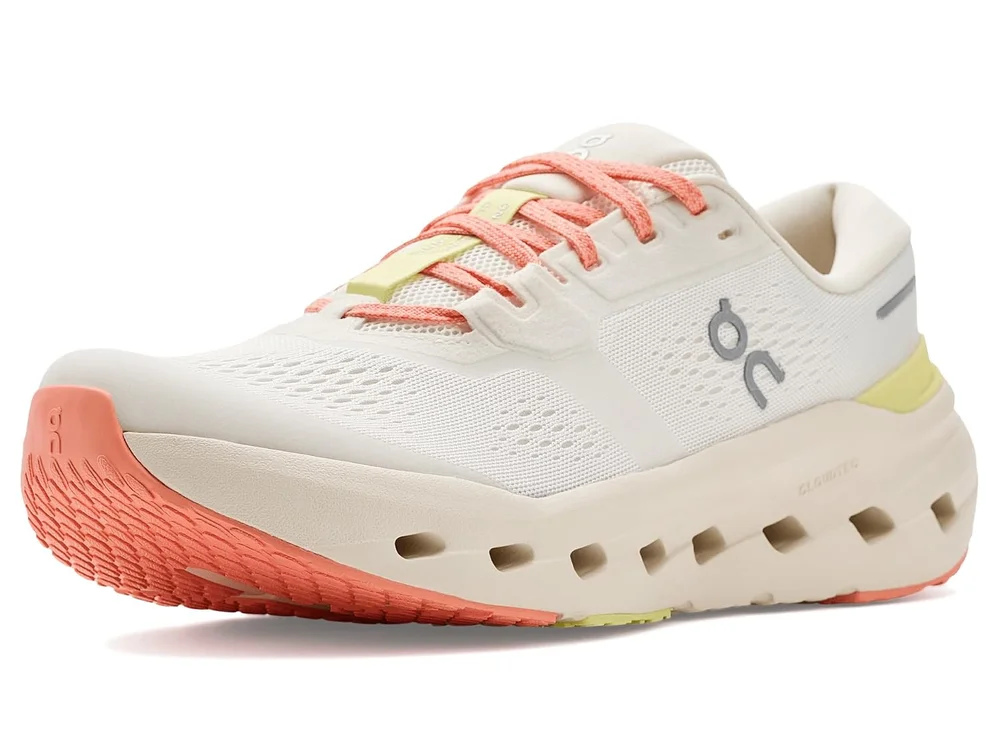
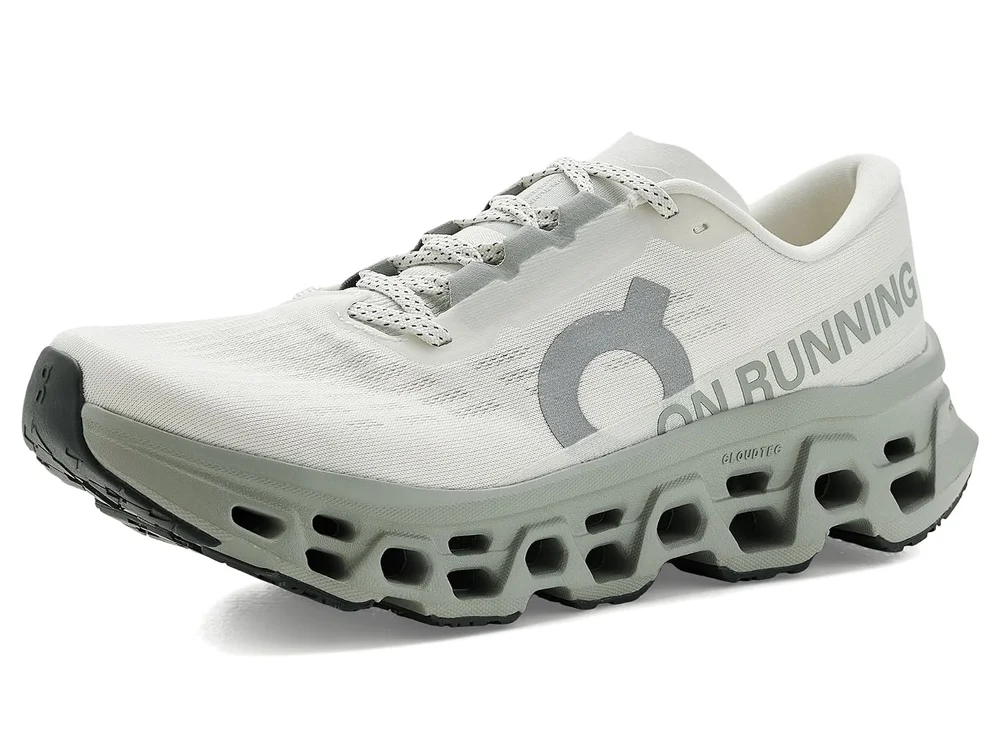
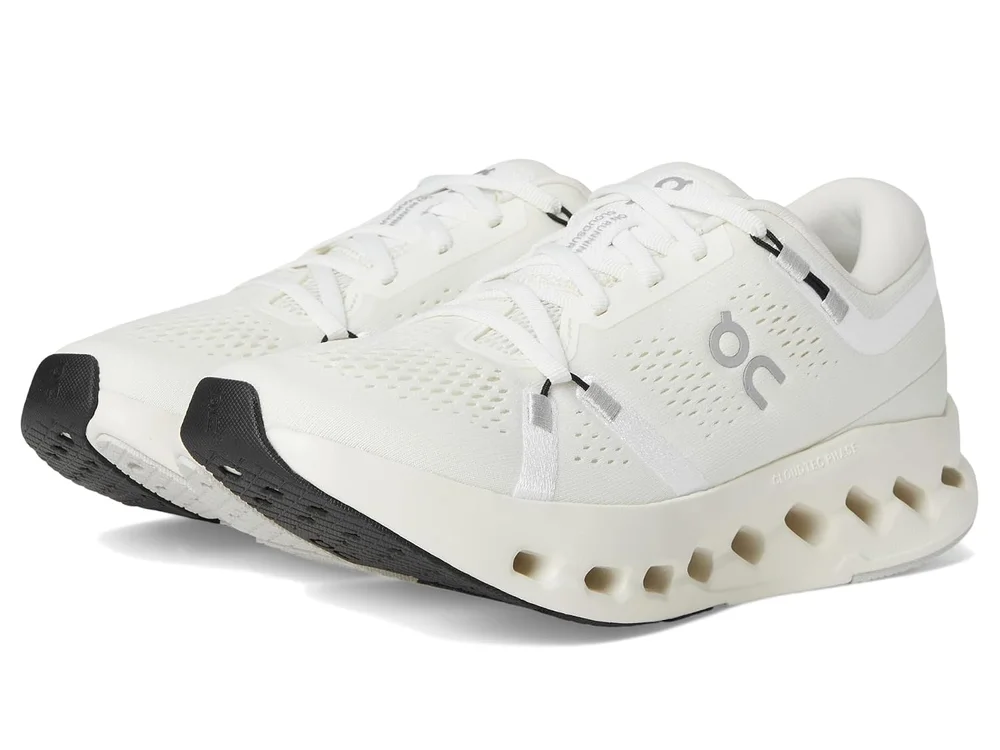
HOKA's cushioned road choices
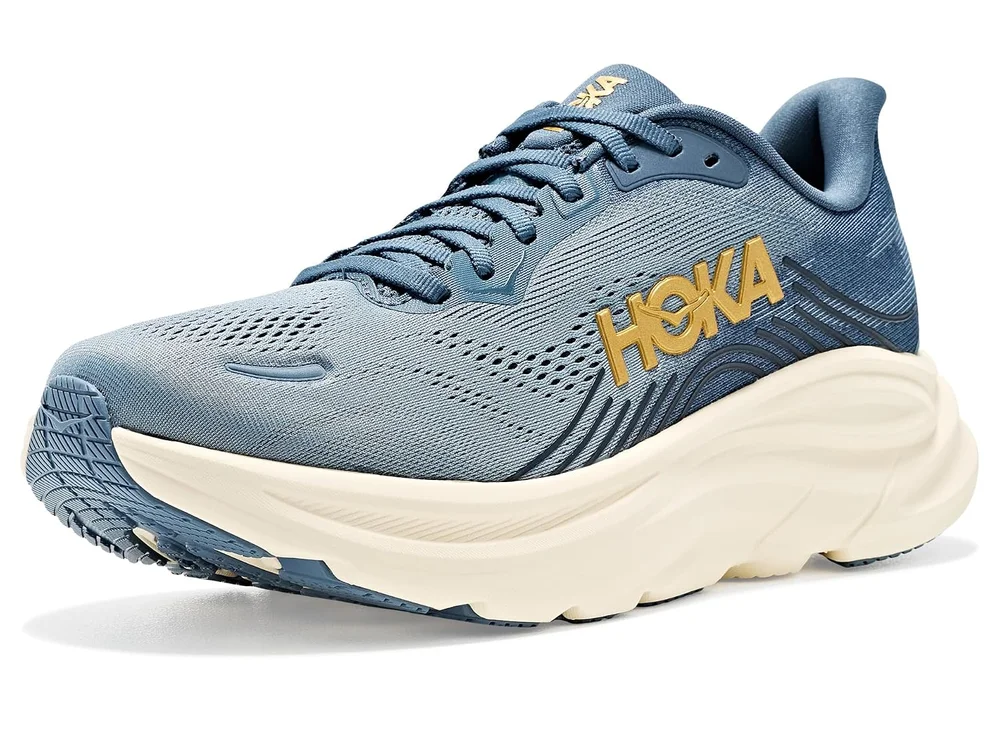
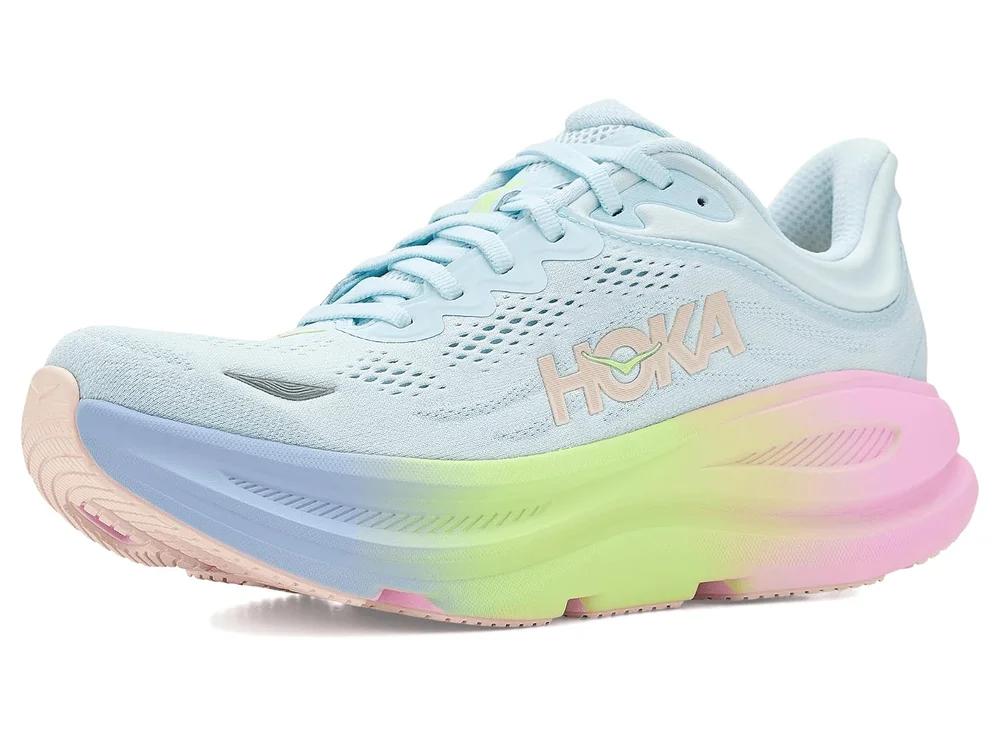
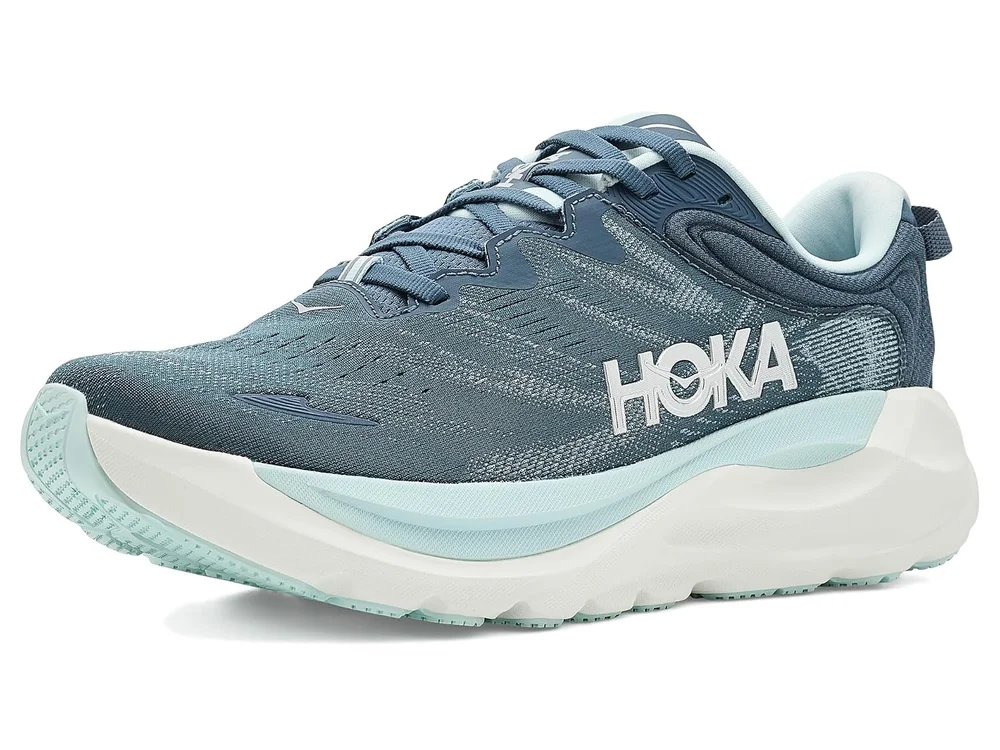
In the On Cloud vs HOKA comparison, HOKA's road models make sense when a rolling, cushioned landing is the priority. Clifton 11 is the daily-mile cushion pick; Bondi 9 goes to the maximum-cushion end of the line. Gaviota 6 adds H-Frame stability for runners who want a more guided stride. I would start by trying the models with clear ride differences.
HOKA's foam and MetaRocker can make a smooth roll that feels generous on steady miles. The same rocker can feel too forward-tipping if I want to stay closer to the ground, which is a good reason not to choose by stack height alone. If softer landings matter, I would compare Clifton 11 and Bondi 9, then try Gaviota 6 if a more guided stride feels better. For more HOKA shoes for walking, use the same fit-first test. My practical tip is to walk a few minutes in each and notice where the rocker rolls your foot.
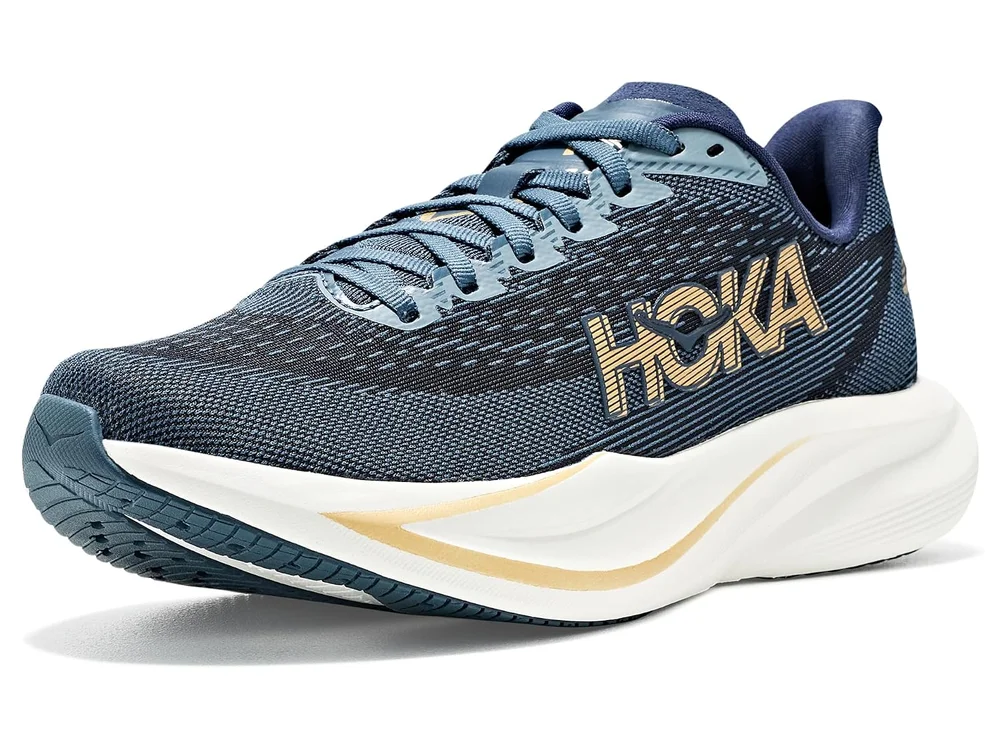
When the route leaves pavement
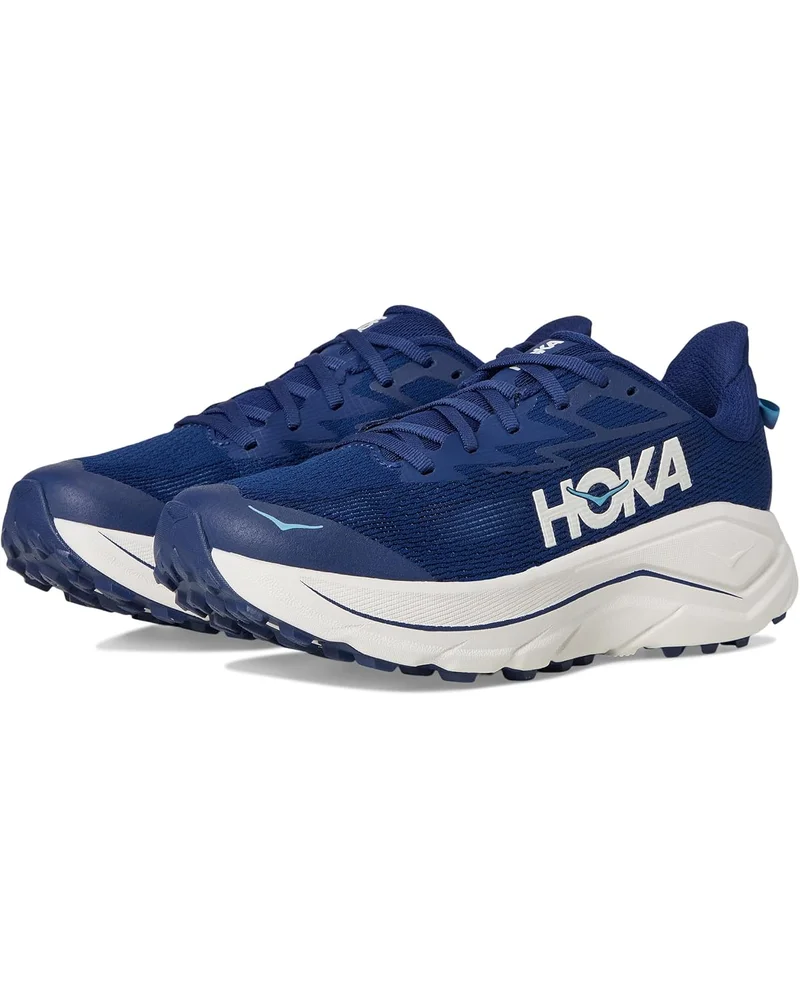
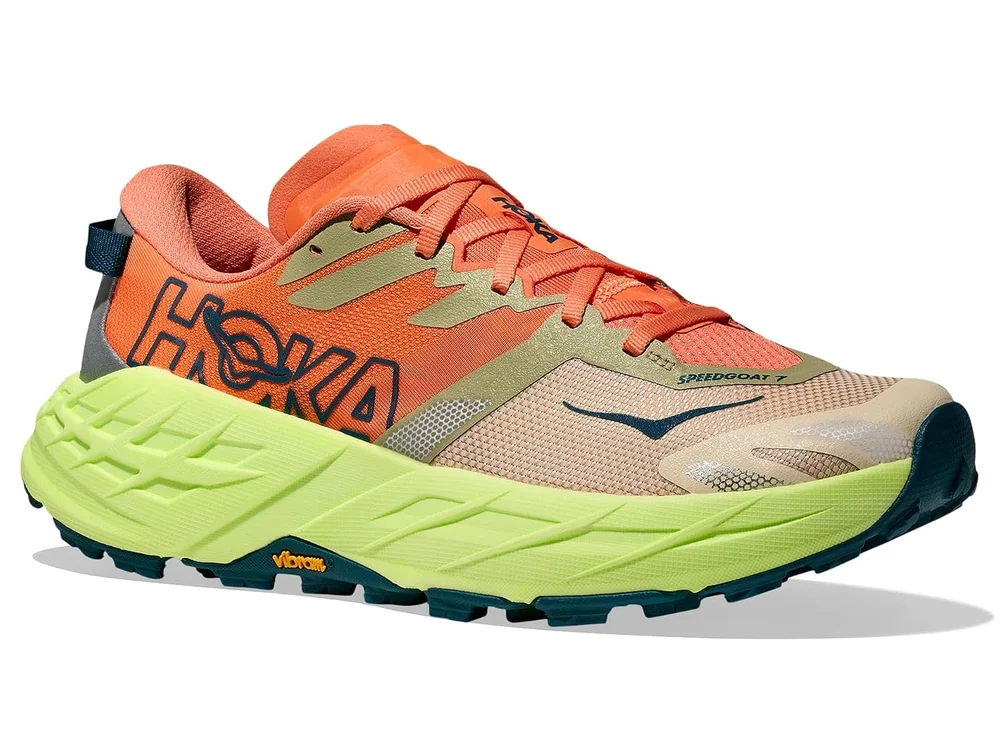
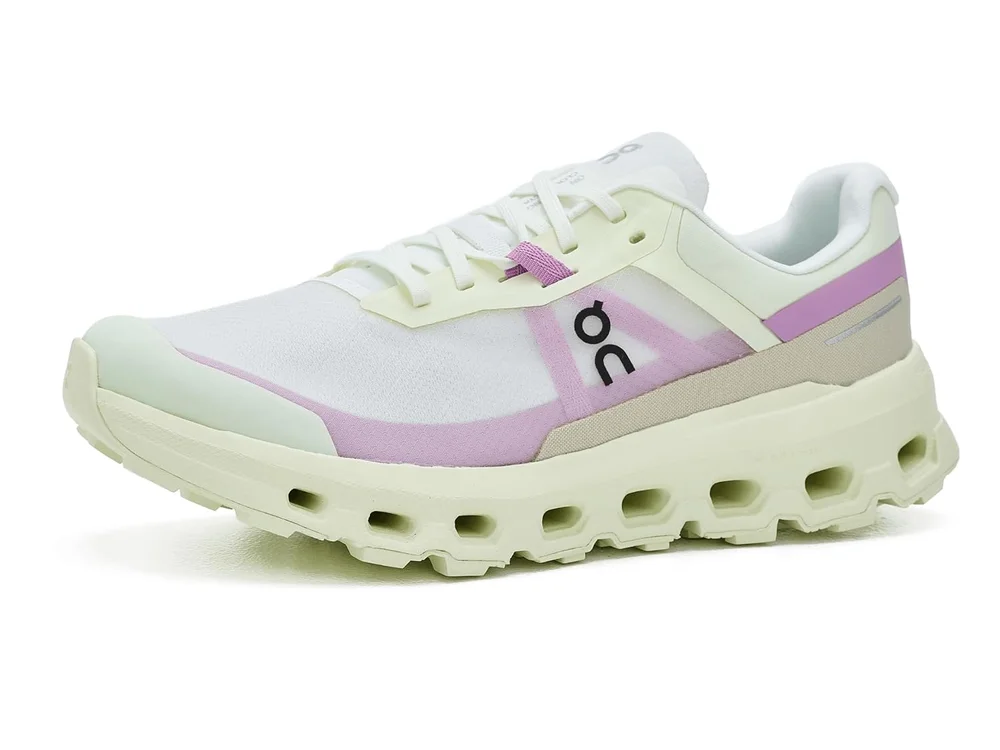
On Cloud vs HOKA changes when the route leaves pavement, because grip and terrain belong in the decision too. Speedgoat 7 has a Vibram MegaGrip outsole with 5 mm lugs; On Cloudvista 2 uses Missiongrip with a more pronounced rocker. Cloudsurfer Trail 2 is built for trails with maximum cushioning and a stable shape. Those are different ways to meet the same dirt path, and none is an automatic answer for every foot.
I would choose by the ground I run most: look at grip for rocky or muddy routes, then see whether the rocker and cushion feel natural at an easy pace. A trail shoe should hold the heel without squeezing the front. My practical test is to jog briefly on the surface I use most, rather than deciding from the outsole description alone. If I mostly run on pavement, I would skip a trail-specific shoe and compare the road models instead.
On Cloud and HOKA questions I get
Which shoe would I try first?
For soft, rolling road cushioning, I would start with HOKA's Clifton 11. If I prefer a pod-based ride, I would compare On's Cloudsurfer 2, which uses CloudTec Phase for a softer heel-to-toe transition.
Which feels softer, On Cloud or HOKA?
HOKA is the softer, more cushioned starting point in this comparison, while On can feel firmer and springier. I would still try the exact model, since the Cloudsurfer 2 is designed for a smoother transition.
What should I compare for trail running?
Start with the surface and grip. Speedgoat 7 has Vibram MegaGrip with 5 mm lugs, while Cloudvista 2 uses Missiongrip and a more pronounced rocker.
How do I know the fit is right?
Wear the socks I run in, check toe room and heel hold, then walk and jog a few steps. I would not keep a shoe that already creates a pressure point in a short try-on. For another HOKA Bondi 9 perspective, compare the cushion against how the rocker feels under your stride.