Our Selects
Our Resale Finds of the Week
What the price means
Resale costs are easiest to judge in tiers, but the lowest number is not automatically the best value. Start by asking what you actually need from the purchase: a one-time look, a familiar label, or something that can earn regular wear. Then compare the asking price with the condition, the versatility, and the amount of searching required. A low price can make experimentation feel low risk, while a higher price deserves a clearer reason before checkout. The useful comparison is not simply cheap versus expensive. It is whether the item solves the problem better than the alternatives around it. Set a ceiling before browsing, and keep a little room for the unexpected piece that genuinely fits your wardrobe. Resist buying only because the number feels unusually small. The money still leaves your account, and an unworn bargain is not a saving. At the other end, a larger spend should be judged by use rather than label recognition alone. Think in cost per wear if the item is likely to become a repeat choice. If it is an occasion piece, judge whether the occasion is real and specific. Those questions make each tier easier to read.
$10 to $55 in practice
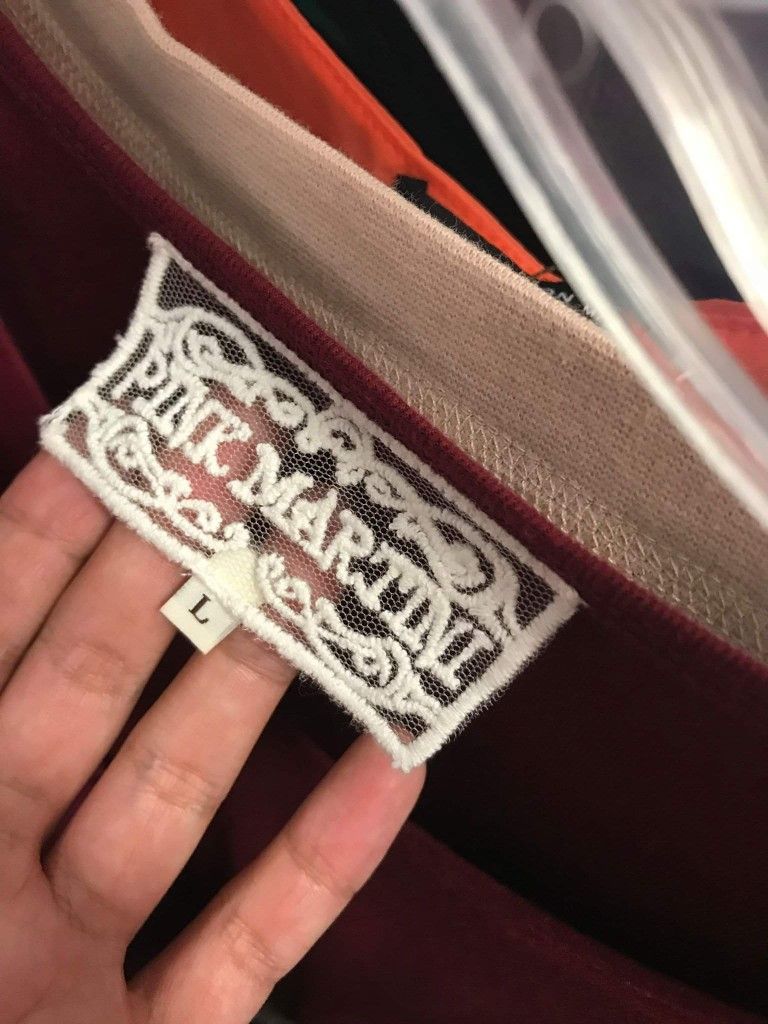
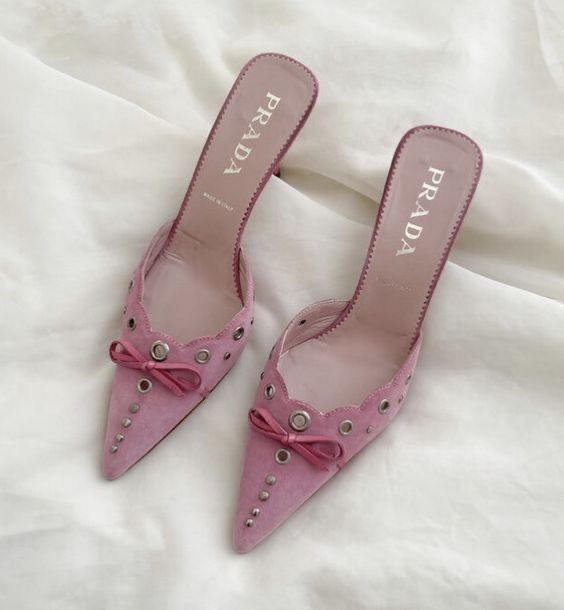
$10 to $55 is the experimentation tier. At this level, the sensible question is not whether every purchase will become a wardrobe anchor. It is whether the item gives you a useful new option without making the decision feel heavy. iets frans at $10 shows the bottom of the range, while Maude Club at $55 marks the point where a small increase deserves a little more scrutiny. Check the condition carefully, then picture at least two occasions for the item before buying. If only one outfit comes to mind, the low price may be doing too much of the persuading. The $55 to $350 tier asks for a different kind of discipline. A bigger outlay can still be reasonable, but the item should have a clear role, a convincing fit, or a quality of design that matters to you. Compare the pieces within that range by usefulness rather than assuming the highest number is the smartest choice. A purchase at $70 can be more satisfying than one at $350 if it gets worn more often. The tier gives context, not a verdict.
Our honest take
If you take one thing away, let usefulness set the resale budget. The $10 to $55 range is a good place to try an idea, while the $55 to $350 range calls for a stronger reason to buy. In either case, inspect condition, picture real occasions, and count likely wears before paying. A bargain that sits untouched costs more than its ticket suggests. A pricier item can still be sensible when it has a clear role, but the number alone should never make the decision for you. Give every purchase a job before giving it space in your budget.
Next read
How To Wear Farm Rio Prints Once The Weather Turns
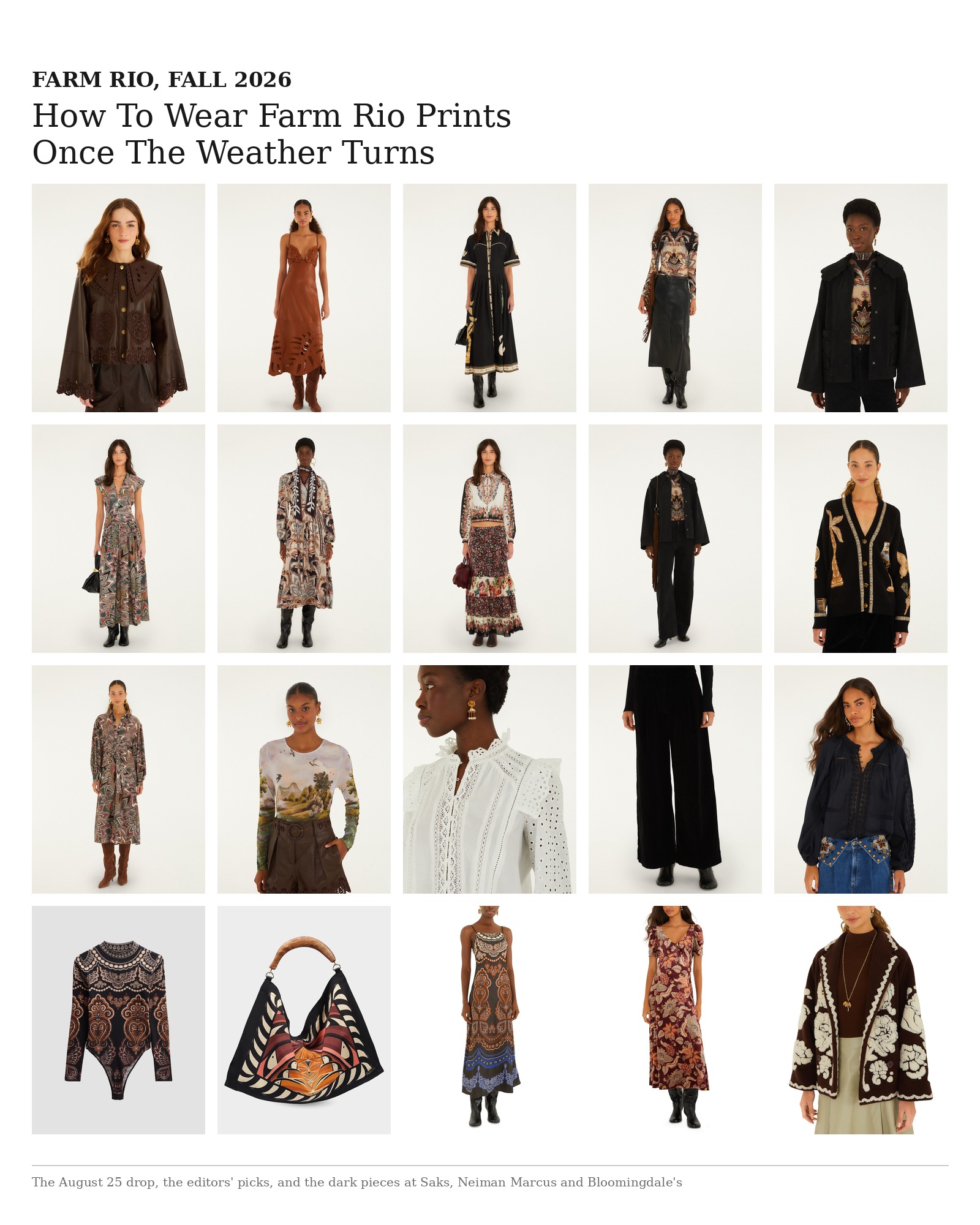
Farm Rio's fall drop trades tropical brights for chocolate leather, black denim and dark florals. Here is how to wear the prints past September, plus the dark pieces our editors are buying at Saks, Neiman Marcus and Bloomingdale's.
Read Editorial
Necklace Or Studs: Which To Buy First
Choosing necklaces first is usually the better buy when one piece should change several outfits, but choice depends on your neckline and daily habits. Start with placement