PUMA reviews are easiest to sort by use: Speedcat for style-first short walks, NITRO shoes for running, and Fuse models for strength training. Fit varies.

Puma Reviews: Sneakers for Running, Training and Daily Wear
My read on PUMA
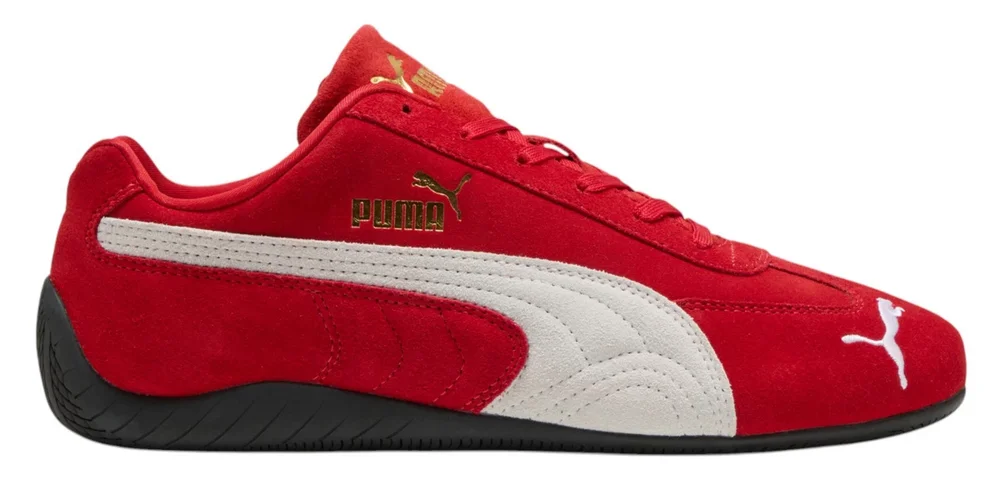
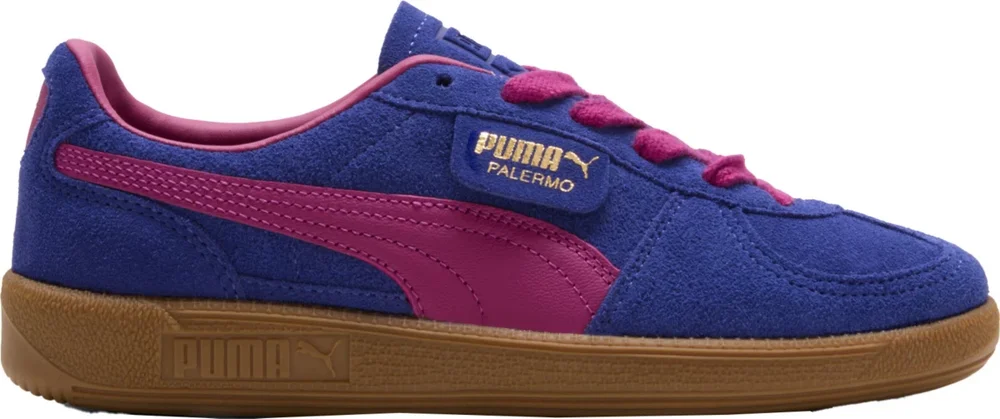
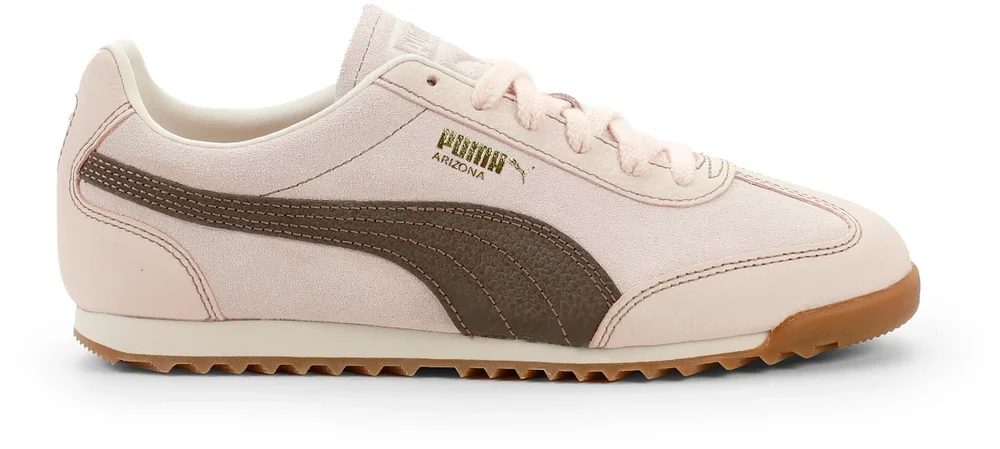
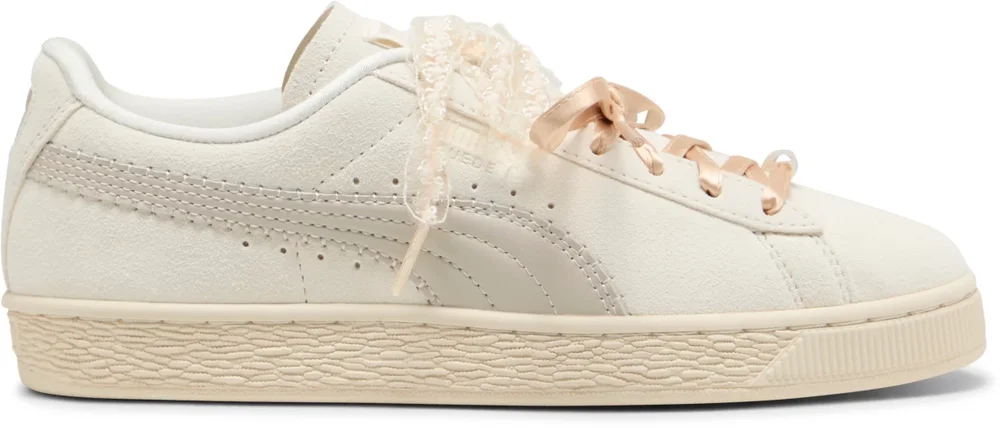
PUMA reviews are most useful when I sort the shoes by job: Speedcat OG and Palermo are low, style-first pairs, while the running and training models need a different test. Lab reviews found limited cushioning and snug fits on the low-profile shoes, even though the uppers use genuine suede or leather. Arizona Nylon began as a low-profile training shoe in the 1970s; Suede Bloom reworks the SUEDE shape with lace-look laces and pearl details.
There is real sports history here. Rudolf and Adolf Dassler began making shoes in 1919, Rudolf registered the PUMA name after their separation in 1948, and the Formstrip arrived in 1958 as a foot-stabilizing feature. Nice context, but a thin retro sole still does not turn into a running shoe through force of branding.
My practical tip: try a Speedcat or Palermo on a short walk first, not as your all-day commute shoe. This Puma Palermo leather shoe story is a useful companion if that is the silhouette you have in mind.
NITRO for running and HYROX
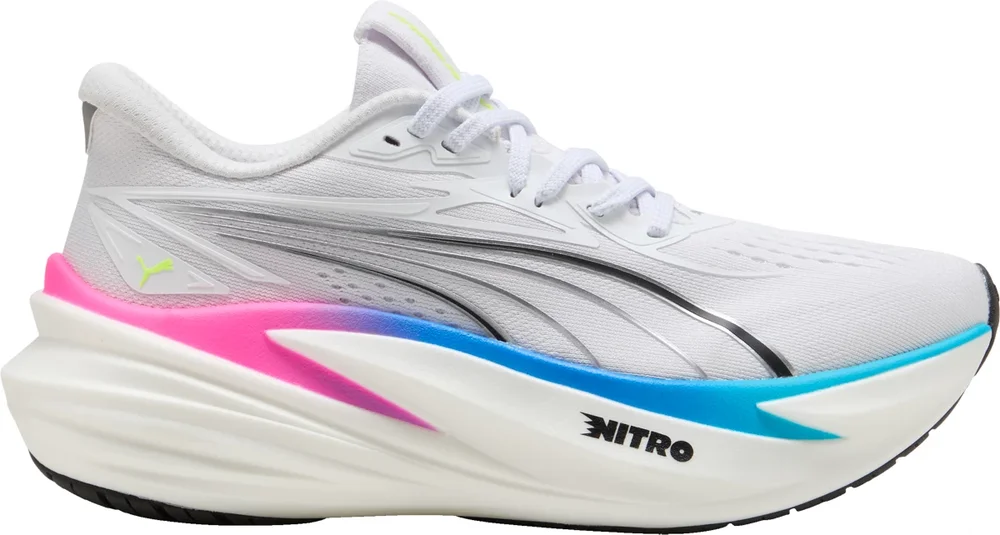
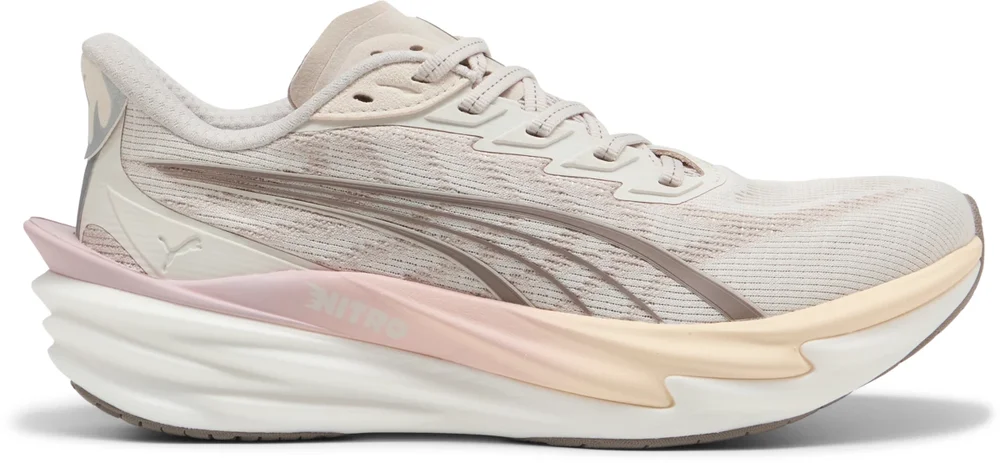
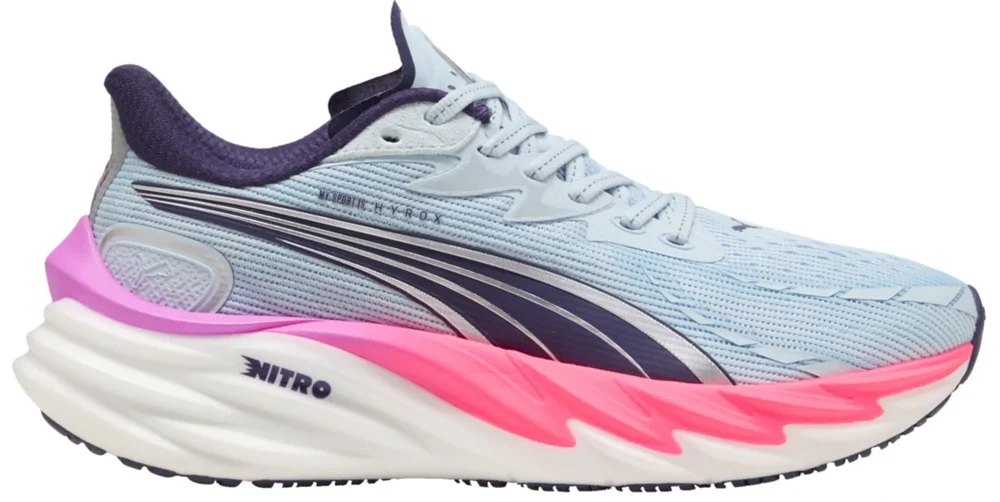
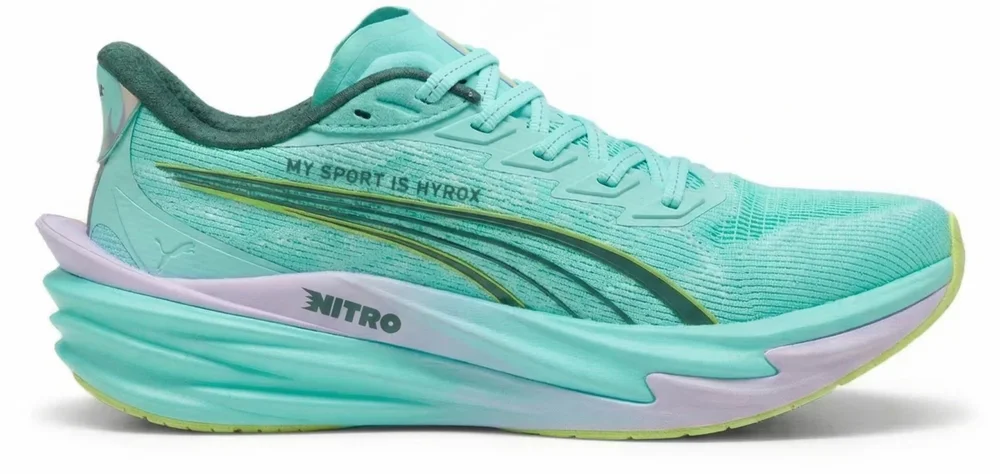
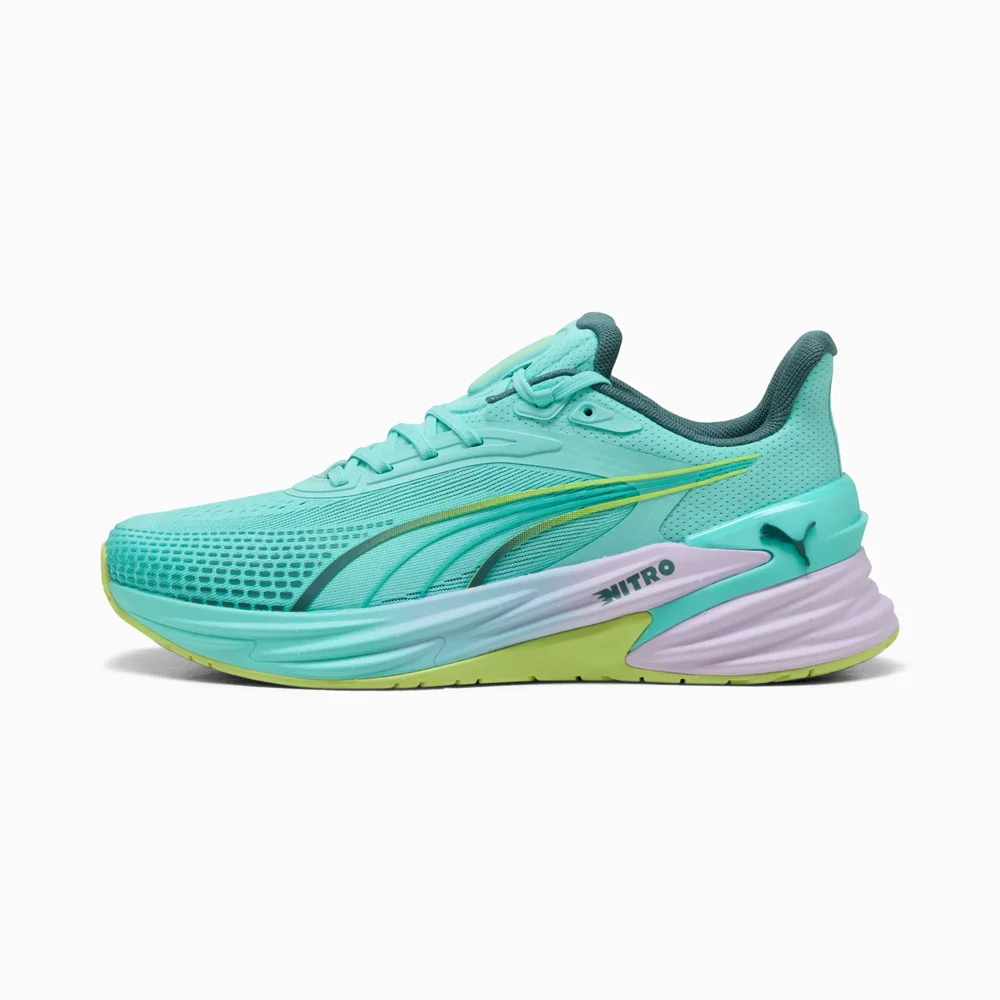
The PUMA reviews that help most with running separate everyday miles from race-style workouts. MagMax NITRO 2 combines NITROFOAM cushioning, a mesh upper, and PUMAGRIP. PUMA x HYROX Velocity NITRO 4 is a hybrid fitness racer built for runs and reps; its small two-review sample includes one report of grip peeling after a few wears and one positive training note. I would treat that as a watch item, not a verdict on the whole line.
Deviate NITRO 4 and PUMA x HYROX Deviate NITRO 4 are the other race-style choices in this group, but I would read each model's use notes rather than lumping them together with a daily trainer. That is more useful than an overall star score with no context.
If I were choosing for daily miles, I would match the shoe to distance and pace; for a workout mixing running and stations, I would inspect the HYROX model's fit and grip details. Try it with the socks you plan to wear and walk through a few of the movements in your session before deciding.
Strength training shoes
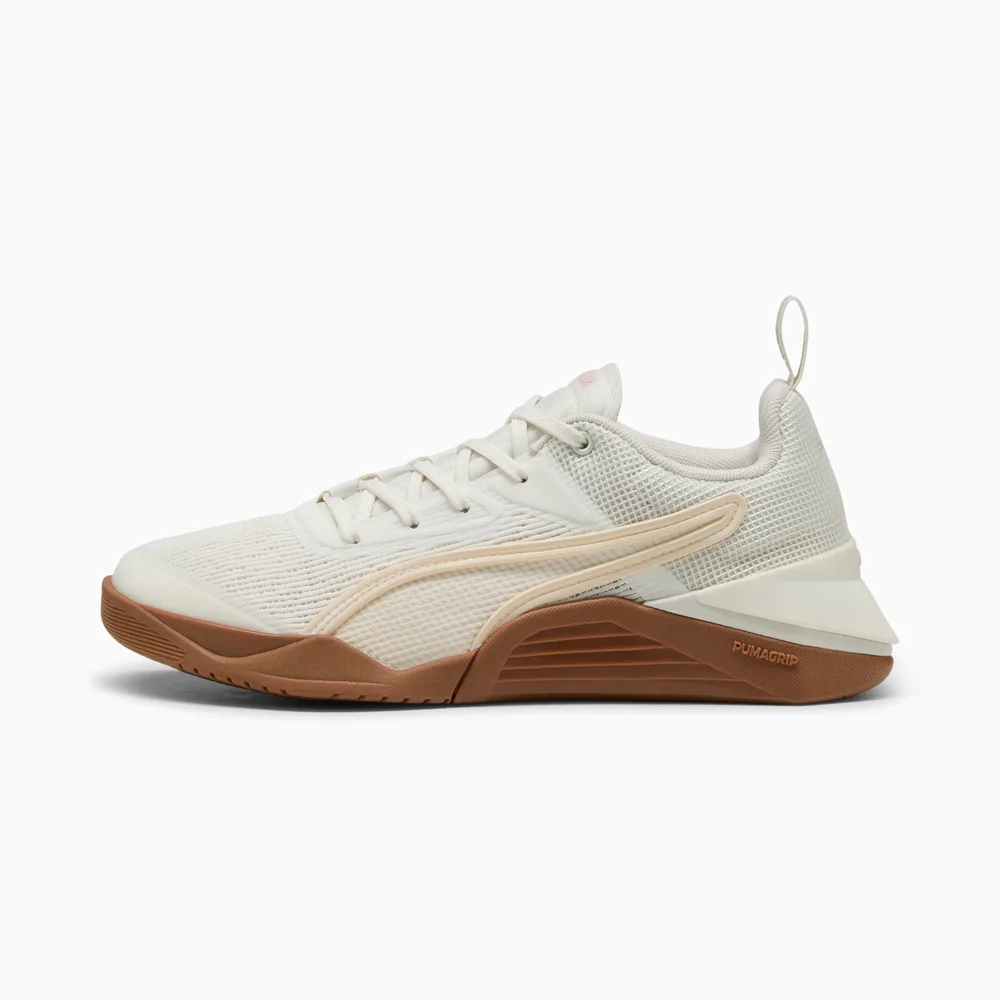
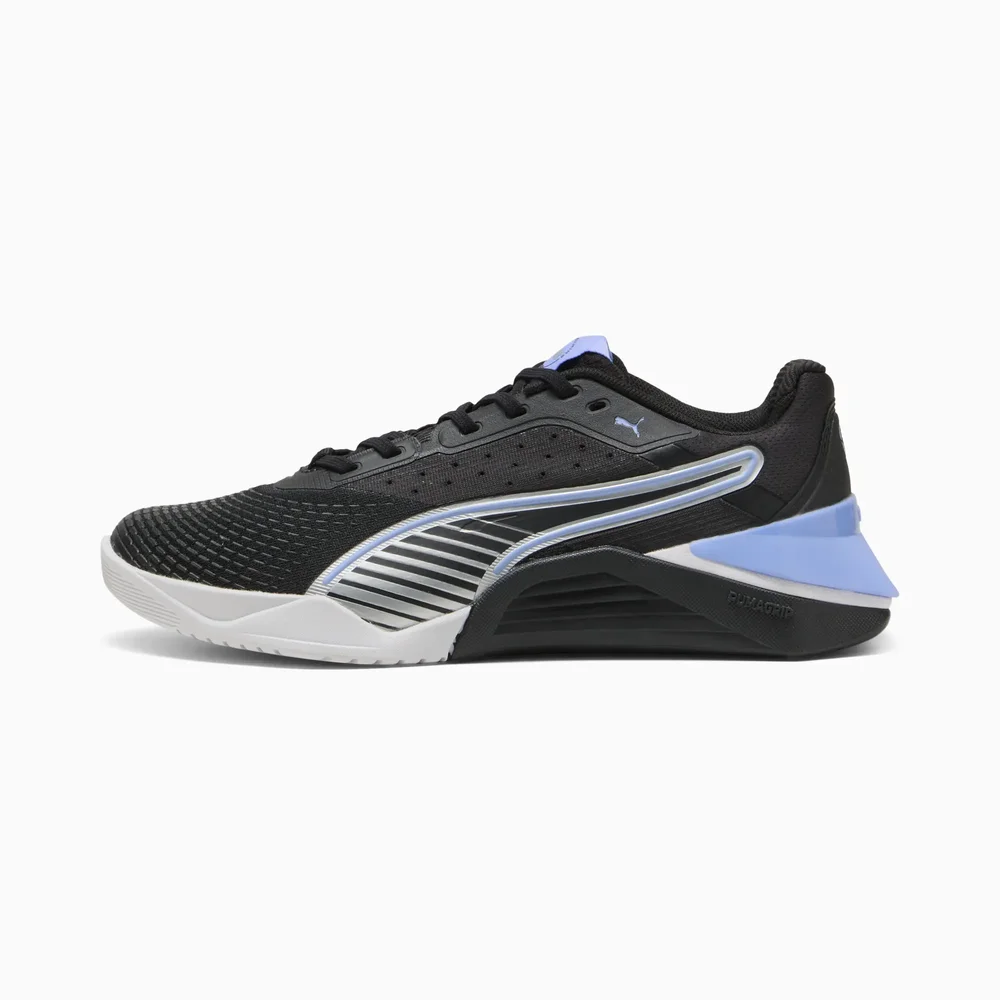
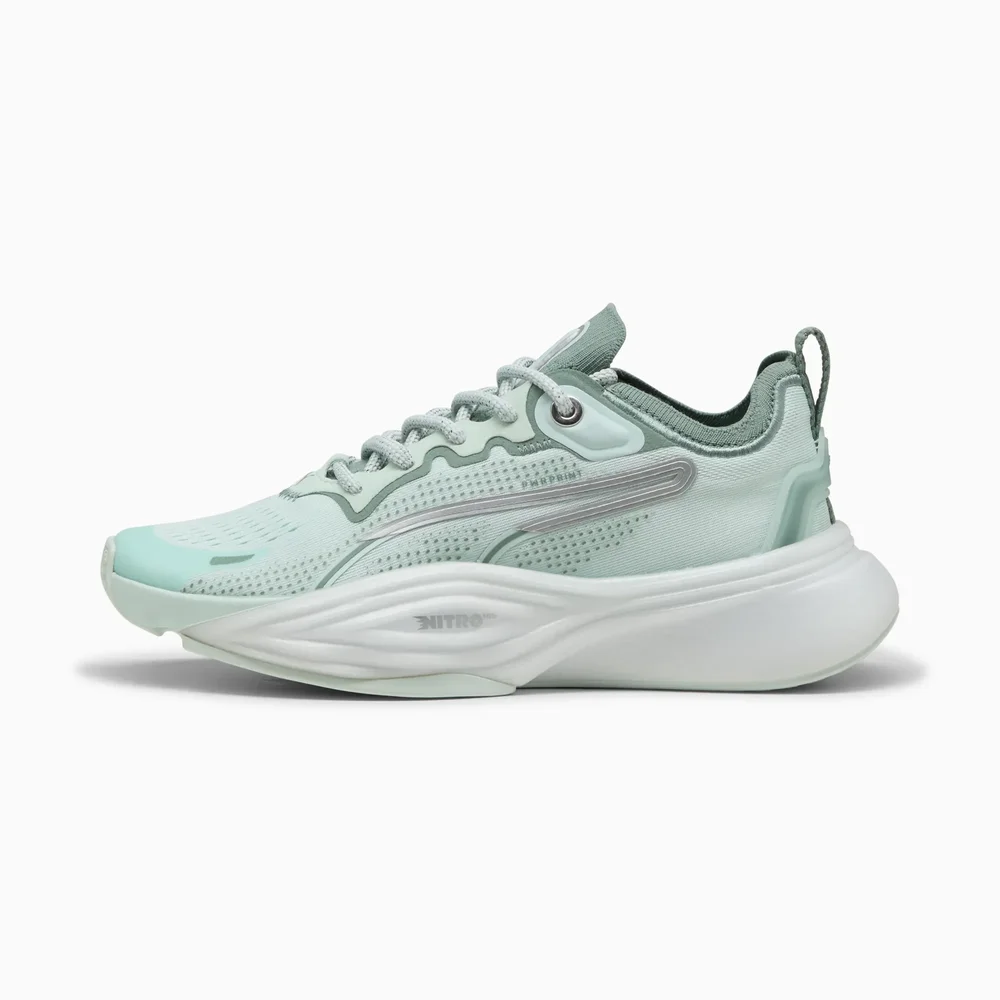
PUMA reviews for strength training make more sense when I compare the actual construction. Fuse 4.0 combines PUMAGRIP, PWRTAPE, TPU heel clips, and flex grooves. Fuse 3.0 uses a widened last and upgraded grip, while PWR NITRO SQD 2 Lace Pack has NITROFOAM, OrthoLite cushioning, regular width, and an 8 mm drop. PUMA x HYROX Activate NITRO adds a wider toe box, medium cushioning, and a 6 mm drop, which makes it the one I would start with if toe room is my first concern.
A stable strength trainer and a HYROX circuit shoe are not interchangeable just because both are labeled for training. My practical test is to try the pair at the end of the day with my usual socks and take a few lateral steps. I want a secure base without toes crowded at the front.
Care is the unglamorous part: do not machine-wash or machine-dry the shoes, let them air-dry, and keep suede dry with a suede brush. If I want a retro low-profile pair, the PUMA Speedcat story is a separate style read, not a reason to wear it for a gym session.
PUMA review questions I get
Which PUMA would I try first?
I would start with MagMax NITRO 2 for daily running because it combines NITROFOAM cushioning, a mesh upper, and PUMAGRIP. It has a clearer daily-running brief than the thin, low-profile lifestyle pairs.
Are PUMA running shoes good?
They can be, if I choose by use rather than label. The range includes neutral daily running, stability, race-style workouts, and trail shoes, and the cushioning and fit vary by model.
Which PUMA works for strength training?
Fuse 4.0 has PUMAGRIP, PWRTAPE, TPU heel clips, and flex grooves. If toe room is the priority, PUMA x HYROX Activate NITRO adds a wider toe box and medium cushioning.
How should I care for PUMA shoes?
I would not machine-wash or machine-dry them. Let them air-dry, and keep suede dry with a suede brush.






