Puma sizing is usually true to size, though slim suede pairs can feel snug. Measure both feet, compare the chart and check toe room before you decide.
Puma Sizing Guide: Classics, Suede and Running Shoes
A size chart, not a universal rule
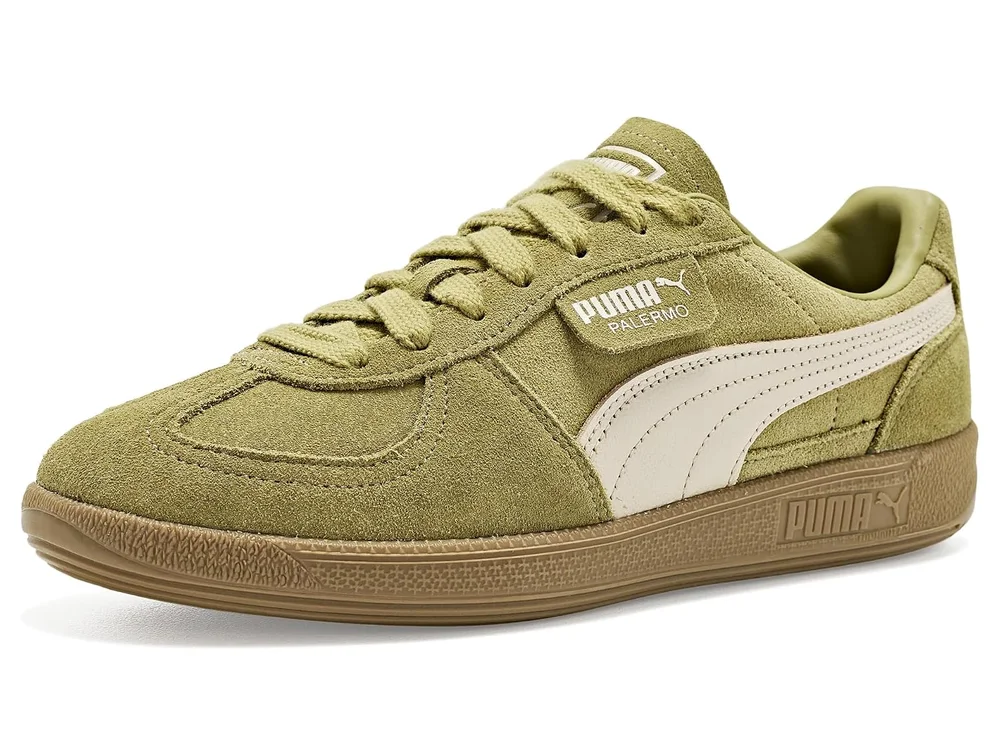
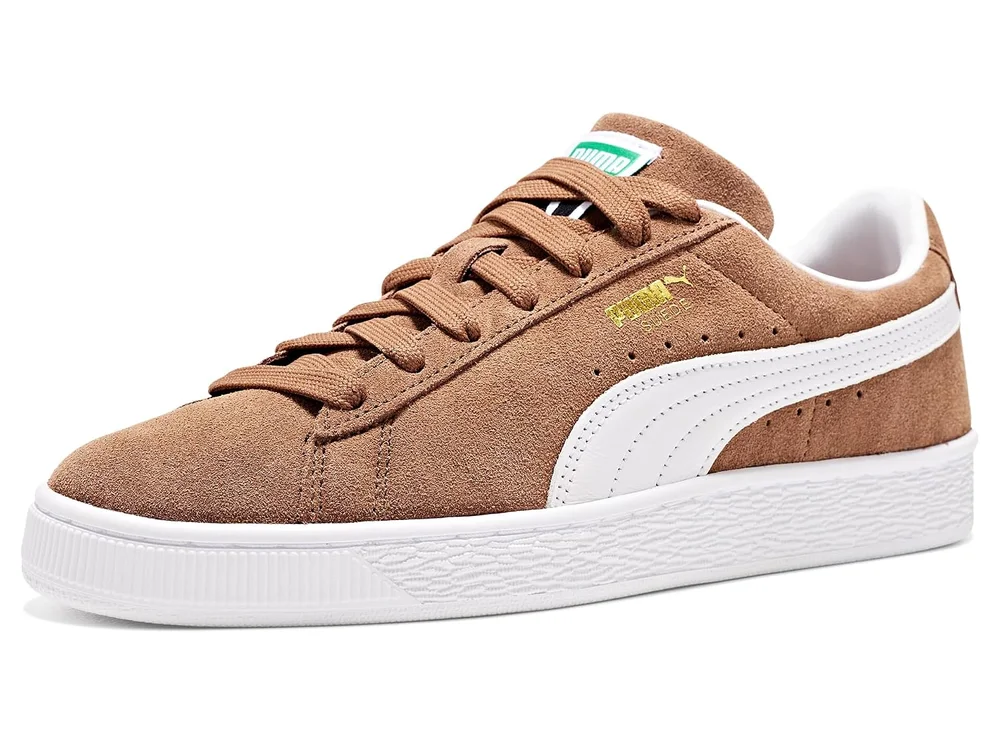
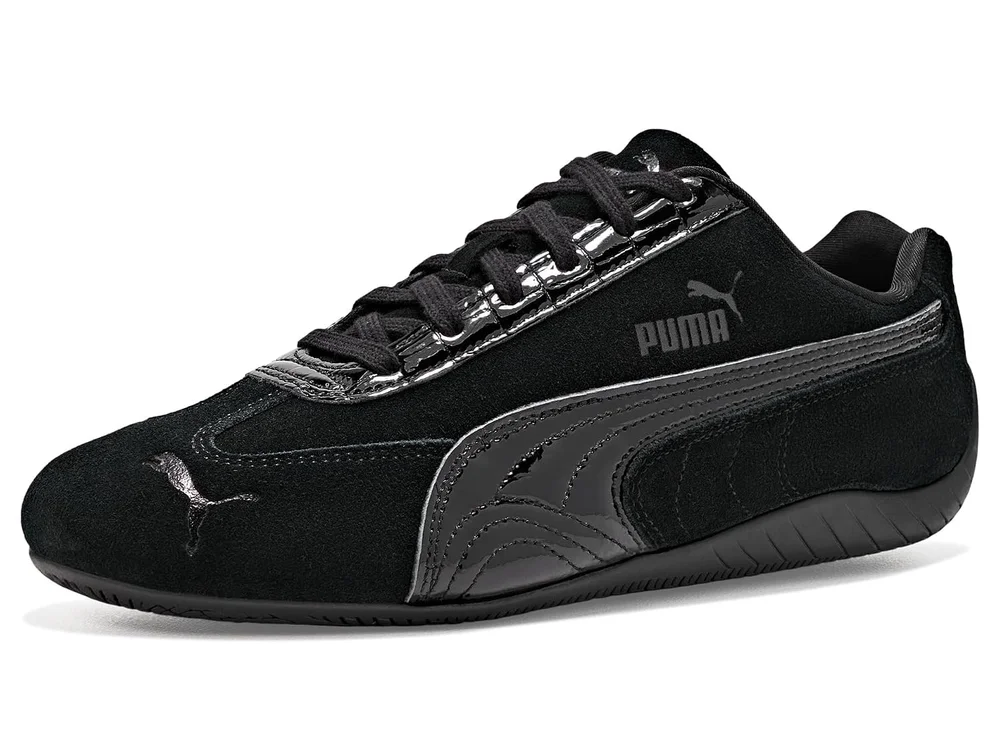
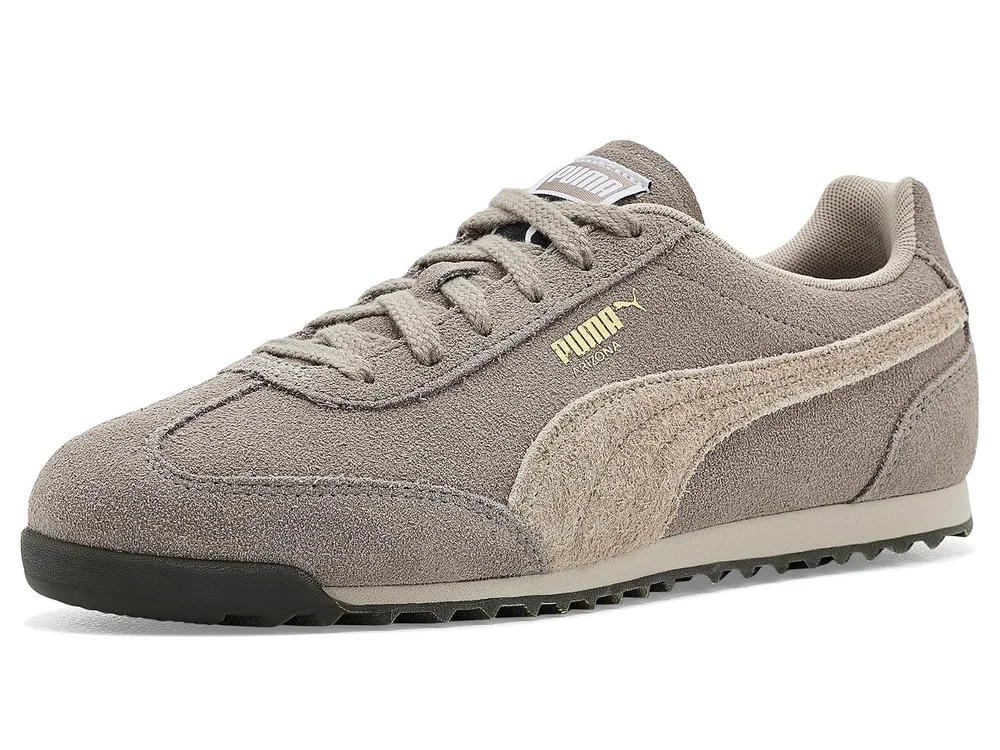
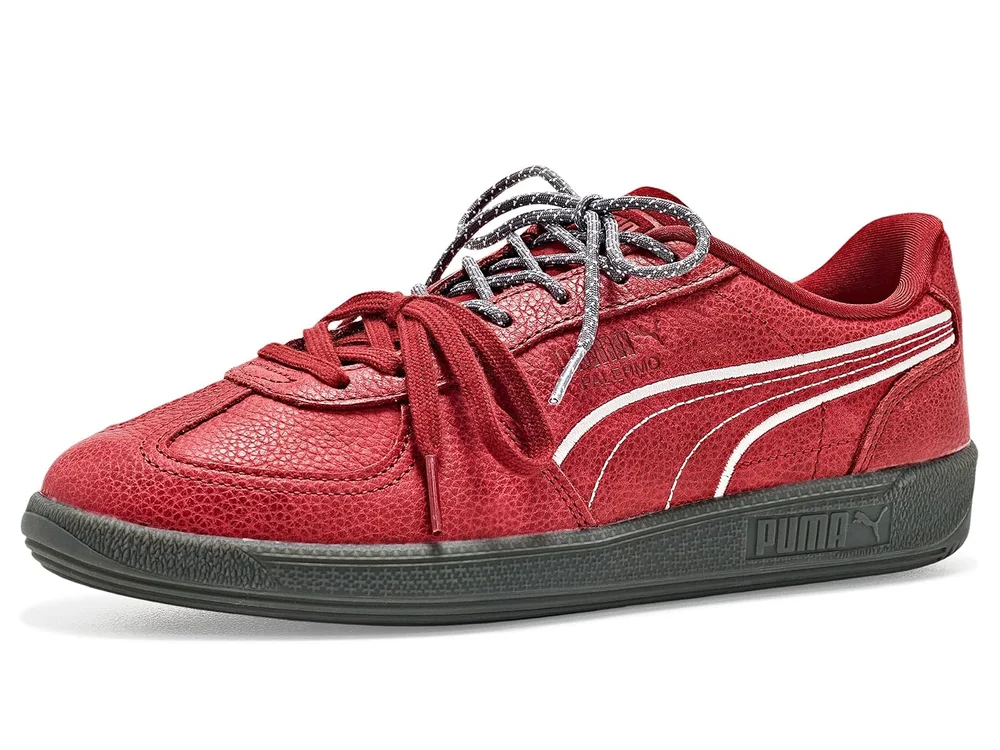
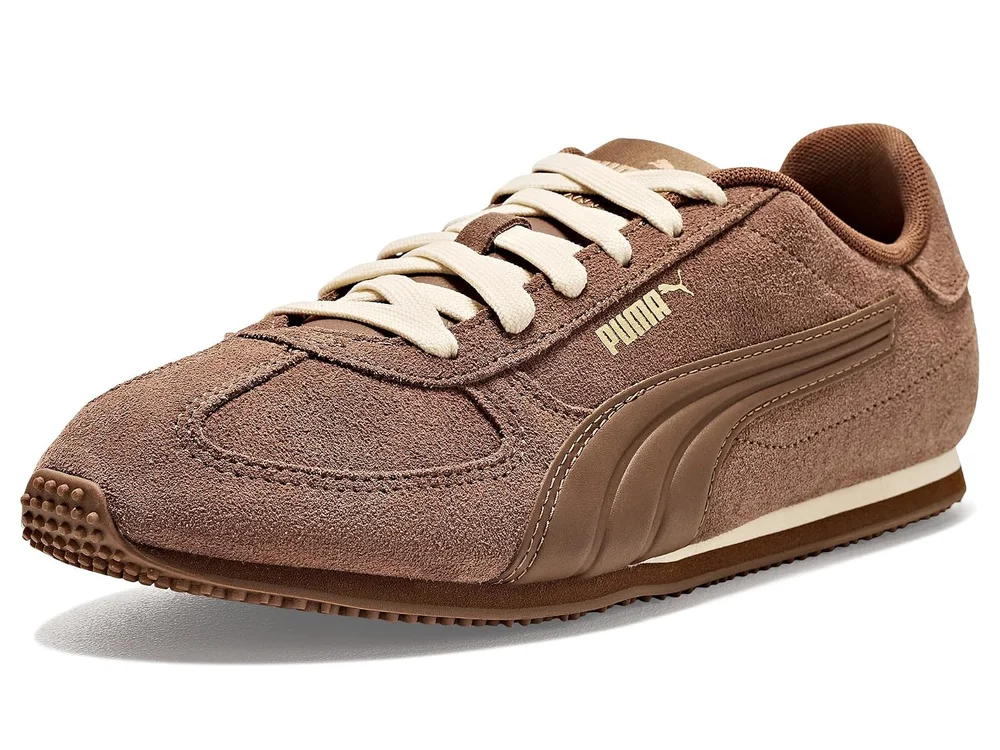
Puma sizing is generally true to size, but slimmer suede styles can feel snug, especially across a wider foot. Palermo Sneakers, Suede Classic Shoes, Speedcat Shoes and Arizona Suede Shoes are different models, so I would not carry one fit assumption across all four. A Palermo fit survey reported 76 percent true to size and 77 percent true to width; comments still vary, with one wearer preferring the regular size in thin socks and a half size up in thicker socks, while another regretted sizing up. The suede names are my cue to pay attention to width; I start with measured length and see whether the forefoot feels pinched. The Suede Classic is the pair I would check most carefully across a wide forefoot, since the slimmer suede profile can feel constricting. For Speedcat Shoes and Arizona Suede Shoes, I would test the actual pair rather than assuming they match Palermo. Practical tip: compare all four with the same socks and focus on toe clearance and side pressure, not just the label. I would not add length to solve a width problem. This Puma Palermo leather shoe guide gives a useful view of the range.
A chart-first approach for street pairs
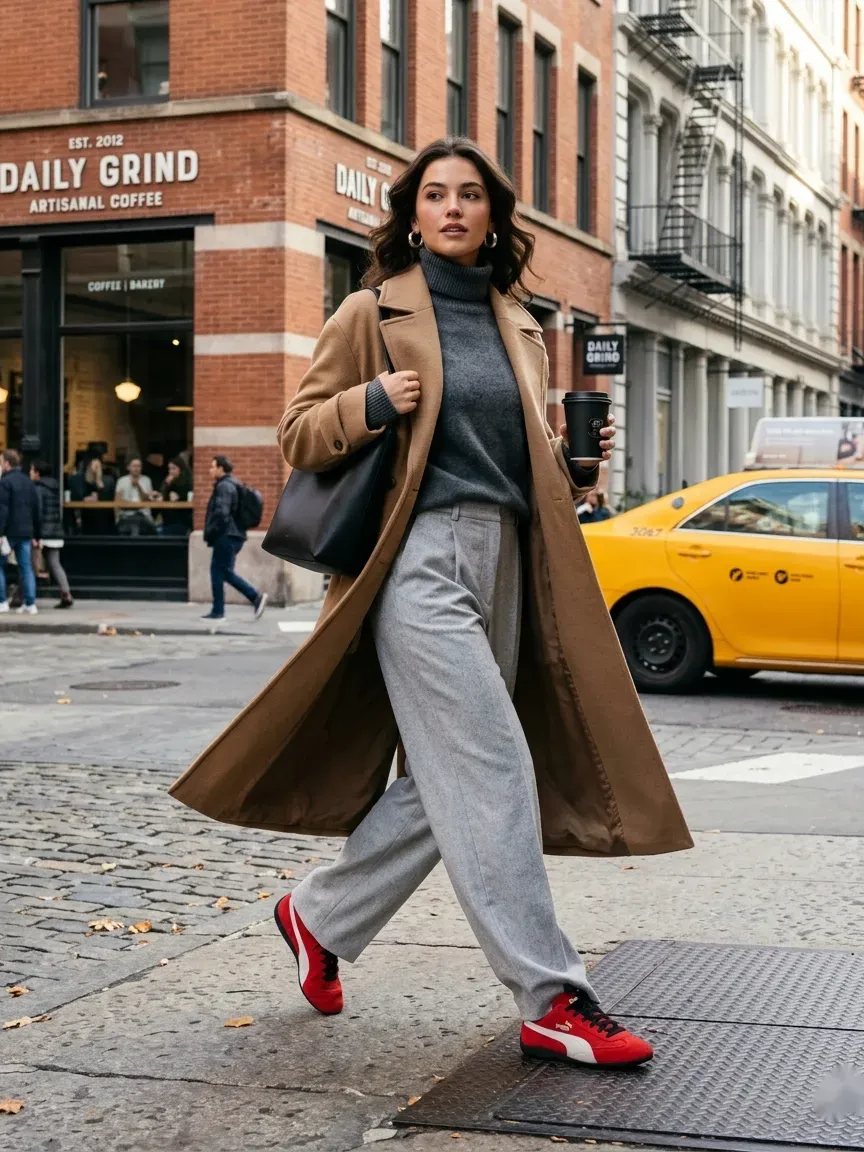
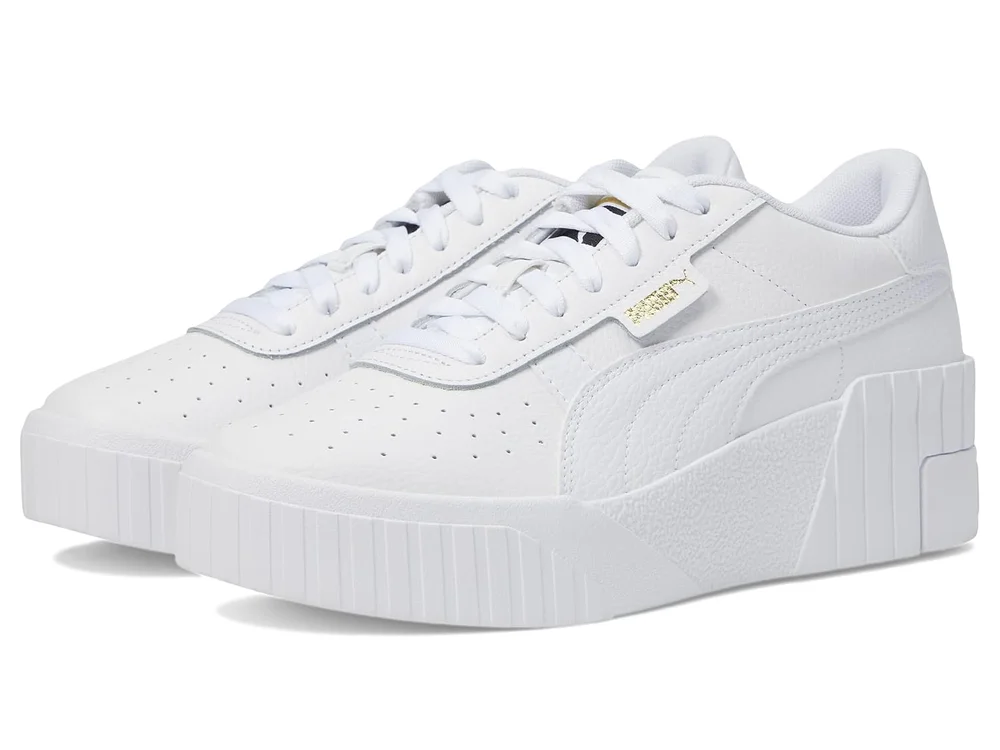
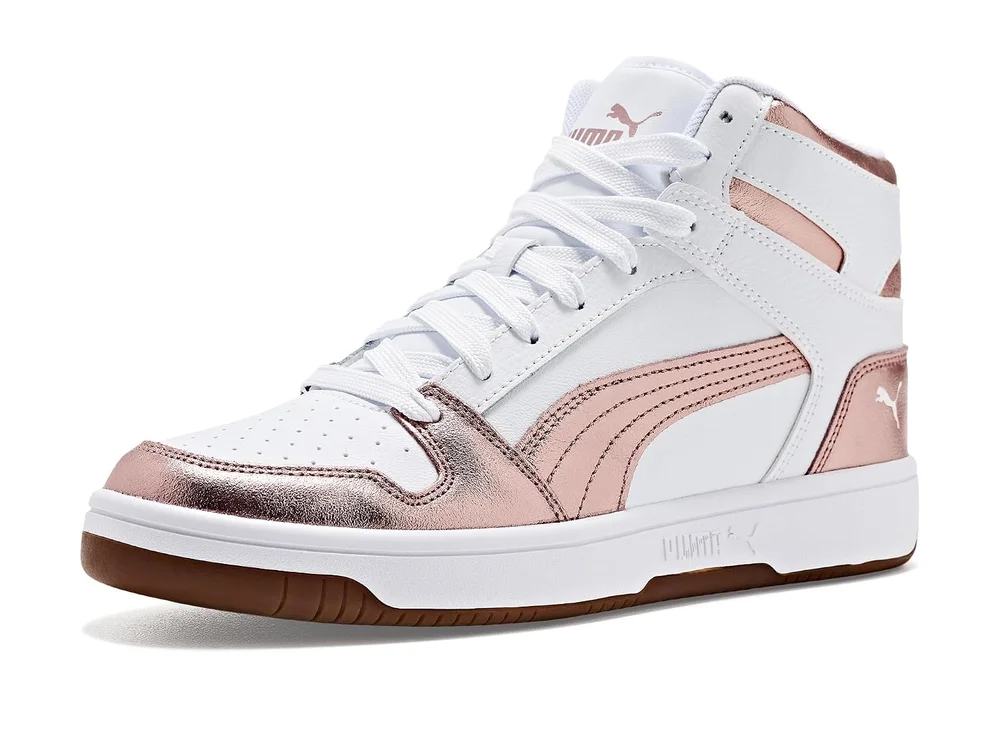
I would not carry the snug-suede rule straight over to Puma Palermo Dress-Up Shoes, ST Track Shoes, Cali Wedge or Rebound Layup Sneakers. The names describe different shapes, and a chart size is a better first try than adding half a size to every casual pair. I would start the Palermo Dress-Up at my measured size and check toe space in my usual socks. With ST Track Shoes, I focus on heel hold before moving up; with the Cali Wedge, I check toe room while standing. Rebound Layup Sneakers get the same test: lace them comfortably, then see whether the forefoot still feels free. Practical test: if the length is short, try the next half size; if pressure runs across the ball of the foot, a longer shoe may not solve the width. Wider fits are available in some running shoes, sneakers and trainers, but the options are limited. I would choose the model for its use first, then find the size that does not squeeze. For a broader measuring method, see this designer shoe sizing guide.
A chart-first start for Puma running shoes
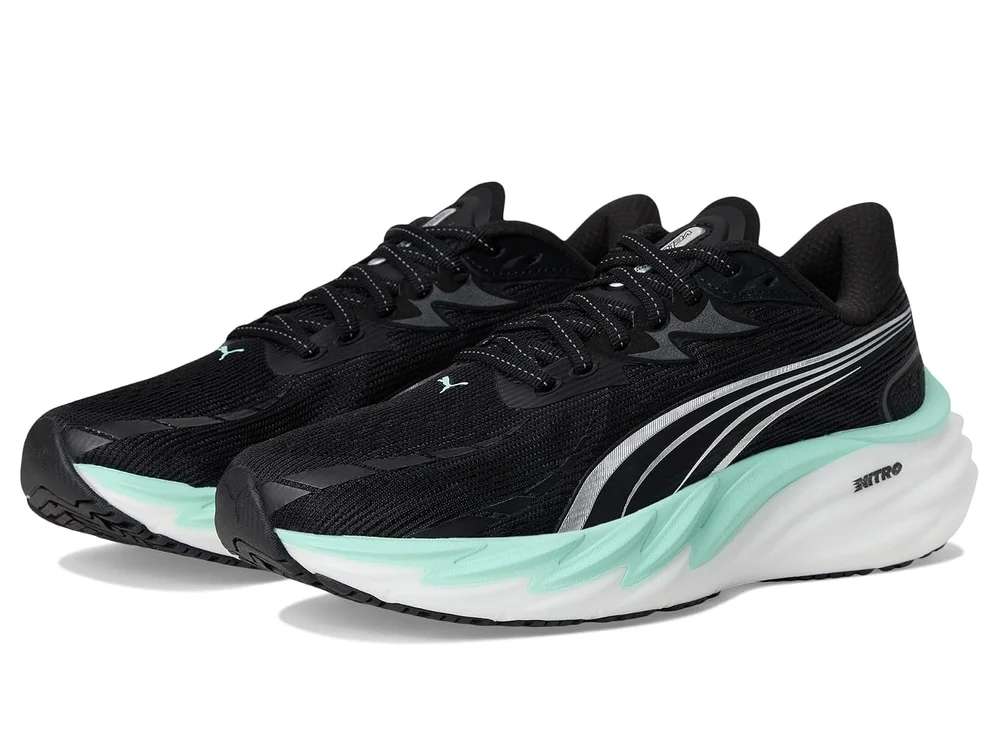
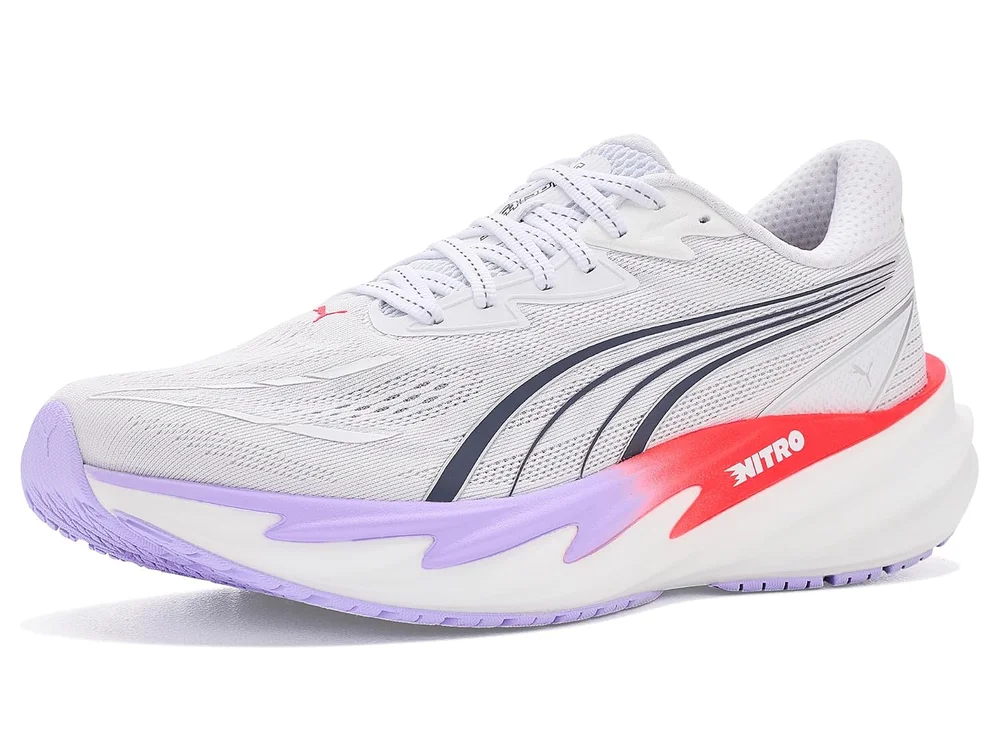
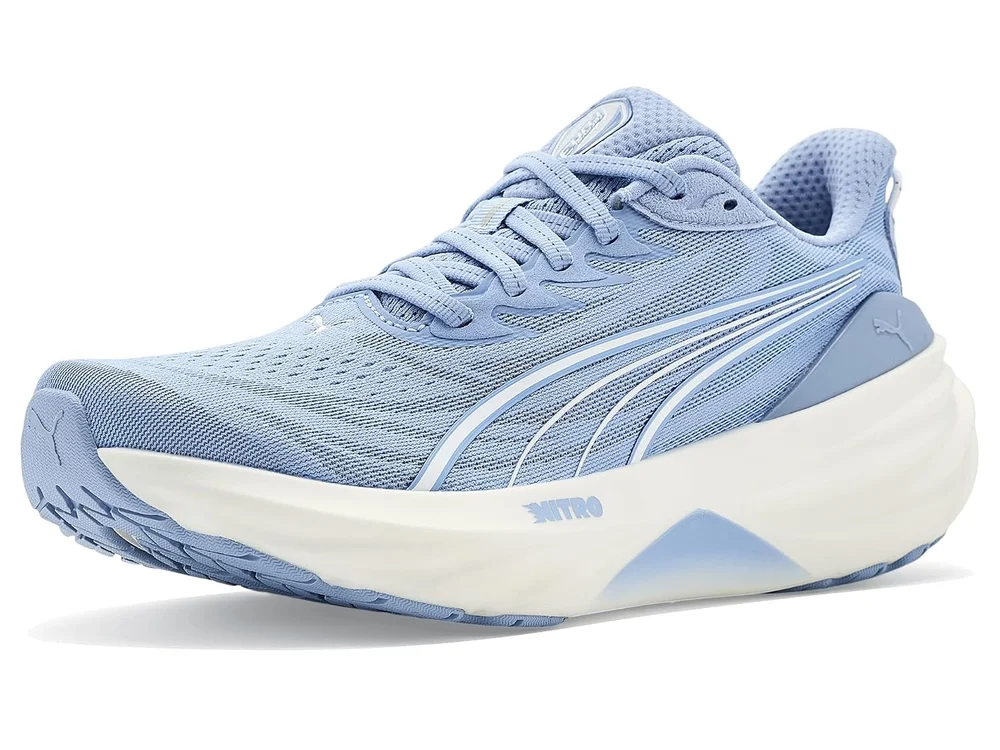
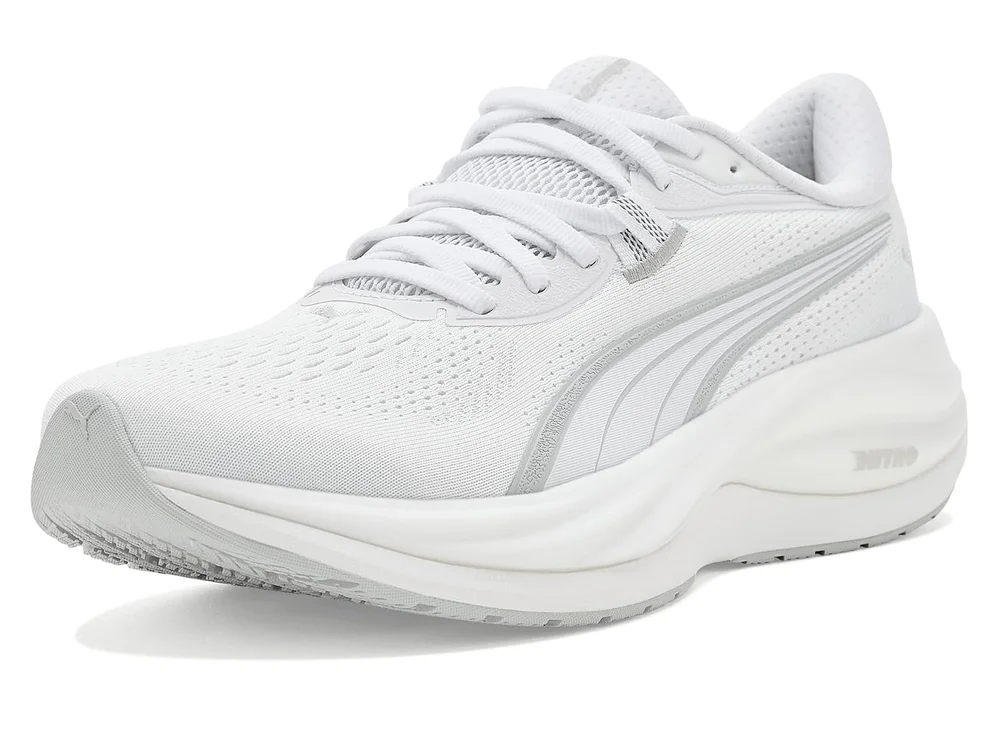
For Puma sizing, I start with a chart and an indoor try-on rather than sizing up automatically. Velocity Nitro 4 Running Shoes, Velocity Nitro 5 Running Shoes, Foreverrun Nitro 3 Running Shoes and Electrify Nitro 5 Running Shoes are the four models here, and I would try them with my usual training socks. Measure both feet at day's end, use the longer one, add 5 to 6 millimeters and match that number to the centimeter chart. The women's chart runs from US 5.5 to 11, mapping to EU 35.5 to 42.5 and 22 to 27.5 centimeters. In unisex styles, the women's US number is 1.5 sizes above the men's number for the same chart length, so I use the correct scale rather than guessing. The brand's sports-shoe history began in 1919, and its 1958 Formstrip started as an internal stabilizing strip. A cross-brand comparison found the sizing system broadly consistent but noted model differences. Daily trainers need a little room for toe splay, while closer race-ready models fit more narrowly, so I would try the specific pair before deciding. I would check toe room and heel hold with an indoor walk before settling on a size.
Puma sizing questions I get
Which Puma would I size first?
I would begin with the Palermo Sneakers at my measured size, then check toe room and side pressure with my usual socks. If the forefoot feels narrow, I would compare another model instead of automatically adding length.
Do Puma Suede styles run small?
They can feel snug across a wider foot because the profile is slimmer. I would start with the chart size, loosen the laces and test the sides before trying a half size up.
Should I size up in Puma running shoes?
Not as a blanket rule. Start from your chart measurement and check for toe room in the training socks you wear; a wide option is more useful than extra length when pressure sits across the forefoot.
How much room should I leave at the toe?
I would use the measured size as the starting point and check that the toes can move without touching the front. Daily trainers need a little room for toe splay, while closer race-ready models fit more narrowly, so try the specific pair before deciding.