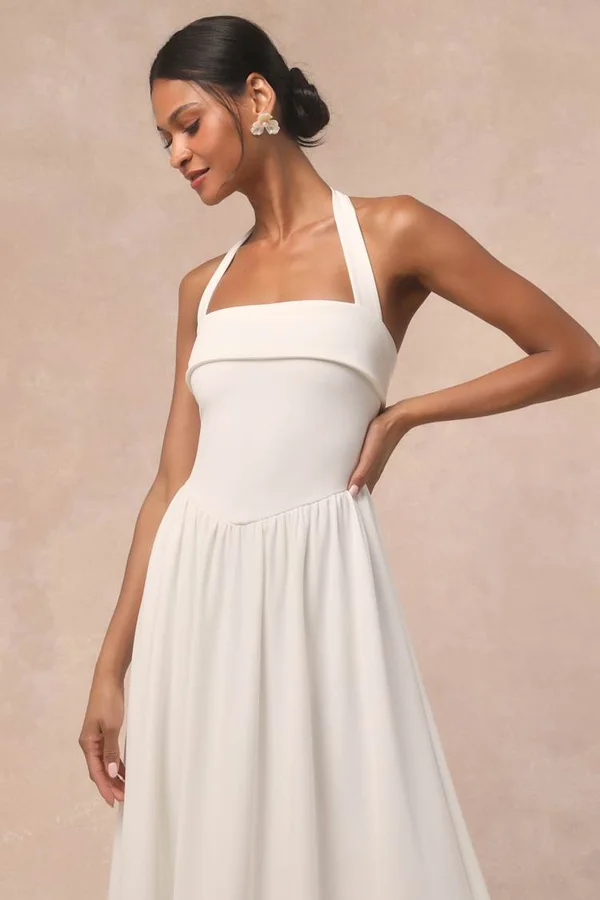
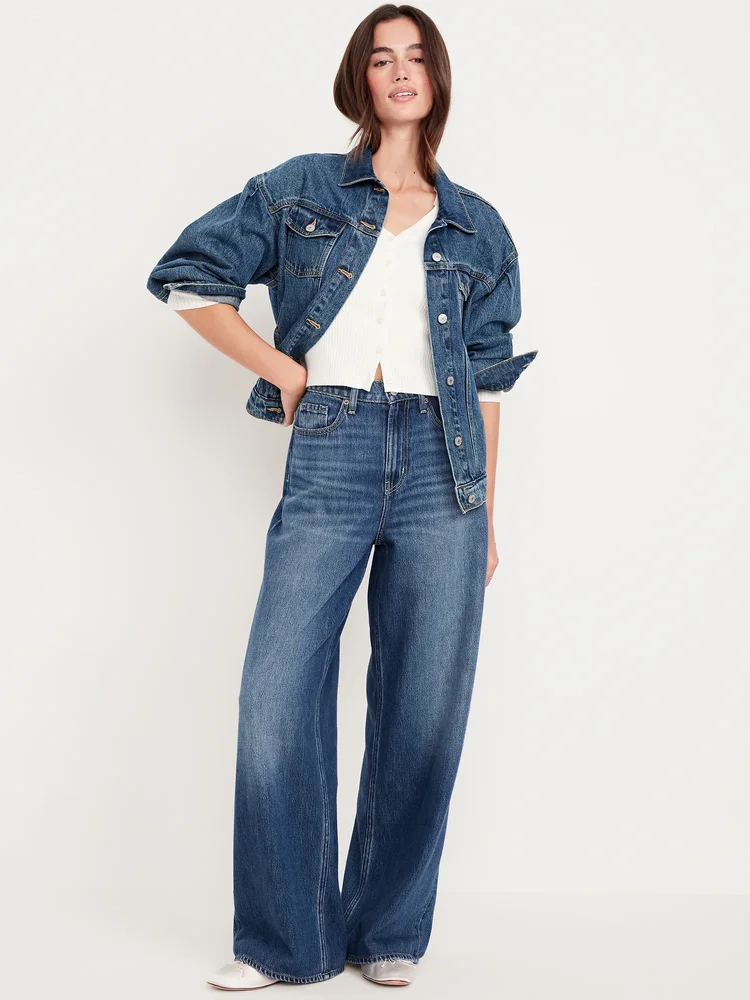
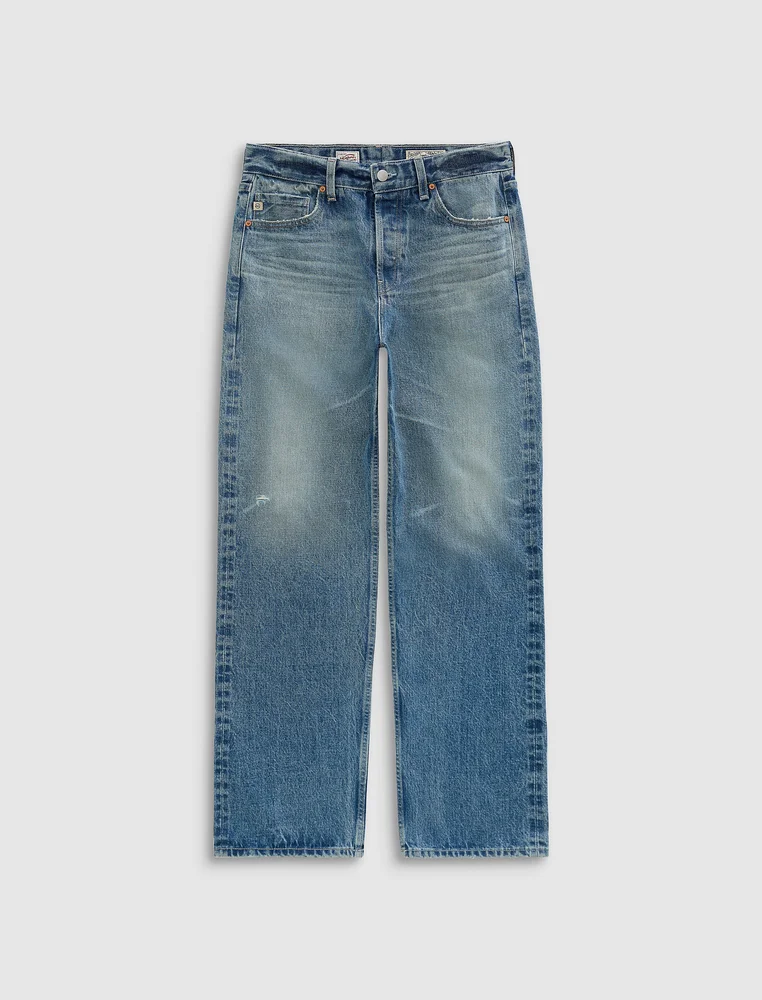
Selvedge denim jeans are the pairs still woven on a shuttle loom, shown here straight, wide and raw. I look for the colored border at the cuff before I look at the wash. The notes stay with the hem, the rise and the mills that still turn the thread back on itself.
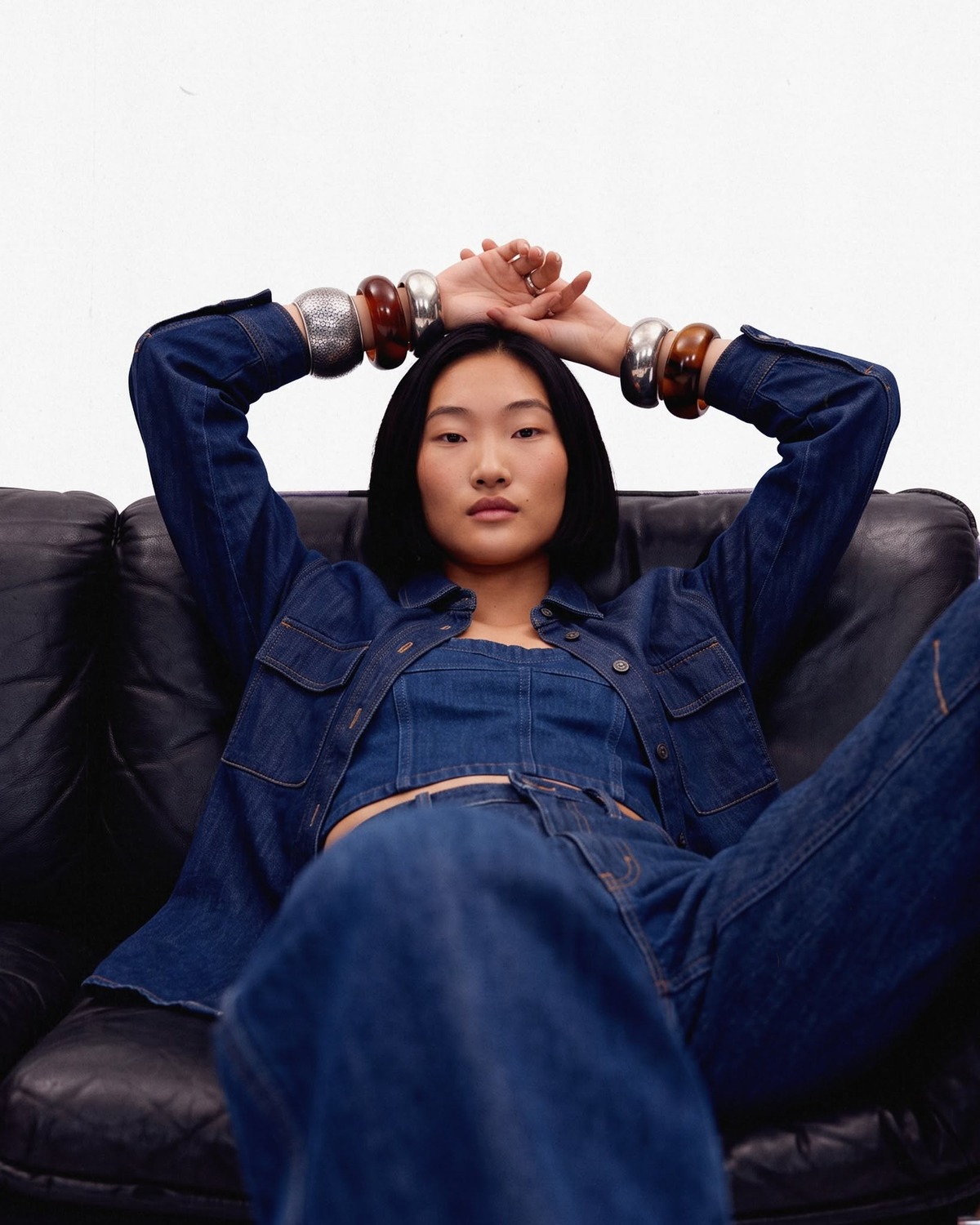
Selvedge Denim Jeans: The Edge the Loom Left On
The border the loom left on
The line down the outseam is the whole story. On a shuttle loom the weft turns back on itself at the edge, and that finished border, the selvedge, is often marked with a thread in a second color so you can name the cloth from the cuff. Most denim now comes off a shuttleless loom. The pairs that still use the old loom are the ones worth turning up. Selvedge denim jeans are that edge, cut into a five-pocket jean.
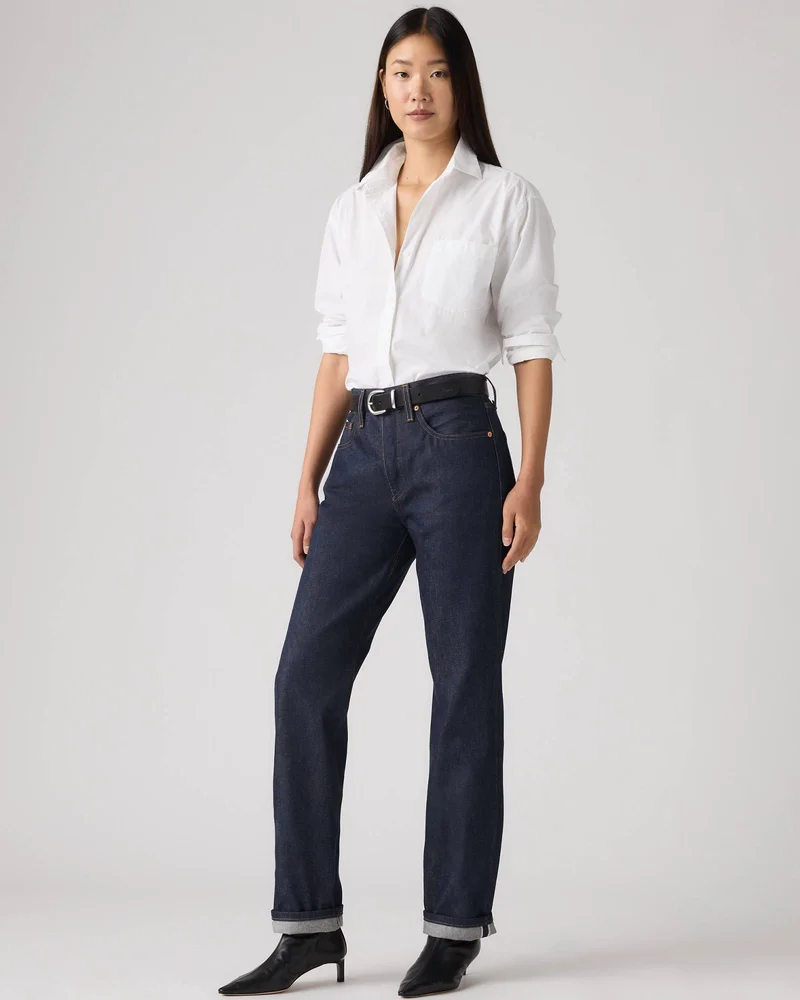
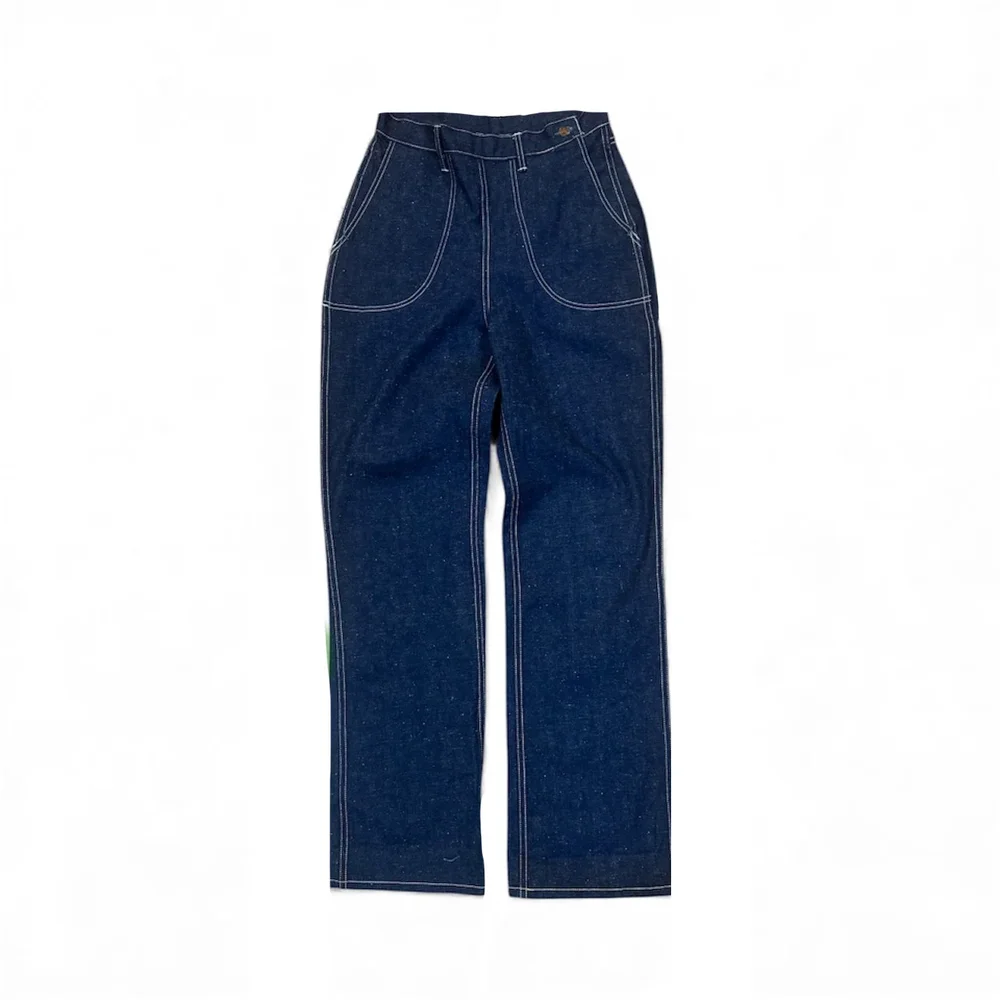
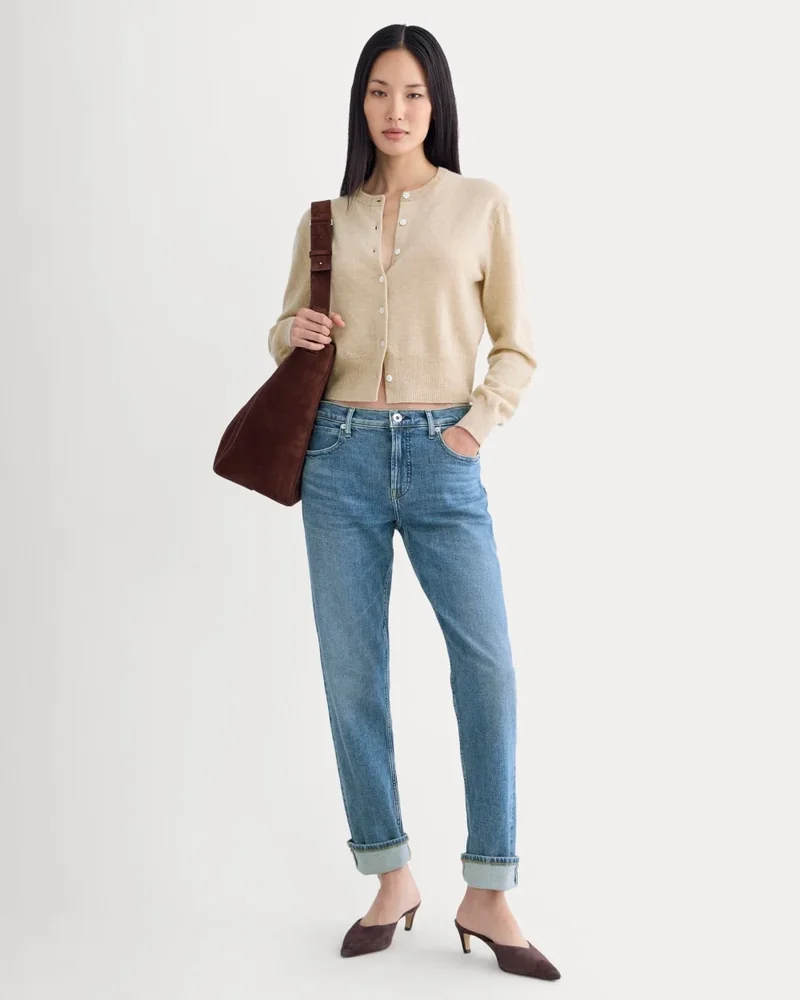
Denim as we know it was first woven in Nimes, France, and the rivet that keeps a pocket from tearing was patented by Jacob Davis and Levi Strauss on May 20, 1873. ONI Denim's L720 is the wide straight reading of that history, a 12 ounce indigo selvedge with a clean dark face. LOFT's Rivete is the tall curvy straight, cuffed so the hem can show the turn of the cloth. Fashion Nova's slim raw pair is the one where the contrast stitch runs the outseam in plain sight. Levi's 501 Original Selvedge is the house's own button-fly straight in dark indigo, the cuff ready to roll.
The test is the cuff. Turn it once. If a pale or colored edge appears, you are looking at the loom's border, not a printed stripe. If the hem is a clean cut with no border, it is a different cloth.
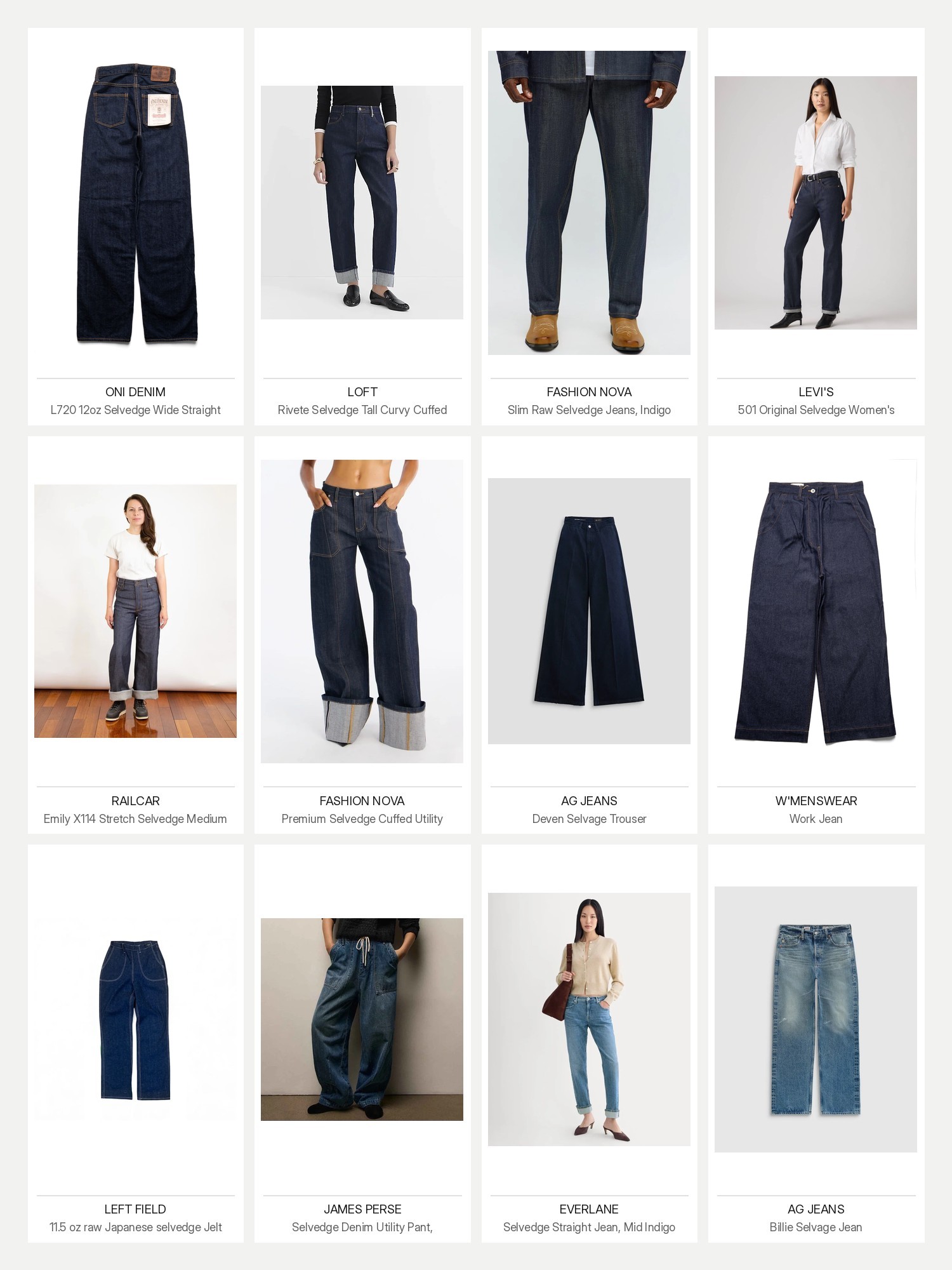
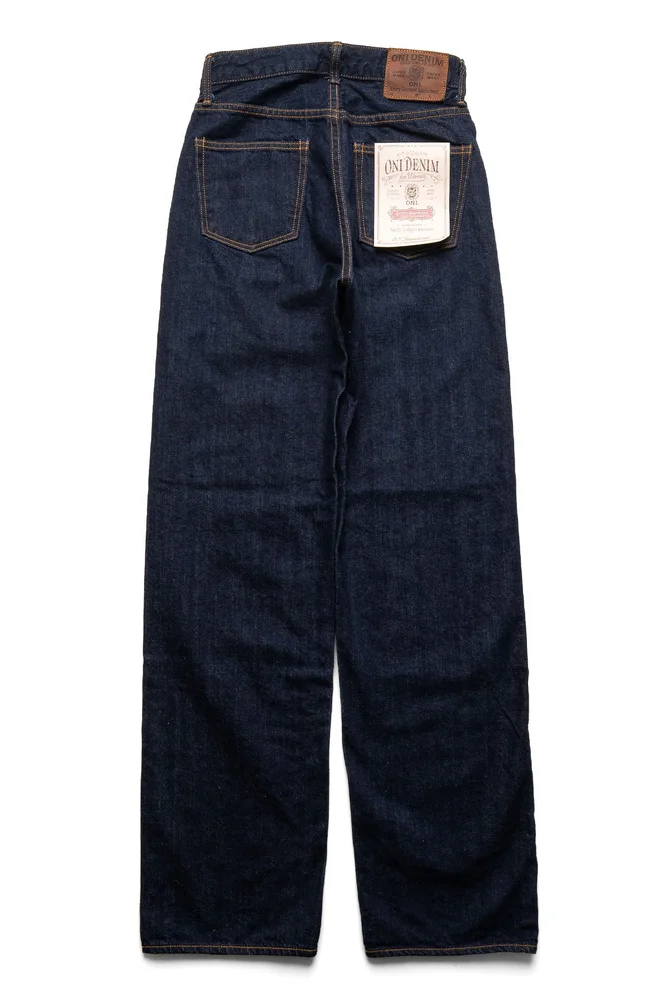
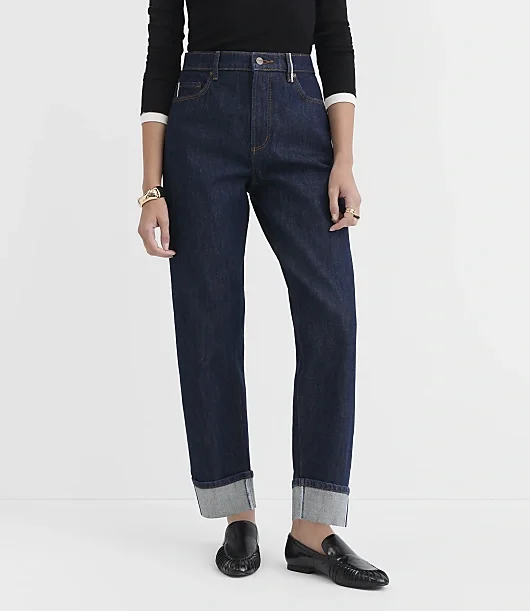
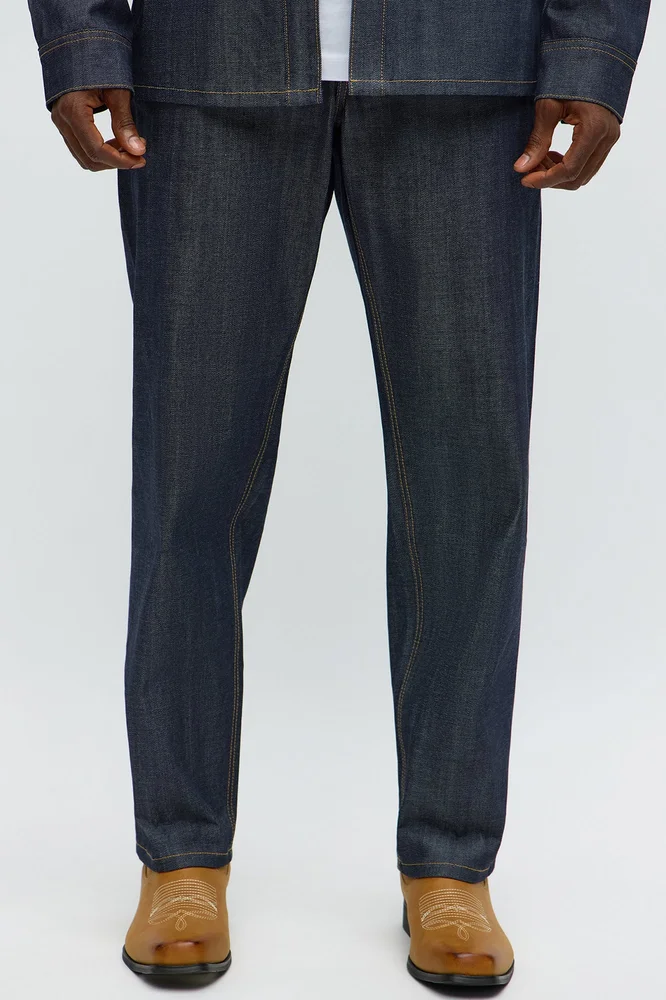
Wide hems that show the edge
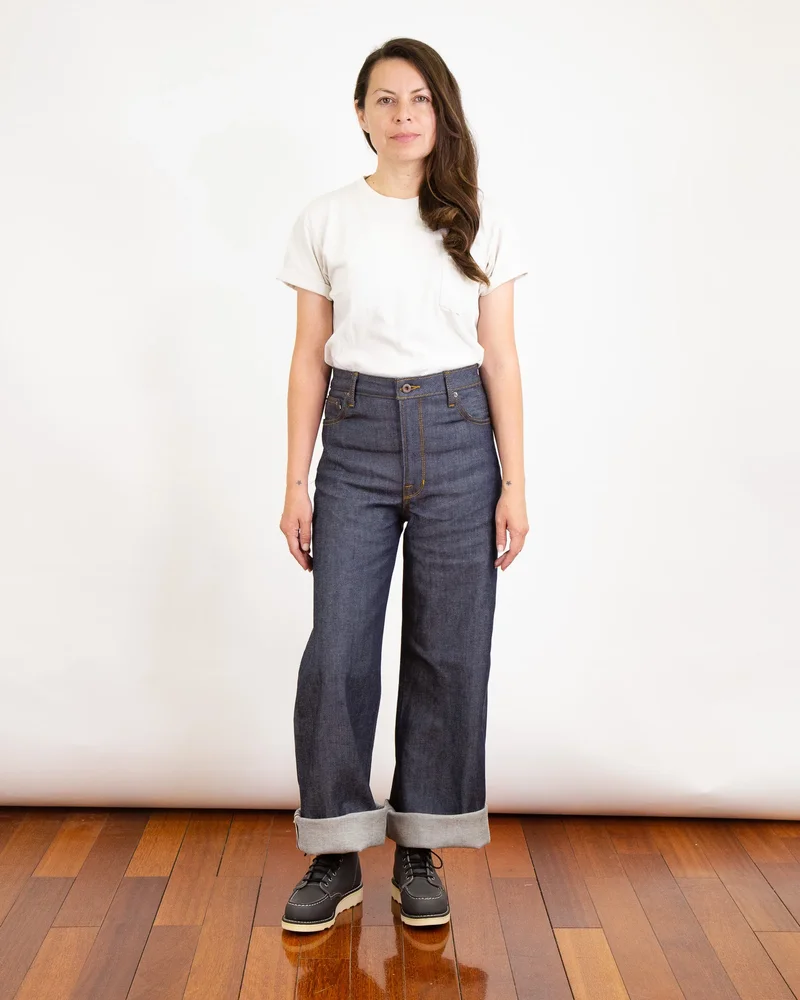
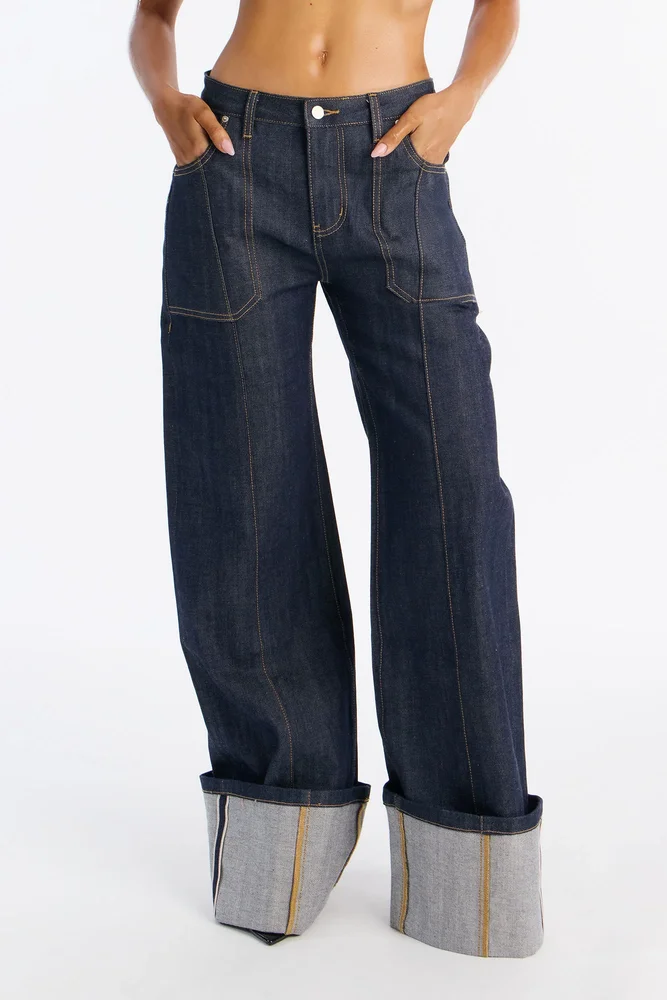
A wide leg is where the edge gets to show off, because the hem is broad enough to turn without strangling the ankle. Railcar's Emily is the medium-high wide, best with a white tee and the cuff rolled once. Fashion Nova's cuffed utility wide is the pair that teaches the word: the turn shows a gray border and a gold line, which is the selvedge doing its job in public.
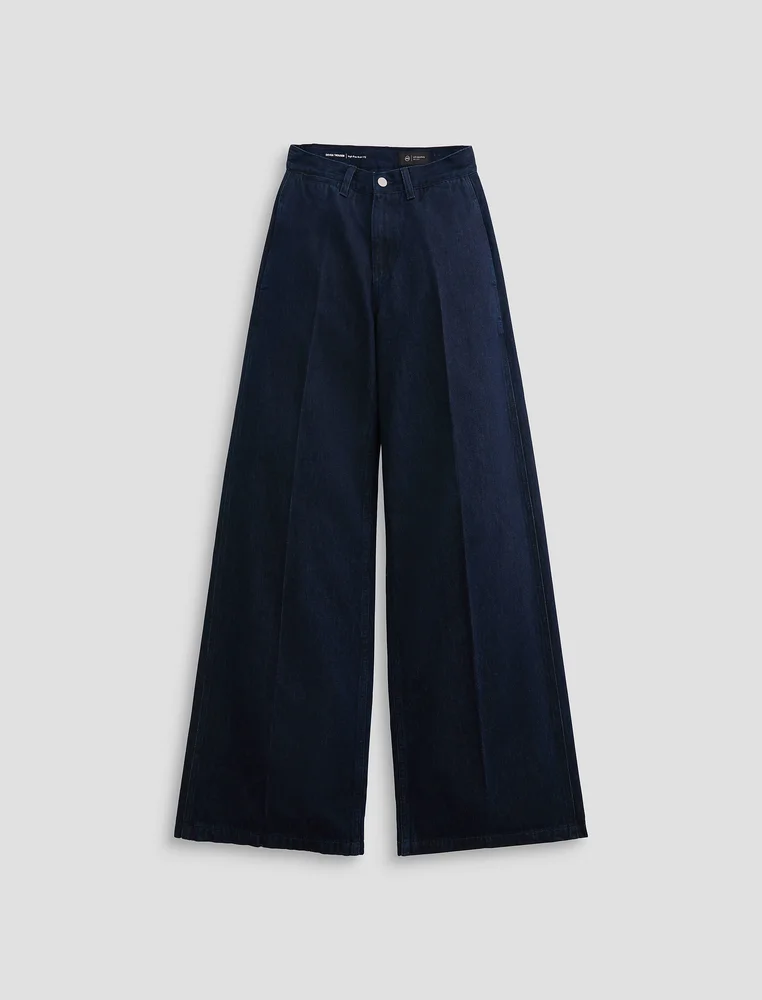
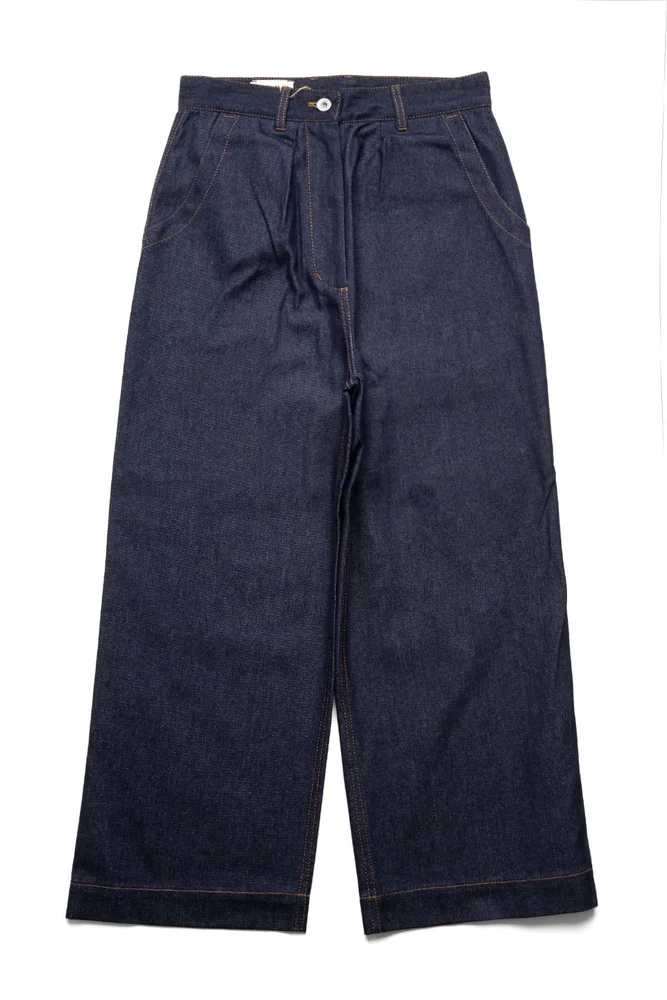
AG's Deven is the dark trouser-wide, almost navy, a flatter front, the one for a knit tucked in. W'Menswear's Work Jean is the workwear reading next to those wides, pleated at the front with a long rise, in an indigo woven on shuttle looms and rope dyed. What I would skip: a wide jean so long the cuff drags and the edge never gets seen. The border is the reason to buy this cloth. If the hem covers your shoe completely, have it taken up until the turn sits just above the sole.
Wear the Emily with a simple tee. Wear the Deven when the top is softer and you want the leg to do the structure.
Raw cloth and a rinsed pair
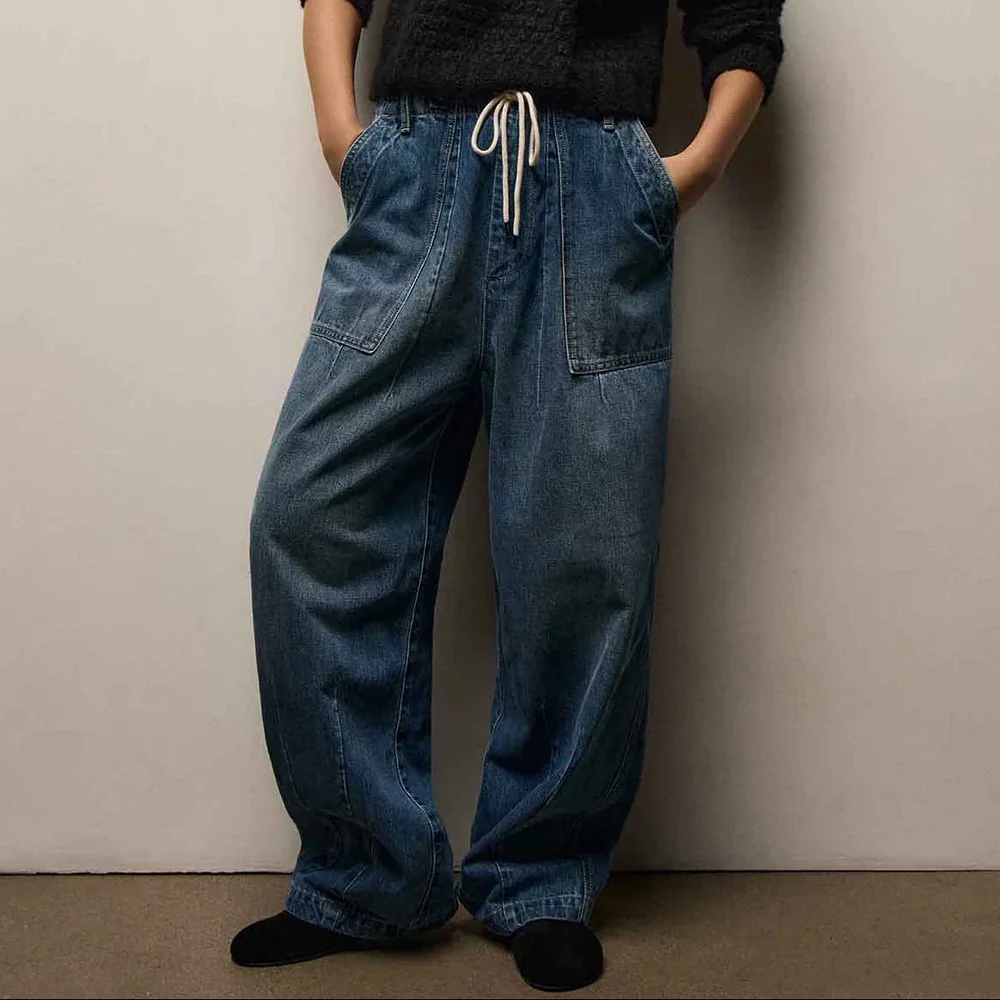
Raw cloth is the selvedge pair you break in yourself. Left Field's 11.5 ounce Japanese jean is unwashed, curved pockets, a rigid leg that will crease where you actually bend. James Perse's utility pant in medium selvedge is looser, a drawstring and patch pockets, closer to workwear than to a dress jean. Everlane's straight in mid indigo is the rinsed version, good with a cream cardigan, the cuff small, the rise easy. AG's Billie is the lighter wash with a small break at the knee, the one that already looks lived in.
Before the 1960s, women's jeans often closed with a fly on the left side rather than the front. Every pair here has settled on the front fly, which is the modern cut, and the old distinction is only useful as a reminder that the cloth outlasted the pattern. What I would skip: raw denim you plan to soak and forget. The first month shows every sit. If you want the knee pale by spring, wear it and let the creases arrive. If you want it soft on day one, take the rinsed Everlane instead of the Left Field.
The Billie can take a loafer. The Left Field wants a boot until the hem softens.
Turn the cuff and look
Turn the cuff on the darkest straight pair first and see whether the border shows. If it does, that is the one for a tucked knit and a simple shoe. The wide utility pair is for the day you want the edge to be the detail, with a plain tee and nothing else competing. The raw Japanese pair is the one to wear hard, knowing the knee will map how you sit.
A loom that turns the thread back on itself has been doing that since the cloth left Nimes. The pair worth keeping is the one whose hem still tells you which loom it came from, after the coat is on and the shoe is chosen.