Sole stiffness, washability and whether you can wear them outside.
Slippers or House Shoes: Which to Buy for a Cold Floor

Choose for the floor first
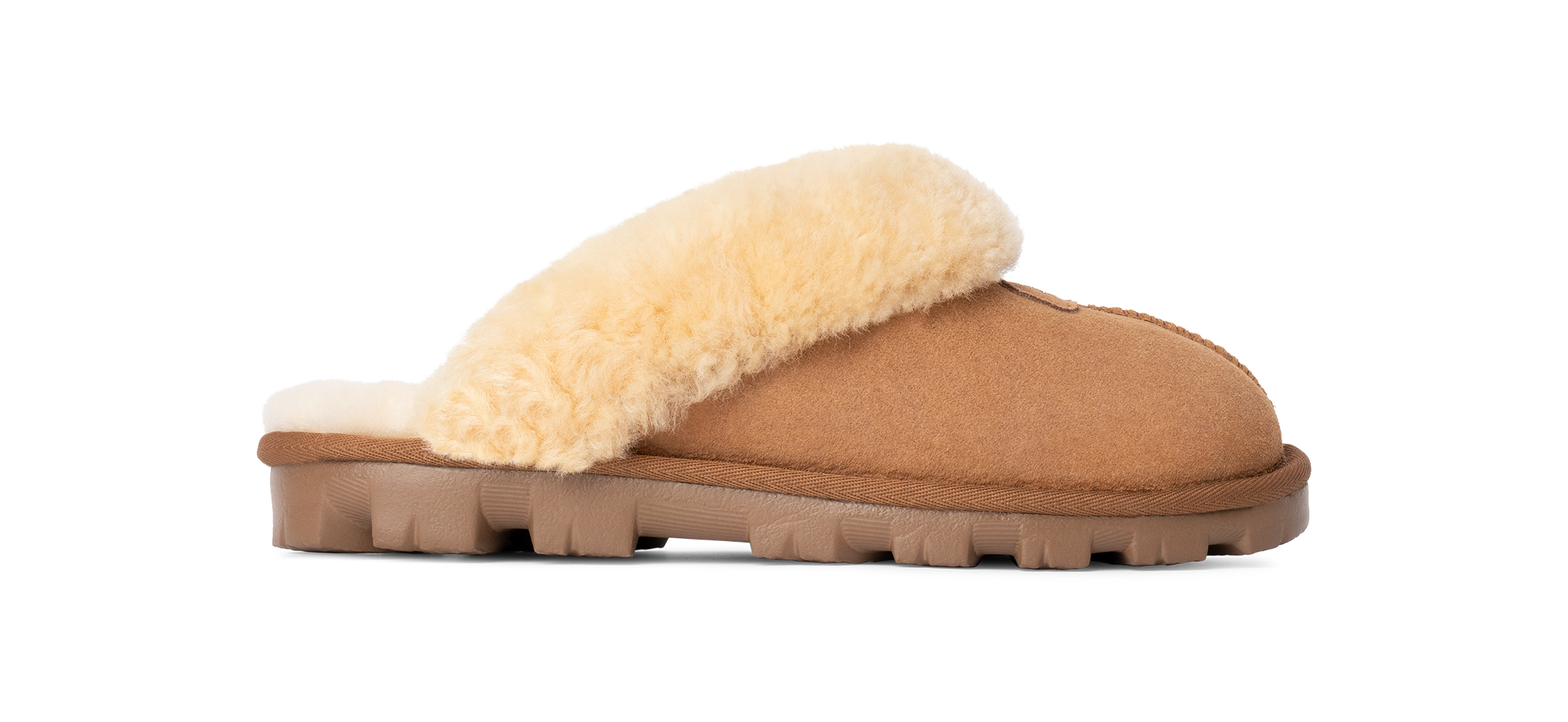
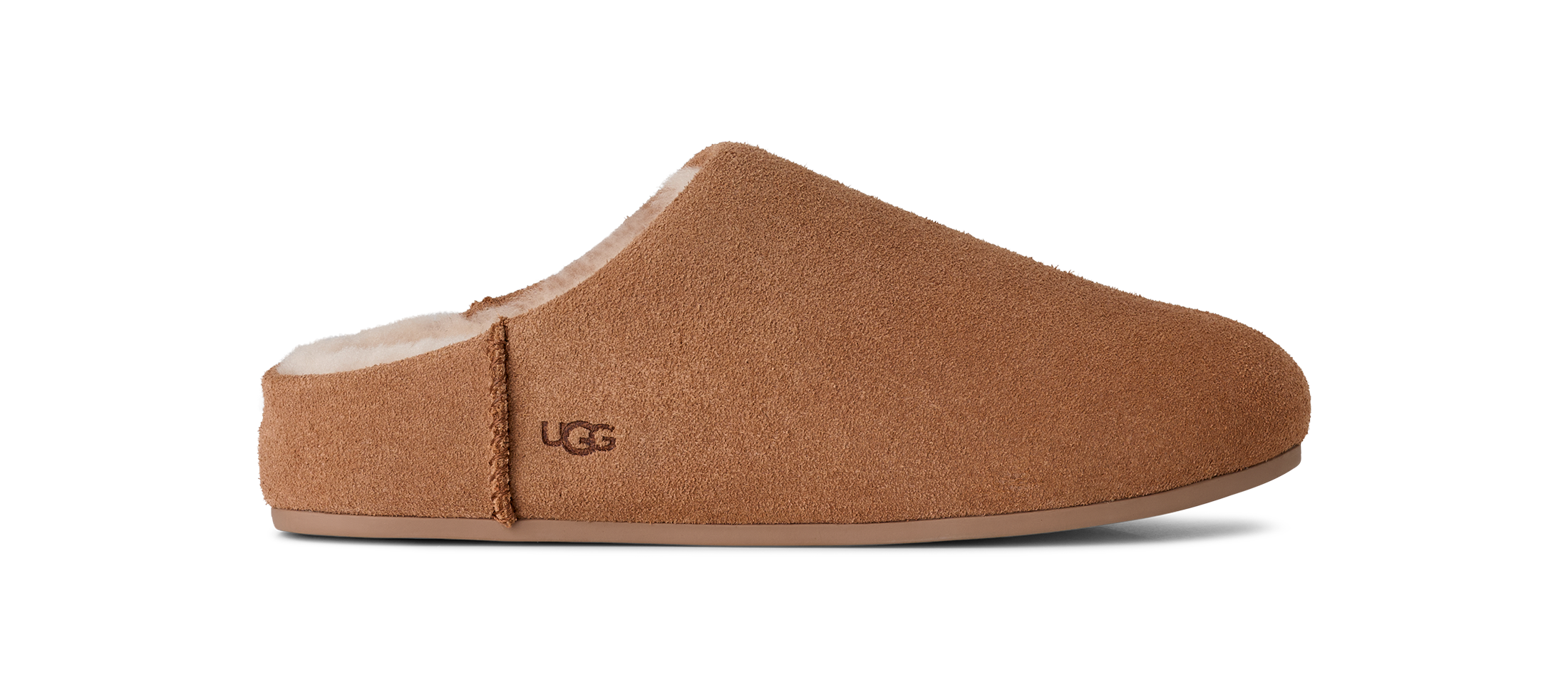
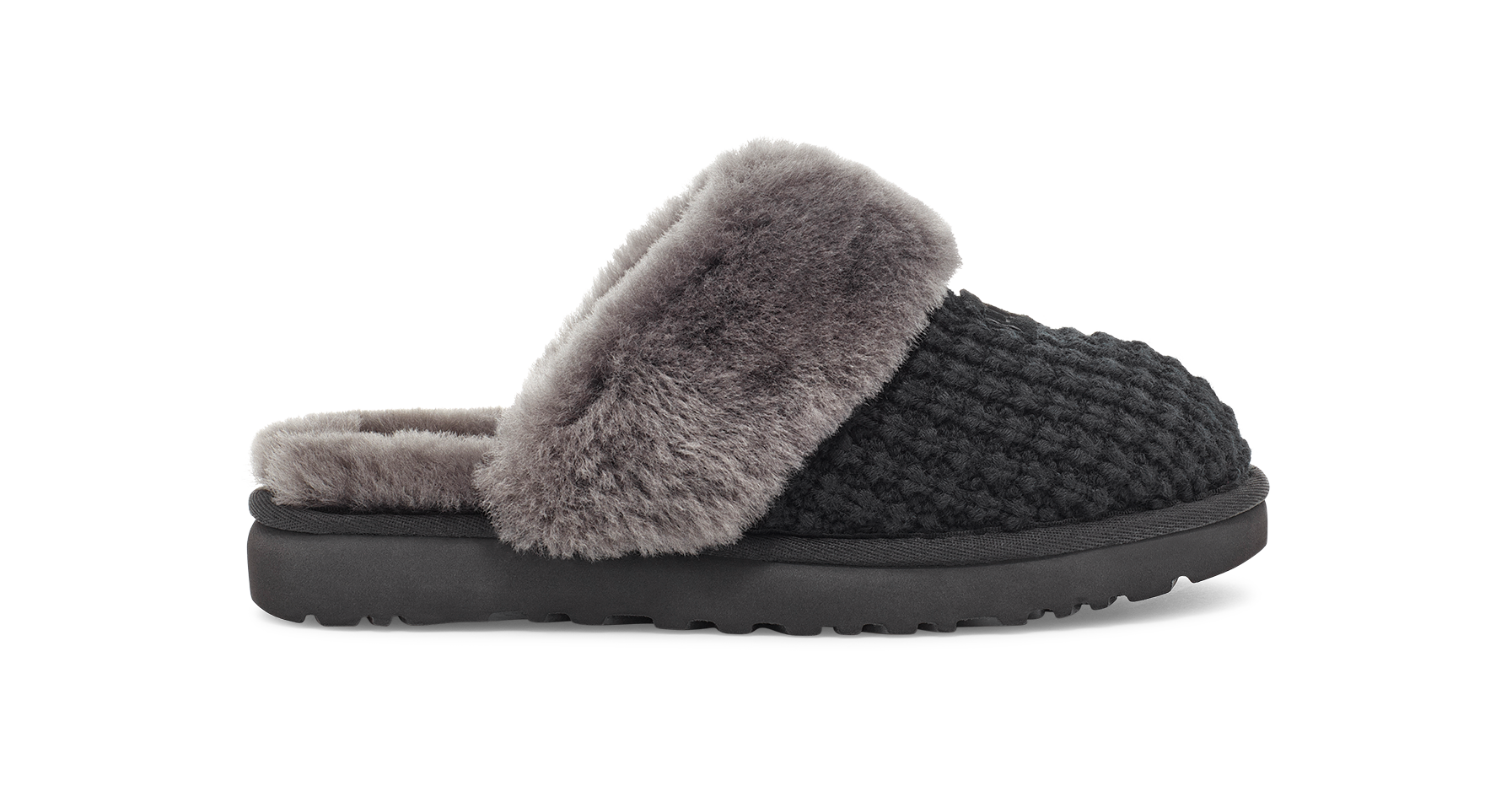
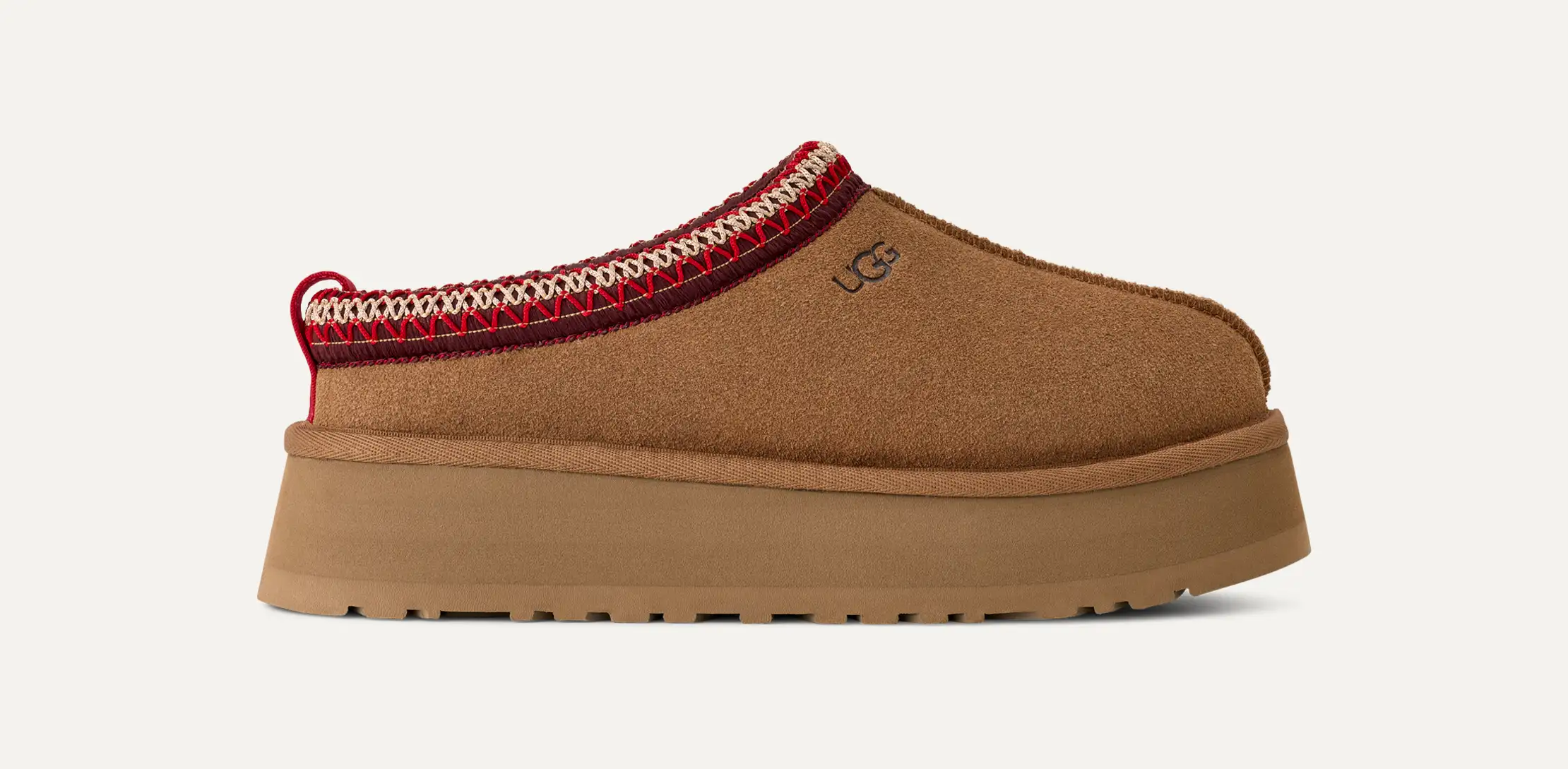
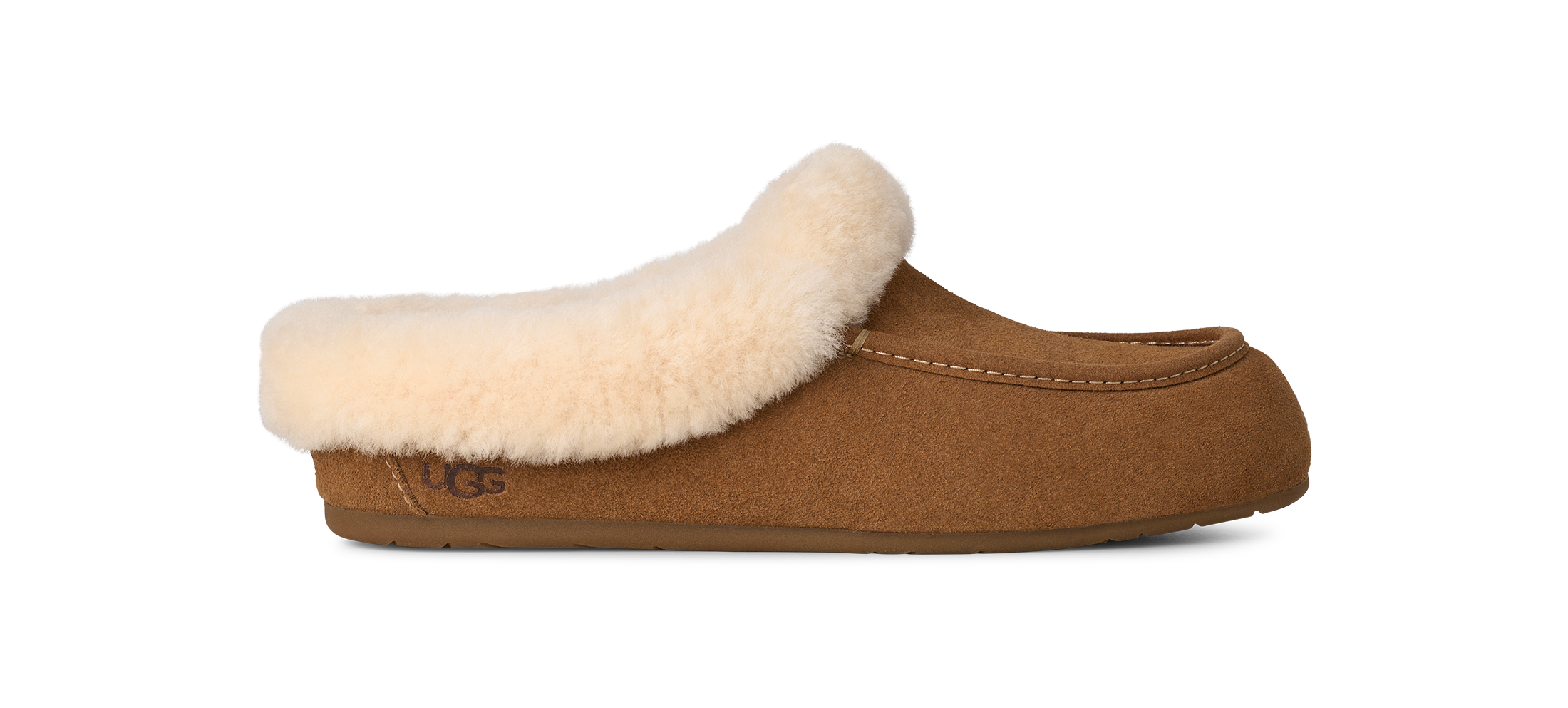
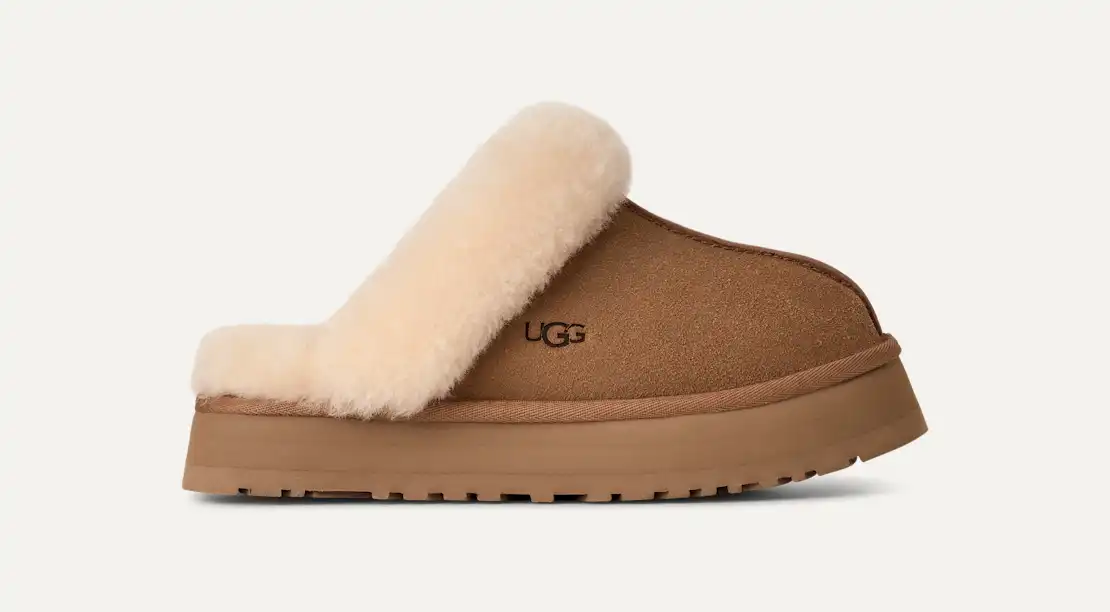
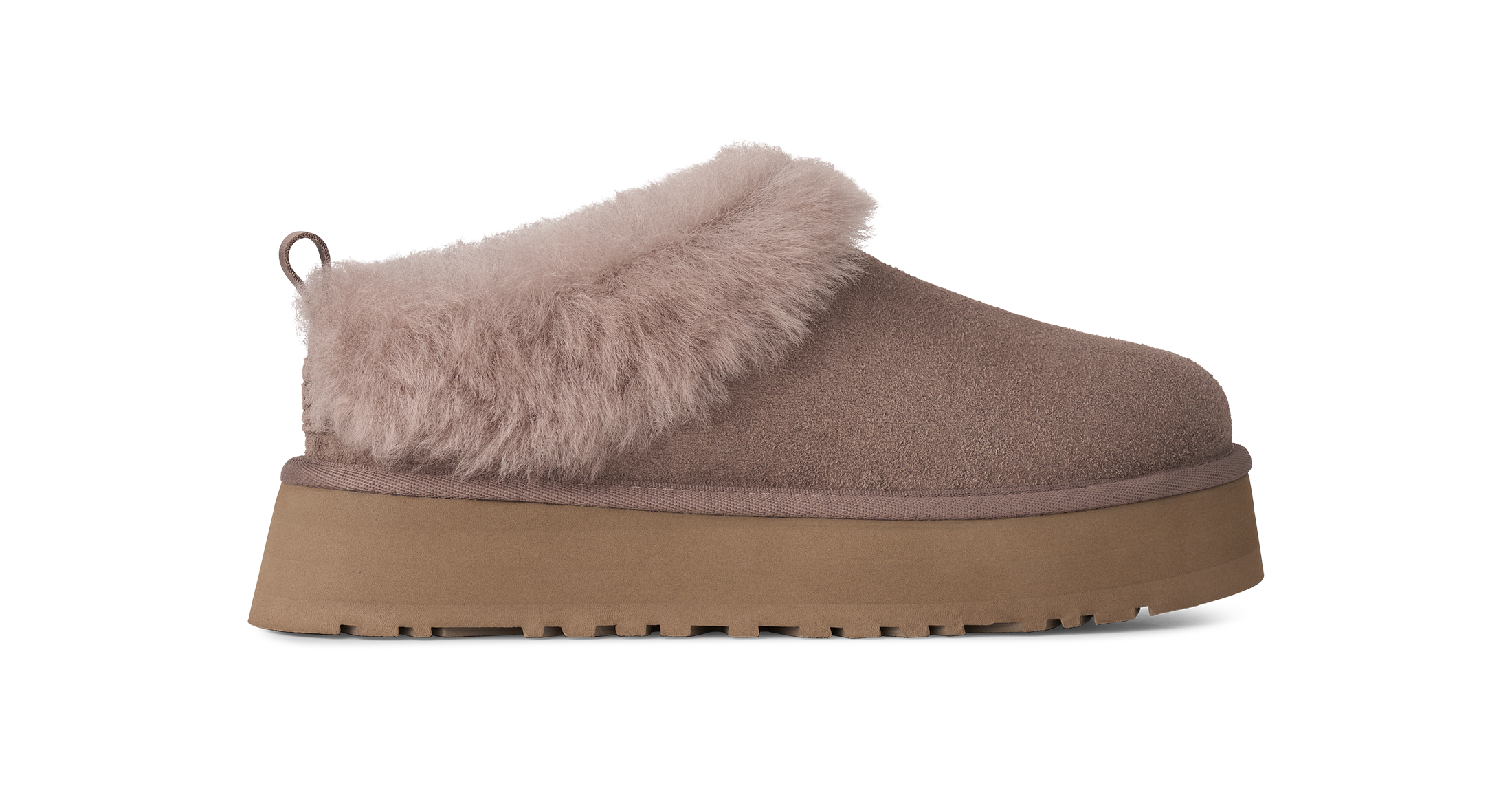
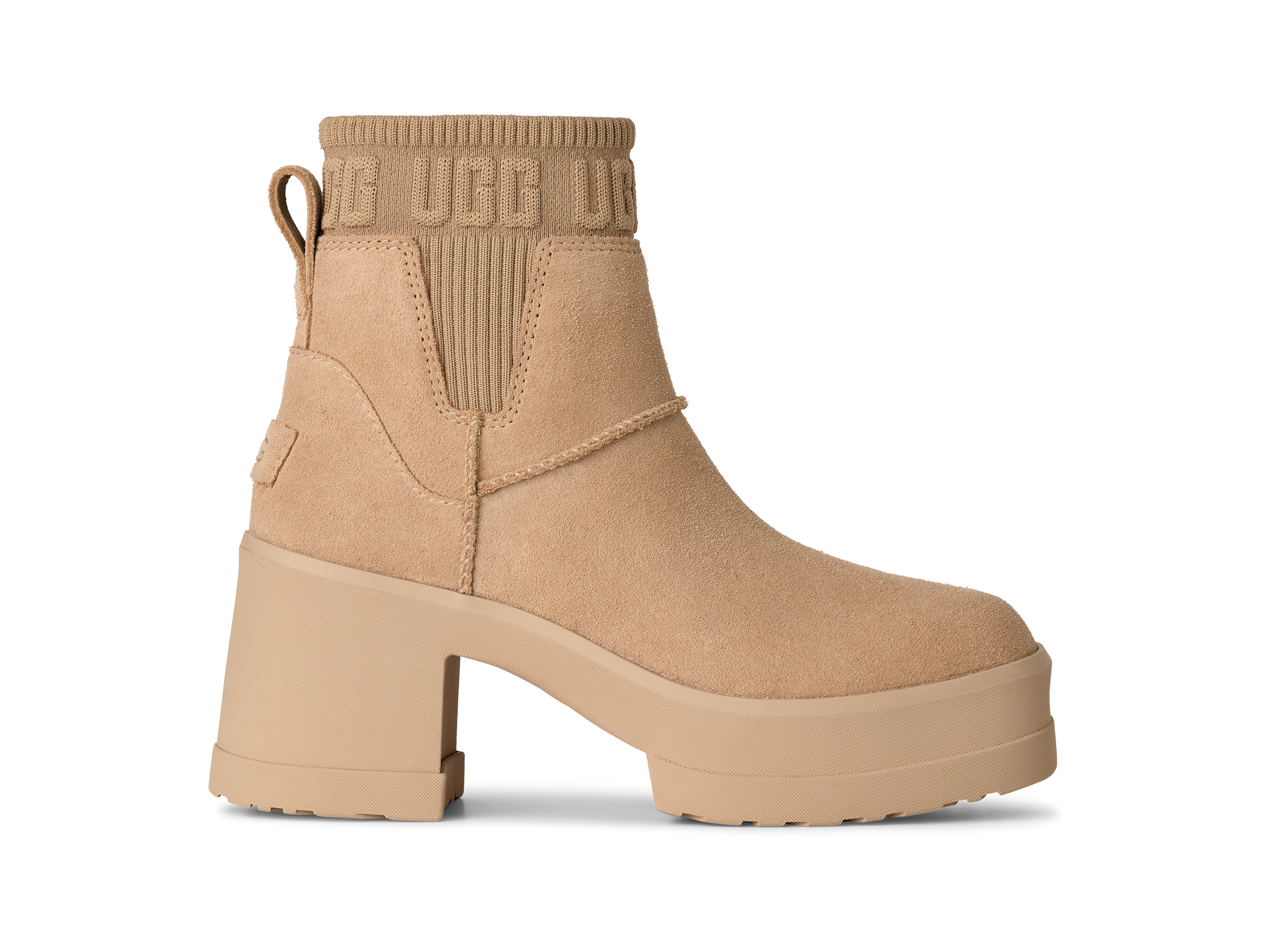
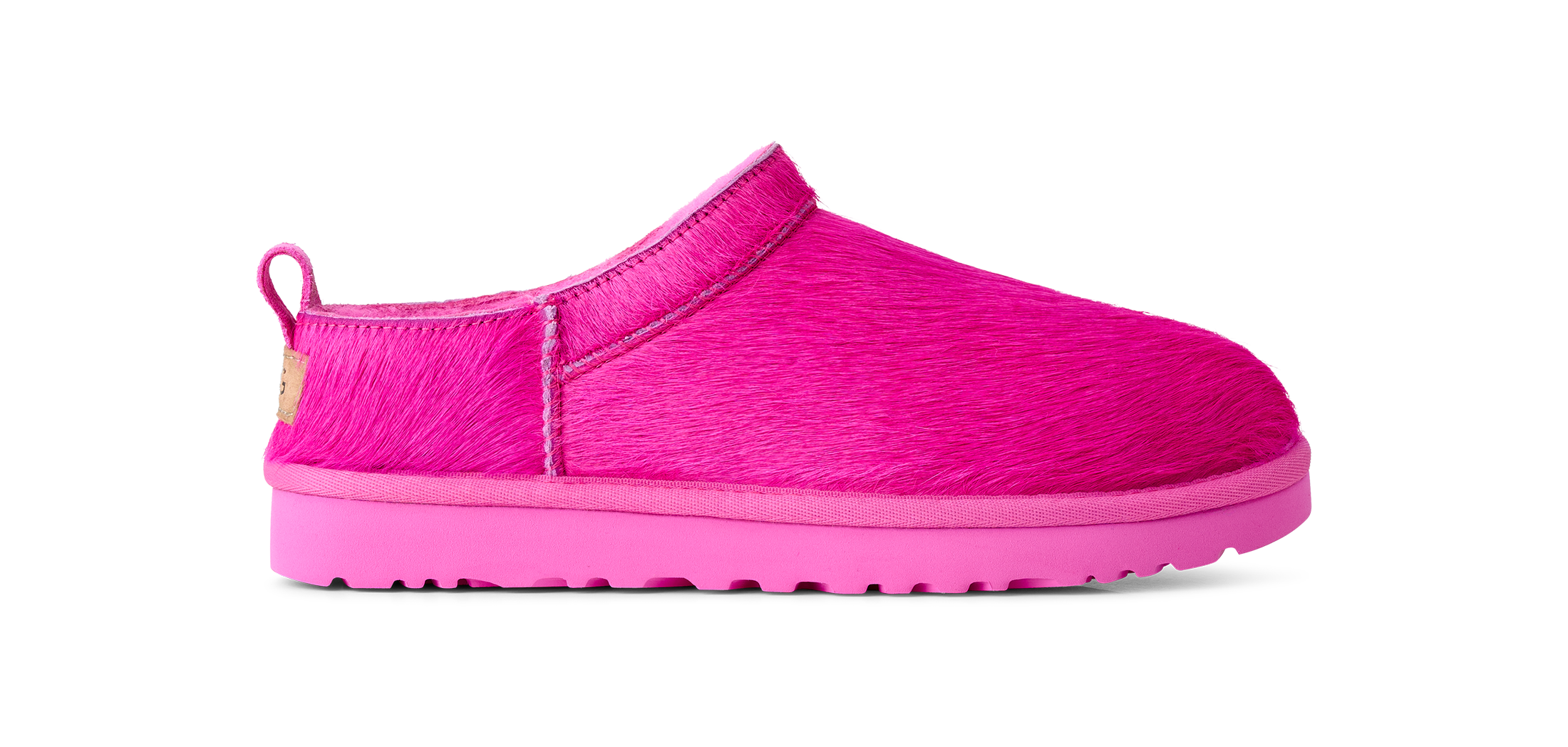
For a cold floor, buy a house shoe with enough sole to insulate your feet and enough grip to keep indoor movement steady. A soft slipper is best when the main job is warmth beside the sofa, while a firmer house shoe makes more sense if you cook, work from home or carry laundry between rooms. The difference is not just appearance. Sole stiffness changes how confidently you walk, and a structured edge can stop your foot rolling when you turn. The ideal pair feels warm without making every step heavy. It should stay on when you climb stairs, but it should not clamp the toes. The Coquette has the familiar soft, cosy appeal of a slipper. The Tazz II feels more like a shoe for someone who wants a firmer base and a little more presence. For a quieter indoor option, the Ansley Mule keeps the shape simple. None of these should be treated as a replacement for outdoor footwear in wet conditions. A cold floor needs insulation first, then comfort, then a sole suited to the way the room is used. That order makes the choice much clearer.
Read the sole and lining
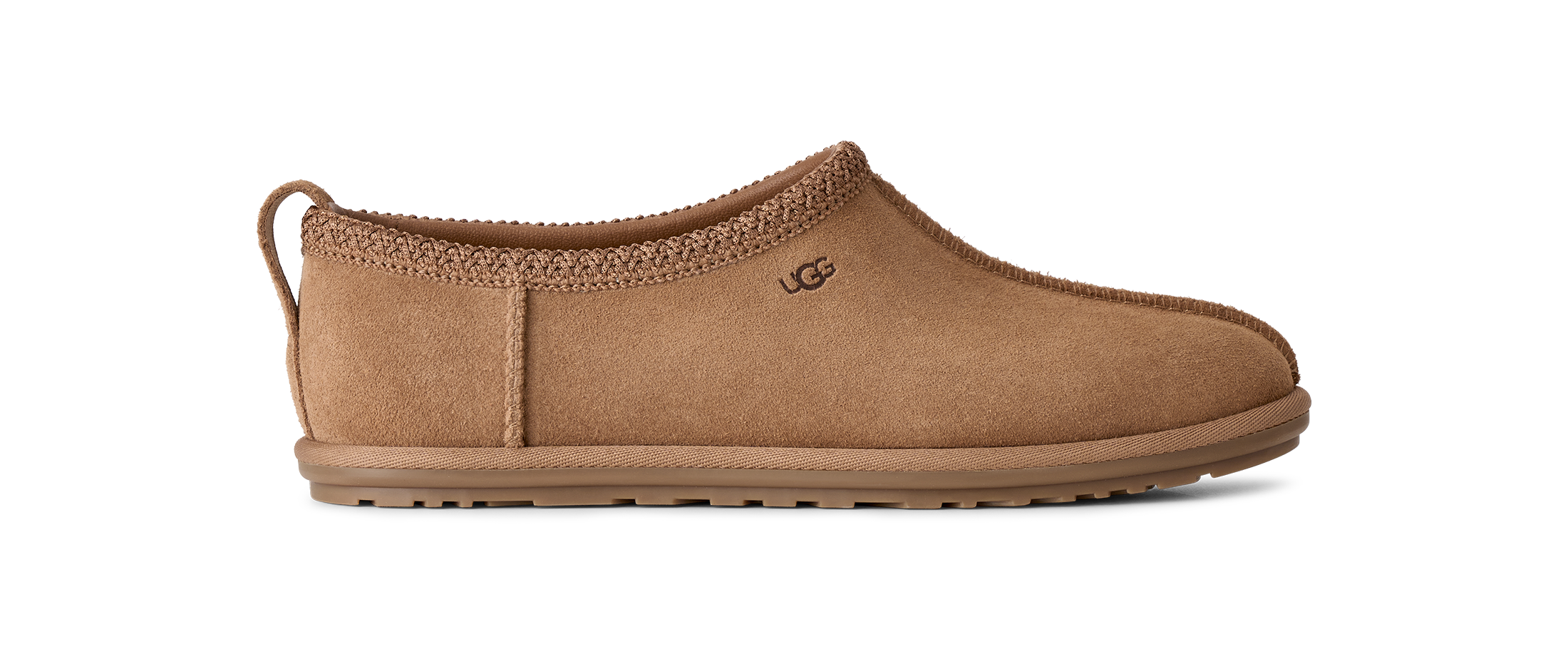
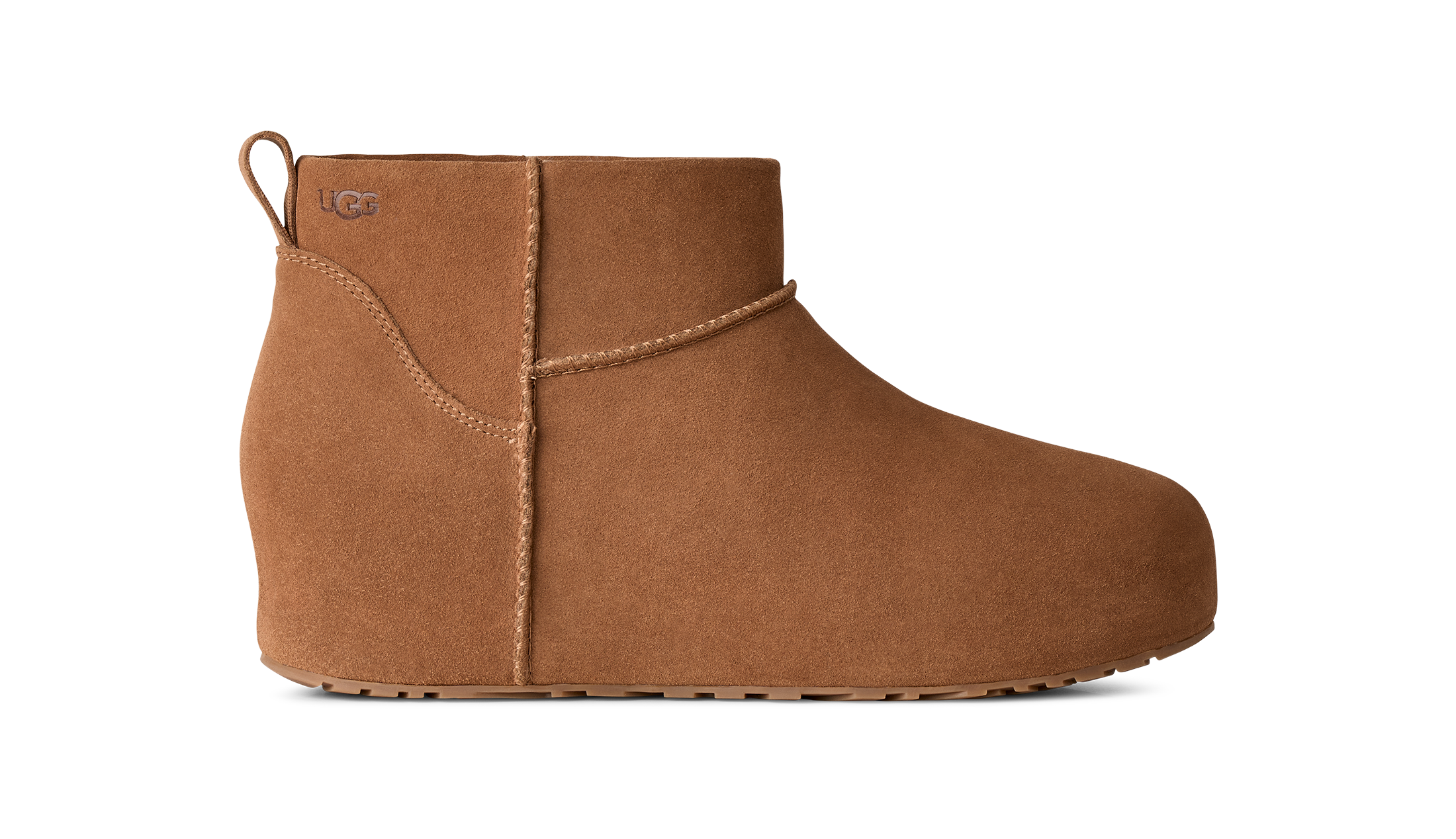
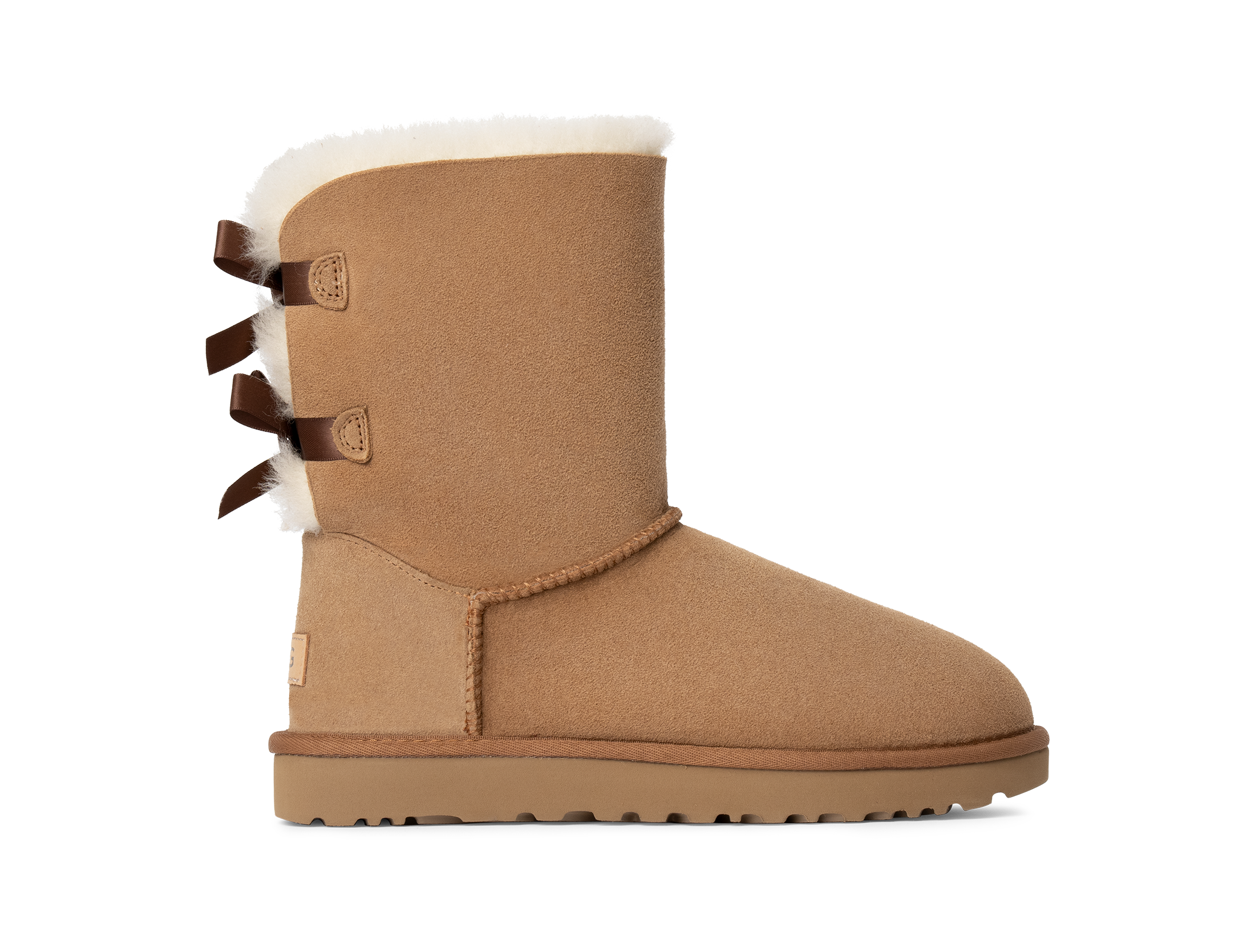
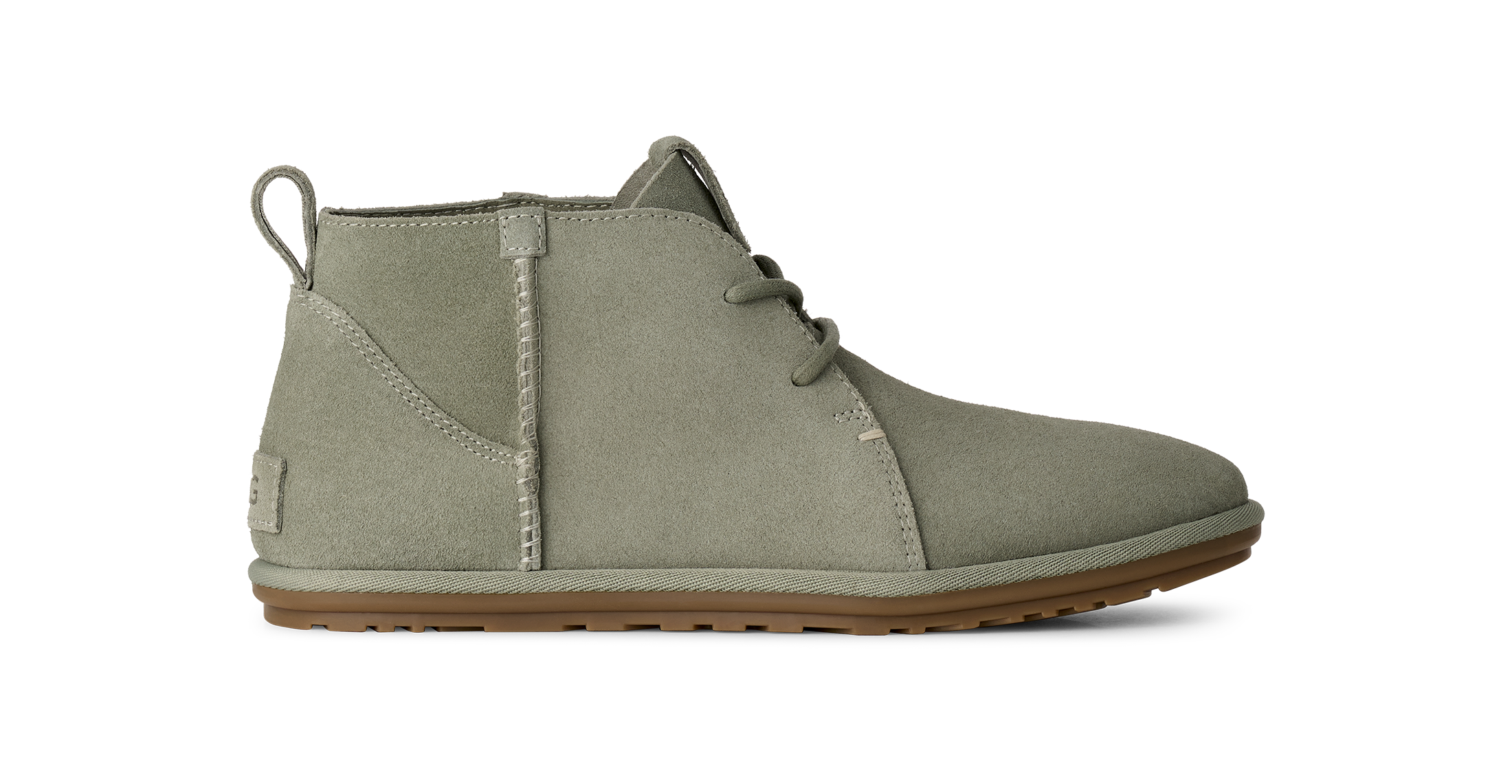
Start by deciding whether the pair will stay indoors. A pliable sole is pleasant on wood and carpet, but a more substantial sole is useful if you step onto a balcony, porch or shared hallway. Outdoor use also brings grit and moisture into the picture, so a house shoe that leaves the home should be easy to wipe and inspect. Washability varies, and sheepskin-like linings generally prefer spot cleaning and air drying over a full wash. Check the care instructions before buying rather than assuming the pair can go into a machine. Fit matters just as much. Slippers can loosen as the lining compresses, so your heel should sit securely from the first try. If you are between sizes, consider the volume of your usual sock, not an imaginary thick sock. The Tasman Deconstructed suits a relaxed, indoor-first routine, while the Disquette offers a lower profile for someone who dislikes a high collar around the ankle. The Tazzelle makes sense when a slipper needs to look more deliberate. Buy the construction that matches your route through the house, not the pair with the most padding.
Build a cold-weather routine
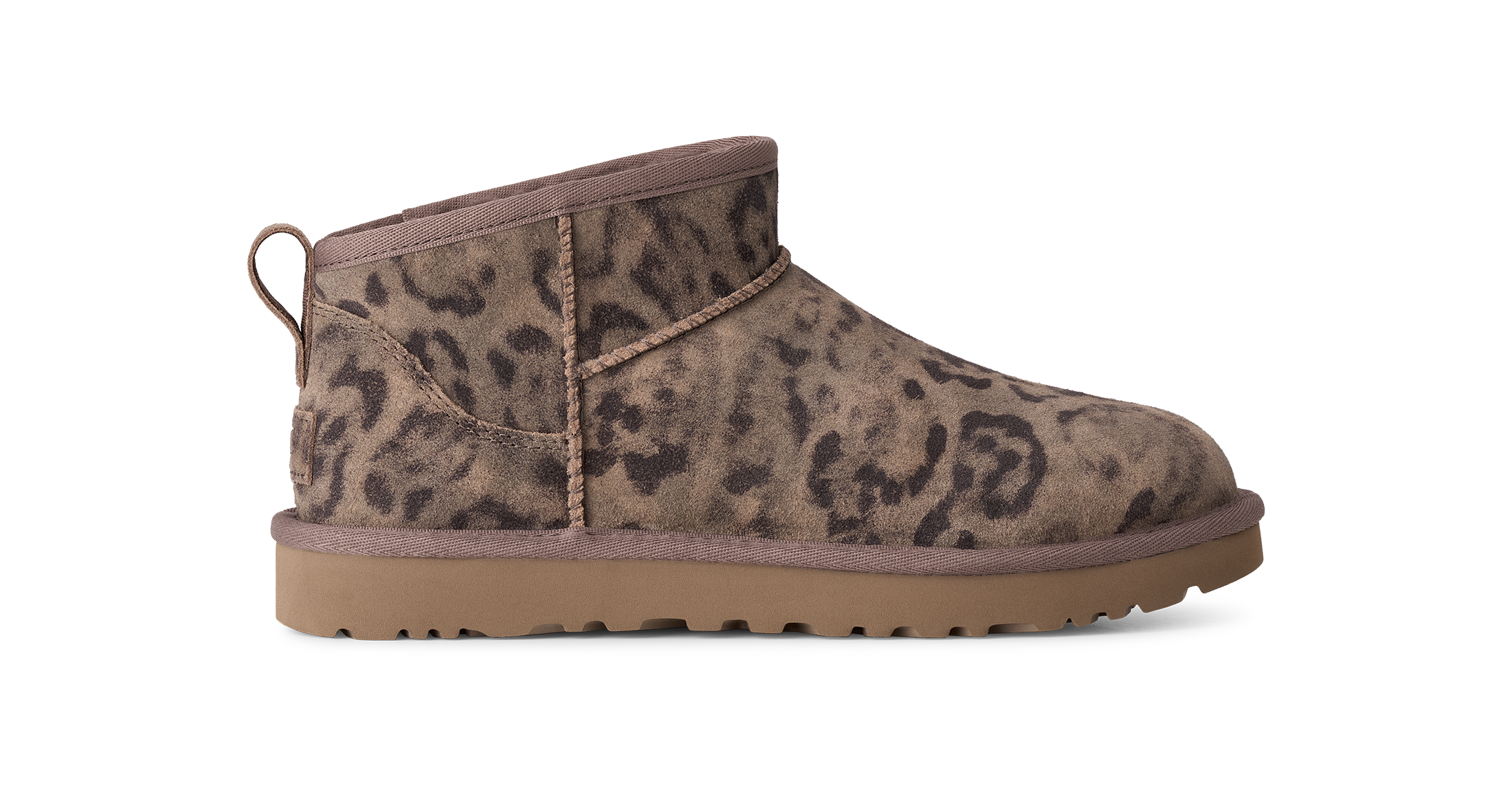
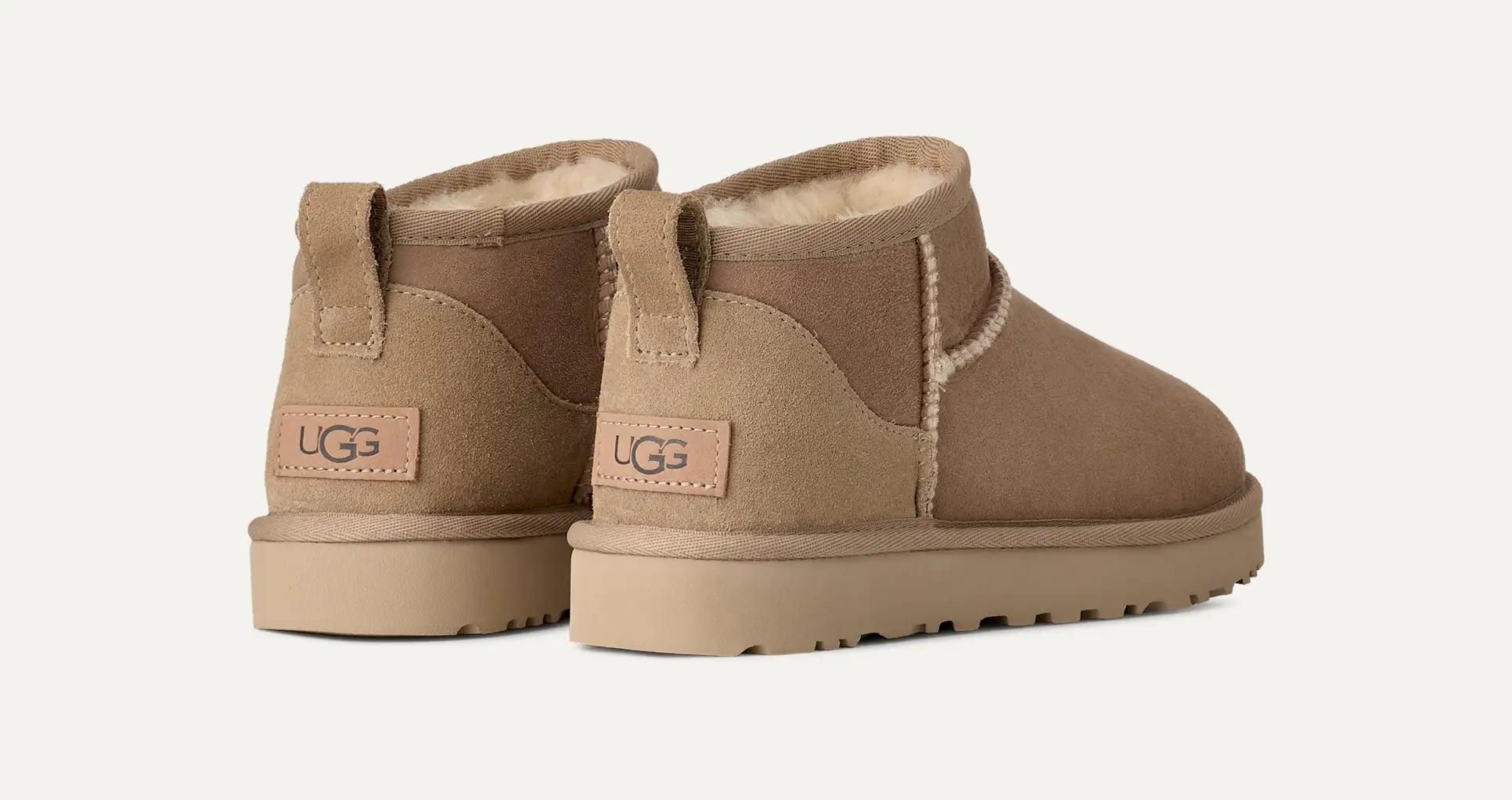
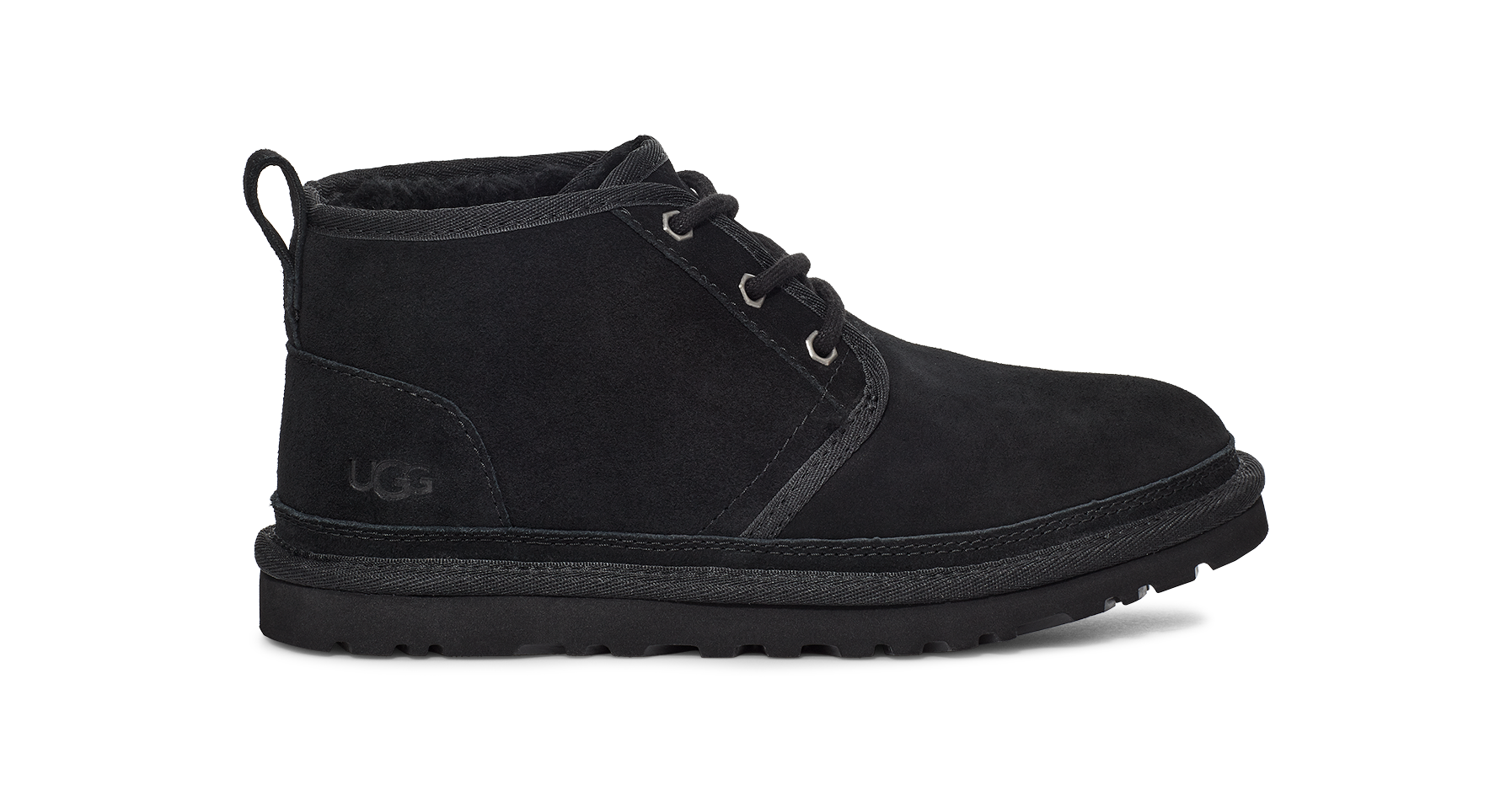
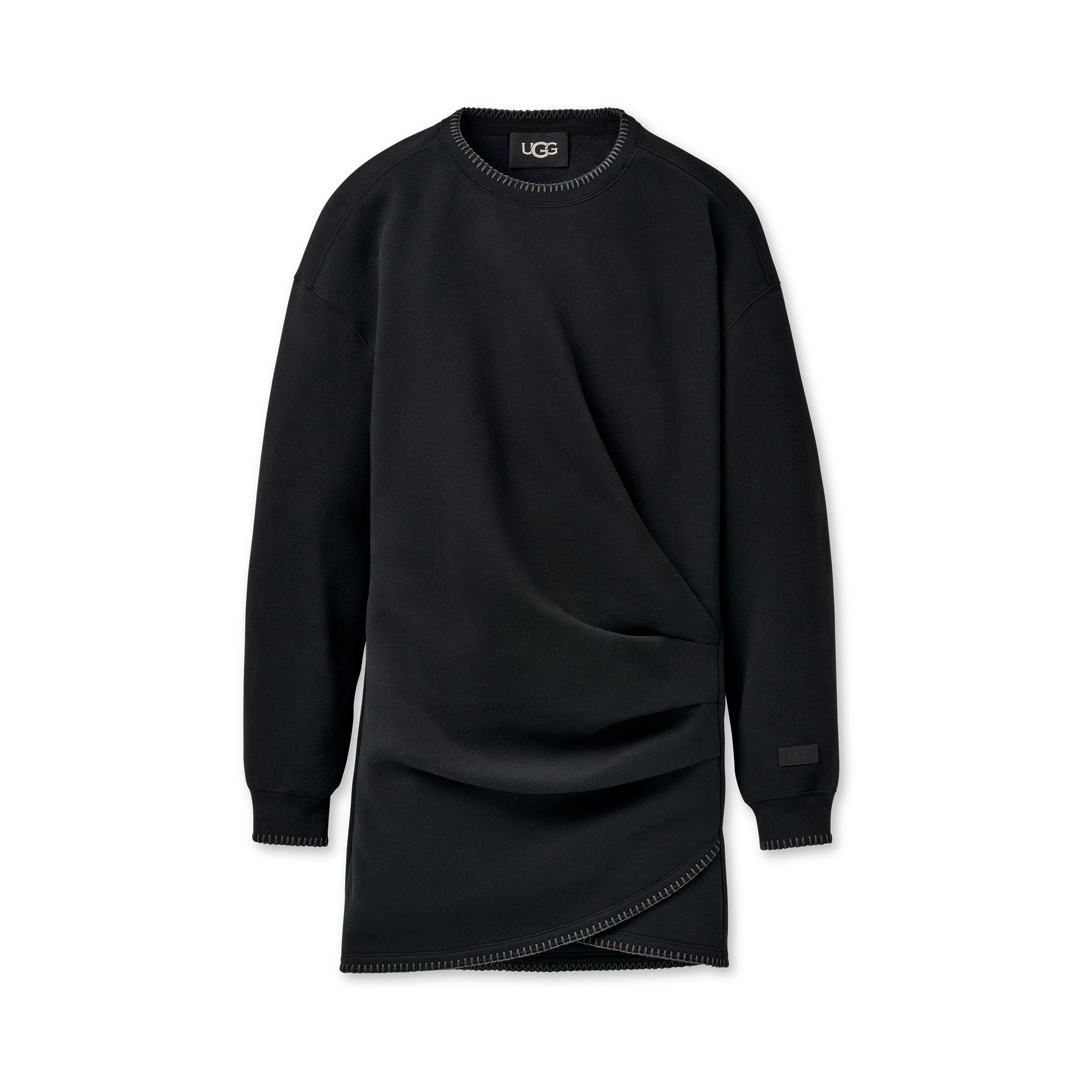
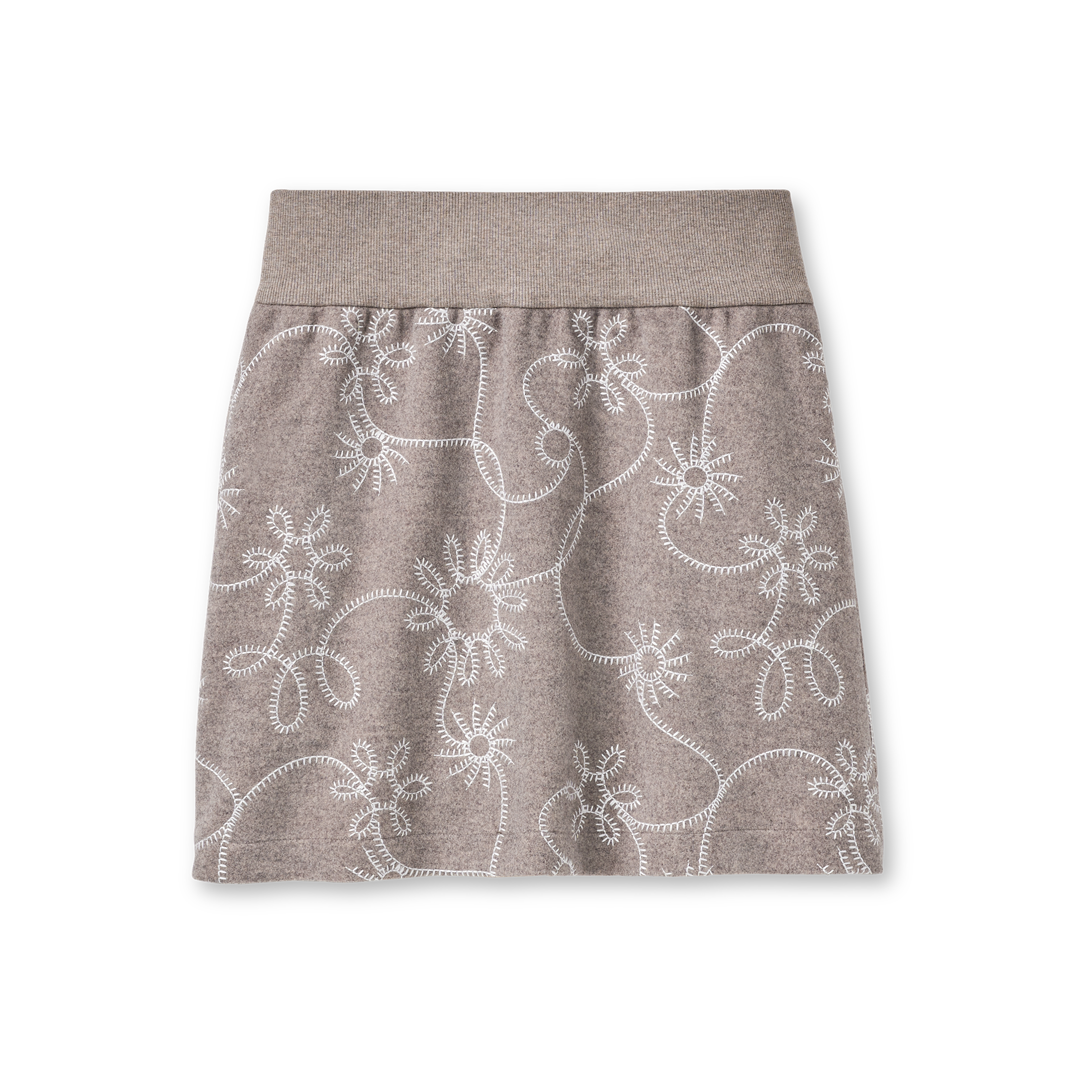
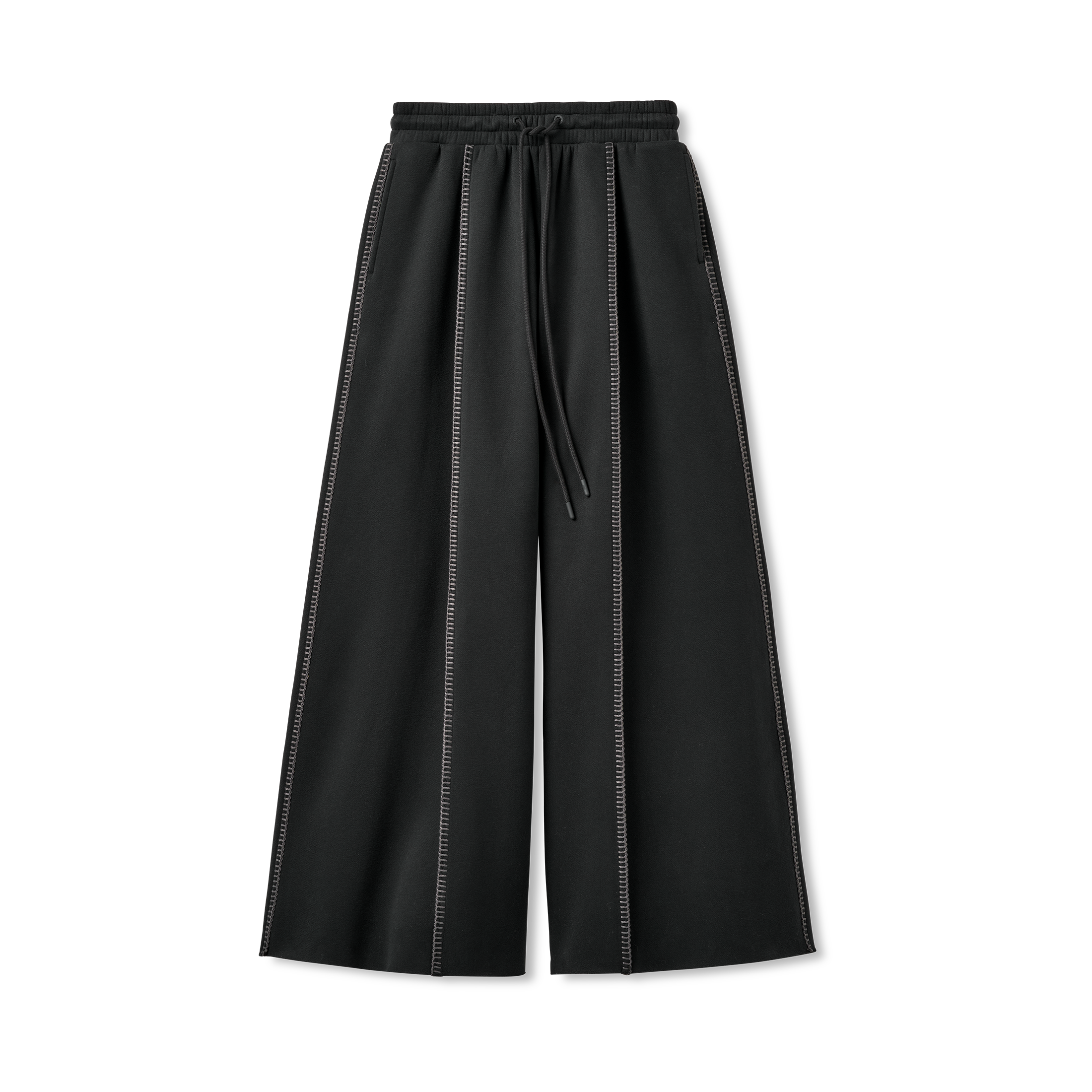
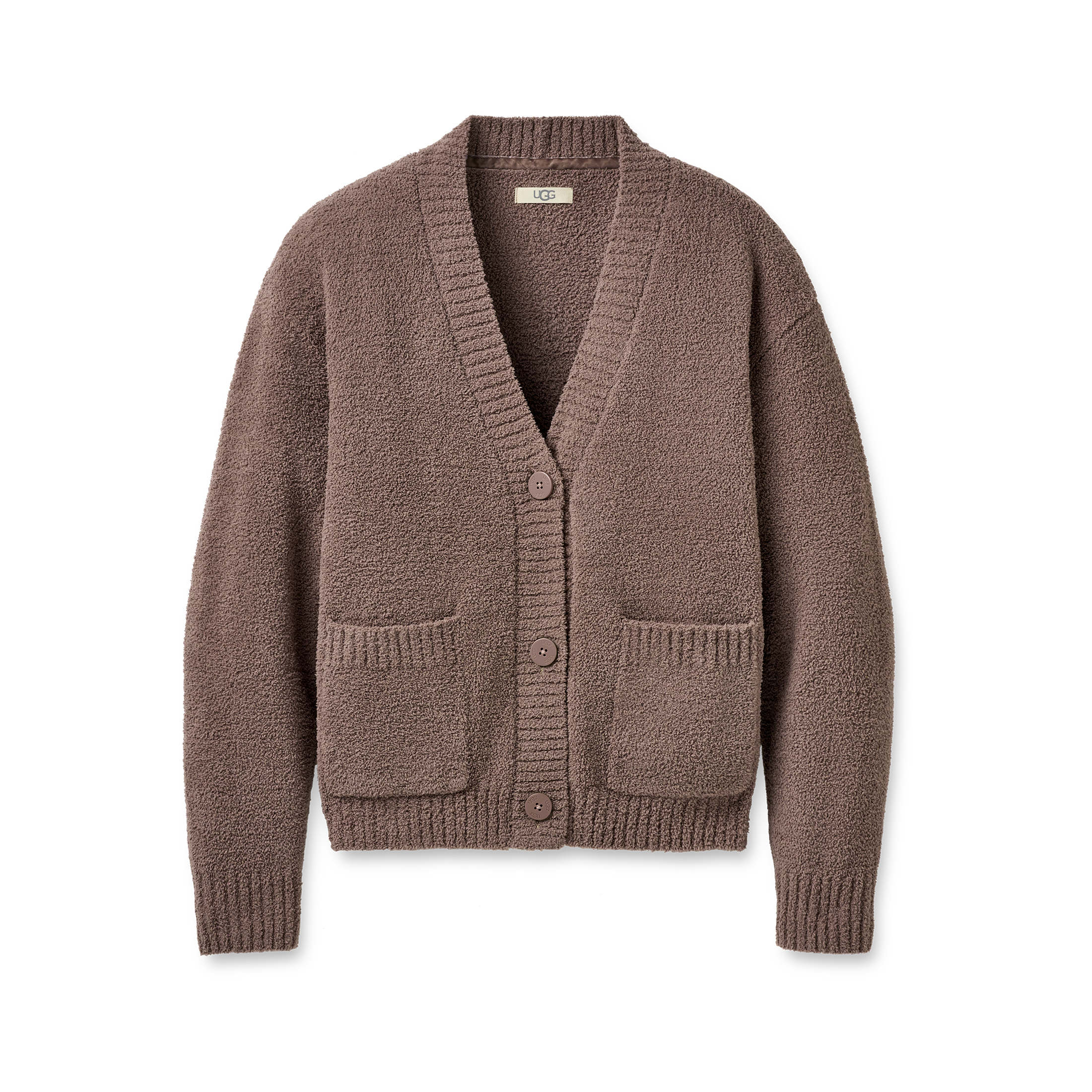
A good house shoe works best when it has a defined place in the day. Keep it by the bed for cold mornings, then use it for breakfast, desk time and evening reading rather than wearing it into every room and outside. If the kitchen is your main territory, choose a sole that feels stable when you stand for a while. If the bedroom and sitting room are the priority, softness can take precedence. Pair slippers with straight-leg lounge trousers, a long cardigan or a clean sweatshirt, keeping hems clear of the floor so they do not drag over the upper. The Classic Ultra Mini is a warmer, more boot-like choice for someone who wants ankle coverage indoors, while the Neumel works when a house shoe needs a little more structure. For a cold office, the Ansley Mule slips under a desk without looking like a novelty. Let the clothing stay simple. A good slipper already carries texture, so repeating that texture in a soft knit or robe is enough. Keep outdoor shoes by the entrance and change back before wet weather reaches the upper.
A note from the Phia editors
A house shoe should solve a real problem, not become another pair left by the door. Do not buy a heavily padded style if you need to move quickly between rooms, and do not buy a delicate indoor slipper for a home where it will meet wet steps every day. Our preference is a secure heel, a sole that suits the floor and a pair that can be kept clean without drama. If you take one thing away: choose for your most common route through the house, then give the slipper a proper indoor home.