Smartwool sizing starts with foot length for socks and body measurements for base layers; choose a snug top fit that still allows movement.

Smartwool Sizing: How Smartwool Socks and Base Layers Fit
Running socks: start with foot length
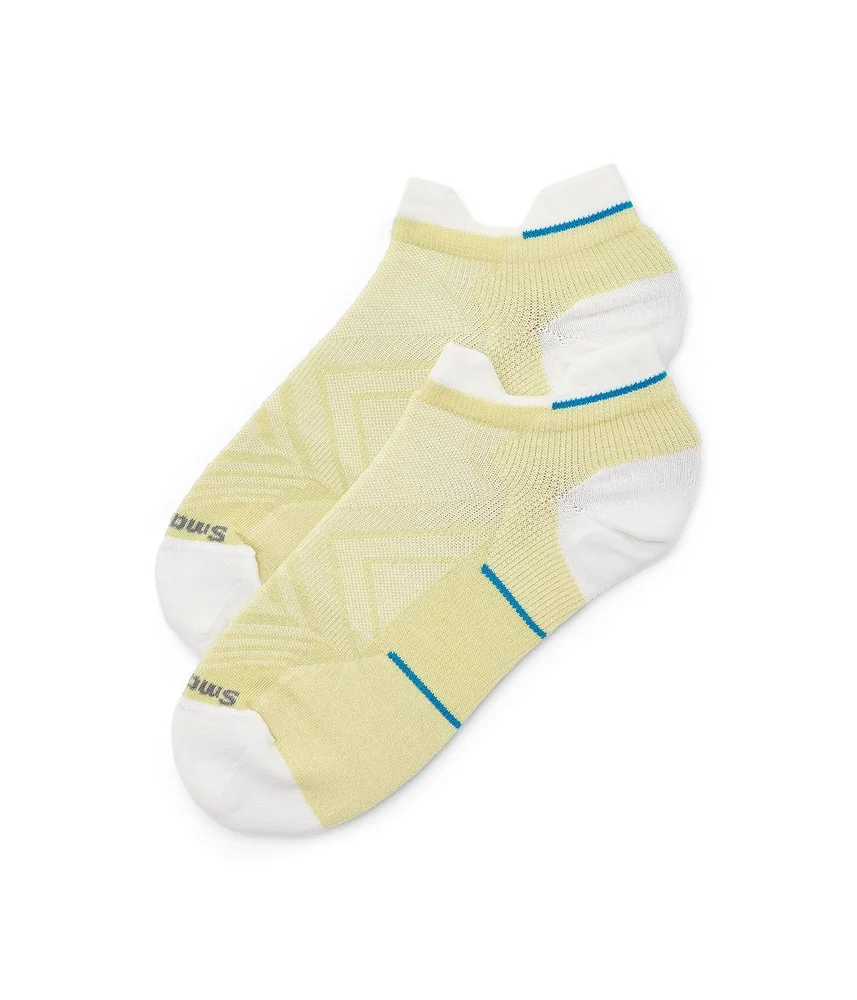
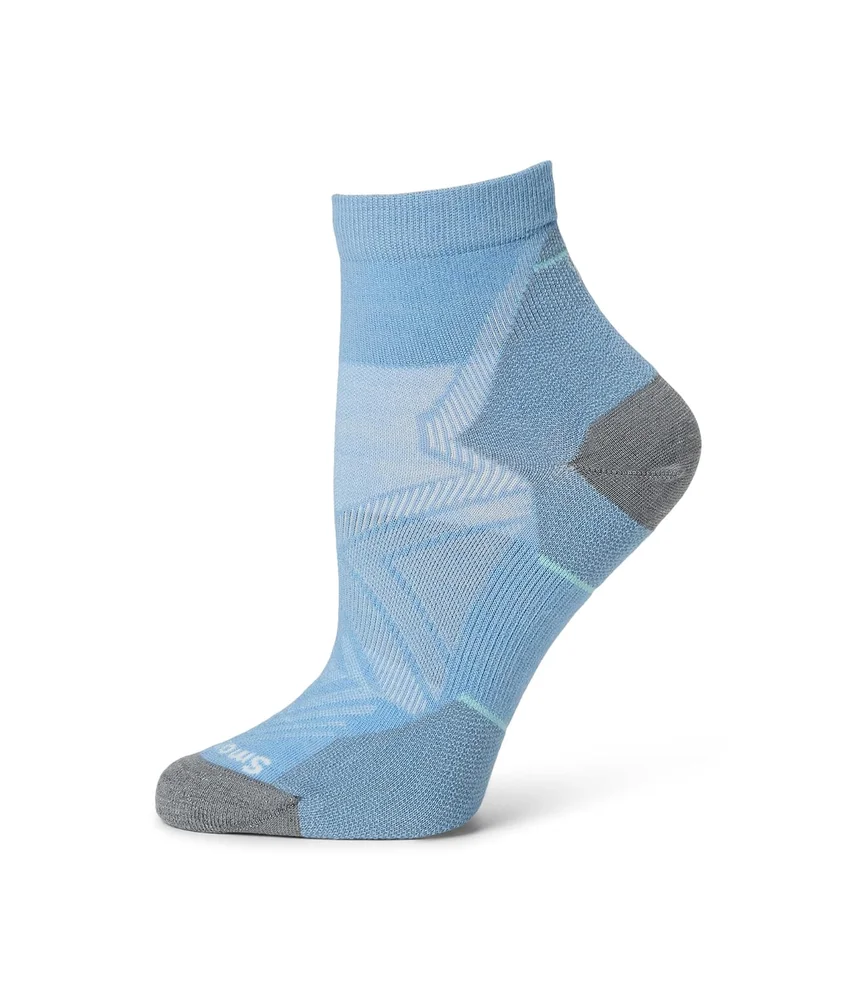
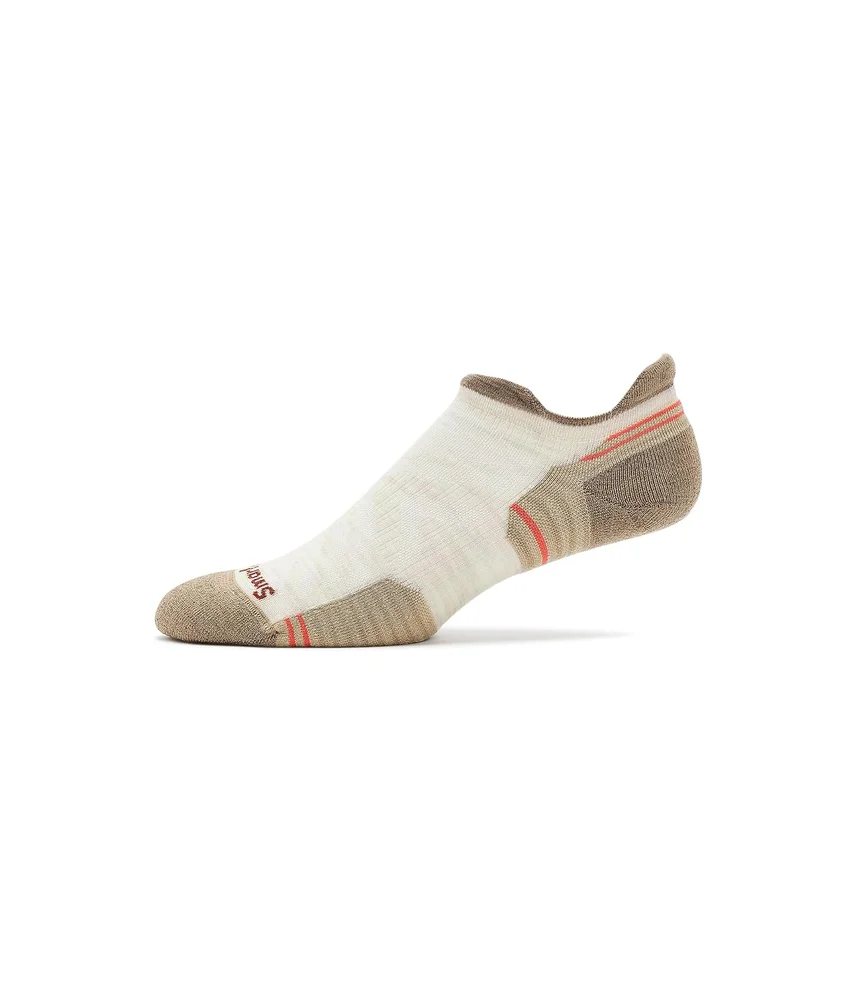
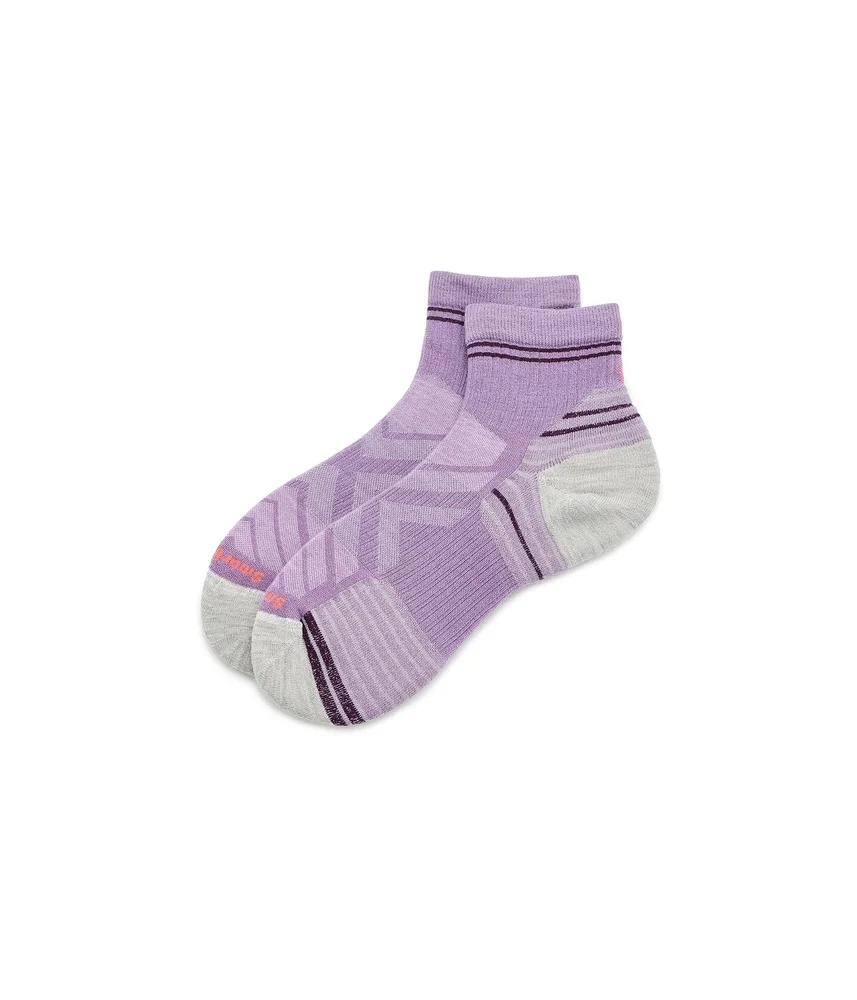
Smartwool sizing starts with foot length for socks, and I choose a running pair by cuff height and cushion once the size is set. The women's chart maps S to U.S. shoe sizes 4 to 6.5, M to 7 to 9.5, and L to 10 to 12.5; it has no women's XL range or width-specific conversion. Run Zero Cushion Low Ankle keeps both the cushion and cuff minimal. Run Targeted Cushion Low Ankle adds targeted padding without raising the cuff, while Run Zero Cushion Ankle gives a little more ankle coverage with zero cushion. Run Targeted Cushion Ankle combines that higher cuff with targeted padding.
Smartwool began in Steamboat Springs in 1994 with a Merino performance sock, then moved into base layers in 1999. My practical tip is to choose cushion and height for the shoe and route, then use the chart's foot-length range to settle the size. For the footwear side, this sneaker sizing guide is a separate but useful check.
Hiking socks: room in the shoe
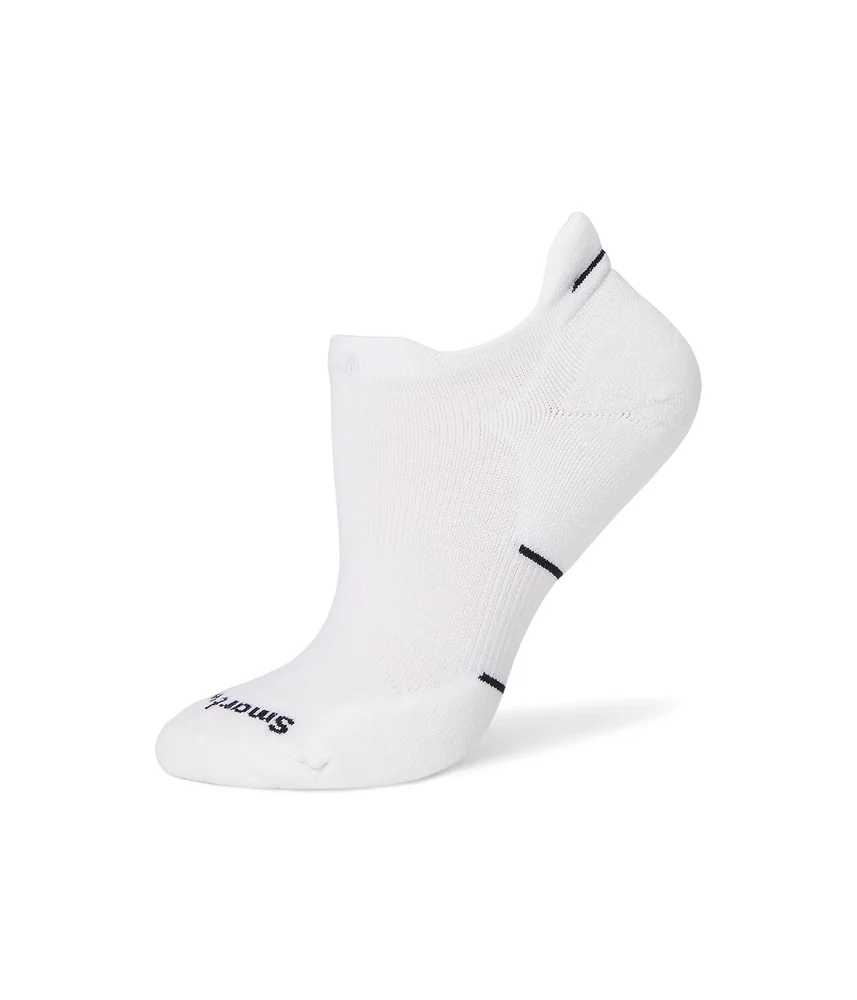
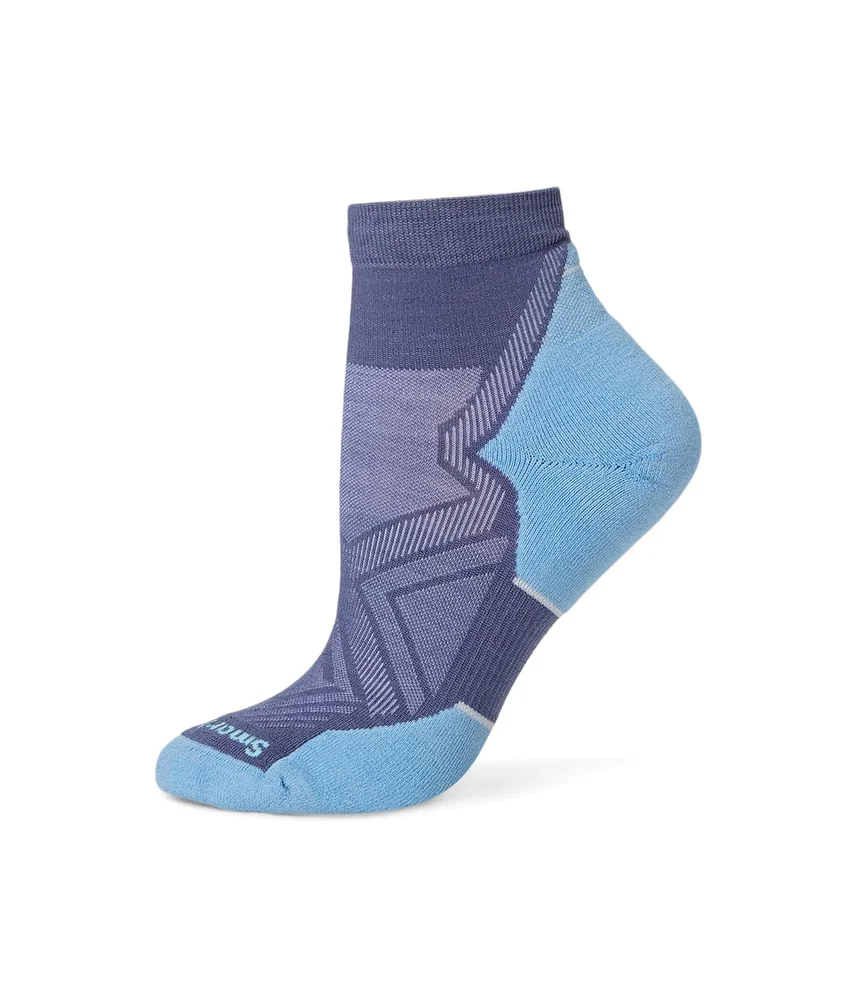
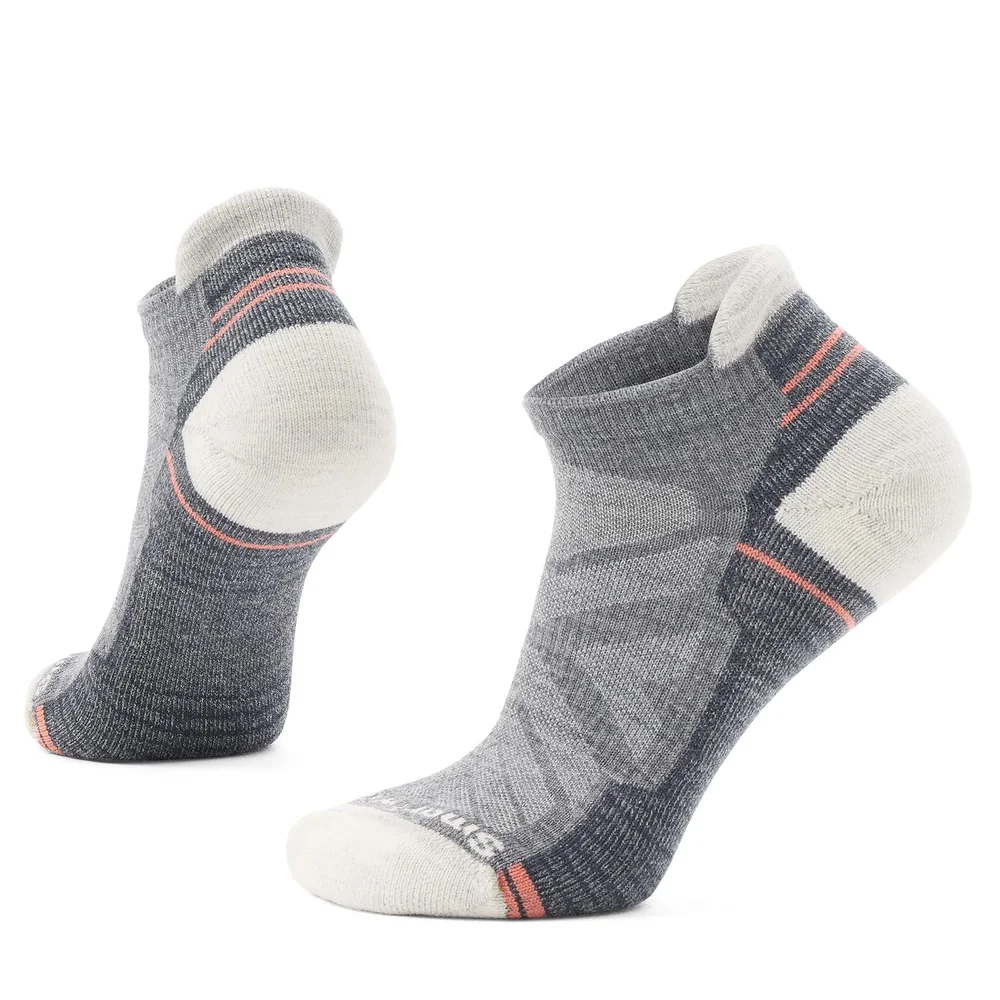
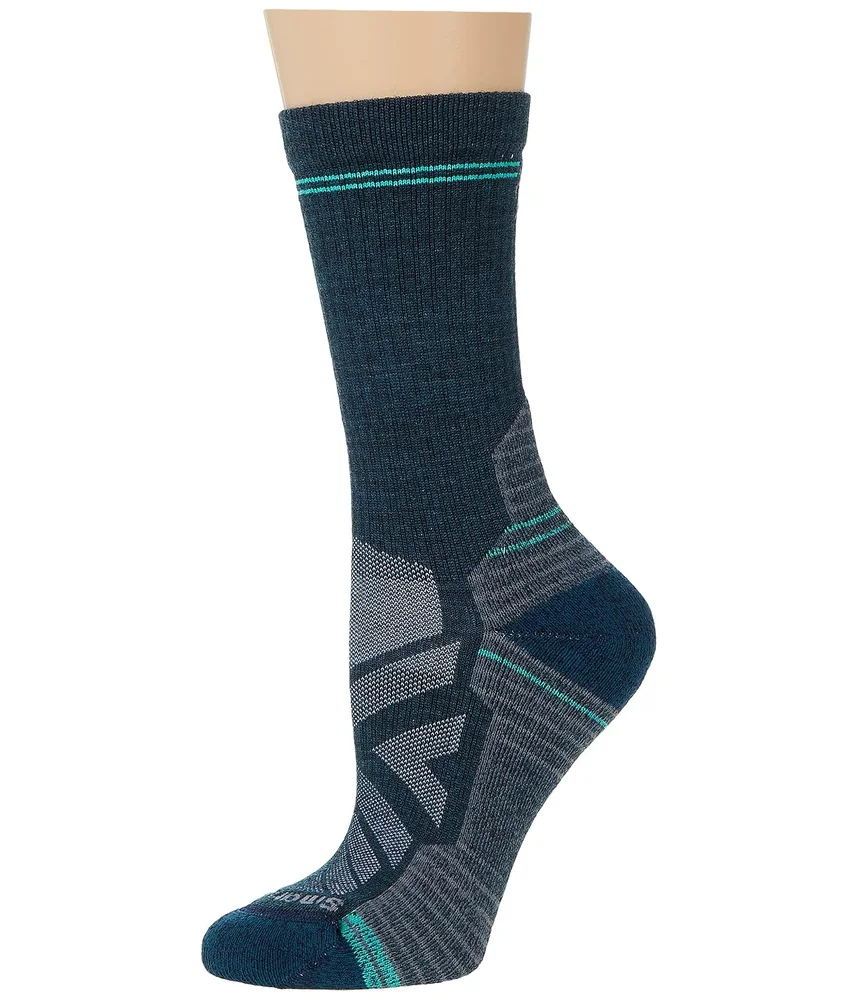
Smartwool sizing does not change just because a hiking sock has more cushion; I would first check whether the shoe has room for that thickness. Hike Targeted Cushion Low Ankle and Hike Light Cushion Low Ankle keep the cuff low, with targeted or light cushioning respectively. Hike Targeted Cushion Ankle adds more ankle coverage, while Performance Hike Light Cushion Crew pairs a crew-height cuff with light cushion.
There is no separate wide-foot conversion in the sock chart, so I would not size up automatically to fix a snug spot. My practical test is to wear the thickness I plan to hike in and walk around before choosing a letter size. Targeted cushion makes sense when I want more padding underfoot; light cushion keeps bulk down. The model name helps me choose feel and height, while foot length still decides the size.
Base layers: measure, then layer
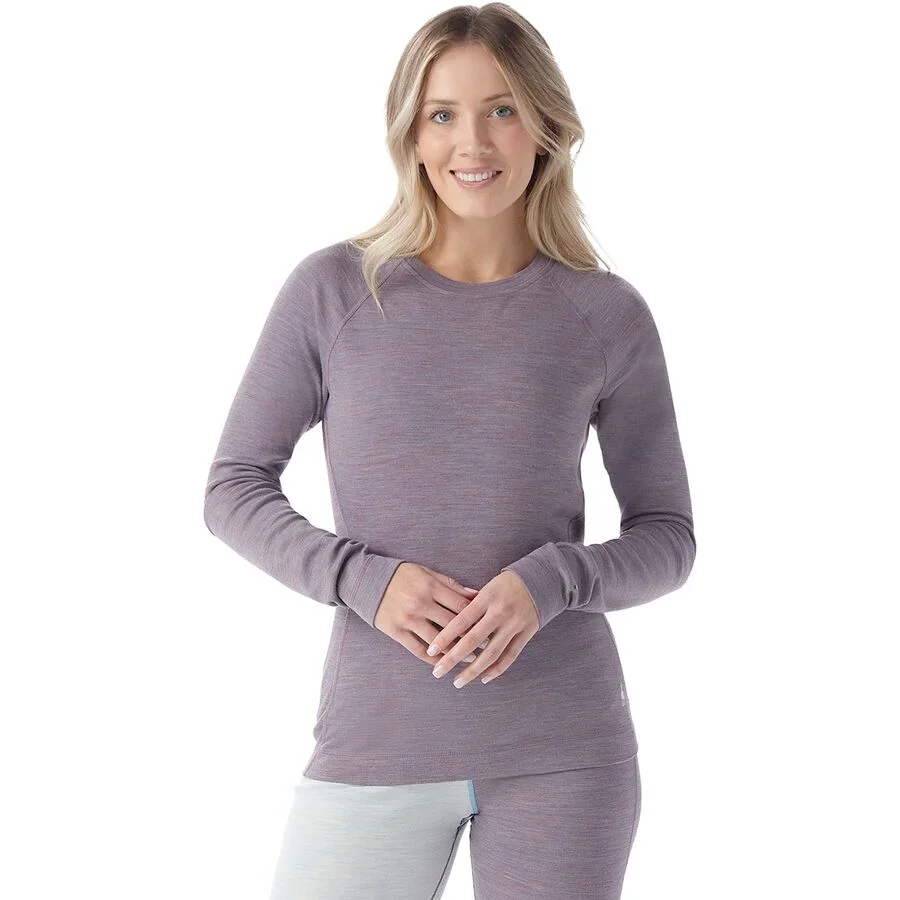
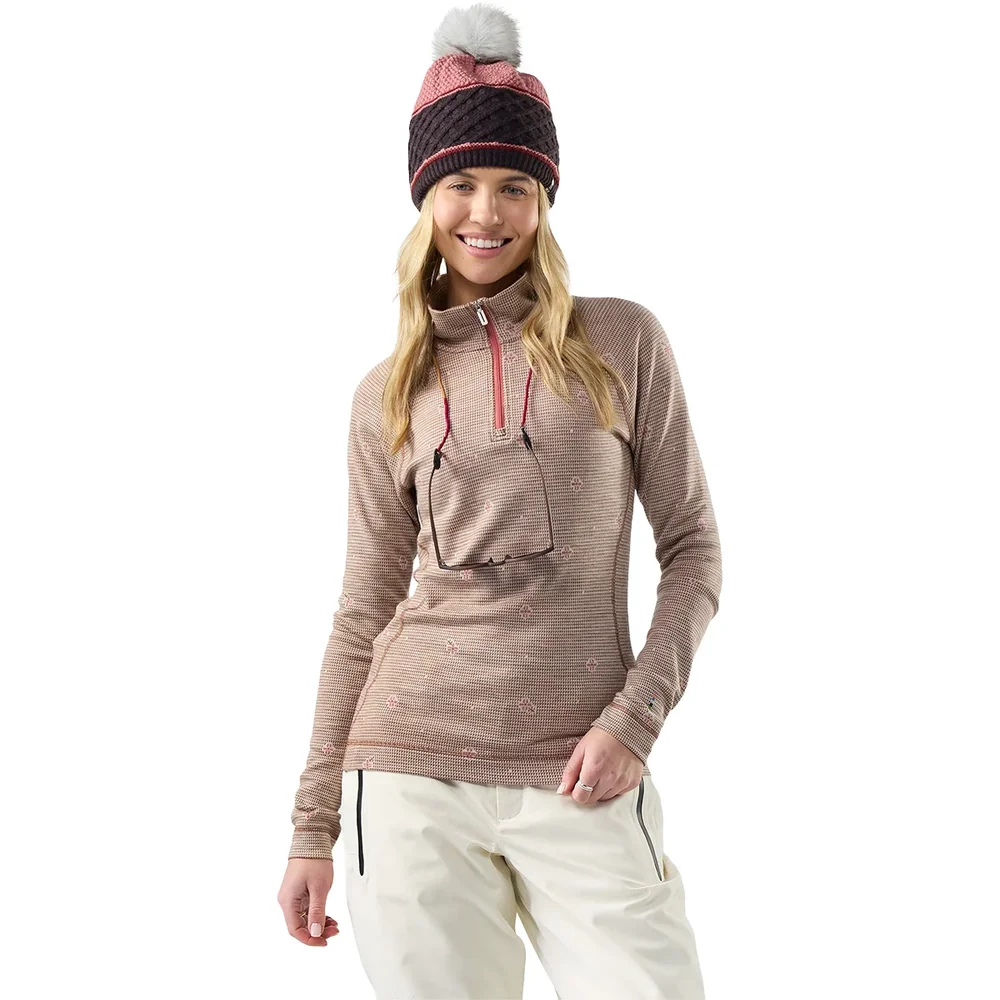
Smartwool sizing for base layers starts with body measurements and the intended cut. The women's chart runs from XS, listed for sizes 0 to 2, through XL for 16 to 18, and the Classic Thermal page includes a separate 1X to 4X table. Smartwool recommends a snug fit against skin without restricting movement. Classic Thermal Merino Crew Baselayer is labeled slim fit; the Classic Thermal Merino Base Layer 1/4-Zip Top gives the same colder-outing family a zip-neck option.
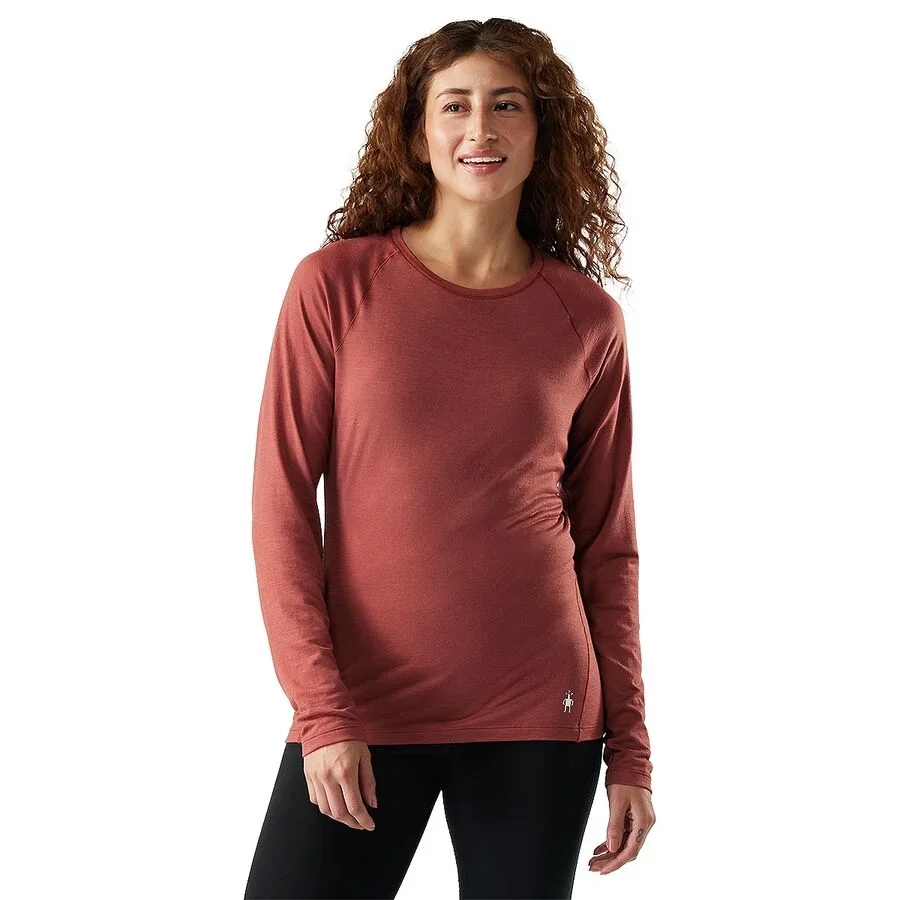
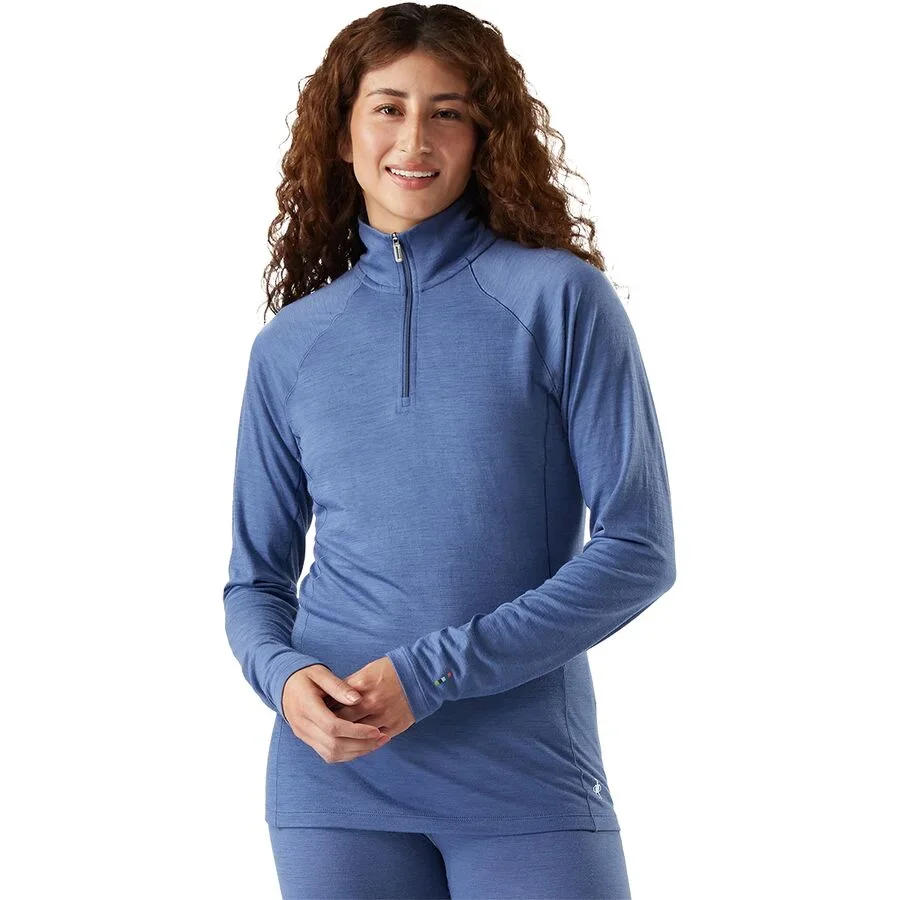
Classic All-Season Merino Base Layer Long-Sleeve and Classic All-Season Merino 1/4-Zip Baselayer are the lighter, higher-output options in this group. My practical tip is to measure chest, waist and hip, then decide how close I want the top to sit under another layer. If a looser feel is the goal, I would read the fit note for that specific top rather than assume a larger letter behaves the same across styles.
Smartwool sizing questions I get
Which Smartwool sock would I try first?
I would start with Run Zero Cushion Low Ankle if I want a low cuff and no added cushion, then use foot length to choose a size. The chart does not give a separate wide-foot conversion.
How do Smartwool base layers fit?
They are meant to sit snugly against the skin without restricting movement. I would take body measurements and check the fit note on the exact top.
What if I am between Smartwool sock sizes?
I would compare my foot length with the listed range rather than guess from a street shoe. This designer shoe sizing guide is useful for understanding what a shoe-size number measures, but the sock chart is the one I would follow.
Do Smartwool compression socks use the same measurements?
Foot length still matters, and Smartwool also calls for calf circumference for compression styles. I would take both measurements before choosing.






