Starface pimple patches began in 2019 as one star-shaped patch from a former Elle.com beauty director. I go through the Starface line and four patches from other brands.
Starface Pimple Patches: The Yellow Star That Made Them Playful
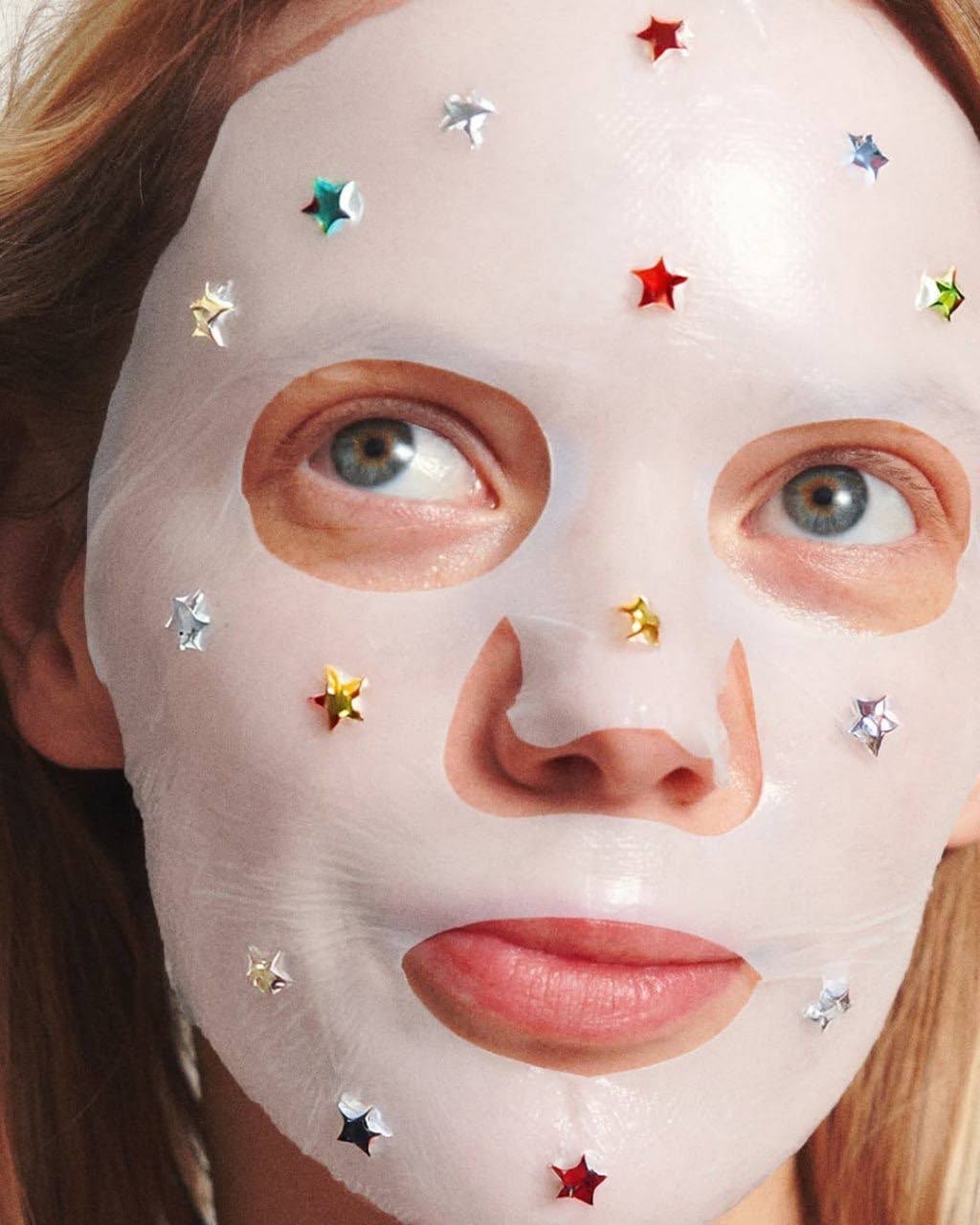
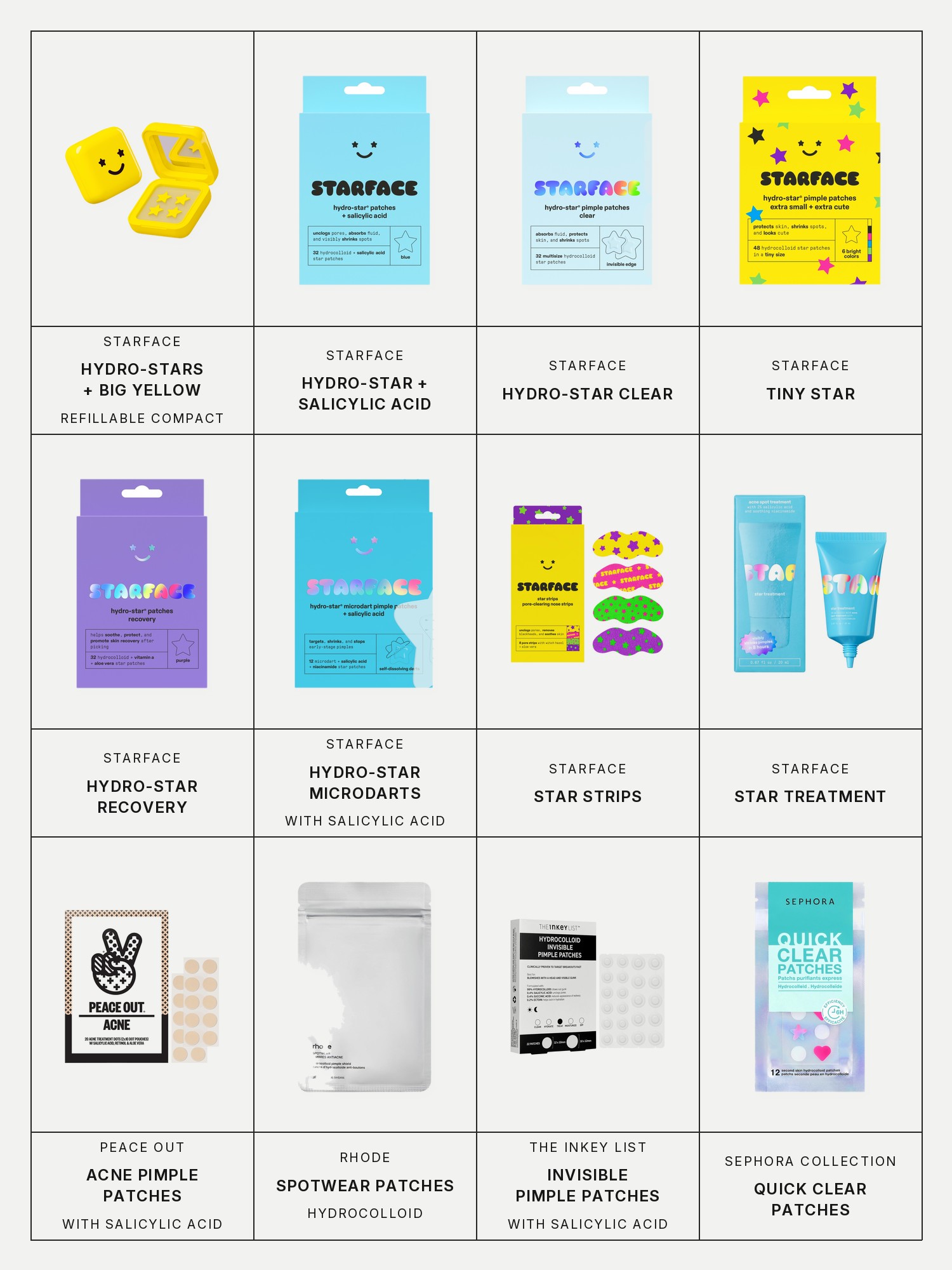
Most acne products I grew up with were built on one quiet instruction: hide it. Starface is the brand that answered with a yellow star. It was founded by Julie Schott, who spent about ten years in beauty publishing and was beauty director at Elle.com, and her business partner Brian Bordainick, and it launched on September 5, 2019 with exactly one product. That product was the Hydro-Star, a star-shaped hydrocolloid patch, 32 to a bright yellow pod. Schott has said she first had the thought in 2015, that she wished she could put decorative medicated stickers all over a breakout. The material was not the invention, since hydrocolloid has long been used in wound dressings. The invention was the attitude, plus the fact that a medical manufacturer that makes bandages agreed to cut it into a star. This edit starts with the Starface lineup in its own sizes and finishes, moves through the rest of the brand, then ends with four patches from other labels so you can compare how each one wears. Nothing here promises clear skin. A patch covers and protects a spot, and a dermatologist is the right call for breakouts that keep coming back.


Clean, dry skin and a light hand
Once a brand has a hit, the question is what it does with the second act, and Starface has been fairly disciplined about it. Hydro-Star Recovery is made for skin that is dry, flaky or freshly picked, with vitamin A and aloe vera in the patch, which reads like someone who knows what people do to their faces at midnight. The Microdarts version pairs salicylic acid with tiny self-dissolving darts meant to reach early-stage pimples, so it is the one I reach for when a bump is coming but has not surfaced. Star Strips give the pore strip four colorful designs, and Star Treatment is a 2% salicylic acid spot treatment that the brand says visibly shrinks pimples in 8 hours. That is Starface's claim, not mine, and I would treat it as a claim. My practical rule for all of the range's hydrocolloid patches is the same: clean, dry skin, nothing greasy underneath, press and hold for a few seconds. The treatment goes on with a dab, never a smear.


Step outside the star
Grid three is where I step outside the star. Peace Out was started by Enrico Frezza, who worked in cybersecurity before he found hydrocolloid wound dressings in a drugstore and tried them on his own breakouts. Its first product, the Acne Healing Dot, took 14 prototypes and arrived at Sephora in 2017, which puts the brand among the first of this generation. The patch here adds salicylic acid to the hydrocolloid, so it sits close to Starface's own blue-compact version. Rhode's Spotwear is 100% hydrocolloid with nothing added, which is my pick for a sensitive week, and it carries the name of a brand Hailey Bieber launched in 2022. The Inkey List patch is invisible and also has salicylic acid, from a label whose packaging explains what each ingredient is and how to use it. Sephora Collection's Quick Clear is a second-skin patch, the plain one to keep in a drawer. What I would skip is pressing any of these onto damp or freshly moisturized skin. The edges lift, the patch slides off by morning, and you are back to poking at the spot.


The sticker on the nightstand
What stays with me about this whole story is how small the first move was. One product, one color, and a stubborn idea that a spot did not have to be hidden. By the brand's own count it has sold over a billion Hydro-Stars since 2019, which tells you the idea landed. My habit now is simple: a star at night, a clear patch under makeup, and other acne patches on hand for the days I run out. Pick the one you will actually put on, and ask a dermatologist about the skin underneath. If you want to keep browsing, I also put together Dark Spot Correcting Glow Serum Picks, From AXIS-Y to EADEM and Glow Recipe and Cow print.