Tumi vs Briggs & Riley luggage comes down to repair coverage, shell design and access features. Compare the 19 Degree and Baseline cases by trip style.

Tumi vs Briggs & Riley Luggage: Repairs, Shells and Access
Tumi vs Briggs & Riley, by travel habit
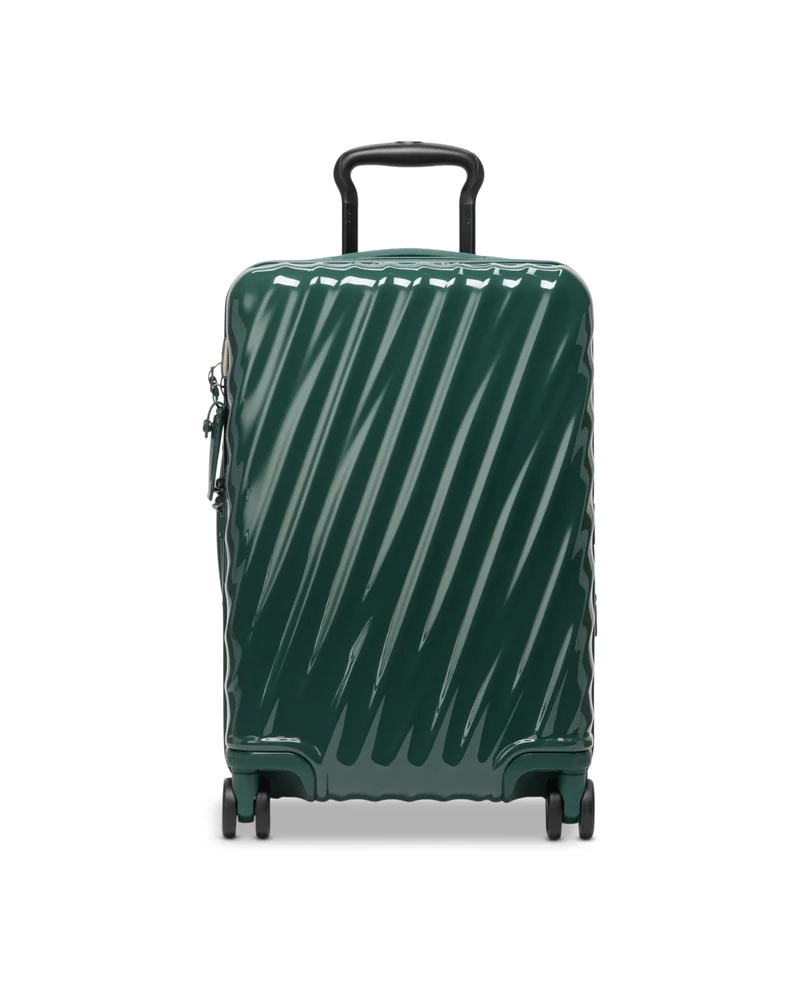
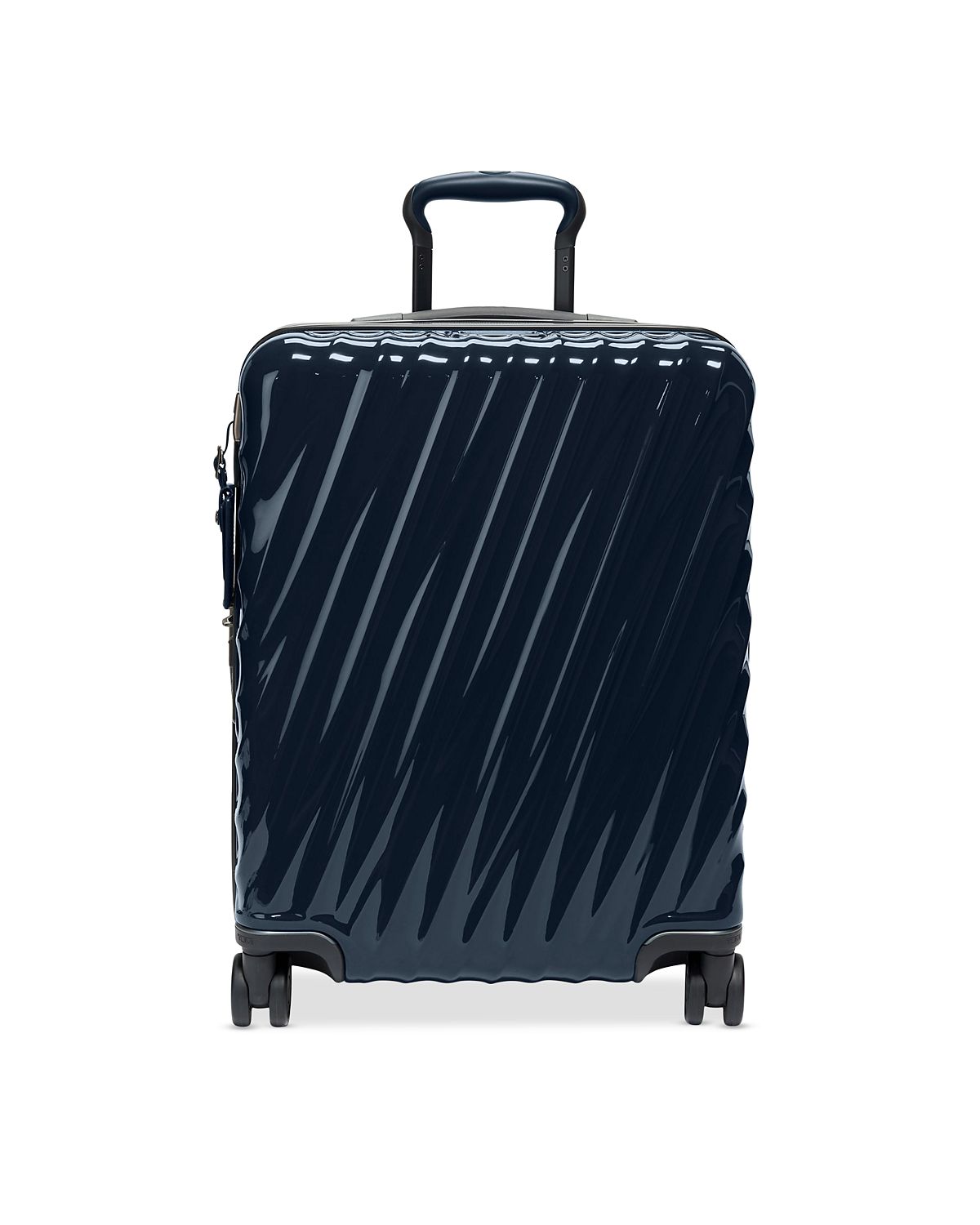
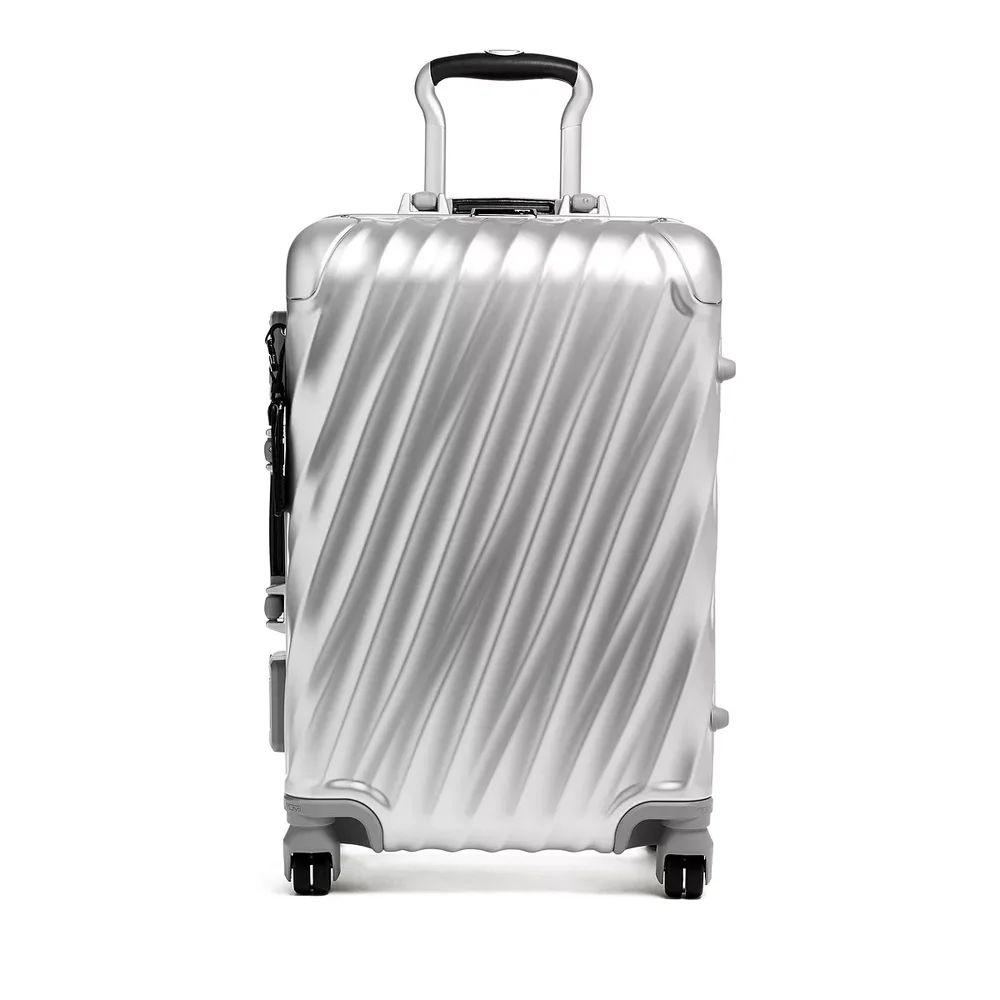
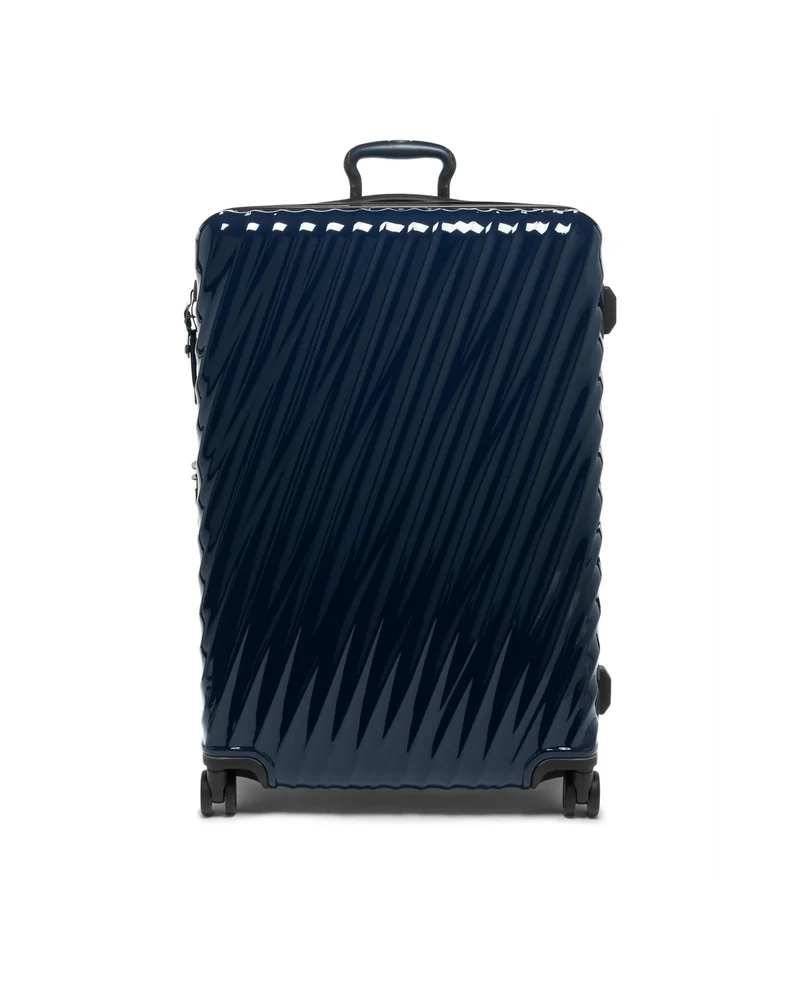
Tumi vs Briggs & Riley is a choice between feature-led design and a repair-first approach. The TUMI 19 Degree International Carry-On measures 21.75 by 14 by 9 inches and expands to 11 inches deep. The Continental version is 15.75 inches wide, so I would check the cabin limits I actually use. The 19 Degree Aluminum International case is mostly aluminum with two-stage expansion, while the Extended Trip Packing Case is the checked option, at 30.5 by 20 by 11 inches before expansion.
The brand stories point in different directions. TUMI traces its beginnings to Charlie Clifford’s time in Peru in 1975 and says it introduced ballistic nylon to the consumer market in 1983. Briggs & Riley focuses its design story on travel problems and patented CX expansion. Its lifetime functional-repair promise is a meaningful distinction from TUMI’s five-year wheeled-luggage coverage, though the terms differ. I would compare the warranty language as carefully as the case dimensions; the return trip has a way of exposing every packing decision.
Briggs & Riley and the packing surface
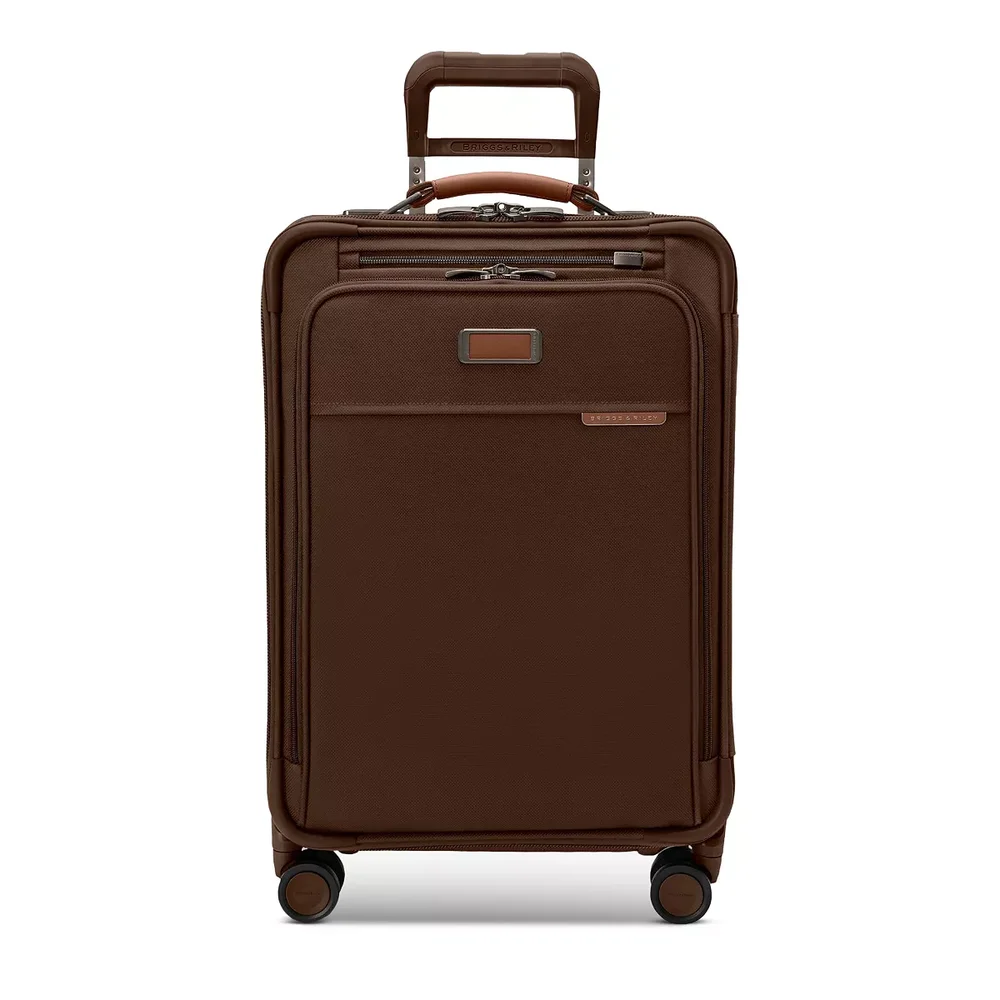
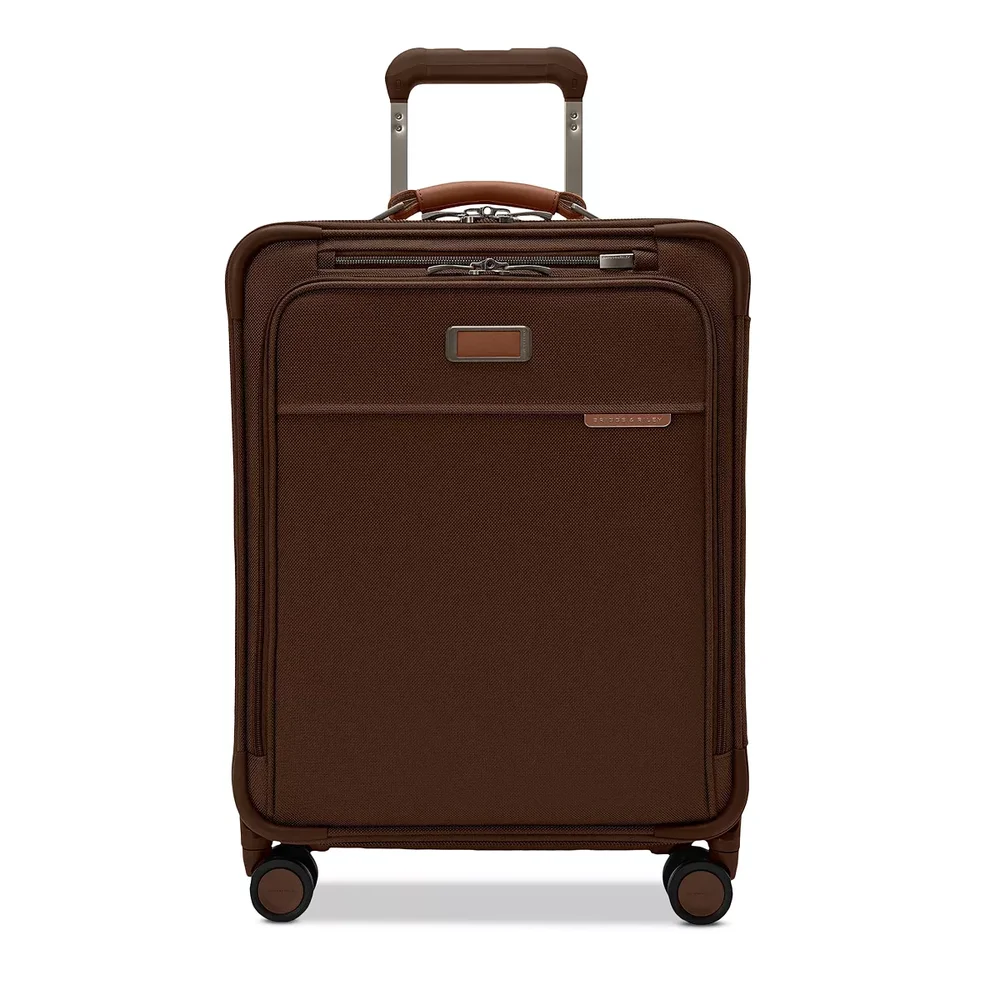
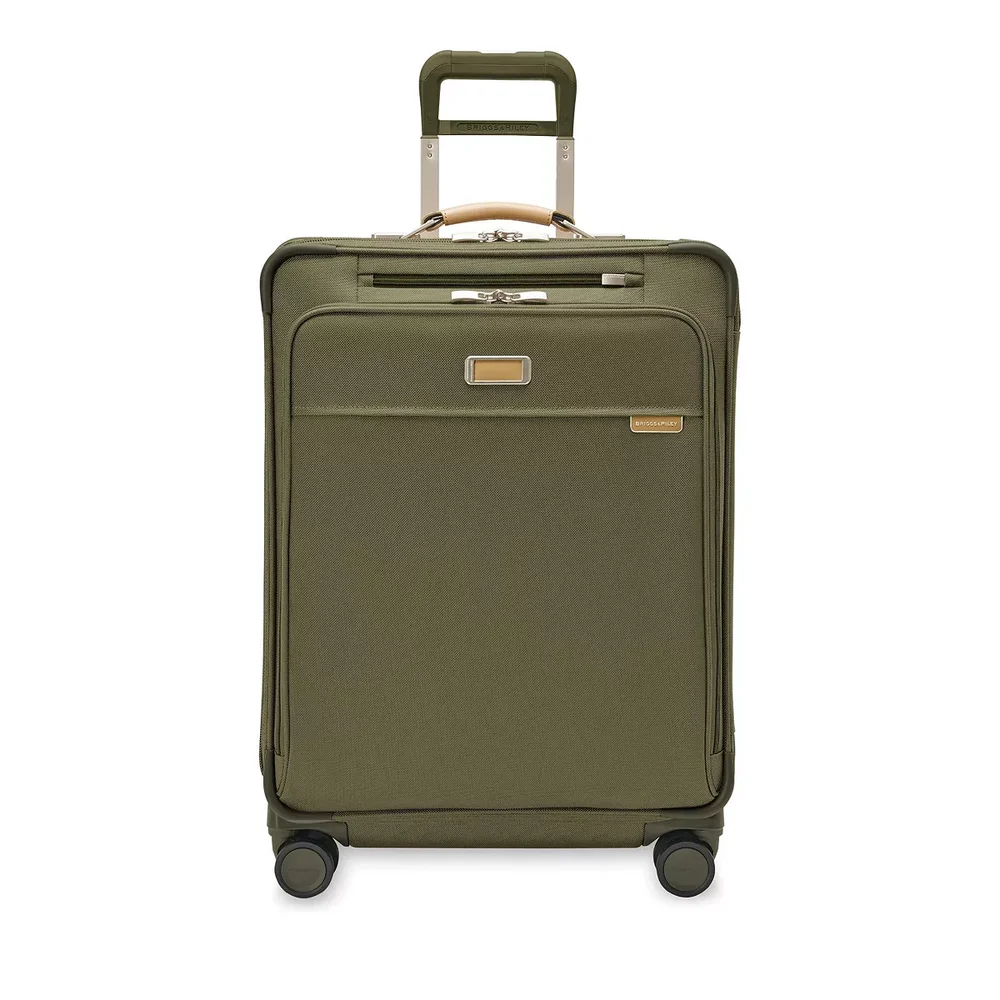
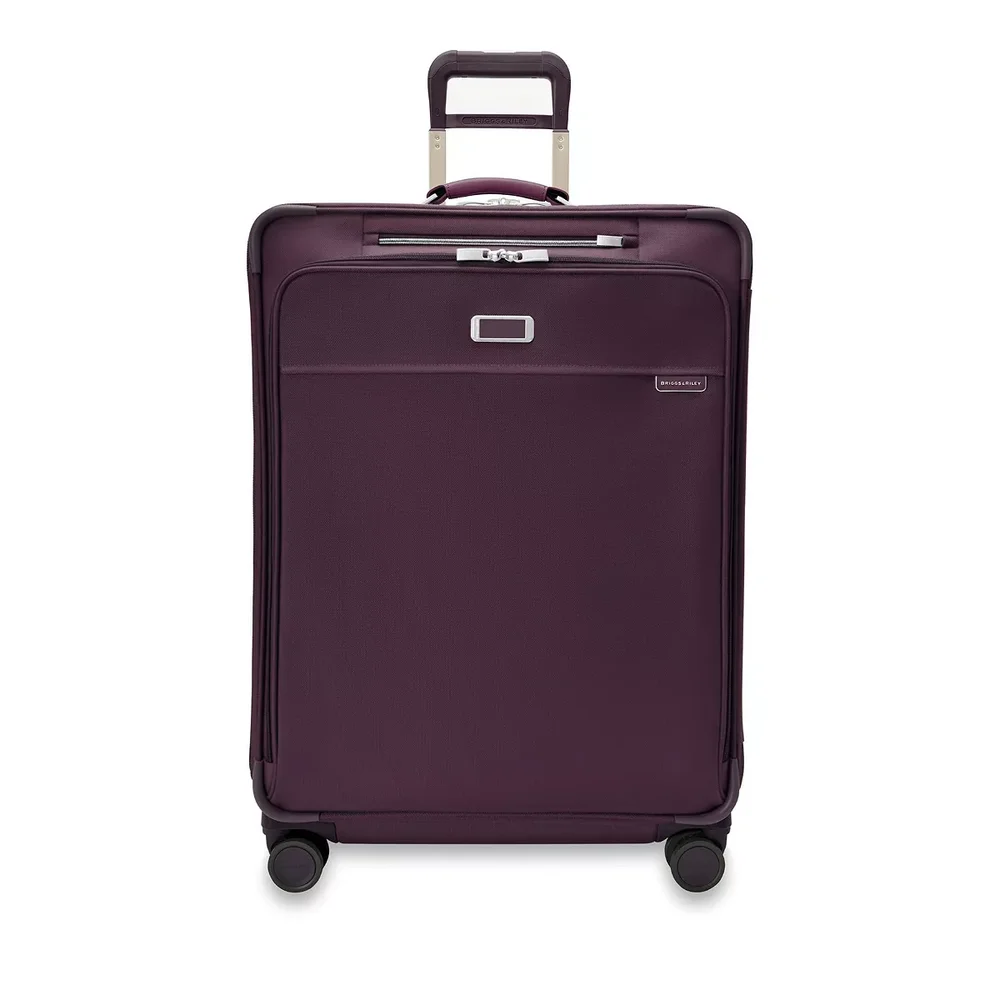
Tumi vs Briggs & Riley shifts toward packing mechanics in the Baseline line. The Baseline Essential Carry-On uses ballistic nylon and CX expansion that gives up to 30 percent more space before compressing back; its Outsider handle sits outside the case to leave a flat packing surface. Baseline Global is a 21-inch international carry-on with a listed 37-to-49-liter capacity. The Medium Expandable Spinner is 26 inches and 12.5 pounds, while the Large is 29 inches and 13.6 pounds.
That is useful room, but the checked cases are not light. I would choose between Medium and Large by the trip length and what I can comfortably lift, not by capacity alone. For a compact cabin bag, compare the Essential and Global sizes with the airline limits you use most. Keep the shell and the packing system in mind together; expansion is handy on the return, but it still has to fit through the airport.
Carry-on access and shell trade-offs
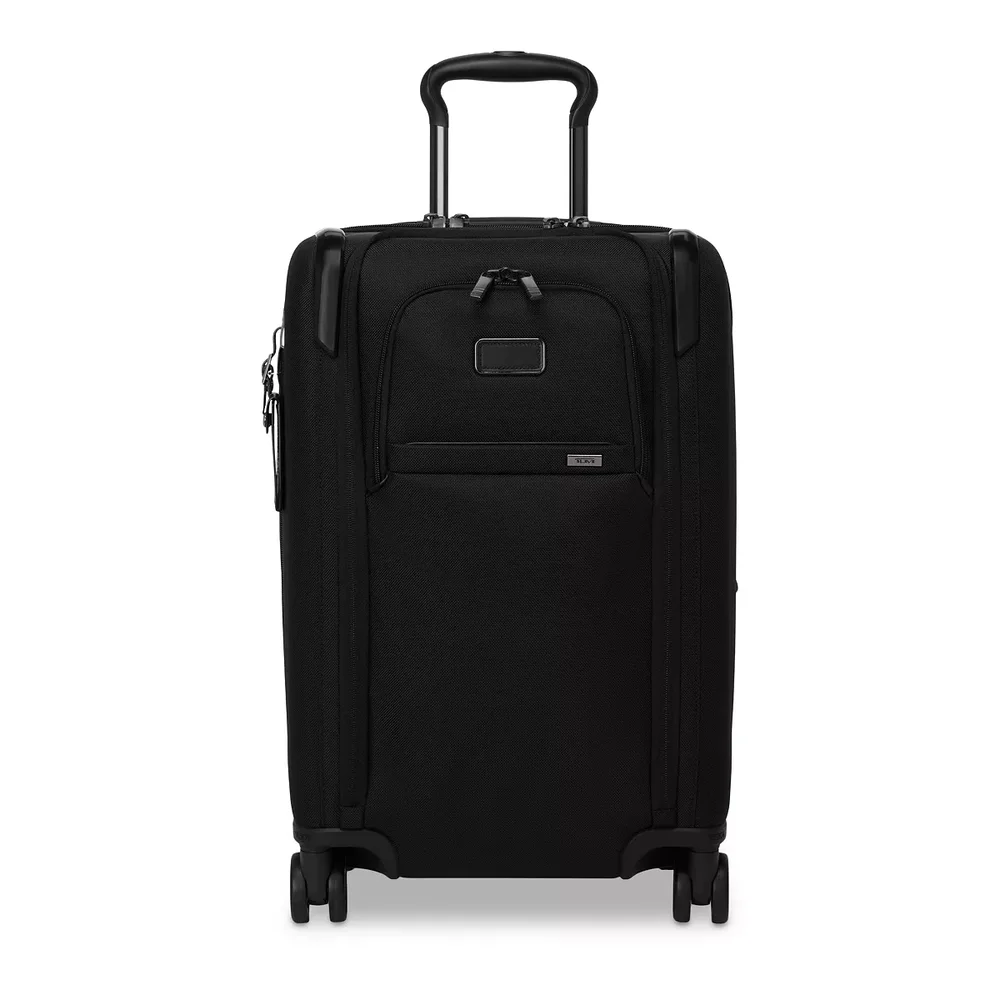
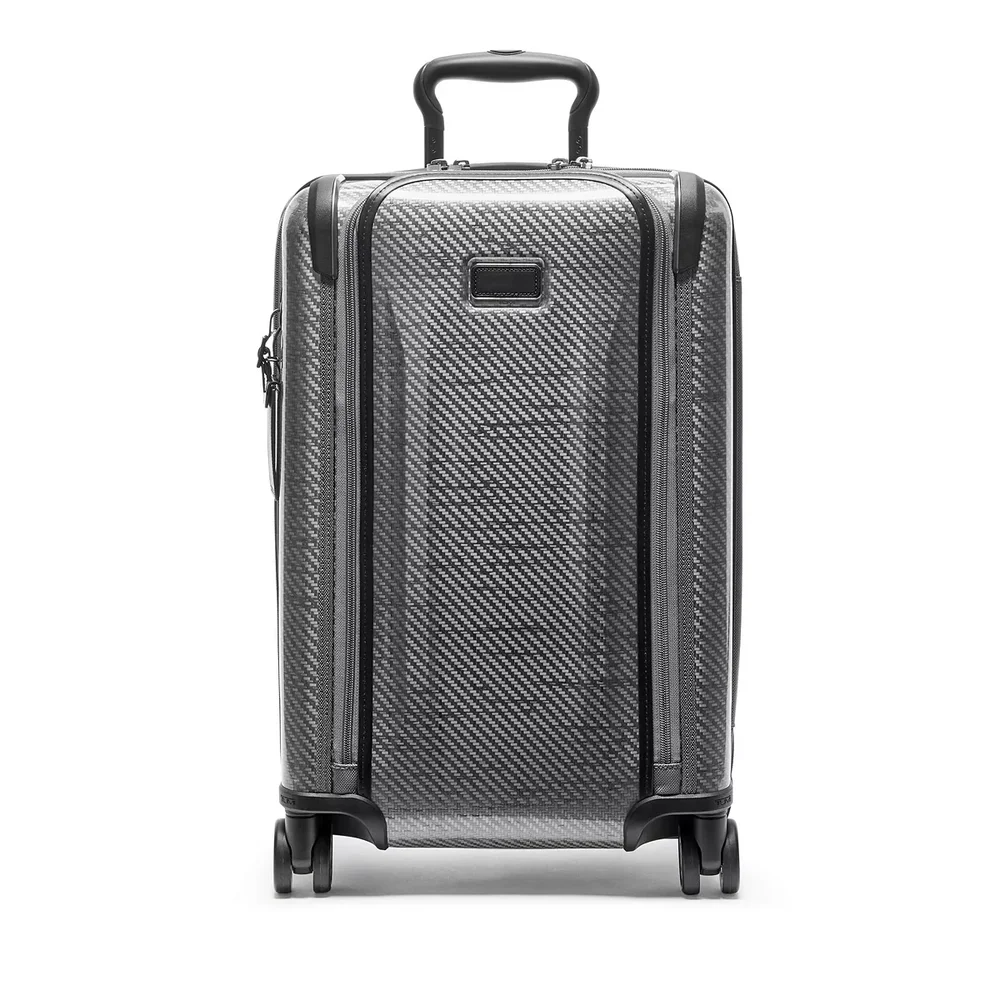
For the Tumi vs Briggs & Riley carry-on decision, I would start with how I reach the things I need mid-trip. TUMI’s Alpha 4 Dual Access Expansion 21-Inch Carry-On opens to the main compartment by two routes and expands up to two inches; it also supports USB-C charging and uses ballistic nylon with leather. The Tegra-Lite International Front Pocket Carry-On adds a front pocket and four-wheel expandable format.
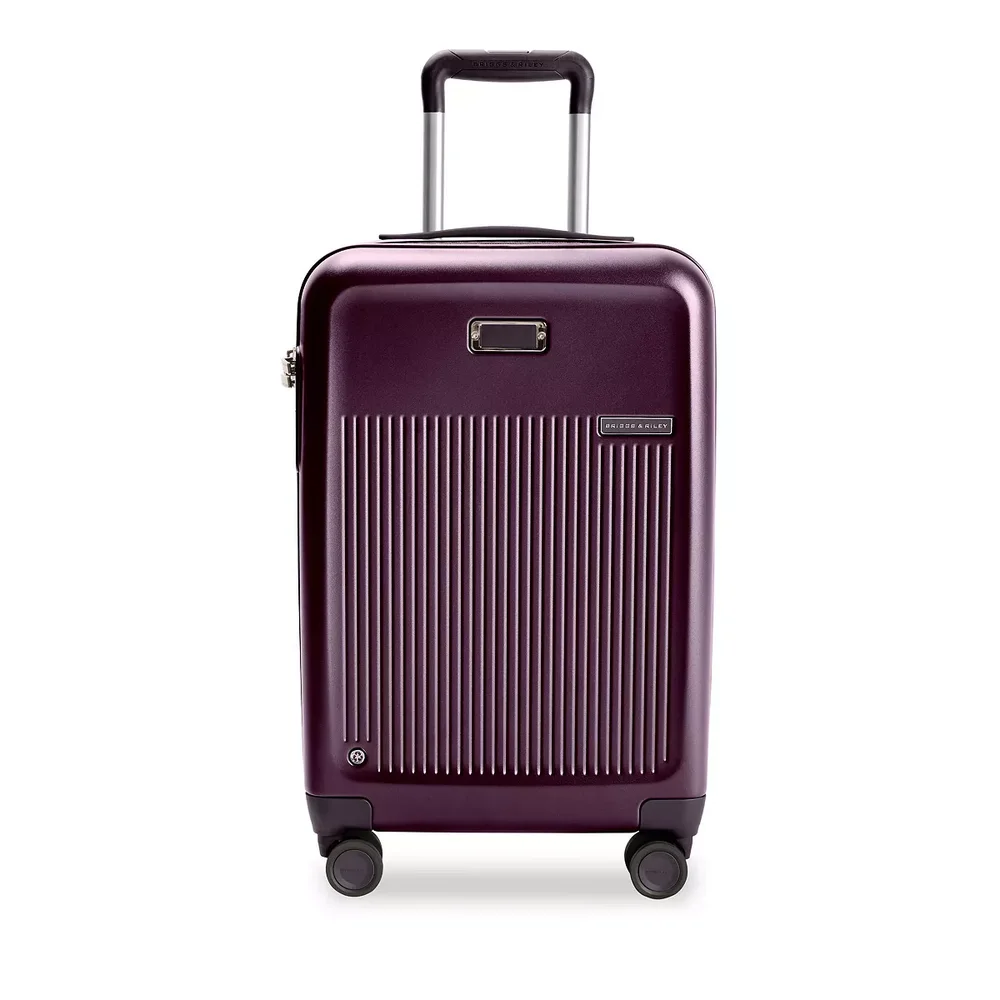
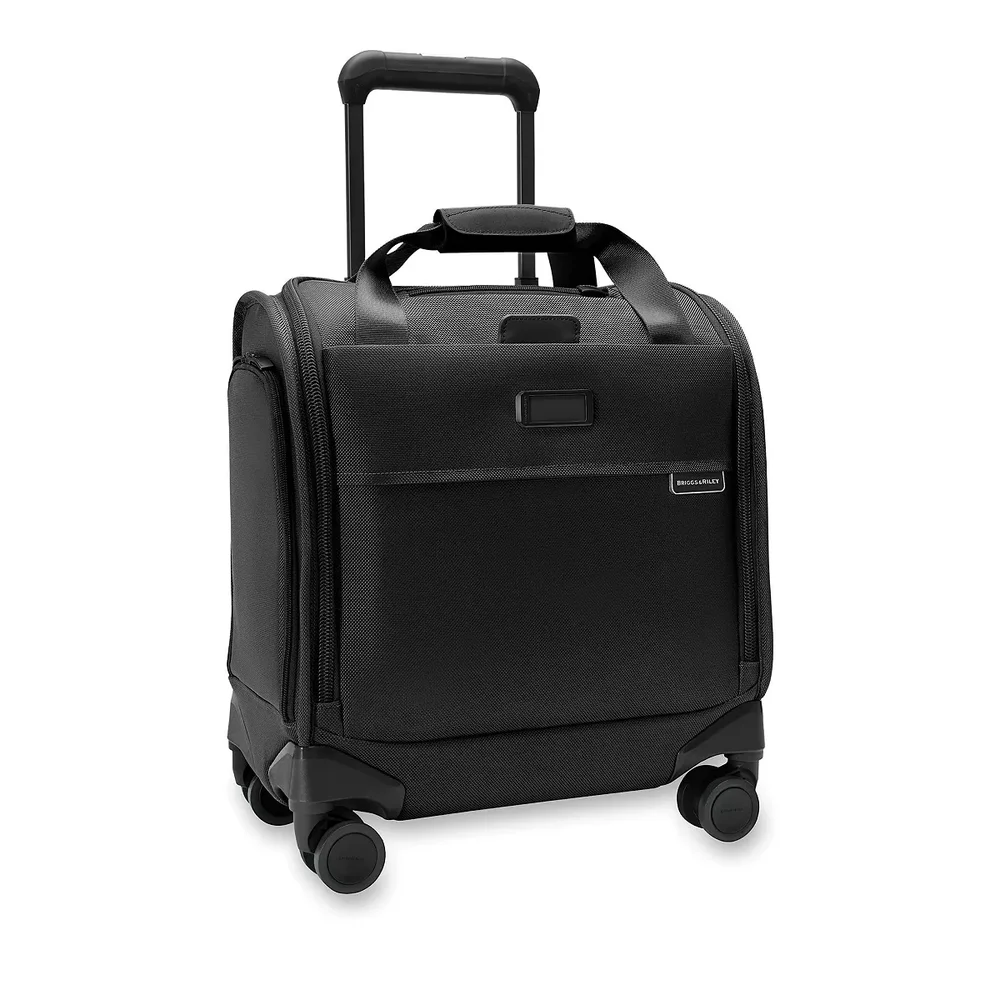
On the Briggs & Riley side, Sympatico Essential puts CX expansion into a hard shell, while Baseline Cabin is the spinner option in the nylon line. What I would skip is choosing by the warranty headline alone: TUMI and Briggs & Riley cover different kinds of wear and mishap. Compare the terms with the way you travel, then check access and expansion against the things you pack most often. For a frequent flyer, repair coverage may be decisive; for an occasional trip, the opening style you will use matters too.
Tumi vs Briggs & Riley questions I get
Which suitcase would I choose first?
For a checked bag, I would start with Baseline Medium if its dimensions and weight work for my trip; for a cabin bag, I would compare 19 Degree International with Baseline Global. The best luggage comparison is a useful broader reference.
Which brand has the stronger repair coverage?
Briggs & Riley offers lifetime functional repairs, while TUMI wheeled luggage has five-year coverage with different terms after the first year. Read the policy for the specific case and damage type.
Does Briggs & Riley expansion make the case larger?
CX lets compatible cases expand and compress back to their original size. Check the expanded dimensions against the luggage limits you need to meet.
What other suitcase brands should I compare?
I would compare materials, access and repair terms with another suitcase line before deciding. This Monos luggage overview gives a different hard-shell point of comparison.