This edit of walking shoes for women covers cushioned, stability, classic, waterproof and slip-on pairs. I traced the 10,000 step goal back to a 1965 pedometer and built a shopping plan around what podiatrists look for.
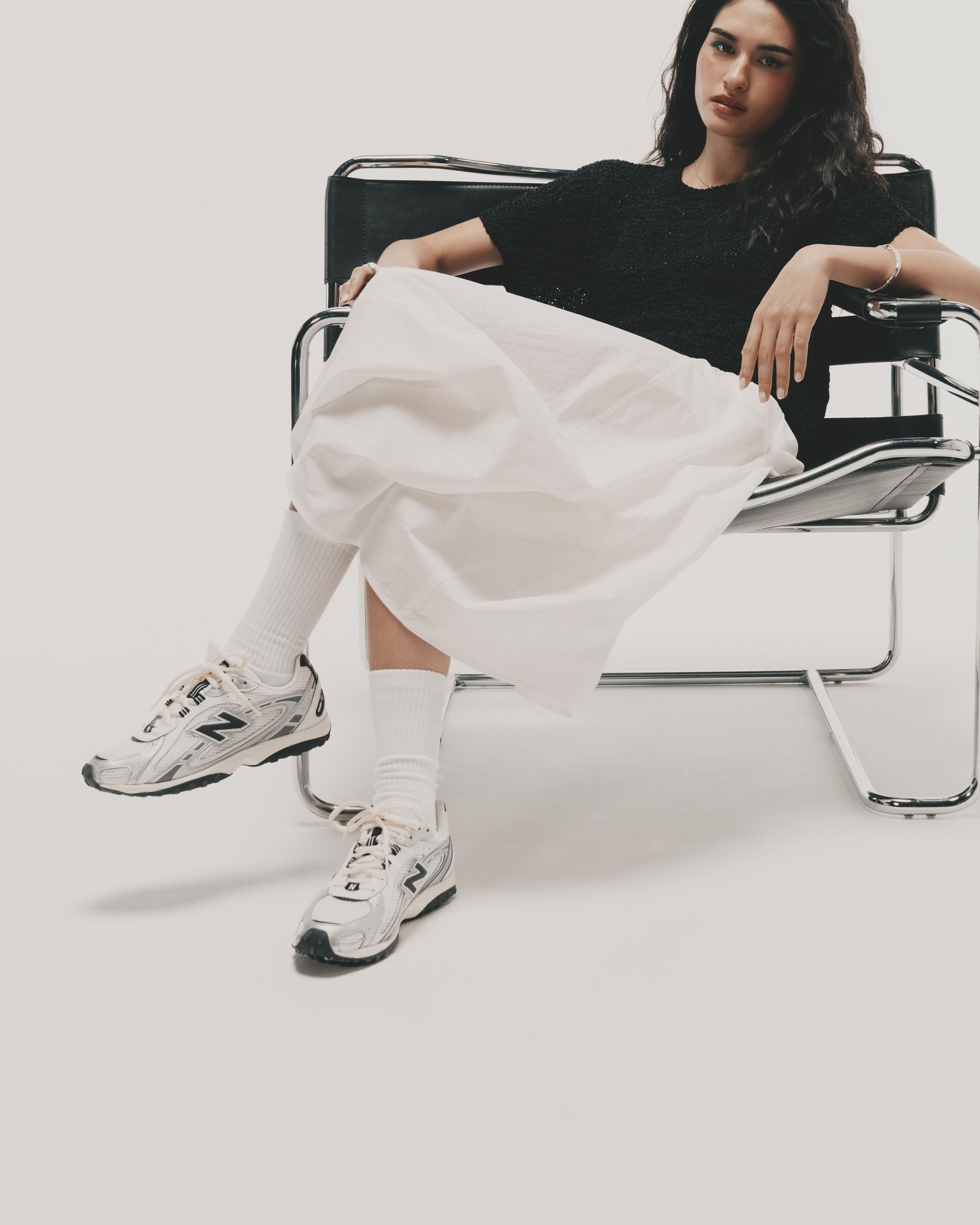
Walking Shoes for Women: The 10,000 Step Goal Began as a Product Name
Walking shoes and the 10,000 step story
In 1965, a Japanese clock and instrument maker called Yamasa Tokei Keiki launched the first commercial pedometer, the Manpo Meter, under the slogan "Healthcare with 10,000 steps/day". Manpo-kei means 10,000 steps meter, so the goal started life as a product name. One write-up of the story notes that no study at the time showed a certain step count led to better health, only that 10,000 was catchy and easy to remember. I find that oddly comforting. It means the number matters less than whether your feet are happy while you hit it.
That is where walking shoes for women come in, and why I would treat them as the real piece of equipment. Harvard Health puts the load at about 1.5 times your body weight per step when walking, and it points out that walkers heel-strike and then roll forward. The takeaway is simple: you want a sole that bends easily at the ball of the foot and a heel that gets out of the way. I went deeper on a related idea in Comfortable Shoes for Women: Why the Best Ones Start With the Foot.
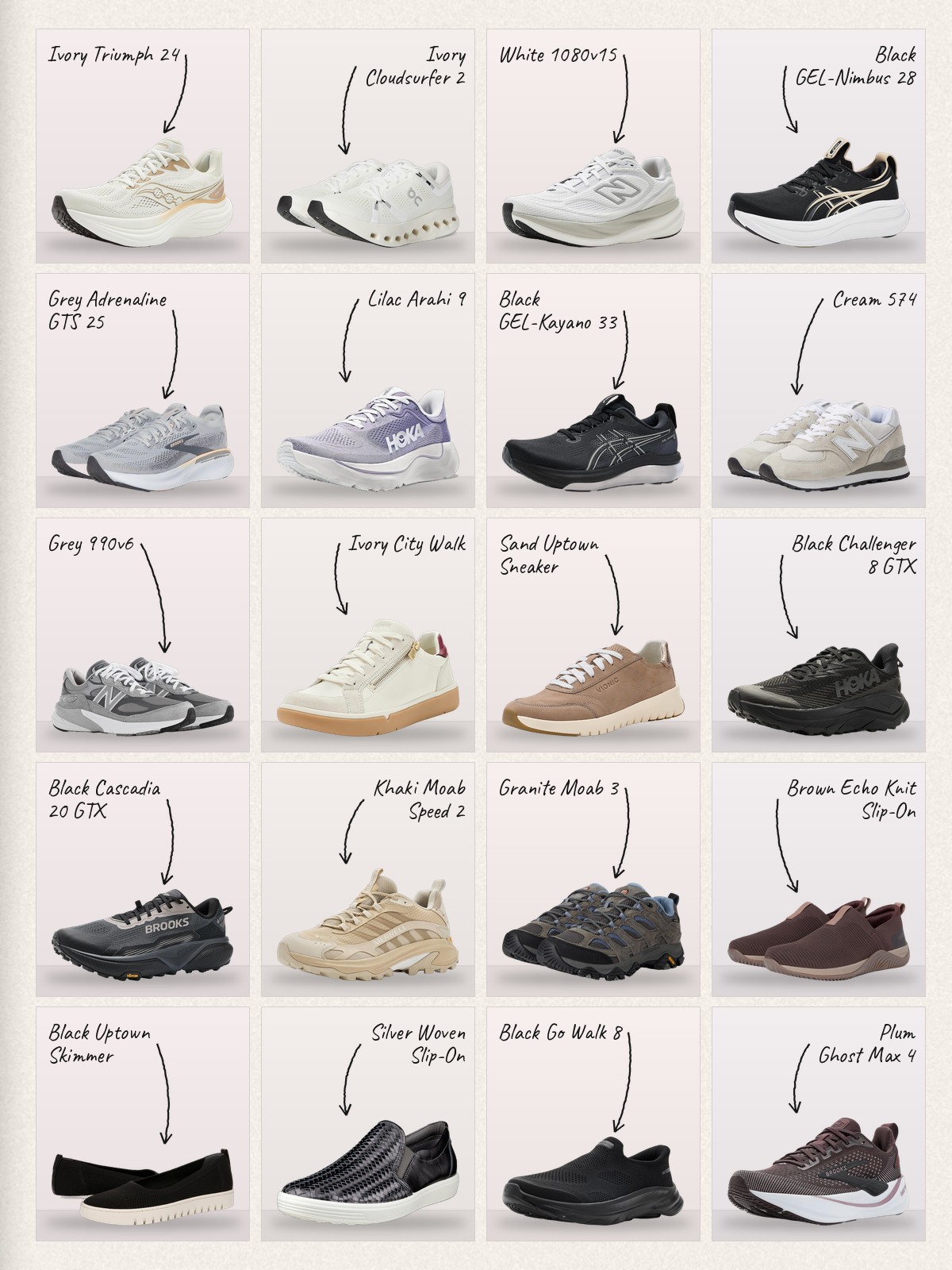
Cushion is the place most people begin, so that is where I would too. The Saucony Triumph 24 in ivory and the Brooks Ghost 18 in white with rose gold are the two I would reach for if the day is all pavement and errands. The Ghost Max 4 in plum has a rocker built in, which suits someone who wants the ground to roll past. The On Cloudsurfer 2 in all white is the clean one for the office commute, and the ASICS Novablast 6 in bright aqua is the one for a gray October morning when you want some color.
A practical tip before you click: bend any pair in half at the toe. If it fights you, move on.


Stability shoes for steady feet
The word "stability" sounds clinical, but the idea is gentle: a shoe that keeps the foot from rolling inward as it lands. The APMA, the podiatry association, runs a Seal of Acceptance program, and its own page says each product is reviewed by a group of APMA podiatrists to ensure it promotes foot health. It is a useful filter when you are choosing something you will wear every day.
In this group, the Brooks Adrenaline GTS 25 in gray and coral uses GuideRails to help reduce excess movement, and the Ariel GTS 26 in coconut and sand has a wide supportive base that I like for long city days. The HOKA Arahi 9 in lilac and the Gaviota 6 in black both rely on an H-frame stabilizing system, so you get structure without feeling boxed in. The ASICS GEL-Kayano 33 in black is the familiar support workhorse, and the GT-2000 15 puts softer foam on a stability platform. The New Balance Fresh Foam X 860 V15 in dusty rose is the one I would wear with wide-leg jeans and a camel coat.
Test it in a store, or at home on a hard floor: stand on one foot and see if the heel cup stays put. Then press your thumb at the toe and check for a finger's width of room beyond your longest toe, as Harvard Health advises.
What I would skip: a stability shoe you do not need, if your feet roll evenly. Extra structure is not automatically better.


Classic sneakers for everyday walks
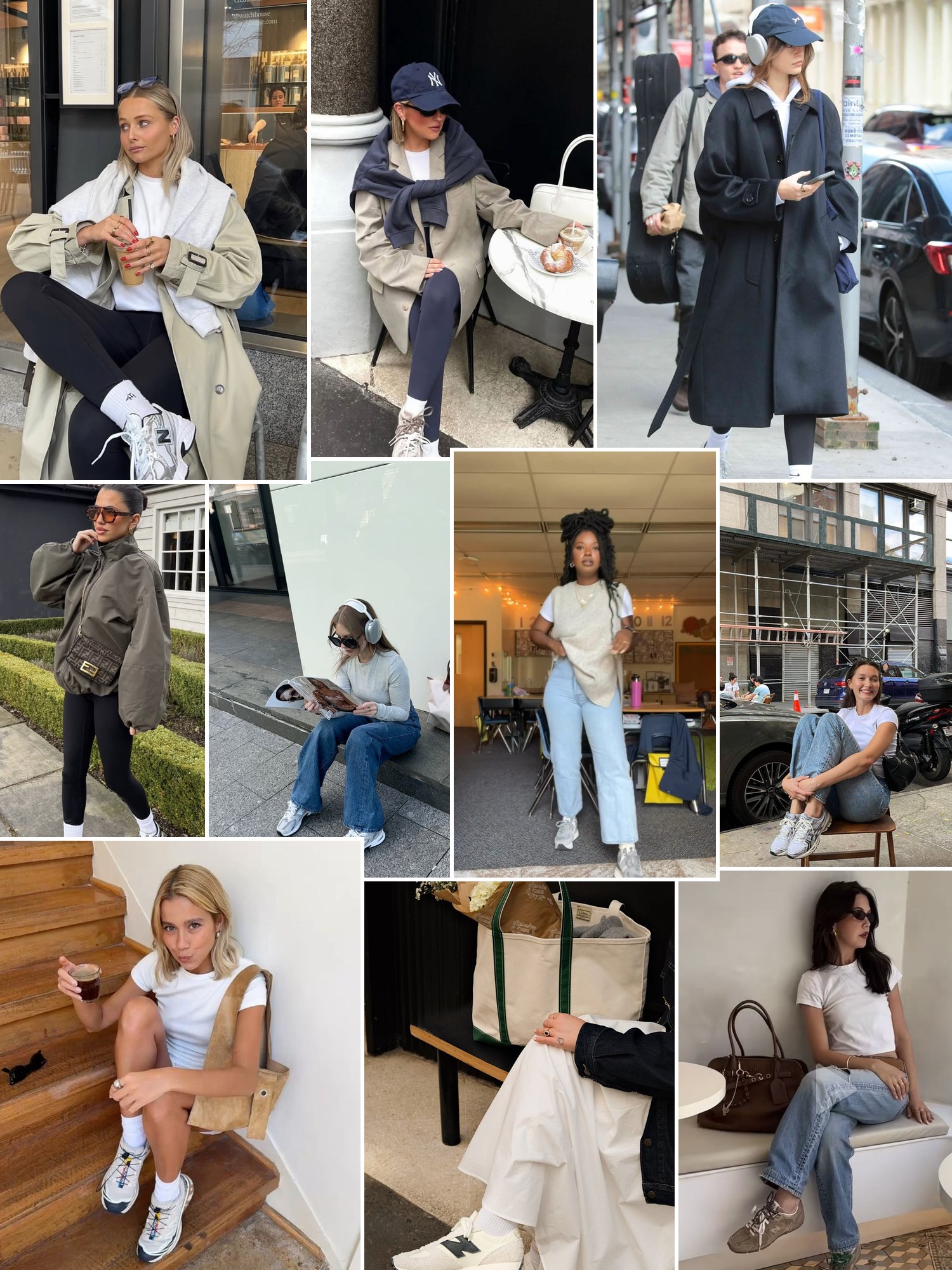
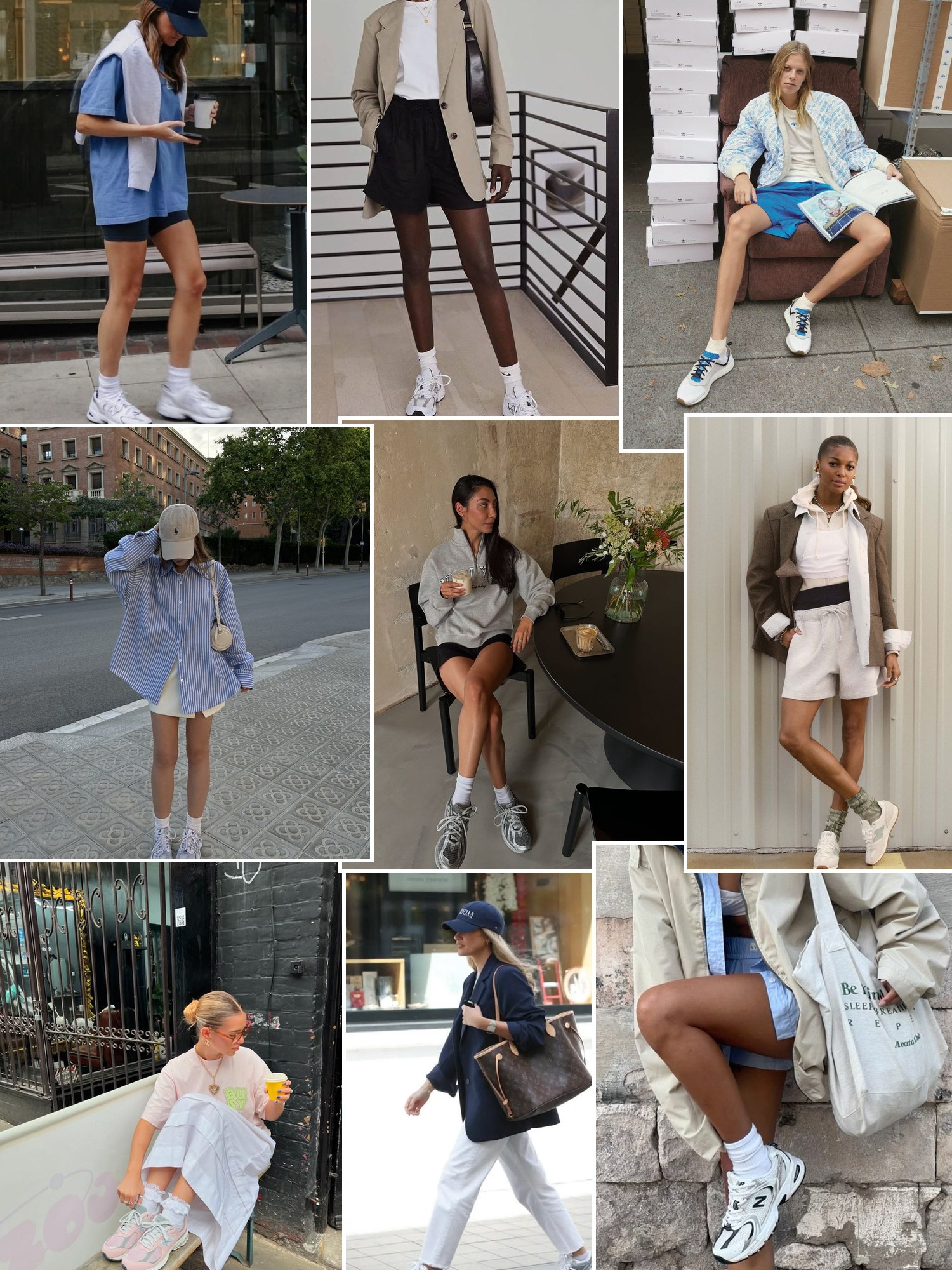
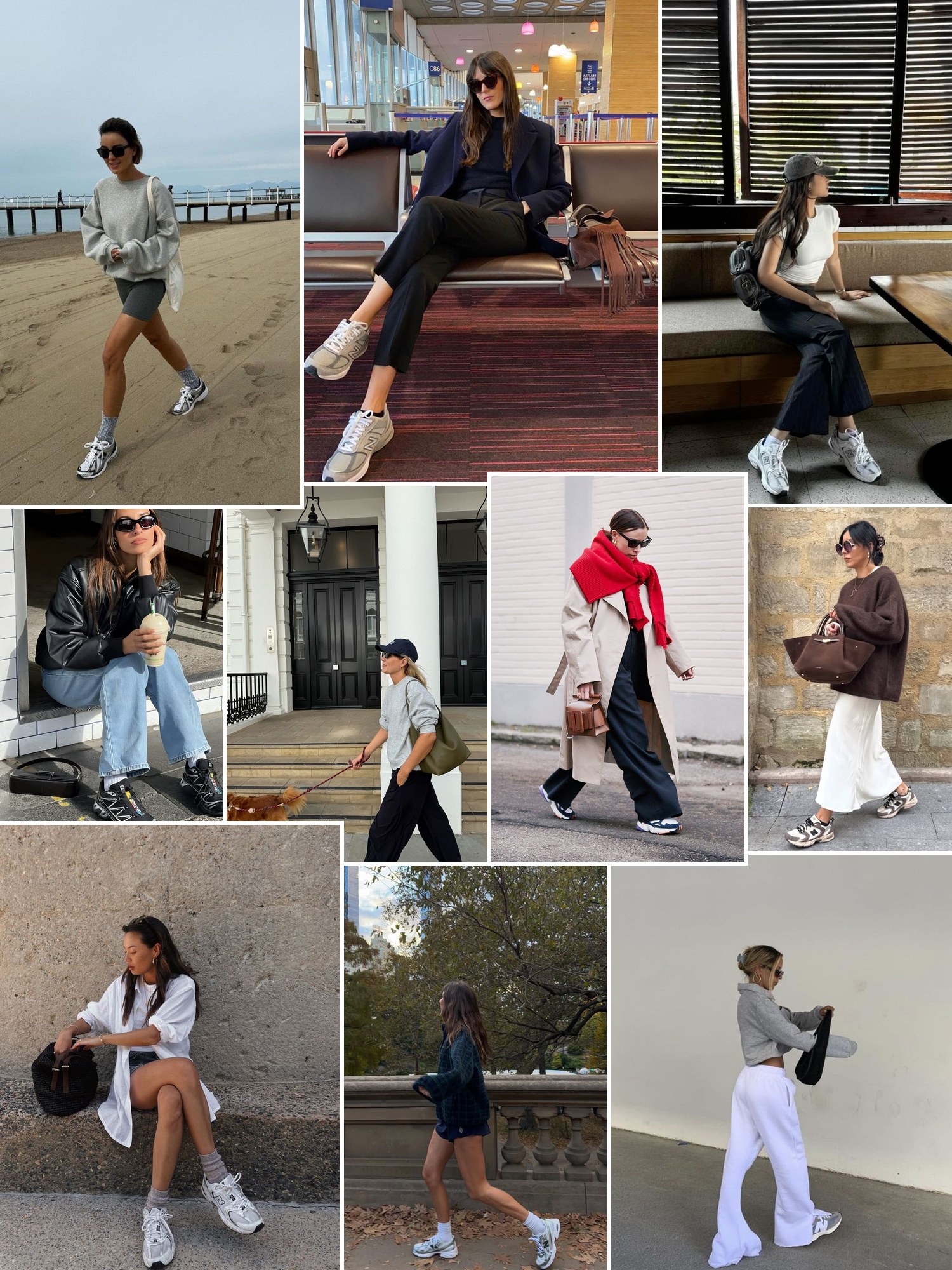
Lifestyle walkers have the longest history in the group, and the New Balance 574 Core in light gray is the one most people picture. Pair it with a pleated skirt and a chunky knit this month and it reads as intentional rather than gym. The Made in USA 990v6 in gray is the dad sneaker in its most polished form, and it is the successor to the 990v5.
Leather has its own appeal. The Ecco Street Ace in white and the Soft 7 in white are clean enough to wear with trousers, and the Soft 7 is built from full-grain and nubuck leather, which gives it a soft hand. The Vionic City Walk Axs in ivory has a side zip and a gum sole, so it goes on quickly. The Vionic Uptown in desert sand suede adds a little platform lift, and its Vio Motion technology gives a contoured arch and deep heel cup. The Skechers Arch Fit Arcade in white and the Clarks Nalle Walk in white knit round out the lighter, softer end.
Harvard Health suggests trying shoes on late in the day, when feet are at their largest, and taking a few laps around the store before you commit. With a classic silhouette, this matters even more, since looks can make you forgive a bad fit.
What I would skip: a shoe that needs breaking in. Harvard Health says shoes should feel right when you step into them.


Waterproof pairs for wet, muddy walks
Waterproof walkers deserve a shopping plan of their own, because rain is the one thing that ruins a long walk. The membrane in most of these is GORE-TEX Invisible Fit, found in the HOKA Clifton 11 GTX in cream and pink, the Challenger 8 GTX in black, the Brooks Ghost 18 GTX in black and the ASICS Trabuco 14 GTX in black and plum. Same road-style comfort, with a closed mesh upper for puddles.
If your walks include dirt, look at the Brooks Cascadia 20 GTX in charcoal and mauve, which has a Vibram lugged outsole. The Merrell Moab Speed 2 in khaki carries a Vibram TC5+ outsole, and the Moab 3 Waterproof in granite is the classic suede and mesh hiking shoe. The Salomon X Ultra 5 GORE-TEX in desert tan has a quick-lace system you can pull tight with cold fingers, and it works under rolled jeans and a puffer for a woodland weekend.
Check the sole by twisting it a little and pressing on the lugs. You want grip without a plank under the forefoot, and you still want that bend at the ball of the foot, even in a trail shoe.
Replace them on mileage, not looks. Harvard Health says some experts recommend replacing walking shoes every 300 to 500 miles, which works out to six to twelve months for a brisk 30 minutes, five days a week.
What I would skip: waterproof shoes for hot, dry days. A closed membrane holds heat in.


Slip-on shoes for travel days
A slip-on has one job: let you leave the house in ten seconds. The best ones also tick the podiatrist boxes, and the main one is room in the toe box. A Yahoo Health piece on walking versus running shoes says a shoe should have enough room to wiggle your toes, a secure midfoot and no heel slipping. Slip-ons tend to fail on that last part, so check it first.
The Skechers Slip-ins Go Walk 8 Nova in black uses a Heel Pillow to hold the foot, and the Go Walk Travel Milan in off-white is hands free, which is handy at airport security. The Vionic Uptown Skimmer in black knit has a removable footbed with built-in arch support, a feature I would want in any shoe I pull on without laces. Ryka's Era in black rib knit has a narrower heel and a roomier toe box, and the Echo in java brown looks good with straight-leg trousers. For something dressier, the Ecco Soft 7 Woven in silver leather has leather sourced from a tannery with a Gold Rating from the Leather Working Group. The Propet One Velocity and the FitFlop Super-Q round out the knit pairs.
Do the heel test: walk briskly across the room and listen for any slap or slide at the back.
What I would skip: a slip-on for a very long hike. Laces let you adjust through the day.


How I would choose a pair
I would choose in this order. Start with where you walk most, then pick the group that matches it: cushion for pavement, stability if your feet roll, a classic for the commute, waterproof if you live somewhere wet, and a slip-on for travel days. Then do the bend test and check for a finger's width at the toe.
If one pair has to do everything, I would head for a neutral cushioned shoe like the Brooks Ghost 18, then add a second pair so each gets a rest.
Somewhere there is still a little Manpo Meter clipped to a belt, counting up to a number someone liked the sound of. Walk the miles you enjoy, in shoes that let you.