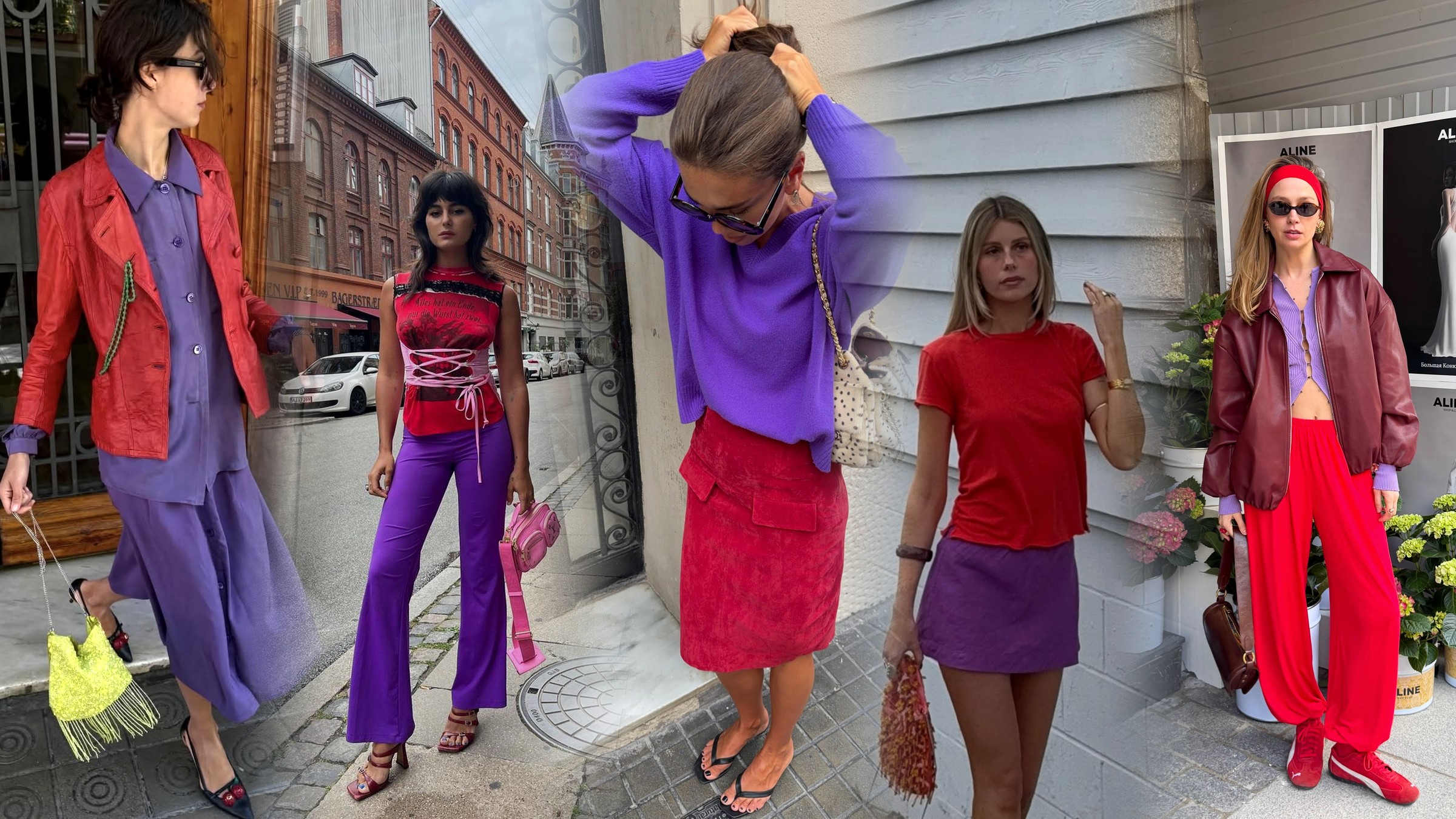
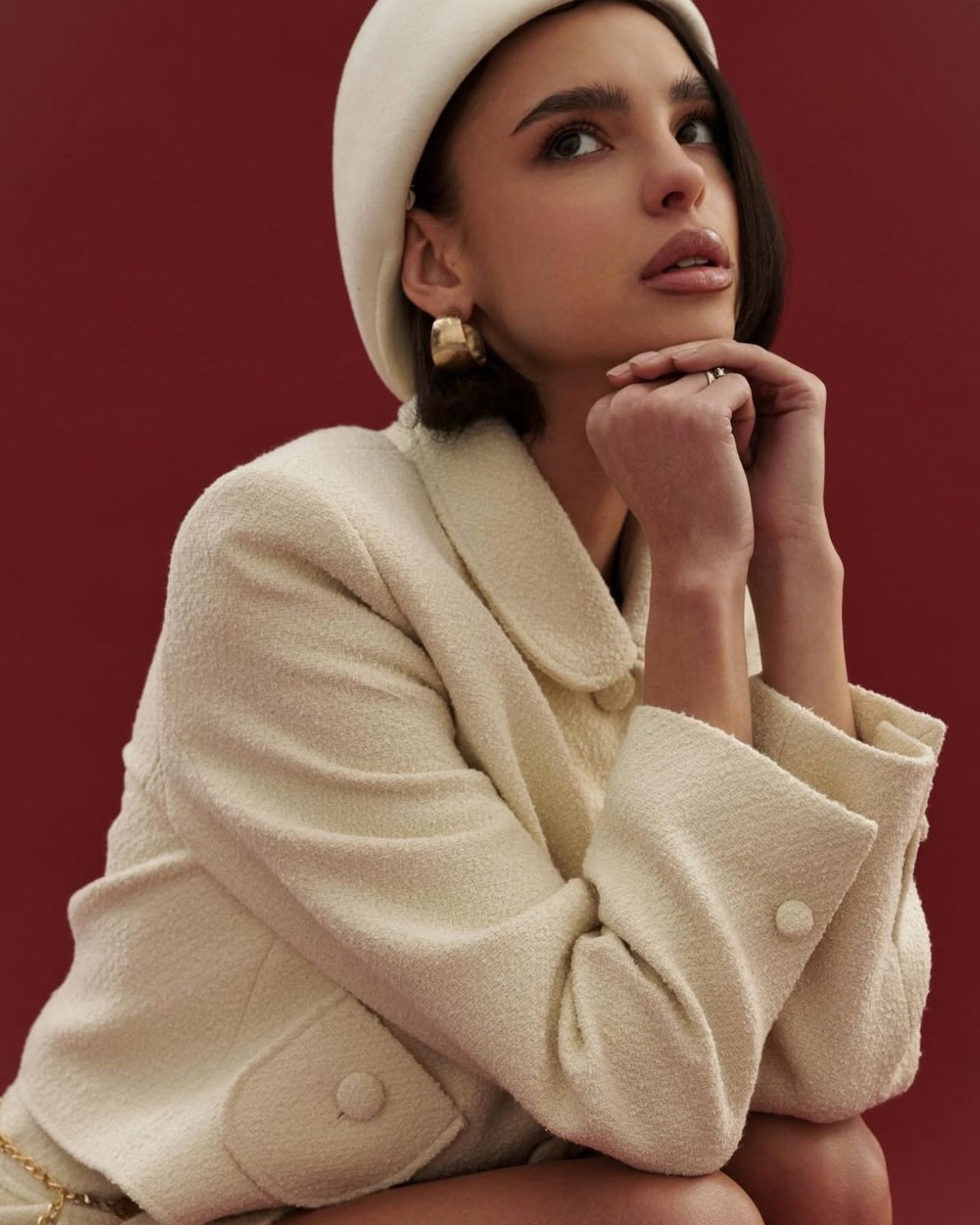
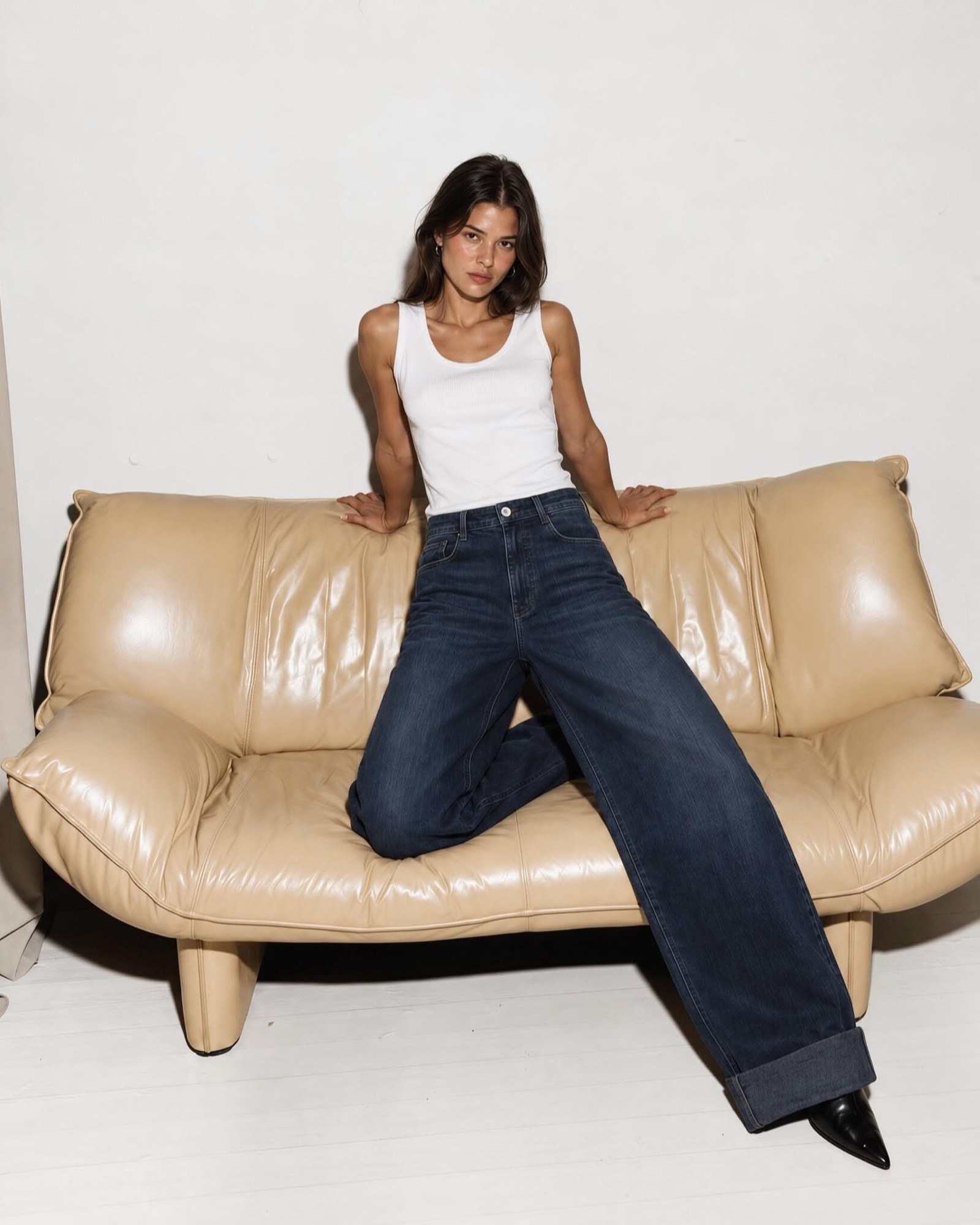
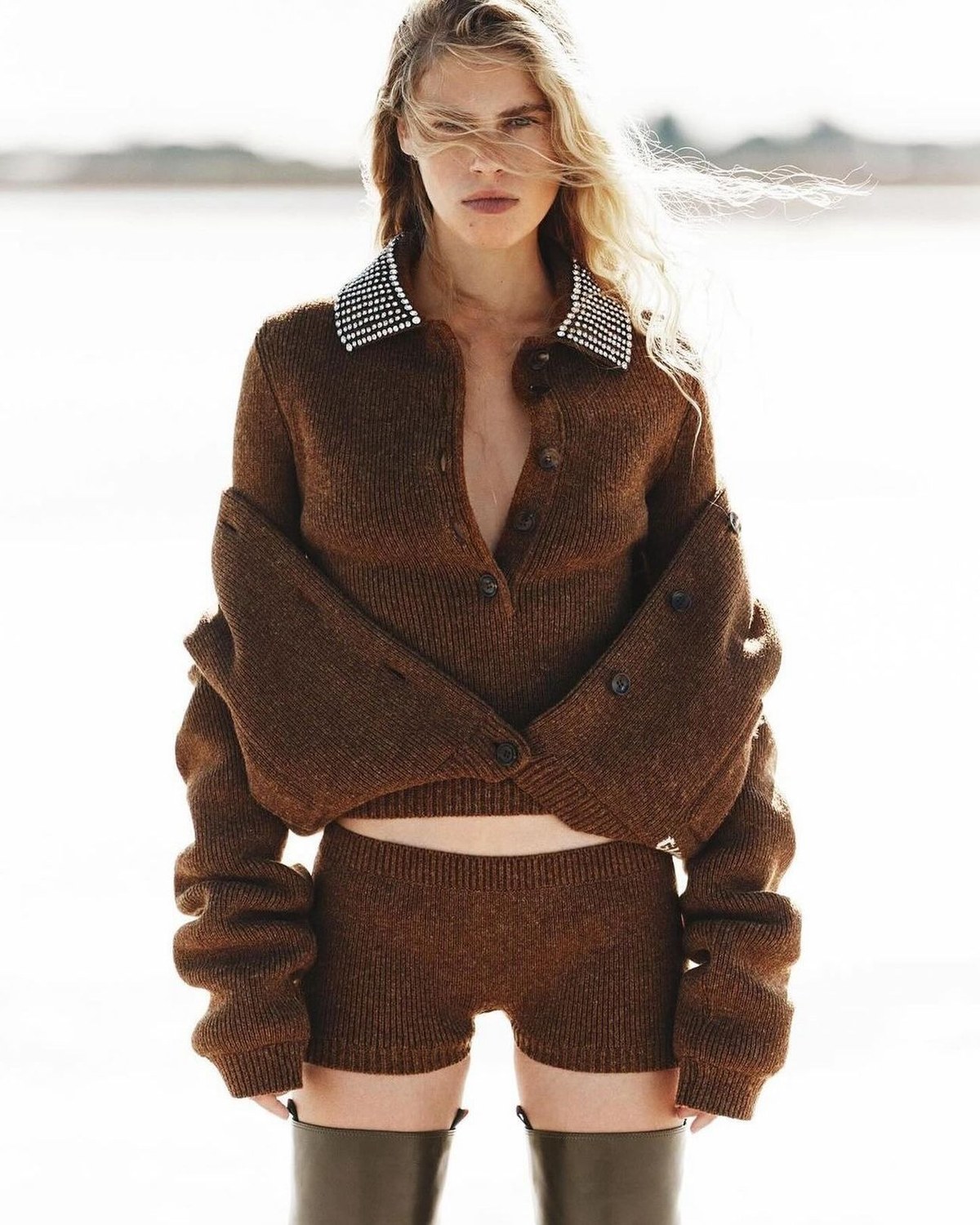
Personal style is not a set of pieces you can buy in one order. It is a small number of decisions you keep making, which is why it survives seasons and why nobody can copy it off you. Below, dresses, tops and jewellery to build repetition into.
What Personal Style Actually Means
People ask for style secrets when what they actually want is permission to stop guessing. I understand it. The question underneath is usually the same: how do I look like myself rather than like the internet.
Here is my answer, and it is annoying because it is free. Personal style is not the pieces. It is the repetition. It is the fact that you always push your sleeves up, always wear the same three earrings, always undo one more button than the picture did. Someone can buy your exact dress. They cannot buy the way you have worn a version of it for four years.
Which is why I am suspicious of the phrase capsule wardrobe as it is usually sold. Thirty pieces chosen by a stranger is still a borrowed look, just a beige one.
Start instead with what you already reach for. Go and look. The evidence is in your own closet, on the hangers with the worn shoulders.
Dresses Worth Repeating

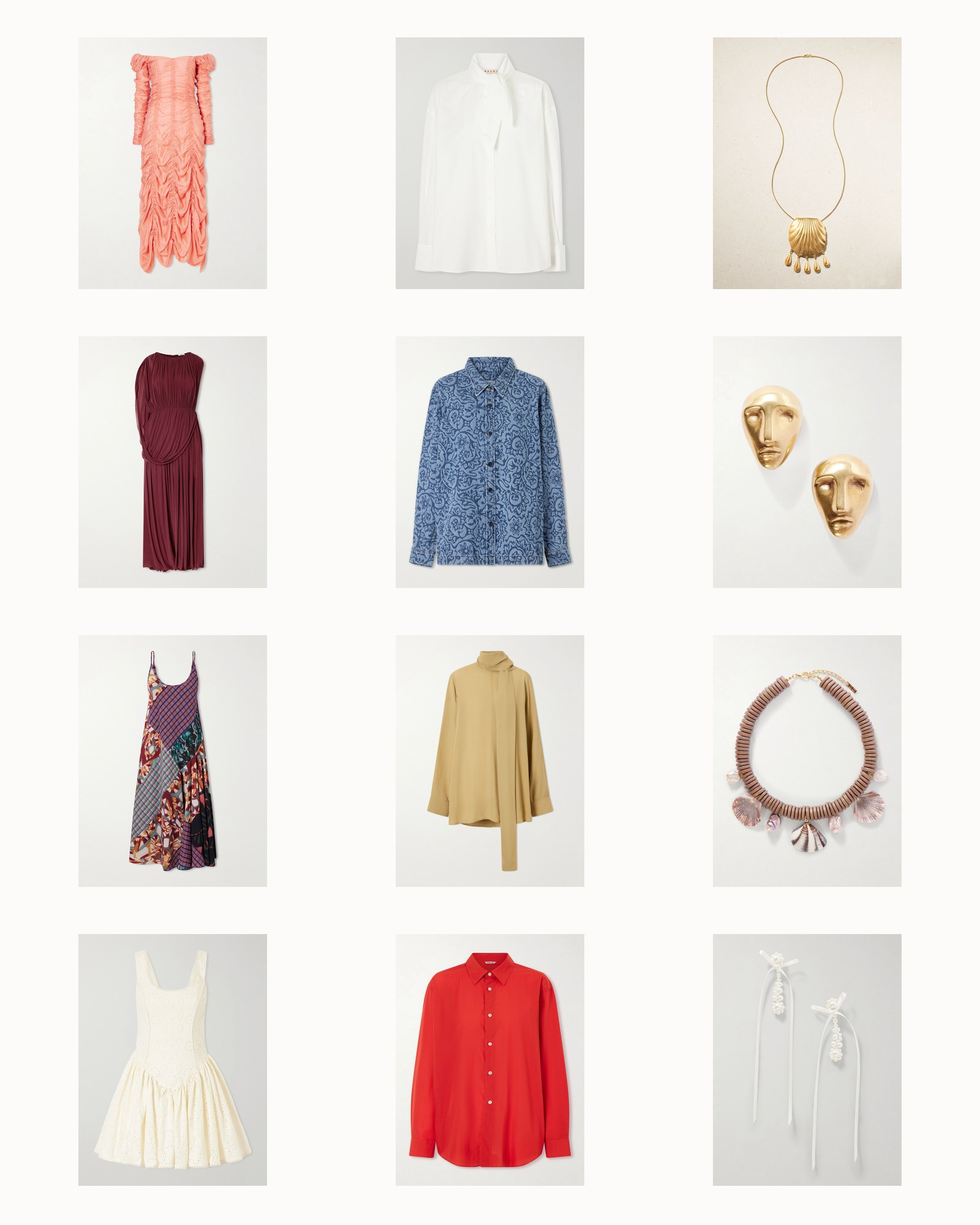
Judith ruched silk-blend midi dress
Khaite
$2,800

Kahlo asymmetric draped crepe dress
Fforme
$2,095

Printed georgette midi dress
Dries Van Noten
$1,685

Pluma Playa broderie anglaise cotton mini dress
Agua By Agua Bendita
$1,350

Sunray Long Sleeve Dress
Zimmermann
$950

Silk Wrap Mini Dress
Zimmermann
$775

Hortense pintucked embroidered organic cotton midi dress
Dôen
$400

Lucie Mini Dress
A.L.C.
$200
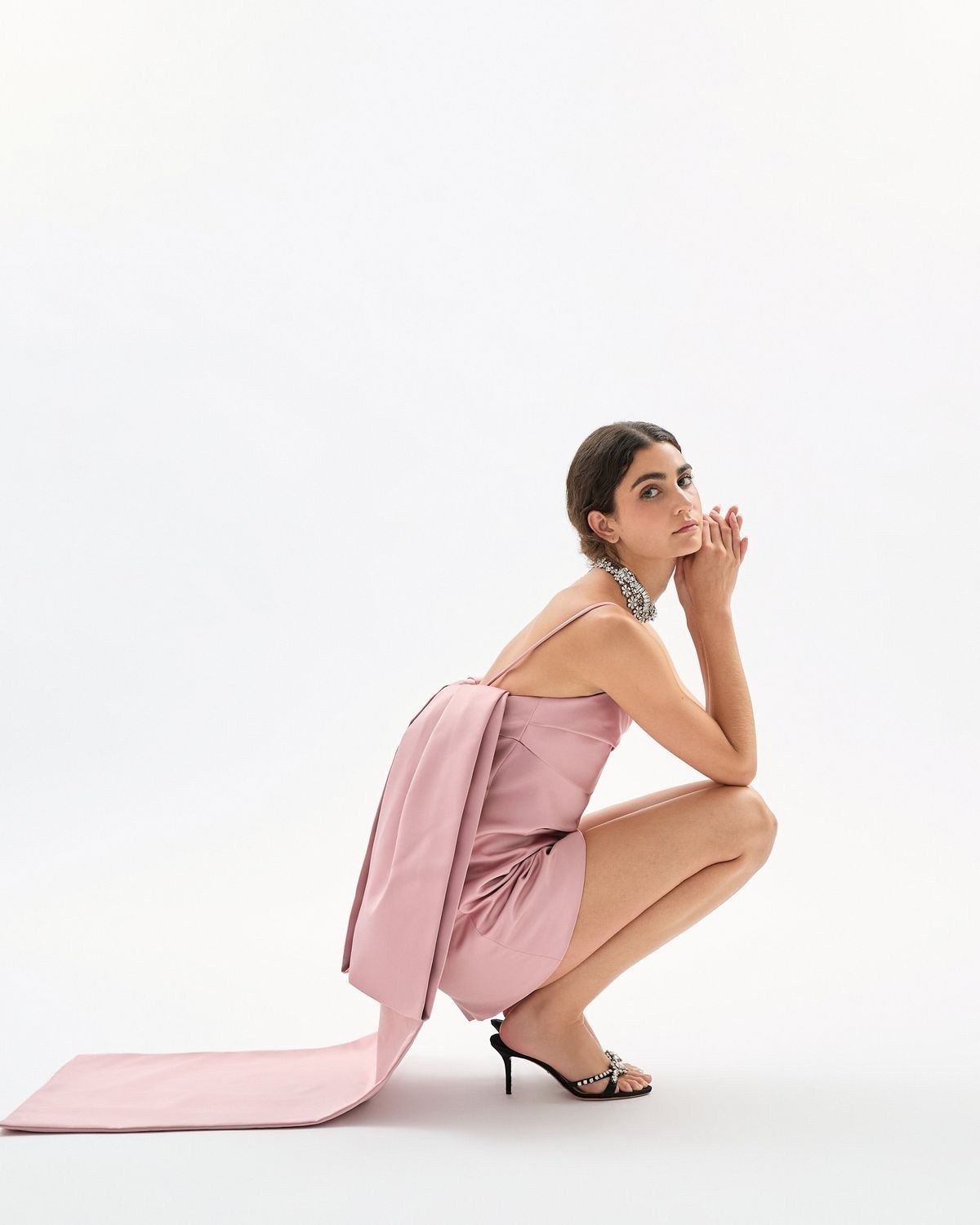
Dresses are the fastest way to test this, because a dress is a whole outfit in one decision and it exposes your preferences immediately.
Look through photographs of yourself from the last few years, the ones where you felt right rather than the ones that performed well. There will be a pattern, and it will probably not be the pattern you would claim. Mine is a defined waist and a long line below it. Yours might be a column with nothing at the waist at all.
Once you know the shape, buying gets much simpler and much cheaper, because most of the market becomes irrelevant to you.
Practical notes on the dresses below. Check the armhole first: too low and you cannot raise your arm, too tight and you will not wear it twice. Lined bodices sit better and cost more for a real reason. If a dress needs a specific bra you do not own, factor that in honestly, because that is the dress that stays on the hanger.
Tops And Blouses


Jewellery is where repetition becomes visible fastest, and it is the cheapest place to build a signature.
Pick a metal and mostly stay with it. Not out of some rule about mixing, which is nonsense, but because consistency is what turns a purchase into a signature. Gold on you every day for two years reads as taste. Whatever matched today's outfit reads as nothing.
Then choose two or three pieces you will wear regardless of what you have on, and accept that the rest of your jewellery box is occasional. Small hoops, one signet, one chain. Wear them through the gym, through the shower, through the argument. The wear itself becomes part of how they look.
On materials: solid gold at fourteen or eighteen karat survives daily wear and water. Gold plating over brass does not, and will go dull at the edges in months. Sterling silver tarnishes and comes back with a cloth, which is a fair trade.
Everyday Jewelry

Petra gold-plated necklace
Juju Vera
$1,495

Visage 18-karat gold-plated earrings
Khaite
$880

Madeira gold-tone bead-embellished wood, shell and pearl necklace
Jennifer Behr
$530

Victorian bow-detailed pearl-like earrings
Simone Rocha
$425

Gold-tone crystal earrings
Carolina Herrera
$350

Crystal drop earrings
Completedworks
$315

Plume Signet Ring
Zimmermann
$275

Mira Bracelet
Zimmermann
$195
Our honest take
We think most people have more style than they believe and less than they perform. The gap closes by subtracting, not by adding a new category to your wardrobe every quarter.
What we would skip here: anything that only works with the exact styling shown. If a top requires a specific trouser you do not own and a specific shoe you do not own, you have not bought a top, you have bought a photograph.
What we would actually buy: one dress in the shape you already know suits you, in a fabric you can sit down in, and one pair of earrings cheap enough to wear every single day without thinking about it. That combination does more for how you look than six trend purchases, and we say that having made the six trend purchases.
If you take one thing away: work with your strongest feature rather than around it. Your hair, your height, your posture, the thing you have always been slightly self-conscious about. That is the one part of your style nobody can copy.