Clinique's Black Honey began as a shade of a 1971 honey-pot gloss, and its sheer pink sibling shows how much a good pink lipstick can do. This edit runs from soft, sheer pinks to satins and mattes, from brands with real stories behind the tube.
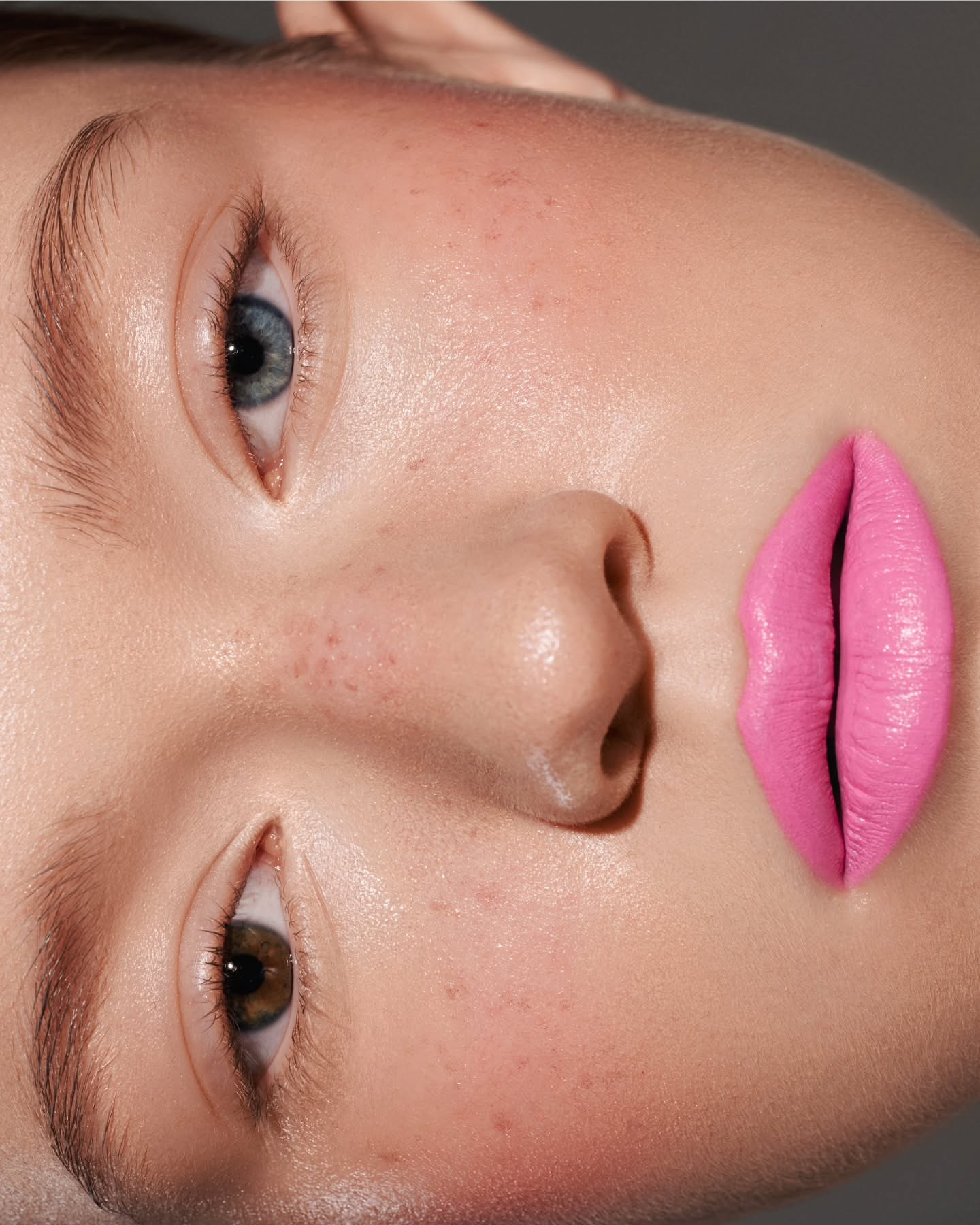
What Pink Lipstick Learned From a Pot of Black Honey
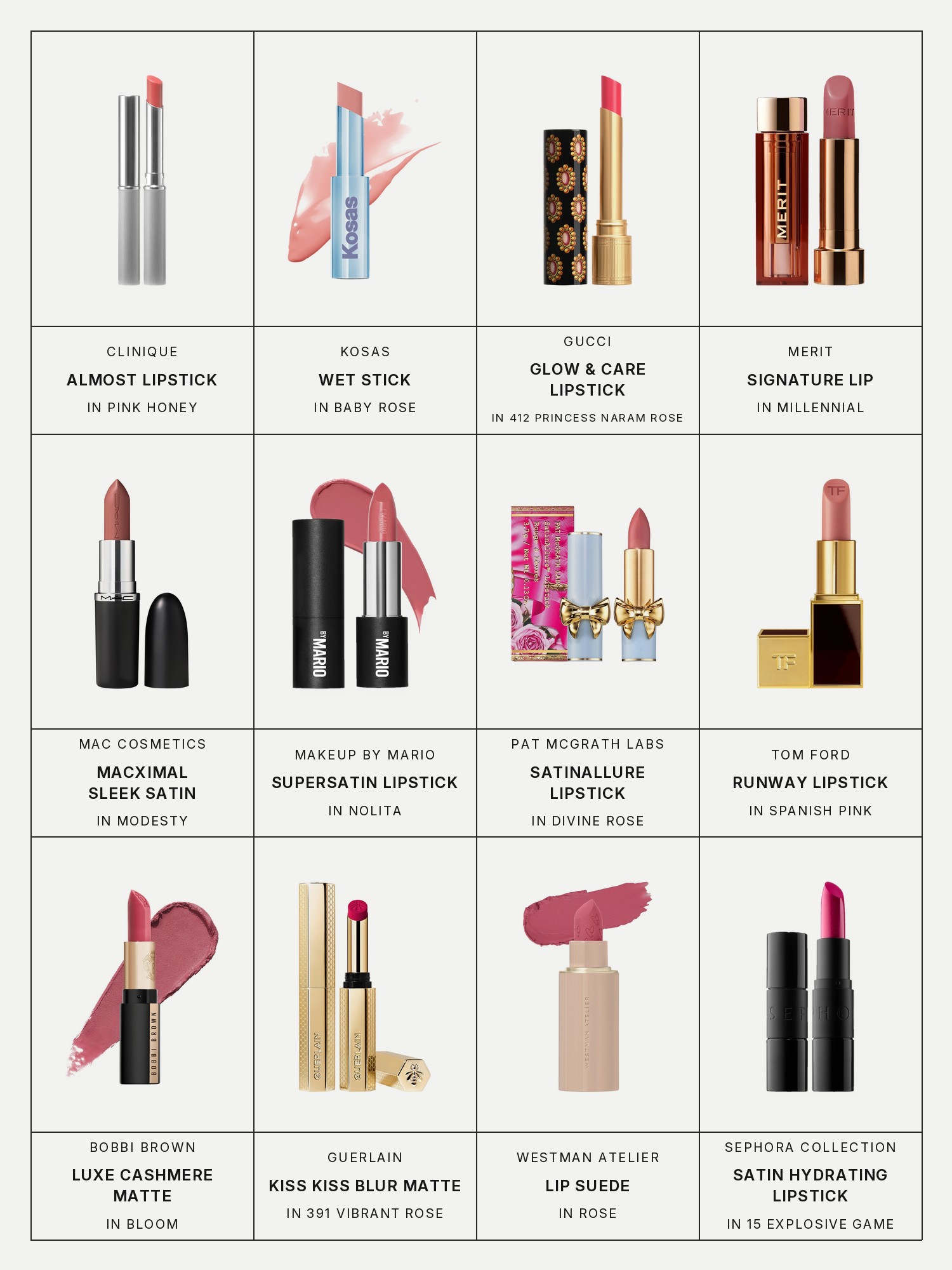
Clinique's Black Honey began as a shade of Carol Phillips's honey-pot lip gloss in 1971, and the Almost Lipstick format followed in 1989. It is a berry, not a pink, but the reason I open with it is Pink Honey, its rosier sibling, which Clinique describes as a soft, sheer pink for a subtle kiss of color. Nobody thinks of that as a big idea, and yet it is the sort of pink lipstick people actually wear on a Tuesday. It also explains why the first grid is the softest. Pink Honey is a sheer lip color that melts into your own tone. Kosas began in Los Angeles in 2015, from Sheena Yaitanes's kitchen table, with a small collection of four lipsticks and a belief that makeup should double as skincare. Its Wet Stick in Baby Rose has squalane and ceramides. Gucci returned to beauty in 2019 with 58 lipsticks, and its Glow & Care formula is built with black rose and peony oils. Merit, founded by Katherine Power in January 2021, makes Signature Lip in Millennial, a classic pink that is buildable and light.


Pinks with a point of view
Grid two is for people who want the color to show. The brands here have strong points of view. Makeup by Mario launched on October 1, 2020, from makeup artist Mario Dedivanovic, and the SuperSatin shades are named for New York neighborhoods and area codes. Nolita, a midtone warm pink, is the one in this edit. MAC started in 1984 in Toronto, and its Modesty is a muted neutral pink in a hydrating satin with pigment-rich color. Pat McGrath Labs launched on September 30, 2015 in Paris with a gold pigment that sold out in minutes; Divine Rose here is a soft rose pink with botanical collagen and passion fruit extract. Tom Ford Beauty arrived in 2006, and Spanish Pink, a light peach pink, is richly pigmented and fade-resistant.
My tip is simple. Apply from the center of the lips and press outward with your finger, then check the shade by the window and not under a bathroom bulb. Pinks change dramatically in daylight, and the peach ones warm up while the cool ones go cleaner.


Mattes, honey and a fuchsia
Grid three is for pinks that stay. Bobbi Brown launched in 1991 with ten brown-based lipsticks at Bergdorf Goodman, and it sold 100 in a day. In Bloom, a cool midtone pink, is an ultra-matte with a cashmere-soft texture. Guerlain has a longer story: Aimé Guerlain made Ne m'oubliez pas in 1870, which the house calls the first lipstick in a tube. The house's Kiss Kiss Blur, in 391 Vibrant Rose, is a blurring matte with honey. Westman Atelier was founded in 2018 by makeup artist Gucci Westman, and Lip Suede in Rose, a rose pink mauve, is a hydrating matte with hyaluronic acid and peptides. Sephora Collection's 15 Explosive Game is a fuchsia satin that the brand says does not crack, bleed or fade.
What I would skip is judging a pink by the color of the bullet or a swatch on your hand. Skin is warmer and lips are a different tone, so a pink that looks neon in the tube can settle into something wearable. If a matte lipstick feels tight, dab a little balm in the center only and leave the edges alone.


Pink, but yours
Pink is not a personality, but it is a good default. What I like about this group is how many different jobs it does: sheer, satin, blurred, bold, all with a story about who made it and why. Keep one for daylight, keep one for evenings, and wear the one you reach for without thinking. If the shade makes your skin look a little more awake, it is the right one. If you want to keep browsing, I also put together Clinique Lipstick, From Black Honey to Pop and Clinique Black Honey, the Sheer Berry That Started as a 1971 Lip Gloss.