How to choose a wool scarf starts with fibre, thickness, and the way you intend to wear it.
What To Look For In A Wool Scarf
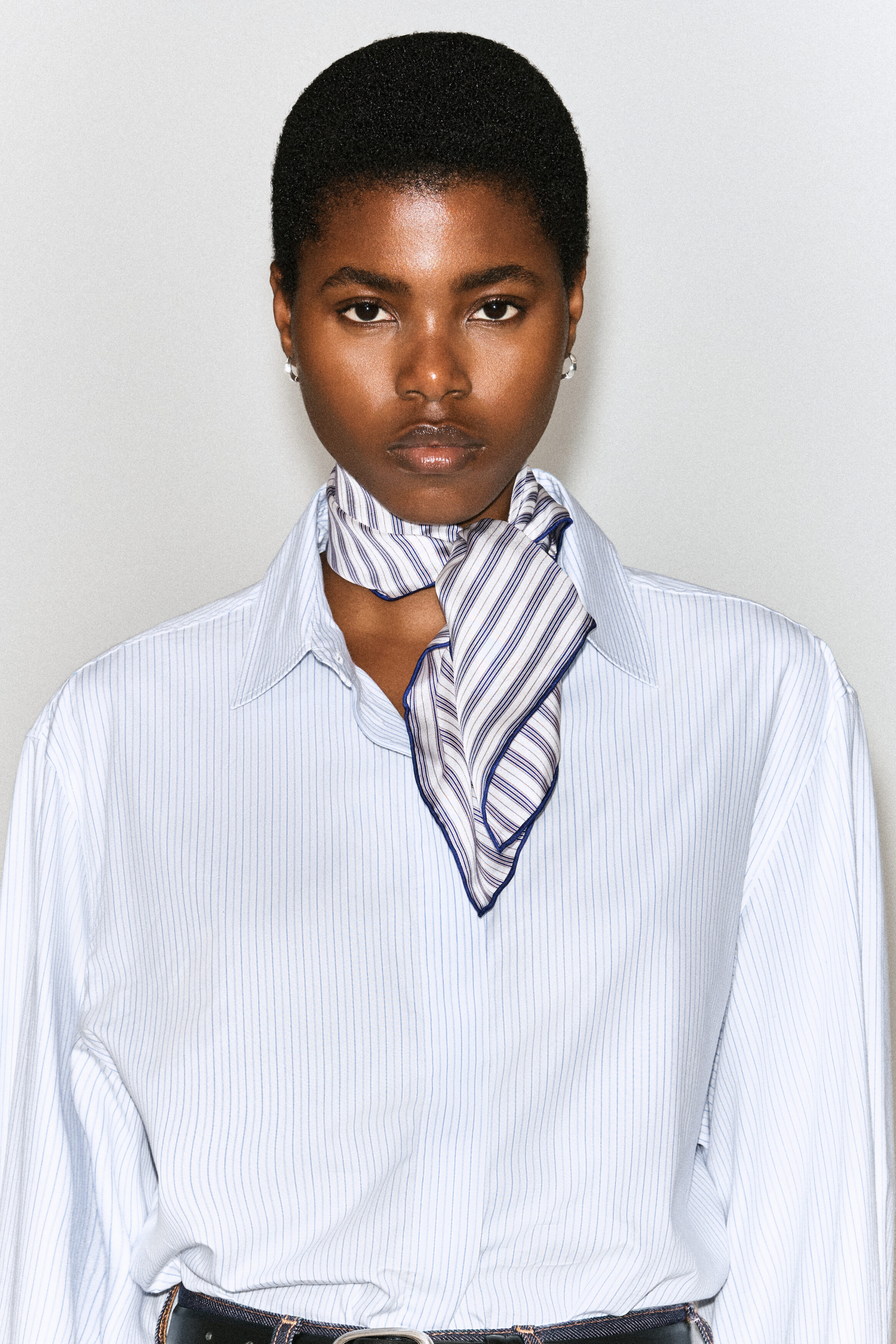
Choose Fibre Before You Choose Colour
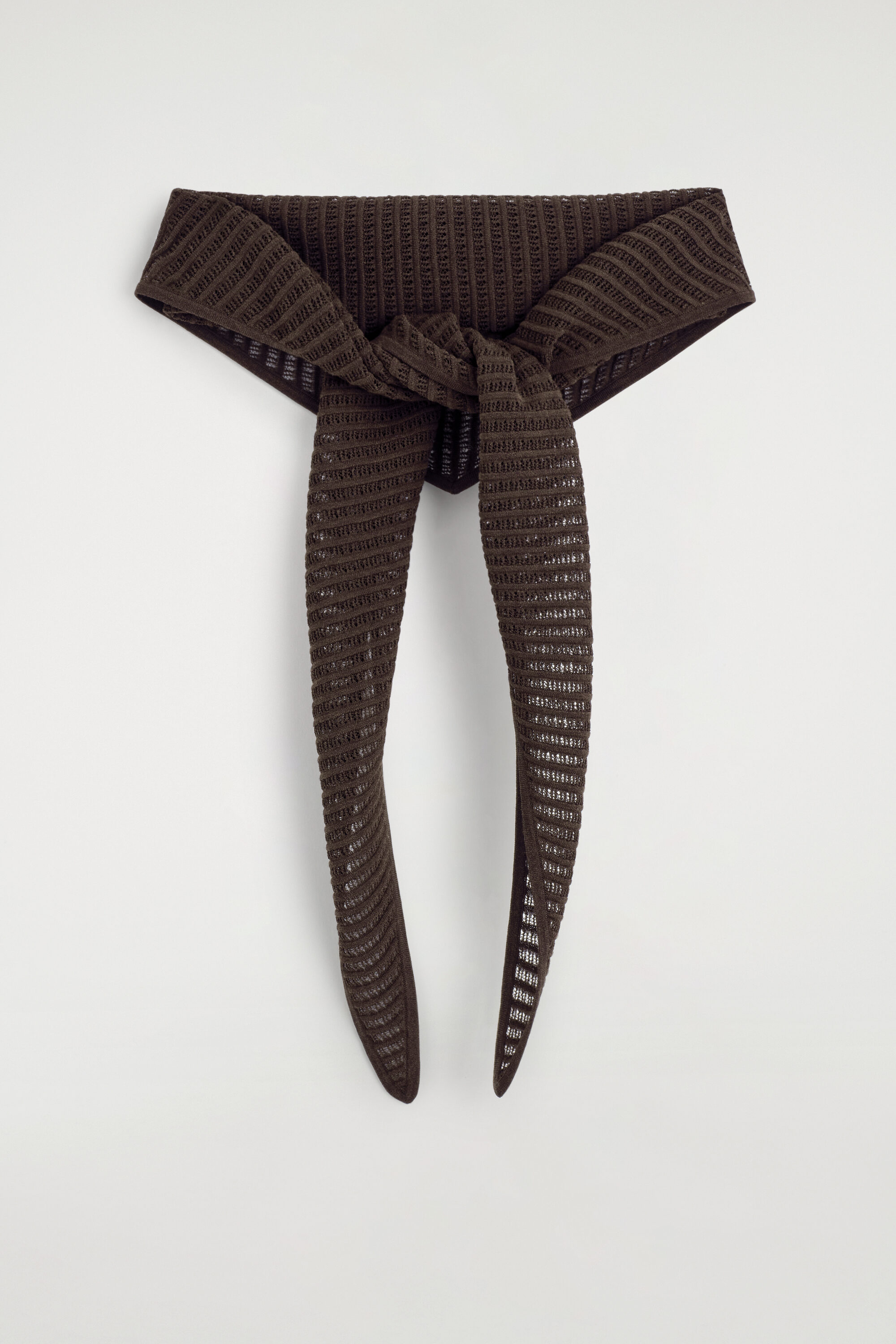
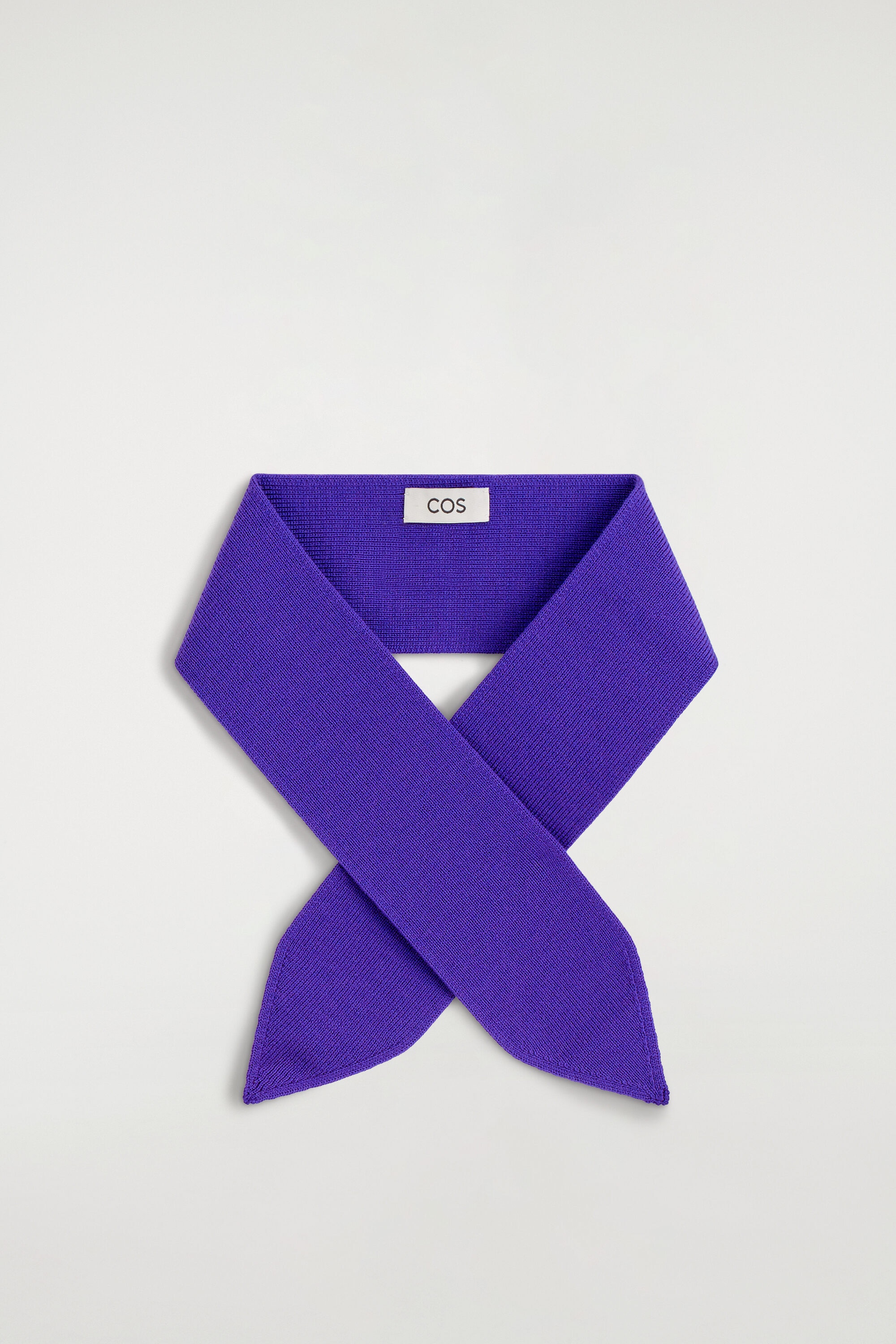
How to choose a wool scarf starts with fibre, thickness, and the way you intend to wear it. Wool brings useful warmth, but different constructions can feel very different against the neck. Merino is finer and thinner than most lambswool, so it can sit closer to the body and layer more easily under a coat. Cashmere is warm for its weight, which makes it appealing when you want insulation without a large amount of bulk. The Merino Wool Neck Scarf is a useful option for a close, practical layer, especially when a high collar already takes up space. Look at the weave as well as the fibre name. An open or textured knit may feel softer and more substantial, while a smoother surface can slide more easily beneath a lapel. Length changes how much wrapping is possible. A shorter scarf can sit neatly at the neck, while a longer one gives you more choice of knots and drape. Colour should come after those decisions, because the shade will not compensate for a shape that bunches or leaves gaps. The scarf prices in this edit run from $45 to $69, so fibre and construction offer a clear way to compare the options.
Scarves in wool and cashmere
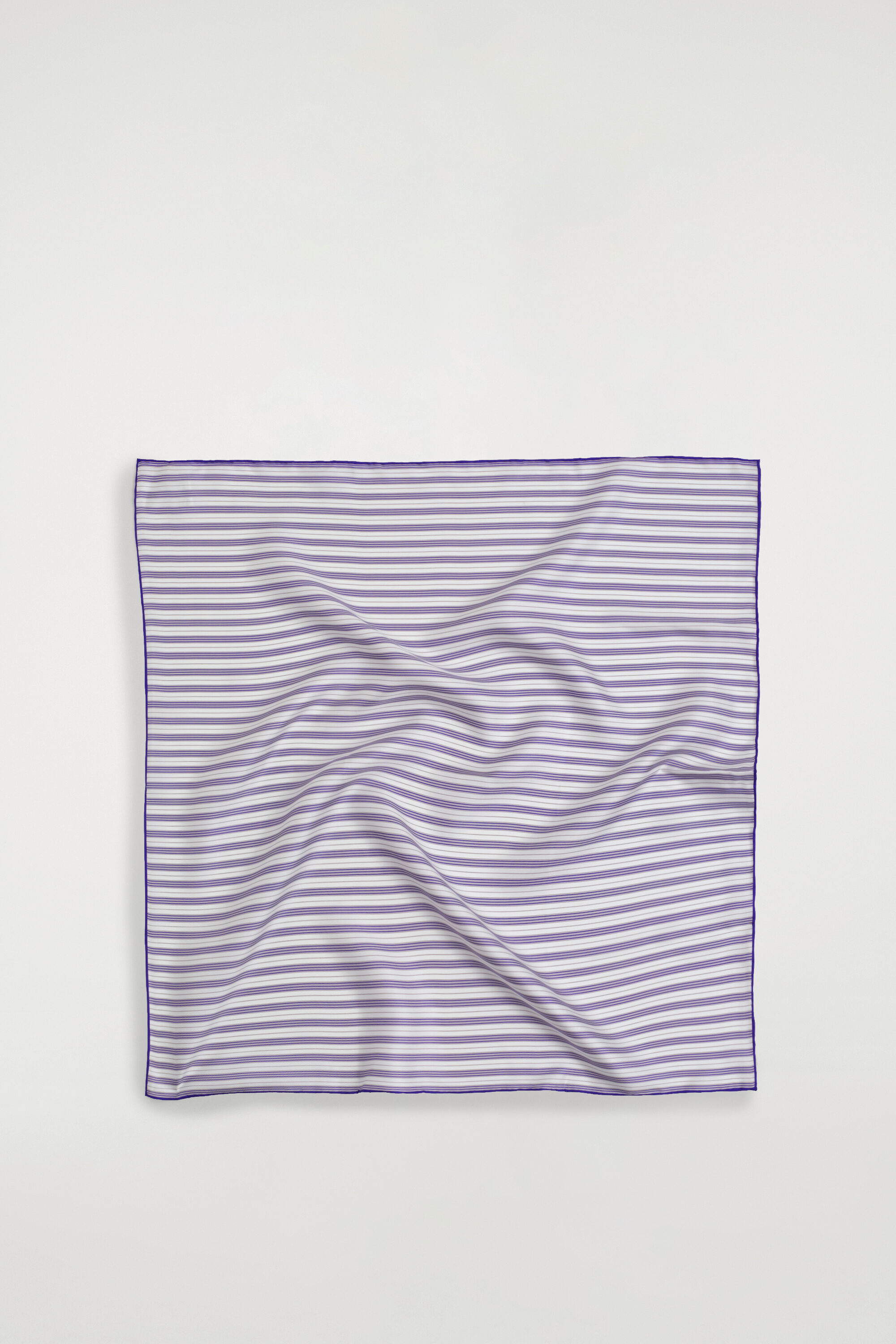
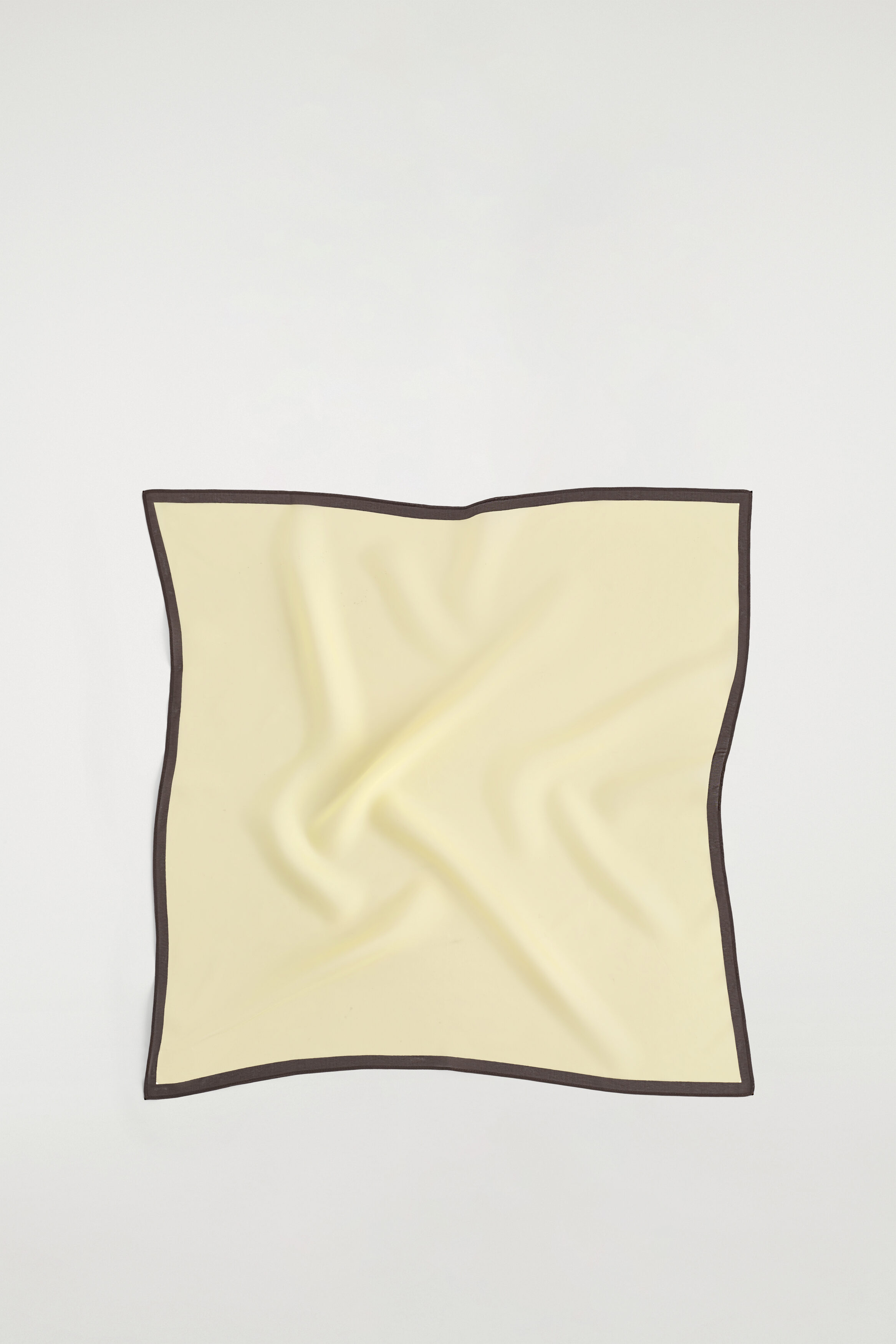
Read The Layering Situation
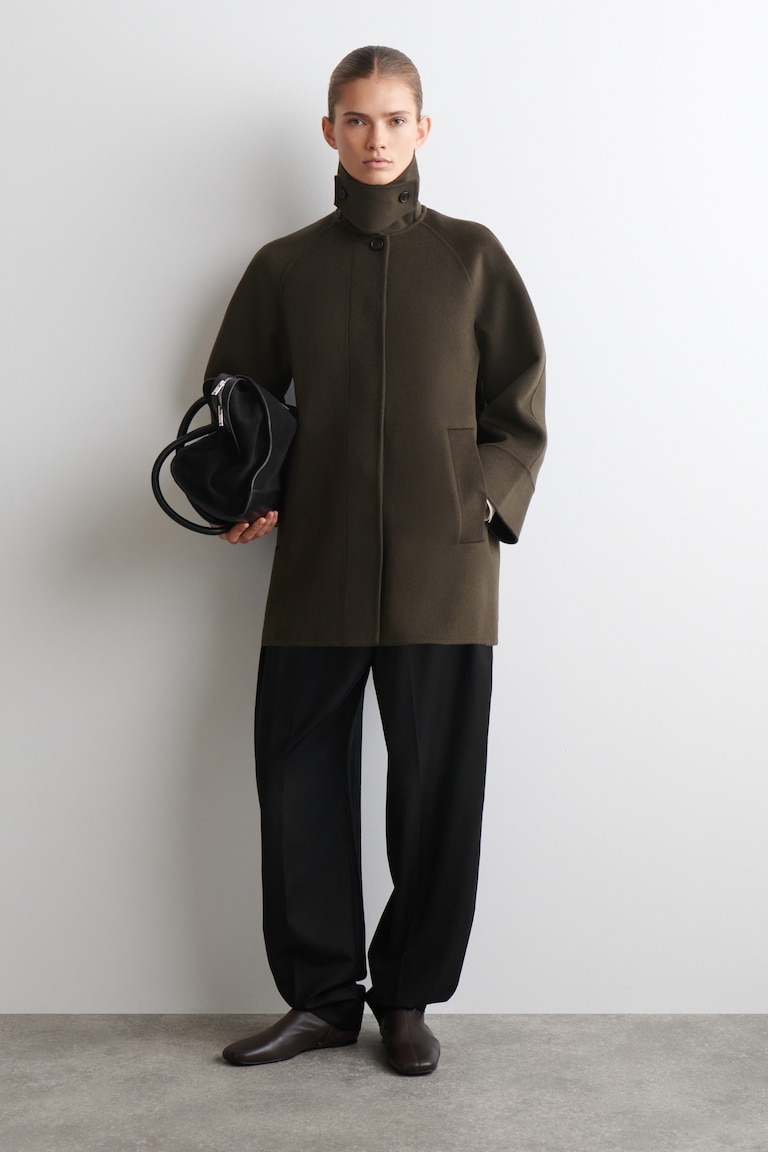
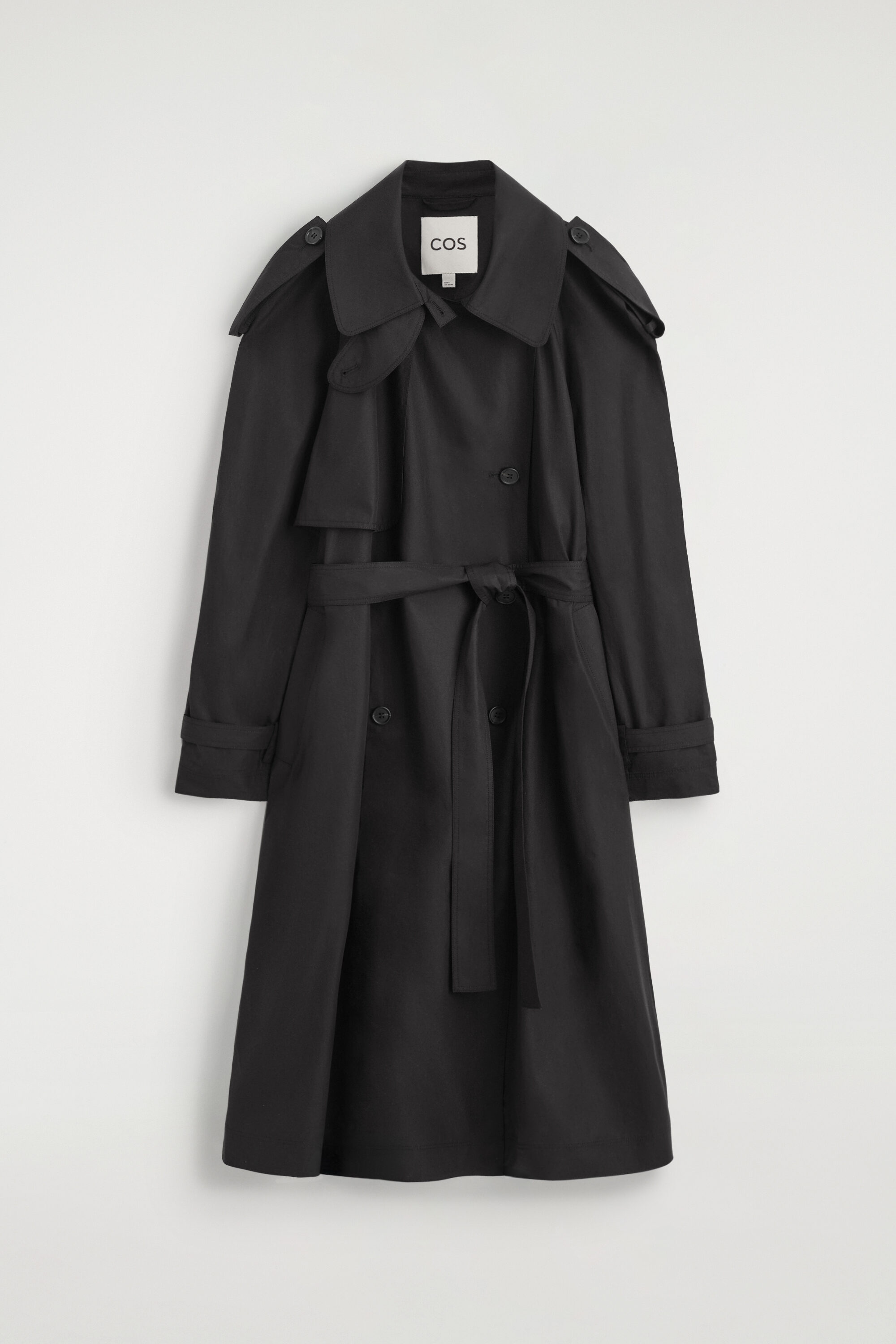
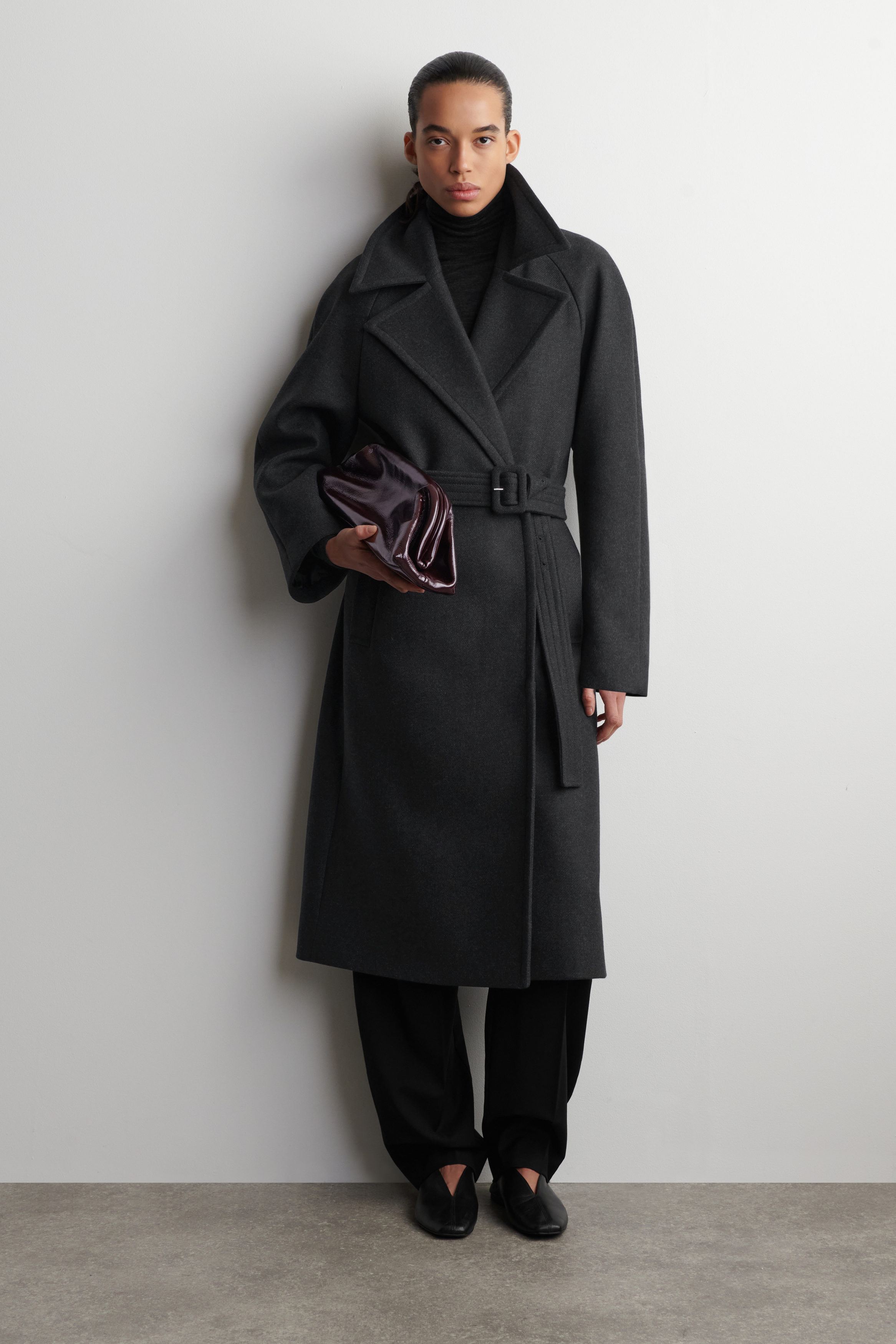
The coat you wear most often should help determine the scarf shape you buy. A coat with a high or mock neck leaves limited room for a wide wrap, while an open lapel can support more volume and a longer drape. The Mock-neck Cotton Trench Coat has a defined neckline, so a slim scarf or a compact knot can keep the front clean rather than creating a crowded stack. Soft tailoring gives you more flexibility because the scarf can settle inside the opening or fall over the outer layer. Check the shoulder line too. A very thick scarf can add width where a structured coat is already strongest, whereas a lighter layer can follow the silhouette without changing it. Friction matters when you wear wool over wool or against textured fabric. A smoother surface may move more easily, while a raised knit can stay in place. Think about how you commute and whether the scarf needs to be removed indoors. Easy wrapping matters if you will be taking it on and off throughout the day. Across the wider edit, prices range from $45 to $999, so the coat and scarf do not need to be bought as one matched set.
Keep Warmth From Turning Bulky
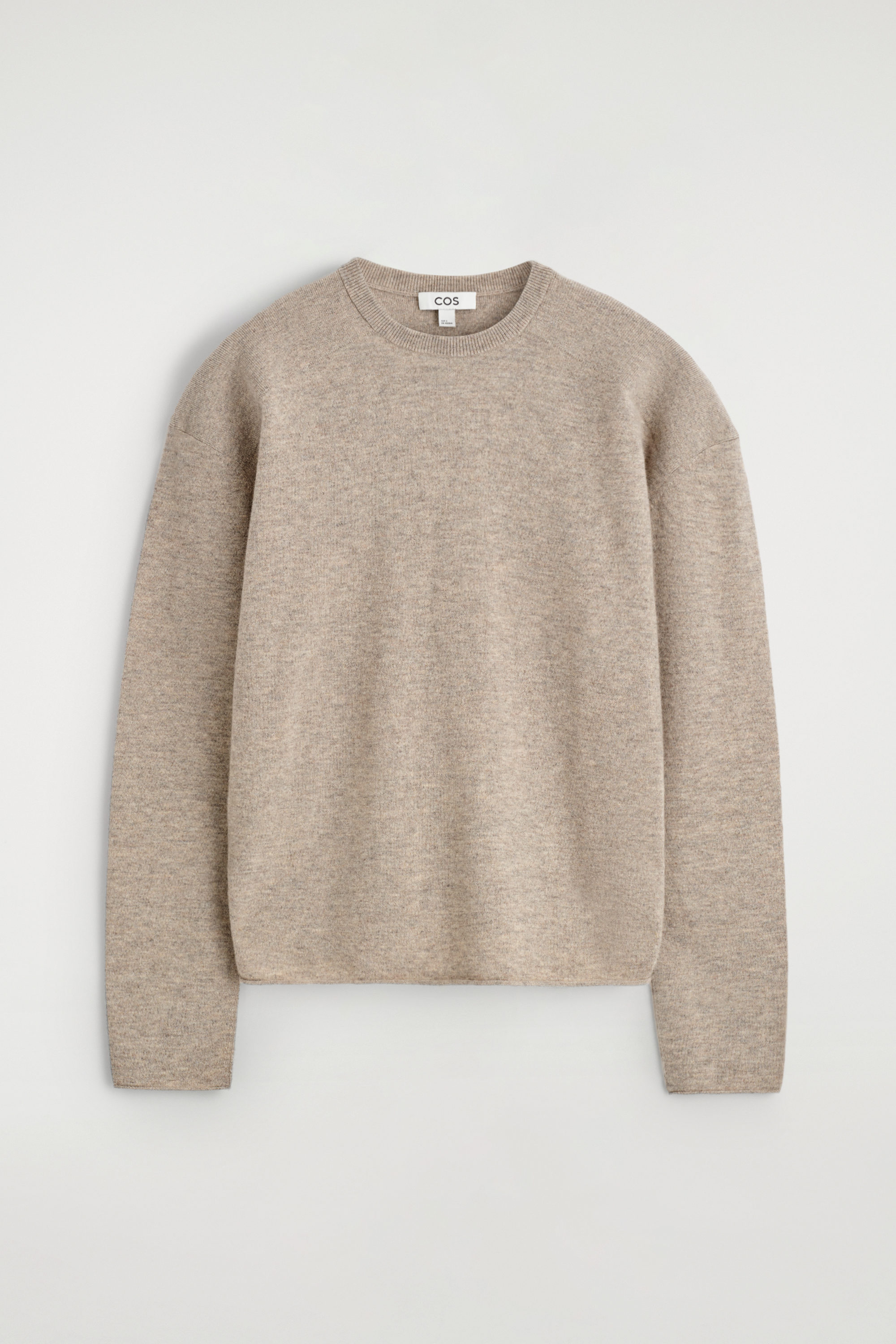
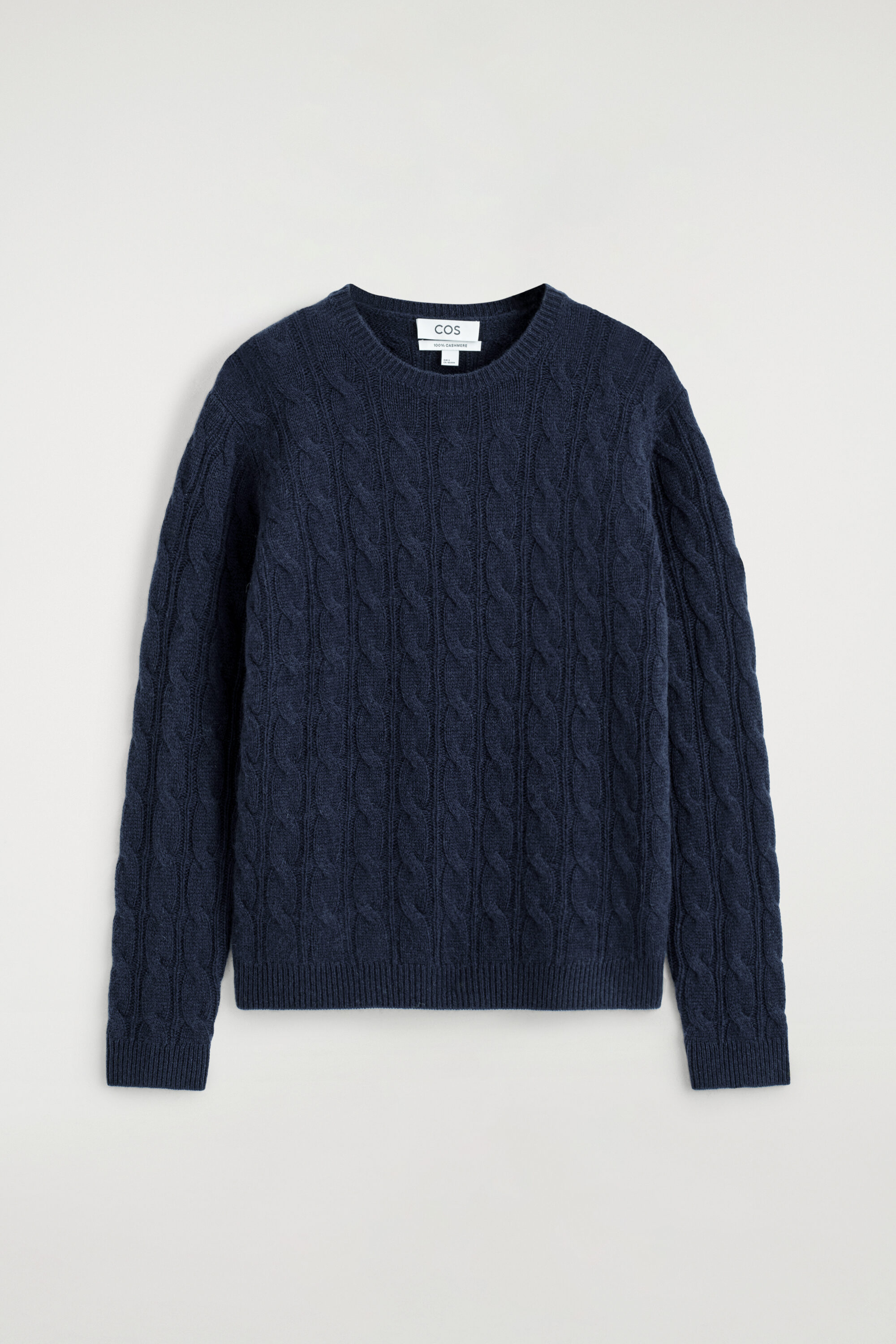
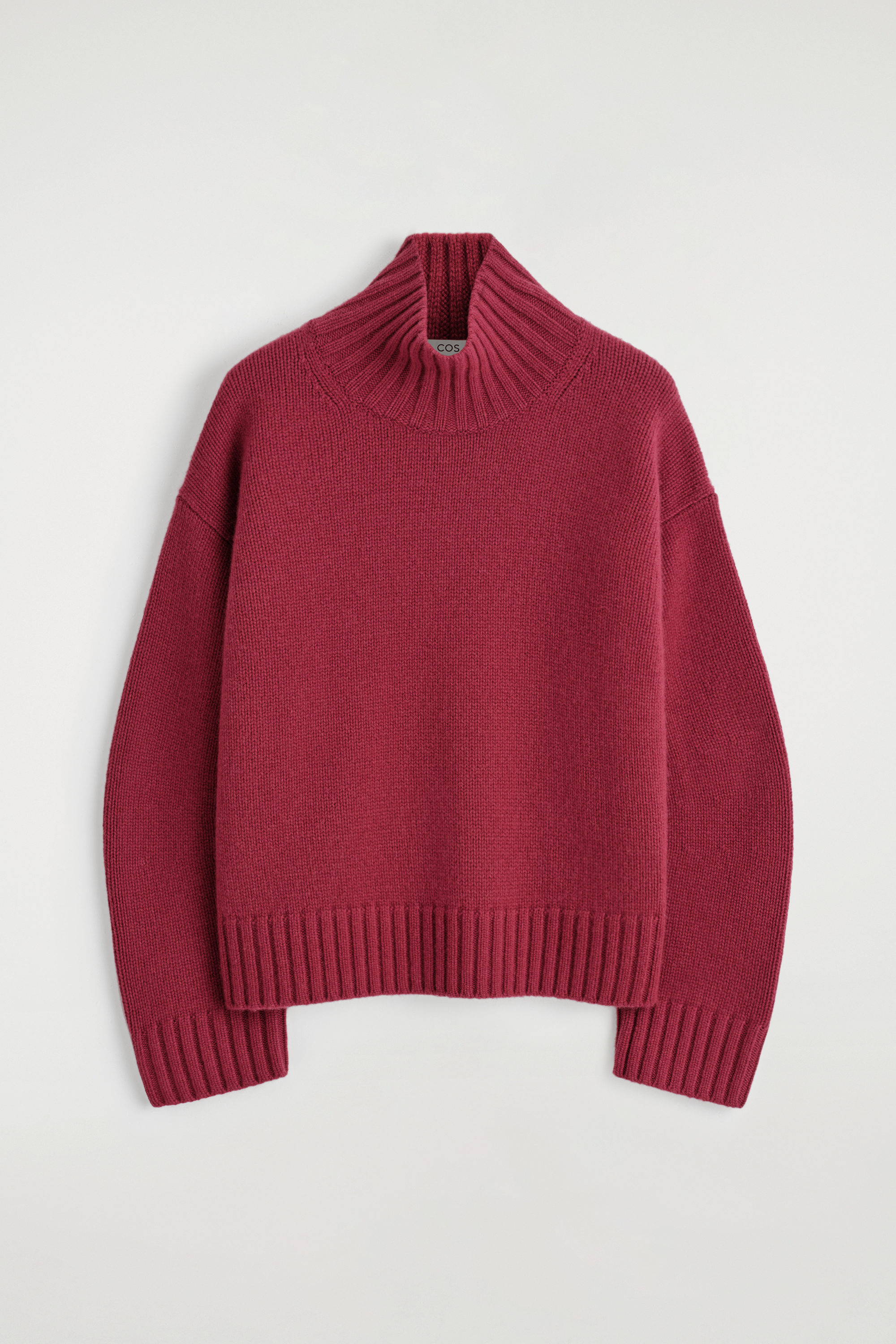
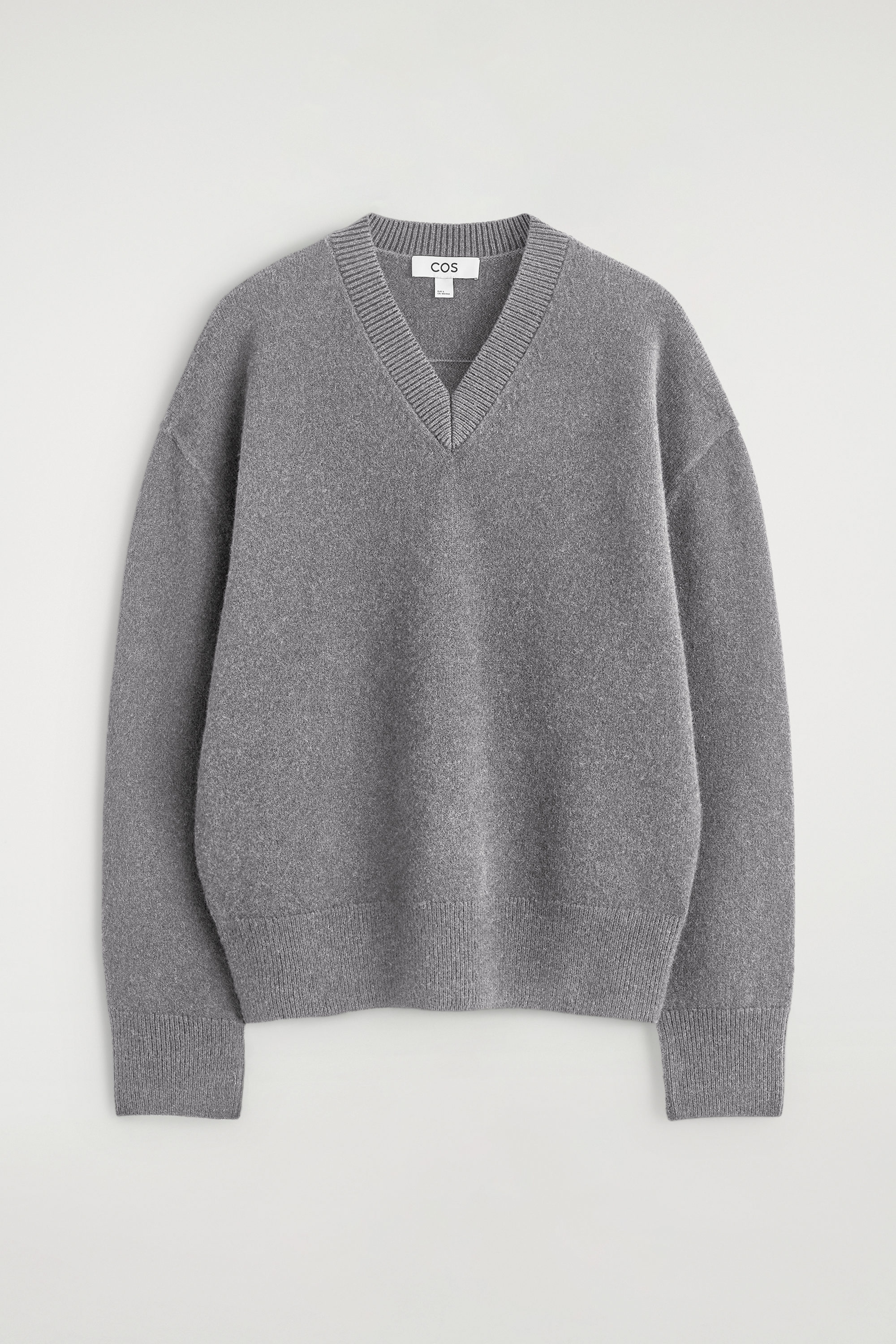
What sits beneath the scarf can change both comfort and appearance. A fine sweater gives the scarf space to sit close to the neck, while a chunky knit already supplies texture and warmth before the outer layer is added. The Cable-knit Cashmere Sweater is a substantial base, so a narrower scarf or a single relaxed loop may feel more balanced than several tight turns. Cashmere is warm for its weight, but warmth also comes from how well the layers trap air and how little cold air reaches the neck. Leave enough room to move your chin and shoulders, and avoid tying a knot so tightly that the fabric loses its drape. A crew neck offers a simple foundation, while a V-neck creates an open area where a scarf can add coverage. Sleeve volume matters less than the space around the collar, but a coat with generous shoulders may need a longer scarf to distribute the fabric evenly. If you are sensitive to texture, compare the feel at the neck rather than judging only from a product title. COS knitwear in this edit ranges from $139 to $399, which gives you several levels of thickness and warmth to place beneath the scarf.
Our honest take
A good wool scarf should solve a real dressing problem. Choose merino when you want a finer layer, cashmere when warmth for its weight matters, and a more textured knit when you want the accessory to shape the outfit. Then check the coat opening, the sweater underneath, and the amount of wrapping you will actually use. We would rather see one scarf worn often than a dramatic style that stays in the wardrobe because it is awkward to tie. The full COS range here spans $45 to $999. If you take one thing away, choose the scarf by fibre and layering space before choosing it by colour.