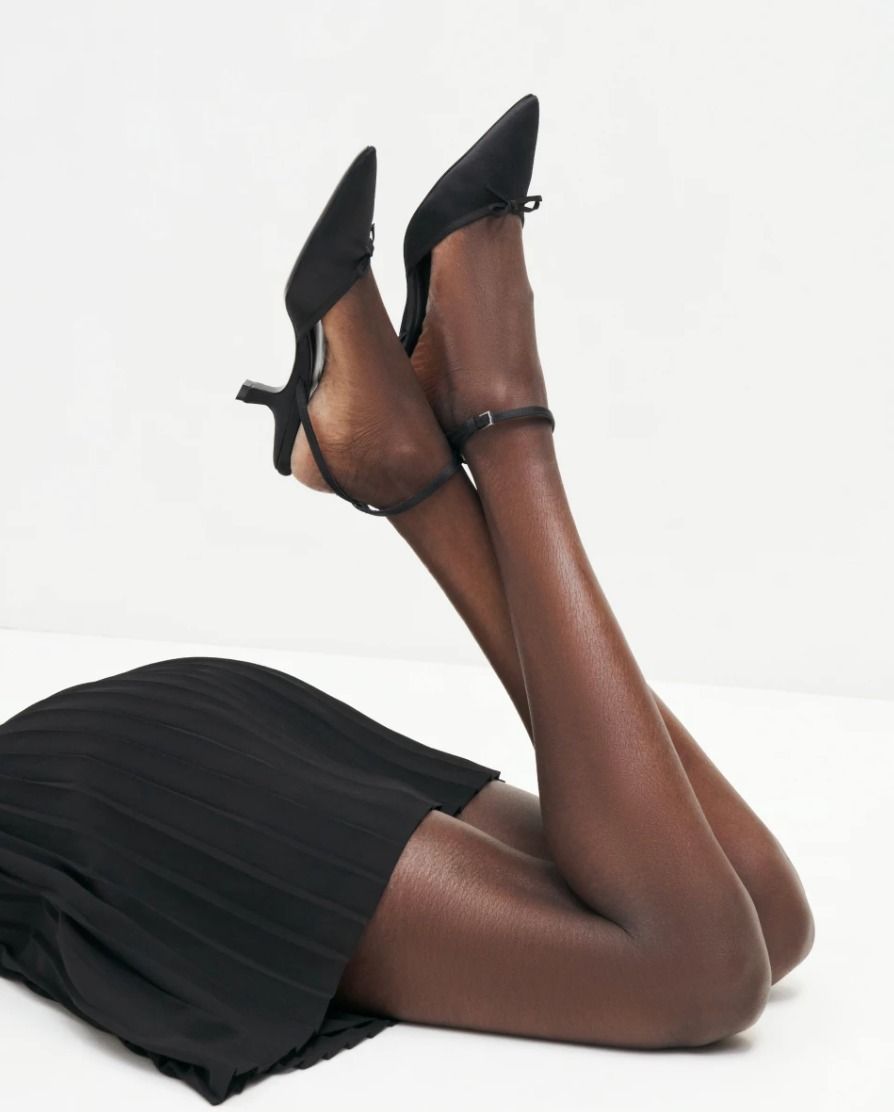
Where should a midi dress hem hit? Usually, it falls somewhere between the knee and ankle, most often around the mid-calf, but the most flattering point depends on your height, proportions and shoes.
Where A Midi Hem Should Land
Find The Right Point
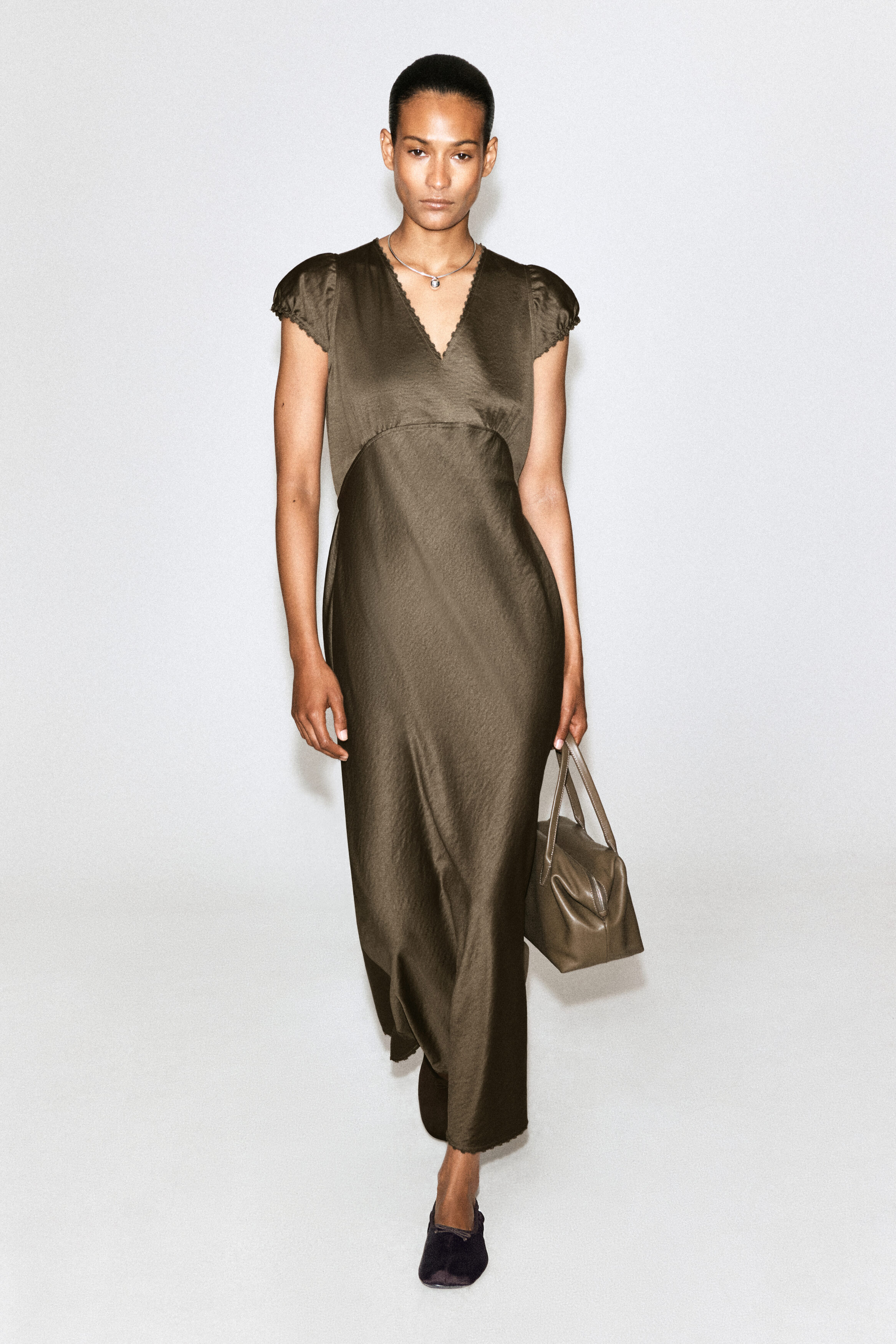
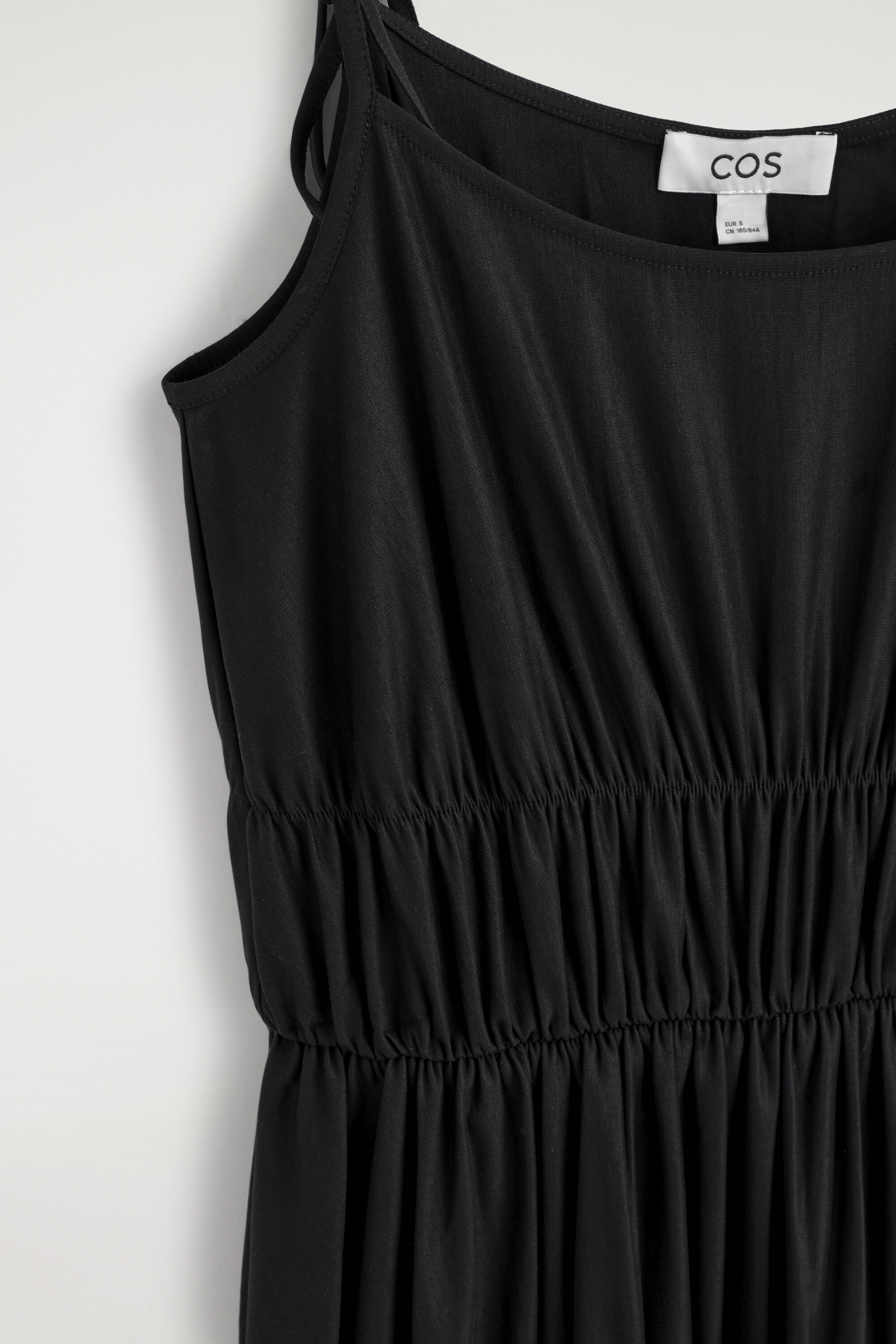
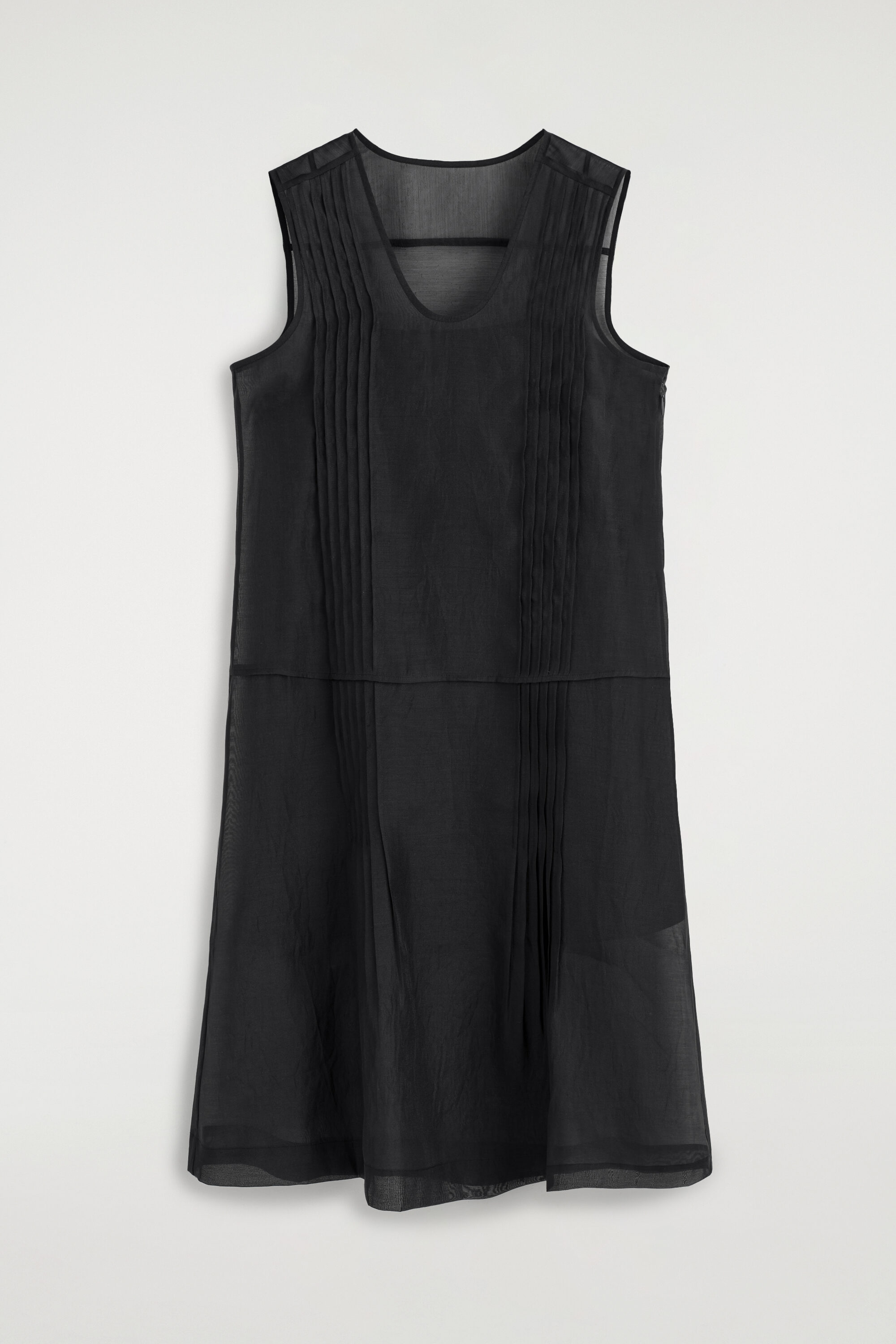
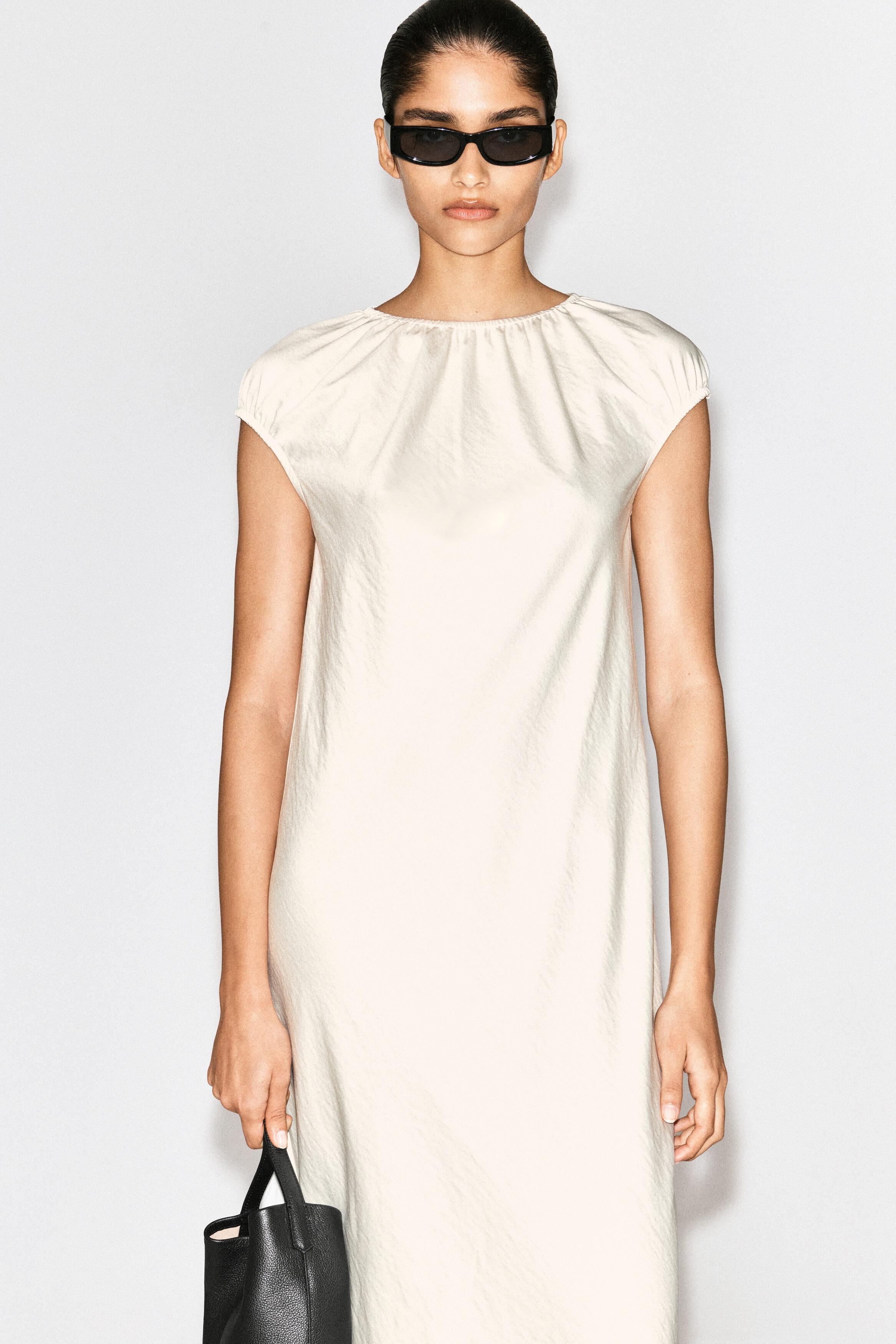
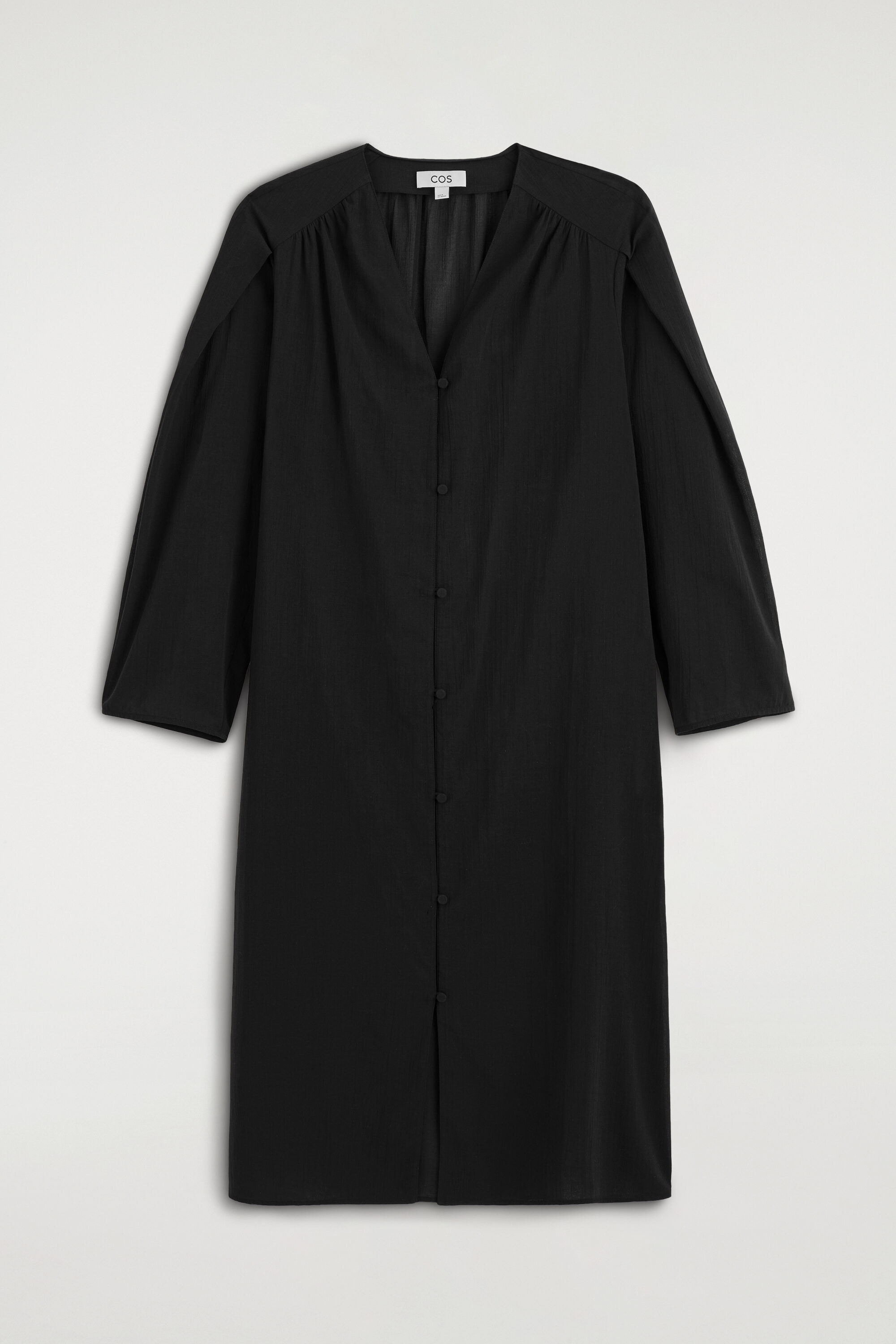
Where should a midi dress hem hit? Usually, it falls somewhere between the knee and ankle, most often around the mid-calf, but the most flattering point depends on your height, proportions and shoes. The hem should feel deliberate rather than stopping at the widest part of the calf by accident. Try the dress with the footwear you expect to wear most. A lower hem can look graceful with a shoe that leaves the ankle visible, while a slightly shorter version may feel easier with a flat or a boot. COS midi dresses in this edit cost $129 to $189, giving you several fabric and shape options without changing the basic length category. Pay attention to where the waist sits. A defined waist can make a longer skirt feel balanced, while a straighter cut creates a continuous line from shoulder to hem. Movement matters too. Satin, jersey and lightweight cotton fall differently, so the same measurement can look fluid in one fabric and more structured in another. Before deciding, walk, sit and turn. The right length should keep its shape in motion and leave enough room to move without pulling across the hips or riding up at the back.
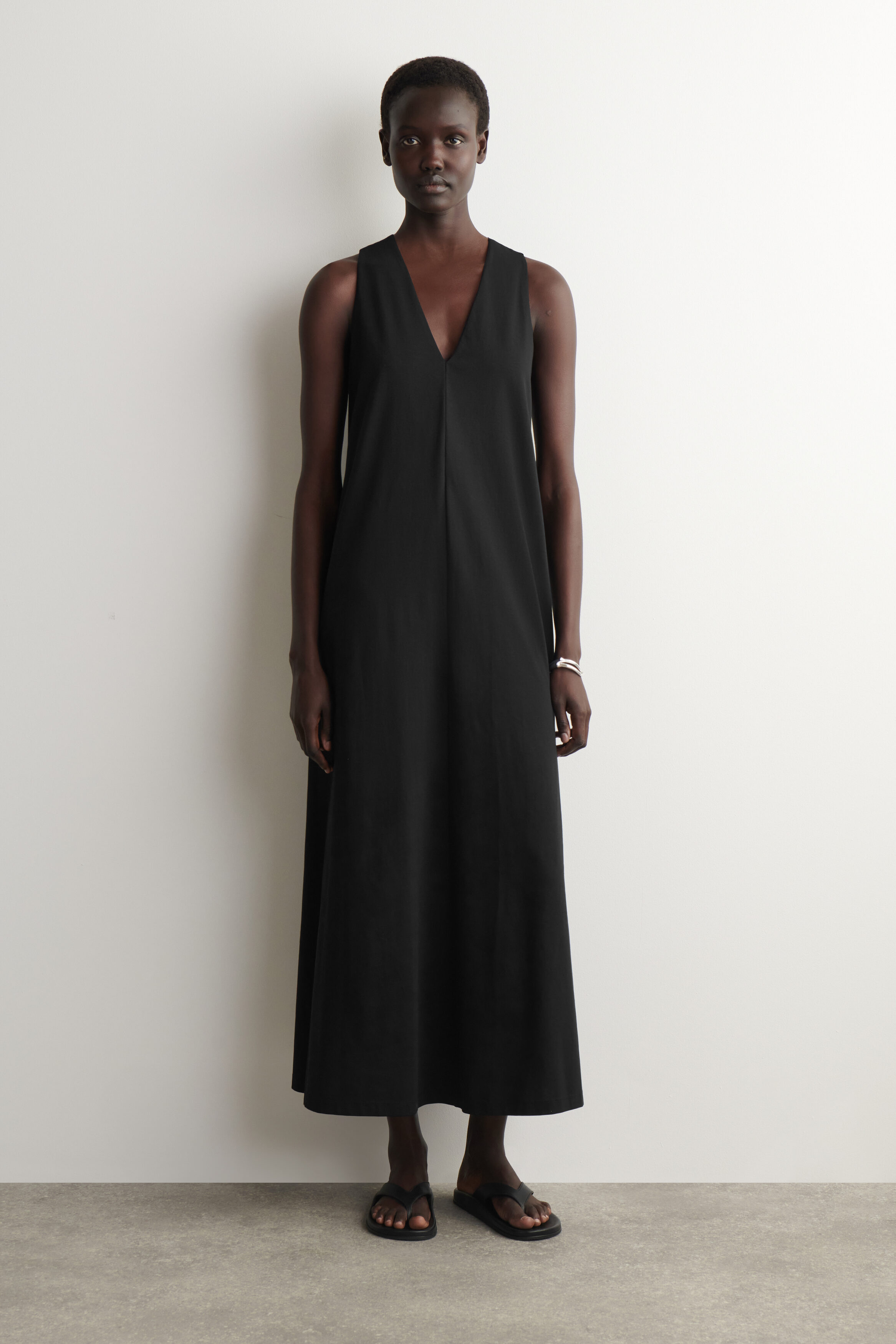
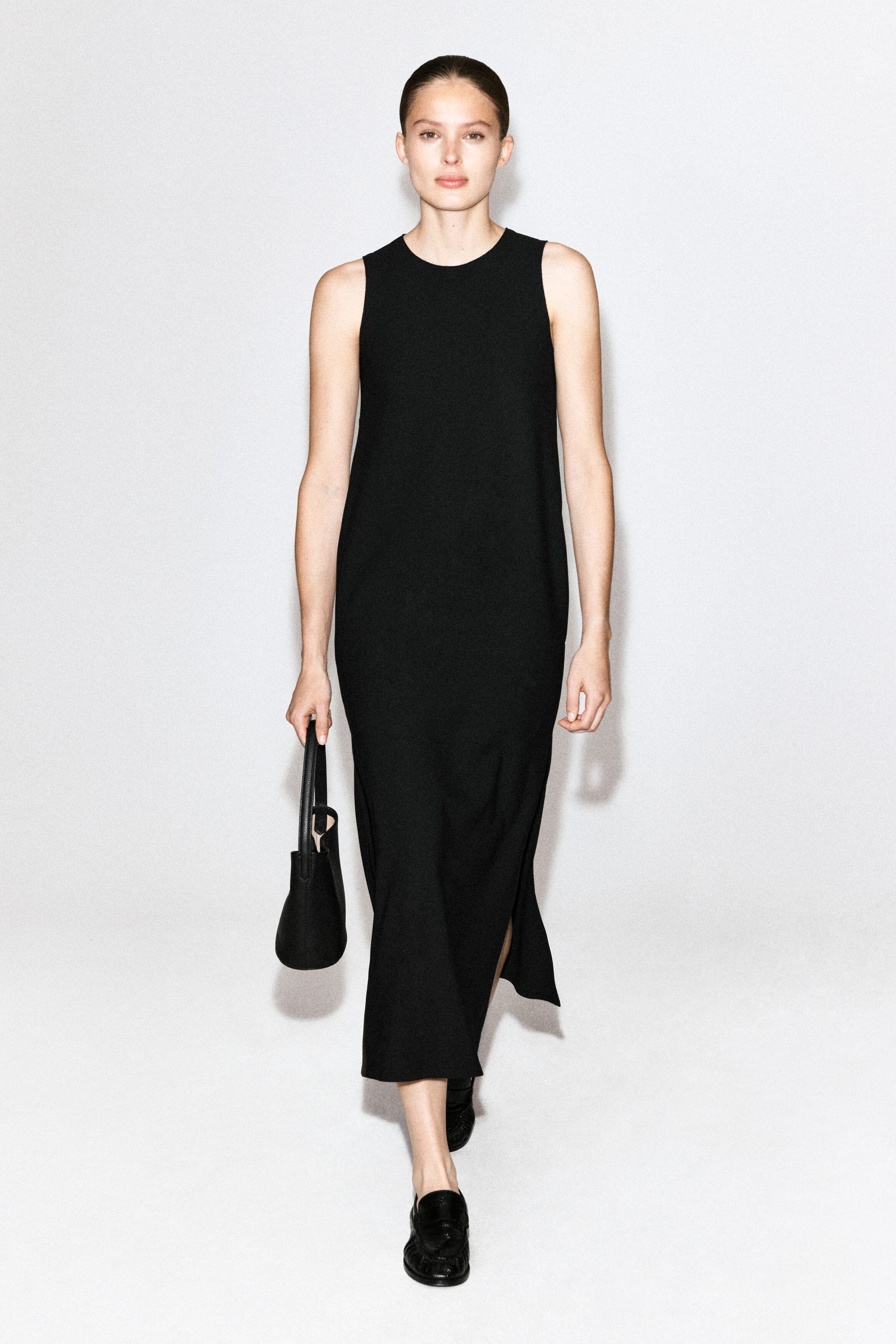
Use Shoes To Check Proportion
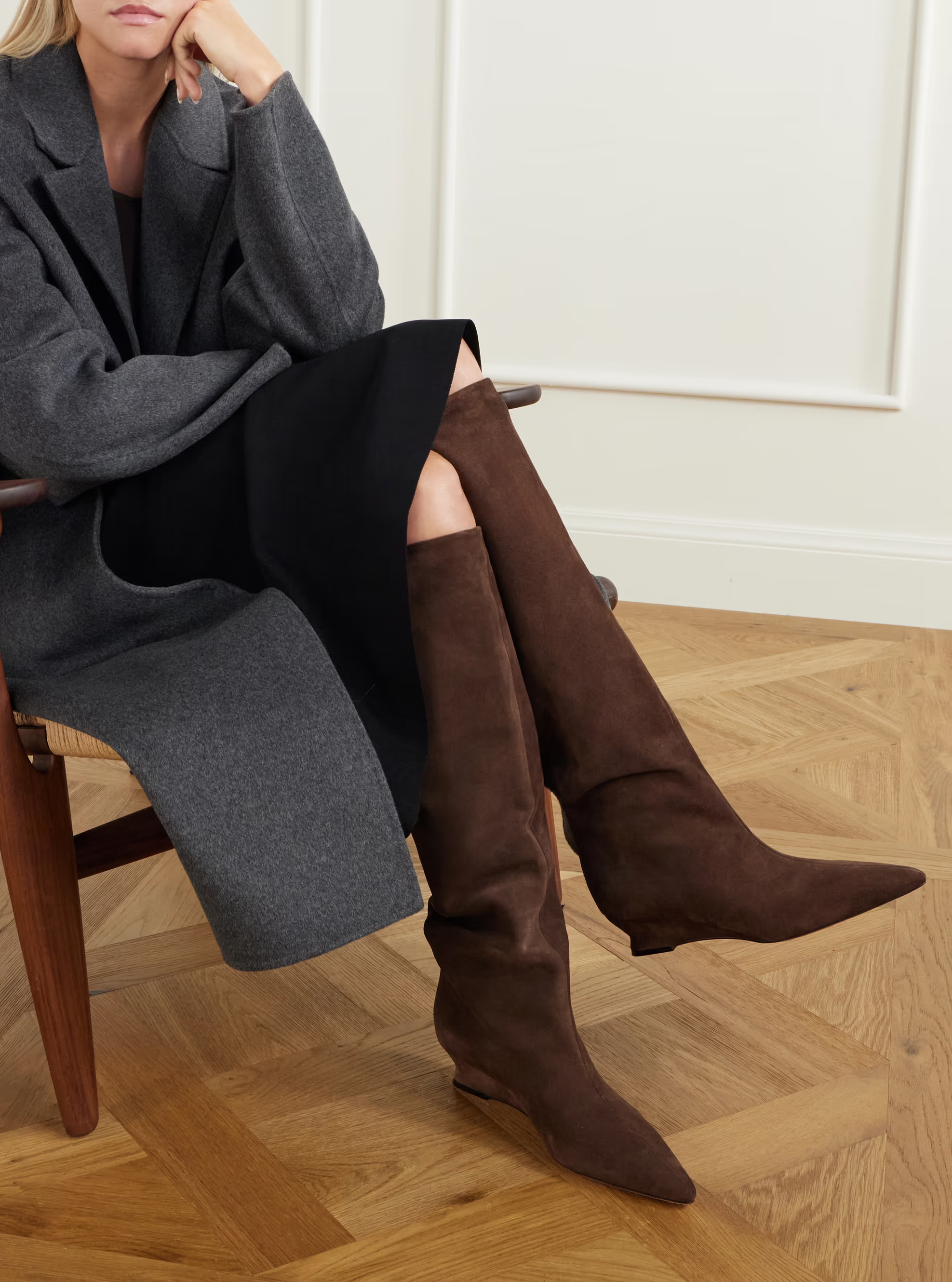
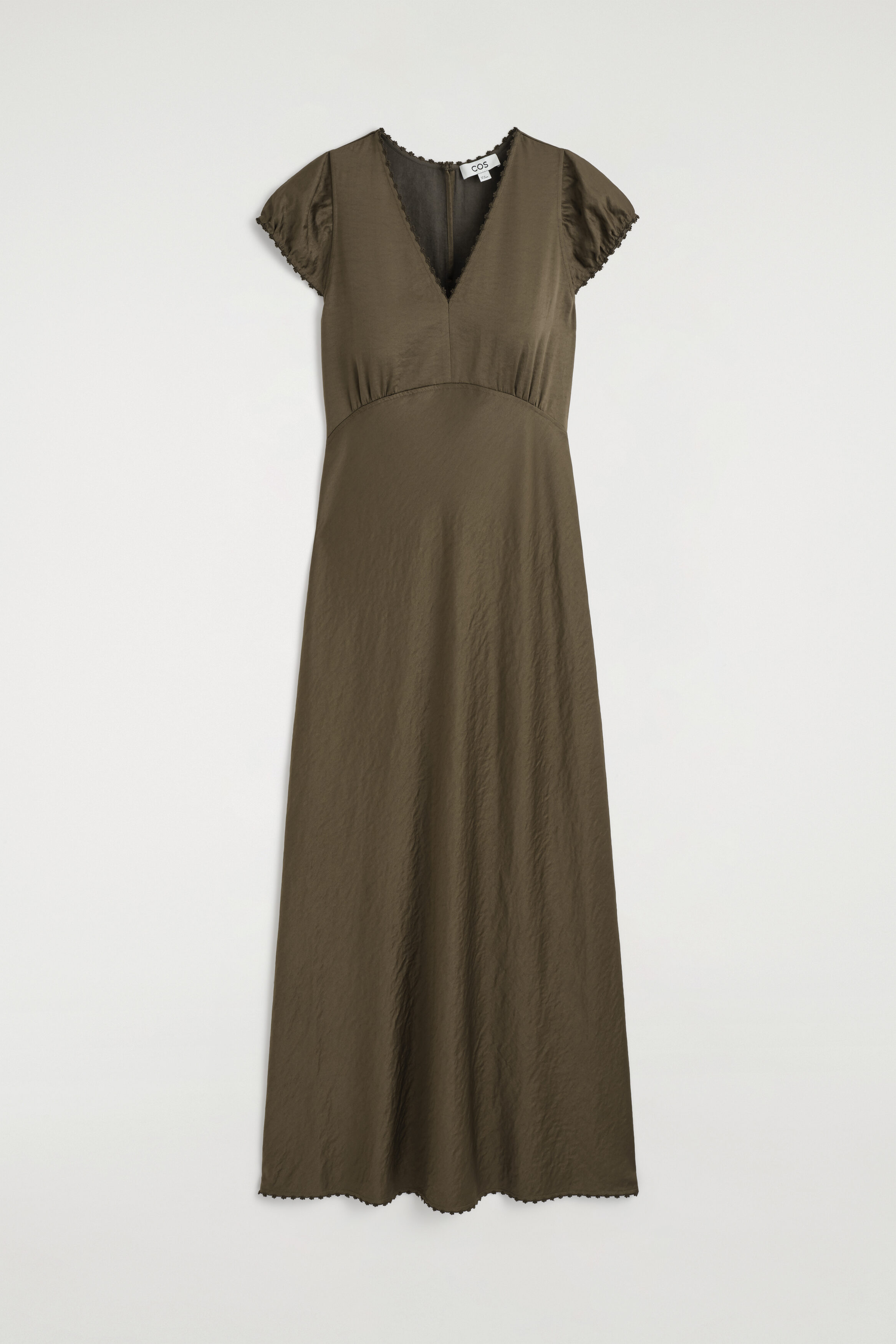
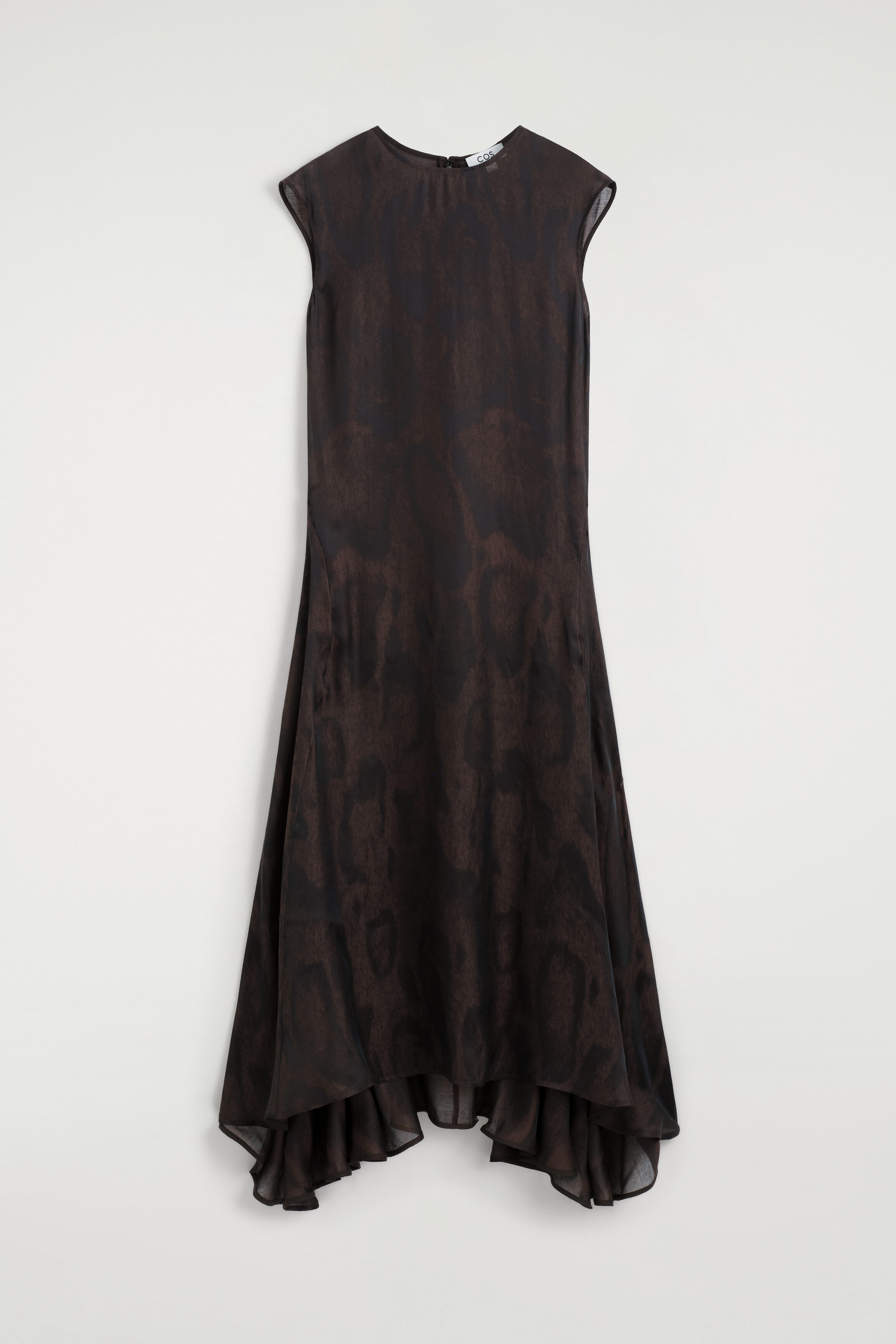
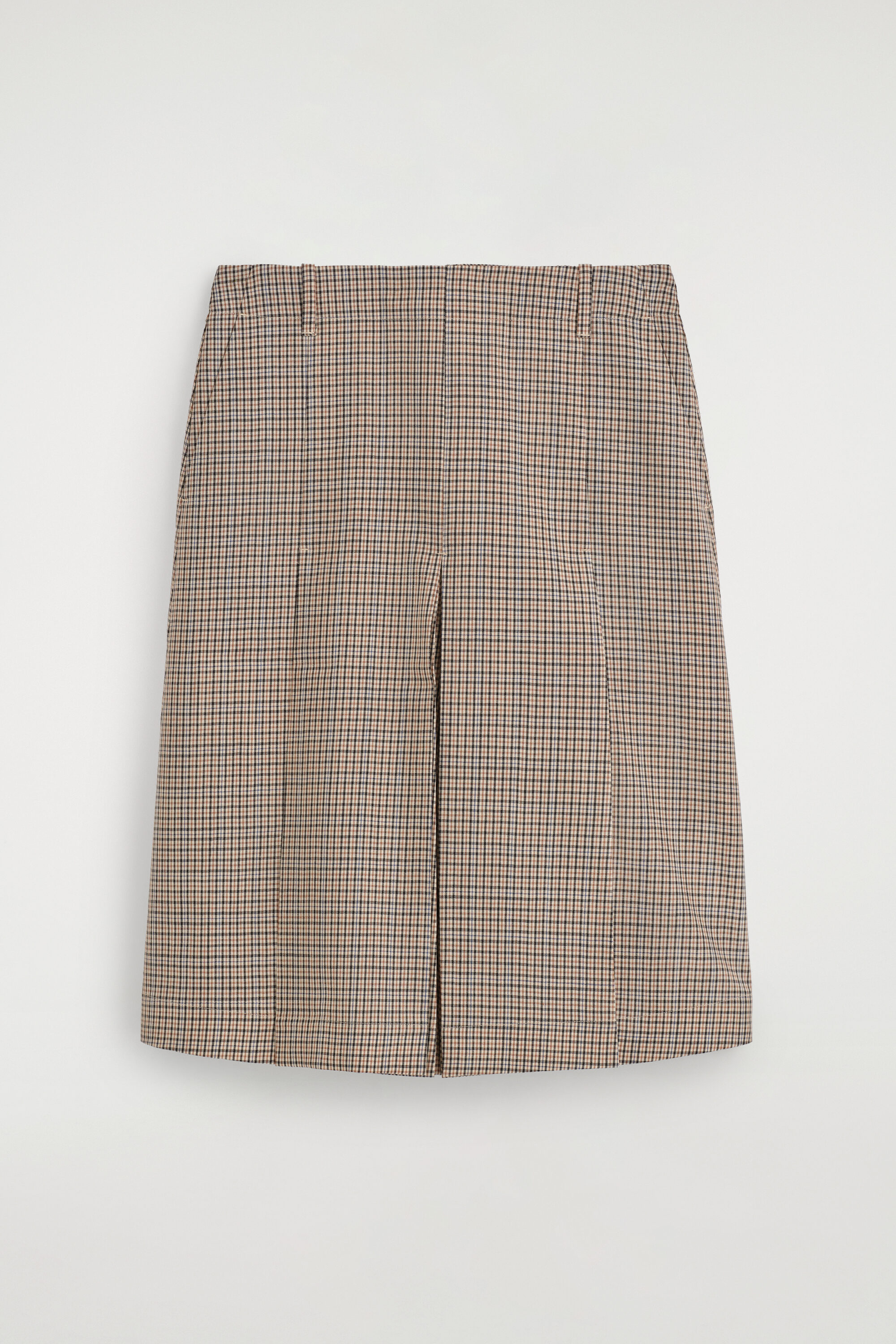
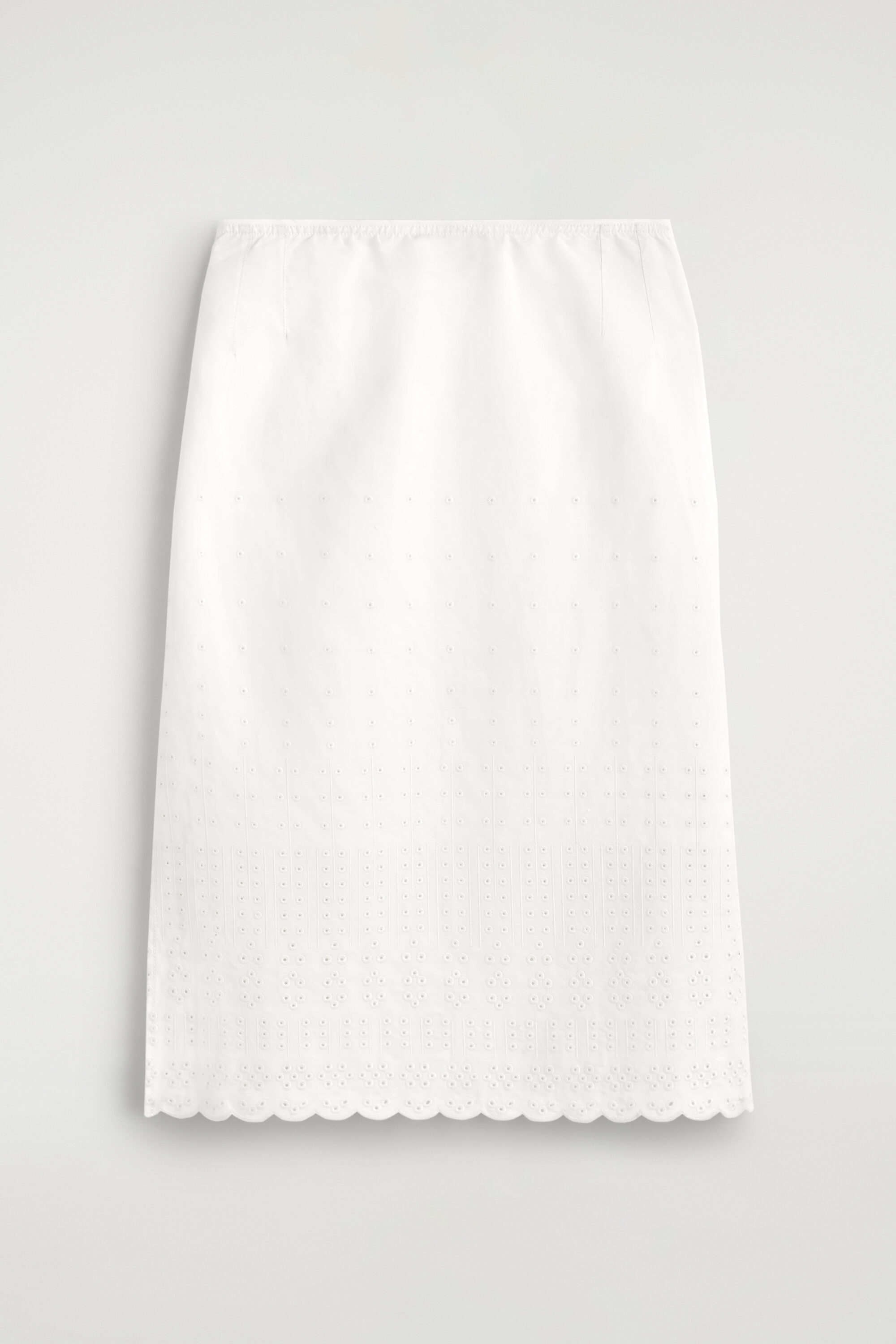
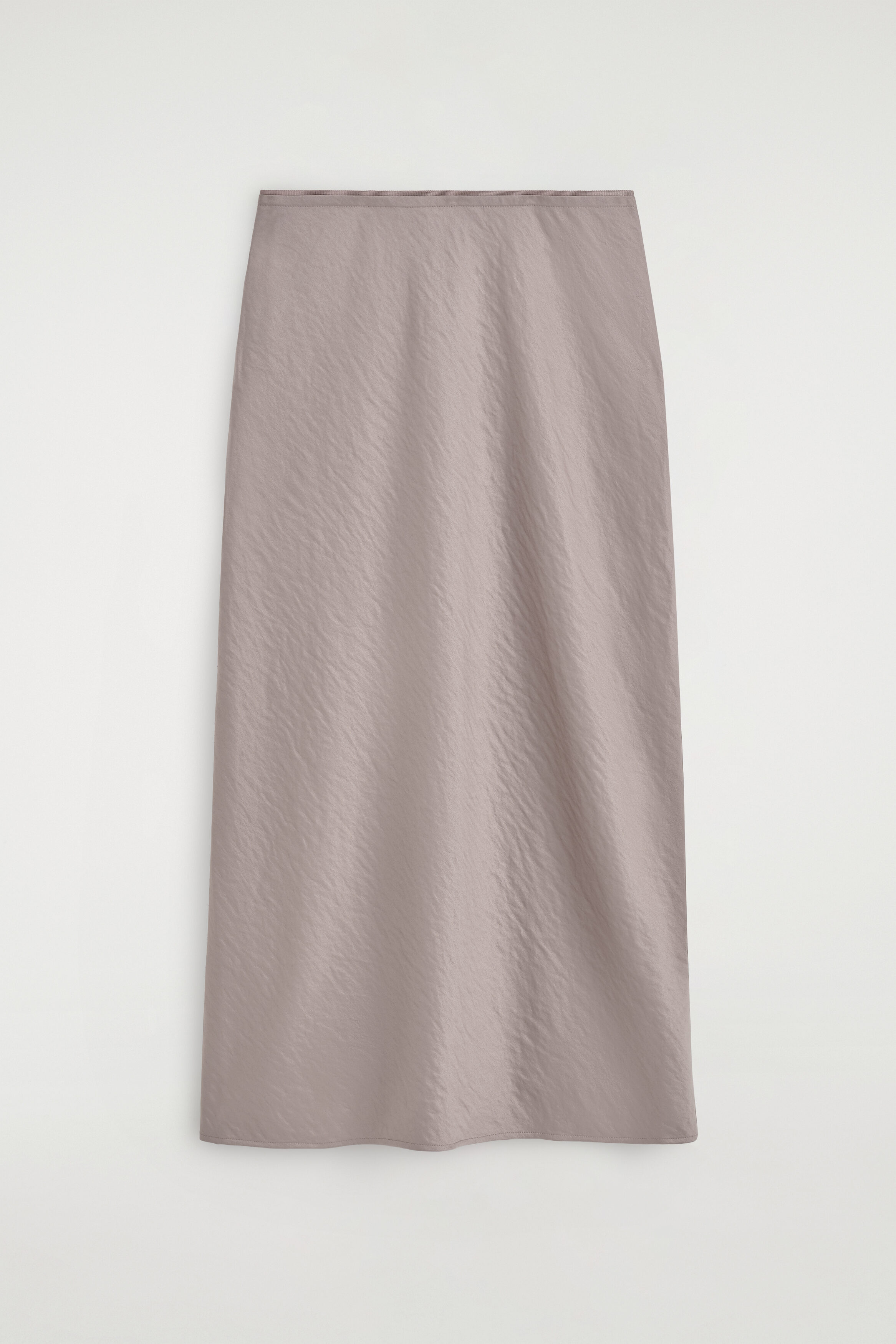
Footwear is the quickest way to judge whether a midi proportion feels right. A low shoe keeps the look grounded and makes the visible ankle important, so a hem that sits just above the narrowest part can help the leg line stay clear. A boot fills that space and can support a longer-looking skirt, particularly when the boot and hem are close in colour. Heels change the balance by adding height, but they are not required for a midi length to work. Look at the skirt's volume as well as its hem. A narrow pencil shape has a different relationship with the body than a gathered or pleated cut, even when both reach the same place. COS skirts range from $110 to $449 in this selection. A checked wool style or leather wrap skirt has more visual weight, so it may feel balanced at a slightly different point from a light, sheer knit. Try sitting down before you assess the final effect. If the front rises sharply or the back pulls, the issue may be fit rather than length. A small alteration at the hem can help, but only after the waist and hips fit properly.
Midi skirts on the same line
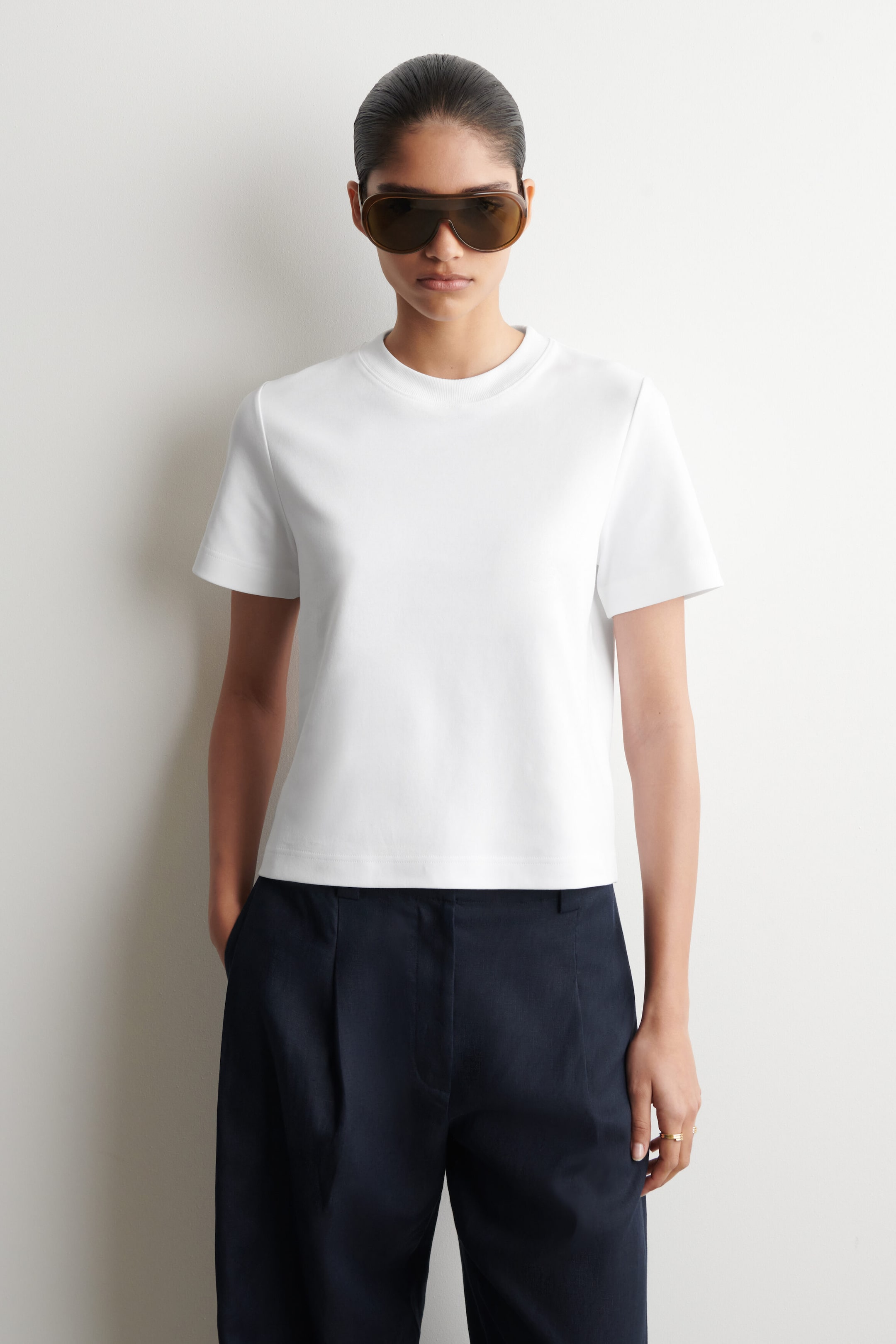
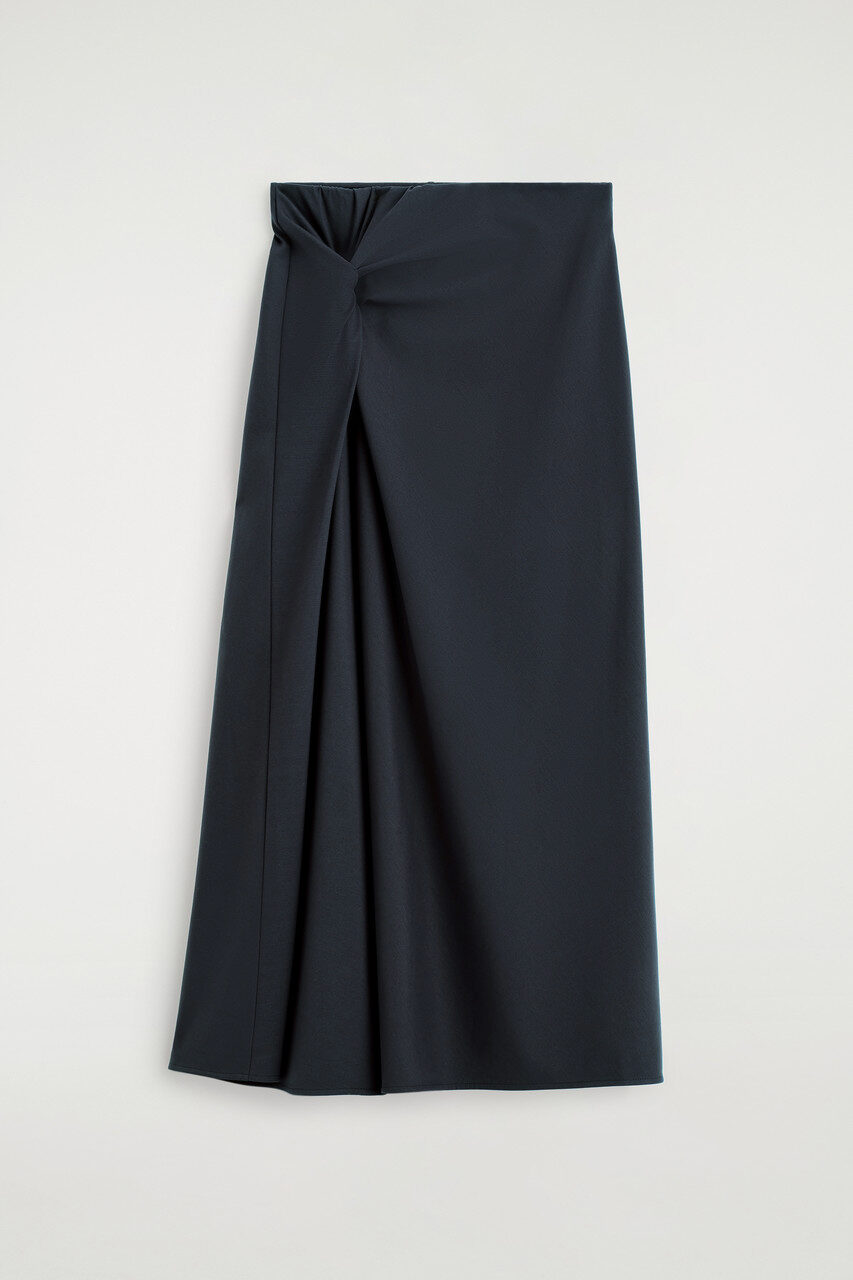
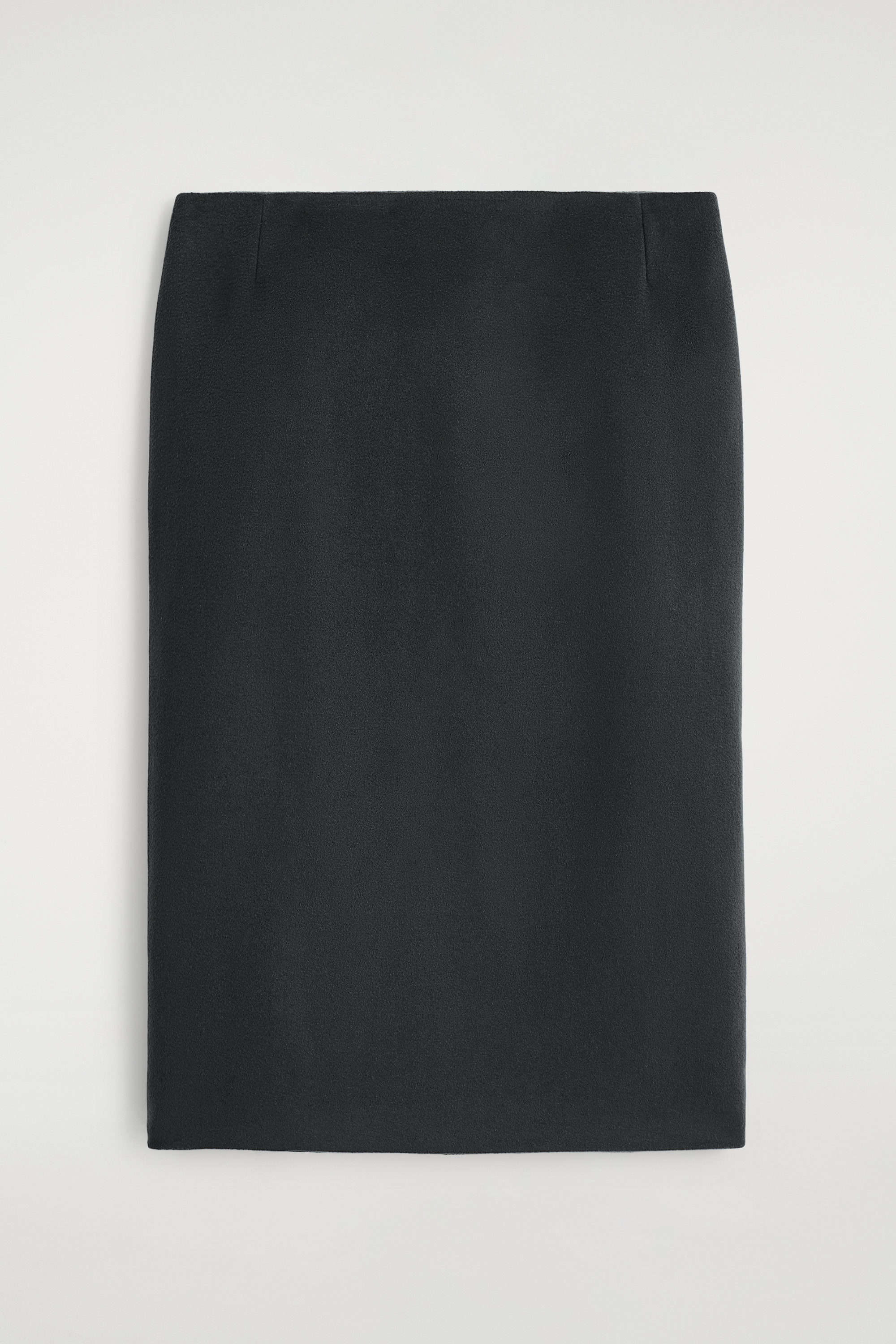
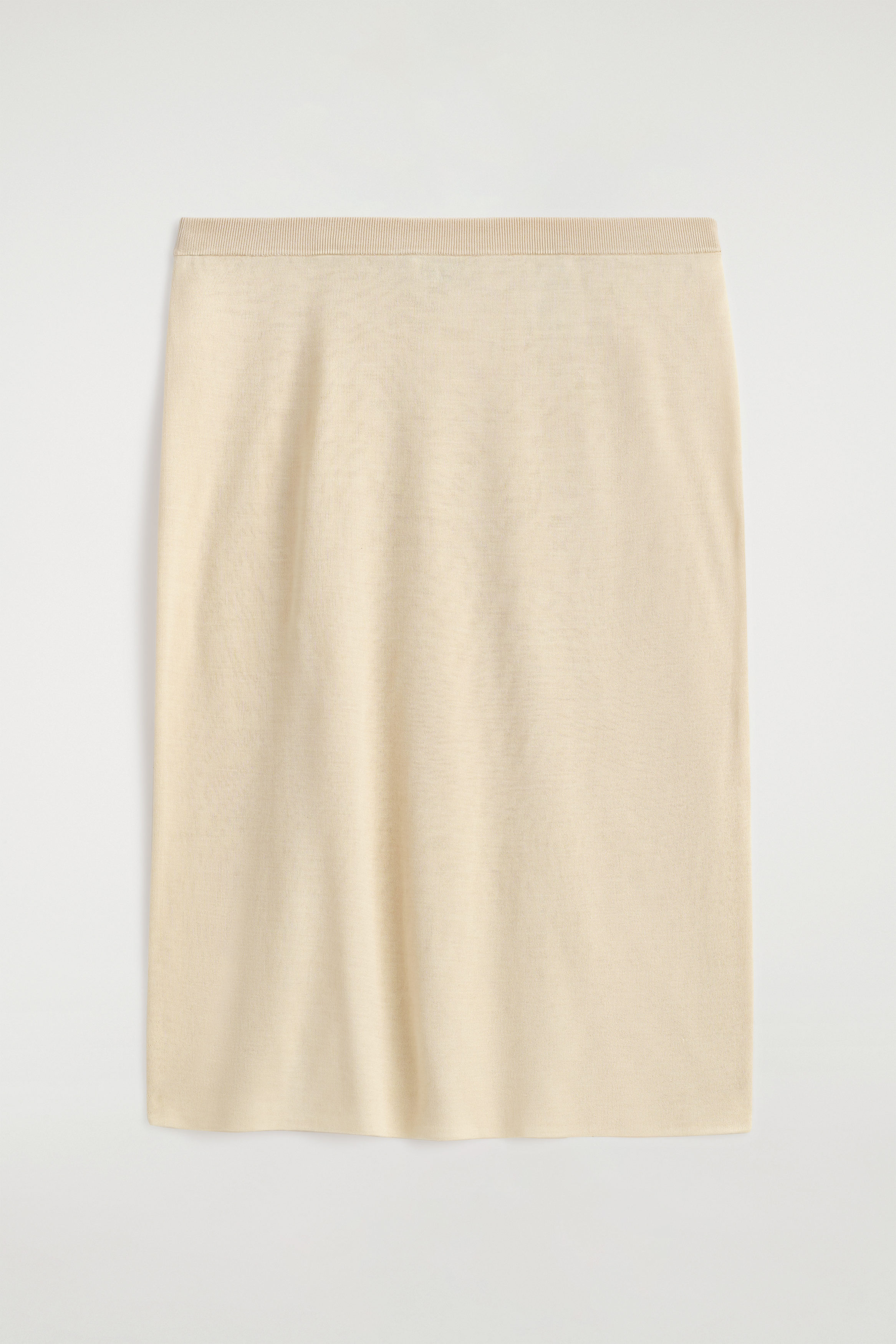
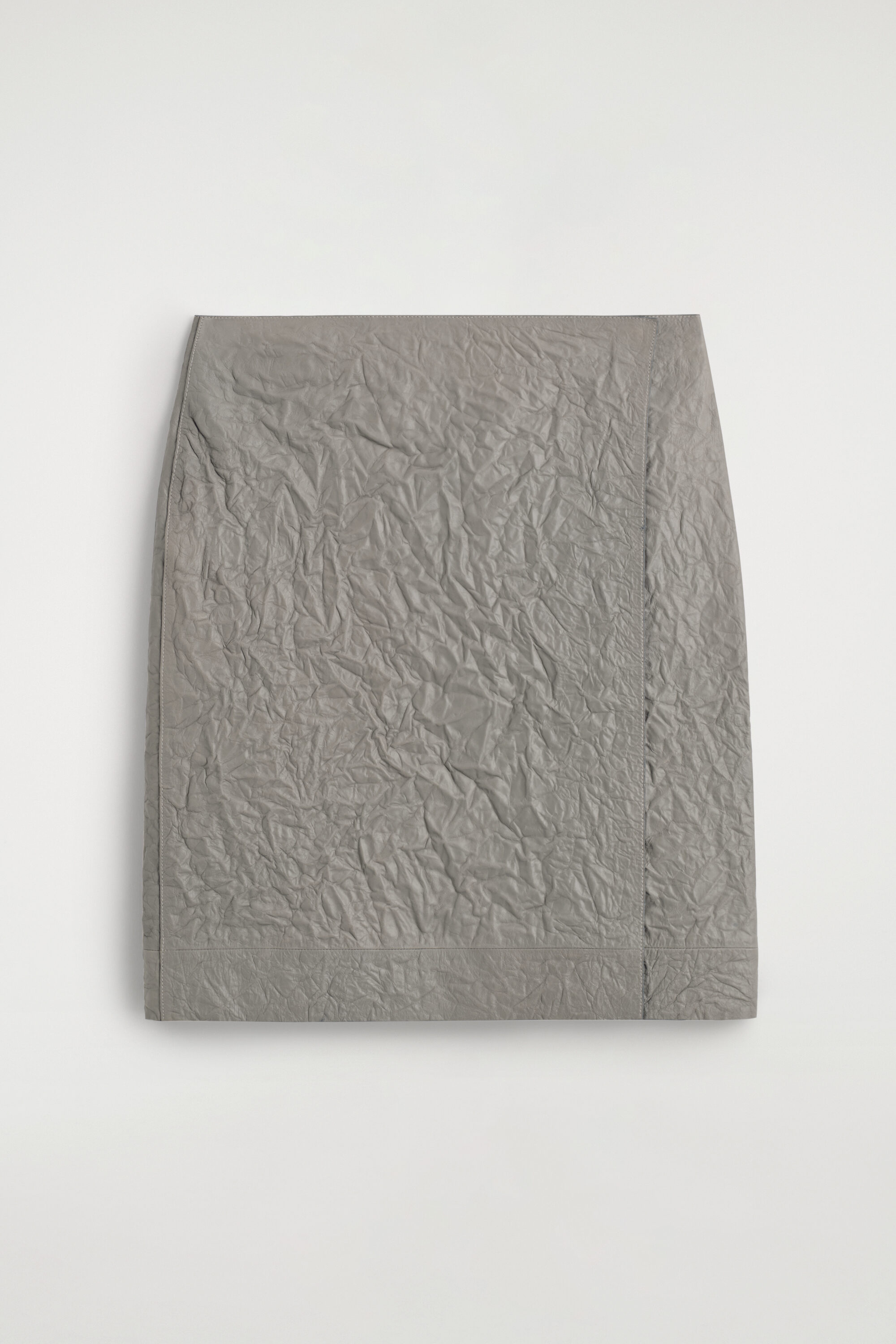
See What A Shorter Cut Changes
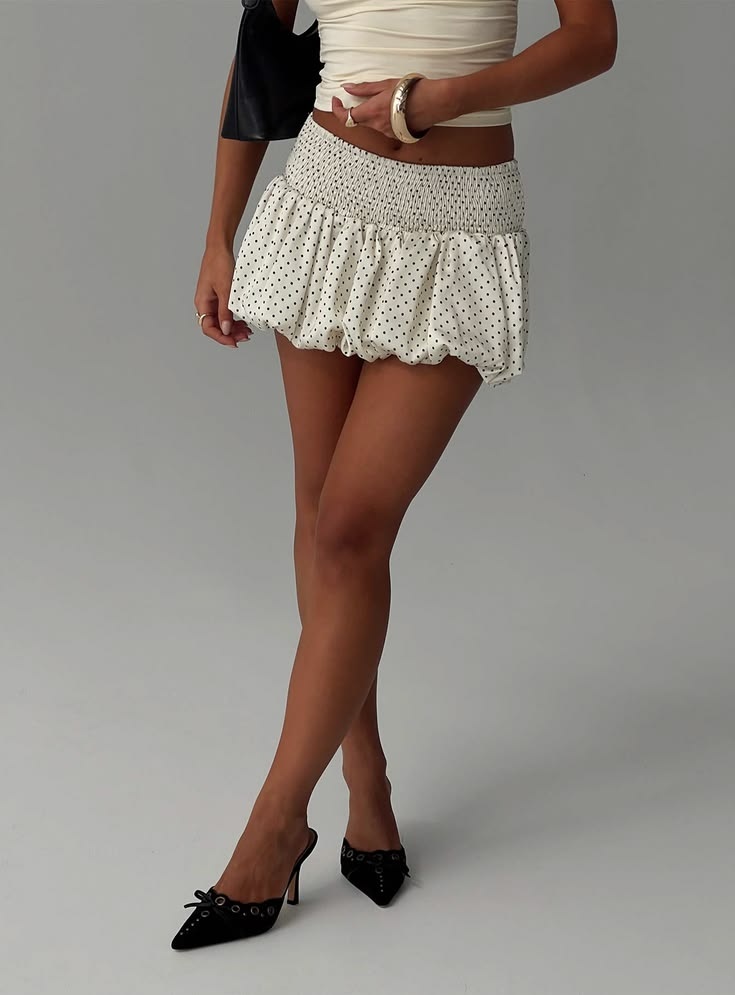
Comparing a midi with a mini can clarify what you want from the outfit. A shorter hem exposes more of the leg and usually feels lighter, more casual and easier to pair with a tall boot or flat shoe. It also puts more emphasis on the shape of the garment above the thigh. In this COS edit, the mini dresses cost $110 to $159 and include linen, cotton, wool blend and textured options. That variety shows why length should not be considered on its own. A structured mini can feel more substantial than a flowing midi, while a soft midi may move more freely than a stiff shorter style. Consider the setting and the amount of coverage you prefer when bending or sitting. A midi is often useful when you want a dress that transitions between work, dinner and everyday errands, but it should still fit your stride and not need constant adjustment. Comfort is part of the proportion. If you are between sizes, check the torso length and shoulder placement before focusing on the hem. A balanced upper section can make either length look more natural, while a misplaced waist can make the skirt seem wrong.
Shorter hems for comparison
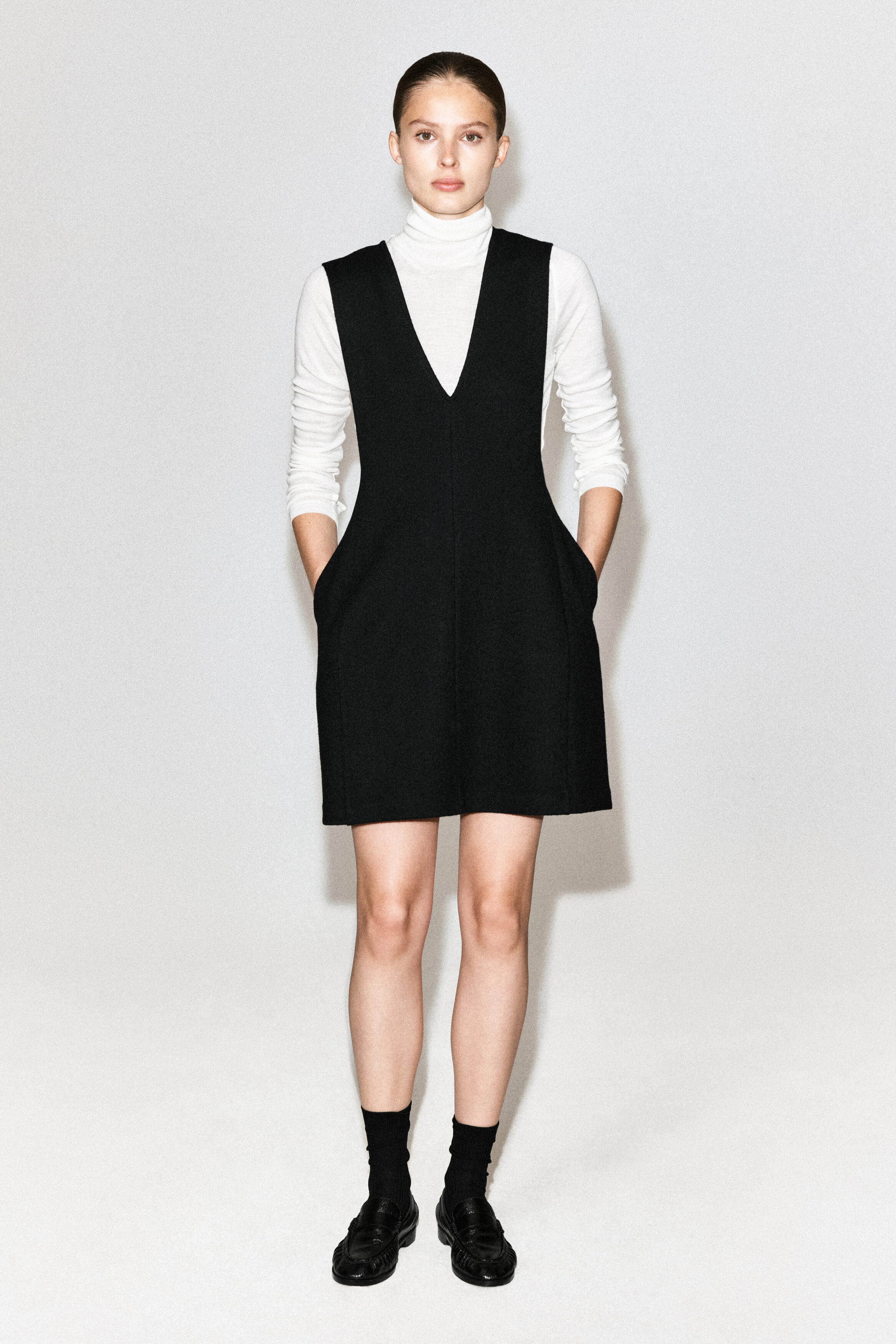
Boiled Wool-Blend Mini Pinafore Dress
COS
$129
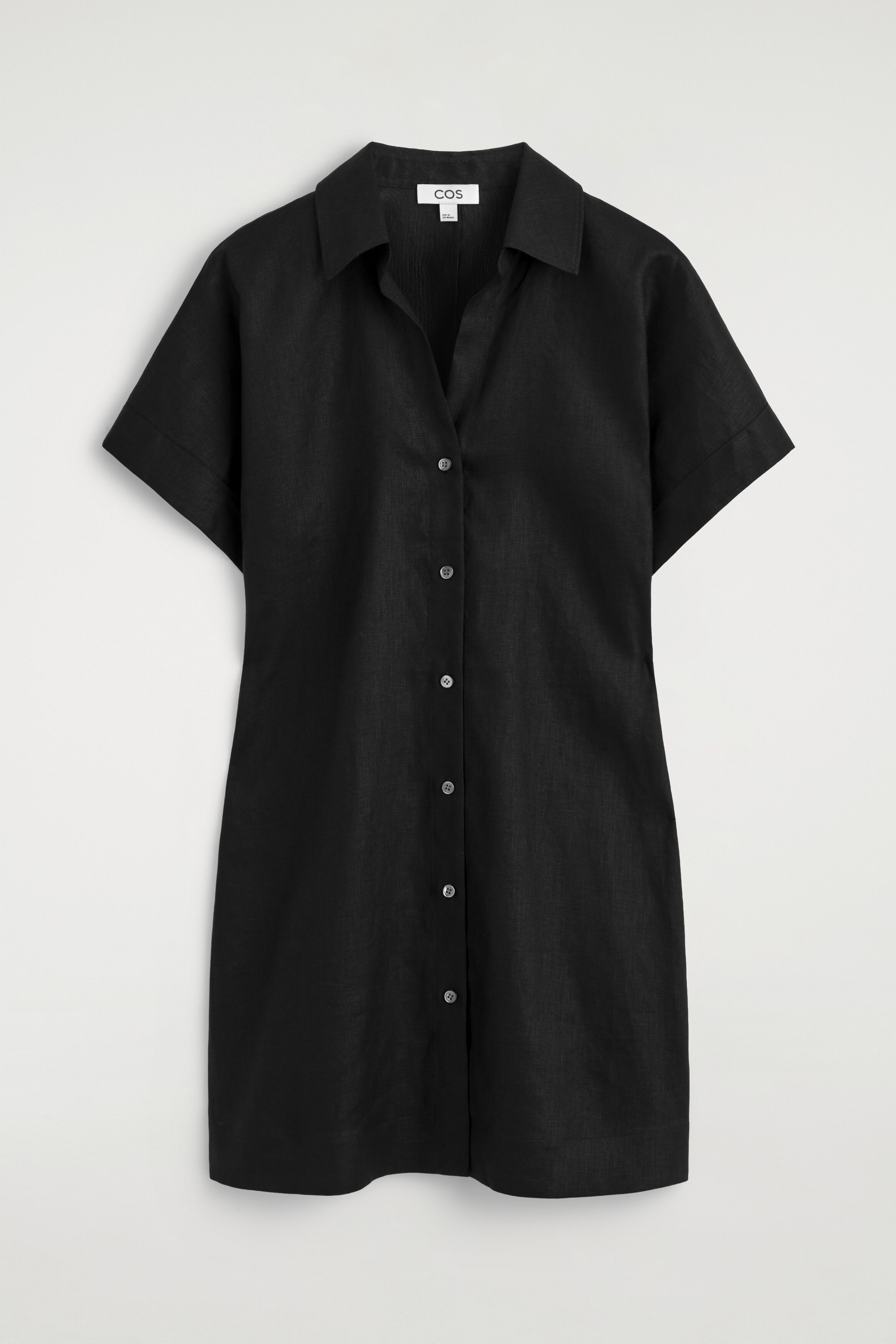
Open-collar Linen Mini Shirt Dress
COS
$129
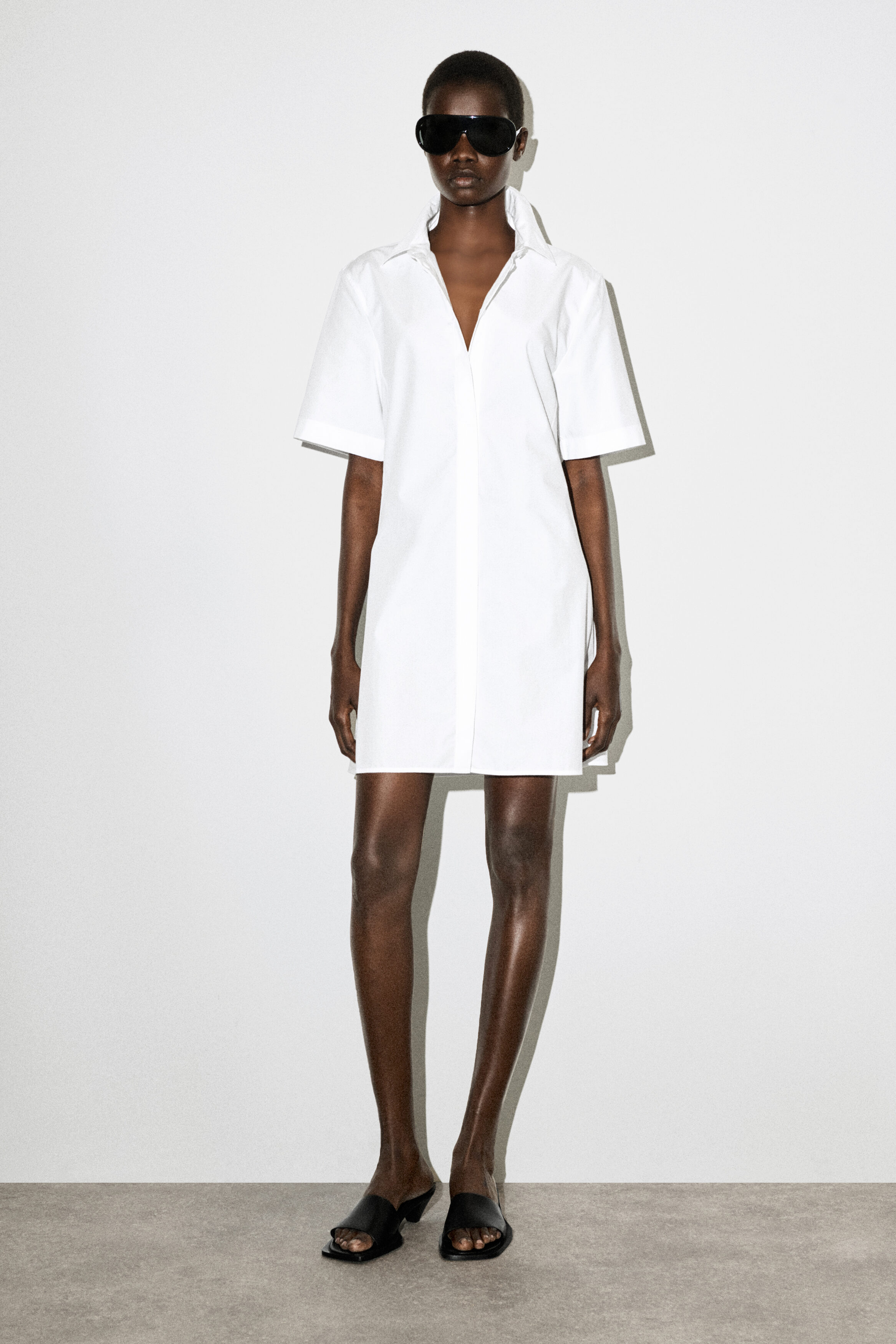
Classic Cotton Mini Shirt Dress
COS
$129
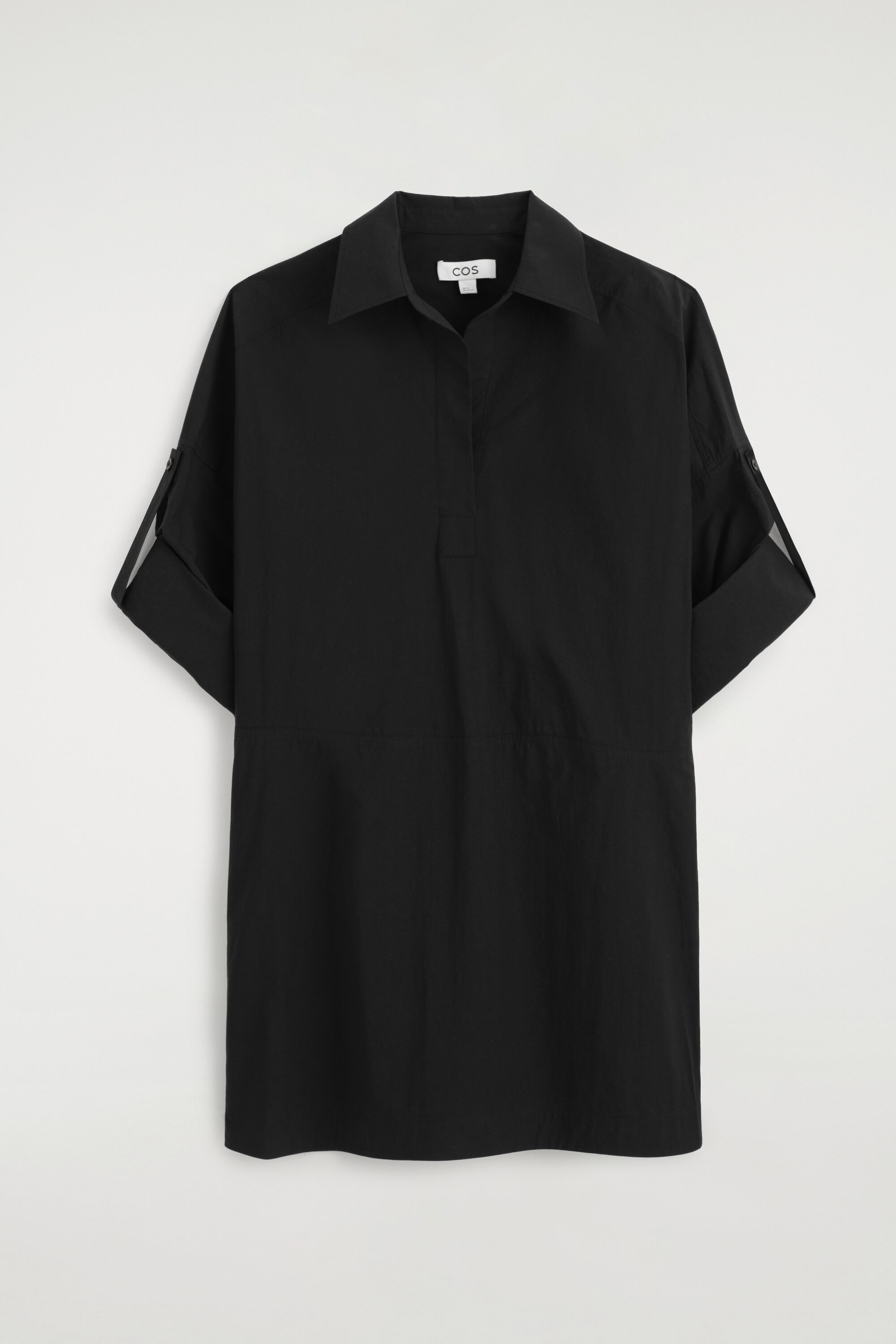
Cotton-poplin Short-sleeved Shirt Dress
COS
$129
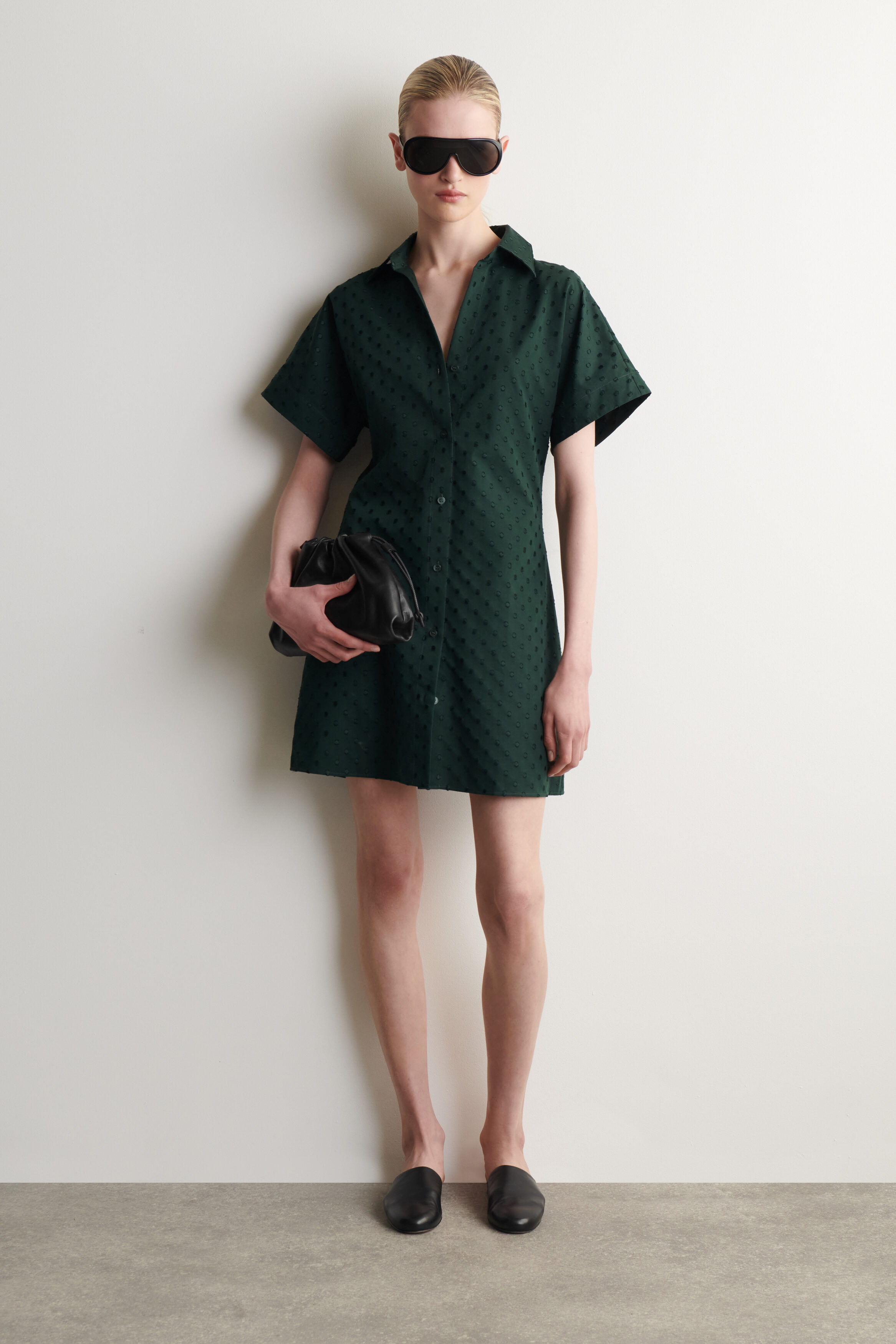
Polka-Dot Jacquard Cotton Shirt Dress
COS
$139
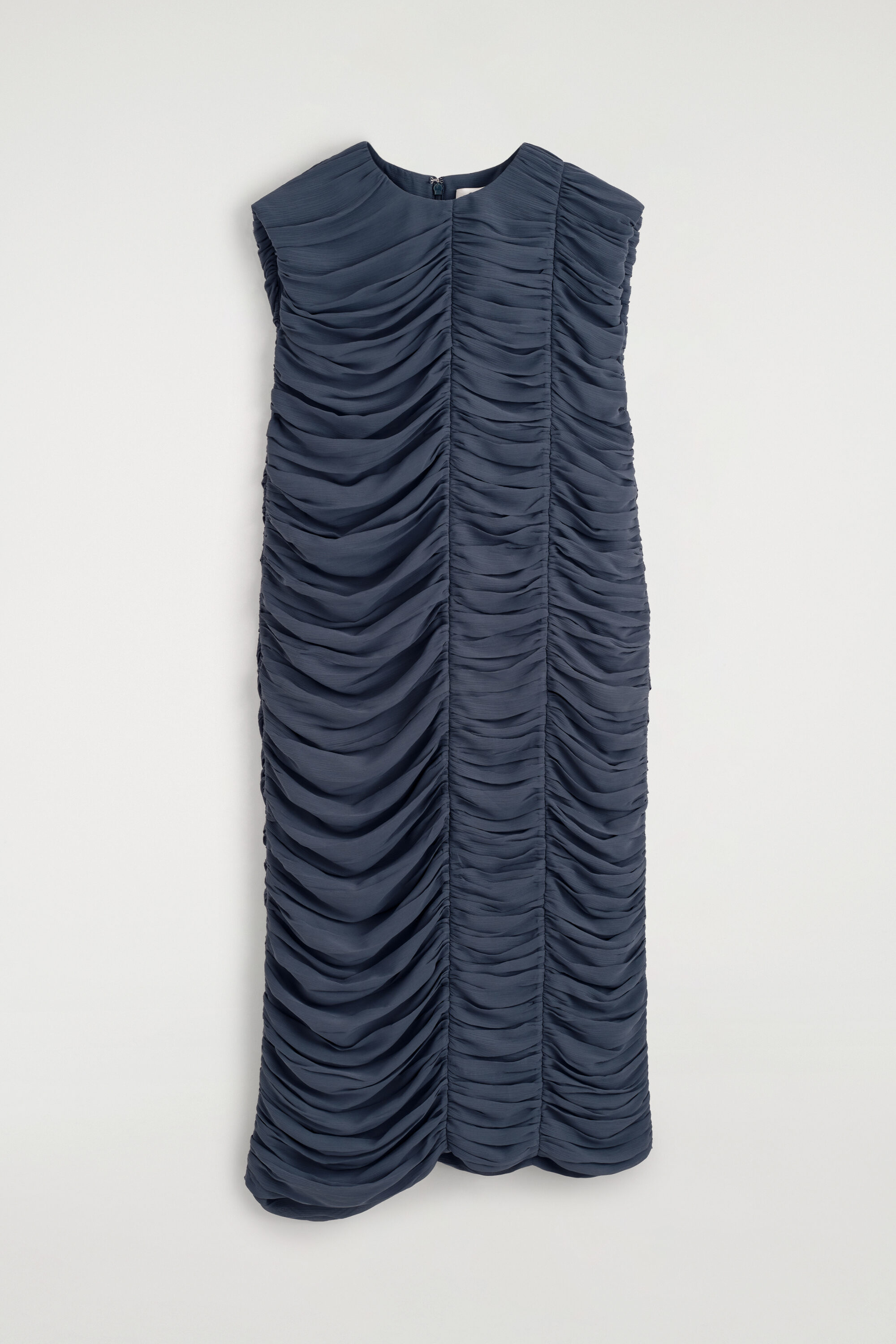
Gathered Paneled Dress
COS
$159
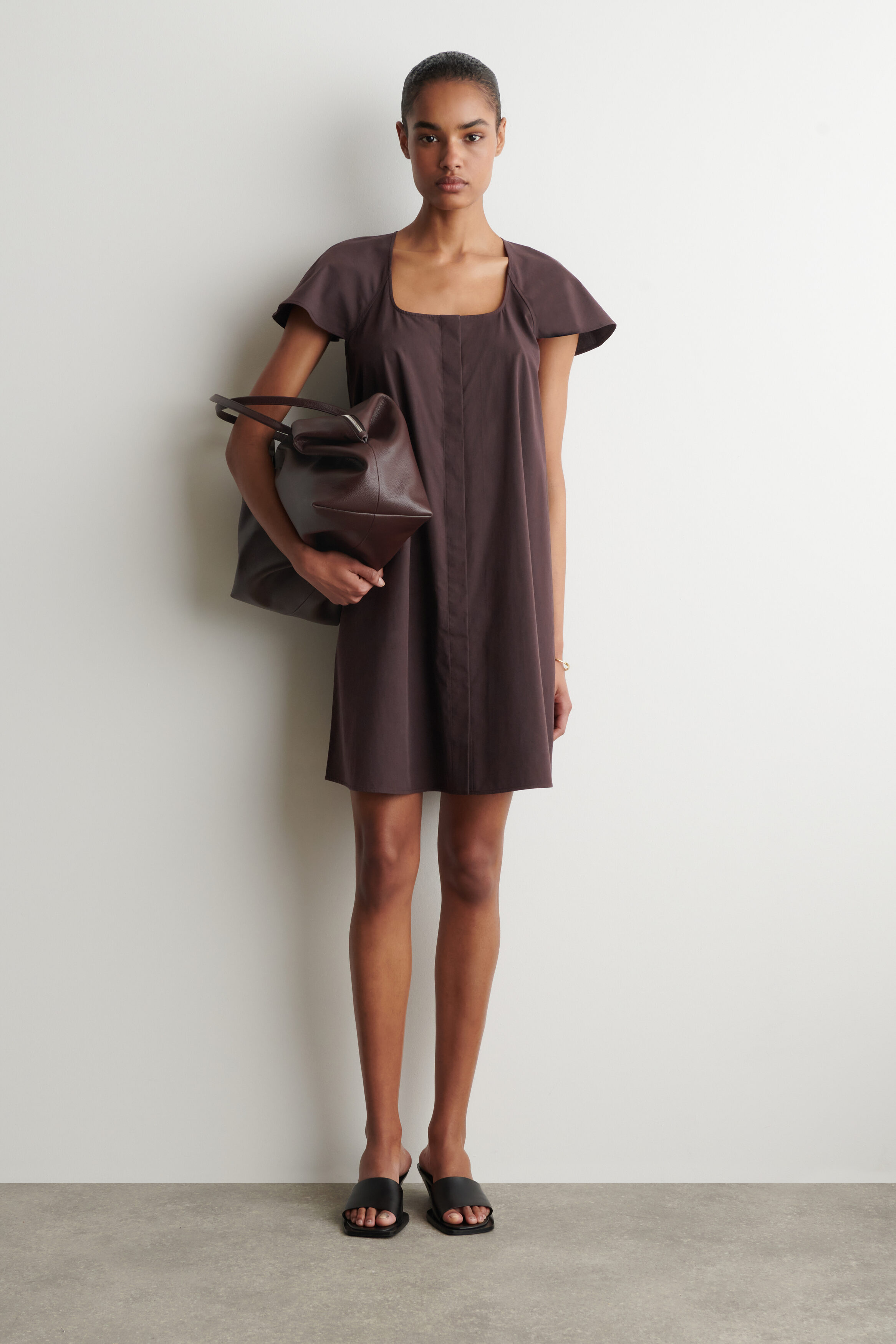
Fluted-Sleeve Cotton Mini Dress
COS
$110
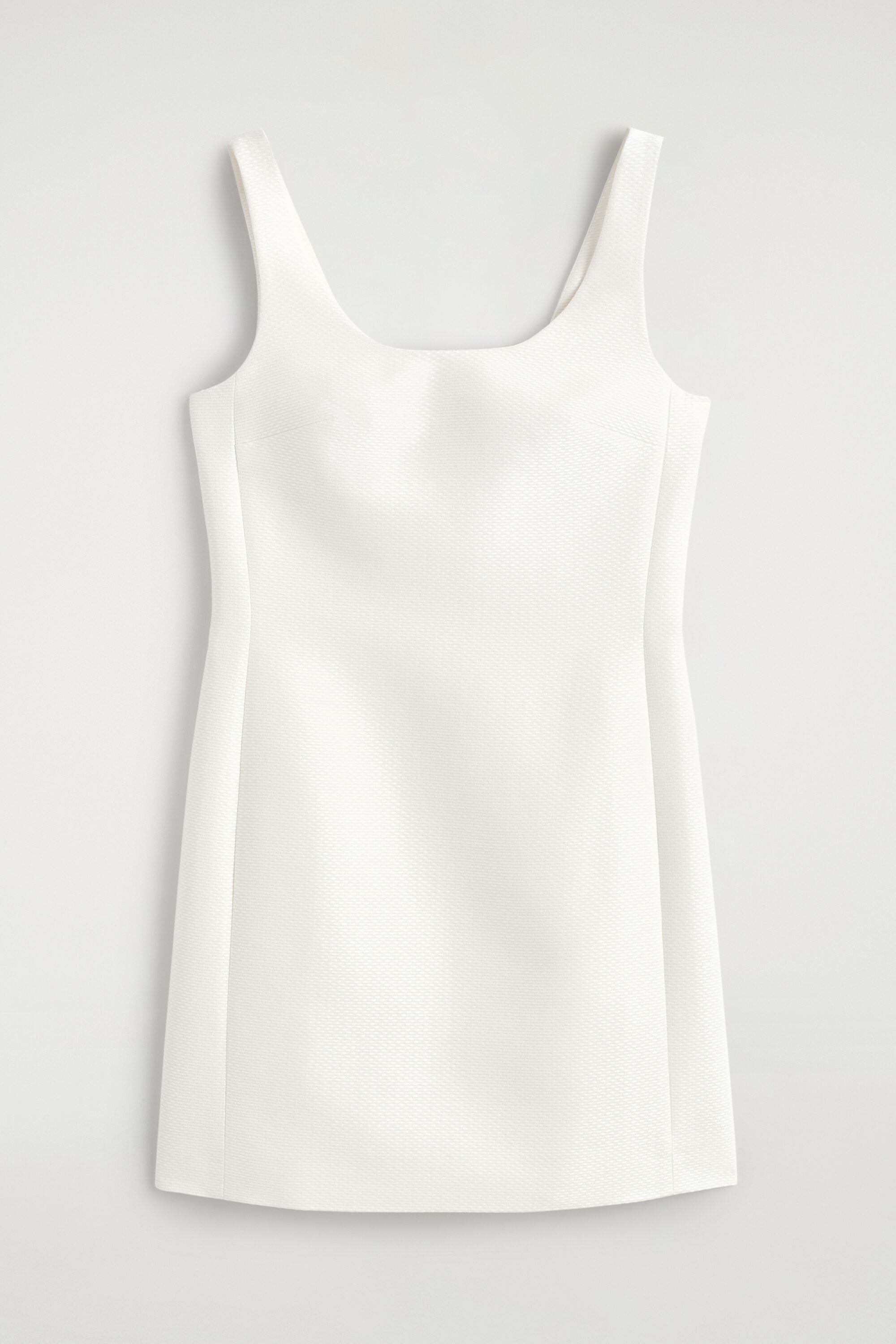
Sculpted Textured Mini Dress
COS
$139
Our honest take
There is no single midi measurement that works for every person. Start around mid-calf, then judge the hem with your usual shoes, the dress's fabric and the way you move. The narrowest part of the lower leg can be a useful visual guide, but comfort and fit matter more than a rule. We would rather see a slightly altered hem than a length that needs constant pulling or tucking. The hem should feel natural throughout the day. If you take one thing away, choose the hem that lets you move naturally while keeping the proportion you want.