Coach is owned by publicly traded Tapestry, renamed in 2017. It began as a New York leather workshop, and the ownership story has a twist.
Who Owns Coach? Tapestry and the Brand’s Ownership Story
The Owner Today
Who owns Coach? Tapestry, Inc., a publicly traded company, is the owner. Its latest earnings release, dated November 5, 2026, describes the business as a house made up of Coach and Kate Spade New York, and Tapestry shares trade on the New York Stock Exchange under TPR. The company’s current name dates to October 31, 2017, when Coach, Inc. changed its name to Tapestry; the handbags kept the Coach name. That current portfolio description is in Tapestry’s latest release.
The Coach parent company is based at 10 Hudson Yards in Manhattan, which makes the ownership story feel unusually local to a brand that still talks about New York as home. If you have been wondering who makes Coach, I would separate ownership from the question of which factory made a particular bag: Tapestry owns the label, but that name alone does not identify a product’s factory. As for who founded Coach, the short answer is six artisans in New York in 1941, with Lillian and Miles Cahn shaping its next chapter.
The Leather Shop That Started It
Coach’s own history begins in a Manhattan loft in 1941 with six artisans making leather goods, and its early bestseller was a simple wallet in black or rich saddle brown. Lillian and Miles Cahn later guided the business, and Bonnie Cashin joined as its first lead designer in 1962. The first store on Madison Avenue came later, after the leather shop had begun to grow into a fashion house. I like that its first hit was a useful thing, not a grand gesture.
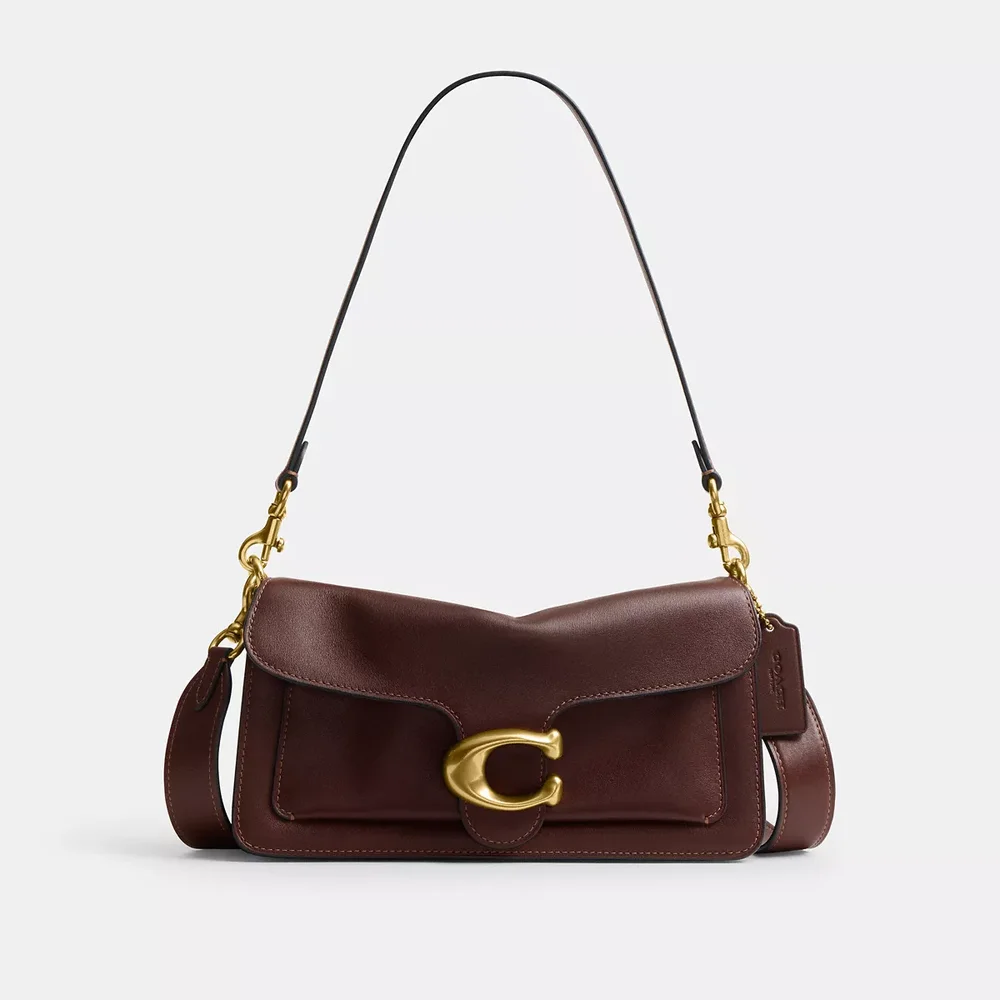
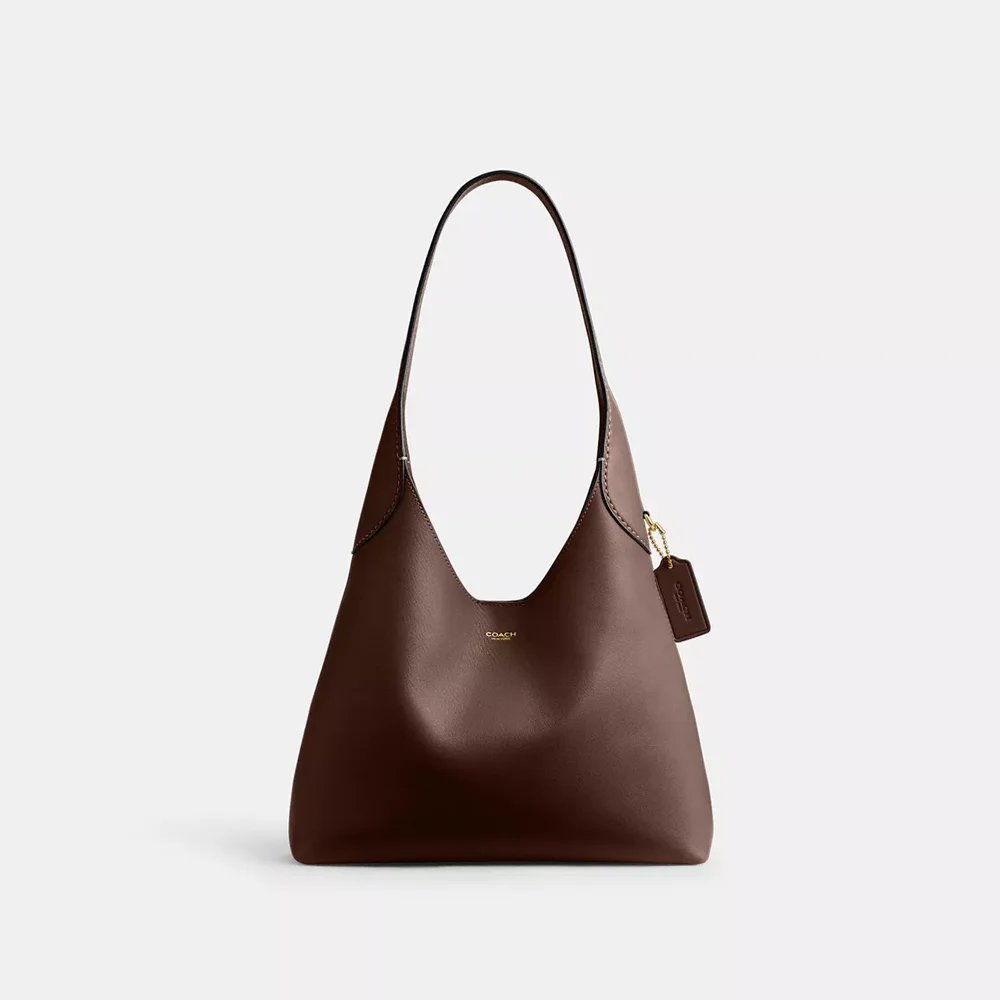
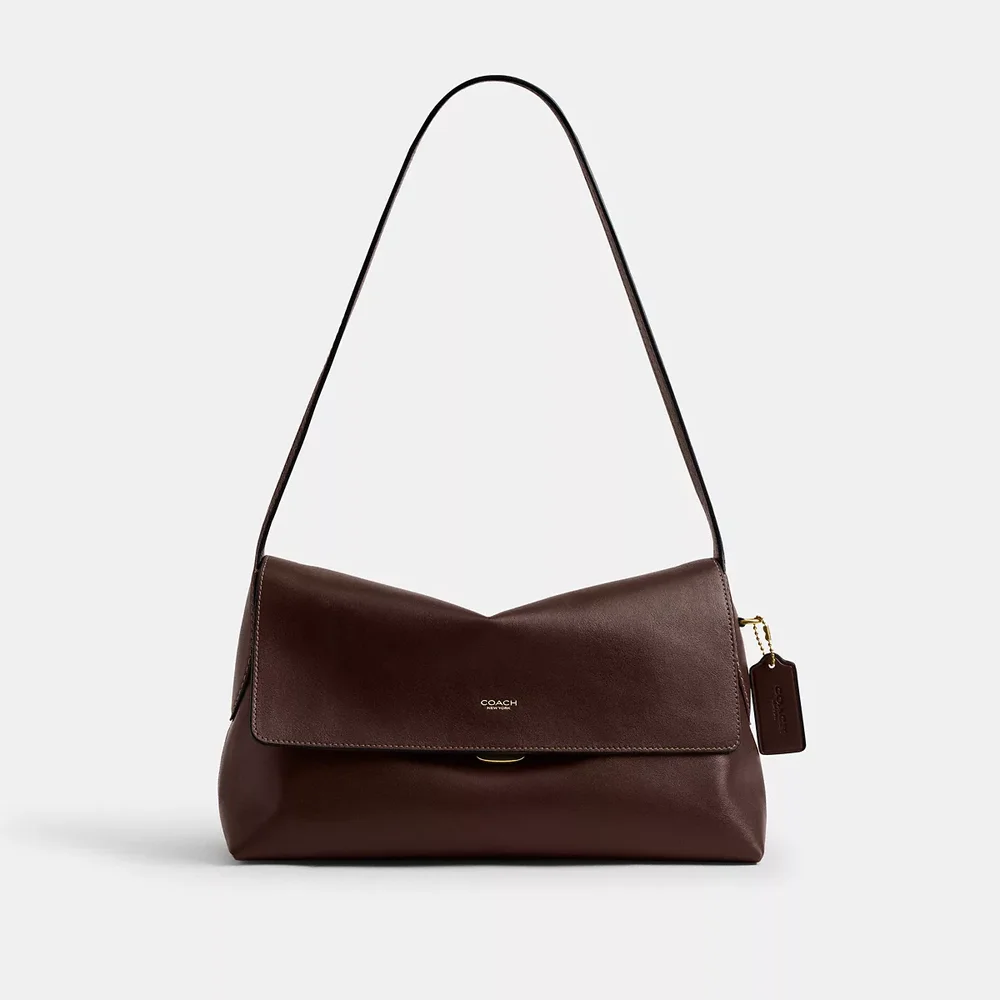
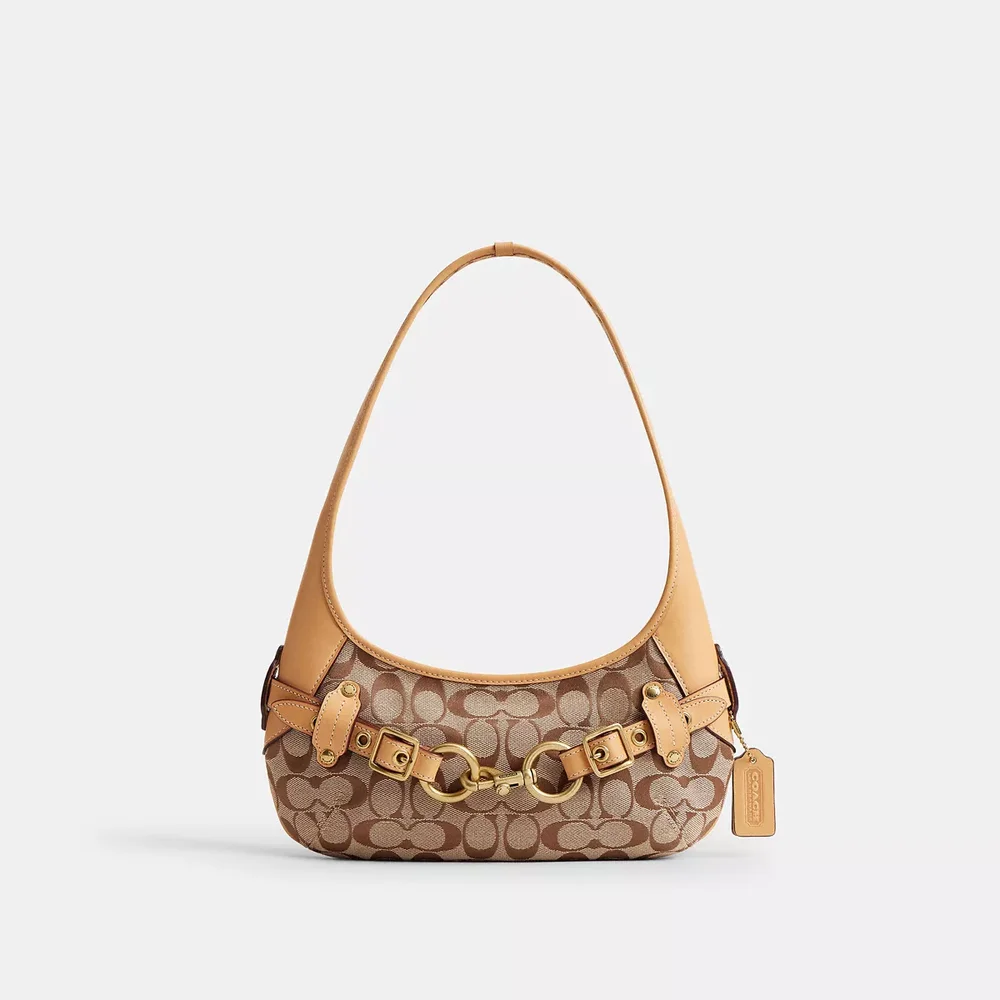
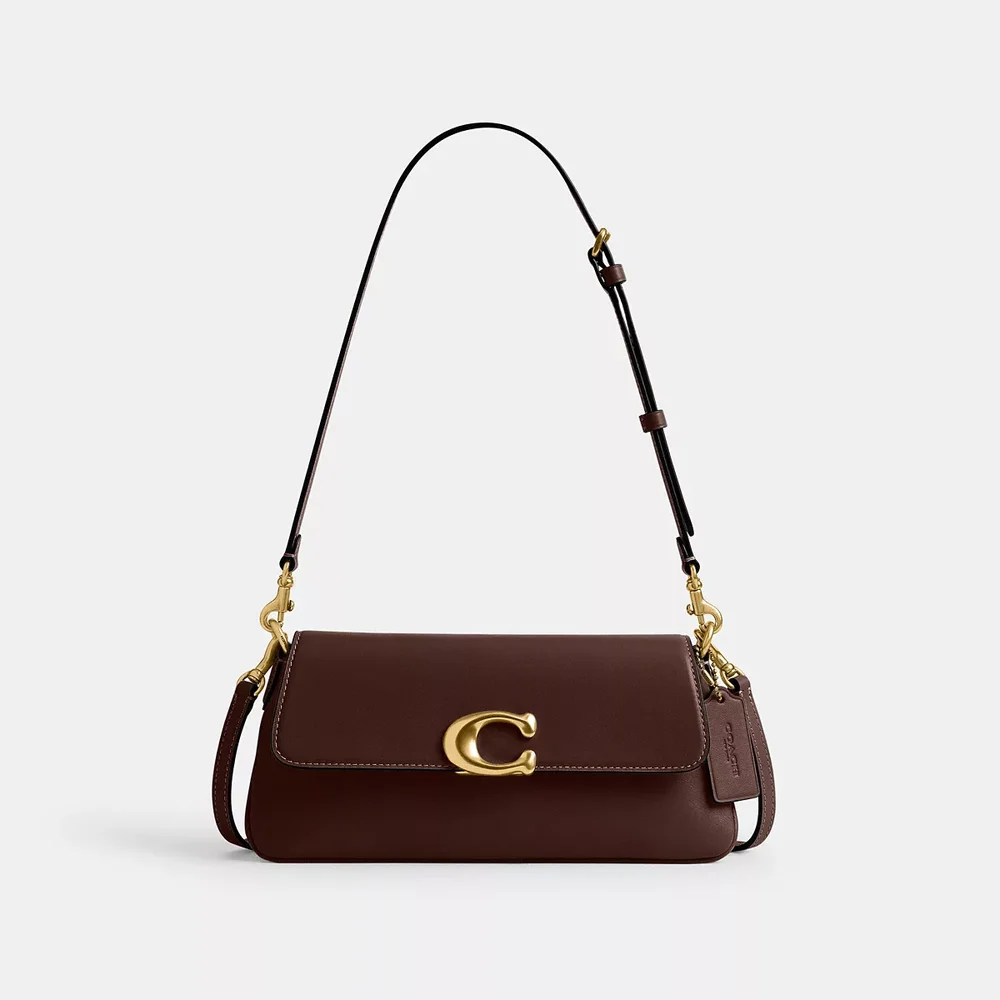
That origin story makes me gravitate toward the styles with a clear point of view: the Tabby Shoulder Bag 26 draws on a 1970s Coach design and has detachable straps; the Brooklyn Shoulder Bag 28 is a small natural-grain hobo; the Chelsea Shoulder Bag 30 has a roomier open interior and zip pocket; and the Belted Ergo Shoulder Bag 26 In Signature Jacquard puts dogleash clip hardware against jacquard. I would begin with the Tabby for the archival connection, but the Chelsea if I needed more everyday space.
A Name Change, Not A New Brand
Sara Lee acquired Coach in 1985. Coach went public in October 2000, and Sara Lee distributed its remaining ownership in April 2001, so Coach was no longer a subsidiary of the food company. Coach then acquired Stuart Weitzman in 2015 and Kate Spade in 2017; that year it announced a new corporate name, Tapestry, to signal a multi-brand company. The name change did not rename the Coach label. Tapestry completed the sale of Stuart Weitzman to Caleres in August 2025, and its current portfolio description lists Coach and Kate Spade New York. The sale announcement confirms the departure.
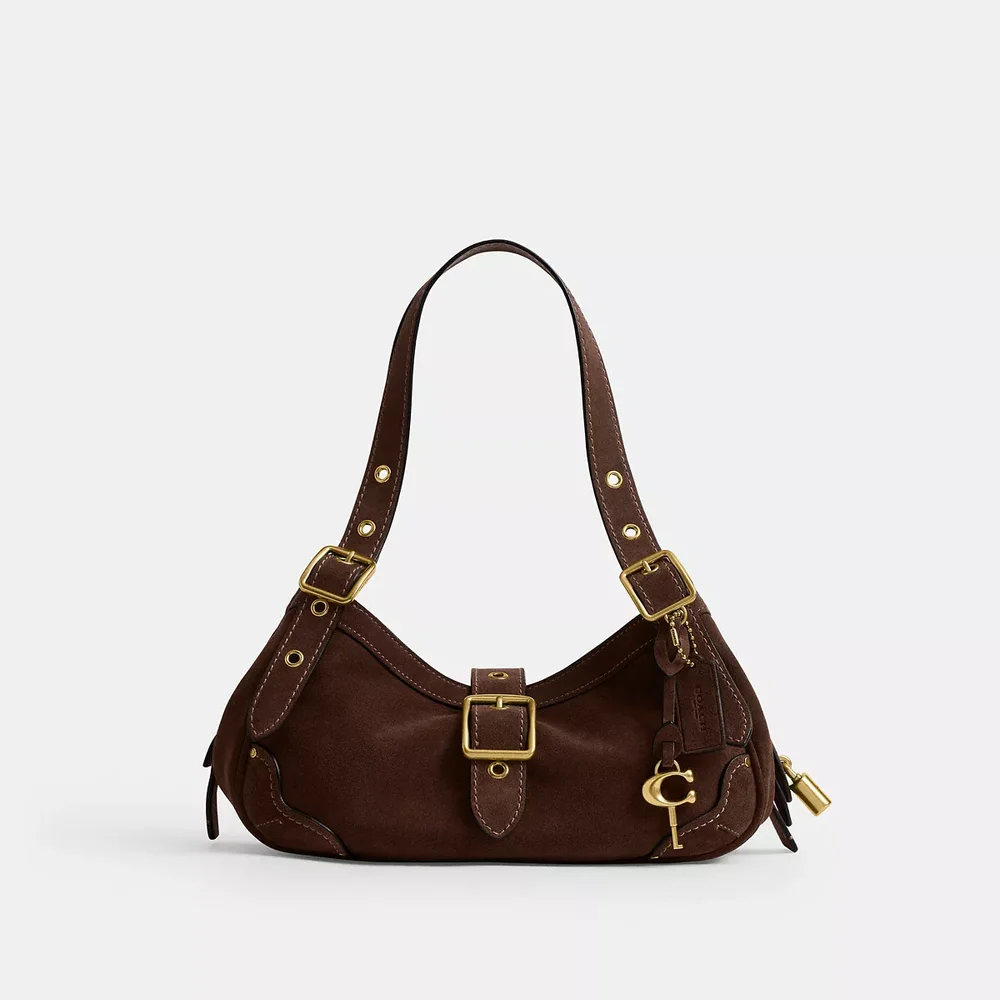
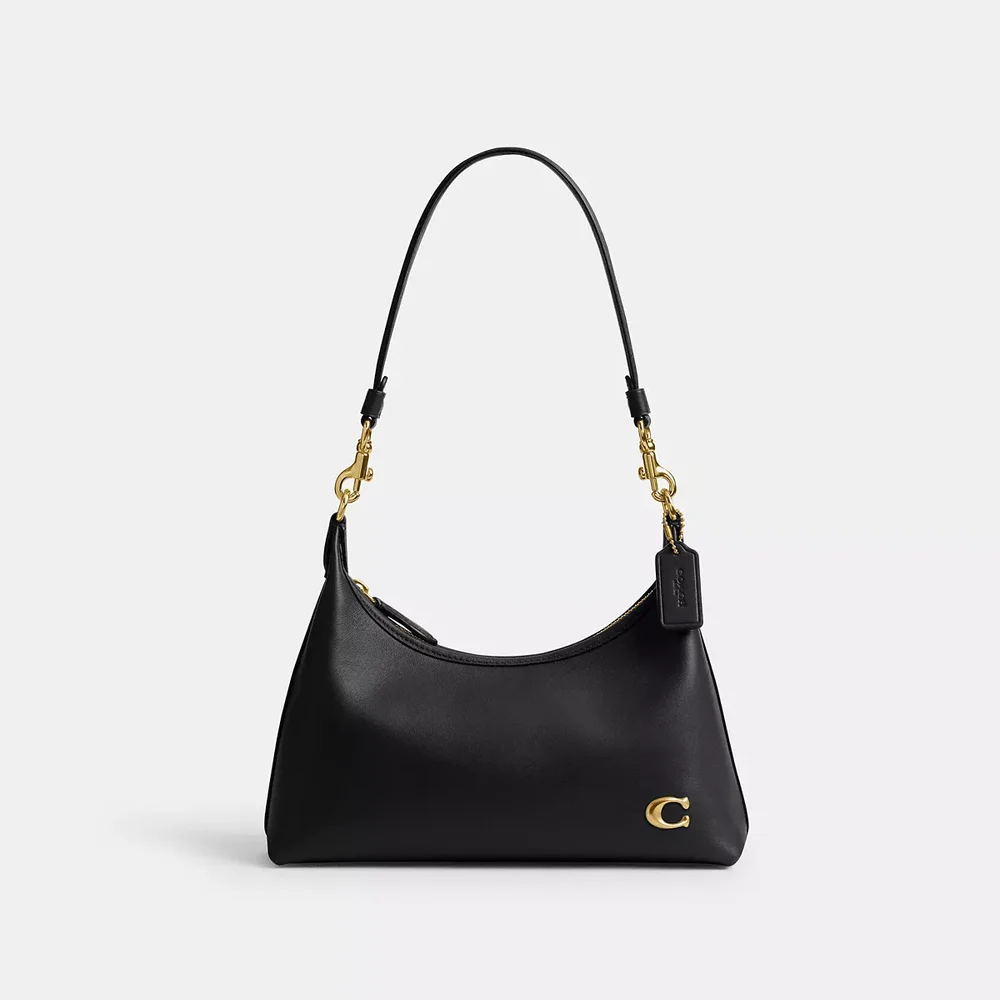
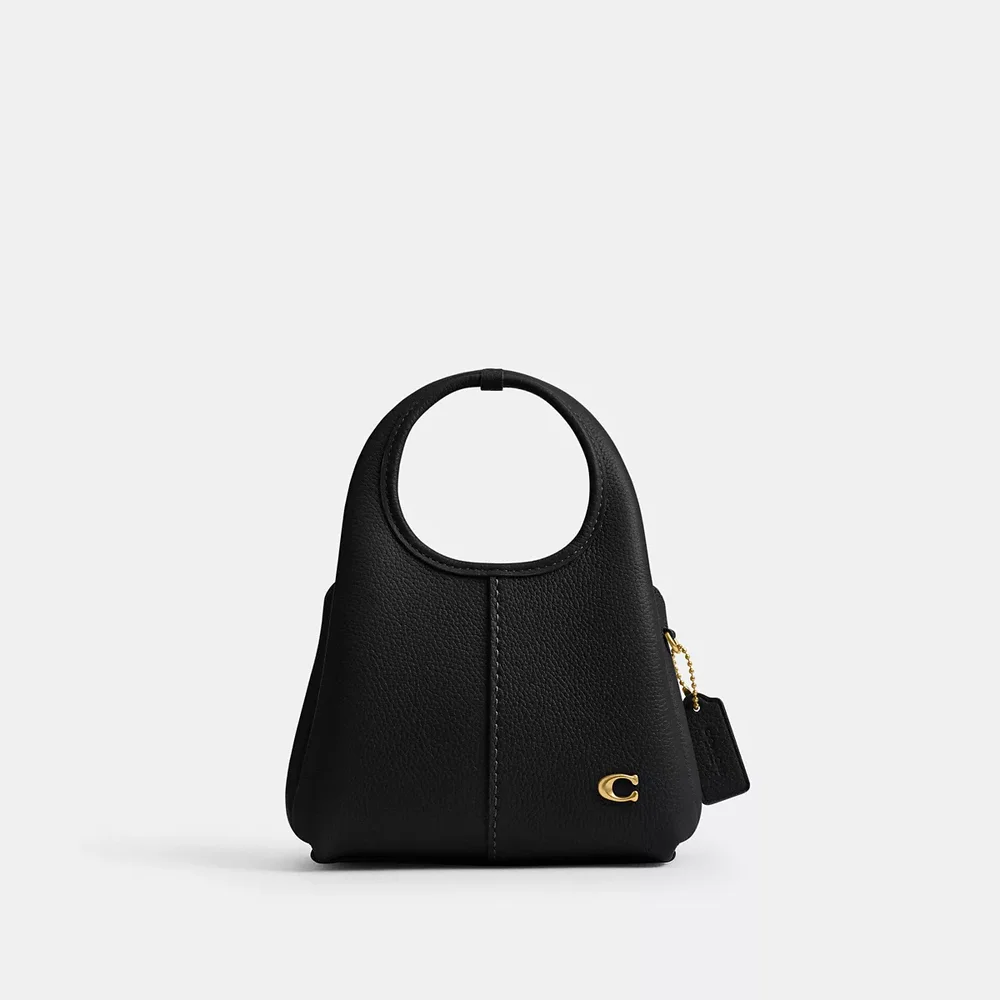
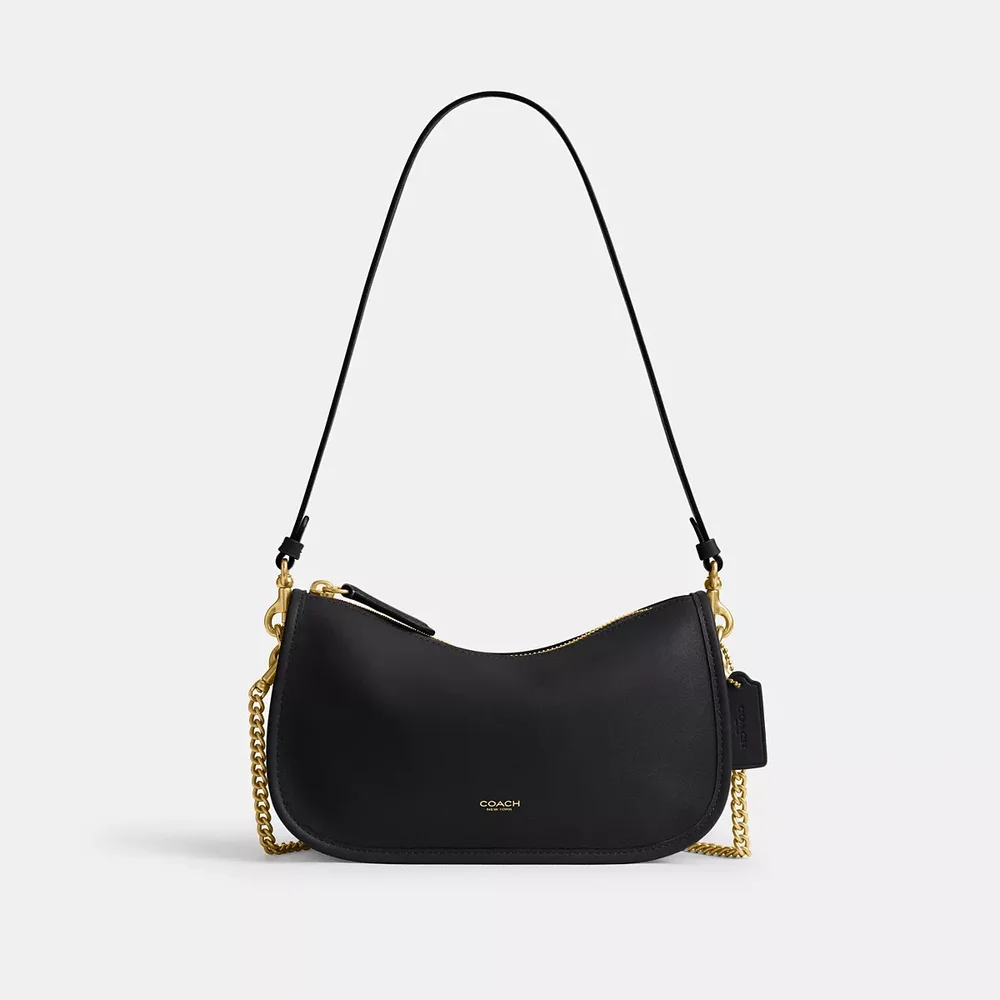
That leaves Coach with a sister brand under the same parent, not a handbag portfolio that is all one mood. The Drifter Shoulder Bag 31 is a crescent-shaped carryall with three compartments; Juliet Shoulder Bag 25 is a compact Glovetanned style with chain, shoulder and crossbody straps; Jet Shoulder Bag has a trapezoid body with two detachable straps; Lana Shoulder Bag 19 is a compact pebble-leather shape divided into three sections. I would choose by carry habit, not the corporate chart.
What I Would Buy First
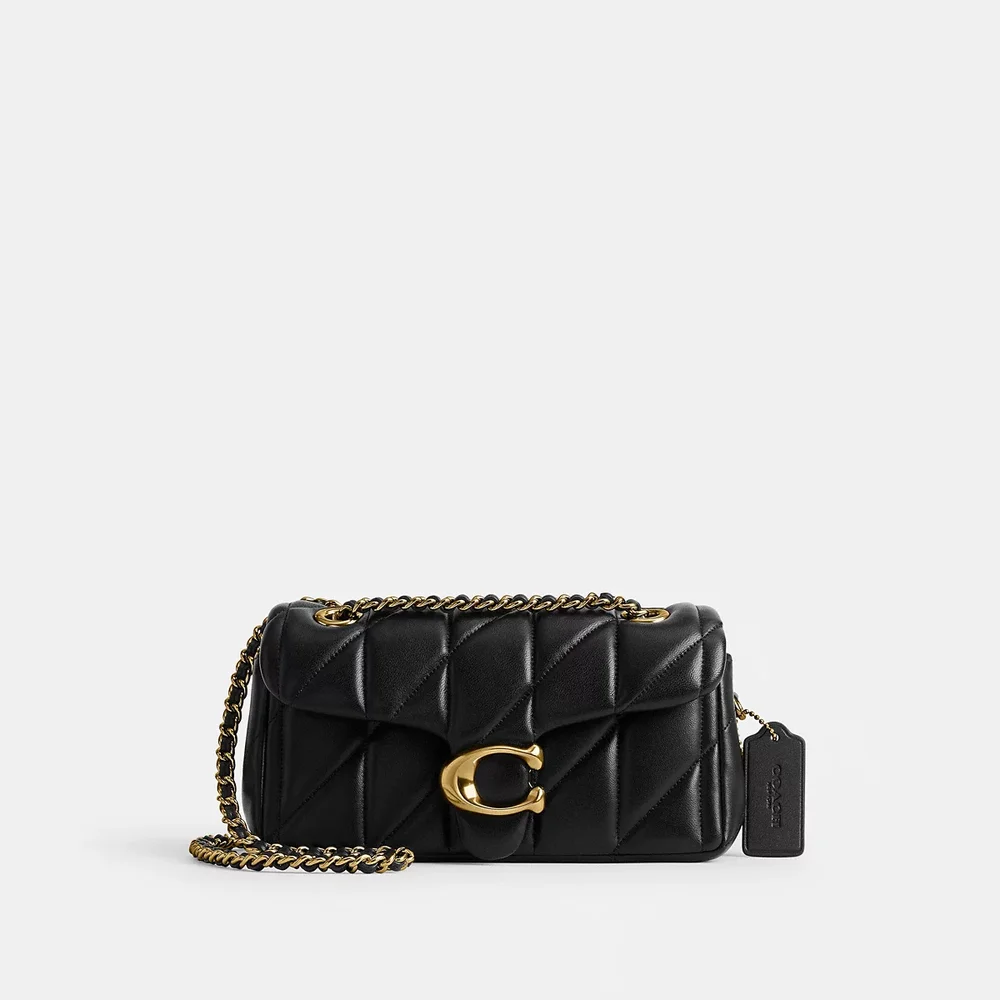
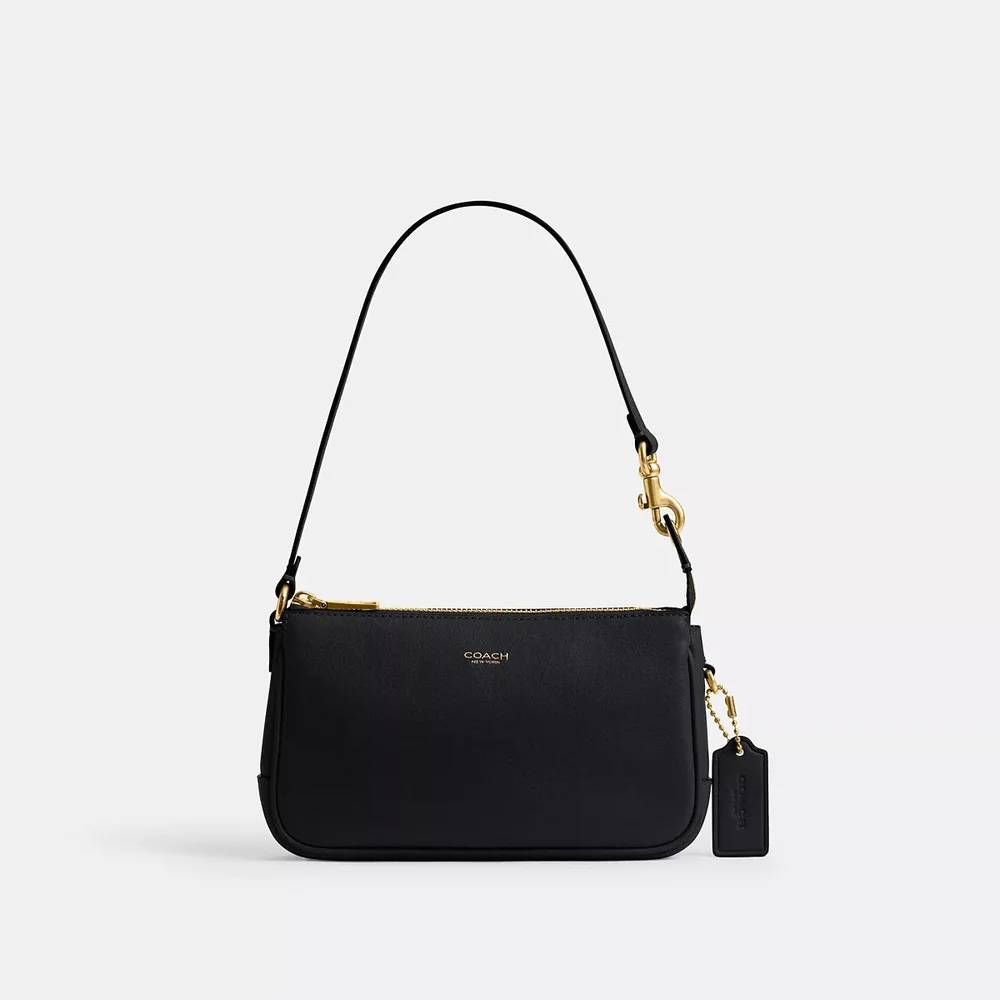
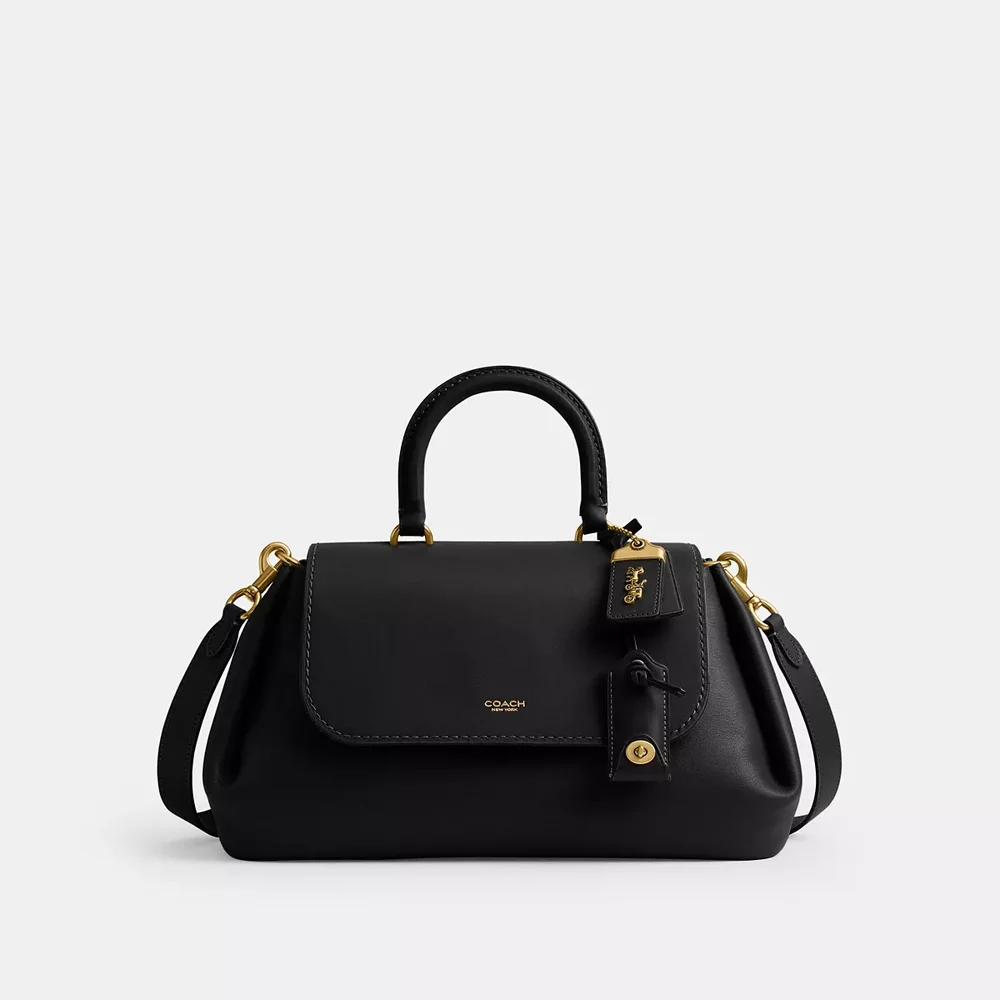
I would buy the Plaza Bag 18 first if I wanted a small, uncomplicated shoulder bag: its compact one-compartment design fits a phone, keys and daily essentials. The Waverly Bag is a compact leather style with three interchangeable straps, so it gives more ways to carry than its size suggests. The Tabby Shoulder Bag 20 With Pillow Quilting is the smaller quilted take on the archival Tabby shape; the Slouchy Rogue Top Handle Bag is the roomy outlier, with a top handle and detachable strap for shoulder or crossbody wear. I would choose among those by what I need to fit, not by the logo.
What would I skip? I would not make a small evening bag do a full workday if my regular carry needs a laptop and planner. Plaza and Waverly are the more compact picks; Slouchy Rogue is where I’d go for more room, and the quilted Tabby if I want a dressier version of a familiar Coach shape. My first purchase would be the one that suits the objects I actually carry, not the one that looks most collectible.