J.Crew is privately held, with Anchorage Capital as majority owner since 2020. Explore its founders, ownership story and signature pieces.
Who Owns J.Crew? Anchorage Capital Since 2020
The short ownership answer
J.Crew is privately held, and Anchorage Capital has been its majority owner since the company emerged from bankruptcy in 2020. For anyone searching who owns j crew, that is the short answer: there is no public shareholder base to buy into, and the restructuring gave lenders equity in the business. The J.Crew parent company includes the J.Crew, J.Crew Factory and Madewell labels. J.Crew says it designs apparel, contracts with factories for production, and handles marketing and sales, so the practical answer to who makes J.Crew is that the brand works with manufacturers rather than one named maker.
The roots reach back before the J.Crew name. Mitchell Cinader and Saul Charles founded Popular Merchandise in 1947 to sell women's clothing through in-home demonstrations; the catalog label arrived in 1983. I like that the answer is not a single founder-owned label today, but an old family retail business that grew into a catalog line and changed hands through private equity, an IPO and restructuring. That history makes the clothes more interesting than a one-line ownership chart.
A catalog with a point of view
Who founded J.Crew is a slightly layered question: Mitchell Cinader and Saul Charles began the business in 1947 as Popular Merchandise, while the J.Crew catalog arrived in 1983 under Arthur Cinader's direction. The idea was affordable prep for shoppers who liked Ralph Lauren's look but not its price; early orders came through in-home demonstrations, then catalog sales became the new engine. The first J.Crew product was a catalog range, not one named garment. In its earliest years, merchants sourced existing manufacturers' standards and changed details such as color or buttons before applying a J.Crew label. I find that more revealing than a tidy origin myth: it started with a point of view and a knack for editing, not a fully built design studio.
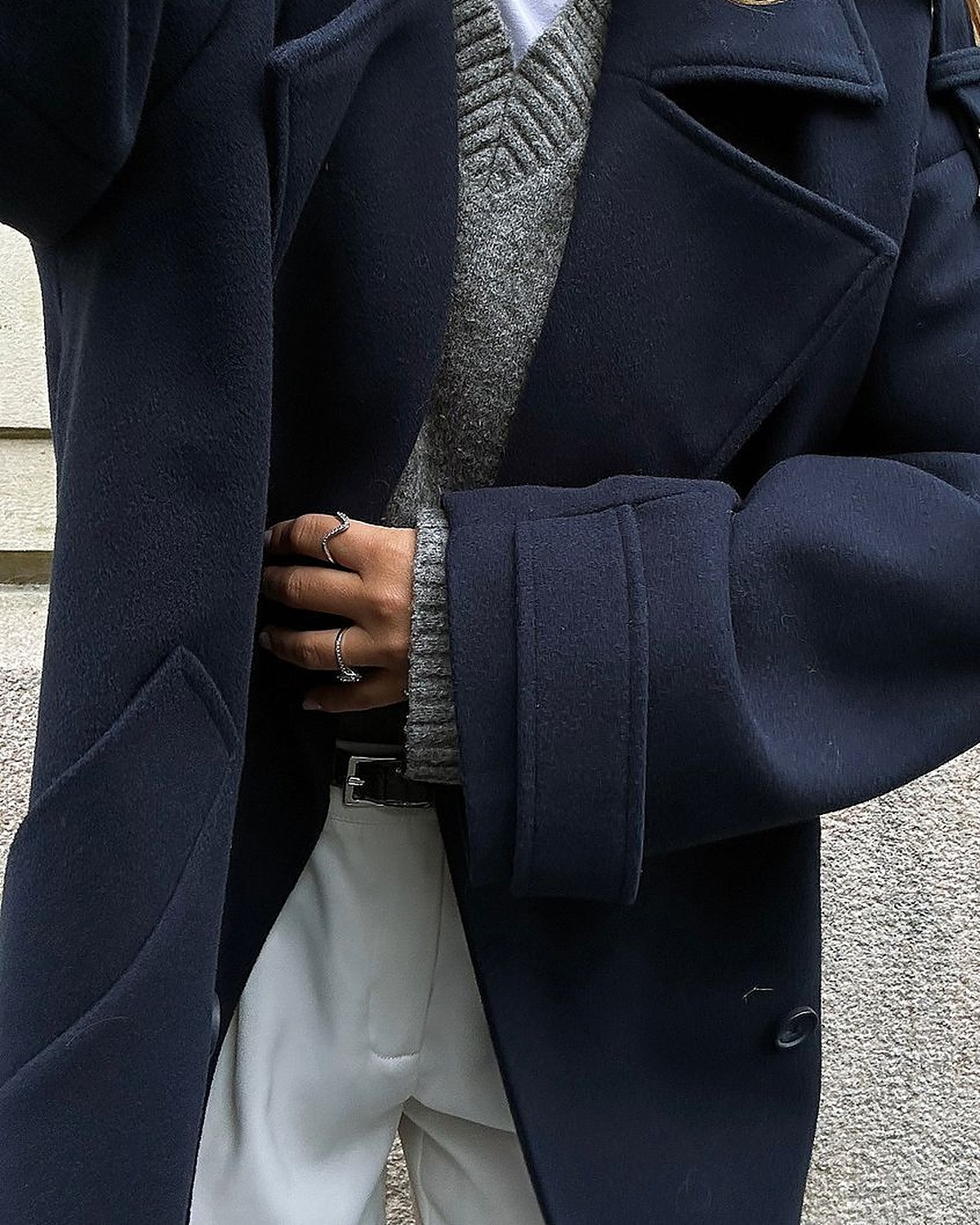
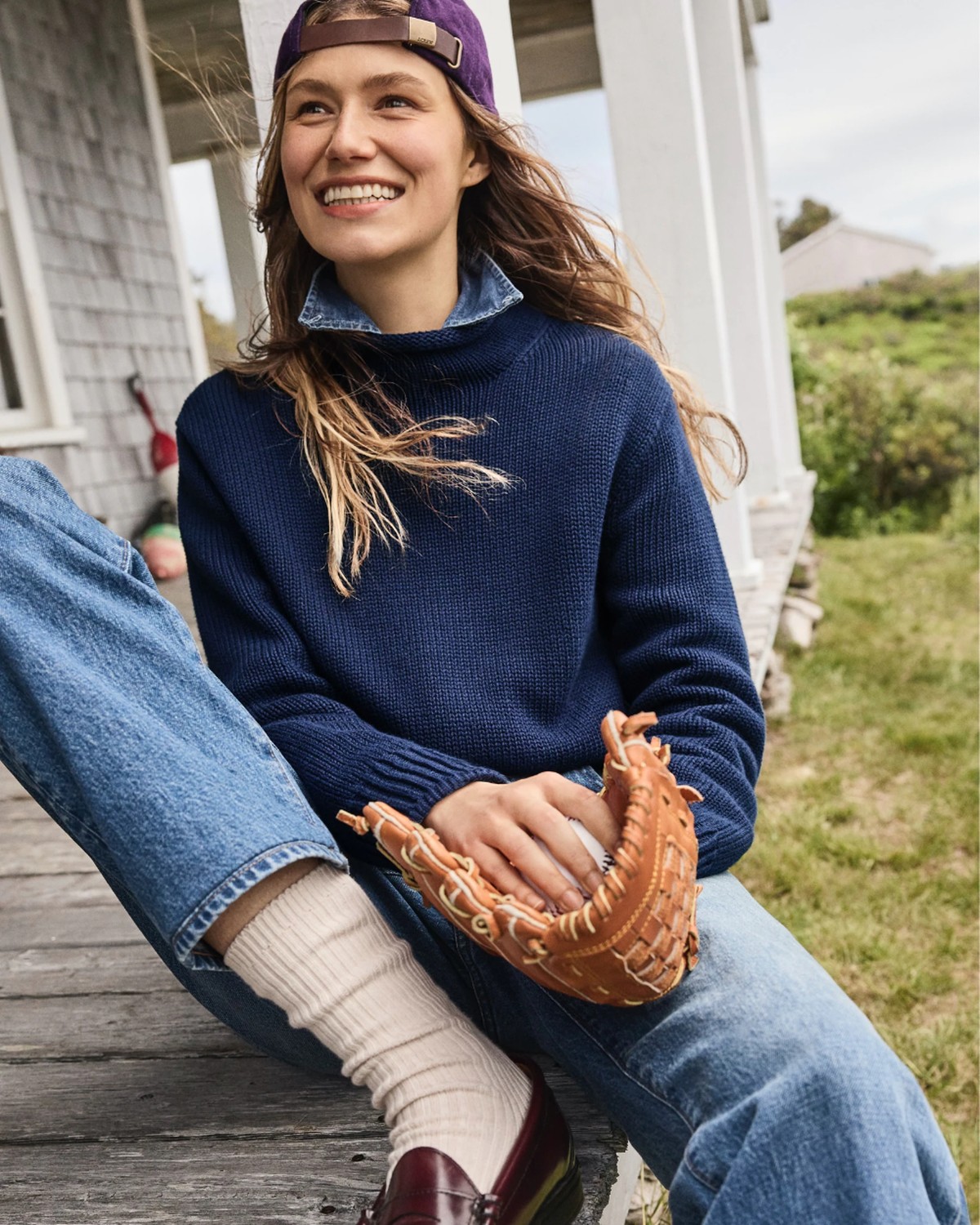
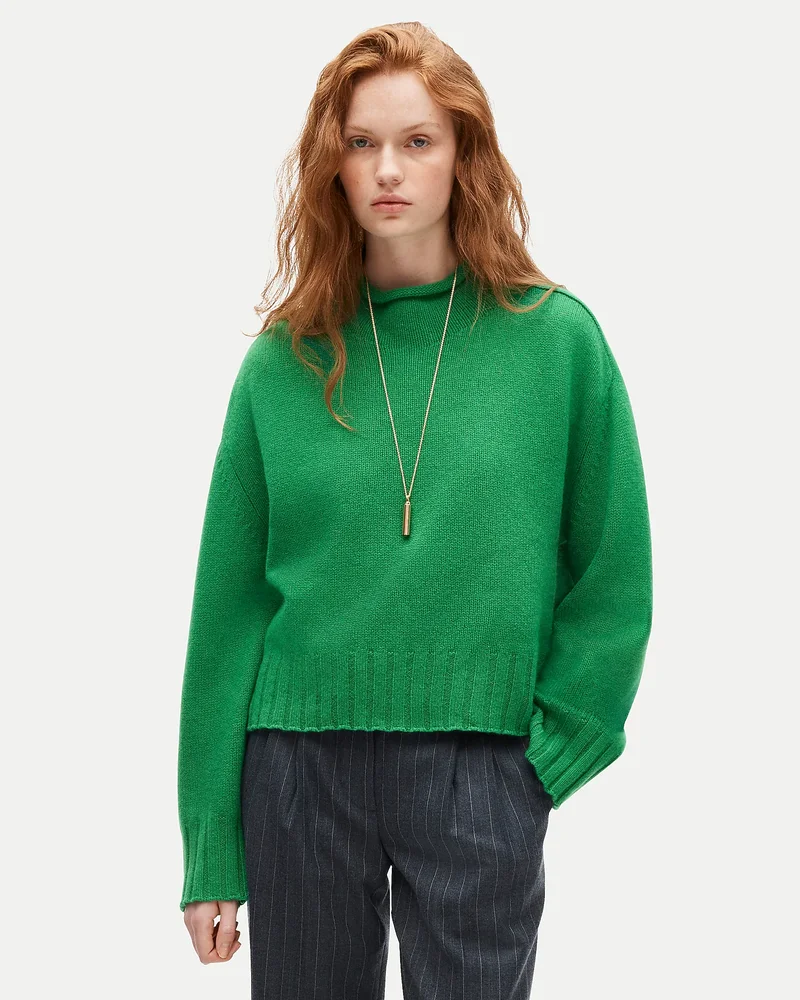
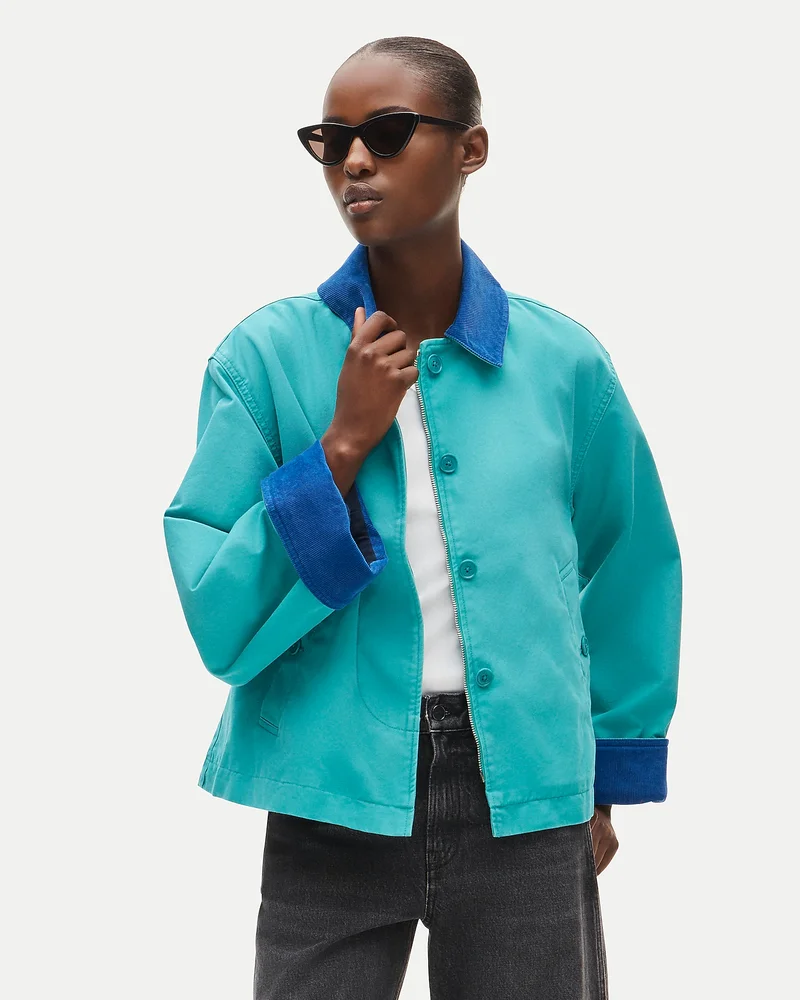
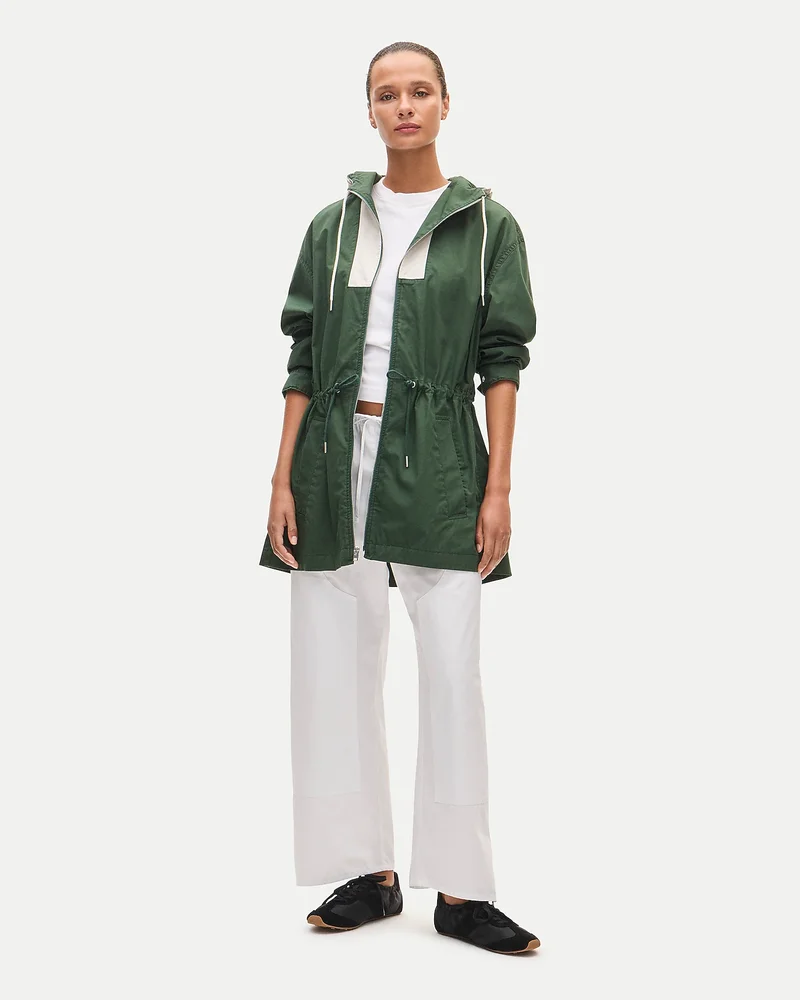
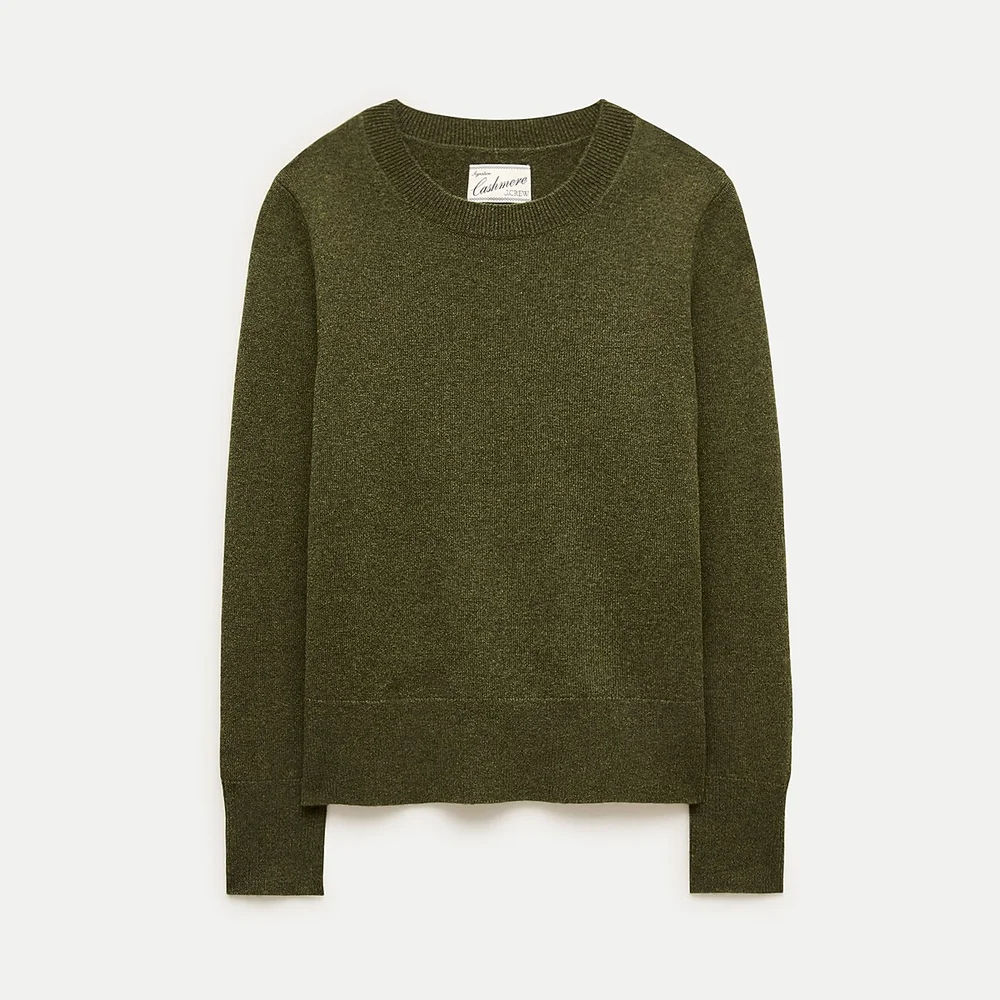
The signature pieces became more specific as the design team grew. The Rollneck began with an old wool pullover whose unfinished edges rolled naturally; the Barn Jacket borrowed from vintage field jackets; the anorak looked back to Arthur Cinader's sailing jacket. I would start with one of those three, then let the cashmere classic-fit crewneck do the quieter job. They are different takes on familiar layers, not four versions of the same sweater.
From private equity to the catalog
The ownership story moves in clear steps. The Cinader family held J.Crew for most of its early life; TPG took a majority stake in 1997, the business went public in 2006, and TPG bought it back in 2011. In 2020, after a Chapter 11 restructuring, Anchorage took control alongside smaller stakes held by Davidson Kempner and Blackstone. More than $1.6 billion of secured debt was converted into equity, and Madewell remained part of the company after a planned IPO was withdrawn. I would keep those finance milestones separate from claims about product design; the sources establish the change in ownership, not a direct cause for every change in the clothes.
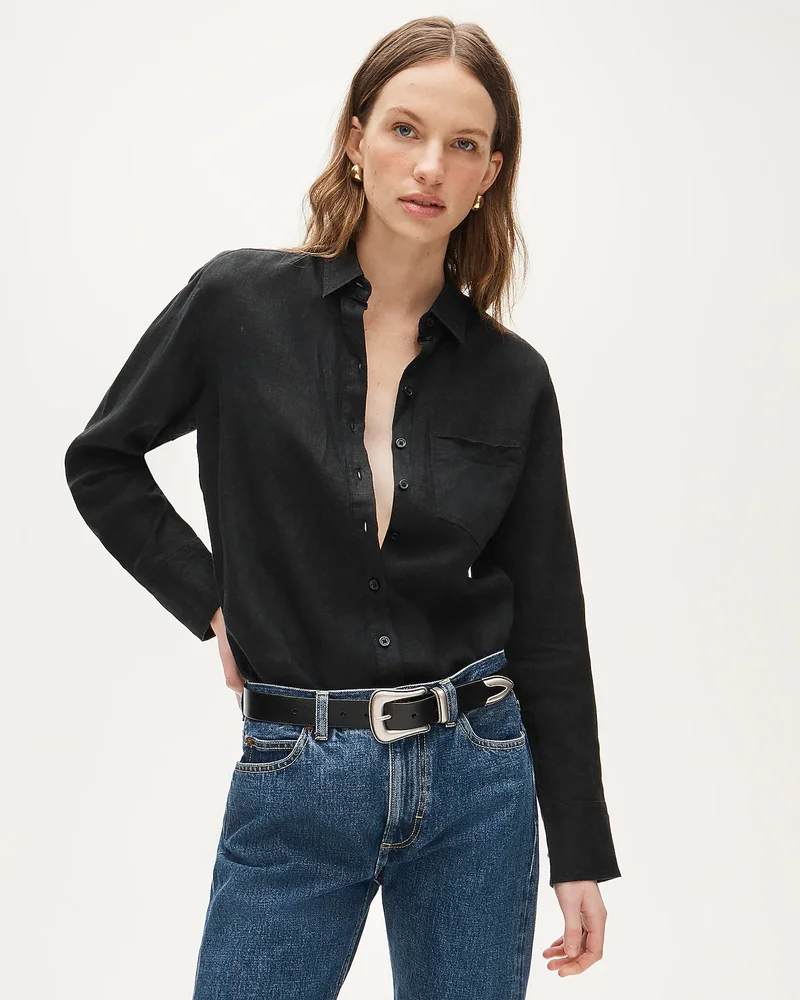
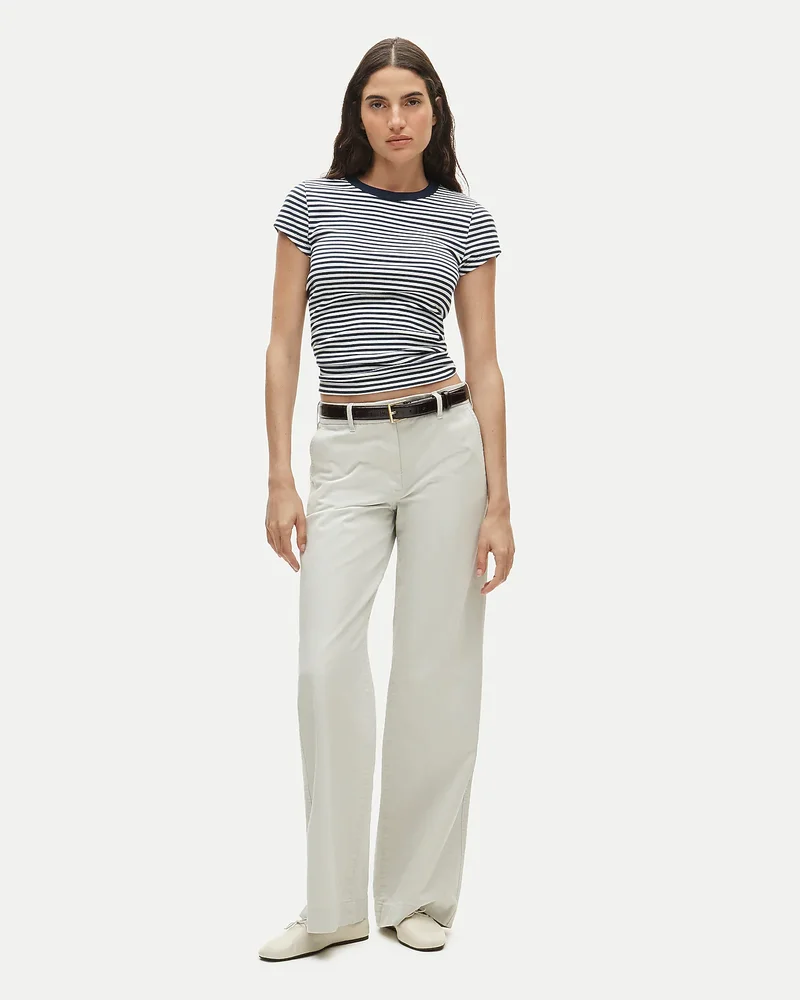
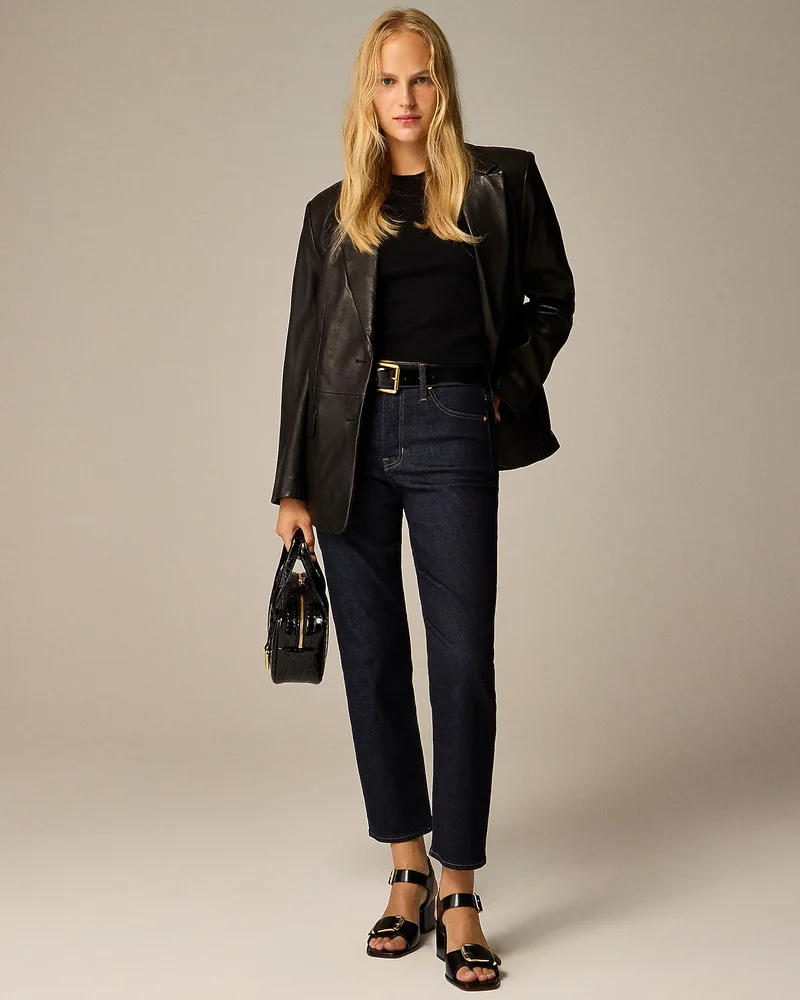
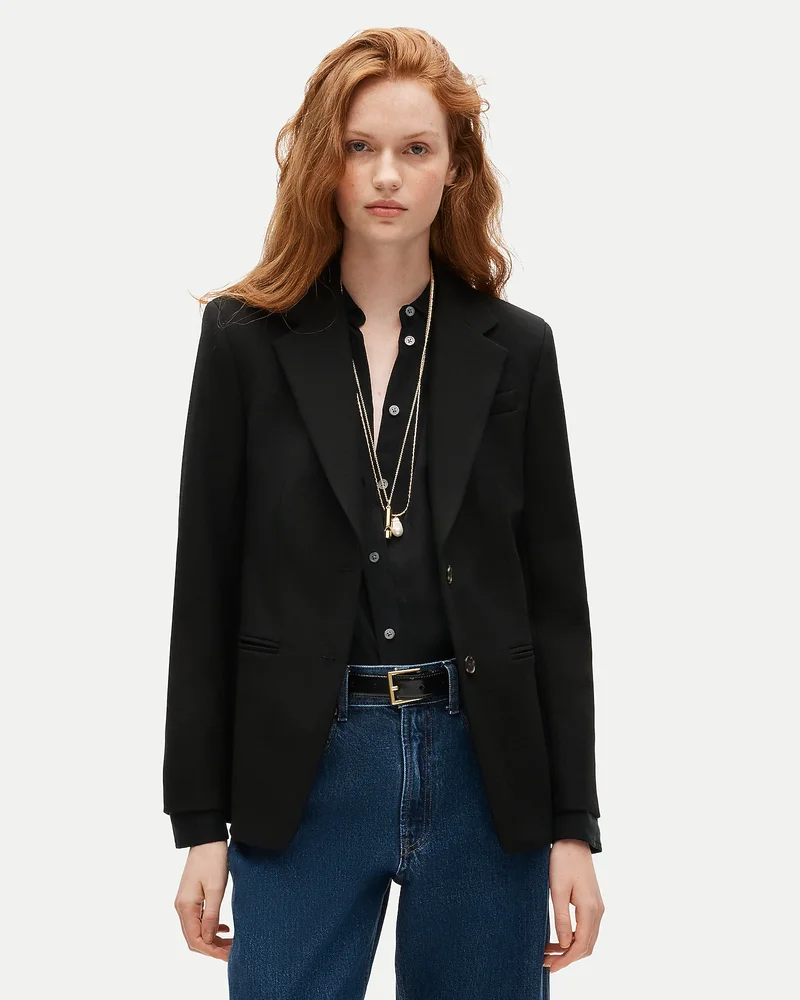
J.Crew Factory and Madewell sit beside the main J.Crew label under the same corporate roof. In the current closet, I would reach for the Garçon linen shirt as a warm-weather button-up, Boy Chino for a straighter casual trouser, the Slim Jean for dark denim, and the Margeaux blazer when an outfit needs a sharper shoulder. That mix makes sense to me because it keeps one foot in preppy basics and one in workwear. The fabric names are the point: linen, chino, denim and four-season stretch.
Where I would start
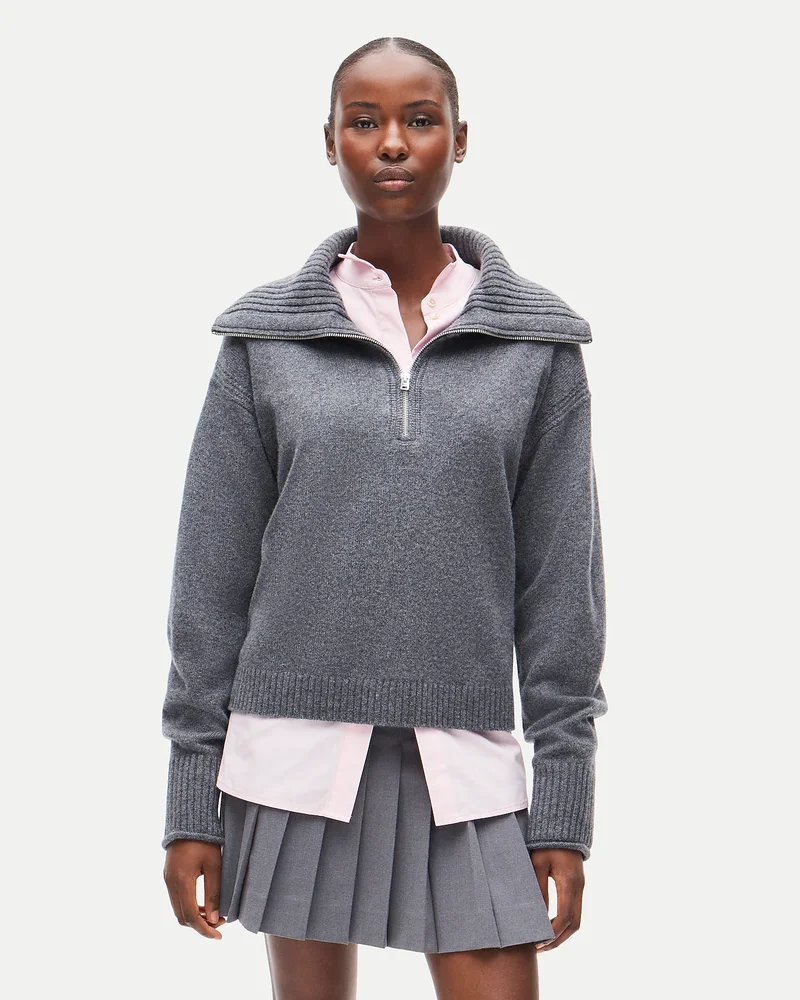
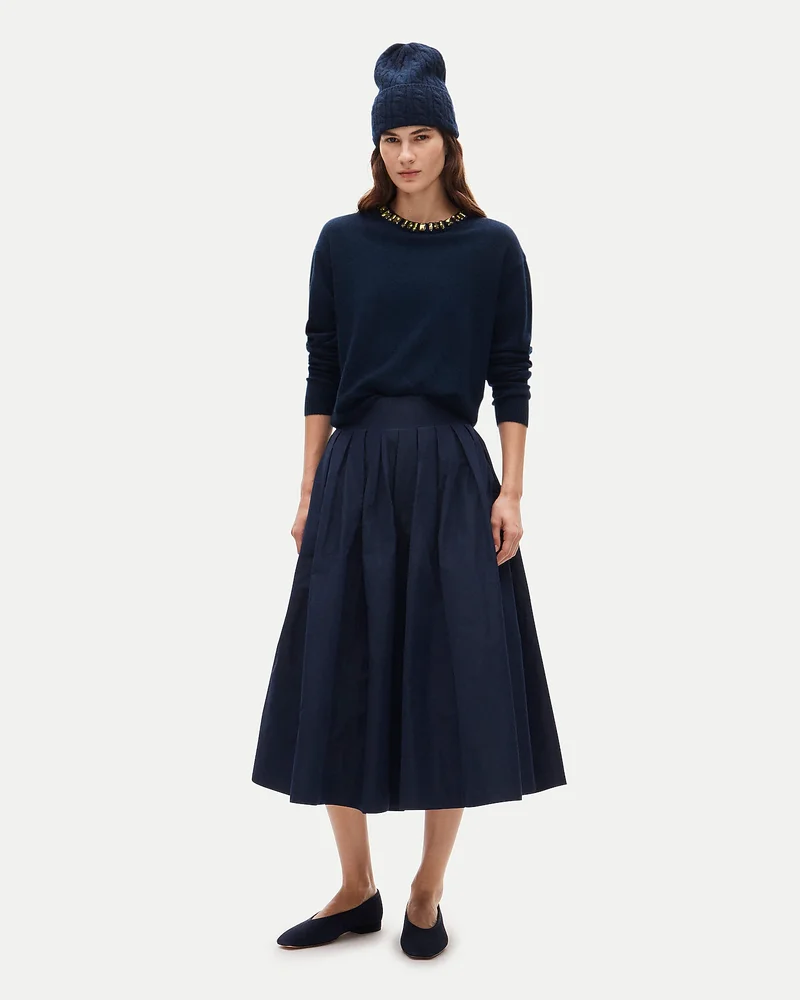
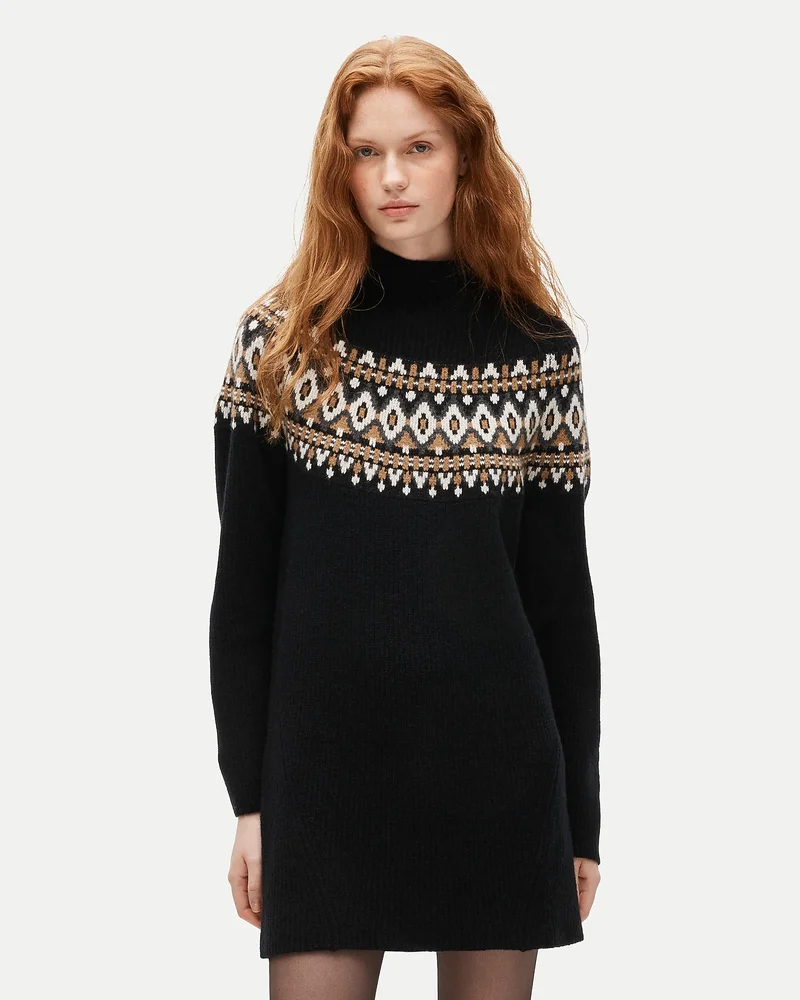
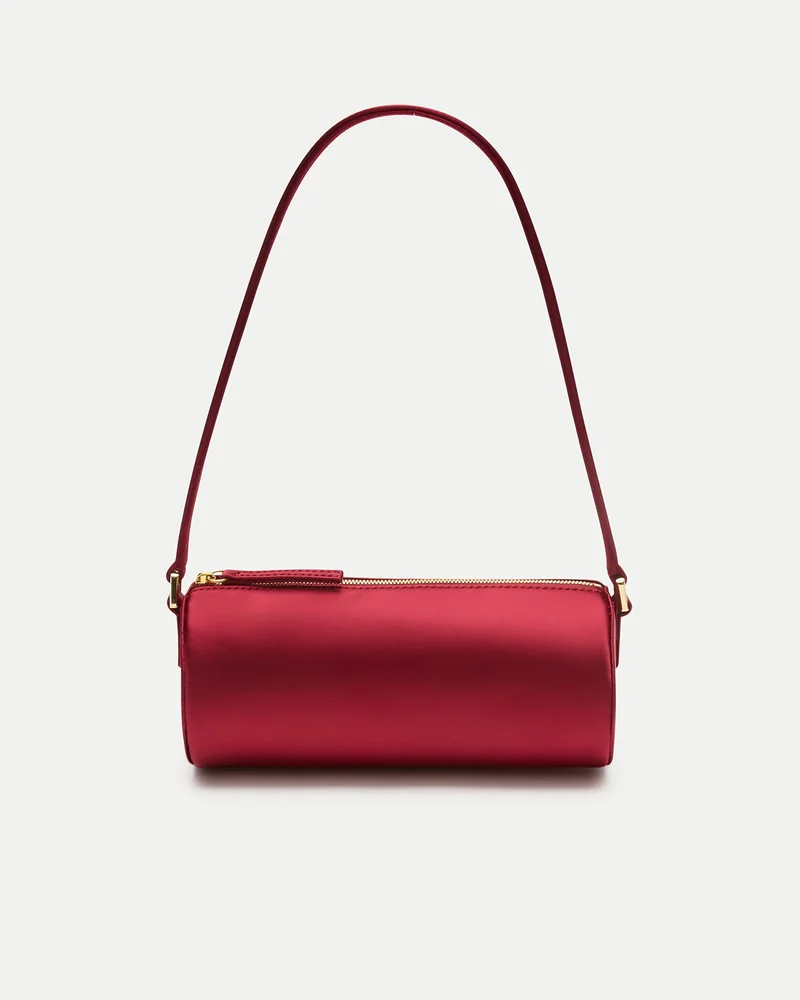
I would buy the cashmere quarter-zip first if I wanted a sweater that can go over a button-up, then choose the taffeta midi skirt or Fair Isle sweater-dress as the more opinionated pieces. The Pencil Bag in Satin is a one-size accessory, so I would treat it as a small finishing touch rather than the whole outfit. My skip would be buying all the statement textures at once: satin, taffeta and Fair Isle each do enough on their own. I would choose one based on how often my calendar calls for it and wear it with basics I already own.
The ownership story cannot tell me whether an individual piece is worth the price, and I would not expect every item to carry the same old-school weight. The cashmere quarter-zip is the simplest test at $228; the $198 ball skirt and wool dress are more occasion-specific. I would start with the sweater, then come back for the stronger textures if they fit the way I actually dress.